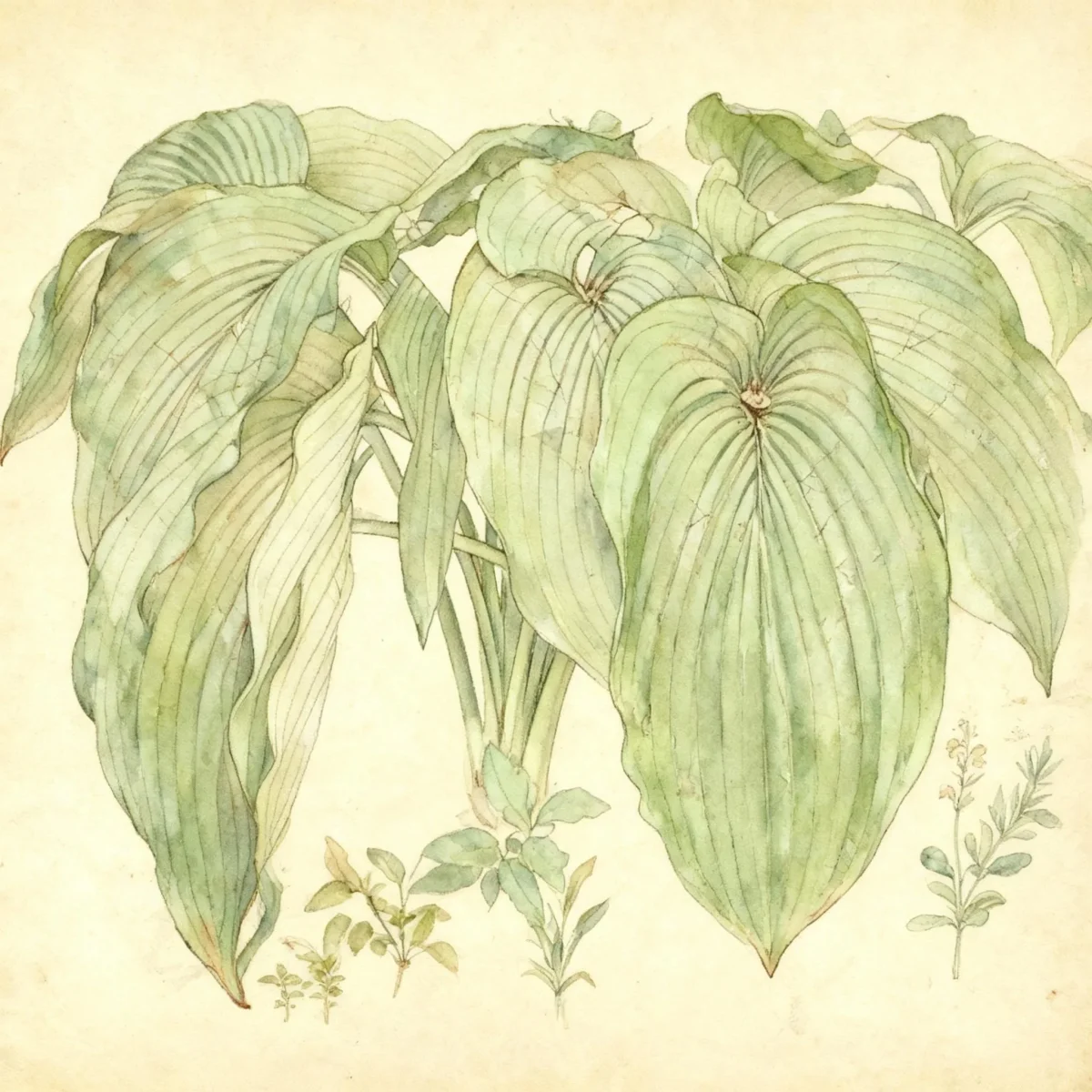
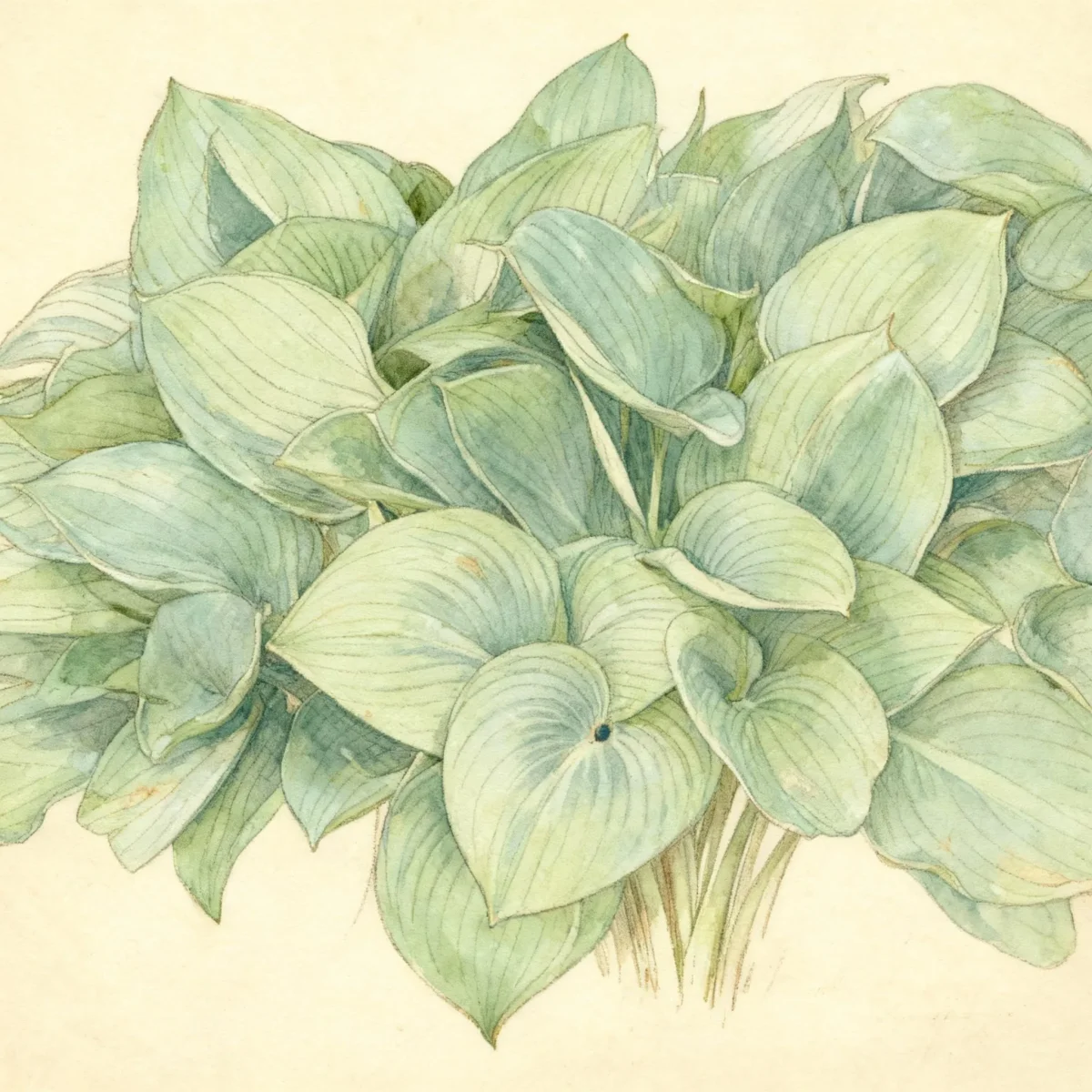
Hosta (Hosta 'Chartreuse Wiggles')
Discover Hosta 'Chartreuse Wiggles', a low-maintenance perennial boasting wavy chartreuse foliage and lavender striped blooms in USDA Zones 3-8.
Scroll down to discover growing tips, care requirements, companion plants, and more
Complete Plant Information
Overview
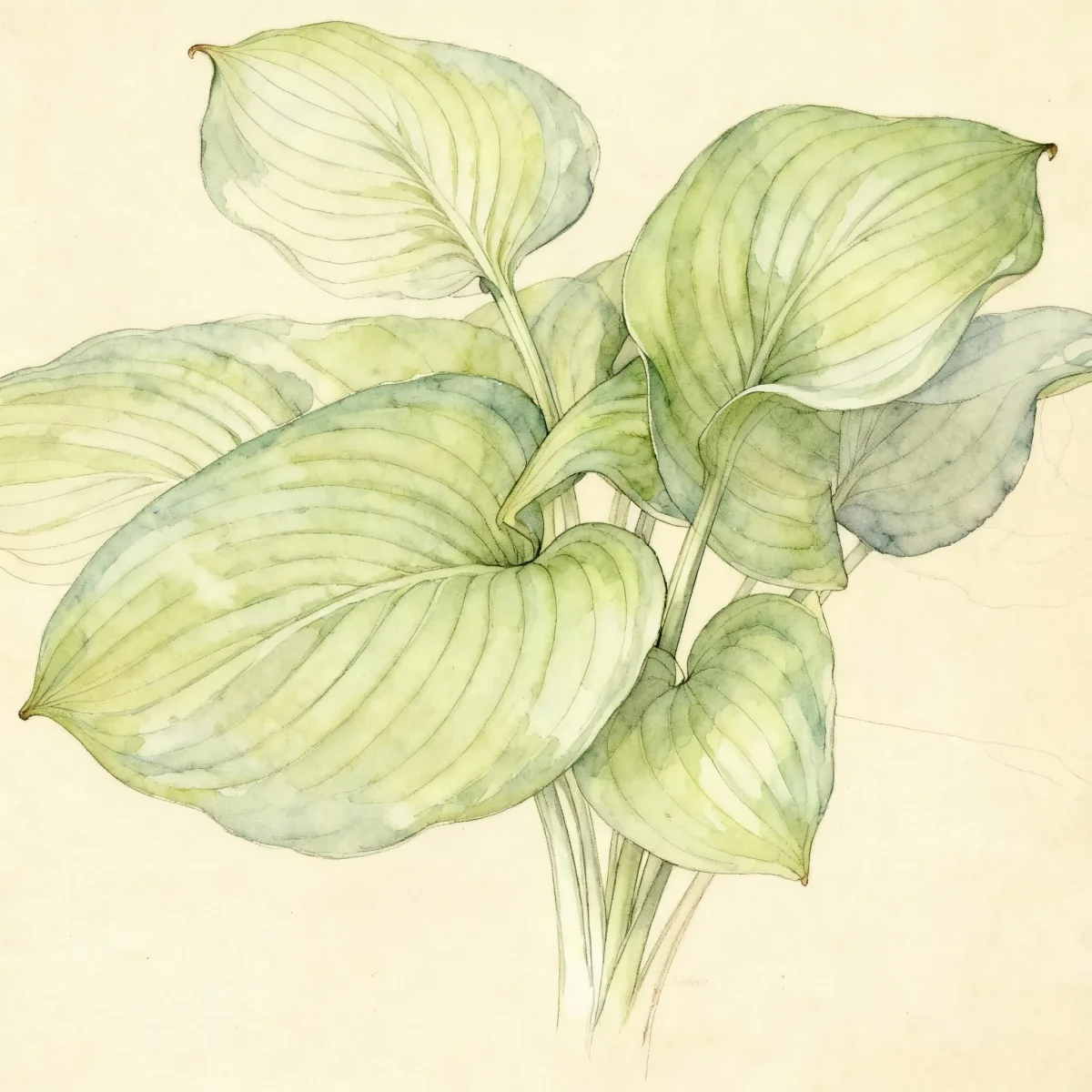
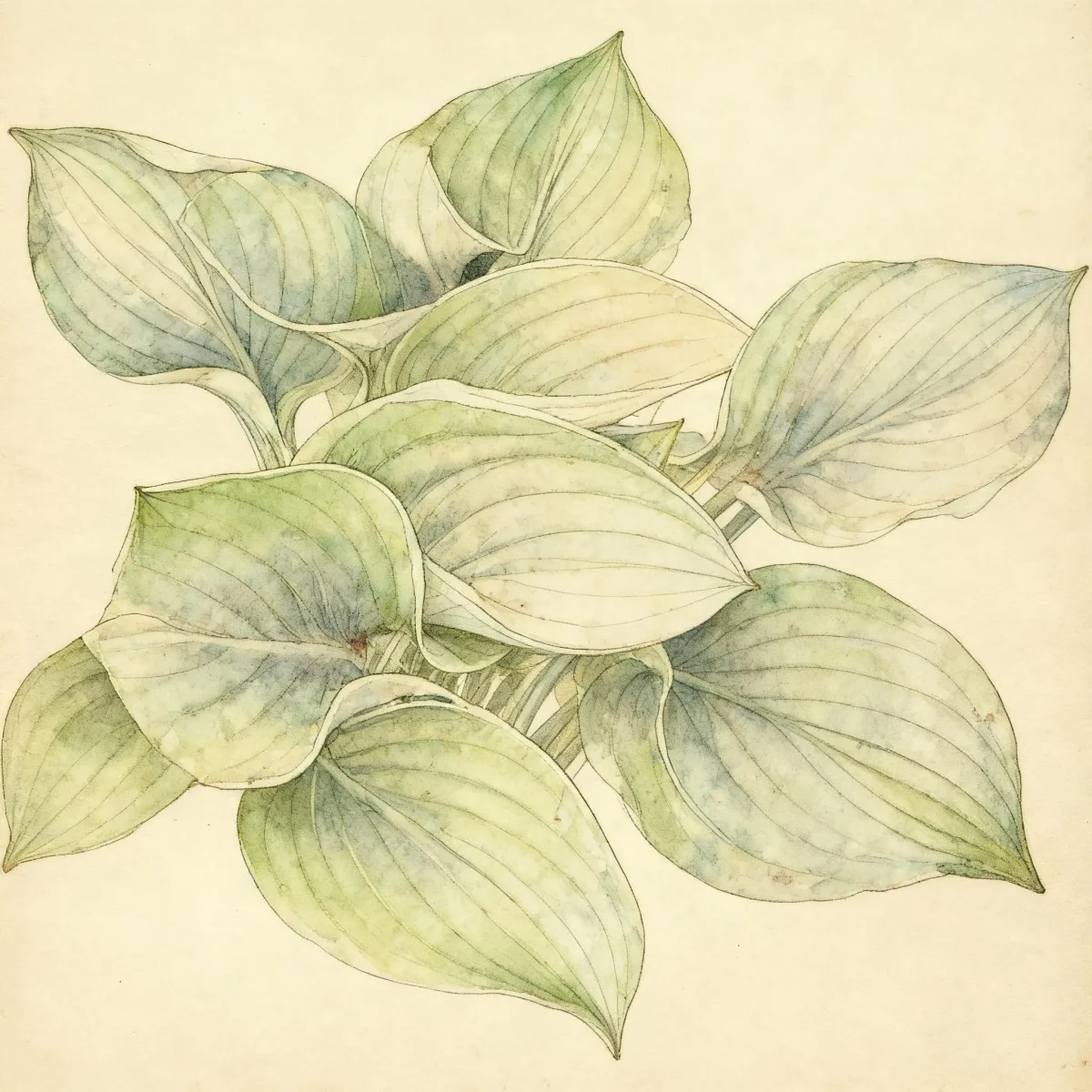
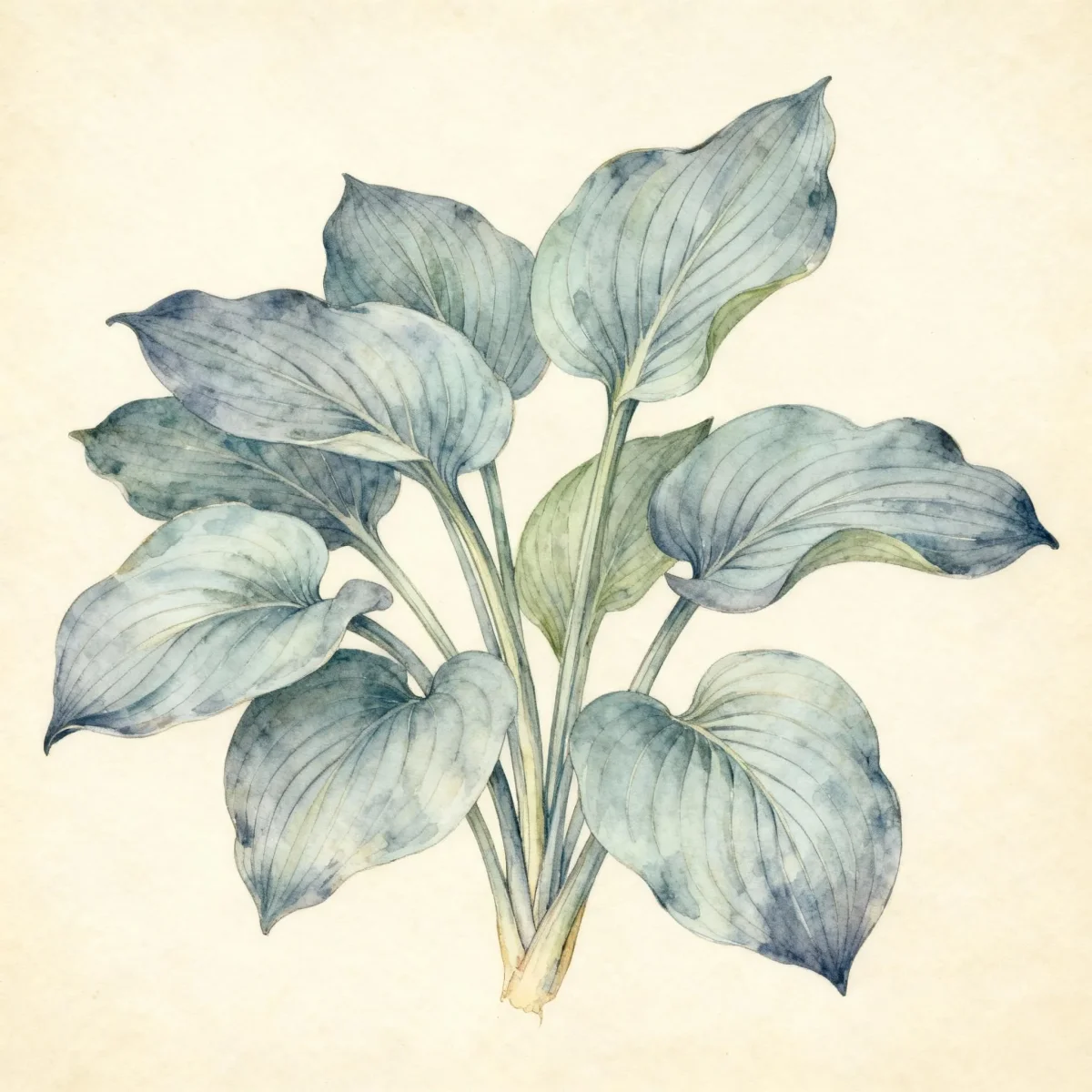
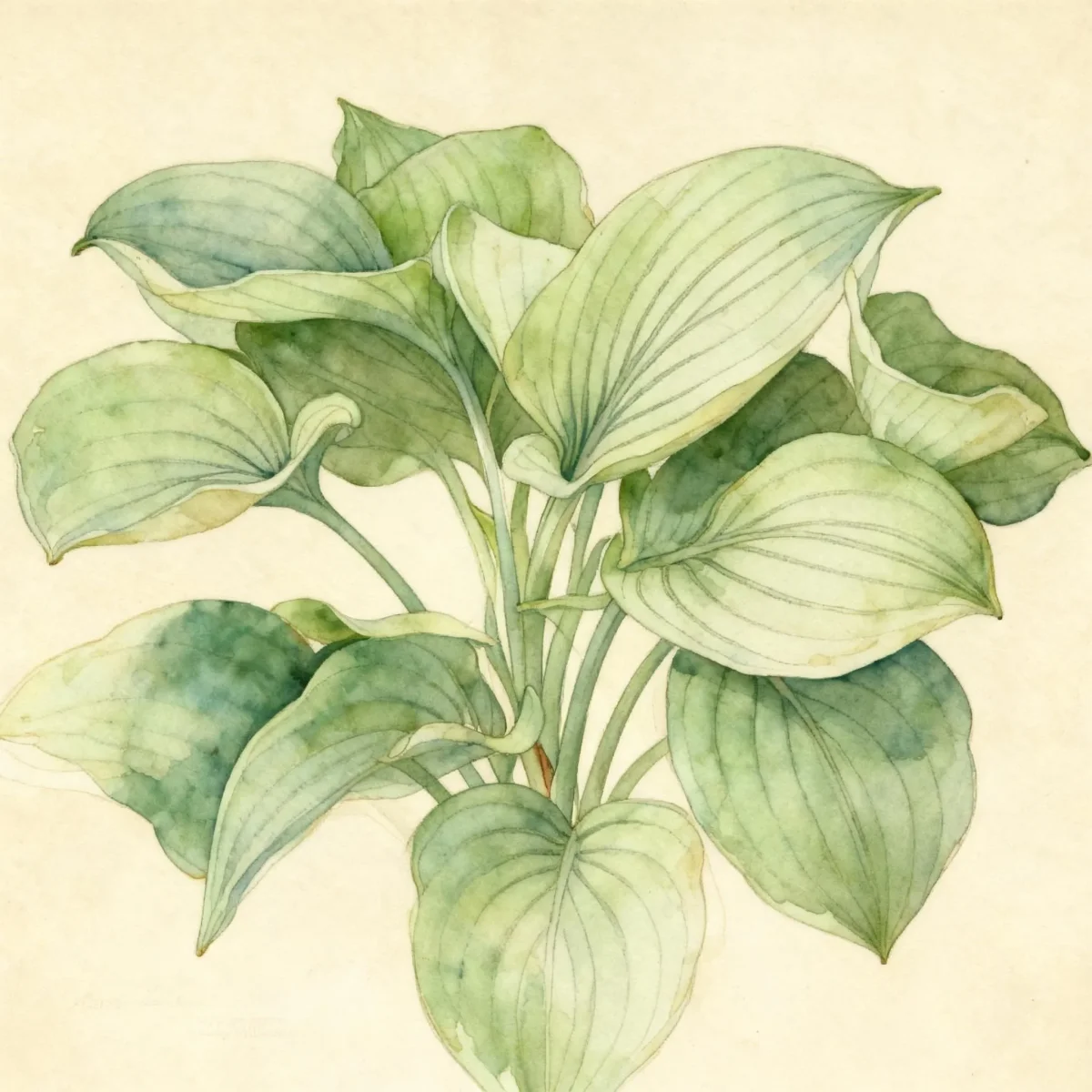
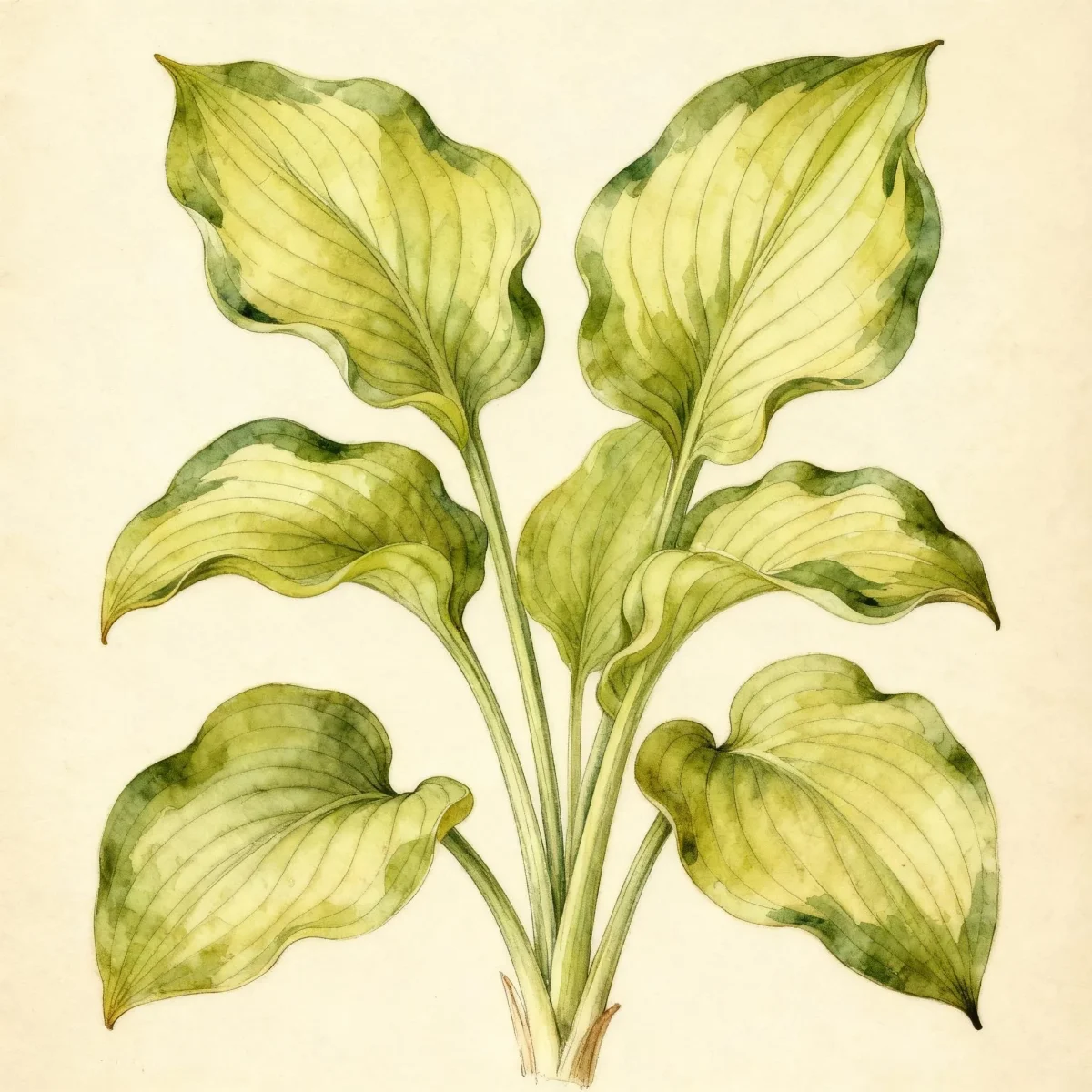
Hosta ‘Chartreuse Wiggles’ is cherished primarily for its stunning, highly textured foliage, making it a cornerstone in shaded garden designs. This cultivar of Hosta presents a vibrant mound of wavy, narrow, lance-shaped leaves saturated in a brilliant chartreuse hue. It provides essential color and contrast where few other plants thrive.
As a clump-forming herbaceous perennial, Hosta ‘Chartreuse Wiggles’ offers dependable beauty with minimal fuss during the growing season. It stands as a versatile architectural plant, delivering dense coverage quickly. Its foliage quality ensures it remains attractive from spring emergence through fall dormancy.
Toward mid-summer, this Hosta rewards the gardener with delicate racemes of funnel-shaped, purple-striped flowers held above the foliage on upright scapes. Though grown mainly for its leaves, the blooms add a subtle vertical accent to the mounding habit of Hosta ‘Chartreuse Wiggles’.
Fast Facts
- Plant Family: Asparagaceae
- Plant Type: Herbaceous perennial
- Hardiness Zones: USDA Zones 3-8
- Size at Maturity:
- Height: 0.5-0.75 ft
- Spread: 0.75-1 ft
- Bloom Time: July to August
- Bloom Description: Lavender striped
- Sun Exposure: Part shade to full shade
- Water Needs: Medium
- Maintenance Level: Low
How to Grow
Planting Hosta ‘Chartreuse Wiggles’ is best done in the spring or autumn. Ensure the location offers consistently moist, organically rich, well-drained soils. While this Hosta tolerates heavy shade, the best color saturation and form are achieved when situated in partial shade, benefiting from dappled sunlight or gentle morning sun.
Maintaining healthy Hosta plants requires consistent moisture, especially when young. Water thoroughly directly to the soil beneath the leaves rather than overhead to keep foliage dry and minimize fungal issues. Established Hosta ‘Chartreuse Wiggles’ have some tolerance for dry shade, but avoid letting the soil approach drought conditions for optimal size and quality.
This perennial is low maintenance overall, requiring little pruning. If division is necessary, undertake this task either in early spring before the leaves unfurl, or in autumn. Always site your Hosta ‘Chartreuse Wiggles’ where it is somewhat protected from harsh winds, which can tear the leaves.
Landscape Uses
Hostas are foundational plants for creating serene retreats in shady spots within the garden. Hosta ‘Chartreuse Wiggles’, with its bright chartreuse color, acts as a natural light source in deep shade, drawing the eye toward borders or mass plantings where other greens might appear dull.
These perennials are extremely effective when planted in groups or massed together to create a unified fabric of texture below mature trees or along north-facing walls. They serve excellently as shady borders, providing a bright edge, or as woodland garden accents, softening hard lines.
Consider pairing the chartreuse tones of this Hosta with deeper green, blue, or variegated shade companions like ferns or Astilbe for maximum color contrast. Their dense foliage habit also aids in suppressing less vigorous garden weeds effectively.
Standout Features
Flower Qualities
- Showy
- Good Cut
Noteworthy Characteristics
Hosta is a genus of approximately 70 species primarily grown for their ornamental foliage, presenting dense, basal leaves in diverse shapes and textures rising from a rhizomatous crown. ‘Chartreuse Wiggles’ specifically features a striking mound of wavy, narrow, chartreuse leaves topped by floral racemes. This dependable variety offers texture and luminous color, requiring little ongoing care once established.
Tolerances
- Heavy Shade
- Black Walnut
Potential Problems
The most common affliction for Hosta ‘Chartreuse Wiggles’ involves chewing pests, namely slugs and snails. These mollusks are highly attracted to the foliage, rapidly creating unsightly holes that compromise the ornamental value of the leaves if monitoring is lax. Early detection and the deployment of appropriate pest control methods are vital for preventing serious leaf damage.
Foliar nematodes can cause undesirable interveinal browning, although this is less frequent than pest damage. Less common issues include various leaf spots and crown rot, often resulting from poor drainage or overwatering. Be vigilant for signs of viral infections (like HVX); infected plants must be removed and destroyed immediately to safeguard nearby specimens. Hail storms can also tear the leaves of exposed plants.
Frequently Asked Questions
What hardiness zones is Hosta ‘Chartreuse Wiggles’ suitable for?
Hosta ‘Chartreuse Wiggles’ is reliably hardy across USDA Zones 3 through 8, making it adaptable to a wide range of northern climates.
How large does Hosta ‘Chartreuse Wiggles’ grow?
This plant typically reaches a mature height between 0.5 and 0.75 feet, with a spread ranging from 0.75 to 1 foot wide, forming a compact mound.
What sun exposure does Hosta ‘Chartreuse Wiggles’ need?
This Hosta variety thrives best in part shade conditions, though it will also tolerate full shade well.
When does Hosta ‘Chartreuse Wiggles’ bloom?
The flowering period for Hosta ‘Chartreuse Wiggles’ generally occurs from July into August, displaying attractive lavender striped blooms.
Conclusion
Hosta ‘Chartreuse Wiggles’ is an indispensable perennial for gardeners looking to brighten up deeply shaded areas with structural, textured foliage. Its low maintenance nature and vibrant chartreuse color make it a standout performer in the Hosta genus. Evaluate your garden’s light levels and soil moisture to ensure success, and introduce Hosta ‘Chartreuse Wiggles’ this season.
Companion Planting
Selecting the right partners enhances the visual appeal of Hosta ‘Chartreuse Wiggles’. Because this Hosta prefers moist, rich soil and shade, companion plants should share similar cultural requirements. Consider pairing it with shade-loving, richly textured plants like Japanese Painted Ferns (Athyrium niponicum) or large-leafed Brunnera macrophylla for complementary colors and forms.
For contrast, planting Hosta ‘Chartreuse Wiggles’ near plants with darker foliage, such as certain varieties of Heuchera or dark-leaved Hakonechloa grass, makes the chartreuse color appear even brighter. Remember that Hosta foliage is its main feature, so choose companions that offer different leaf shapes or flower displays to avoid visual competition.
Seasonal Care Calendar
Spring is the crucial time for Hosta care, focusing on dividing established clumps if overcrowding occurs, ideally before new leaves fully emerge. As temperatures rise, monitor watering closely; consistent moisture ensures the wavy leaves of Hosta ‘Chartreuse Wiggles’ remain crisp and unblemished.
During the summer bloom time in July and August, enjoy the subtle lavender flowers, but be vigilant about checking the undersides of leaves for slug activity. Keep the base of the plant clear to ensure good air circulation, which helps mitigate the risk of crown rot.
As fall approaches, the foliage of this Hosta will naturally begin to die back. Cut back the spent leaves after they have yellowed or gone fully dormant, preparing the plant for winter dormancy. No significant winter protection is usually needed for Hosta ‘Chartreuse Wiggles’ in Zones 3-8.