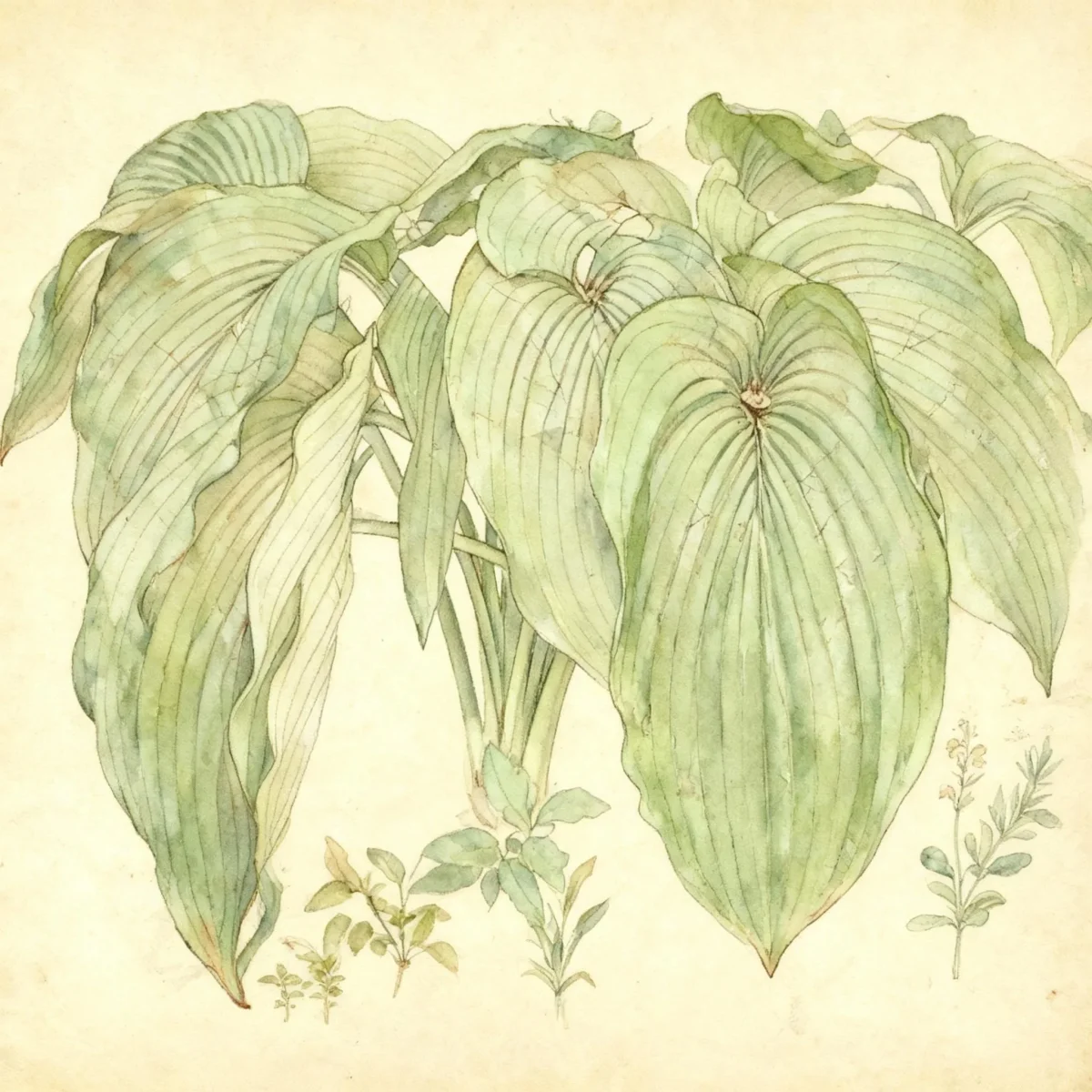
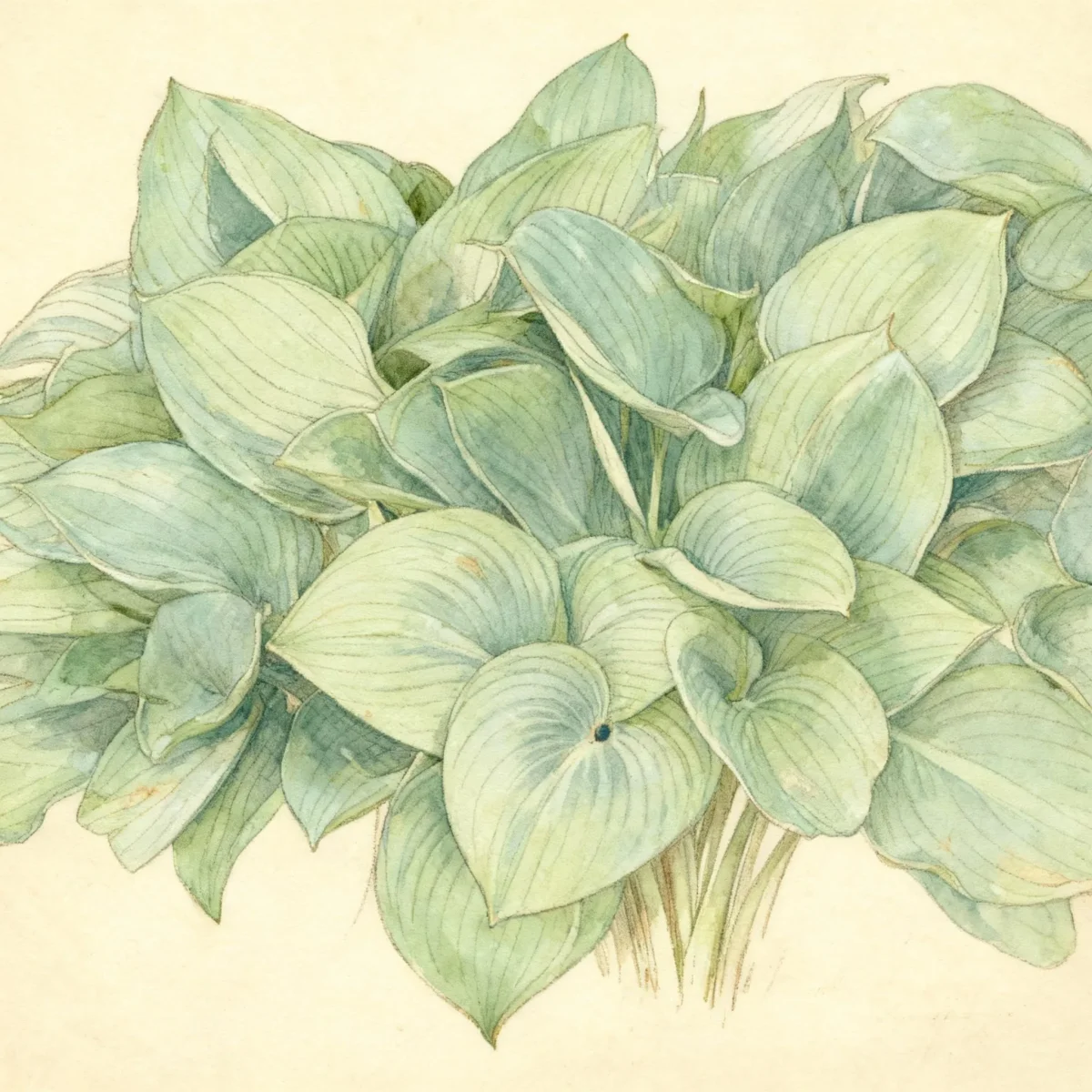
Hosta (Hosta 'Daybreak')
Hosta 'Daybreak' offers large, golden-yellow foliage prized for shade gardens, thriving in zones 3-8 with low maintenance.
Scroll down to discover growing tips, care requirements, companion plants, and more
Complete Plant Information
Overview
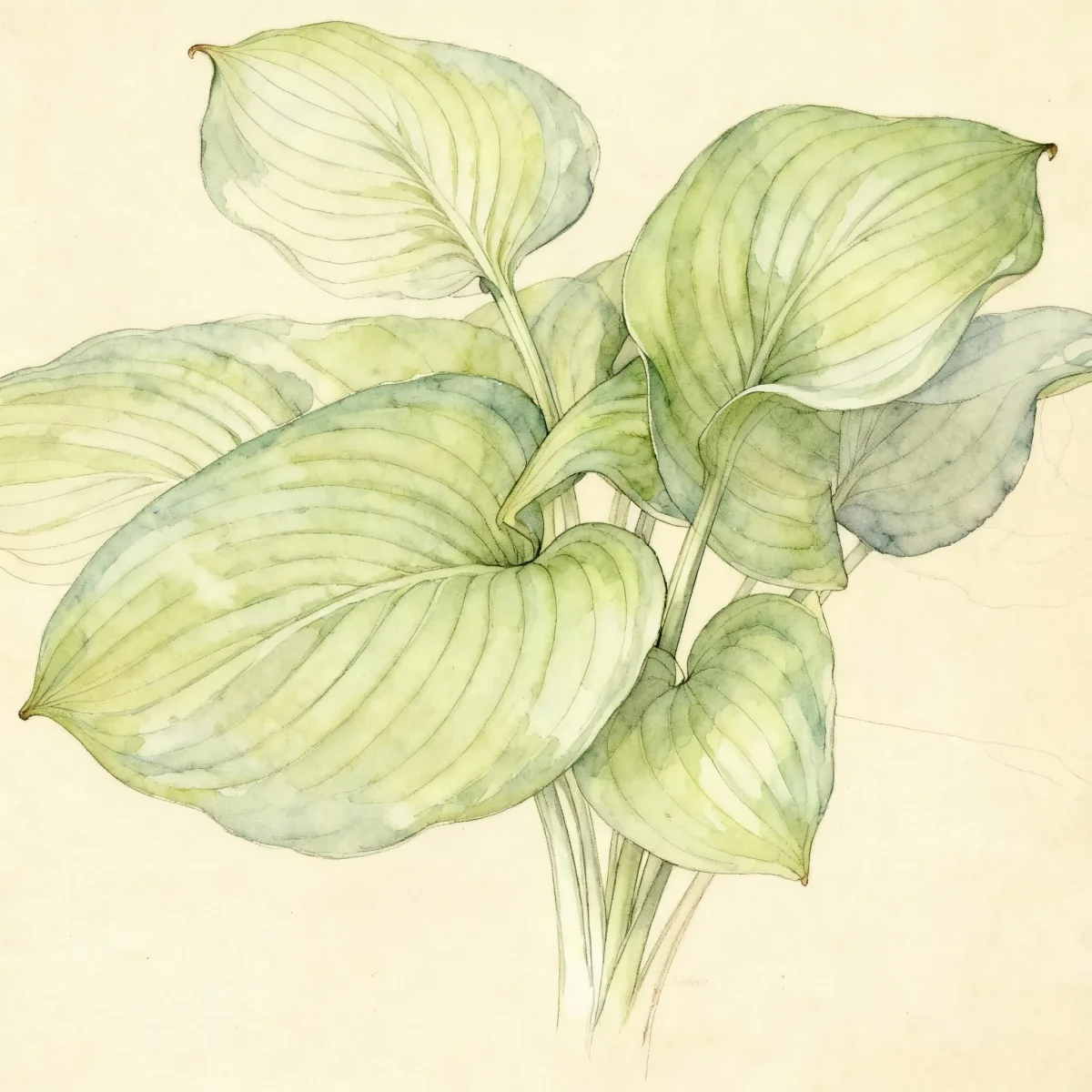
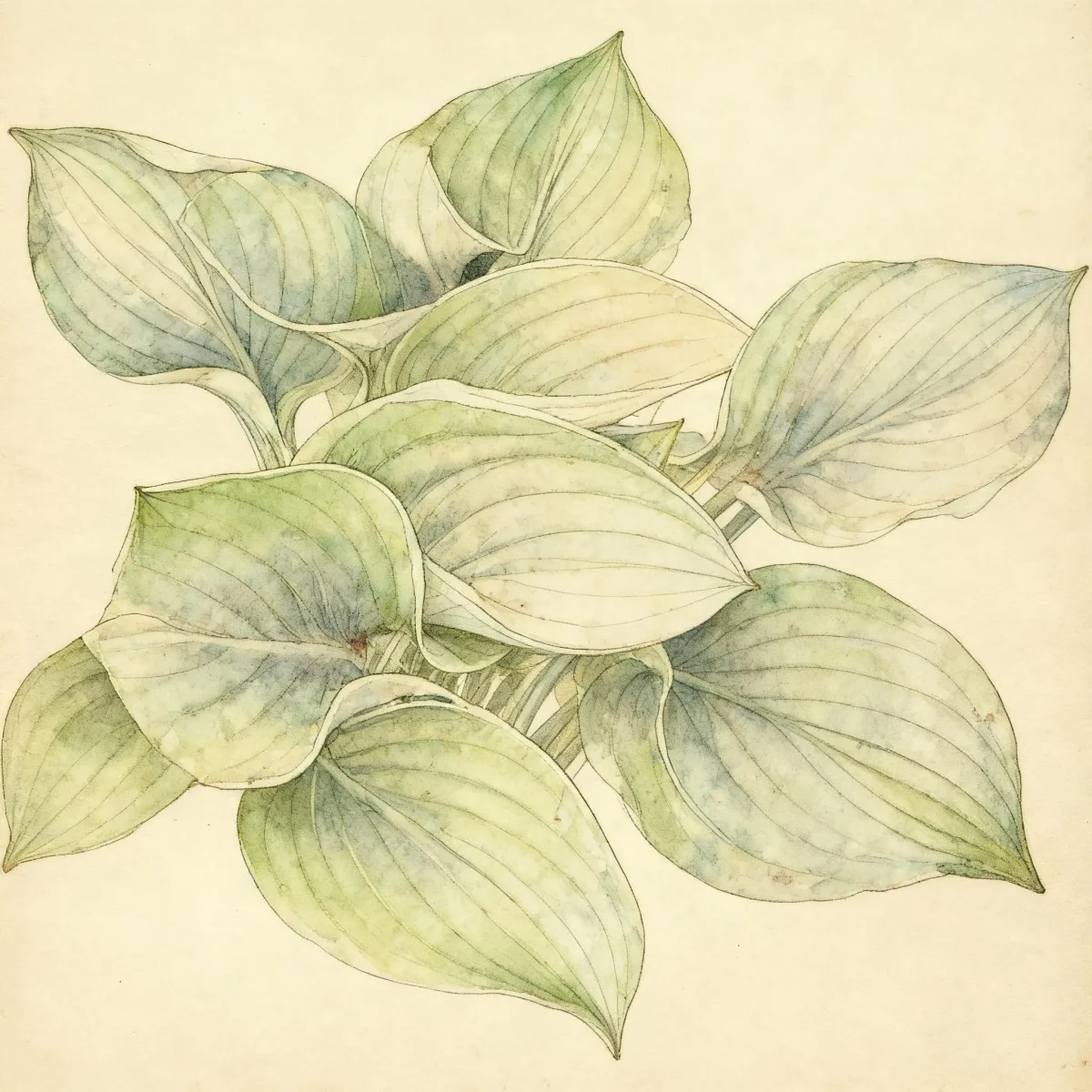
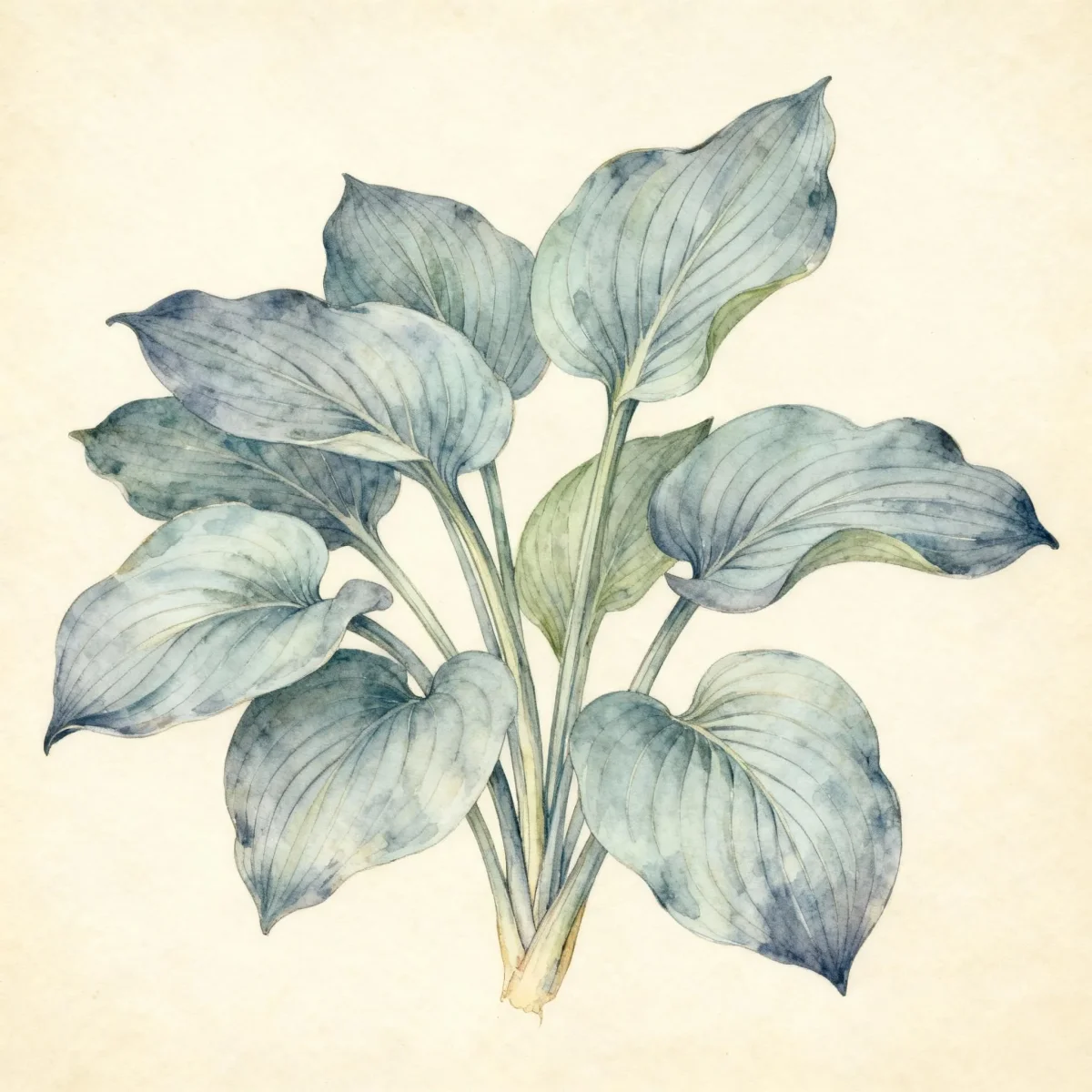
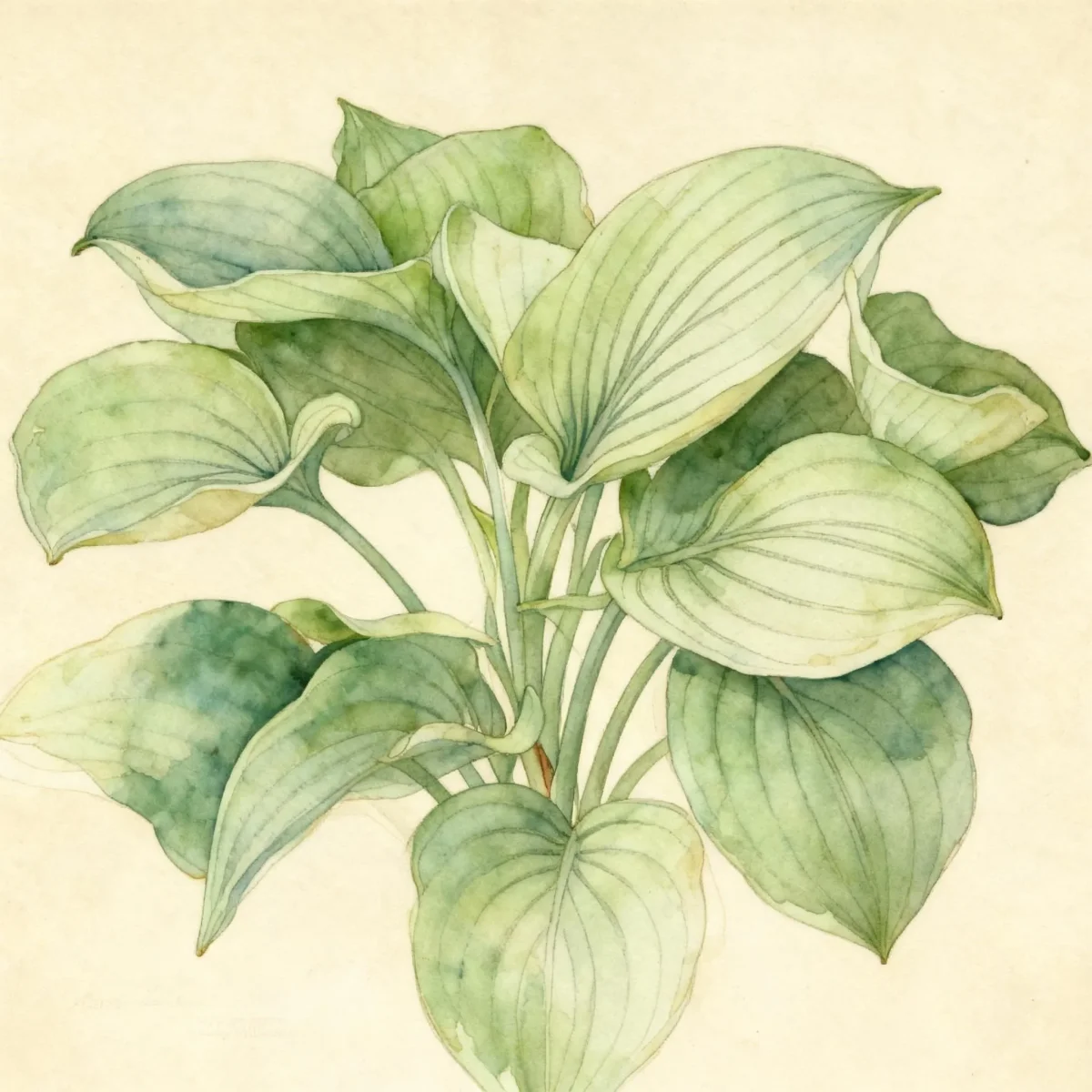
Hosta ‘Daybreak’ is a stellar specimen beloved by gardeners primarily for its massive, ornamentally excellent foliage. This cultivar produces a wide mound of thick, heavily-textured leaves that emerge chartreuse before maturing into a rich golden-yellow, contrasting beautifully against the deep lavender-blue summer flowers. As a shade-loving, herbaceous perennial, Hosta ‘Daybreak’ brings reliable structure and vibrant color to dim garden corners.
Culturally, this Hosta is known for being easily grown, provided it receives consistent moisture in rich, well-drained soil. While tolerant of dry shade once established, optimal size and quality are achieved when watering is managed appropriately. Its combination of large, showy foliage and low maintenance requirements makes Hosta ‘Daybreak’ indispensable for creating lush, textured shade landscapes.
Fast Facts
- Plant Family: Asparagaceae
- Plant Type: Herbaceous perennial
- Hardiness Zones: USDA Zones 3-8
- Size at Maturity:
- Height: 1.5-3 ft
- Spread: 2-3 ft
- Bloom Time: August to September
- Bloom Description: Lavender-blue
- Sun Exposure: Part shade to full shade
- Water Needs: Medium
- Maintenance Level: Low
How to Grow
Plant Hosta ‘Daybreak’ in locations protected from harsh winds, prioritizing sites that receive part shade, though they can tolerate full shade. The soil must be organically rich and well-drained, benefiting substantially from regular amendments to maintain even moisture. Division of the clump-forming crown is best executed in early spring just before the foliage unfurls, or alternatively in autumn.
Consistent moisture is crucial for achieving the full size and best leaf quality of Hosta. Water deeply and directly at the soil level beneath the leaves to maintain hydration, as the foliage itself does not need overhead spraying. While established plants possess some tolerance for dry conditions, especially those with thicker leaves, these large-leaved specimens should never be allowed to completely dry out during active growth periods.
As a low-maintenance perennial, extensive feeding is rarely required if the starting soil is rich. Gardeners should focus primarily on weed control and monitoring for pests, particularly slugs and snails. Prepare the area well before planting, as these rhizomatous perennials establish themselves slowly but provide enduring beauty once settled into their preferred shady niche.
Landscape Uses
Hostas are the quintessential mainstay of shade gardens, valued more for their variegated and colorful foliage than their summer blooms. Hosta ‘Daybreak’ excels when massed or planted in large groups, creating a broad, glowing pool of gold that brightens dark areas under deciduous trees or along north-facing borders. The substantial presence of this large Hosta makes it an excellent background plant in woodland settings or foundational planting within perennial beds requiring year-round structure.
The golden tones of Hosta ‘Daybreak’ offer wonderful contrast against deep green or blue-leaved companions. Pair it with shade-tolerant ferns, Astilbe, or groundcovers like Vinca minor to create layered textures. Its bright foliage helps define shady borders, ensuring that the area remains visually interesting even when flowering plants have finished for the season.
Standout Features
Flower Qualities
- Showy
Noteworthy Characteristics
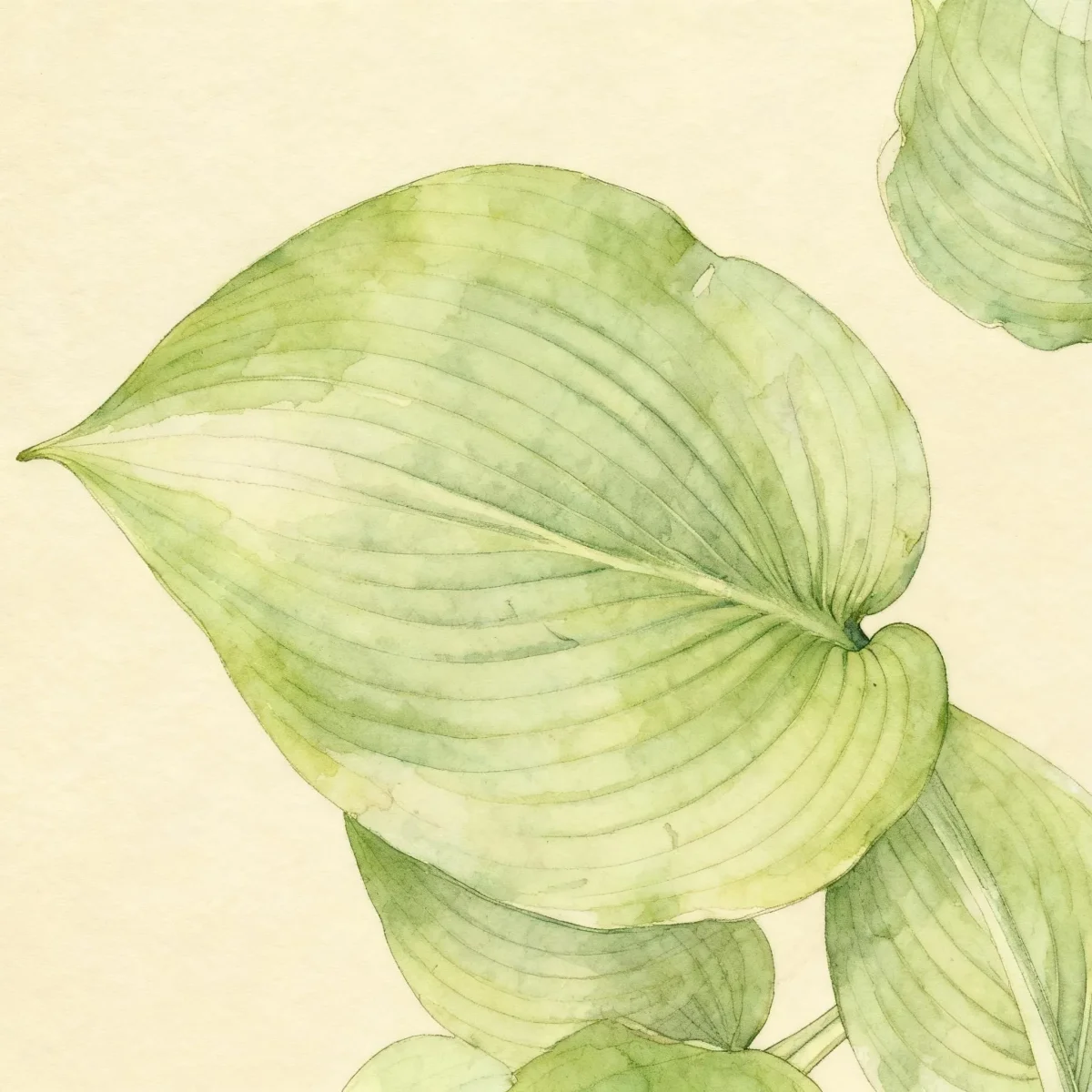
Hosta is a genus of about 70 species of shade-loving, rhizomatous, clump-forming, herbaceous perennials which are native to open woodlands, woodland margins and glades in Japan, Korea, China and eastern Russia. ‘Daybreak’ is a large, wide-spreading, golden-leaved hosta that produces a foliage mound of thick, heavily-textured leaves which emerge chartreuse but mature to golden yellow with 13 pairs of prominent closely-ribbed veins. In mid to late summer, lily-like, dark lavender-blue flowers bloom on dark green scapes rising above the foliage mound.
Tolerances
Hostas are remarkably versatile regarding canopy cover:
- Heavy Shade
- Black Walnut
Potential Problems
The primary threat to Hosta health, including Hosta ‘Daybreak’, comes from slugs and snails, which are attracted to the lush foliage and chew unsightly jagged holes quickly. Prevention is key; apply slug bait strategically around the perimeter of the clump, or utilize beer traps and copper tape barriers. Watch for foliar nematodes, which cause a distinct interveinal browning discoloration across the leaf surfaces.
In addition to invertebrates, certain viruses like Hosta Virus X can infect the plant, requiring immediate removal and destruction of the infected specimen to prevent spread. While less frequent, crown rot can occur in overly saturated, poorly draining soils, emphasizing the need for good drainage when planting your Hosta. Deer and rabbits also frequently view hosta leaves as a primary food source.
Frequently Asked Questions
What hardiness zones is Hosta ‘Daybreak’ suitable for?
Hosta ‘Daybreak’ maintains excellent vigor across USDA Zones 3 through 8.
How large does Hosta ‘Daybreak’ grow?
This cultivar reaches mature heights between 1.5 and 3 feet tall, spreading outwards to a width of 2 to 3 feet, forming a sizable mound of golden foliage.
What sun exposure does Hosta ‘Daybreak’ need?
This Hosta prefers part shade to full shade conditions; while it can tolerate some morning sun, heavy afternoon sun will likely scorch the golden leaves.
When does Hosta ‘Daybreak’ bloom?
The lavender-blue, lily-like flowers of Hosta ‘Daybreak’ appear later in the season, typically blooming from August into September.
Conclusion
Hosta ‘Daybreak’ is an exceptional choice for any gardener seeking reliable, high-impact ornamental foliage in shaded areas. Its large, signature golden leaves and attractive lavender blooms ensure that this Hosta provides consistent textural and color interest throughout the growing season. Before planting, ensure your location meets the medium water needs and provides protection from afternoon scorch to keep your Hosta looking its best.
Companion Planting
Selecting the right companions enhances the visual appeal of Hosta ‘Daybreak’ by playing off its strong golden color and heavy texture. Consider pairing it with plants that offer finer textures or contrasting cool colors. Shade-tolerant bulbs like Snowdrops (Galanthus) emerge early, providing interest before the Hosta fully leafs out, while plants like Hakonechloa (Japanese Forest Grass) cascade beautifully near the edges of the mound.
For perennial partners, plants with deep blue or purple flowers, such as certain varieties of Lungwort (Pulmonaria) or woodland Phlox, contrast stunningly with the chartreuse and gold of the Hosta leaves. When designing a woodland garden, remember that the primary requirement for any good Hosta companion plant should be a shared need for consistent moisture and protection from intense direct sunlight.
Propagation Tips
The primary method for increasing your stock of Hosta ‘Daybreak’ is through division of the central crown and its attached rhizomes. This technique should be performed in spring before active growth begins, which makes separating the root mass significantly easier when the shoots are short. Carefully dig up the entire clump, gently tease or slice the root ball into sections, ensuring each new division has several healthy eyes or growth points attached.
Replant the divisions immediately at the same depth they were previously growing; burying the crown too deeply can hinder emergence in the following spring. Successful propagation through division relies heavily on maintaining consistent moisture levels for the newly separated plants until they are fully established in their new positions.