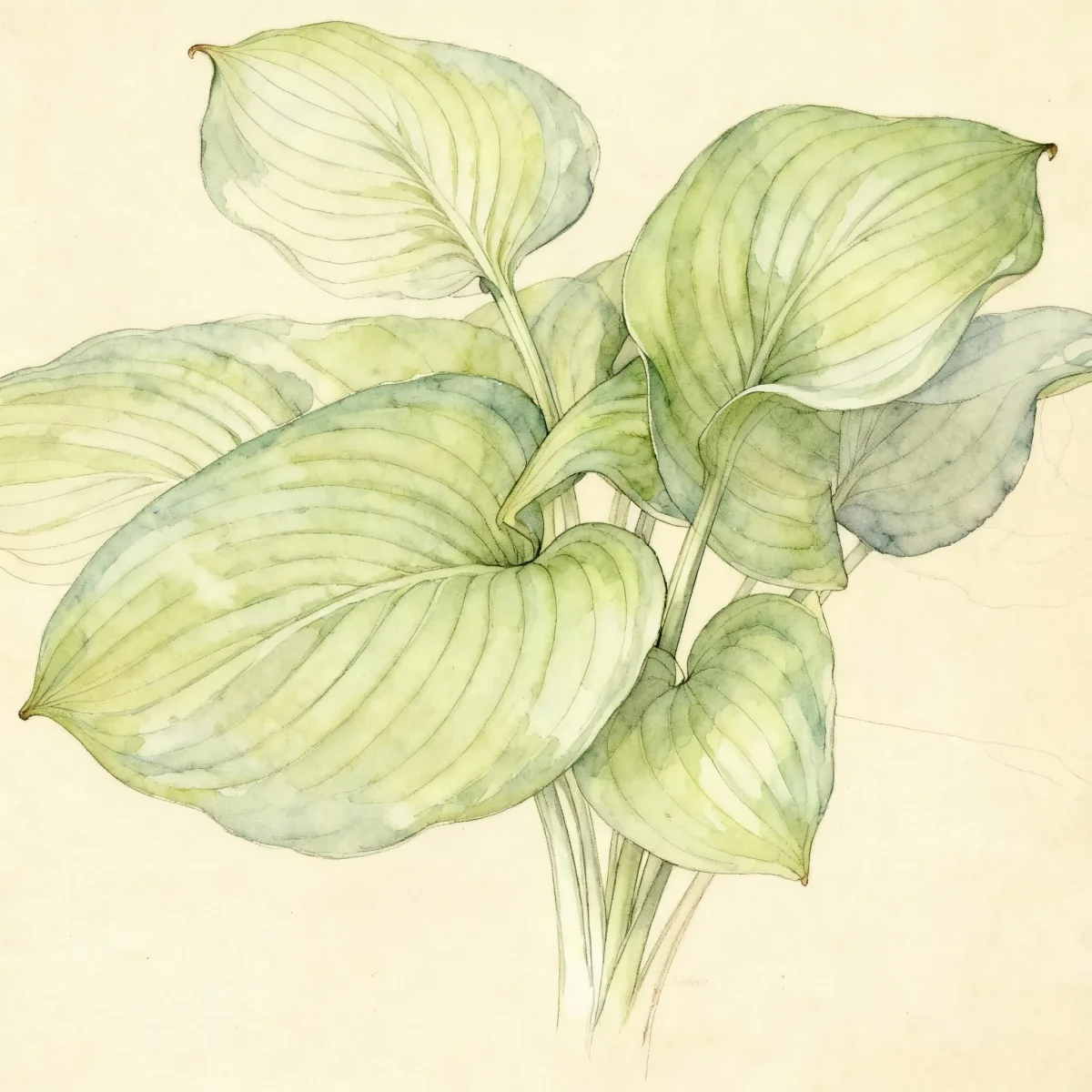
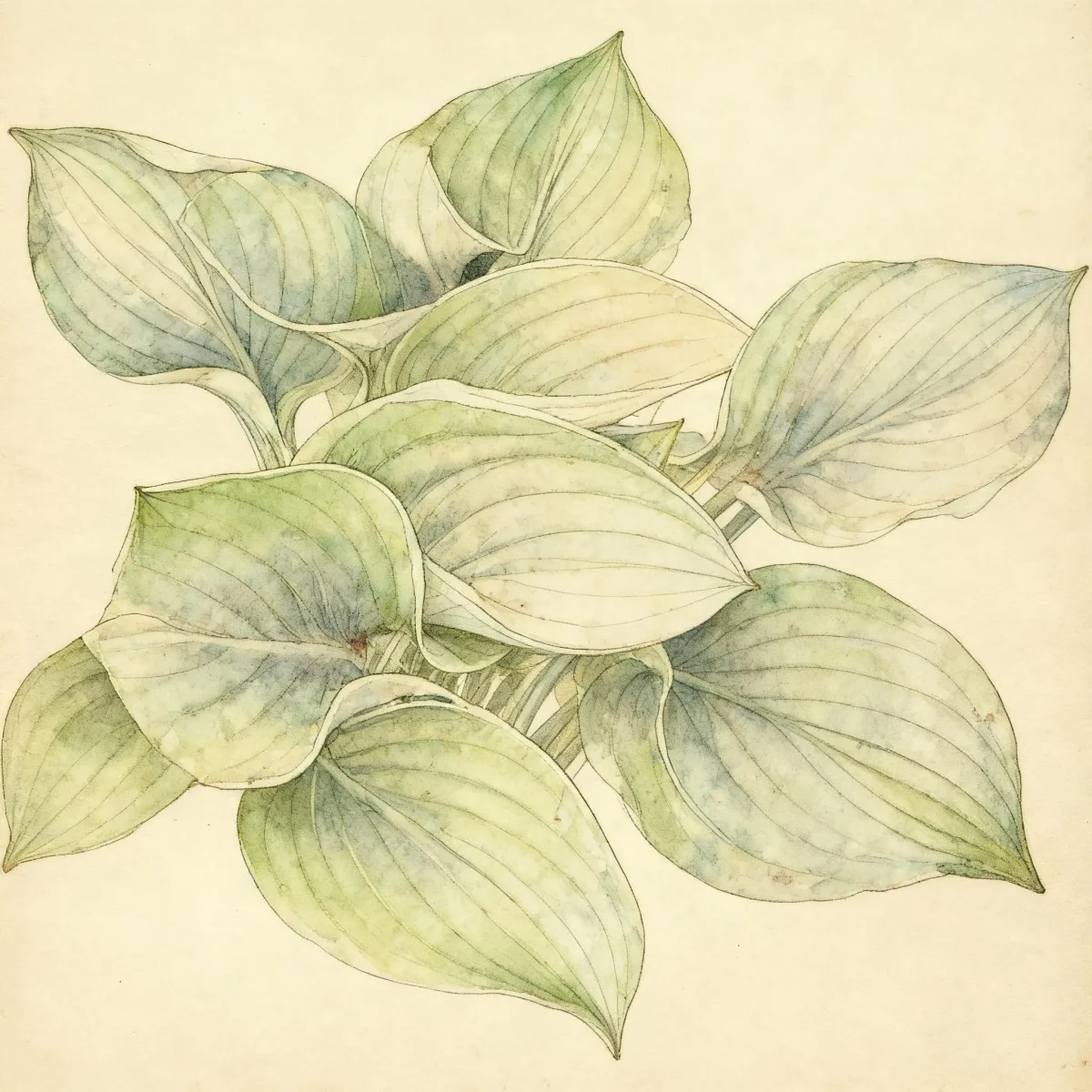
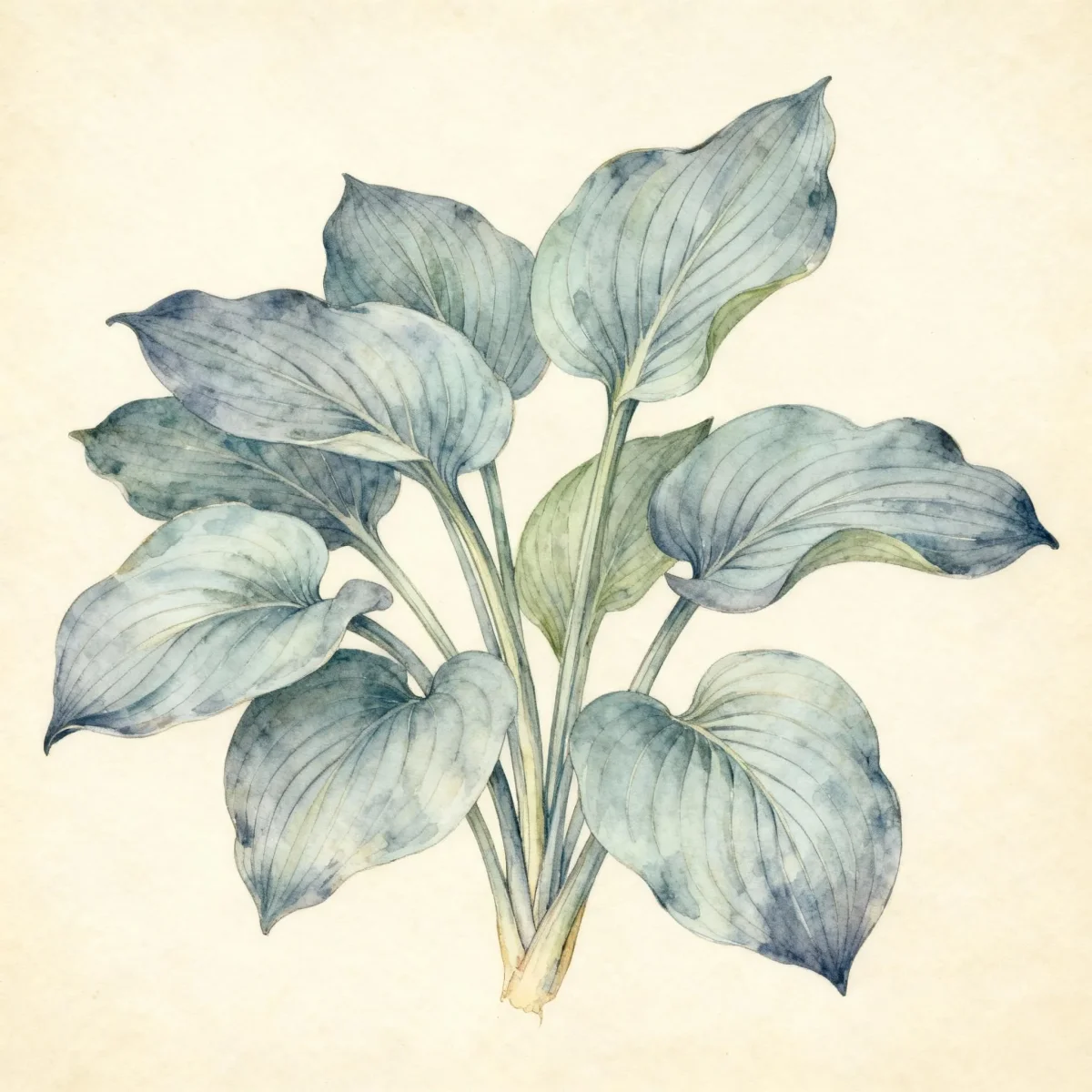
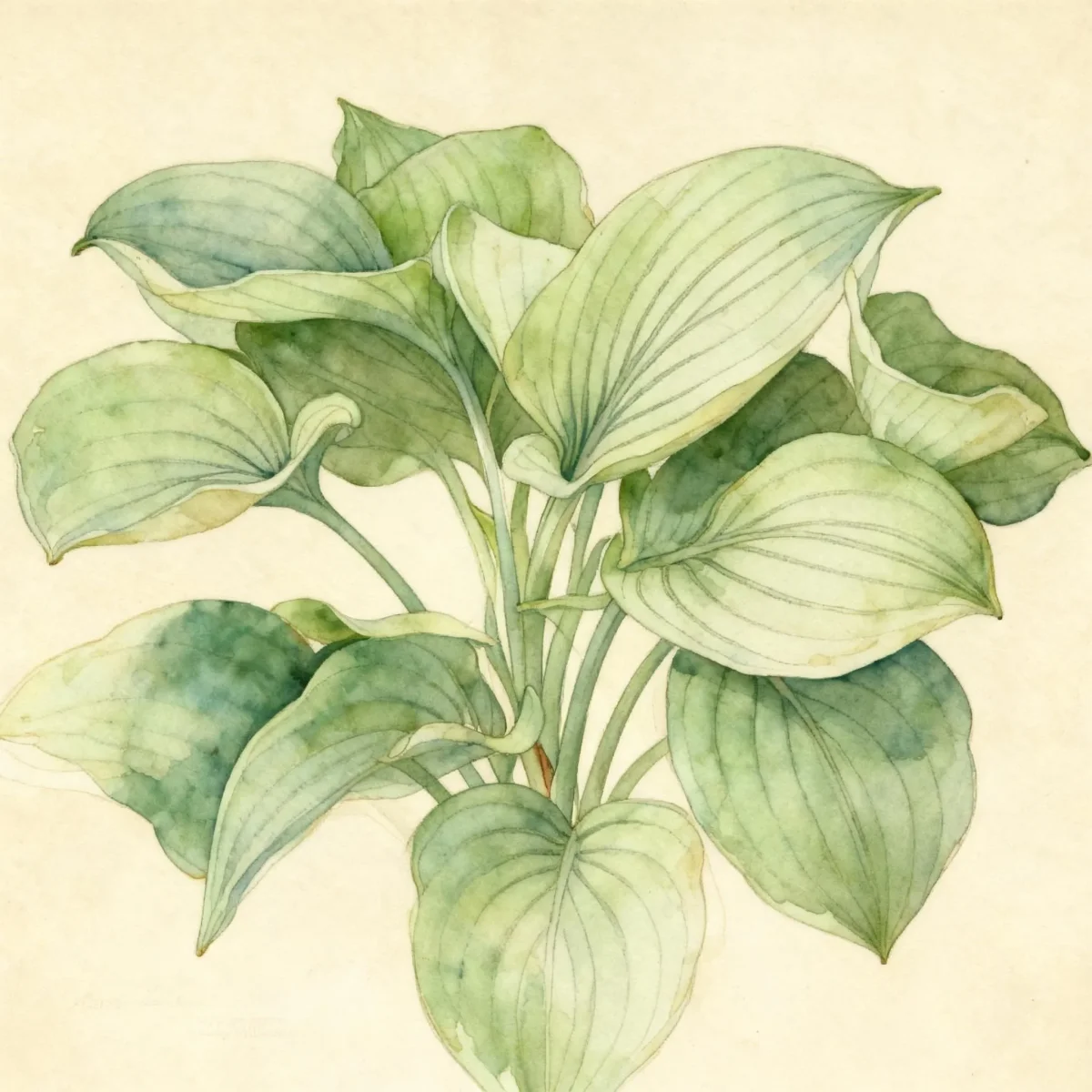
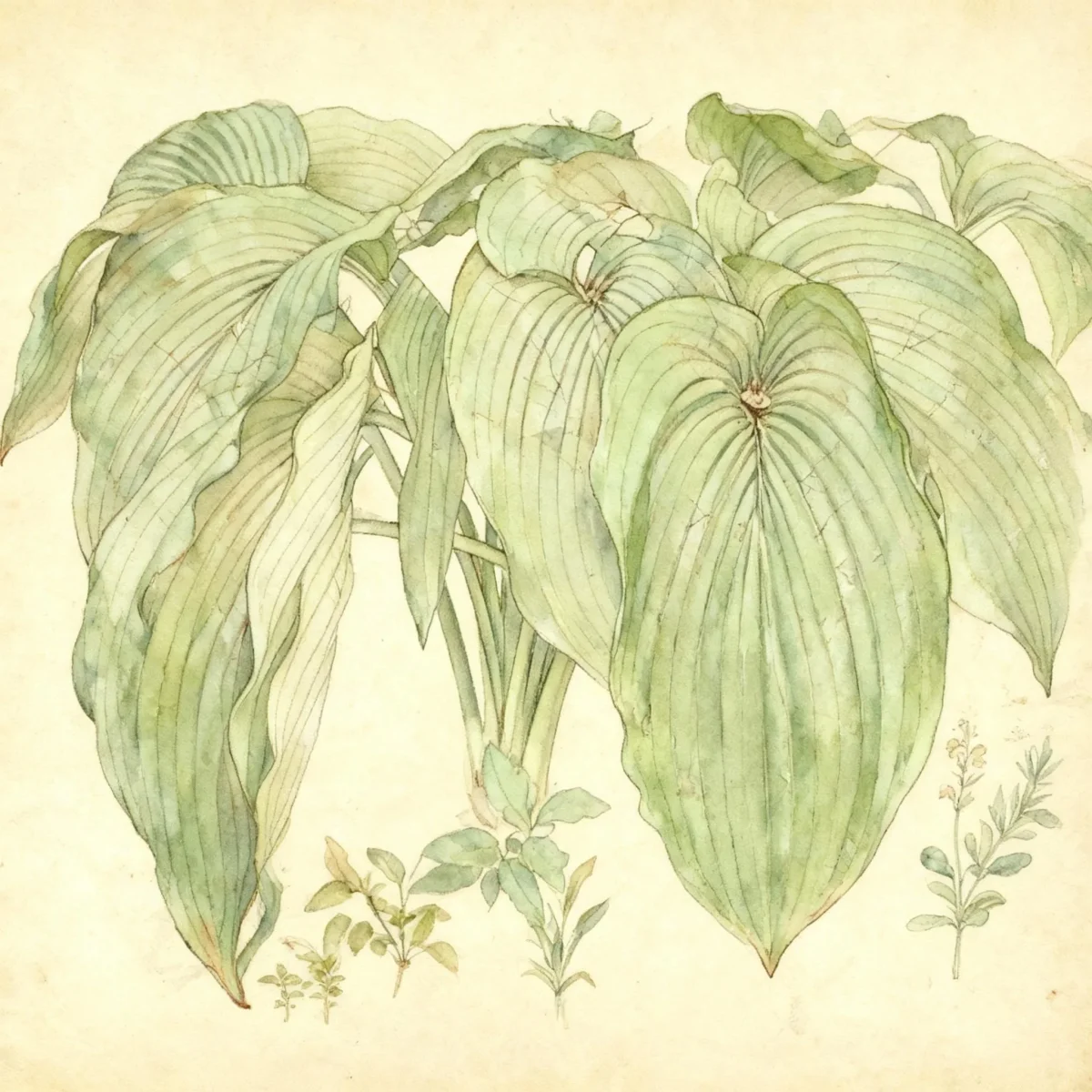
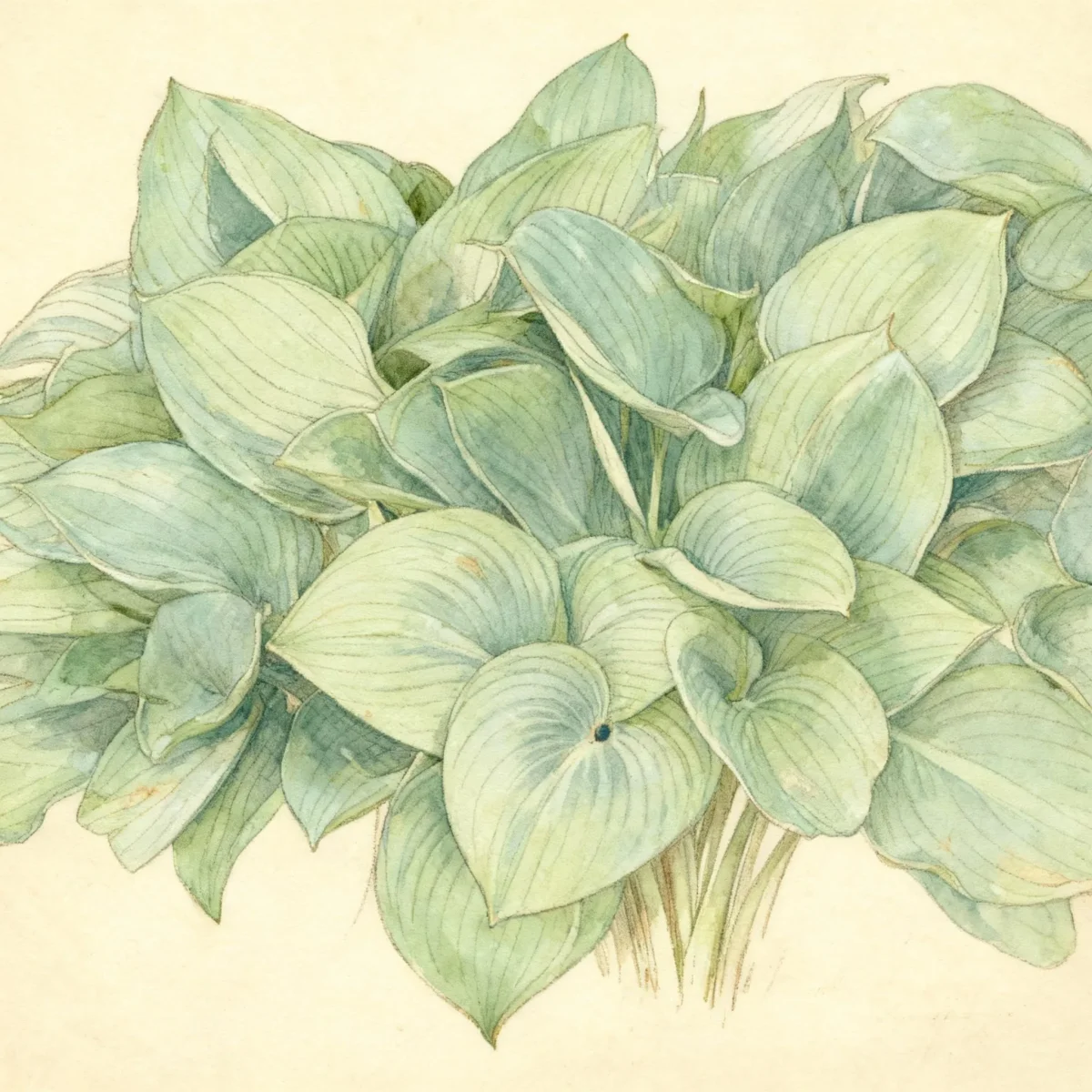
Hosta (Hosta (Tardiana Group) 'Dorset Blue')
Hosta (Tardiana Group) 'Dorset Blue' is a versatile, low-maintenance Hosta prized for its dusky blue-green foliage in shade gardens.
Scroll down to discover growing tips, care requirements, companion plants, and more
Complete Plant Information
Overview
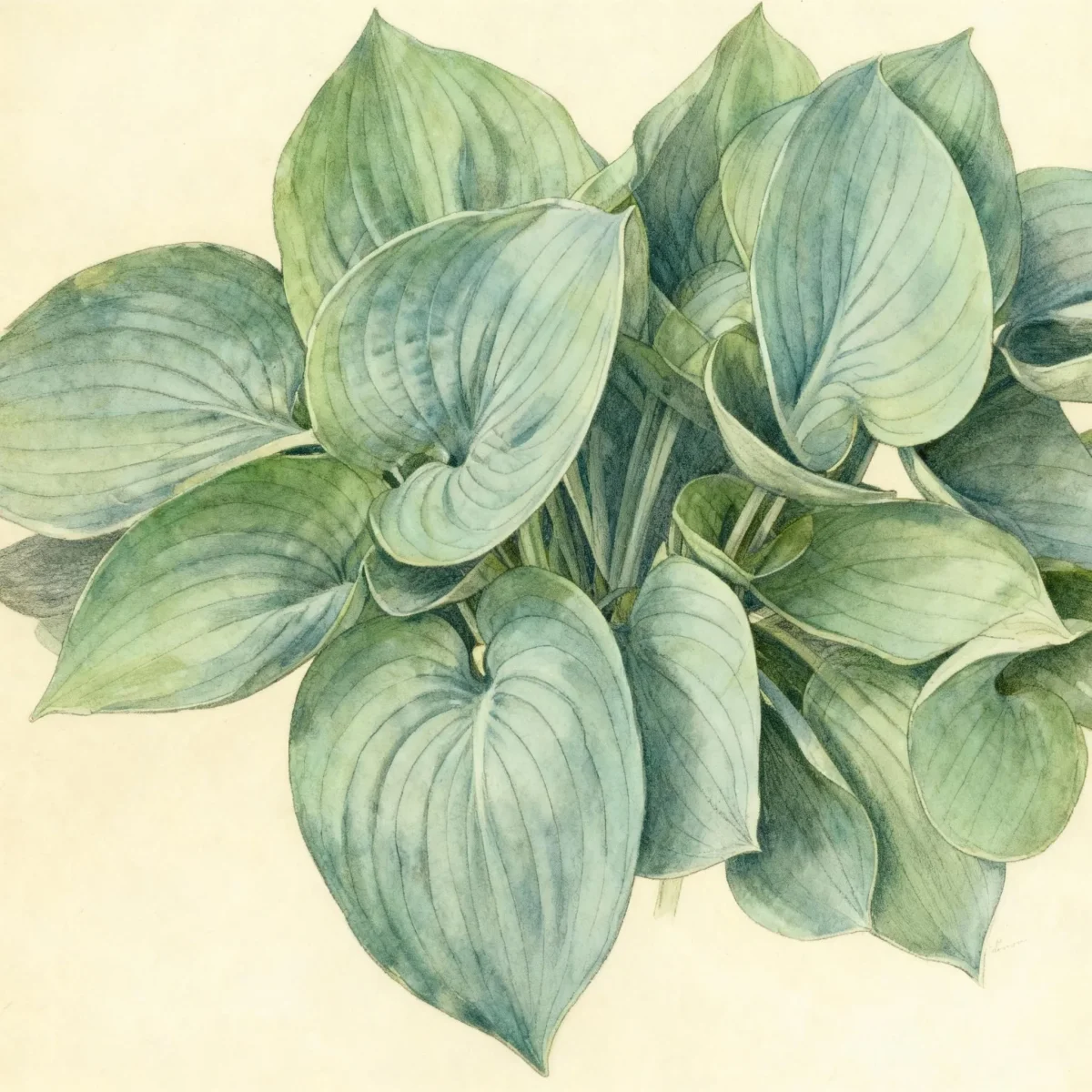
Hosta (Tardiana Group) ‘Dorset Blue’ is an exceptional herbaceous perennial, celebrated primarily for its dense, ornamental foliage that thrives where many other plants struggle. This specific Hosta cultivar offers a mound of cupped, heart-shaped leaves characterized by a dusky blue-green color, providing excellent contrast in shaded garden areas. As a member of the Tardiana Group, this Hosta exhibits dependable performance and fits well into landscapes needing low-maintenance ground cover or border definition.
The appeal of Hosta (Tardiana Group) ‘Dorset Blue’ extends beyond its stunning leaves; it produces racemes of bell-shaped, white flowers in mid-summer, adding modest seasonal interest. These plants form rounded to spreading mounds, effectively crowding out unwanted weeds due to their dense growth habit. Gardeners value the Hosta genus for its adaptability, and ‘Dorset Blue’ proves to be a sturdy, versatile choice for transforming dim corners of the landscape.
This reliable perennial roots from a central rhizomatous crown and is generally low maintenance once established. It provides significant textural and color impact with minimal intervention required, making it a cornerstone plant for shade gardens looking for deep, cool tones throughout the growing season.
Fast Facts
- Plant Family: Asparagaceae
- Plant Type: Herbaceous perennial
- Hardiness Zones: USDA Zones 3-8
- Size at Maturity:
- Height: 0.5-0.75 ft
- Spread: 0.75-1 ft
- Bloom Time: June to July
- Bloom Description: White
- Sun Exposure: Part shade to full shade
- Water Needs: Medium
- Maintenance Level: Low
How to Grow
Planting Hosta (Tardiana Group) ‘Dorset Blue’ is best accomplished in spring or autumn when temperatures are moderate. Select a location that receives part shade to full shade, though morning sun dappled conditions are ideal for best color retention. This Hosta requires evenly moist, organically rich, well-drained soil to flourish. Ensure the planting site has consistent moisture; while established plants tolerate some dry shade, allowing the soil to completely dry out will compromise the plant’s full size and quality.
Watering should be consistent, aiming to keep the soil moist but not waterlogged. Apply water directly to the soil beneath the leaves to minimize splashing, which can sometimes lead to fungal issues on the foliage. Hostas are generally considered low maintenance perennials, often requiring little supplemental feeding if the soil is rich in organic matter. You can divide clumps as needed, typically easiest in early spring just before the leaves emerge, or during fall cleanup.
Protect your Hosta from strong winds, which can damage the relatively broad leaves. Because this Hosta is primarily grown for its foliage, there is no required pruning other than removing any spent flower scapes if desired aesthetically. Ensure consistent care leads to a hardy, thriving Hosta specimen.
Landscape Uses
Hostas are foundational plants for any shade garden design, and Hosta (Tardiana Group) ‘Dorset Blue’ excels in these subdued environments. Due to its compact size (under 1 foot spread), this specific Hosta is excellent for smaller garden spaces, softening edges, or lining shady borders where larger cultivars might overwhelm the area. They look particularly effective when massed together to create a continuous sweep of blue-green color.
This Hosta integrates beautifully with other shade-tolerant perennials that offer textural contrast. Consider pairing ‘Dorset Blue’ with ferns for delicate fronds, or with plants that offer bright color pops, such as Astilbe or bleeding hearts, to maximize visual interest against the uniform blue background of the Hosta foliage. It functions perfectly as an edging plant near woodland paths or under deciduous trees.
The dense basal leaves of this cultivar help suppress weeds, performing a useful functional role in addition to its significant aesthetic contribution. Its reliable clump-forming structure ensures a neat appearance throughout its growing season.
Flower Qualities
- Showy
- Good Cut
Noteworthy Characteristics
Hosta is a genus celebrated for its rhizomatous, clump-forming perennials native to the woodlands of Eastern Asia, though they are primarily grown worldwide for their outstanding foliage. The Tardiana Group, which includes ‘Dorset Blue’, results from crosses involving H. Tardiflora and H. Sieboldiana var. Elegans, typically resulting in plants under 18 inches tall with desirable blue-green leaf coloring. ‘Dorset Blue’ specifically features cupped, wrinkled leaves and produces white, bell-shaped flowers on scapes roughly 12 inches high, offering a dependable, low care perennial ideal for texture and contrast.
Tolerances
This resilient Hosta variety handles specific challenging environmental conditions well:
- Heavy Shade
- Black Walnut
Potential Problems
The primary concern for any Hosta planting, including Hosta (Tardiana Group) ‘Dorset Blue’, involves mollusk pests. Slugs and snails are heavily attracted to the foliage, leaving behind unsightly jagged holes which can severely degrade the plant’s appearance quickly if populations are not managed. Use preventative measures like slug bait or hand removal, especially during moist, warm periods.
Be vigilant for foliar nematodes; these microscopic worms cause interveinal browning damage across leaf surfaces. Less common issues include leaf spots or crown rot, usually indications of poor drainage or excessive humidity. Furthermore, deer often find Hosta foliage highly palatable and may consume it voraciously, so protection may be necessary in areas with high deer pressure. Immediately destroy infected plants showing signs of Hosta Virus X (HVX) to prevent spread.
Frequently Asked Questions
What hardiness zones is Hosta (Tardiana Group) ‘Dorset Blue’ suitable for?
This Hosta variety is best suited for USDA Hardiness Zones 3 through 8, offering wide adaptability across temperate climates.
How large does Hosta grow?
Hosta (Tardiana Group) ‘Dorset Blue’ typically matures to a height between 0.5 and 0.75 feet tall, with a spread ranging from 0.75 to 1 foot wide.
What sun exposure does Hosta need?
This plant prefers part shade to full shade conditions. Consistent morning sun exposure can enhance leaf quality, but protection from intense afternoon sun is crucial.
When does Hosta (Tardiana Group) ‘Dorset Blue’ bloom?
The attractive white flowers of this Hosta appear during its bloom time, usually spanning from June to July.
Conclusion
Hosta (Tardiana Group) ‘Dorset Blue’ remains invaluable for gardeners seeking richly colored, low-maintenance foliage for shaded areas. Its dependable growth habit, modest mature size, and tolerance for heavy shade make this Hosta a superb structural element. Before planting, confirm that your site falls within USDA Zones 3-8 and promises consistent moisture to allow your Hosta to reach its full, striking potential.
Propagation Tips: Division for Spreading Clumps
Dividing clumps is the most effective and common method for propagating Hosta. This process is recommended when the clumps become overcrowded, usually every three to five years, which also helps rejuvenate the original plant. Early spring, before the new leaves fully unfurl, is the easiest time for division, although autumn division is also successful before dormancy sets in.
To divide, carefully lift the entire clump using a garden fork, ensuring you minimize root disturbance. Use a sharp, sterilized spade or knife to cut the crown into sections, making certain that each new division retains several healthy roots and at least two viable emerging shoots or buds. Replant these divisions immediately into prepared, organically rich soil at the same depth they were previously growing.
Consistent watering following division is crucial for establishing the Hosta divisions quickly. This method ensures that the resultant plants are genetically identical to the mother plant, guaranteeing the distinct characteristics of the Hosta (Tardiana Group) ‘Dorset Blue’ are maintained.
Companion Planting in the Shade
When designing a shade garden around your Hosta, selecting companions that offer textural and bloom contrast enhances the overall presentation. Because Hosta (Tardiana Group) ‘Dorset Blue’ features broad, smooth, blue planes of color, pairing it with groundcovers or perennials that have finely dissected foliage works exceptionally well. Good associates include Japanese Forest Grass (Hakonechloa macra) or various woodland ferns, which provide textural lightness.
Consider plants that bloom when the Hosta foliage is at its peak or when its flowers are finishing, ensuring continuous interest. Bleeding Hearts (Dicentra spectabilis) or certain varieties of Epimedium offer early-season color that complements the emerging blue foliage. Remember that all these companions share a preference for part to full shade and rich, medium moisture soil, simplifying garden planning.