Hosta (Hosta 'Elvis Lives')
Hosta 'Elvis Lives' offers powdery blue, wavy-edged foliage and lavender blooms, perfect for low-maintenance shade gardens.
Scroll down to discover growing tips, care requirements, companion plants, and more
Complete Plant Information
Overview
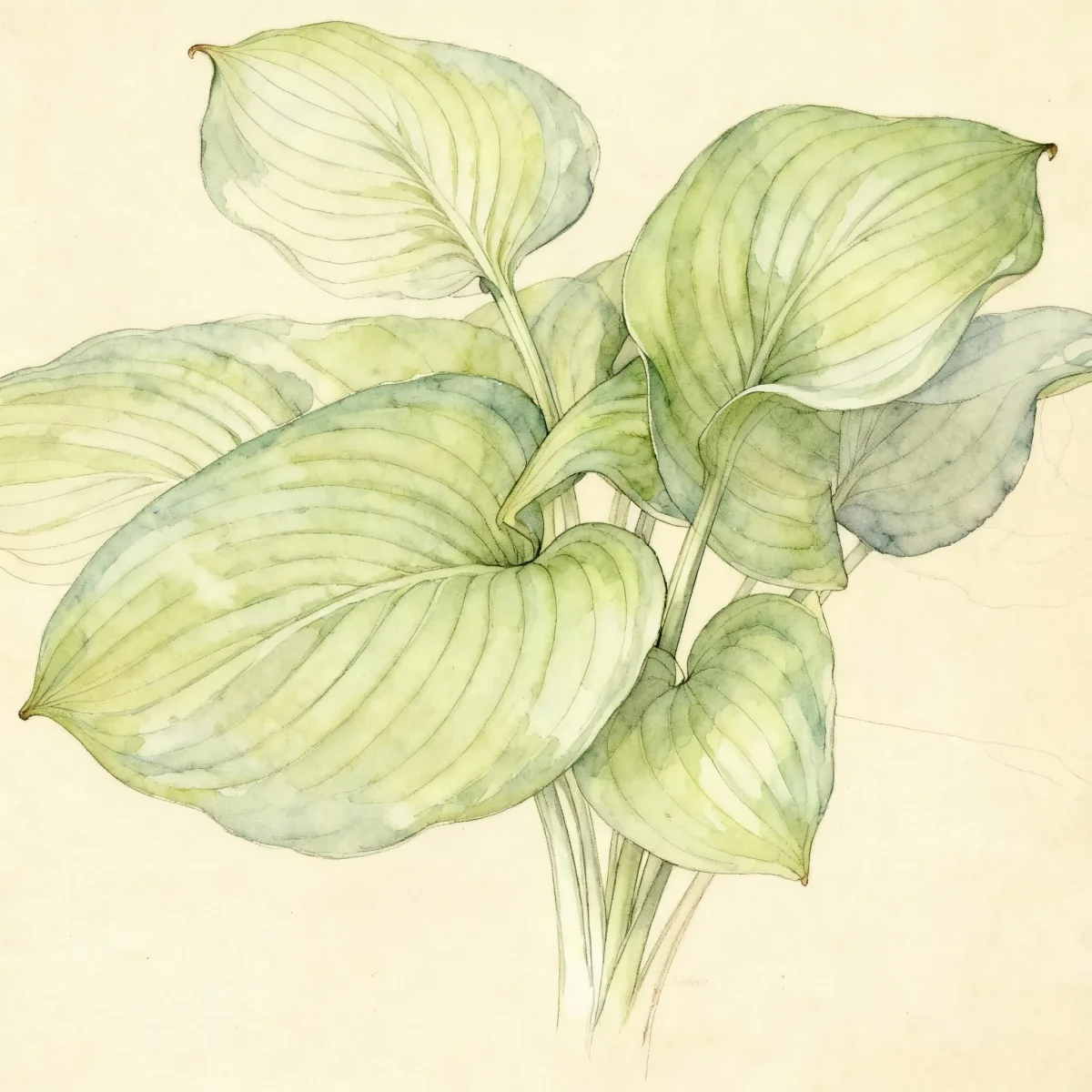
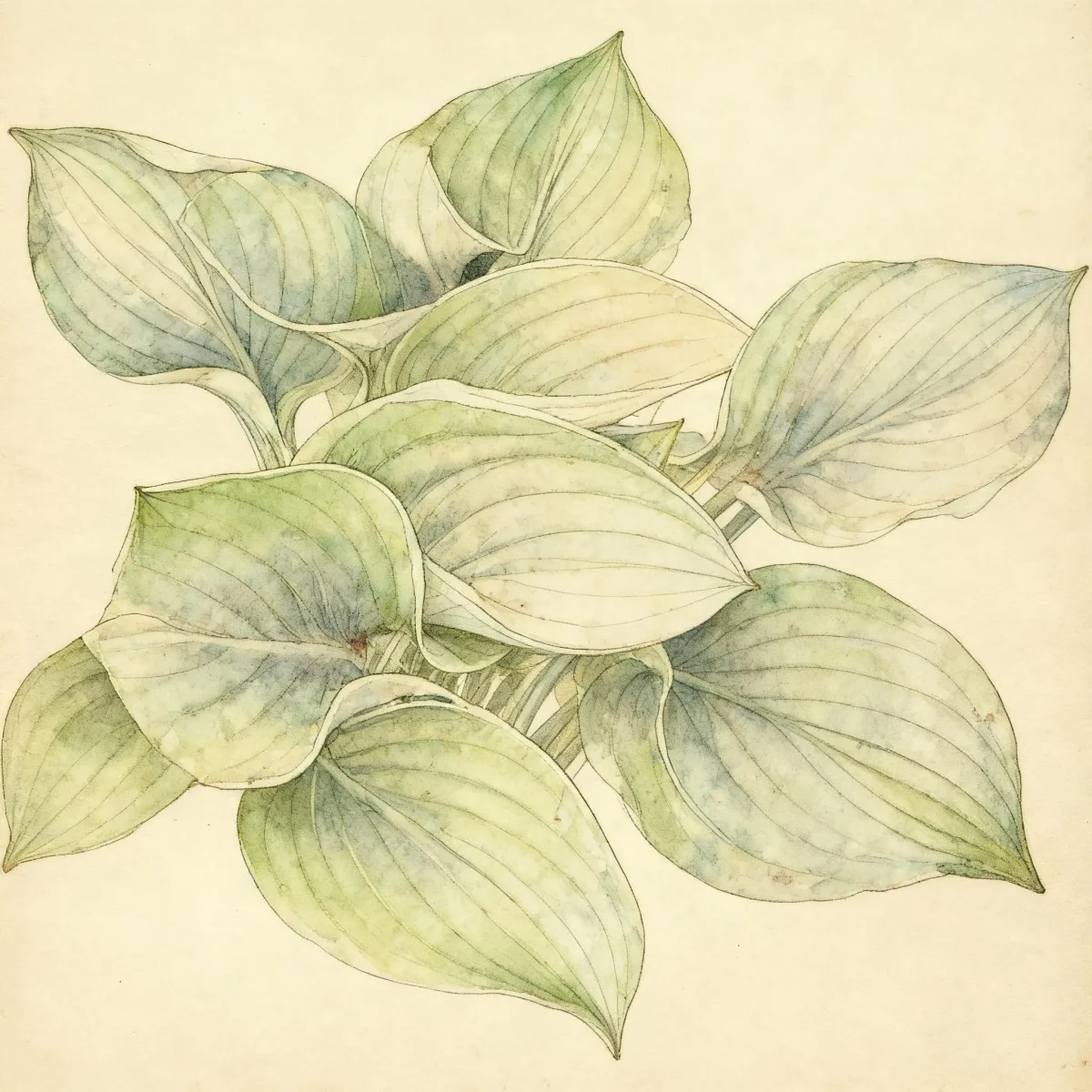
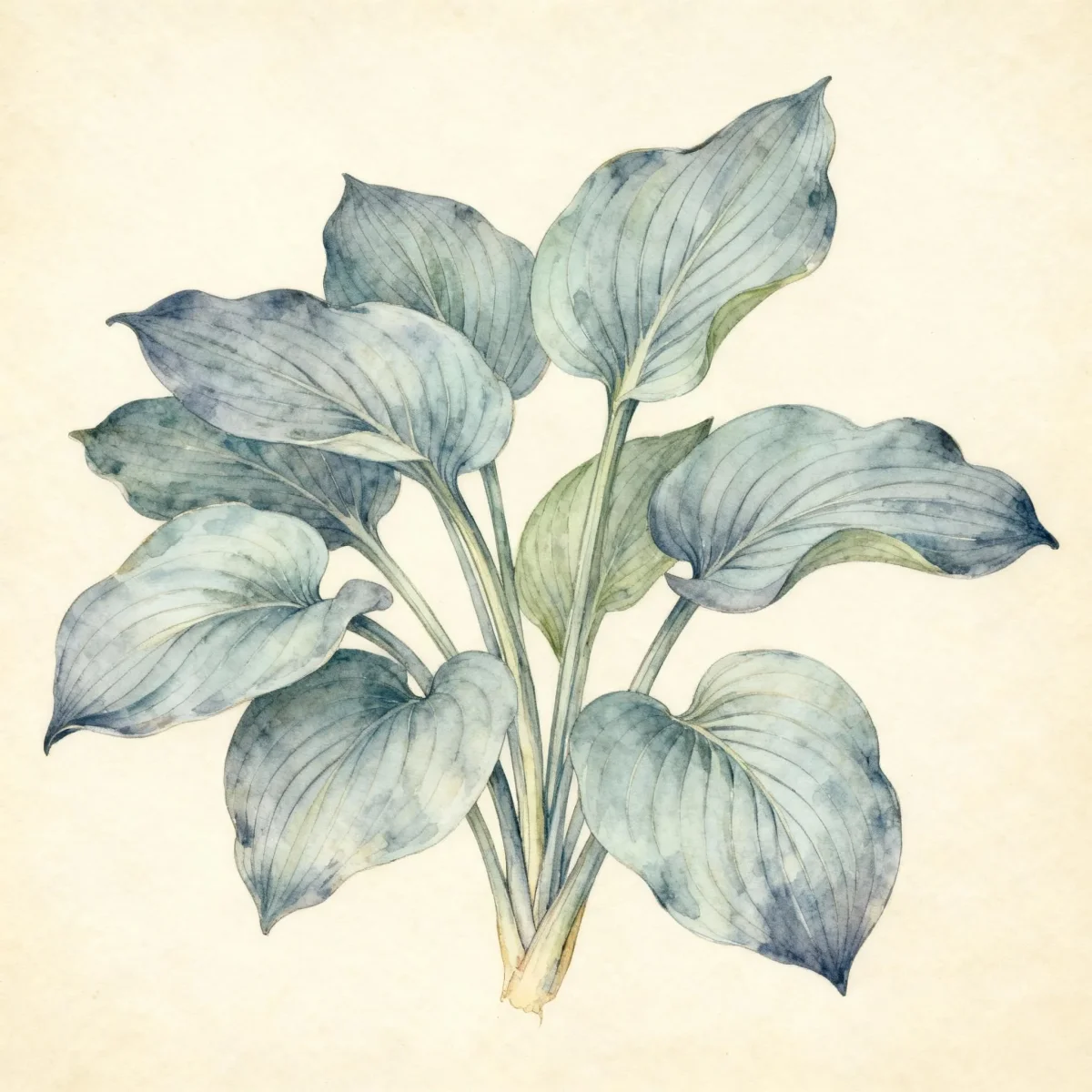
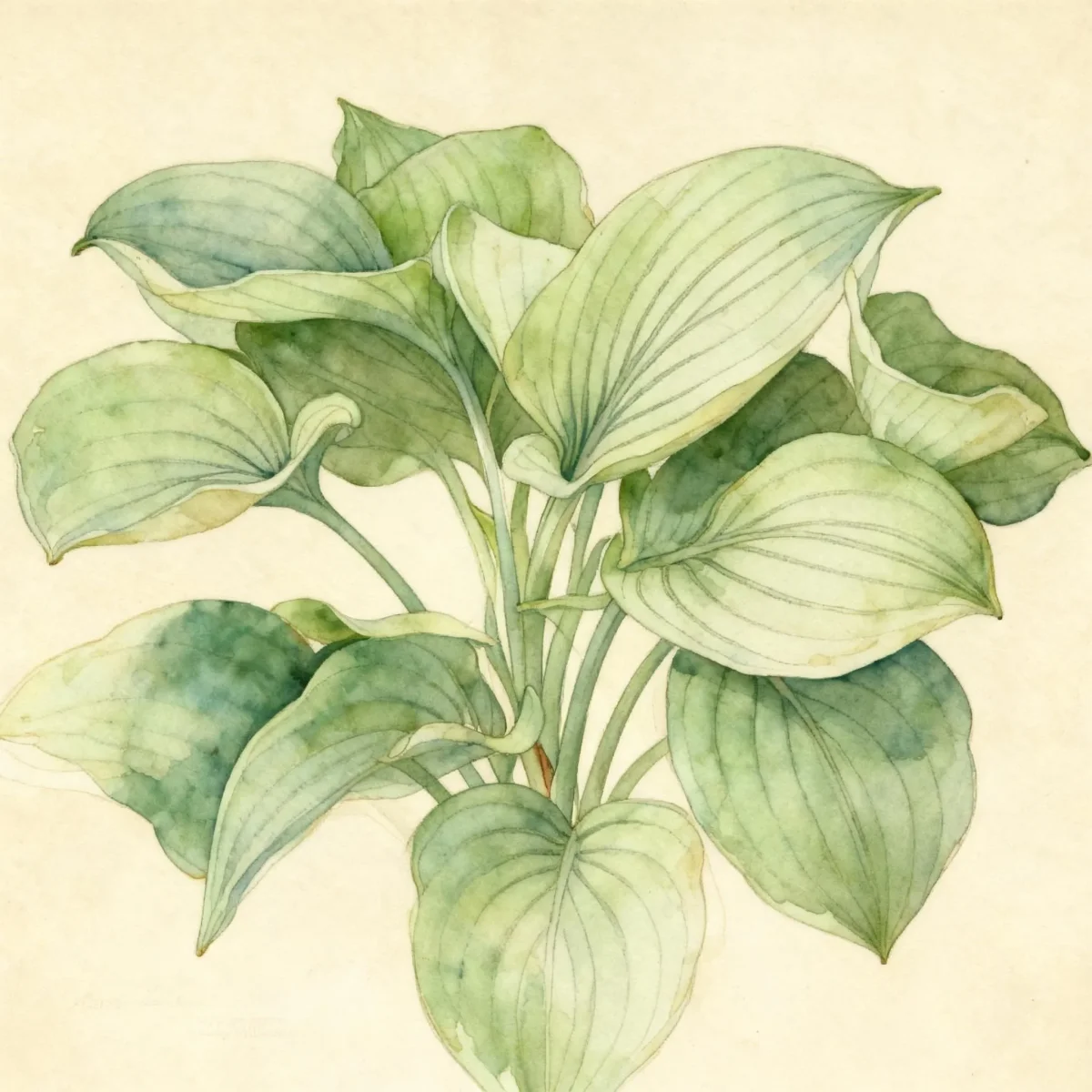
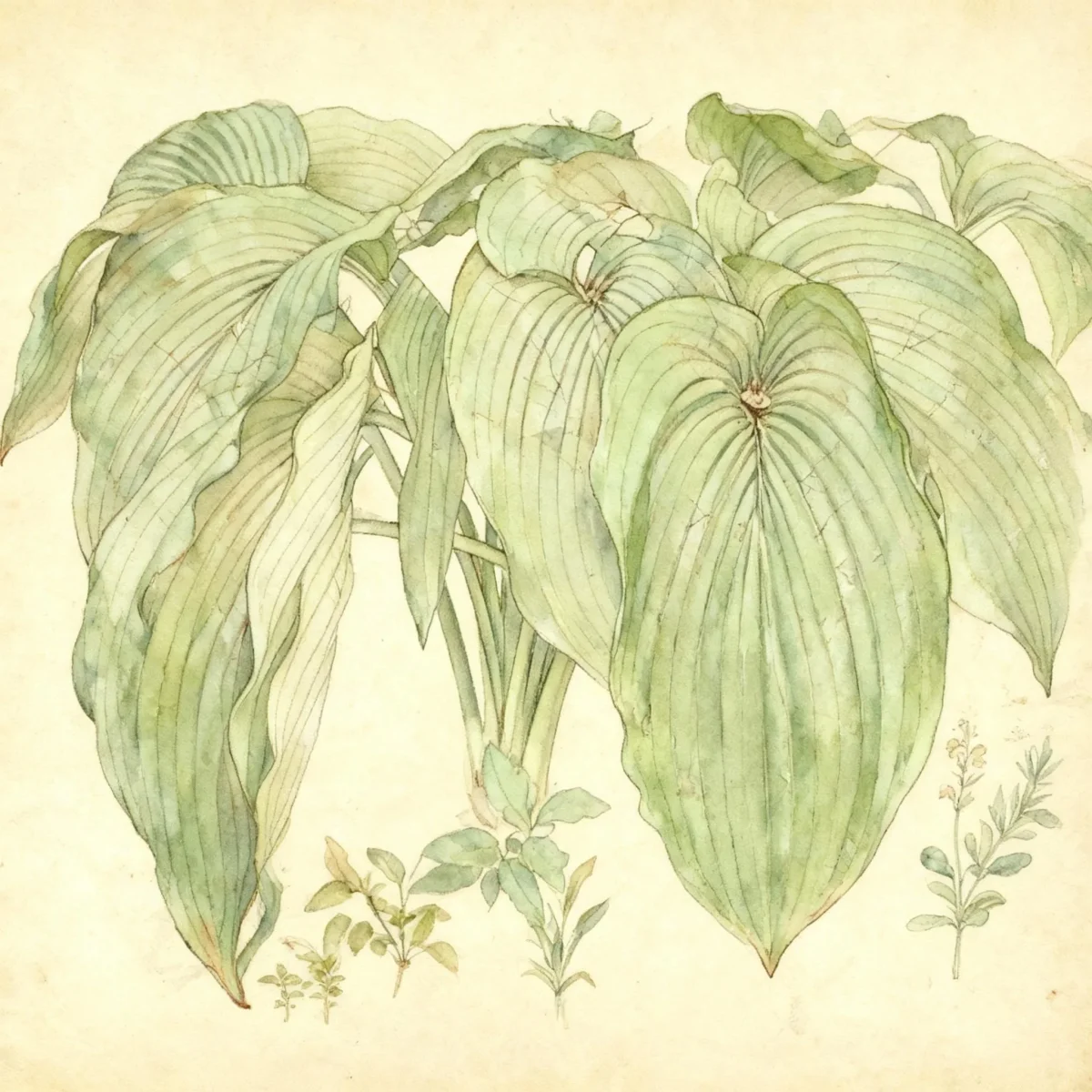
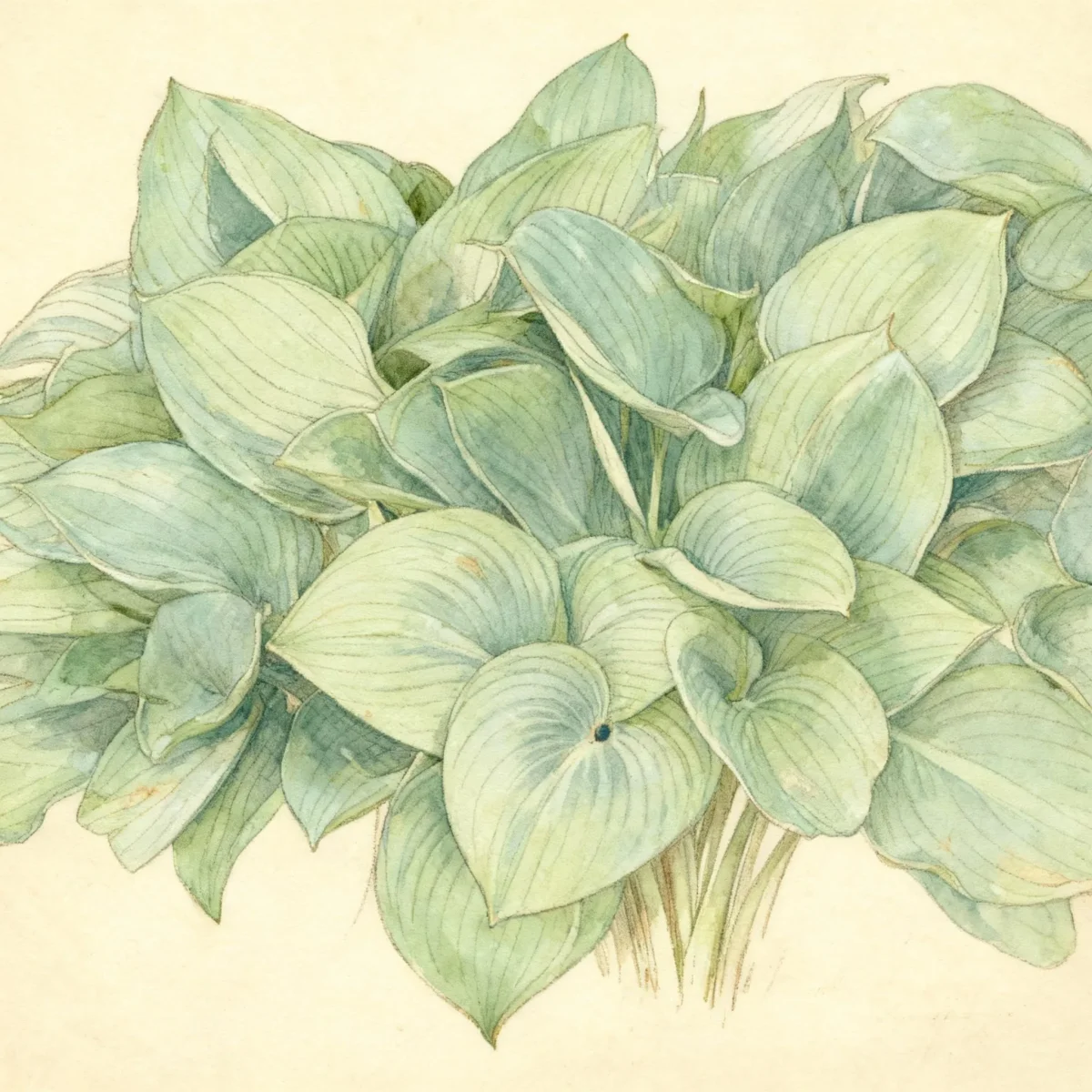
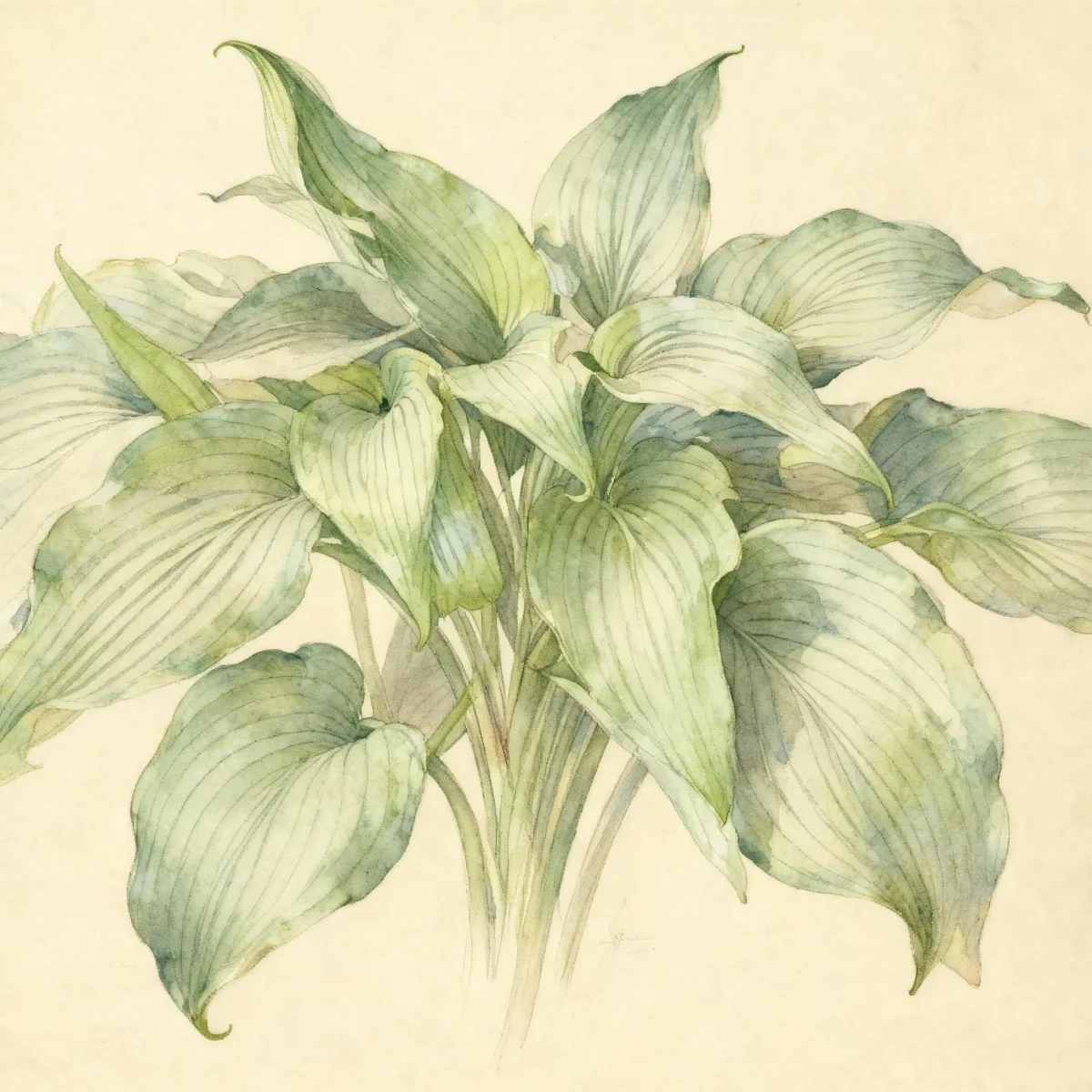
Hosta ‘Elvis Lives’ is celebrated as an exceptional specimen in the shade garden, prized primarily for its striking ornamental foliage rather than just its blooms. This cultivar features lanceolate to oval leaves that are a powdery blue color, distinguished by wavy edges, adding excellent texture and contrast to woodland settings. As a medium-sized Hosta, ‘Elvis Lives’ forms a neat mound, providing reliable structure and low maintenance through the growing season.
This robust herbaceous perennial thrives where many other garden stars fail, specifically thriving in conditions ranging from dappled sun to heavy shade. The commitment to providing consistent moisture ensures the best quality foliage form, making Hosta ‘Elvis Lives’ a dependable choice for gardeners seeking high visual impact with minimal fuss. Its overall clump-forming habit and rich color palette make it a true mainstay for consistently beautifying darker garden areas.
The genus Hosta offers unparalleled diversity, and ‘Elvis Lives’ contributes its unique texture and color to this respected group. Gardeners value the relatively low-maintenance nature of this plant, which allows for long-term enjoyment as it matures into a well-formed mound. Plant Hosta ‘Elvis Lives’ where its stunning blue leaves can anchor shady borders or complement woodland pathways.
Fast Facts
- Plant Family: Asparagaceae
- Plant Type: Herbaceous perennial
- Hardiness Zones: USDA Zones 3-8
- Size at Maturity:
- Height: 1-1.5 ft
- Spread: 1-3 ft
- Bloom Time: July to August
- Bloom Description: Lavender
- Sun Exposure: Part shade to full shade
- Water Needs: Medium
- Maintenance Level: Low
How to Grow
The key to successfully cultivating Hosta ‘Elvis Lives’ lies in selecting the right location and maintaining consistent soil moisture. Plant this Hosta in organically rich, well-drained soil, ideally situated in partial shade, though it tolerates full shade well. Morning sun or dappled light conditions encourage optimal color development. Division is easily managed in the early spring before the leaves emerge, though established plants can be divided in autumn.
Watering is crucial for Hosta; soils must remain evenly moist, never allowed to dry out completely, especially if you seek full size and quality form. While established plants with thicker leaves develop some drought tolerance in dry shade, consistent deep watering applied directly to the soil beneath the leaves yields the best results. This perennial is generally considered low-maintenance once established, requiring minimal fertilization.
Protecting Hosta ‘Elvis Lives’ from wind is advisable to prevent unnecessary physical damage to the leaves. As a low-maintenance perennial, routine pruning is minimal; simply clean out any old or damaged foliage in late fall or early spring before new growth begins to unfurl. Remember that consistent moisture is the cornerstone of success for all Hostas.
Landscape Uses
Hostas are the undisputed champions of the shade garden, and Hosta ‘Elvis Lives’ serves as an excellent structural element within these dim environments. Their primary role is to provide ornamental excellence through their foliage, effectively brightening areas where flowering plants struggle. Use them effectively when massed together to create a unified carpet of cool blue color beneath taller trees or shrubs.
This cultivar works beautifully in shady borders, creating a dense intermediate layer between groundcovers and taller background plants. Because of its reliable clumping habit, it serves as a fantastic good background plant or even as an informal edging element along shaded pathways. Pair the blue foliage of Hosta ‘Elvis Lives’ with plants that offer contrasting textures or colors, such as ferns, Astilbe, or variegated Hakonechloa grass.
Standout Features
Flower Qualities
- Showy
Noteworthy Characteristics
Hosta is primarily grown for its ornamental foliage, featuring conspicuously-veined, dense, basal leaves that form a rounded mound. ‘Elvis Lives’ is a medium cross, famous for its lanceolate to oval, powdery blue leaves reaching up to 11 inches long, complemented by tubular lavender flowers appearing in summer. The genus, honored by its namesake Nicholas Thomas Host, has deep roots historically in Japanese and Chinese woodlands.
Tolerances
- Heavy Shade
- Black Walnut
Potential Problems
Slugs and snails present the most immediate aesthetic threat to the foliage of Hosta ‘Elvis Lives’, chewing jagged holes requiring vigilant management. Inspect the leaves regularly for signs of damage, often requiring early-season application of slug bait or manual removal to prevent serious leaf destruction. Foliar nematodes can cause interveinal browning, while fungal leaf spots and crown rot are less common but possible in overly wet conditions. Furthermore, be aware that deer and rabbits frequently find Hosta foliage delicious, necessitating protective measures if wildlife pressure is high in your area.
Frequently Asked Questions
What hardiness zones is Hosta (Hosta ‘Elvis Lives’) suitable for?
This variety is quite hardy, thriving in USDA Zones 3 through 8.
How large does Hosta ‘Elvis Lives’ grow?
Hosta ‘Elvis Lives’ typically reaches a height between 1 and 1.5 feet and spreads from 1 to 3 feet wide.
What sun exposure does Hosta ‘Elvis Lives’ need?
This Hosta prefers part shade, though it adapts well to full shade conditions, benefiting most from sun dappled conditions or protection from harsh afternoon rays.
When does Hosta ‘Elvis Lives’ bloom?
This Hosta displays its lavender, funnel-shaped flowers atop scapes between July and August.
Conclusion
Hosta ‘Elvis Lives’ is an invaluable addition to any landscape requiring vibrant, low-maintenance texture in shaded areas. Its powdery blue foliage provides a cool contrast throughout the season, reinforcing why the Hosta genus remains so popular among gardeners. Before planting, confirm that your garden conditions match the medium water needs and shade preference of Hosta ‘Elvis Lives’ to ensure its longevity and robust growth.
Companion Planting for Shade Gardens
When designing a cohesive shade garden around Hosta ‘Elvis Lives’, select companions based on textural or color contrast to highlight the blue foliage. Ferns, such as Japanese Painted Fern or Autumn Fern, offer fine, airy texture that contrasts beautifully with the broad leaves of the Hosta. Consider groundcovers like Vinca or Lamium, which can fill the soil space near the base of the Hosta mound while enjoying similar moisture requirements.
For seasonal color interest that peaks when the Hosta leaves are fully mature, spring-blooming bulbs like snowdrops or woodland phlox provide early excitement. Once the Hosta ‘Elvis Lives’ is thriving, ensure companion plants also share the preference for well-drained, organically rich soil and protection from intense, drying sun.
Seasonal Care Calendar for Hosta
Spring is the best time to rejuvenate your Hosta plantings; divide overcrowded clumps when the new shoots are just beginning to unfurl, which is easier than trying to divide mature crowns. As summer progresses, focus strictly on consistent watering to maintain deep color and turgid leaves on your Hosta ‘Elvis Lives’. If pest pressure is high, be proactive with treatments targeting slugs and snails before significant foliar damage occurs.
Fall cleanup should be minimal; while you can cut back dead foliage after it yellows, leaving the dead leaves exposes the plant crown to winter moisture accumulation, which can promote crown rot. In early winter, ensure the soil around the base of your Hosta is covered with a light layer of mulch if you experienced unusually harsh freeze-thaw cycles, though mature Hosta are generally very cold-hardy.