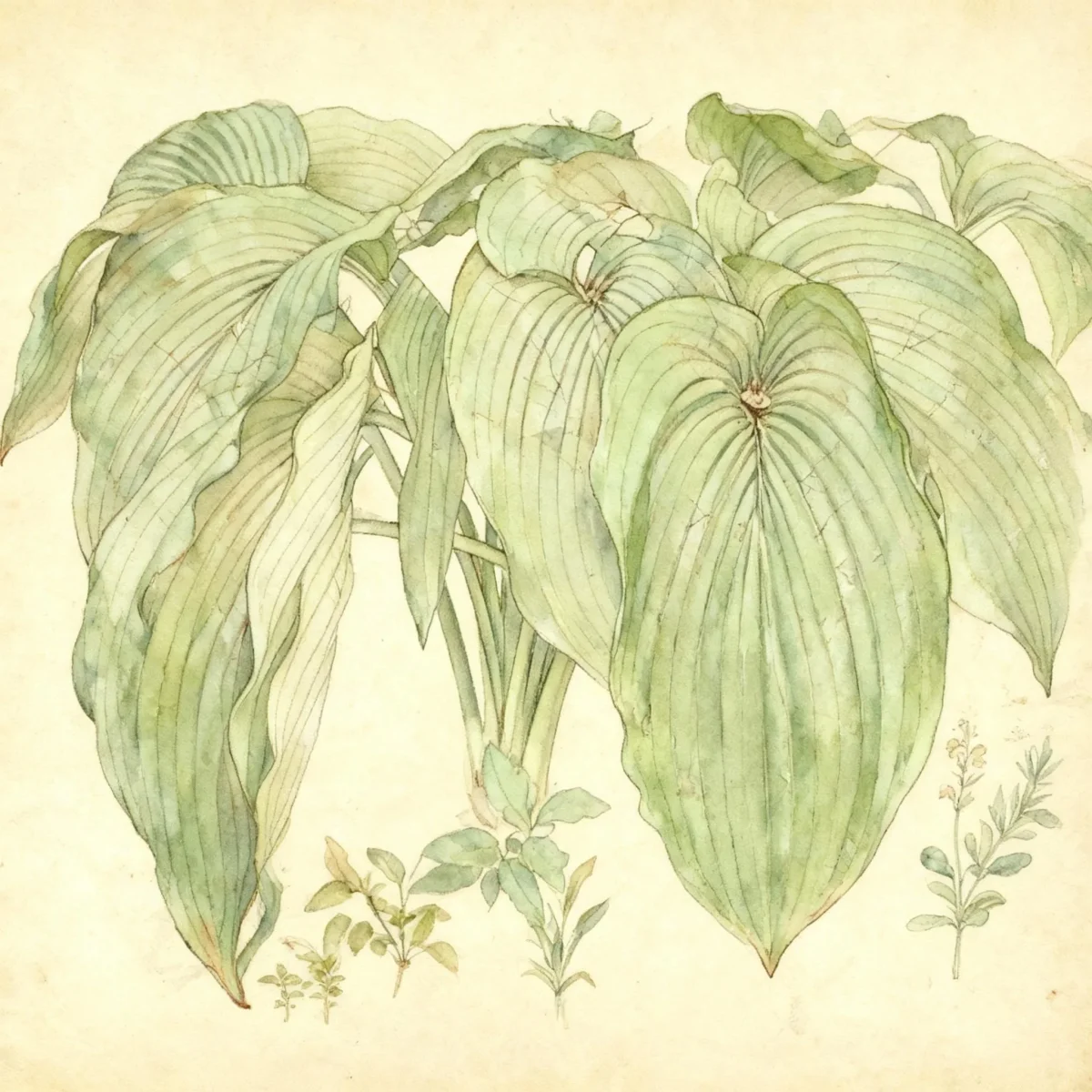
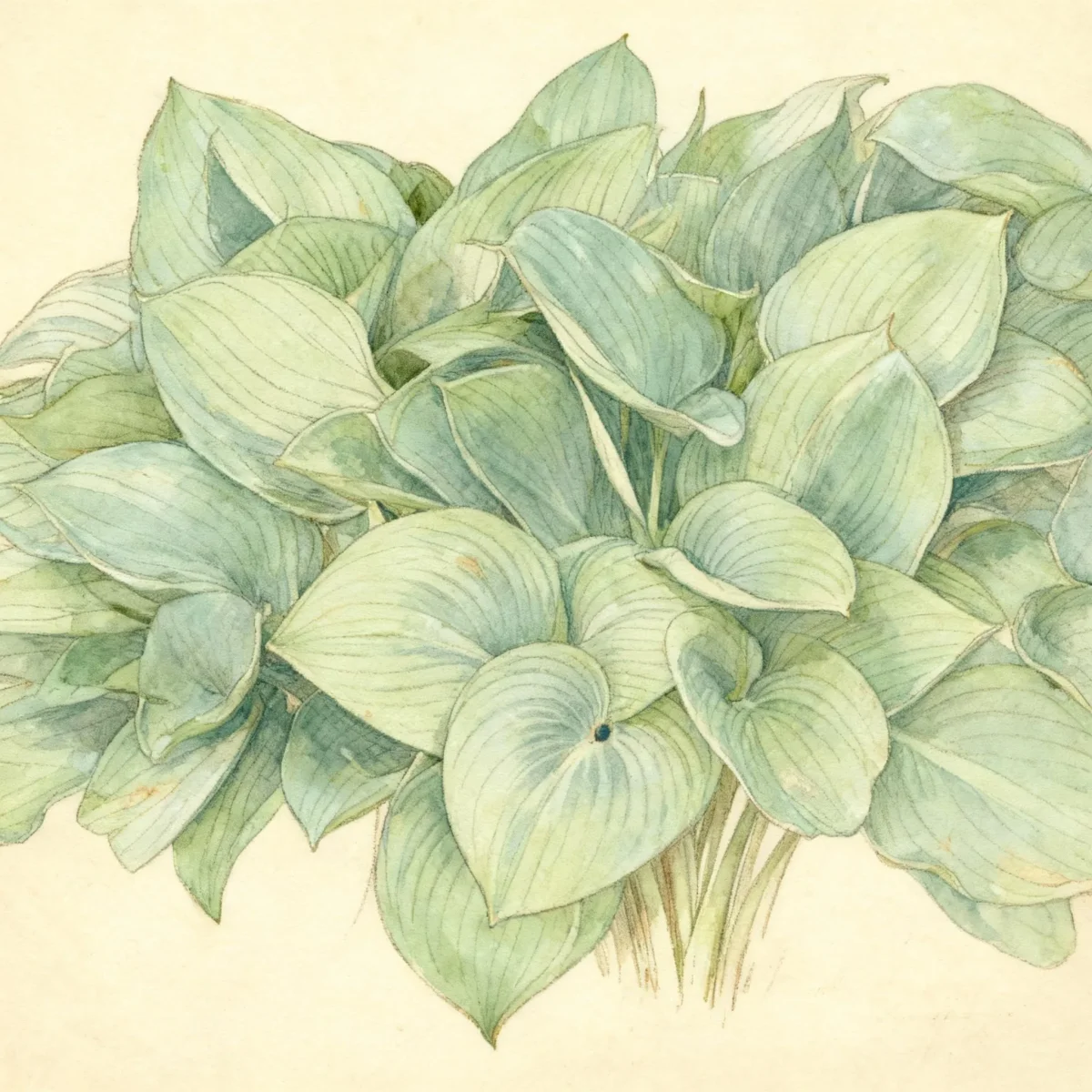
Hosta (Hosta 'Emerald Tiara')
Hosta 'Emerald Tiara' is a low-maintenance perennial known for striking gold-centered, green-margined leaves and purple flowers.
Scroll down to discover growing tips, care requirements, companion plants, and more
Complete Plant Information
Overview
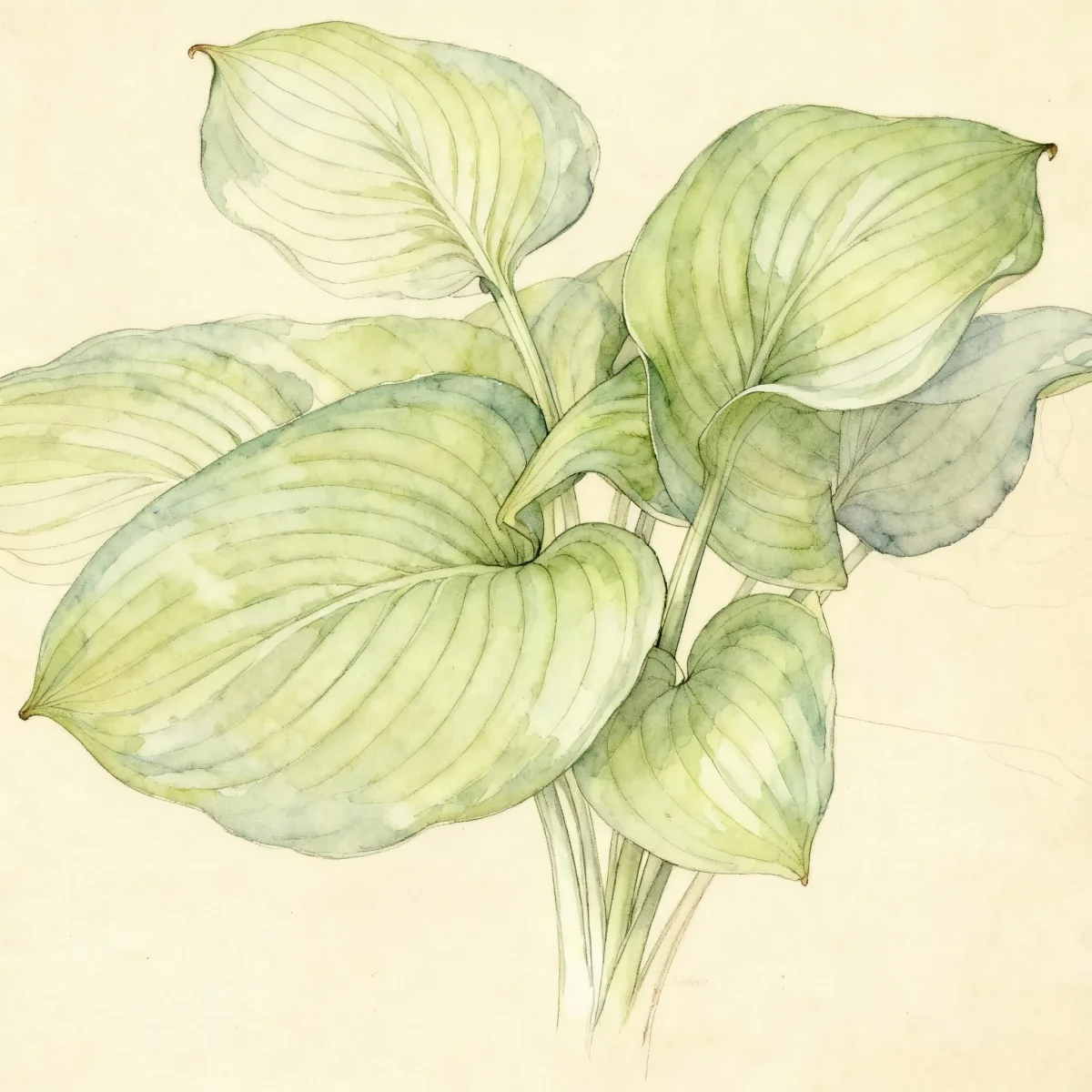
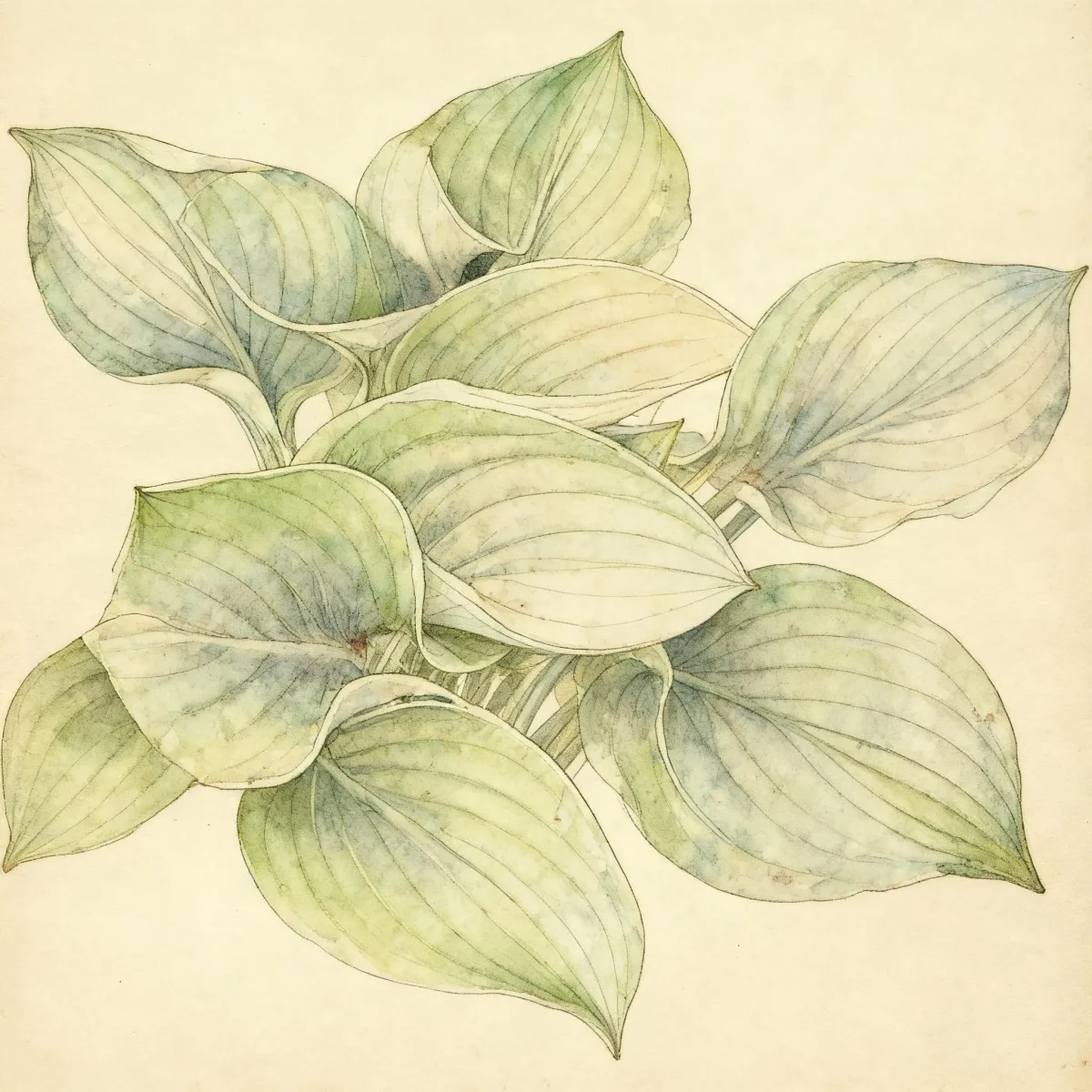
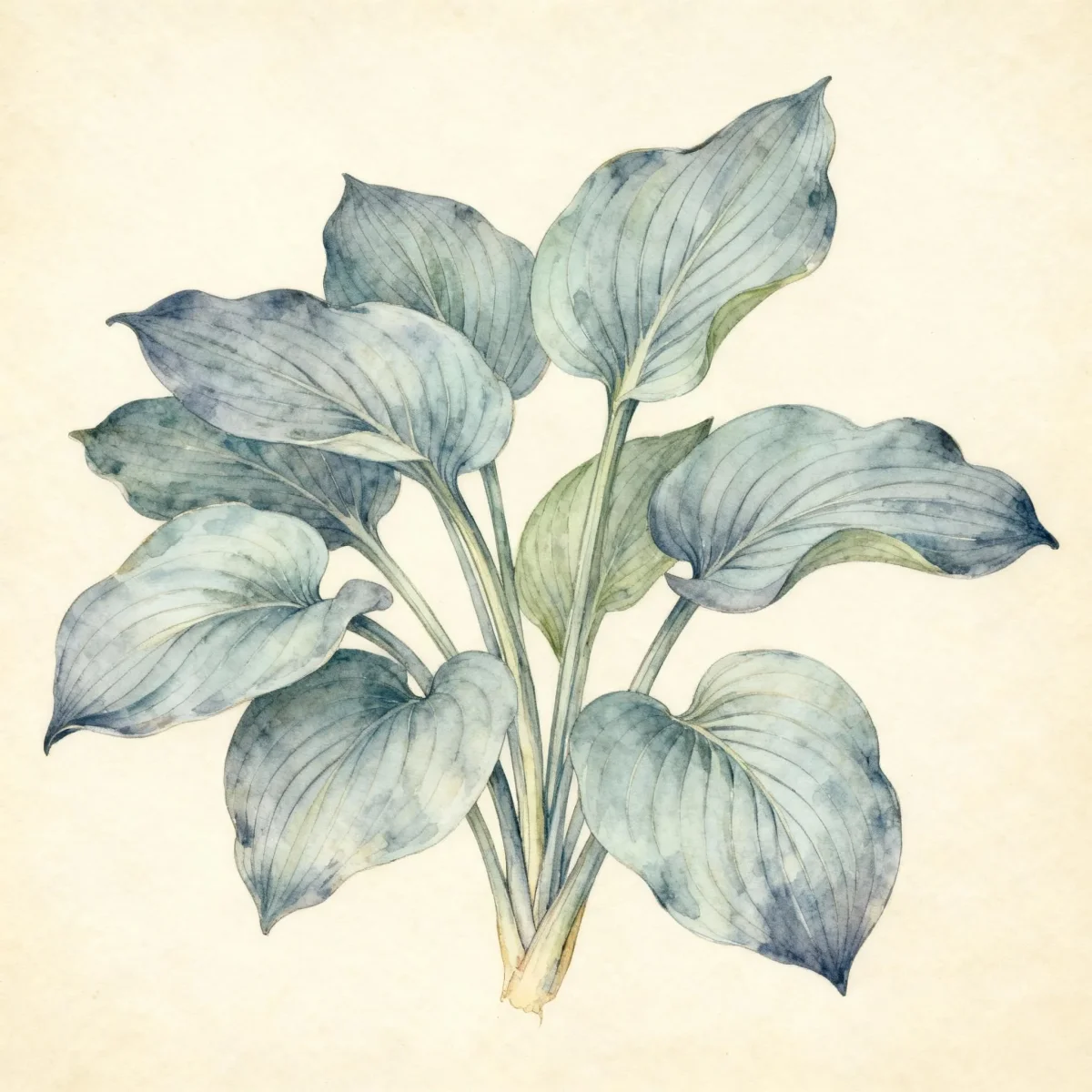
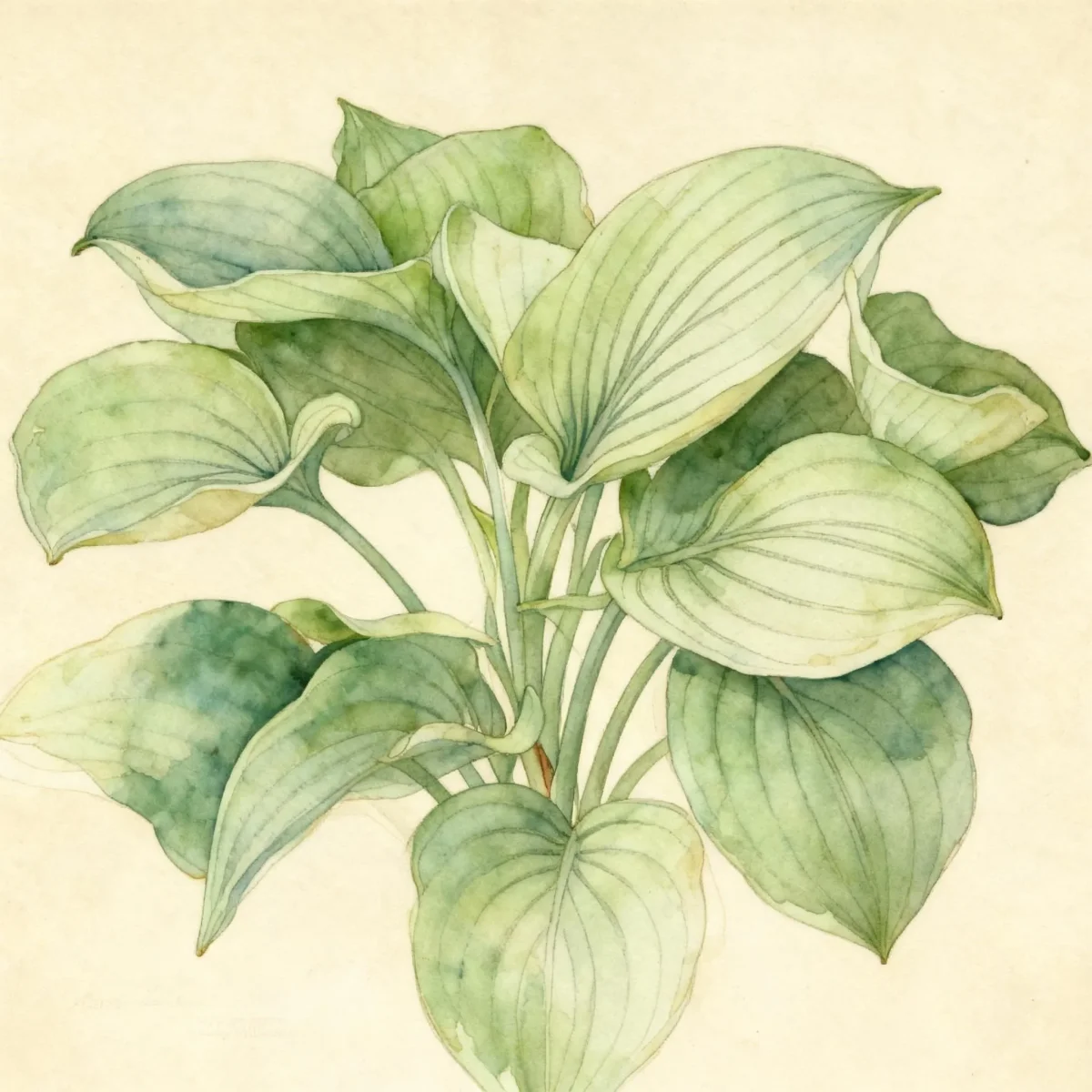
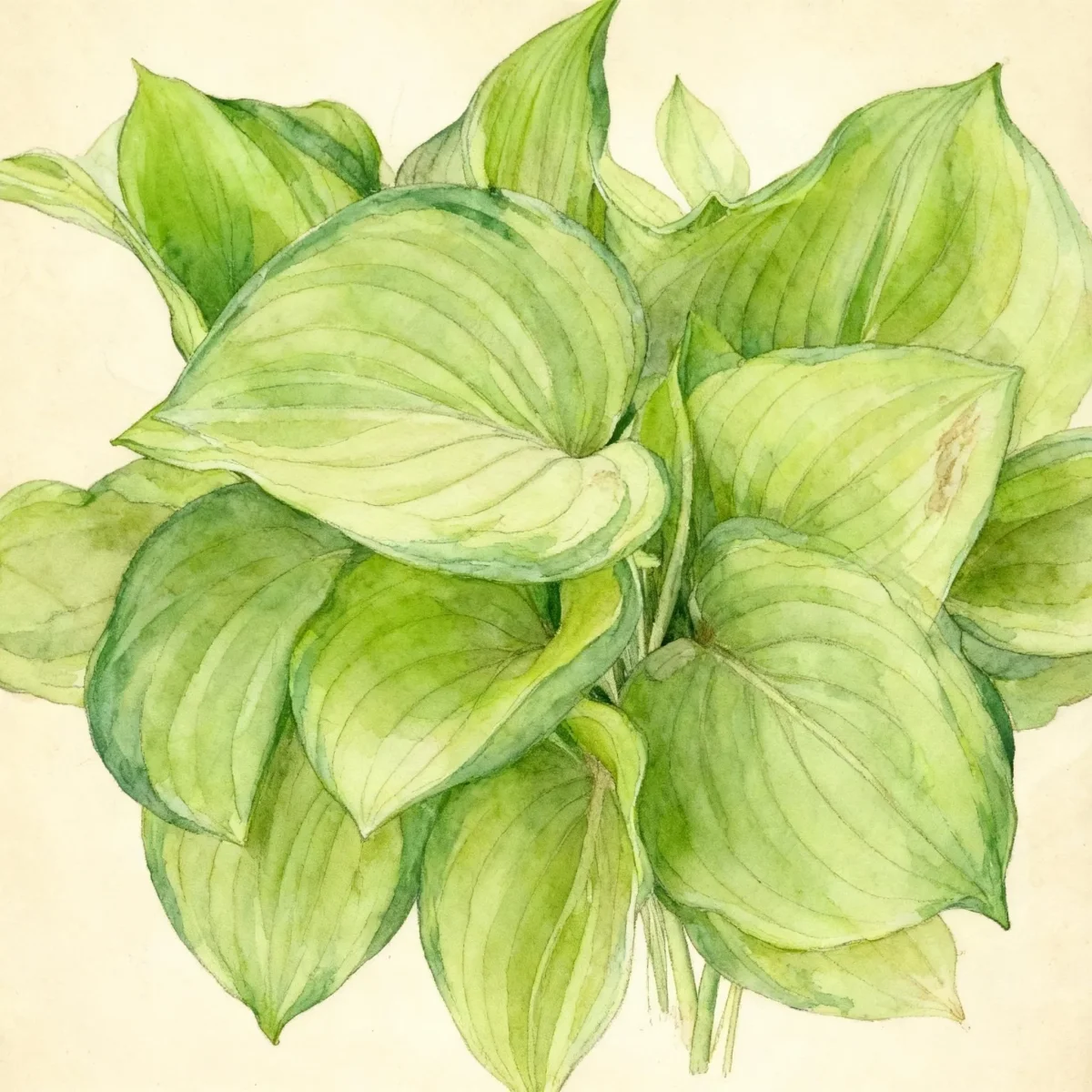
Hosta ‘Emerald Tiara’ is a highly valued specimen plant cherished primarily for its dense, decorative foliage that brightens deeply shaded areas of the garden. This specific Hosta cultivar forms a manageable mound featuring flat, heart-shaped leaves sharply defined by bright green margins contrasting with rich gold centers. As one of the most dependable Hosta varieties, it offers significant textural interest and color contrast with minimal effort from the gardener.
Growing reliably in USDA Hardiness Zones 3 through 8, Hosta ‘Emerald Tiara’ thrives when provided consistent moisture and protection from harsh, direct afternoon sun. Its low maintenance level makes it an accessible choice for both novice and experienced gardeners looking to establish dependable shade plantings. Furthermore, the dense growth habit of this Hosta cultivar is excellent for suppressing common garden weeds beneath the canopy.
Beyond its foliage excellence, this perennial produces lovely sprays of bell-shaped, purple flowers atop tall scapes during the early summer months, adding seasonal charm. Whether massed for impact or used as an accent, Hosta ‘Emerald Tiara’ remains a foundational component in creating lush, cool, and colorful shade landscapes.
Fast Facts
- Plant Family: Asparagaceae
- Plant Type: Herbaceous perennial
- Hardiness Zones: USDA Zones 3-8
- Size at Maturity:
- Height: 1-1.5 ft
- Spread: 1.5-2 ft
- Bloom Time: June to July
- Bloom Description: Purple
- Sun Exposure: Part shade to full shade
- Water Needs: Medium
- Maintenance Level: Low
How to Grow
The ideal time for establishing Hosta ‘Emerald Tiara’ is spring or autumn, ensuring the soil is first enriched with organic matter to promote excellent drainage. These plants require an evenly moist, organically rich environment to achieve their best form. While they tolerate heavy shade, Hosta ‘Emerald Tiara’ performs best where it receives some dappled light or morning sun exposure, helping to enhance the gold coloration in its leaves.
Consistent moisture is key to maintaining the quality and size of the foliage; while established plants can handle some dry shade, never allow the soil to completely dry out. Water delivery should be directed right to the soil beneath the leaves to prevent potential leaf spotting from overhead watering. Since this Hosta is celebrated for its low maintenance, heavy fertilization is usually unnecessary, provided the original soil was properly amended.
Dividing established clumps of Hosta is best accomplished in early spring before the new leaves unfurl, or alternatively in the autumn. This process rejuvenates the plant and is easily done when the surrounding environment is protected from harsh winds which can damage the developing foliage. Because Hosta ‘Emerald Tiara’ is generally low-maintenance, seasonal cleanup usually involves removing any remaining dead foliage in early spring.
Landscape Uses
Hostas are the undisputed cornerstone of shade gardens, and Hosta ‘Emerald Tiara’ excels in this role due to its striking, two-toned foliage pattern. These perennials are exceptionally versatile, performing well when planted in mass to create expansive, colorful ground cover that naturally crowds out weeds. They serve wonderfully as border edging, providing a bright, textured band along paths or beneath taller shrubs.
The vibrant contrast offered by the gold centers and green edges makes this Hosta a superb structural element against plainer, deeply green shade companions. Consider pairing Hosta ‘Emerald Tiara’ with plants that appreciate similar rich, moist conditions, such as ferns, Astilbe, or deep green Heuchera. Its upright, mounding habit makes it an excellent background plant for smaller shade-loving annuals or woodland ephemerals.
For woodland settings or shady borders, massing several Hosta ‘Emerald Tiara’ plants together creates a powerful, unified visual impact throughout the growing season. Even when blooming is complete, the ornamental foliage of this perennial ensures year-round interest in shaded zones where many other flowering plants struggle.
Standout Features
Flower Qualities
- Showy
- Good Cut
Noteworthy Characteristics
Hosta is primarily lauded for its ornamental foliage, which rises in a dense, rounded mound from a central crown, offering superior texture and color contrast in dark spaces. Specifically, ‘Emerald Tiara’ is distinguished by flat, heart-shaped leaves featuring bright gold centers bordered by vivid green margins. Since it is a dependable, low-care perennial, its outstanding foliage provides long-lasting color and effectively helps exclude competitive weeds.
Tolerances
- Heavy Shade
- Black Walnut
Potential Problems
The primary nuisance for Hosta foliage, including Hosta ‘Emerald Tiara’, comes from slugs and snails which readily chew jagged holes in the leaves, quickly diminishing aesthetic appeal if unchecked. Management often involves applying slug bait containing iron phosphate around the plant base or using copper tape barriers. Foliar nematodes are a less common but serious issue, causing unsightly interveinal browning that requires immediate removal and destruction of infected material.
Deer and rabbits are also known to consume Hosta leaves, sometimes voraciously, so protection may be necessary in high wildlife areas. While leaf spots and crown rot can occur, they are infrequent if soil drainage is adequate. It is crucial to inspect purchased plants for signs of viral infections like Hosta Virus X (HVX) and destroy infected specimens immediately to prevent spread.
Frequently Asked Questions
What hardiness zones is Hosta ‘Emerald Tiara’ suitable for?
Hosta ‘Emerald Tiara’ is robustly hardy, thriving in USDA Zones 3 through 8.
How large does Hosta ‘Emerald Tiara’ grow?
This perennial typically reaches a height between 1 and 1.5 feet, spreading out to 1.5 to 2 feet wide at maturity.
When does Hosta ‘Emerald Tiara’ bloom?
This Hosta variety generally produces its display of purple, bell-shaped flowers from June into July.
What sun exposure does Hosta ‘Emerald Tiara’ need?
This Hosta cultivar prefers part shade to full shade conditions for optimal growth.
Conclusion
Hosta ‘Emerald Tiara’ offers exceptional value to the gardener through its bright, contrasting foliage and remarkably low upkeep requirements, making it a highlight in any shade border. Ensuring adequate moisture and planting it where it receives protection from the harshest sun will guarantee the best performance from your Hosta. Plan your spring planting now to enjoy the vibrant mound of Hosta ‘Emerald Tiara’ all season long.
Companion Planting in Shade
Given the requirement of Hosta ‘Emerald Tiara’ for rich, evenly moist soil and shade, companion planting should focus on species that share these cultural needs. Ferns, particularly Japanese Painted Ferns (Athyrium niponicum) or Athyrium felix-femina, offer delicate, contrasting textures that complement the broad leaves of the Hosta. Similarly, Pulmonaria (Lungwort) varieties with silver-splashed foliage provide complementary color schemes at a similar or slightly lower height profile.
When selecting companions, consider the eventual mature size of Hosta ‘Emerald Tiara’ to avoid overcrowding, which can inhibit air circulation and increase the risk of fungal issues. Plants that bloom in early spring before the Hosta fully emerges, such as spring bulbs or Hellebores, can provide sequential interest, ensuring the shaded area remains dynamic long before the purple blooms of the Hosta appear.
Propagation Tips
The standard and most reliable method for increasing your stock of Hosta ‘Emerald Tiara’ is through crown division, which is best performed when the plant is dormant or just beginning to break dormancy in early spring. Before dividing, ensure the plant has been established for several years to develop a robust crown system adequate for separation.
To divide, carefully lift the entire clump using a sharp spade or garden fork, working gently to minimize root disturbance. Use a sharp, sterilized knife or spade to slice the crown into sections, ensuring each new division has a healthy root system and at least two or three actively growing leaf buds. Replant these new Hosta sections immediately into prepared, well-drained soil, watering thoroughly to settle them in.
Division not only provides new plants but also prevents the center of established Hosta clumps from dying out over time, which can happen in older specimens. Successful division keeps the Hosta ‘Emerald Tiara’ vigorous and aesthetically pleasing for decades to come.