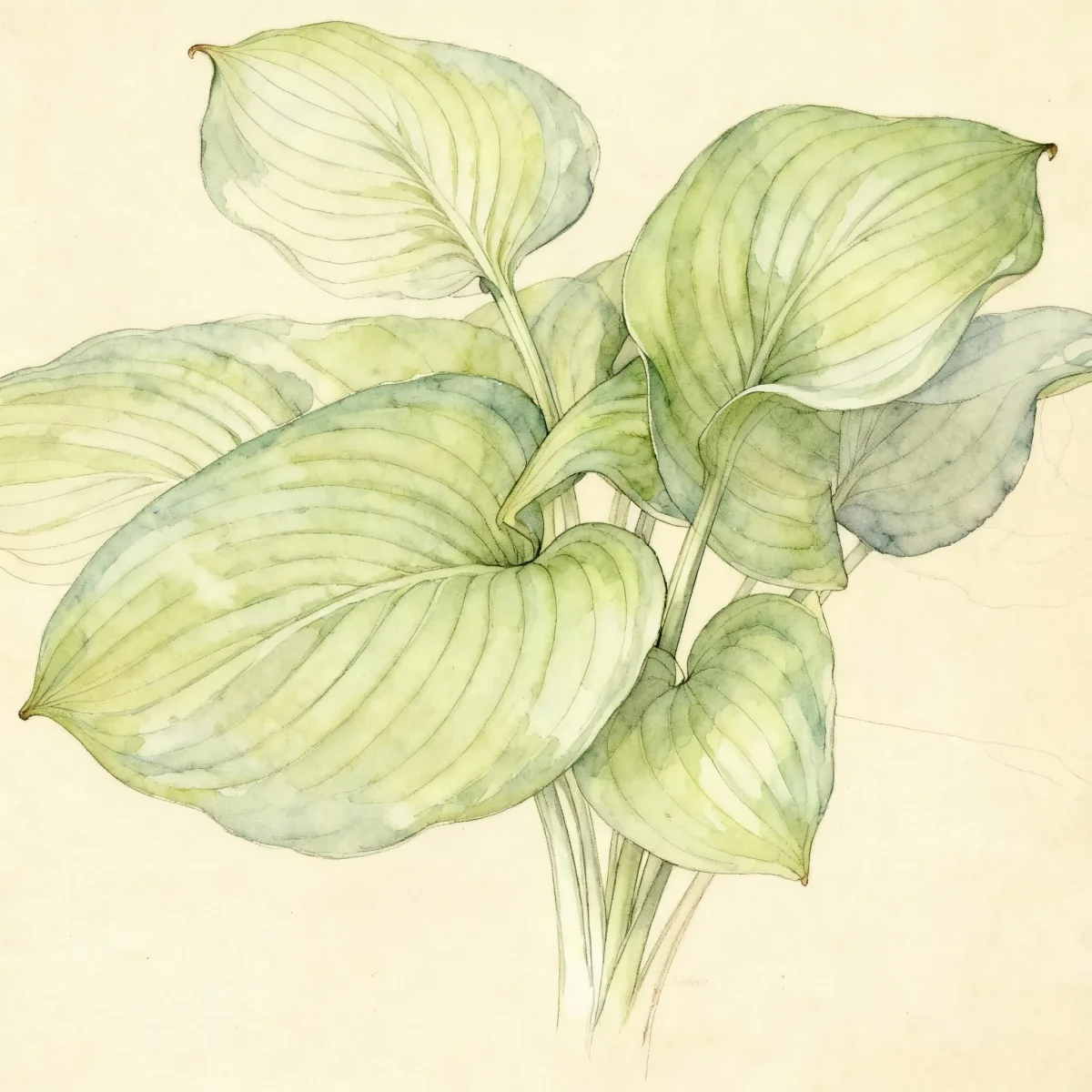
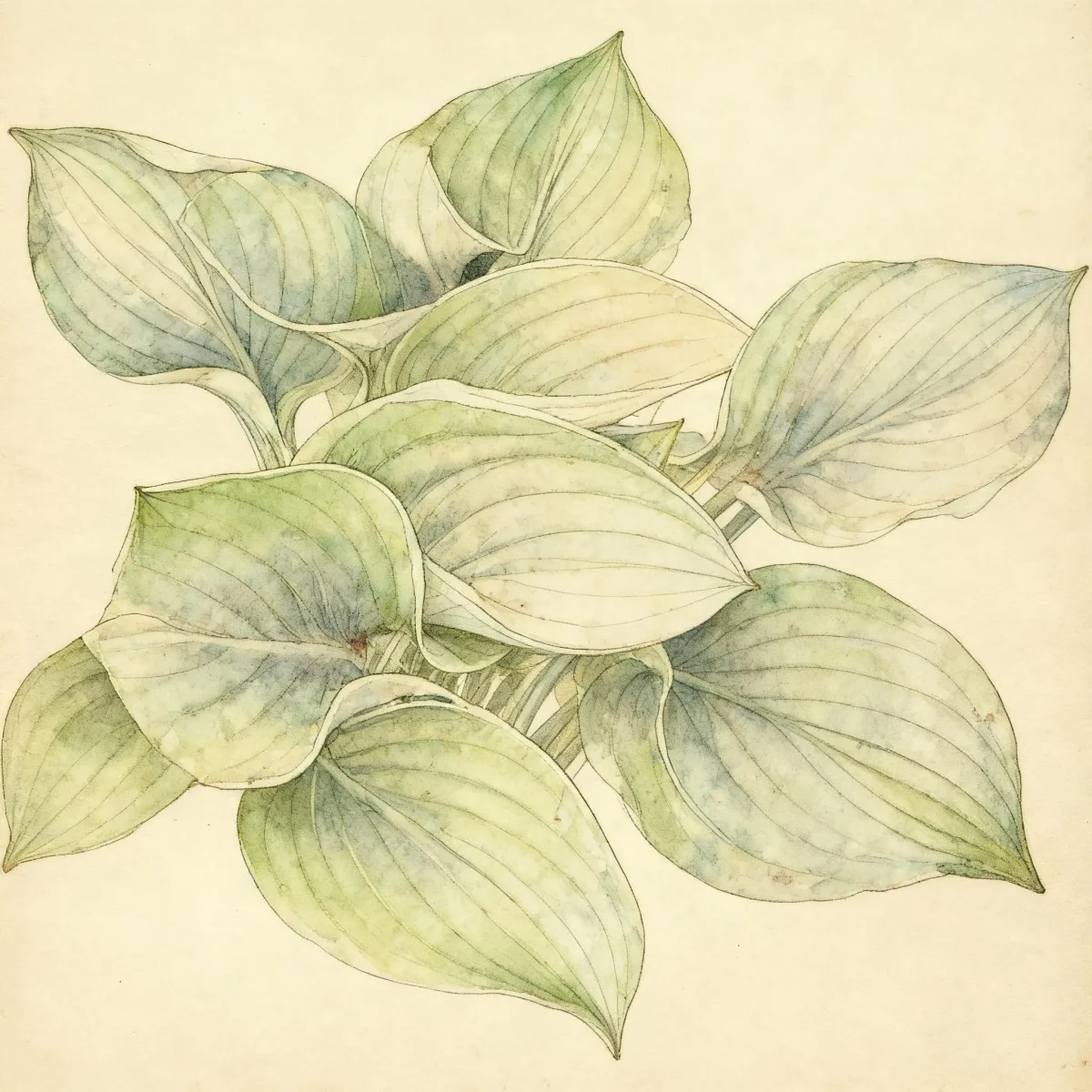
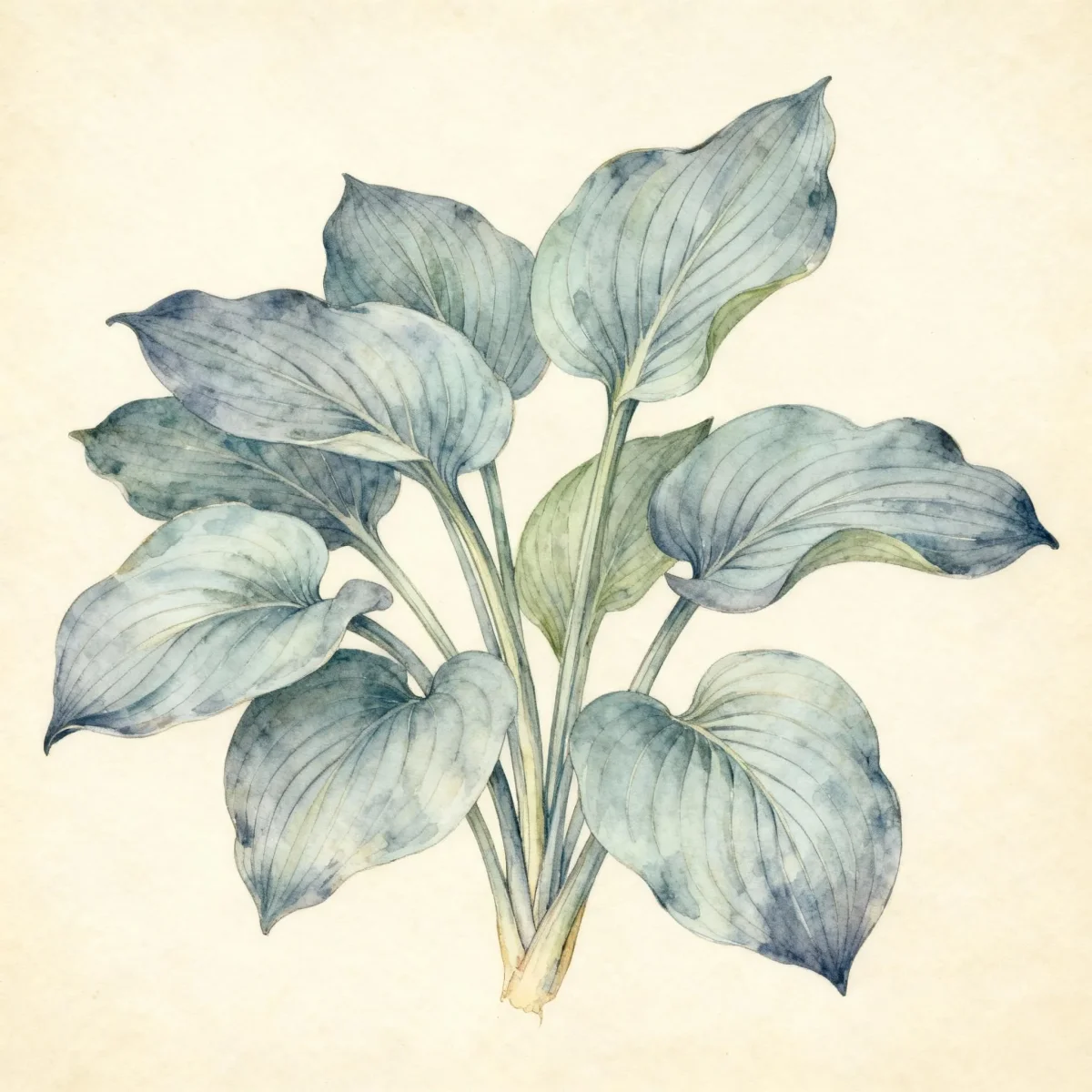
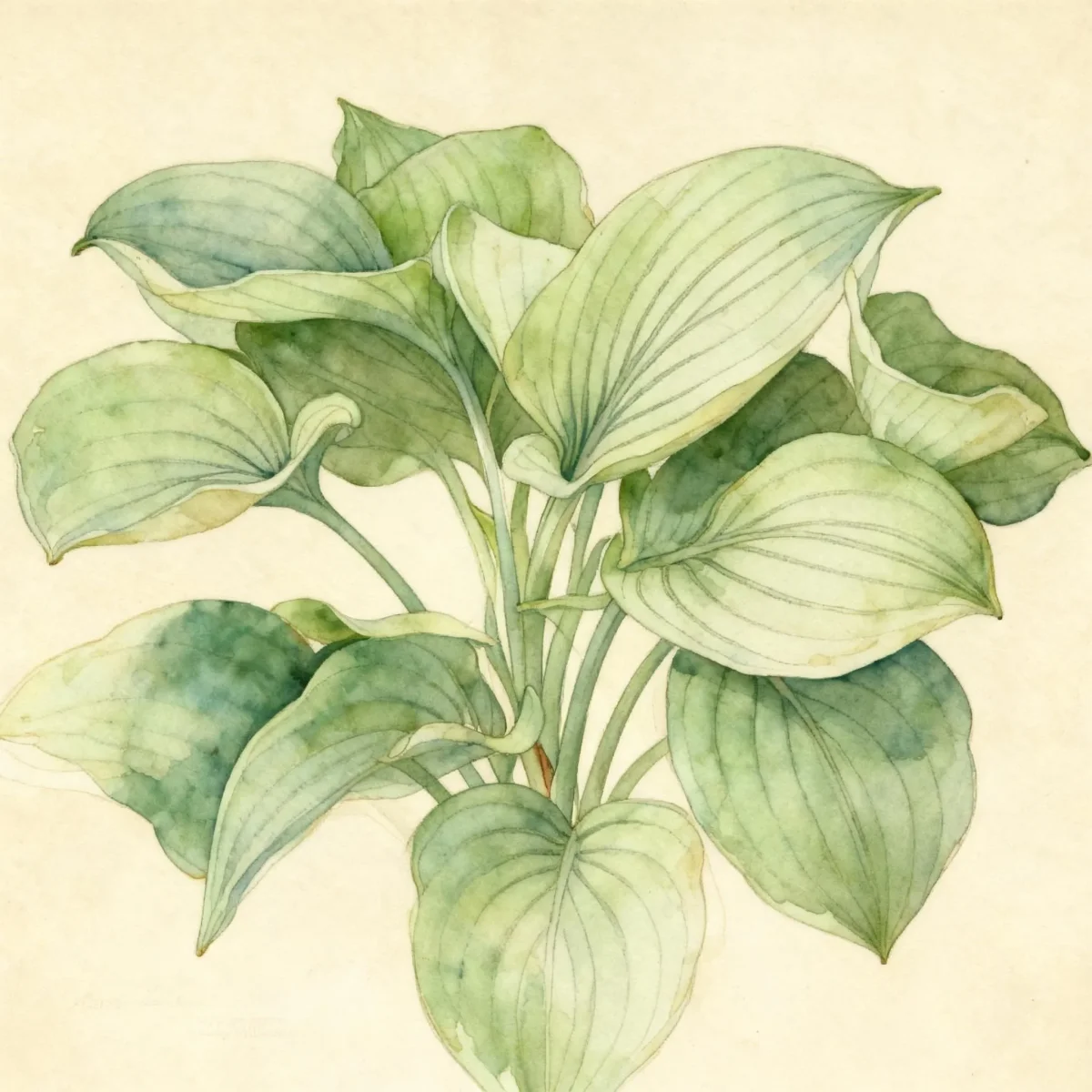
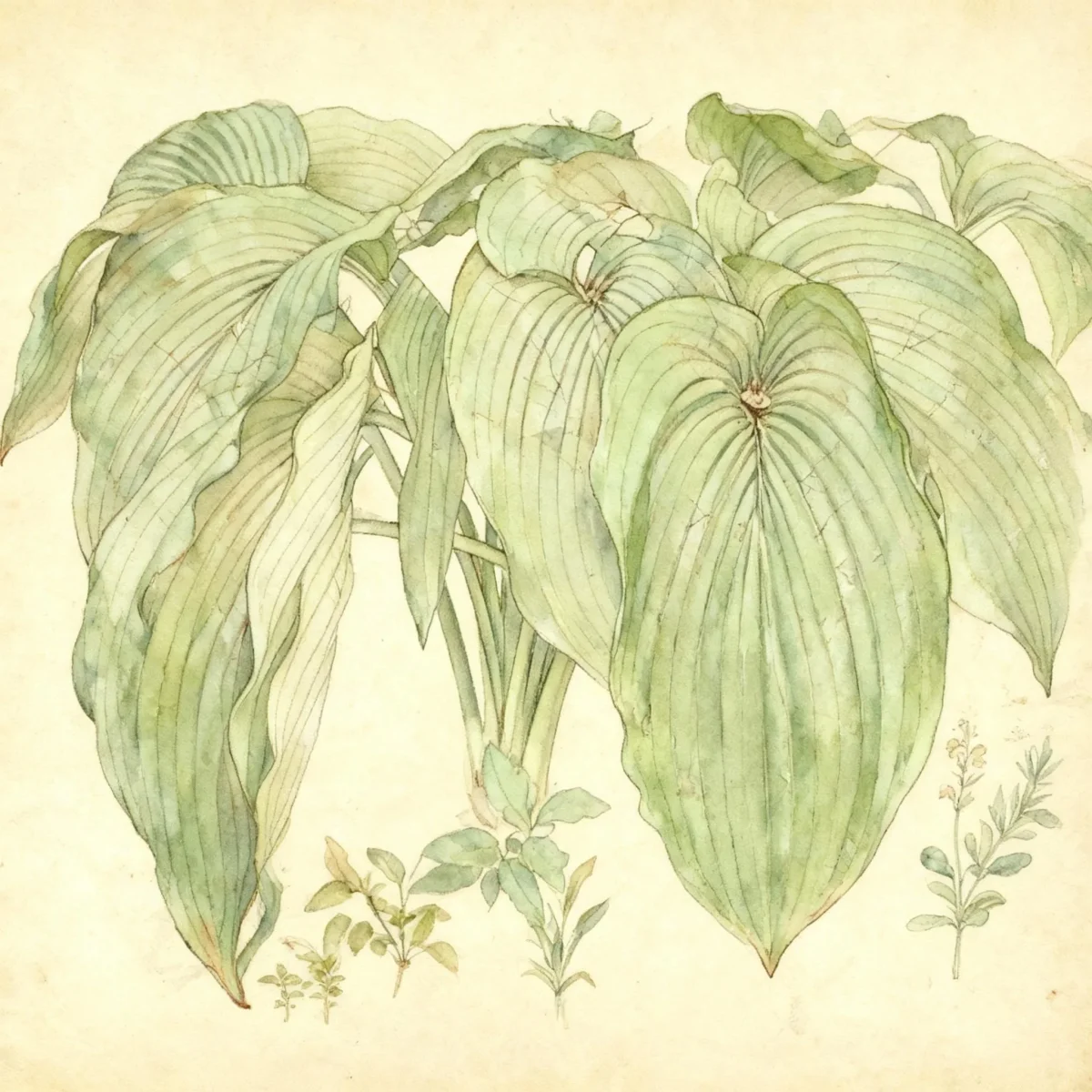
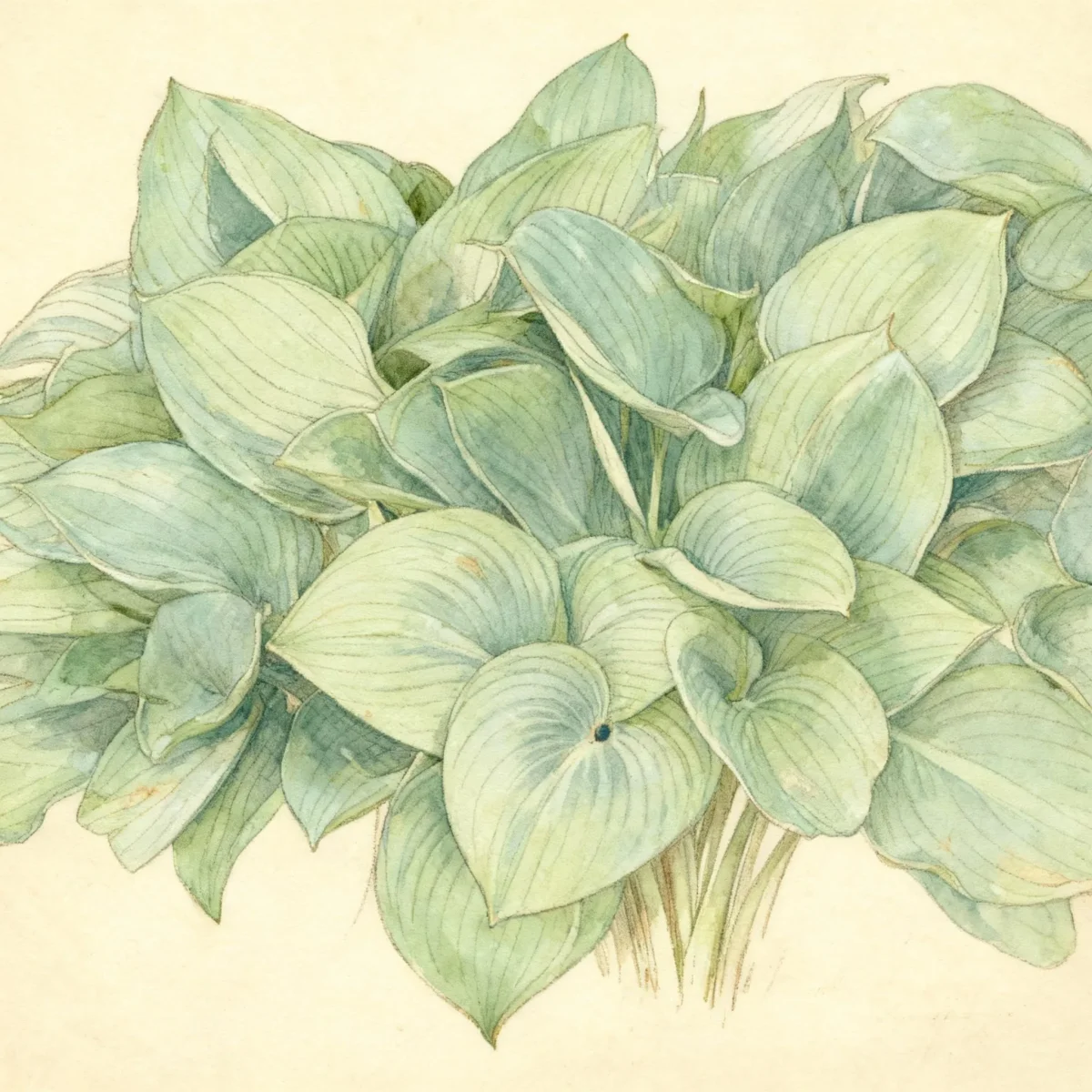
Hosta (Hosta 'Fortunei Albomarginata')
Hosta 'Fortunei Albomarginata' offers striking green foliage edged in white, perfect for enriching deep shade gardens.
Scroll down to discover growing tips, care requirements, companion plants, and more
Complete Plant Information
Overview
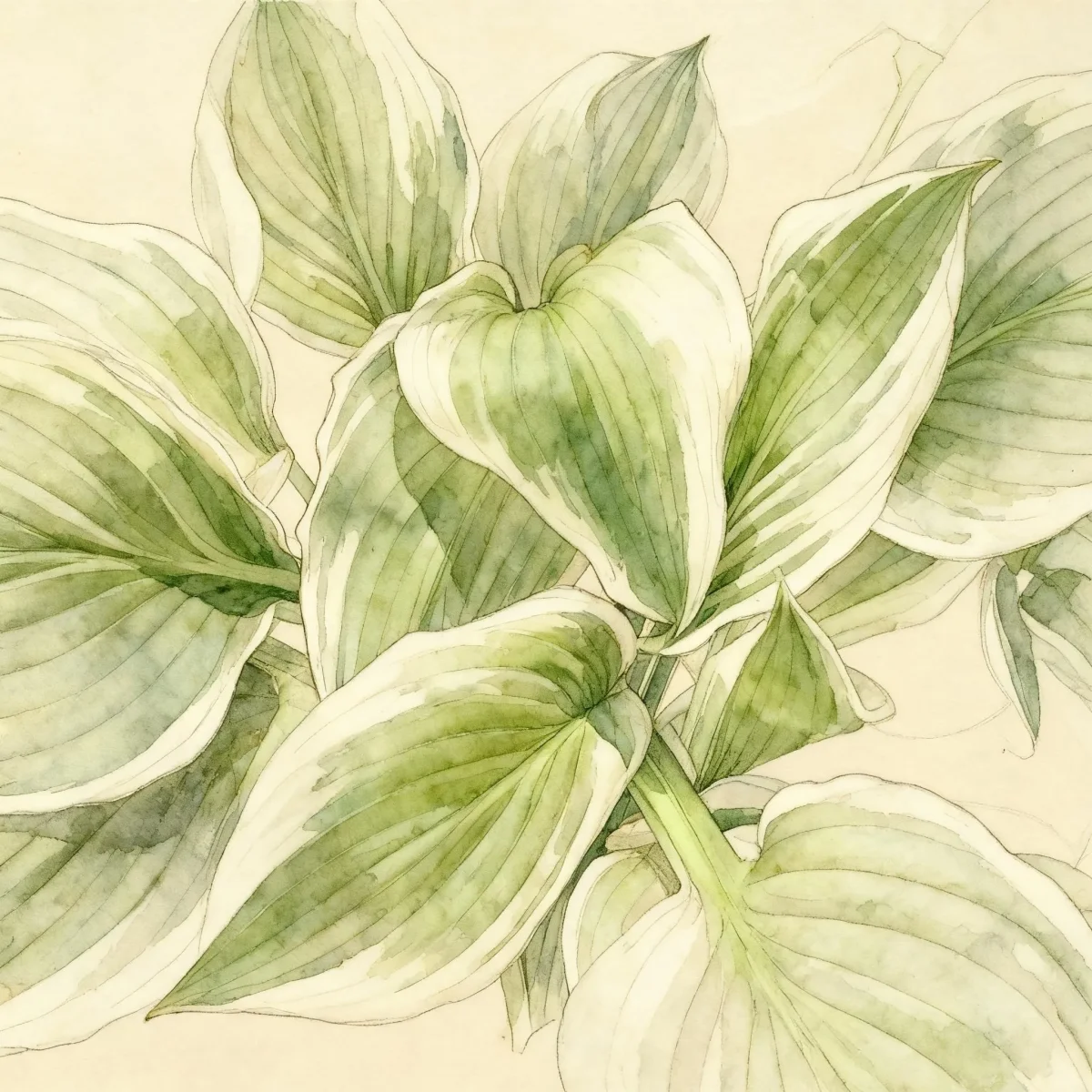
Hosta ‘Fortunei Albomarginata’ is a highly valued herbaceous perennial, primarily celebrated for its dramatic, richly variegated foliage, making it a staple in shade gardening. This cultivar of Hosta forms a dense, mounding clump of dark green, prominently veined leaves accented by irregular, bright white margins that provide year-round visual interest. Growing reliably across USDA Zones 3 through 8, this Hosta thrives where many flowering plants struggle, offering structure and texture to woodland settings.
As one of the most dependable genera for deep shade, Hosta provides exceptional aesthetic consistency with minimal effort. Hosta ‘Fortunei Albomarginata’ reaches a respectable medium size, maturing into a robust mound suitable for mass planting or defining the edge of a shady border. Its low maintenance needs ensure that gardeners can enjoy the rich texture of this Hosta cultivar without constant intervention.
The pale lavender flower spikes that rise above the foliage in mid to late summer add a delicate floral element to the predominantly leafy display. For those designing cool, dark garden spaces, this Hosta variety ensures that the area remains vibrant and textural, proving that shade gardens can be just as compelling as sun-drenched perennial borders.
Fast Facts
- Plant Family: Asparagaceae
- Plant Type: Herbaceous perennial
- Hardiness Zones: USDA Zones 3-8
- Size at Maturity:
- Height: 2-3 ft
- Spread: 3-4 ft
- Bloom Time: July to August
- Bloom Description: Pale lavender
- Sun Exposure: Part shade to full shade
- Water Needs: Medium
- Maintenance Level: Low
How to Grow
The Hosta genus, including Hosta ‘Fortunei Albomarginata’, performs best when planted in the spring or autumn. Select a location providing rich, organically amended, well-drained soil. While they tolerate heavy shade, these plants flourish when offered part shade, perhaps receiving a few hours of gentle morning sun or dappled light throughout the day. Planting in areas protected from harsh winds is recommended to prevent physical damage to the leaves.
Consistent moisture is key to achieving the best size and leaf quality for Hosta ‘Fortunei Albomarginata’. Water should be applied directly to the soil level beneath the foliage, ensuring the soil never dries out completely, although established specimens can exhibit some tolerance for dry shade. Hostas are generally low-maintenance; however, avoid over-fertilizing, which can sometimes encourage softer growth more susceptible to pests.
Division is easily managed either in early spring just as new shoots emerge, or in the autumn after the growing season slows. Simply lift the clump and gently separate mature sections. Remember that deep shade conditions will maximize the health of the foliage, which is the primary ornamental feature of this Hosta.
Landscape Uses
Hostas, particularly the robust clump-forming Hosta ‘Fortunei Albomarginata’, are foundational plants for any area lacking direct sunlight. Their dense, mounding habits make them exceptionally effective when planted closely together to create a solid tapestry of variegated foliage, suppressing weed growth beneath the canopy. This makes them superstars in shady borders and woodland garden schemes.
The structure and contrasting white margins of this cultivar make it an excellent background plant, providing a strong visual anchor against taller ferns or understory shrubs. They look superb massed throughout large woodland areas, or used individually as specimen accents near pathways or seating areas where the foliage texture can be closely appreciated. The contrasting color also works well when paired with solid green or chartreuse companions.
Standout Features
Flower Qualities
- Showy
Noteworthy Characteristics
Hosta is a genus primarily cultivated for its highly ornamental, dense foliage, which rises from a central crown to form a neat mound. Specifically, ‘Fortunei Albomarginata’ features prominently veined, oval green leaves edged strikingly with white, growing up to 10 inches long. This variety produces upright scapes bearing narrow, funnel-shaped, pale lavender flowers in the middle to late summer.
Tolerances
This Hosta variety exhibits impressive resilience in challenging conditions:
- Heavy Shade
- Black Walnut
Potential Problems
The primary threat to the lush foliage of Hosta ‘Fortunei Albomarginata’ comes from slugs and snails, which favor the leaves for feeding, rapidly creating jagged holes. Monitor plants closely, especially after rainfall, and employ regular slug control measures—such as beer traps or commercial baits—to prevent significant cosmetic damage.
Foliar nematodes can cause an unwelcome interveinal browning, and while less common, fungal leaf spots or crown rot can develop in overly saturated, poorly draining soils. Furthermore, viruses like HVX necessitate the immediate removal and destruction of infected plants to protect the rest of your Hosta collection. Deer and rabbits also frequently find the leaves highly palatable.
Frequently Asked Questions
What hardiness zones is Hosta suitable for?
This cultivar of Hosta thrives across a wide range, suitable for USDA Zones 3-8.
How large does Hosta ‘Fortunei Albomarginata’ grow?
Hosta ‘Fortunei Albomarginata’ typically achieves a foliage mound height between 2 to 3 feet, spreading to 3 to 4 feet wide at maturity.
When does Hosta bloom?
The bloom time for this plant is typically from July to August, presenting attractive pale lavender flowers above the foliage mound.
What sun exposure does Hosta need?
Hosta generally requires part shade to full shade conditions; while tolerant of deeper shade, morning sun exposure often maintains its best color and vigor.
Conclusion
Hosta ‘Fortunei Albomarginata’ remains an indispensable perennial for adding rich texture and reliable variegation to darker garden spaces. Its low maintenance needs and tolerance for shade make it a dependable performer season after season. Before planting, confirm that your intended location provides the medium moisture and deep partial shade this wonderful Hosta requires for optimal growth.
Companion Planting
When designing a shaded border featuring Hosta ‘Fortunei Albomarginata’, focus on companions that complement the foliage texture and color palette without competing heavily for vertical space. Plants with fine, airy textures work beautifully against the Hosta’s broad, structured leaves. Consider pairing it with Astilbe, whose plume-like flowers offer softness, or Japanese Forest Grass (Hakonechloa macra), which cascades nicely near the edges.
For color contrast in deep areas, use plants with bright colors, such as bleeding hearts (Dicentra spectabilis) which offer early spring color before the Hosta reaches its full size. Ensure any companion choices also prefer consistently moist, organically rich soil, mirroring the cultural needs of this excellent Hosta variety.
Seasonal Care Calendar
Spring is the ideal time to prepare for the season by dividing overcrowded clumps of Hosta, making sure to cut back any remaining dead foliage from the previous year. As temperatures warm, actively monitor for slugs and snails beginning to emerge, applying preventative barriers or baits early in the season.
Throughout the primary growing months of summer, your focus should be on consistent watering, aiming moisture directly at the soil surface, especially during dry spells, to maintain the crisp look of the leaves. Deadheading the spent flower scapes is optional; while sometimes done for aesthetics, allowing spent flowers to remain does not typically harm the plant.
In autumn, as temperatures drop, the foliage will naturally begin to senesce. Cut back the dead leaves once they have fully turned yellow or brown, or leave them to protect the crown over winter, removing them before new growth starts in spring. Hosta ‘Fortunei Albomarginata’ requires little winter protection in its hardiness range.