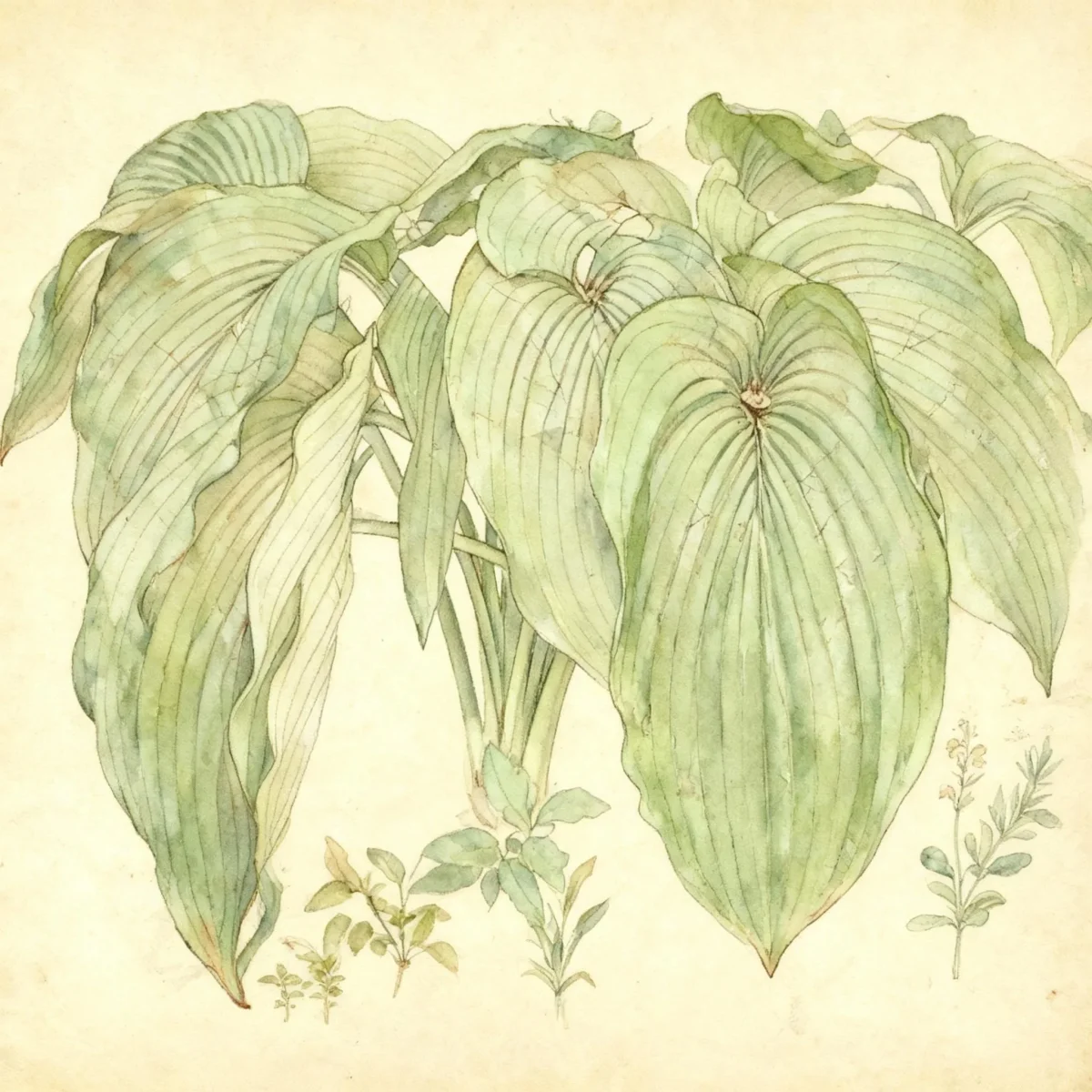
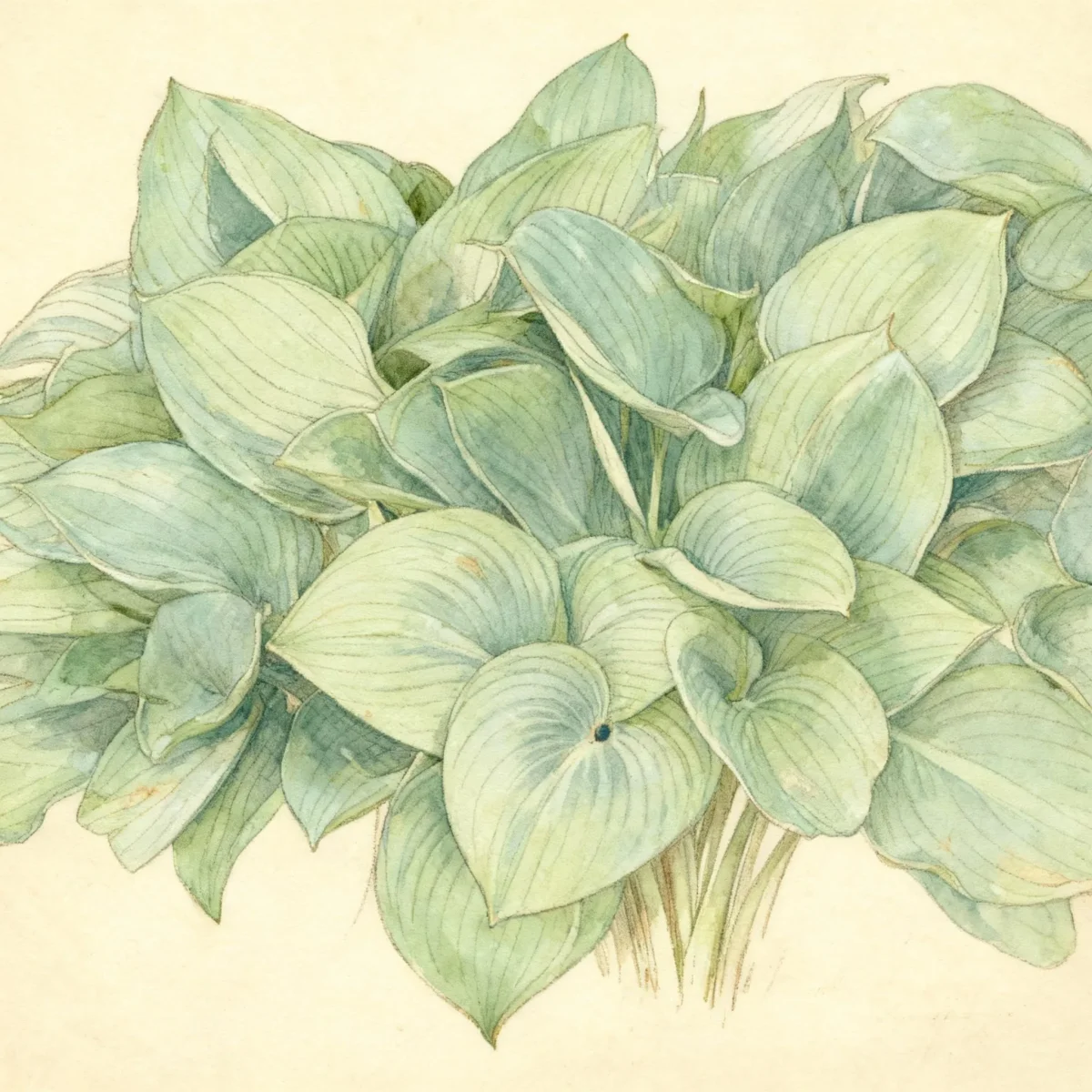
Hosta (Hosta 'Fortunei Aureomarginata')
Hosta 'Fortunei Aureomarginata' offers striking variegated foliage in shade gardens. Low maintenance Hosta suitable for Zones 3-9.
Scroll down to discover growing tips, care requirements, companion plants, and more
Complete Plant Information
Overview
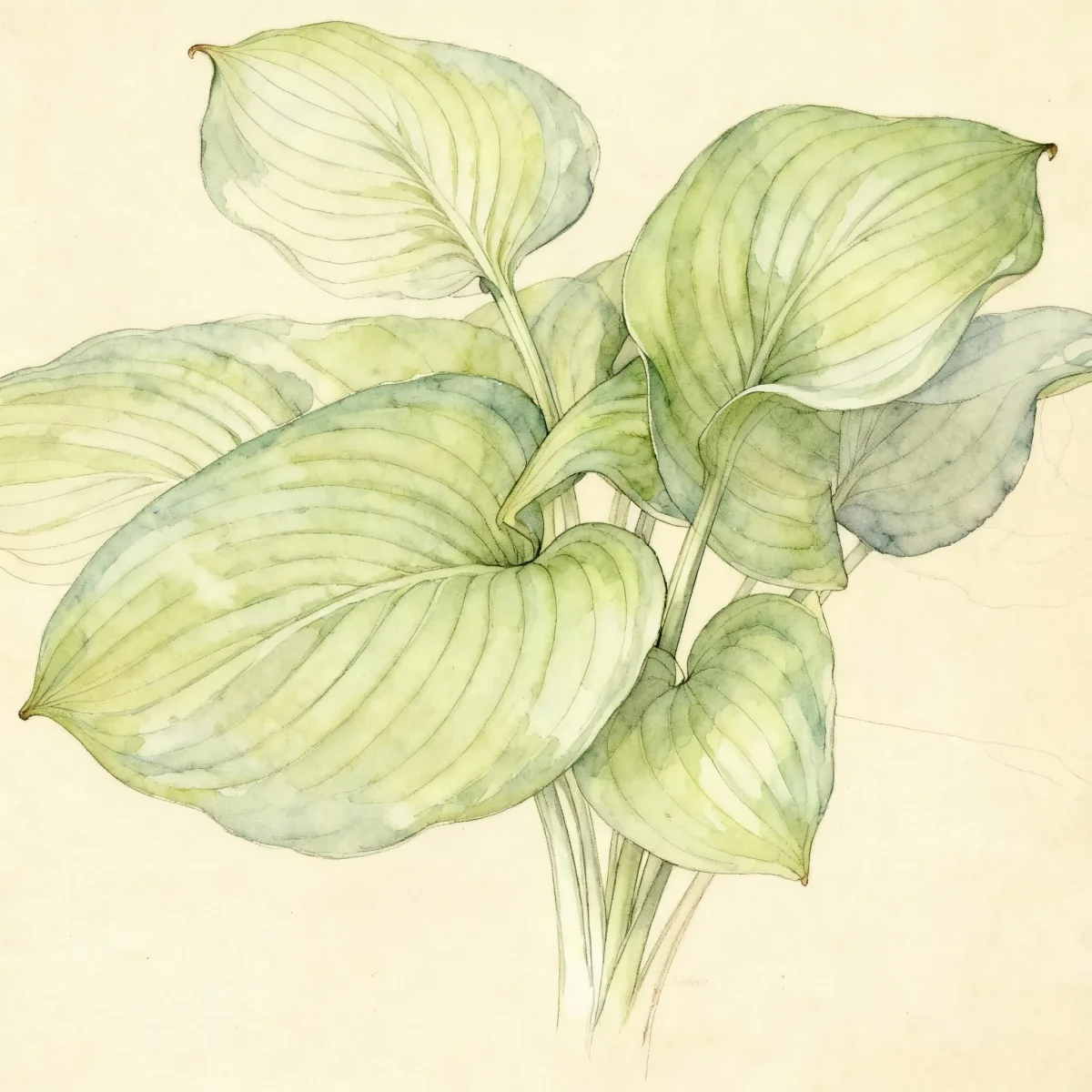
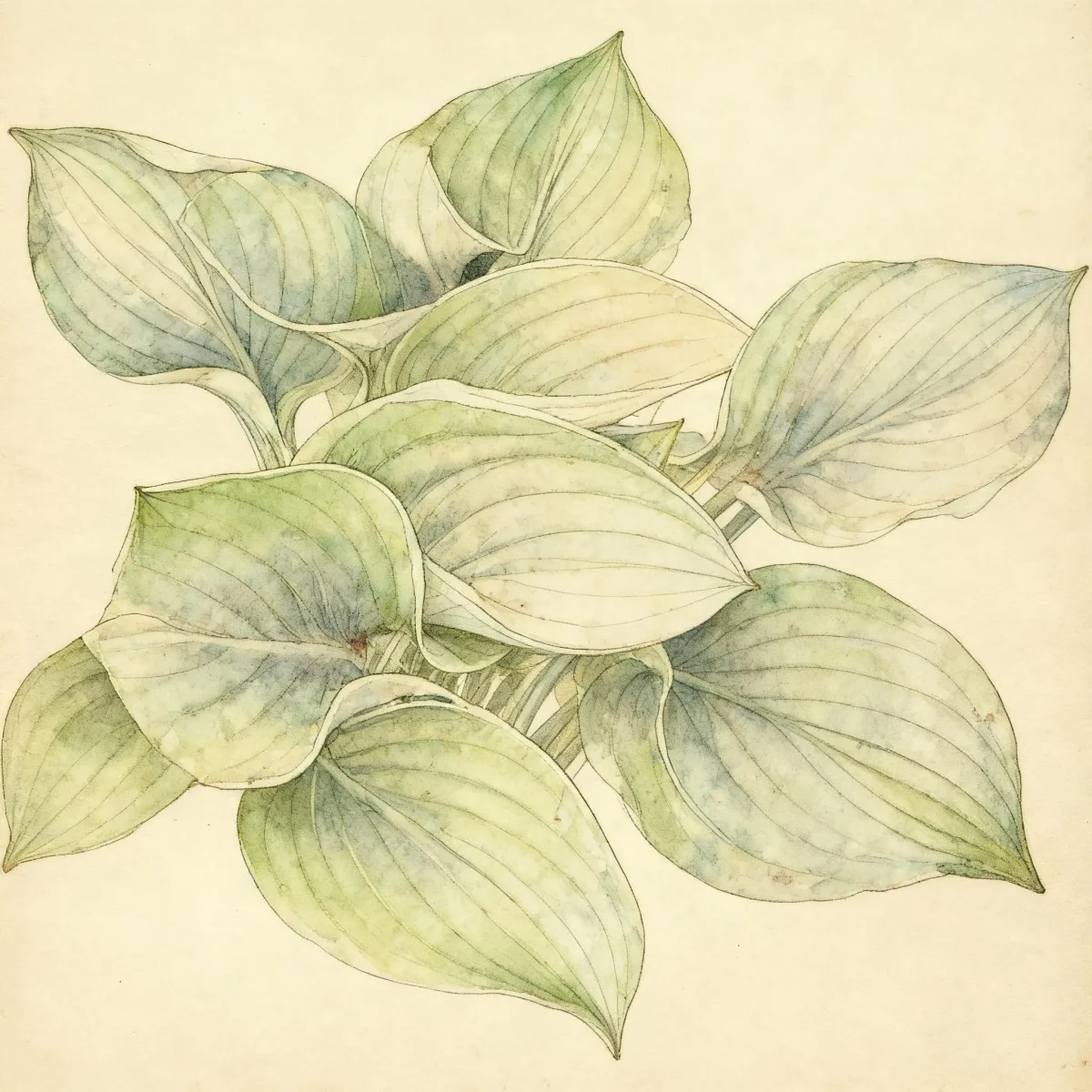
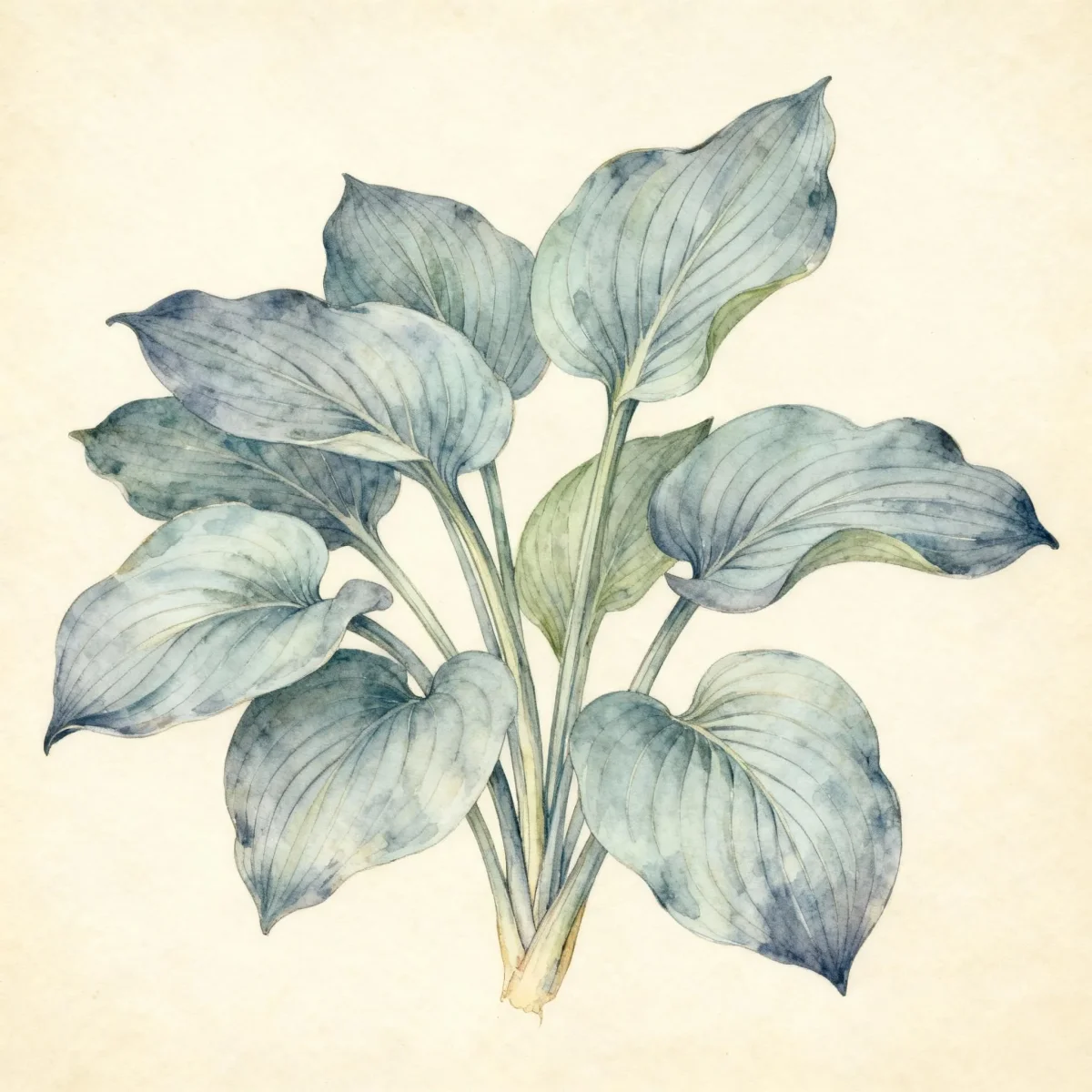
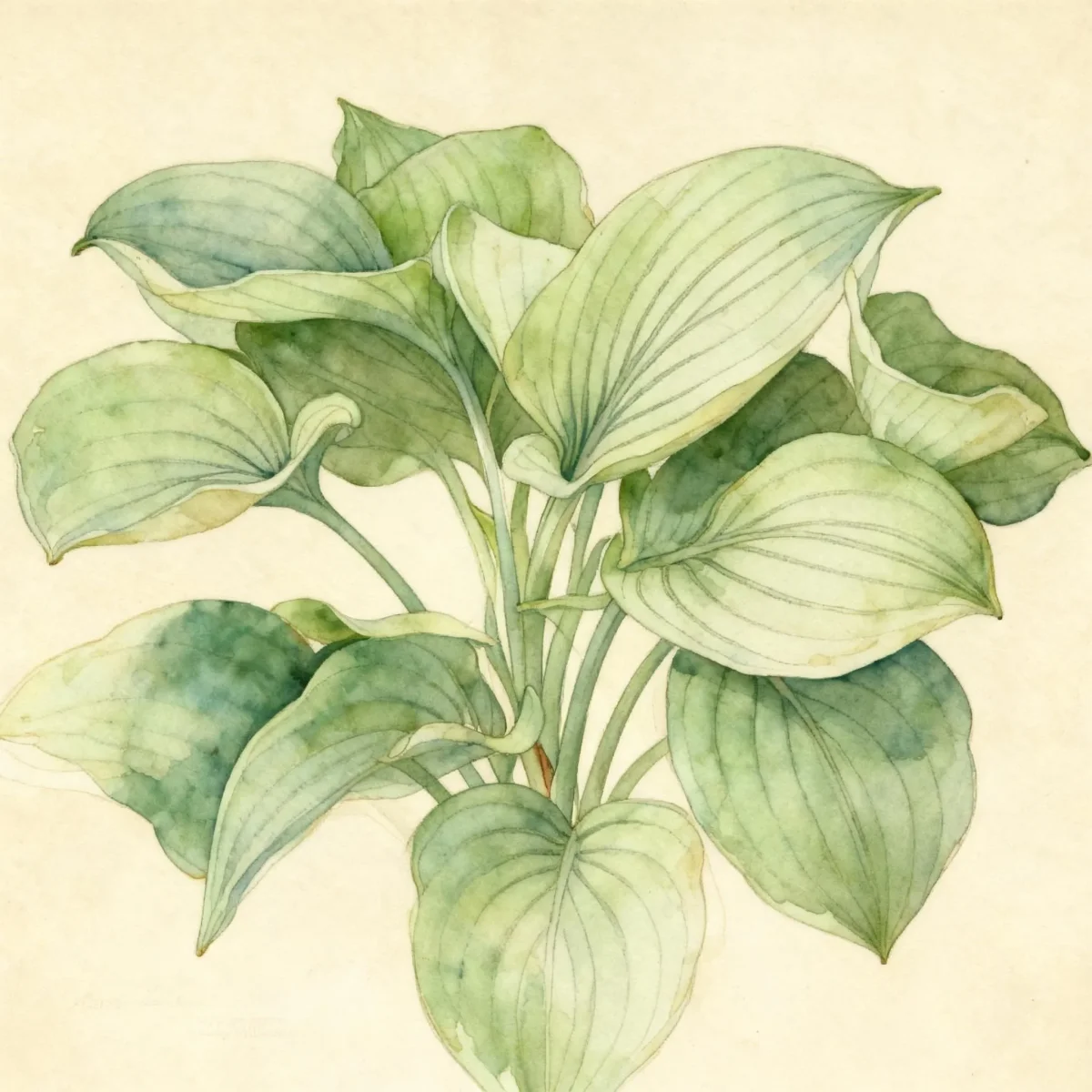
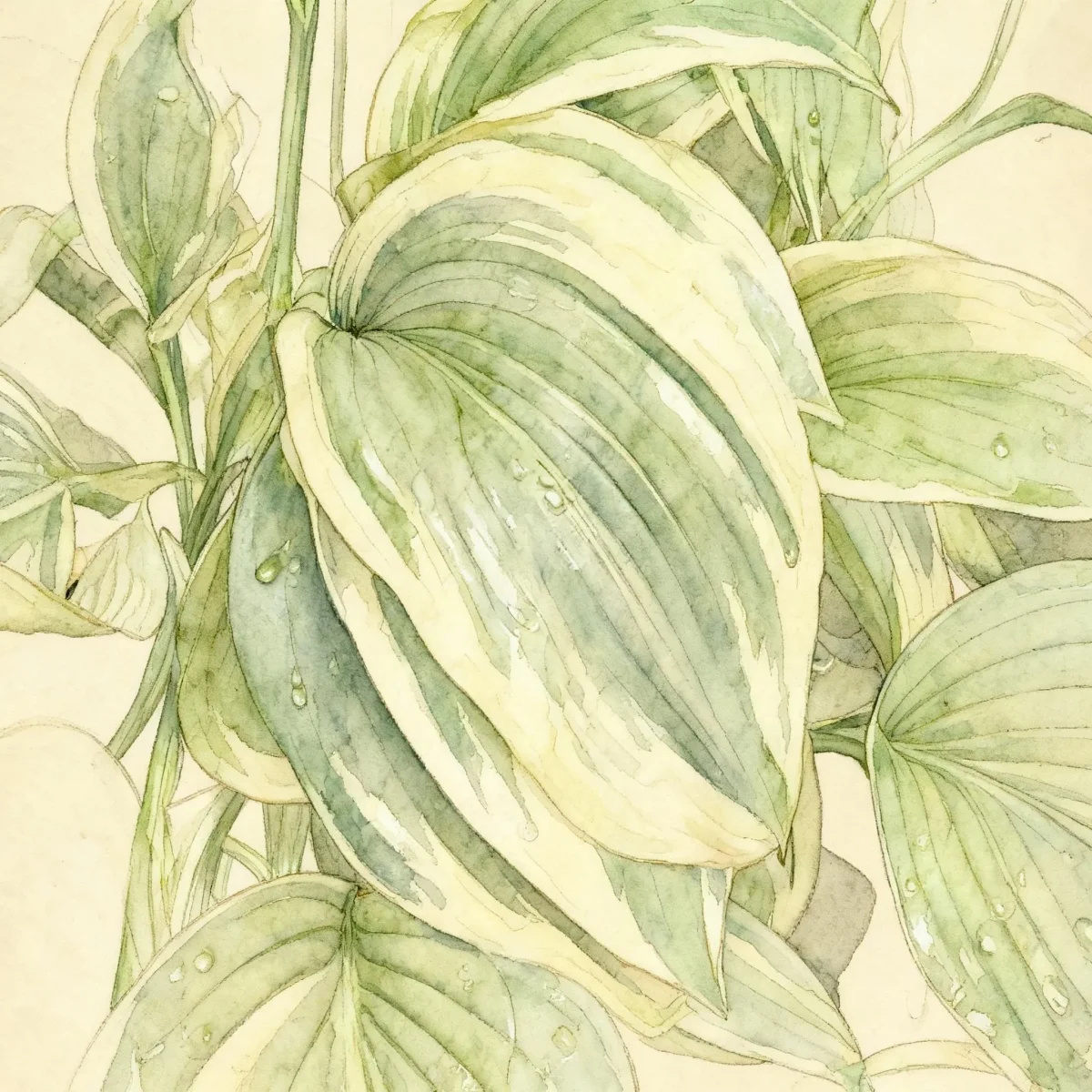
Hosta ‘Fortunei Aureomarginata’ is a cherished herbaceous perennial, primarily celebrated for the outstanding ornamental quality of its foliage, making it a staple in shady landscapes. This cultivar showcases medium, oval to heart-shaped leaves featuring deep green centers sharply outlined by thin, vibrant golden-yellow margins, providing essential contrast where sunlight is scarce. As a clump-forming Hosta, it reliably forms a rounded mound, topping out under two feet high and wide, which enhances structure in woodland or shade gardens. Its reliable performance, low maintenance requirements, and tolerance for deep shade make Hosta ‘Fortunei Aureomarginata’ an indispensable choice for gardeners seeking year-round foliage appeal.
Fast Facts
- Plant Family: Asparagaceae
- Plant Type: Herbaceous perennial
- Hardiness Zones: USDA Zones 3-9
- Size at Maturity:
- Height: 1-1.5 ft
- Spread: 1.5-2 ft
- Bloom Time: July to August
- Bloom Description: Lavender
- Sun Exposure: Part shade to full shade
- Water Needs: Medium
- Maintenance Level: Low
How to Grow
Successfully planting Hosta ‘Fortunei Aureomarginata’ requires attention to moisture and light. Plant these perennials in the spring or fall when soils are workable. Select a site providing evenly moist, organically rich, well-drained soil. While this Hosta performs well in part shade, thriving with some morning sun or dappled light, it tolerates heavy shade effectively.
Ongoing care is generally low-maintenance, fitting the Hosta profile perfectly. Ensure consistent moisture, as soils should never fully dry out; for best quality foliage, apply water directly to the soil beneath the leaves rather than overhead. Established plants can handle some dry shade, particularly those with thick leaves, but consistent hydration yields the best results for Hosta ‘Fortunei Aureomarginata’. Avoid high wind areas, which can damage the broad leaves.
Division of established clumps is easily executed in early spring before the leaves emerge, though it can also be done in autumn. This practice helps rejuvenate overcrowded plants and allows for easy propagation. Minimal pruning is required, typically just cutting back old foliage in late fall or early spring before new growth begins.
Landscape Uses
Hostas are the undisputed champions of the shade garden, and Hosta ‘Fortunei Aureomarginata’ brings reliable color contrast to dim settings. Its distinct variegated gold-edged leaves make it excellent for brightening up dark corners beneath mature trees or along north-facing walls. Use this variety effectively when massed together to create broad sweeps of color, or utilize individual plants to provide focal points within a mixed perennial border.
The mounding habit of this Hosta makes it an superb background plant or an excellent edging specimen along shady paths where its texture contrasts nicely with ferns or ground covers. Its cultural flexibility, allowing it to tolerate the competitive roots of Black Walnut, also expands its utility into challenging woodland garden environments.
Standout Features
Flower Qualities
- Showy
Noteworthy Characteristics
The genus Hosta is renowned for its shade-loving, clumping herbaceous perennials, primarily valued for their ornamental foliage structure. Hosta ‘Fortunei Aureomarginata’ specifically presents a 12-16” mound of medium, variegated, oval leaves edged in golden yellow, contrasting beautifully with deep green centers. When they bloom in summer, racemes of bell-shaped, lavender flowers rise conspicuously above the foliage mass, creating a dual-season display.
Tolerances
- Heavy Shade
- Black Walnut
Potential Problems
The most common threat to your Hosta collection are slugs and snails, which are highly attracted to the lush foliage. They chew distinctive, jagged holes, which can rapidly degrade the aesthetic appeal of Hosta ‘Fortunei Aureomarginata’. Control these pests proactively by using baits, beer traps, or applying diatomaceous earth around the crowns of the plants, especially when new growth first appears.
Foliar nematodes pose another risk, causing browning between the leaf veins. Less common issues include leaf spots or crown rot, usually resulting from overwatering or poor drainage. Although rare, viral infections like Hosta Virus X (HVX) necessitate immediate removal and destruction of the infected plant. Deer and rabbits frequently find the leaves delectable, so protection may be necessary in high-wildlife areas.
Frequently Asked Questions
What hardiness zones is Hosta ‘Fortunei Aureomarginata’ suitable for?
This resilient Hosta is suitable for USDA Hardiness Zones 3 through 9.
How large does Hosta ‘Fortunei Aureomarginata’ grow?
It typically reaches a height between 1 to 1.5 feet tall and spreads outward to 1.5 to 2 feet wide, forming a tidy mound.
What sun exposure does Hosta need?
Hosta ‘Fortunei Aureomarginata’ prefers part shade to full shade conditions for optimal leaf coloration and health.
When does Hosta bloom?
This variety produces lavender, bell-shaped flowers atop tall scapes consistently from July to August.
Conclusion
Hosta ‘Fortunei Aureomarginata’ offers exceptional value to the shade gardener through its dependable, low-maintenance growth and beautifully variegated foliage that brightens dark corners. This classic Hosta cultivar is celebrated for its resilience and its ability to thrive where other ornamentals fail. Before planting, ensure your chosen location offers medium, consistent moisture and check that your local climate falls within the recommended USDA Zones 3-9.
Design Ideas for Variegated Shade
The strong, clear variegation of Hosta ‘Fortunei Aureomarginata’ makes it an excellent partner for plants dominated by deep greens or blues. When designing shady borders, pair its golden edges with plants like deep purple Heuchera cultivars or the dark, glossy leaves of Japanese forest grass (Hakonechloa macra ‘Aureola’). This combination maximizes contrast, causing the golden margins of the Hosta leaves to practically glow in filtered light.
Use this cultivar in containers for shaded patios or entryways where its visual impact is immediate and accessible. In these settings, ensure excellent drainage, as containers can sometimes dry out faster, contrasting with its need for medium moisture. A single Hosta ‘Fortunei Aureomarginata’ can anchor a mixed container planting surrounded by trailing Ivy or delicate white Impatiens.
Companion Planting in Woodland Settings
Given its tolerance for heavy shade and its resistance to dry shade once established, this Hosta pairs naturally with woodland natives that share similar cultural needs. Consider surrounding it with Astilbes for contrasting airy plumes of summer color, or planting beneath deciduous trees alongside hardy woodland ephemerals that finish their cycle before the Hosta fully leafs out. Companion planting with ferns, which appreciate similar moist, humus-rich soils, creates a classic, lush woodland tapestry.