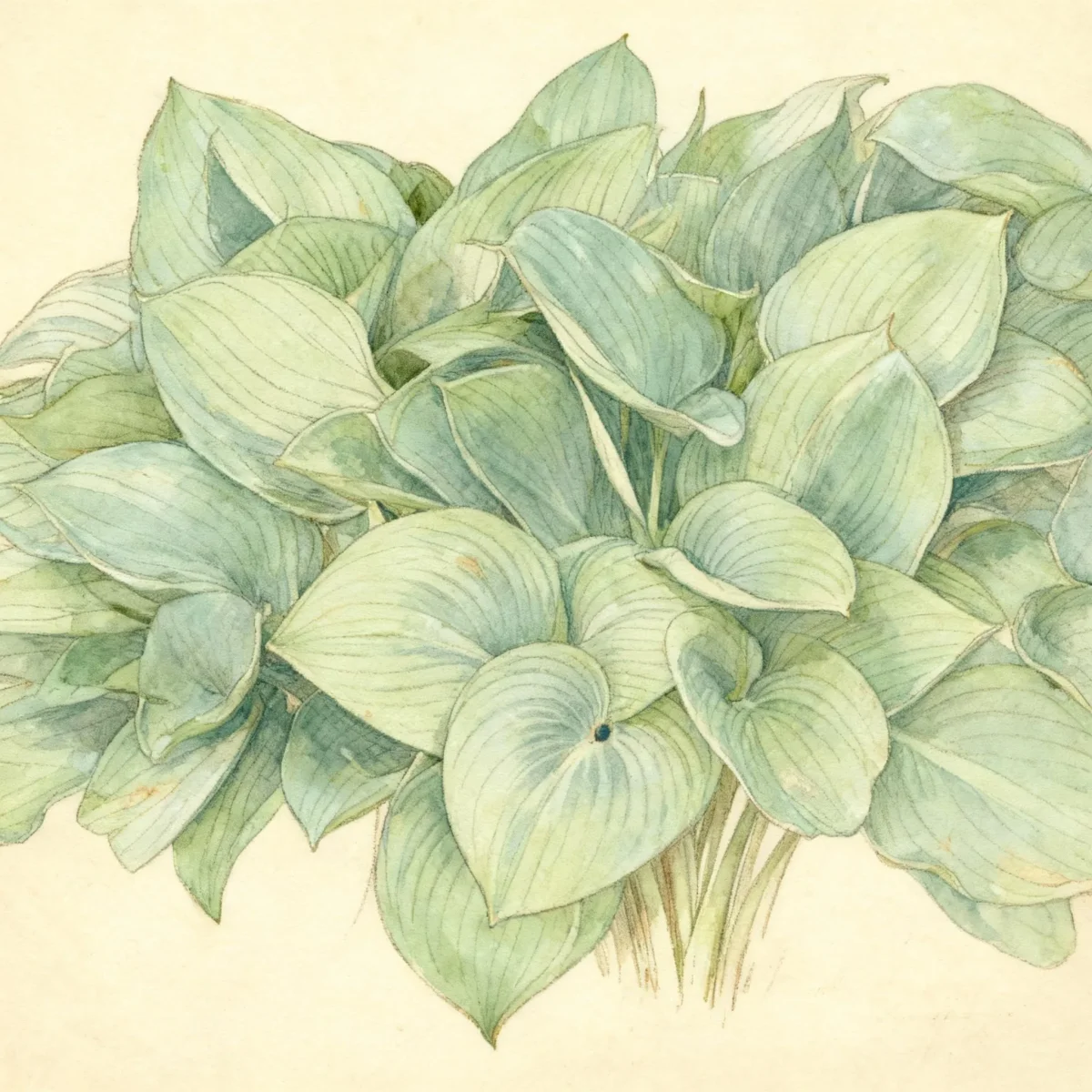
Hosta (Hosta 'Fortunei Hyacinthina')
Hosta 'Fortunei Hyacinthina' is a reliable, low-maintenance herbaceous perennial perfect for shade gardens, prized for its gray-green ornamental foliage.
Scroll down to discover growing tips, care requirements, companion plants, and more
Complete Plant Information
Overview
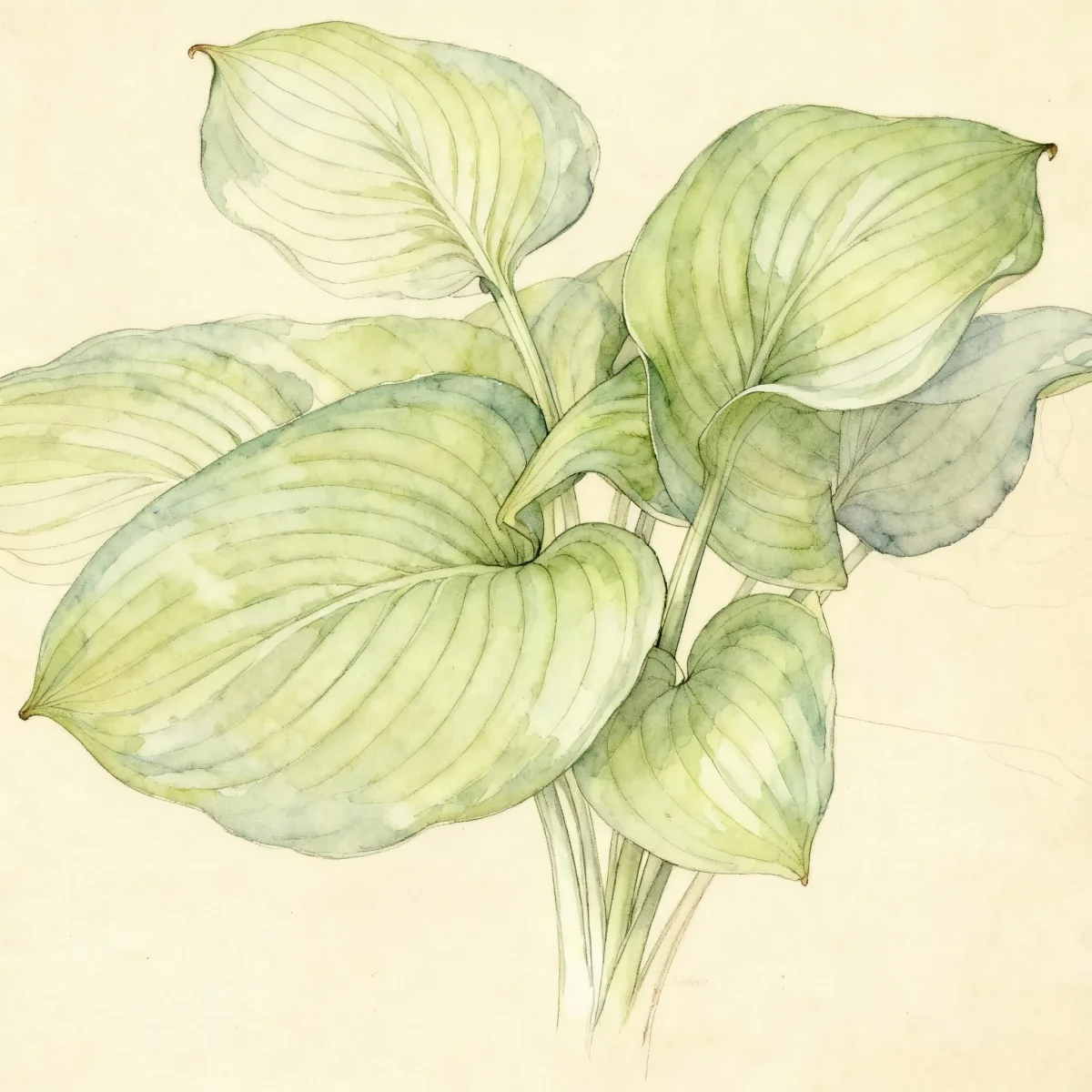
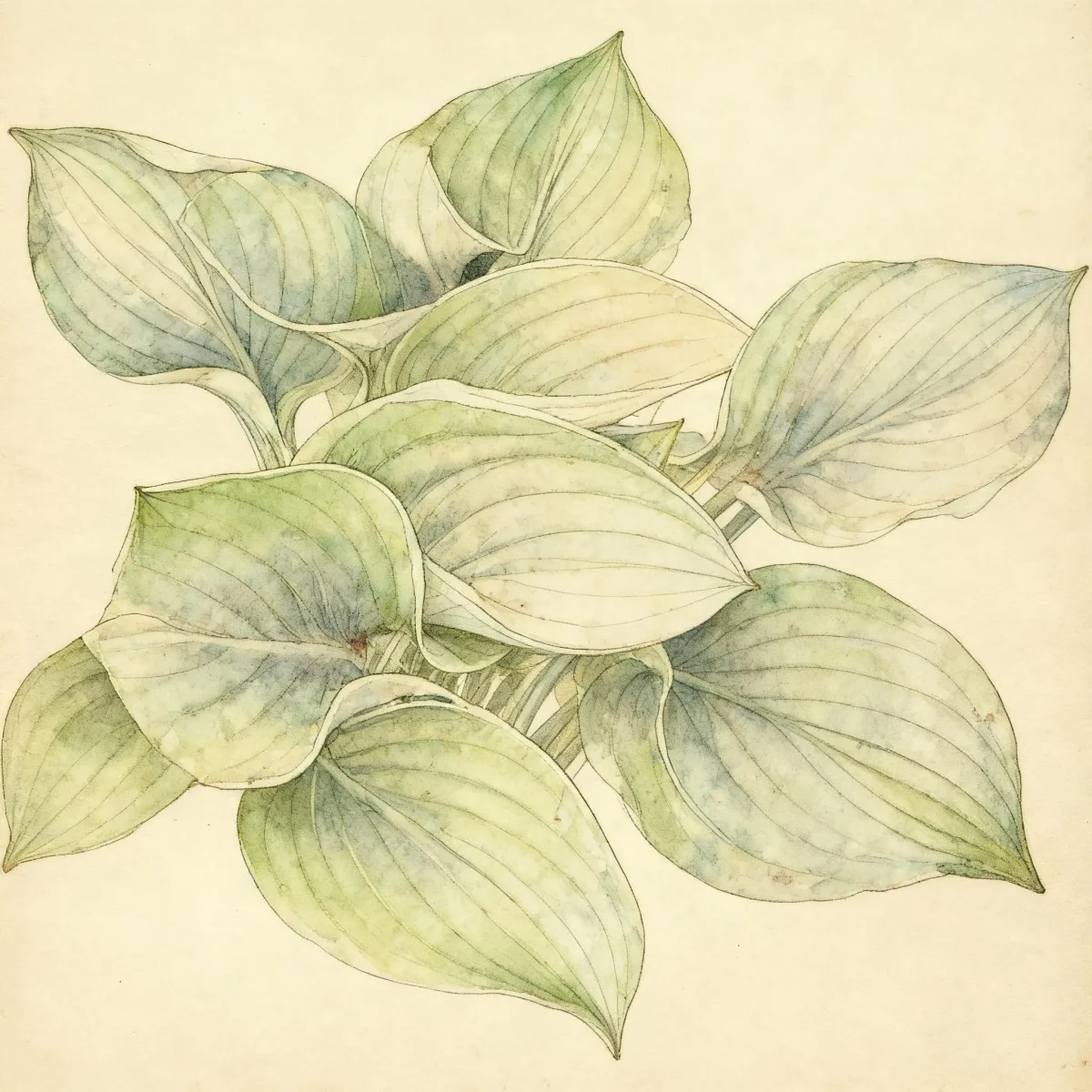
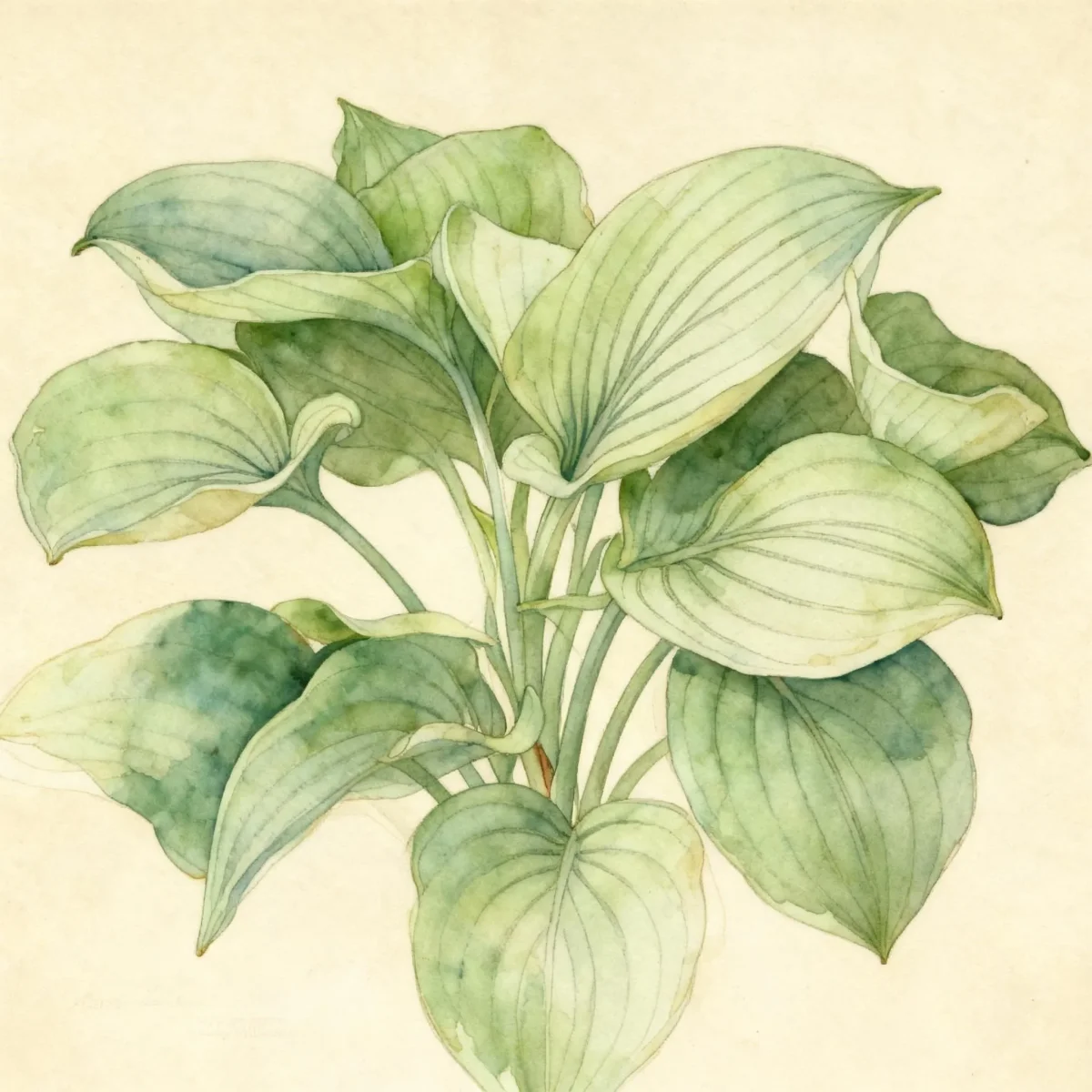
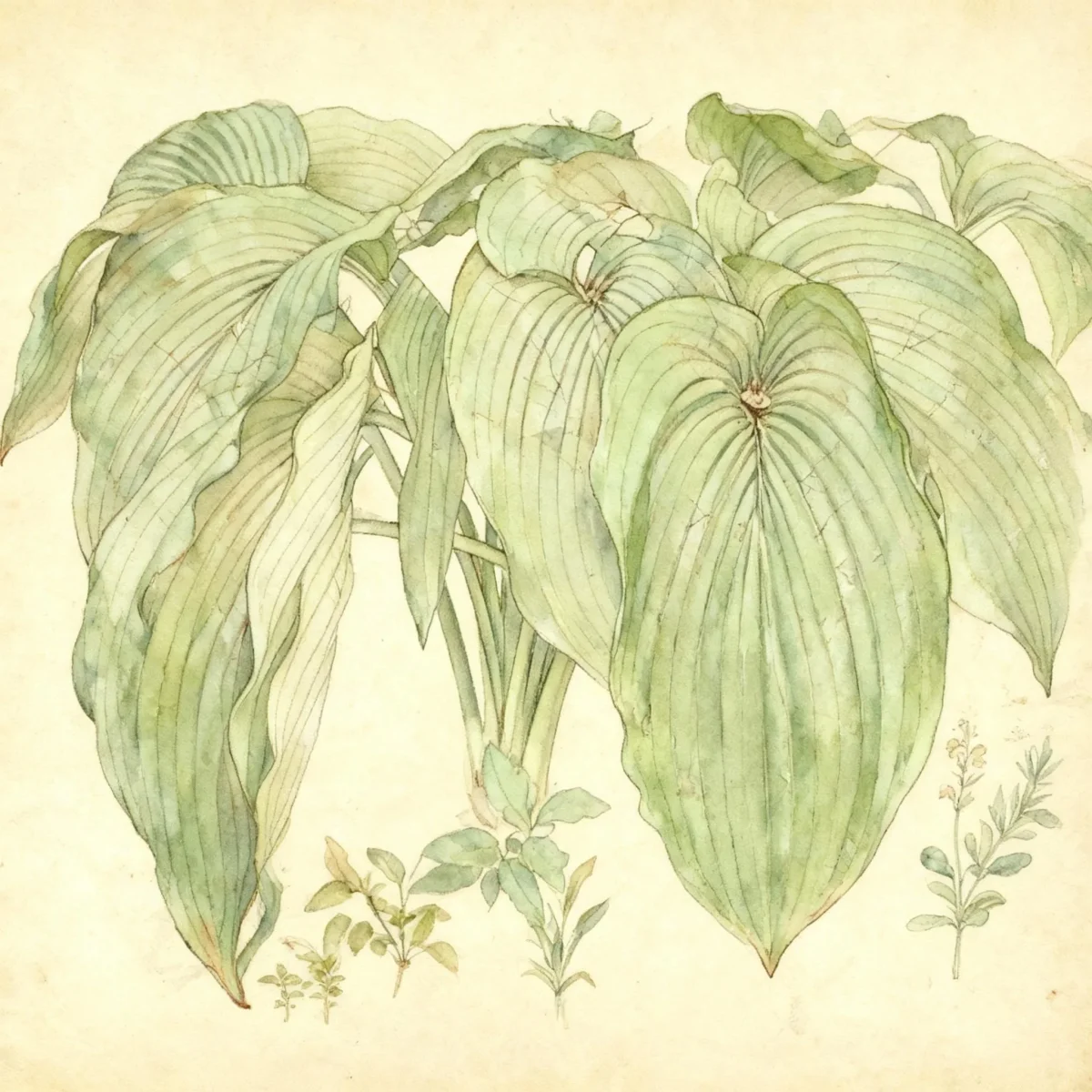
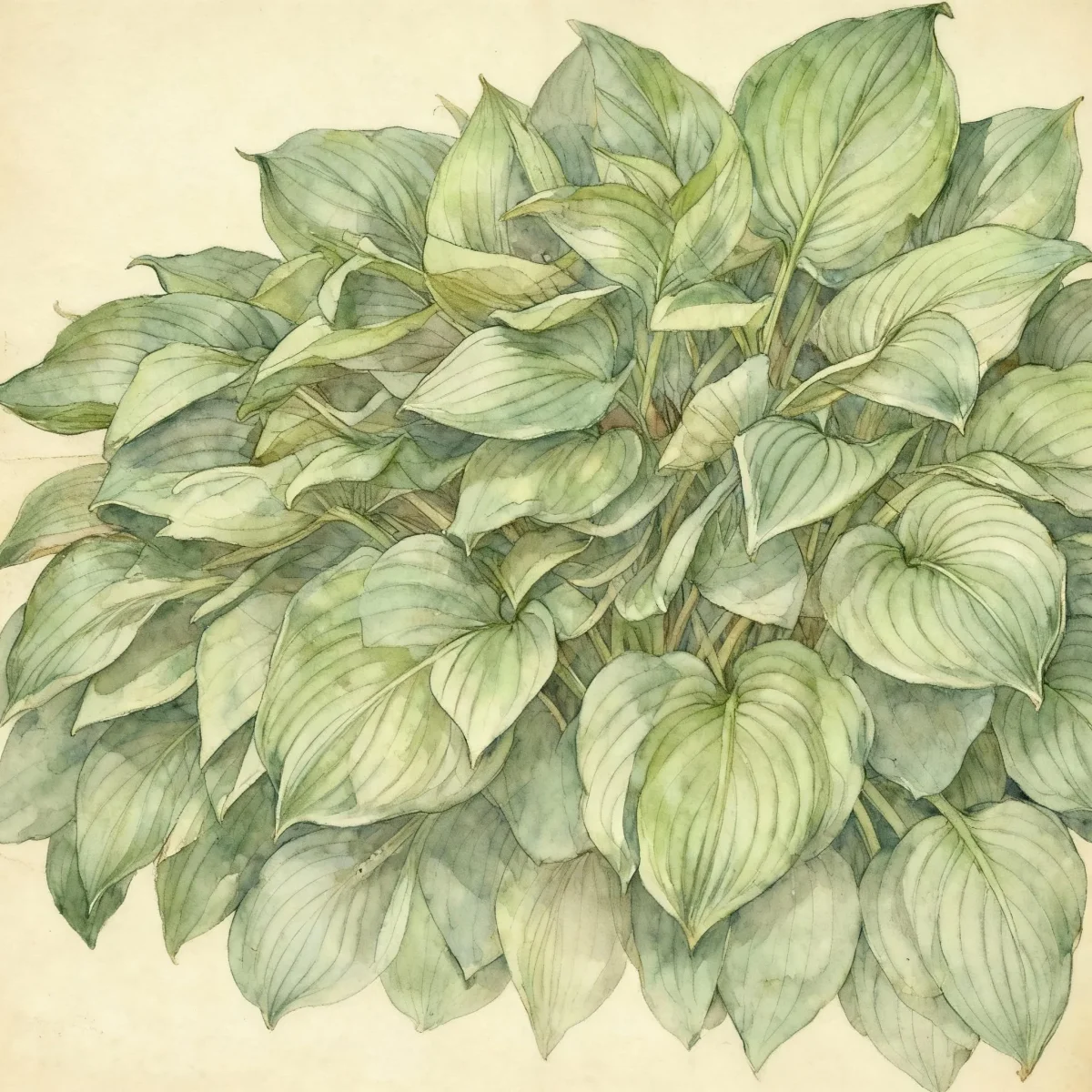
Hosta ‘Fortunei Hyacinthina’ is a dependable and versatile favorite among shade gardeners, focusing heavily on the ornamental excellence of its substantial, textured foliage. This cultivar forms an attractive mound, making it an essential structural element in darker garden niches where other plants struggle. As a member of the Hosta genus, it exemplifies the best traits of shade-loving perennials: robust growth and tolerance for varying light conditions.
This medium-sized Hosta typically reaches 1 to 1.5 feet high and spreads to nearly 2 feet, creating a consistent presence throughout the growing season. While the pale lavender-purple flowers in mid-summer offer a bonus, the main appeal of Hosta ‘Fortunei Hyacinthina’ lies in its appealing gray-green cordate-ovate leaves. Its low-maintenance requirement and ability to thrive in deep shade sectors make it practical for both new and experienced gardeners seeking dependable structure.
The Hosta genus provides vital texture and form to woodland or shady borders, and ‘Fortunei Hyacinthina’ provides reliable performance year after year. Its medium size allows it to function effectively as an edge plant or massed planting, delivering deep, satisfying color contrast against brighter greens or foliage structures.
Fast Facts
- Plant Family: Asparagaceae
- Plant Type: Herbaceous perennial
- Hardiness Zones: USDA Zones 3-8
- Size at Maturity:
- Height: 1-1.5 ft
- Spread: 1.5-2 ft
- Bloom Time: July to August
- Bloom Description: Pale lavender-purple
- Sun Exposure: Part shade to full shade
- Water Needs: Medium
- Maintenance Level: Low
How to Grow
The Hosta ‘Fortunei Hyacinthina’ thrives when planted in evenly moist, organically rich, well-drained soils. While it tolerates heavy shade, the best quality foliage and growth are achieved with some morning sun or consistently dappled light conditions; avoid harsh afternoon sun which can scorch the leaves. Division of clumps is best performed in early spring before the leaves fully emerge, or alternatively in the autumn.
Maintain consistent moisture, especially during dry spells, as established Hosta plants rely on regular watering for peak size and health, though some varieties show dry shade tolerance. When watering, deliver moisture directly to the soil beneath the foliage canopy to prevent wet leaves, which can encourage fungal spotting. Hostas are generally regarded as very low-maintenance perennials once established.
Wind protection is advisable, as strong breezes can damage the broad leaves of this Hosta. Pruning is minimal; simply remove any tattered or dead foliage in early spring as new growth prepares to emerge. This foundational care regimen ensures your Hosta ‘Fortunei Hyacinthina’ remains a handsome feature for years.
Landscape Uses
Hostas are paramount players in shade gardens, valued primarily for their bold, ornamental foliage rather than their mid-summer blooms. Hosta ‘Fortunei Hyacinthina’ works exceptionally well when massed together to create dense carpets of texture under mature trees or along shaded walkways. They serve as an excellent background plant, allowing smaller, brighter shade-lovers to pop against their consistent gray-green mounds.
Use this Hosta in shady borders where you require low structure that requires little seasonal fuss. When grouped, they define the edge of woodland gardens beautifully or can provide massed structure around shade-loving shrubs. Their clumping habit makes them easy to integrate near stones or along pond edges in shaded environments.
Standout Features
Flower Qualities
- Showy
Noteworthy Characteristics
Hosta is a genus of about 70 species of shade-loving, rhizomatous, clump-forming, herbaceous perennials which are native to open woodlands, woodland margins and glades in Japan, Korea, China and eastern Russia. Hostas are primarily grown for their ornamental foliage. Stalked, conspicuously-veined, often dense, basal leaves in a variety of shapes, sizes, colors and textures rise up from a central rhizomatous crown to form a rounded to spreading mound of foliage. Bell or funnel-shaped flowers in terminal, mostly one-sided racemes bloom in late spring or summer atop vertical, unbranched, usually leafless but frequently bracted scapes which rise upward from the crown or rootstock to a point often well above the foliage mound.Genus name honors Austrian botanist Nicholas Thomas Host (1761-1834) and was first established in 1812. The genus was subsequently renamed in 1817 as Funkia in honor of botanist Heinrich Christian Funk under the belief at that time that Hosta was an invalid name. Hosta was finally reinstated as the genus name in 1905 by the International Botanical Congress.Funkia remains a popular common name today in some areas. An additional common name for plants in this genus is plantain lily (foliage is somewhat plantain-like and flowers are somewhat lily-like in some species).’Fortunei Hyacinthina’ is a medium hosta which typically forms a foliage mound 14-18” tall and 16-24” wide of cordate-ovate (8-12” by 6-8”) leaves which emerge blue green and mature to gray green. Leaves are edged with a very fine white marginal line. Racemes of funnel-shaped, pale purple flowers appear in summer on erect but slightly bending scapes rising to 34” tall. A dependable and versatile perennial which is grown primarily for its beautiful foliage. May also be listed as Hosta fortunei var. Hyacinthina
Tolerances
- Heavy Shade
- Black Walnut
Potential Problems
The primary threat to your Hosta foliage comes from slugs and snails, which target the leaves, chewing jagged holes that can rapidly degrade the appearance of Hosta ‘Fortunei Hyacinthina’. Continuous monitoring and preventative baiting or trapping are necessary to manage these pests effectively before serious cosmetic damage occurs. Less common issues include foliar nematodes causing interveinal browning and occasional leaf spots or crown rot, often associated with excessive moisture or poor drainage.
Be vigilant for symptoms of viral infections like Hosta Virus X (HVX); infected plants must be destroyed immediately to prevent spread within your garden area. Additionally, aerial threats like hail can severely tear exposed leaves, and deer or rabbits frequently consume Hosta foliage, sometimes voraciously.
Frequently Asked Questions
What hardiness zones is Hosta suitable for?
Hosta ‘Fortunei Hyacinthina’ is reliably hardy across USDA Zones 3 through 8.
How large does Hosta grow?
This medium Hosta typically matures to a height of 1 to 1.5 feet and spreads between 1.5 and 2 feet wide.
What sun exposure does Hosta ‘Fortunei Hyacinthina’ need?
This variety prefers part shade to full shade conditions for the best results in the garden.
When does Hosta bloom?
Hosta typically enters bloom from July through August, displaying pale lavender-purple flowers.
Conclusion
The Hosta ‘Fortunei Hyacinthina’ remains a backbone perennial for any shaded landscape, offering consistent form, low maintenance, and appealing foliage color. Its resilience against heavy shade and tough soil conditions, such as those under Black Walnut trees, solidify its place in the garden where few other ornamentals thrive. Before planting, ensure your intended site offers medium moisture levels and matches the USDA Zone 3-8 compatibility recommendations.
Companion Planting
For visually striking shaded scenes, pair Hosta ‘Fortunei Hyacinthina’ with plants that offer textural or color contrast. Consider low-growing ferns, which enjoy similar moist, rich soils and appreciate the dappled sunlight it tolerates. Brunnera macrophylla offers fine, heart-shaped foliage that contrasts nicely with the broader leaves of the Hosta.
When designing a woodland edge, incorporate Astilbe or woodland Phlox; these bloom later or earlier than the Hosta, ensuring continuous visual interest throughout the growing season without competing strongly for resources. The dense mound of the Hosta provides excellent ground coverage, suppressing weeds around these companions.
Design Ideas for Deep Shade
Hosta provide crucial foundational planting material in areas of deep shade where lawn grass or flowering perennials struggle. Massing Hosta ‘Fortunei Hyacinthina’ creates restful, uniform pools of silvery-green color that visually anchor shady borders. This consistent color is especially effective when backed by dark green evergreens or structures, making the mound form stand out.
Use individual specimens as focal points near entryways or pathways receiving filtered light. Because the leaves of Hosta emerge from a central crown, they are excellent for lining winding, shaded paths, providing structure that directs movement through the garden design without becoming overly aggressive spreaders.