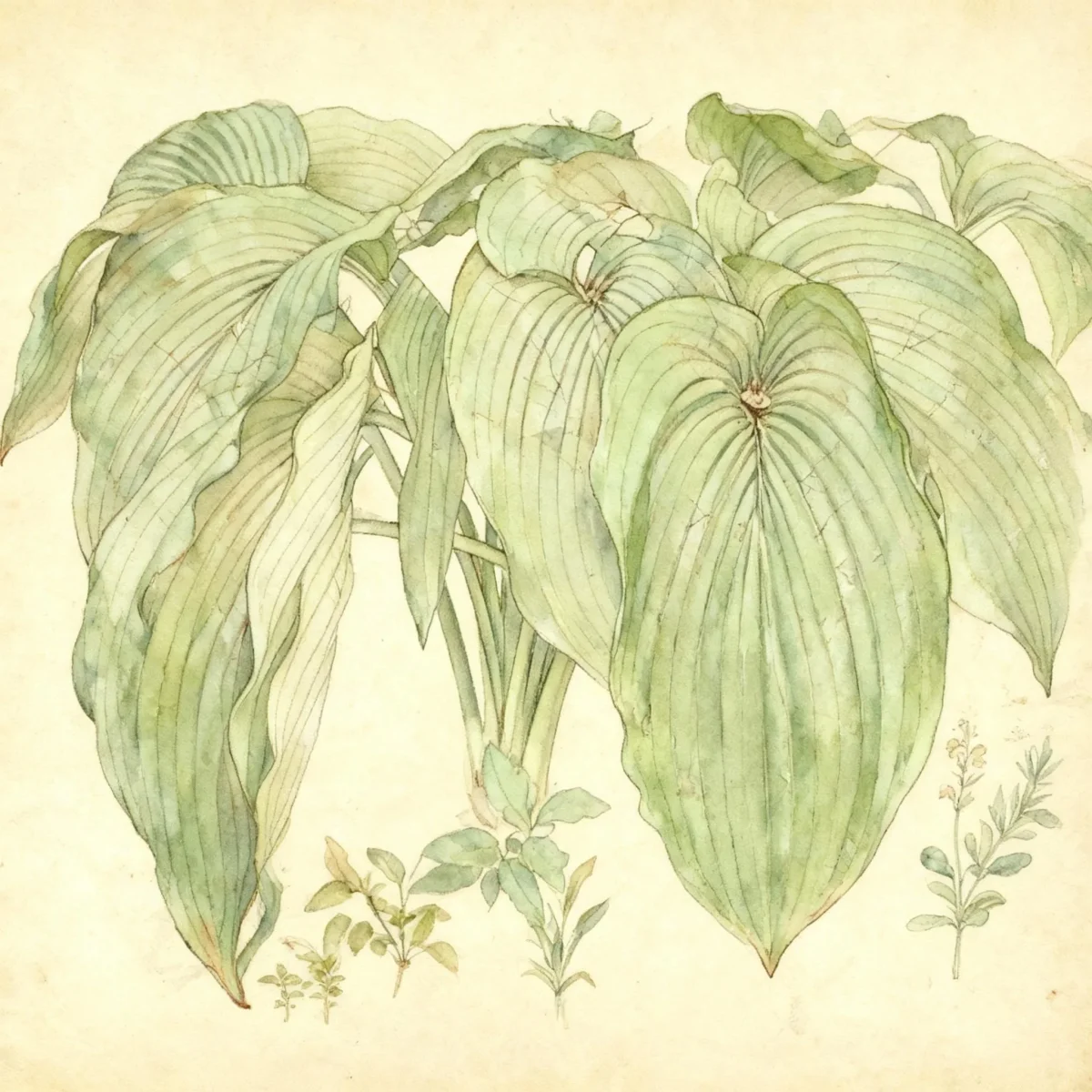
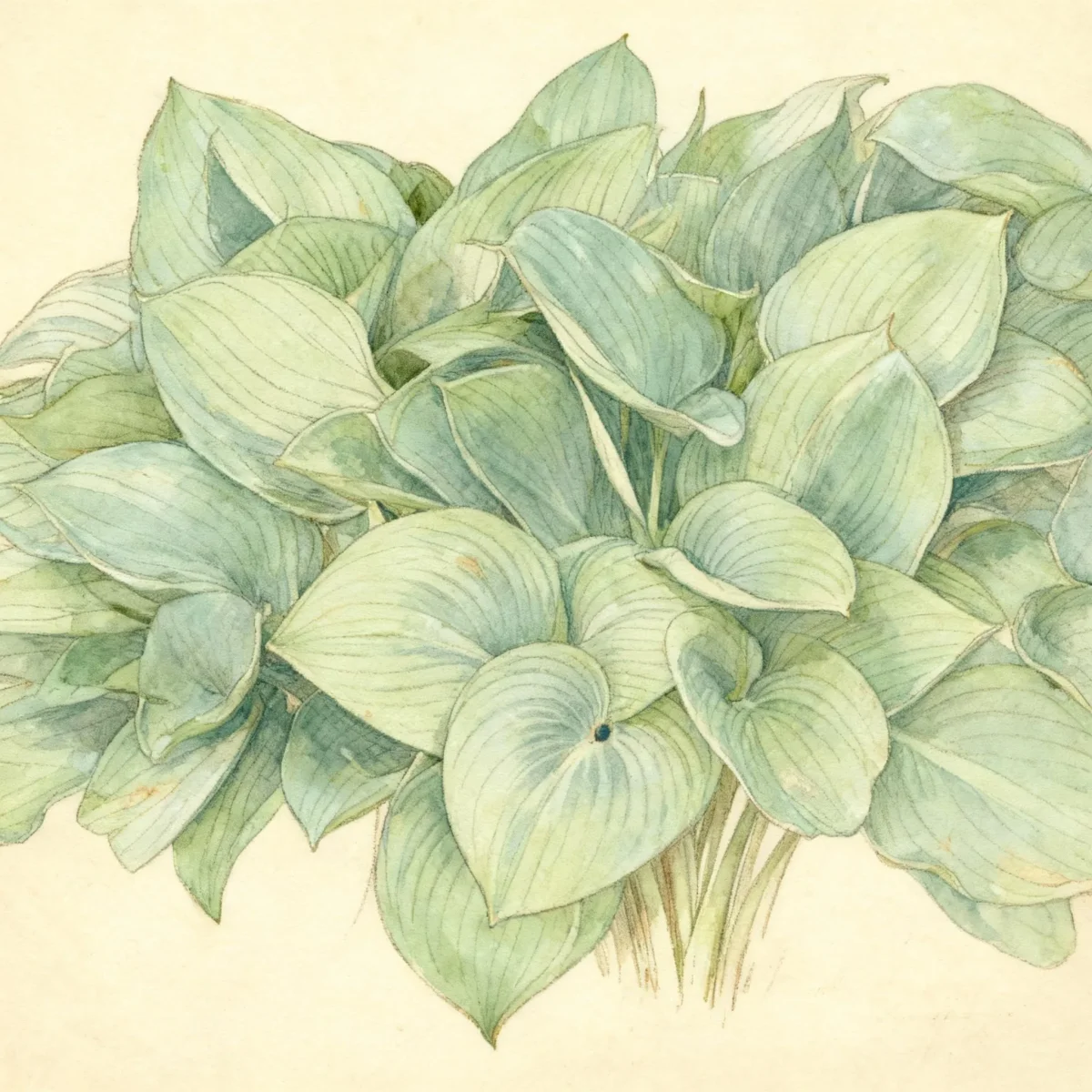
Hosta (Hosta 'Fragrant Blue')
Hosta 'Fragrant Blue' offers powdery blue-green foliage and highly fragrant white flowers, perfect for low-maintenance shade gardens.
Scroll down to discover growing tips, care requirements, companion plants, and more
Complete Plant Information
Overview
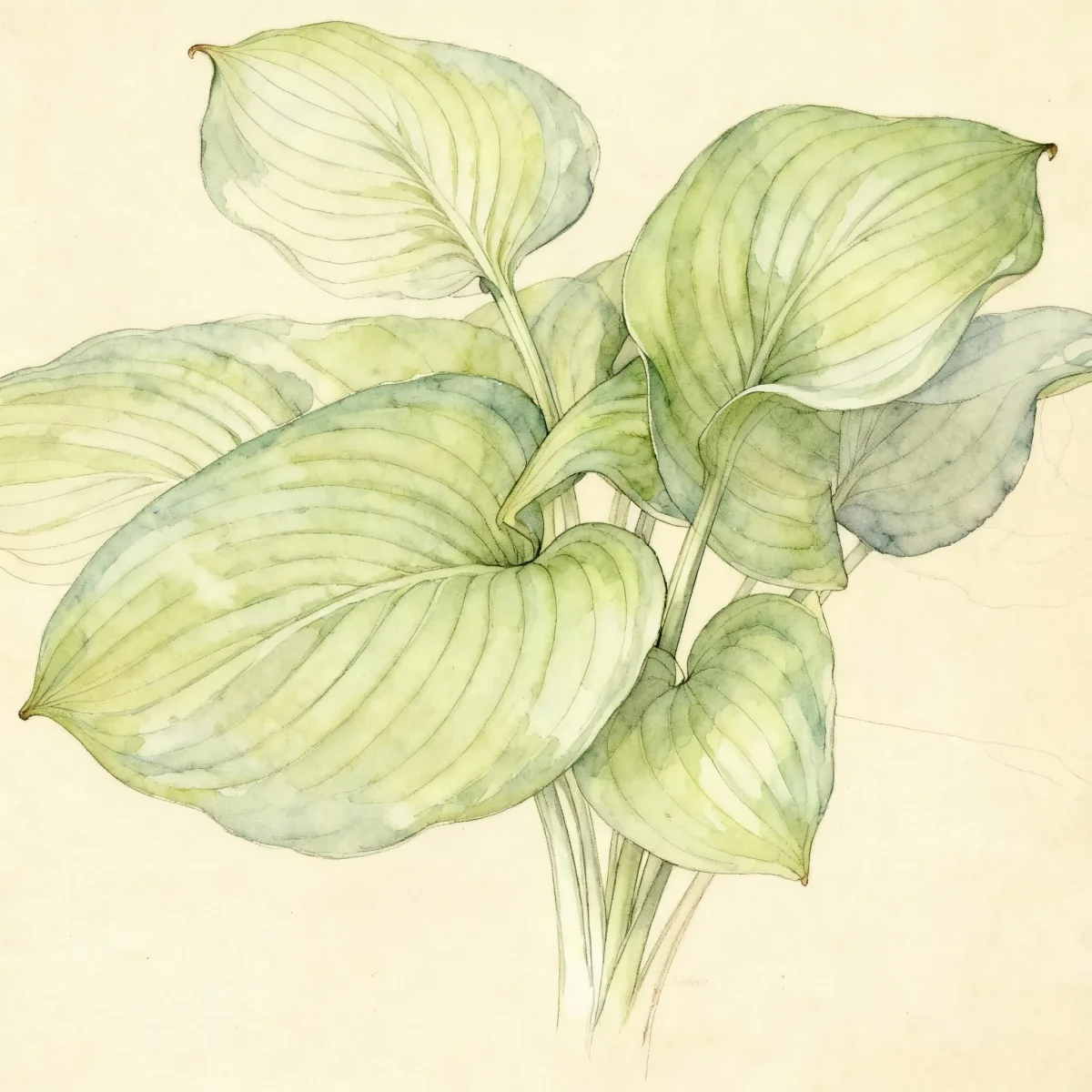
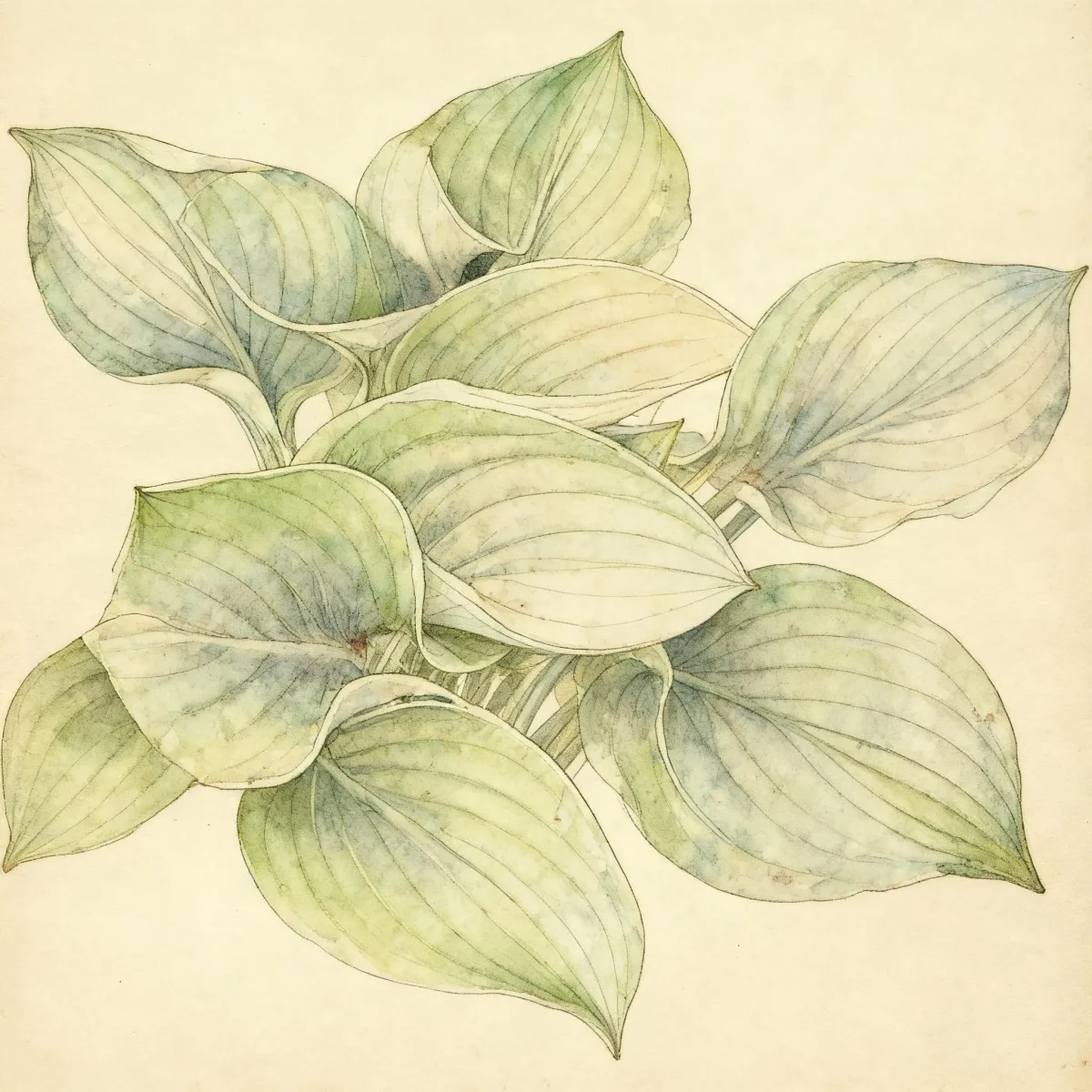
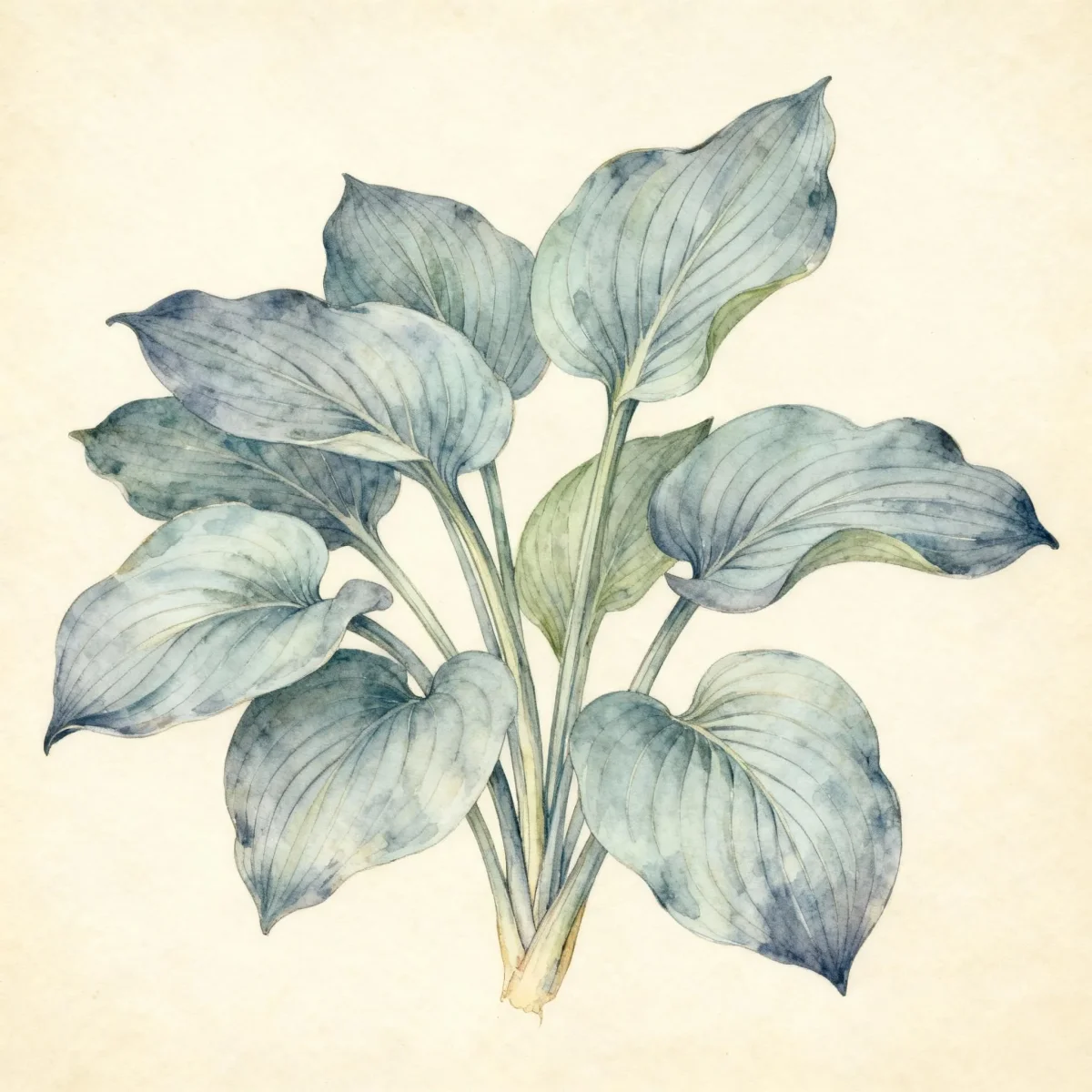
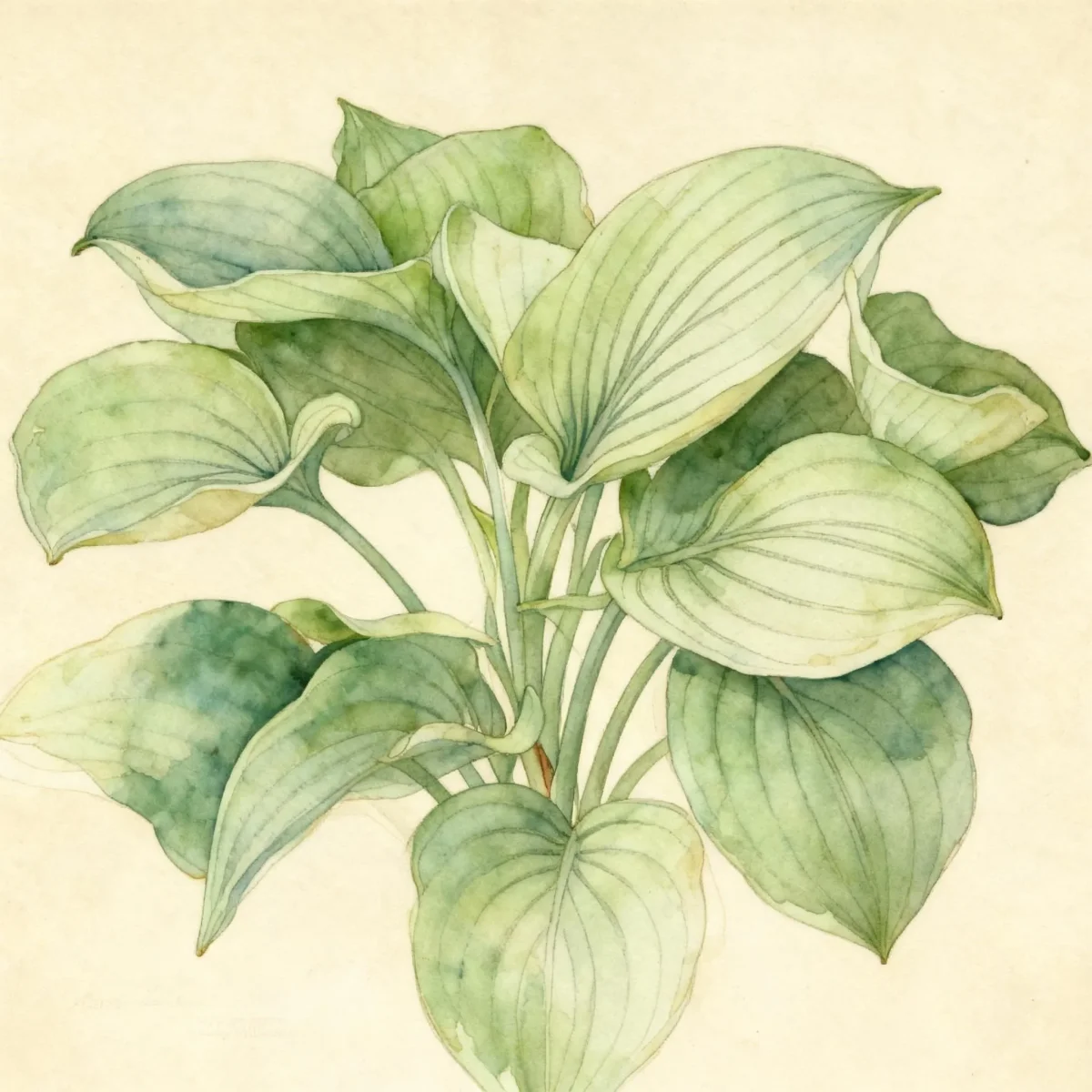
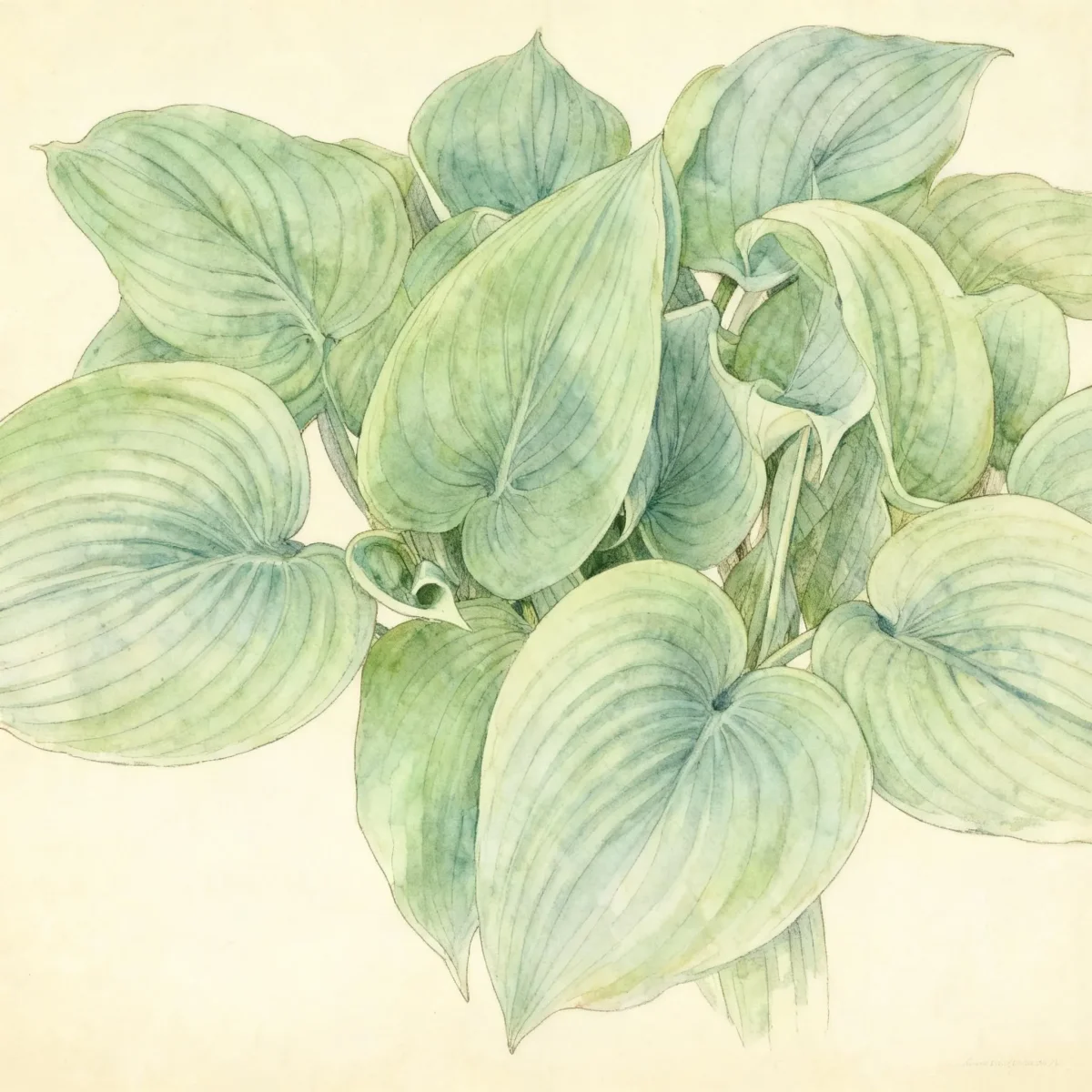
Hosta ‘Fragrant Blue’ is a highly valued herbaceous perennial, primarily cultivated for its excellent ornamental foliage texture and color that thrives where many other plants struggle. This variety features flat, heart-shaped leaves dusted with a pleasing powdery blue-green hue, creating a dense, mounding form ideal for shaded landscapes. Gardeners depend on the Hosta genus for consistent ground cover and contrast in deep shade environments.
The appeal of Hosta ‘Fragrant Blue’ extends beyond its leaves, as it provides sweetly fragrant, funnel-shaped white flowers that emerge on tall scapes from June through July. It is noted for being a dependable and versatile perennial that requires relatively low maintenance once established. Its dense growth habit helps suppress weed competition, adding functional value to shaded areas.
As a classic component of woodland and shade gardens, this Hosta cultivar offers reliable performance across USDA Zones 3 to 8. Utilizing Hosta ‘Fragrant Blue’ ensures year-round structural interest in shaded recesses, bringing color and texture to darker corners of the landscape while offering delightful seasonal fragrance.
Fast Facts
- Plant Family: Asparagaceae
- Plant Type: Herbaceous perennial
- Hardiness Zones: USDA Zones 3-8
- Size at Maturity:
- Height: 0.5-0.75 ft
- Spread: 0.75-1 ft
- Bloom Time: June to July
- Bloom Description: Blue opening to white
- Sun Exposure: Part shade to full shade
- Water Needs: Medium
- Maintenance Level: Low
How to Grow
Begin planting Hosta in the spring or fall, provided the soil is workable. The key to success for Hosta is establishing them in evenly moist, organically rich, well-drained soils. While Hosta ‘Fragrant Blue’ tolerates heavy shade, it performs best receiving some morning sun or dappled light throughout the day. Protect your plants from harsh winds, which can damage the foliage.
Consistent moisture management is crucial for achieving the best size and quality form. Water deeply and regularly, applying water directly to the soil beneath the leaves to keep the foliage dry and minimize fungal issues. Though established plants show tolerance to dry shade, particularly those with thick leaves, never allow the soil to dry out completely.
Maintenance is generally low. Hostas do not typically require heavy fertilization, relying instead on the organic matter incorporated into the soil at planting time. Divide established clumps as needed, preferably in early spring before the leaves fully unfurl, or in the autumn for easier handling.
Landscape Uses
Hostas are fundamentally the backbone of successful shade gardens, providing essential foliage texture and massing effect where sun-loving plants fail. Hosta ‘Fragrant Blue’ is very effective when massed together or used in drifts to create a cohesive carpet of blue-green beneath mature trees or along north-facing borders. They function superbly as good background plants, offering a solid foundation for more upright, shade-tolerant perennials.
When designing a woodland garden, incorporate Hosta ‘Fragrant Blue’ alongside plants that offer contrasting leaf shapes or colors, such as ferns, Astilbe, or Japanese forest grass. The strong basal mounds provide excellent structure, while their lower stature makes them perfect for edging shady pathways or defining the front of a border. Their ornamental foliage ensures visual interest continuously throughout the growing season.
Standout Features
Flower Qualities
- Showy
- Fragrant
- Good Cut
Noteworthy Characteristics
Hosta is a genus of about 70 species of shade-loving, rhizomatous, clump-forming, herbaceous perennials which are native to open woodlands, woodland margins and glades in Japan, Korea, China and eastern Russia. Hostas are primarily grown for their ornamental foliage. Stalked, conspicuously-veined, often dense, basal leaves in a variety of shapes, sizes, colors and textures rise up from a central rhizomatous crown to form a rounded to spreading mound of foliage. ‘Fragrant Blue’ features a mound of flat, heart-shaped, powdery blue-green leaves with racemes of funnel-shaped, white flowers on 20” scapes.
Tolerances
- Heavy Shade
- Black Walnut
Potential Problems
The primary challenge when growing Hosta, including the beautiful Hosta ‘Fragrant Blue’, involves keeping common garden pests at bay. Slugs and snails are perpetually attracted to the lush foliage, chewing tell-tale jagged holes in the leaves. Early detection and preventative measures, such as applying slug bait or barriers early in the season, are essential to prevent significant cosmetic damage.
Less frequently, gardeners may encounter foliar nematodes, identified by interveinal browning on the leaves, or issues like leaf spot and crown rot, often exacerbated by poor drainage or overly wet conditions. Furthermore, be aware that leaves are frequently eaten, sometimes voraciously, by deer and rabbits. Protecting plants from wildlife may require physical barriers or repellents, especially when the plant is young. Immediately remove and destroy any plants infected with viruses like HVX to prevent spread.
Frequently Asked Questions
What hardiness zones is Hosta suitable for?
Hosta ‘Fragrant Blue’ is reliably hardy in USDA Zones 3 through 8, making it a resilient choice for wide range of climates.
How large does Hosta ‘Fragrant Blue’ grow?
This variety typically reaches a modest size, growing between 0.5 to 0.75 feet tall and spreading approximately 0.75 to 1 foot wide at maturity.
When does Hosta ‘Fragrant Blue’ bloom?
This Hosta variety produces its flowers primarily between June and July, displaying blooms described as being blue opening to white.
What sun exposure does Hosta need?
Hosta ‘Fragrant Blue’ thrives in part shade conditions, but can tolerate full shade, requiring protection from intense afternoon sun exposure.
Conclusion
Hosta ‘Fragrant Blue’ remains a staple for shade gardening due to its dependable, low-maintenance nature and striking blue foliage contrasted by fragrant summer blooms. Investing in this dependable Hosta cultivar provides texture and color depth in challenging shaded spots throughout your landscape. Always confirm your local USDA zone compatibility before planning your planting schedule this spring.
Companion Planting in Shade
When designing a layered shade garden featuring Hosta ‘Fragrant Blue’, consider pairing it with companions that offer vertical contrast or different textural elements. Light-colored foliage plants like Brunnera macrophylla (especially silver varieties) can lift the darkness around the blue hosta mounds. Short, early-blooming perennials like Bleeding Heart (Dicentra spectabilis) can emerge and flower before the Hosta reaches its full size, filling in early spring interest.
To enhance the woodland aesthetic, incorporate shade-loving groundcovers that won’t aggressively compete with established Hosta roots. Creeping Jenny (Lysimachia nummularia) provides trailing yellow-green color, creating a low, vibrant matrix around the base of the Hosta clump. Ensure that any companions selected also share the medium water requirements of Hosta to simplify irrigation planning.
Seasonal Care Calendar
Early spring signals the time for division if your Hosta clump has become overcrowded or you wish to propagate more plants. This is also the best time to top-dress the soil around your Hosta with a fresh layer of compost to replenish organic matter. Gently clean up any old, dead foliage from the previous season as new shoots emerge.
Throughout the growing season, focus primarily on consistent watering, applying water directly to the soil surface, especially during dry spells to maintain the medium needs of Hosta ‘Fragrant Blue’. Inspect the undersides of leaves periodically for early signs of slugs or snail damage, applying targeted non-toxic controls as necessary to preserve the foliage quality.
As autumn approaches, cease heavy fertilization. Leaves will naturally begin to die back as the plant prepares for dormancy. Allow the foliage to remain until frost has completely turned it brown, as this provides energy for spring regrowth, before cutting back the dead material near the ground line in late fall or early winter.