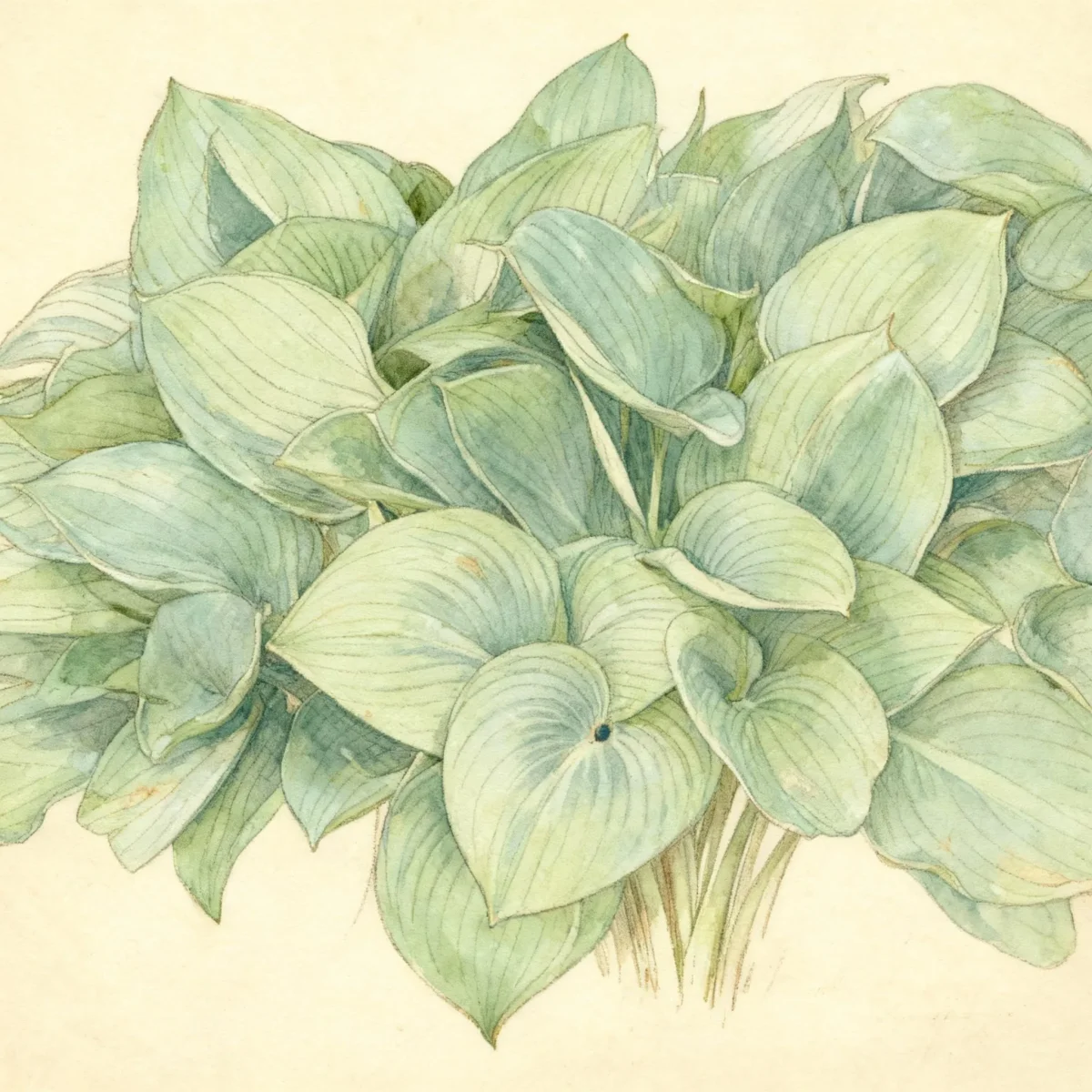
Hosta (Hosta 'Fragrant Bouquet')
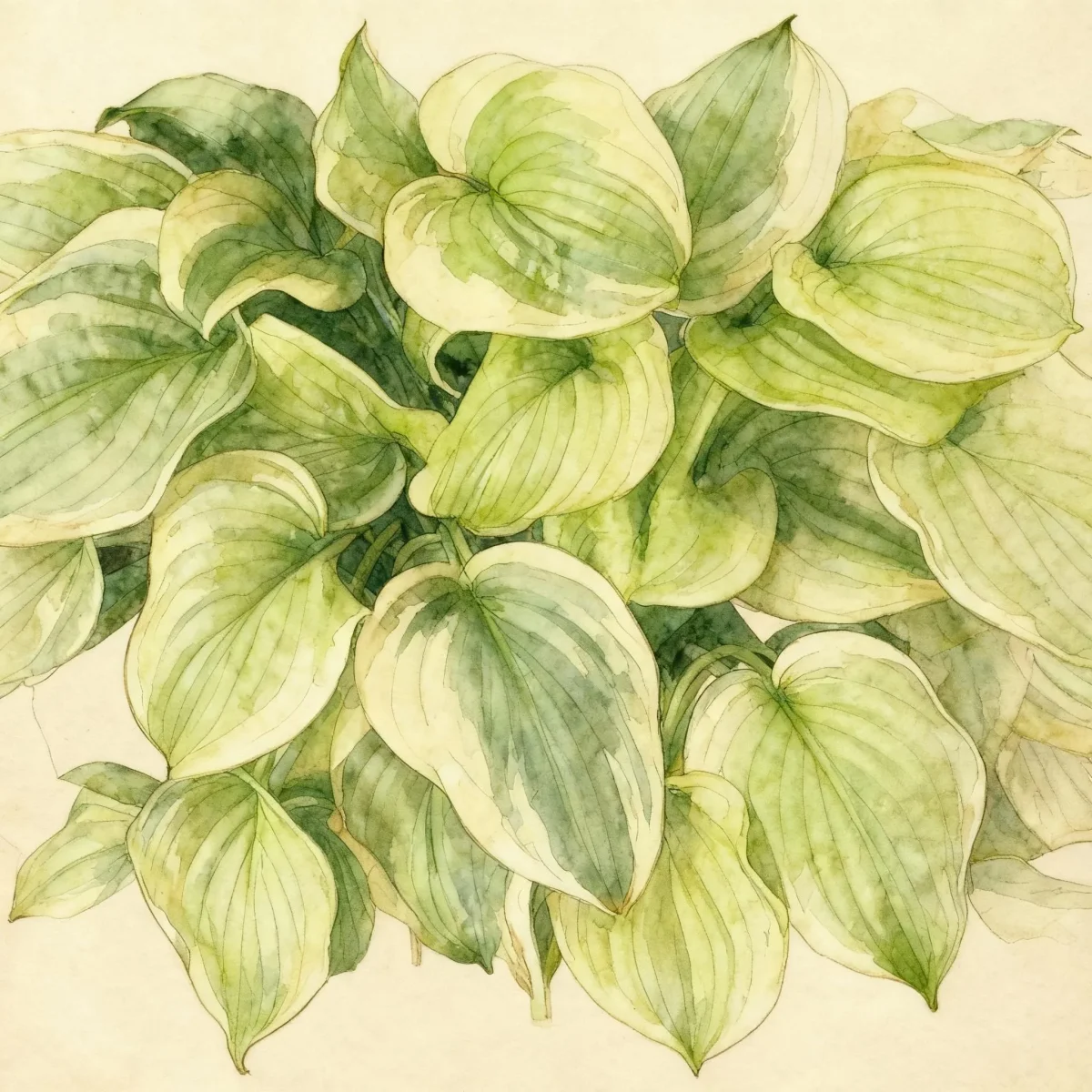
Hosta 'Fragrant Bouquet' offers striking apple-green foliage edged in creamy margins, perfect for deep shade gardens.
Scroll down to discover growing tips, care requirements, companion plants, and more
Complete Plant Information
Overview
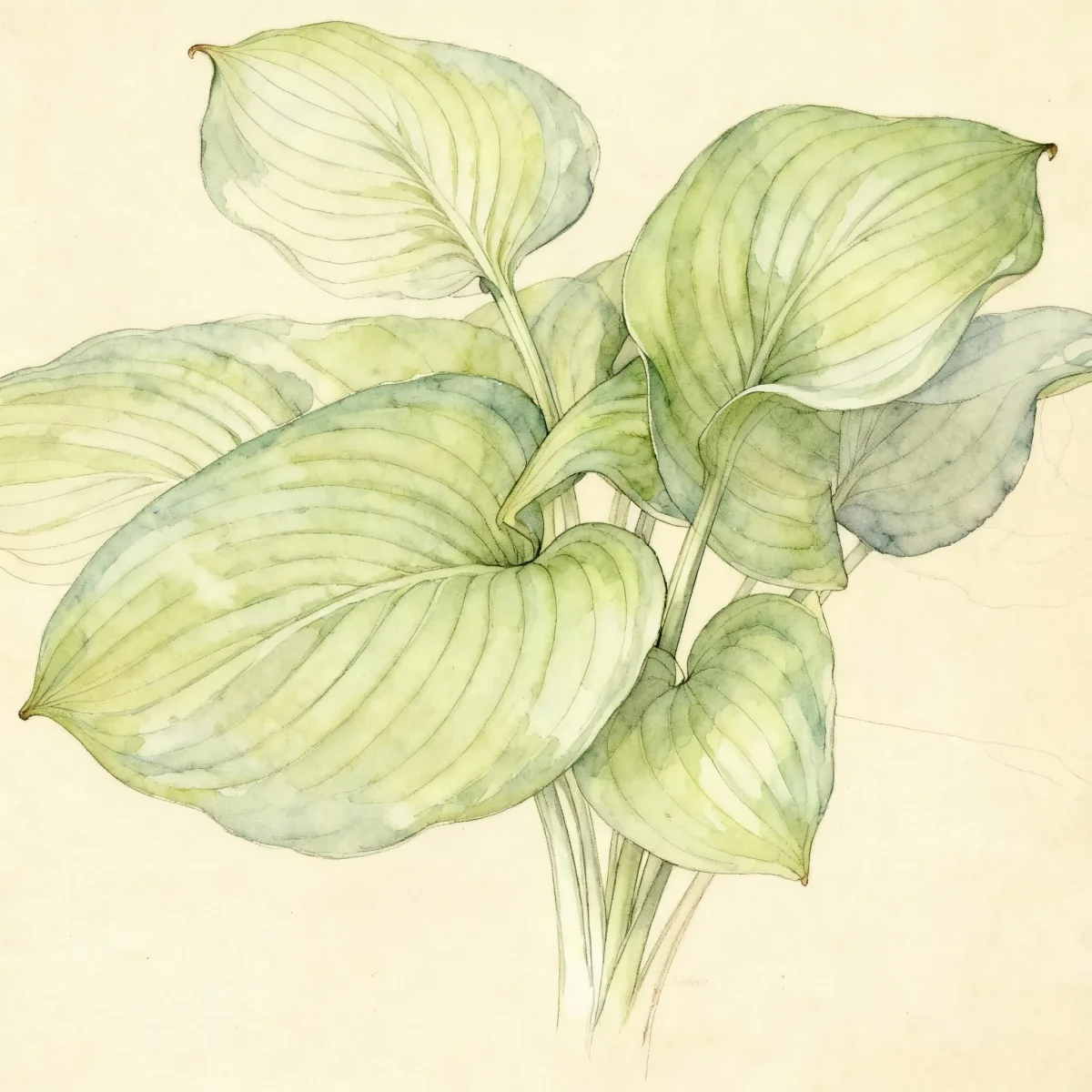
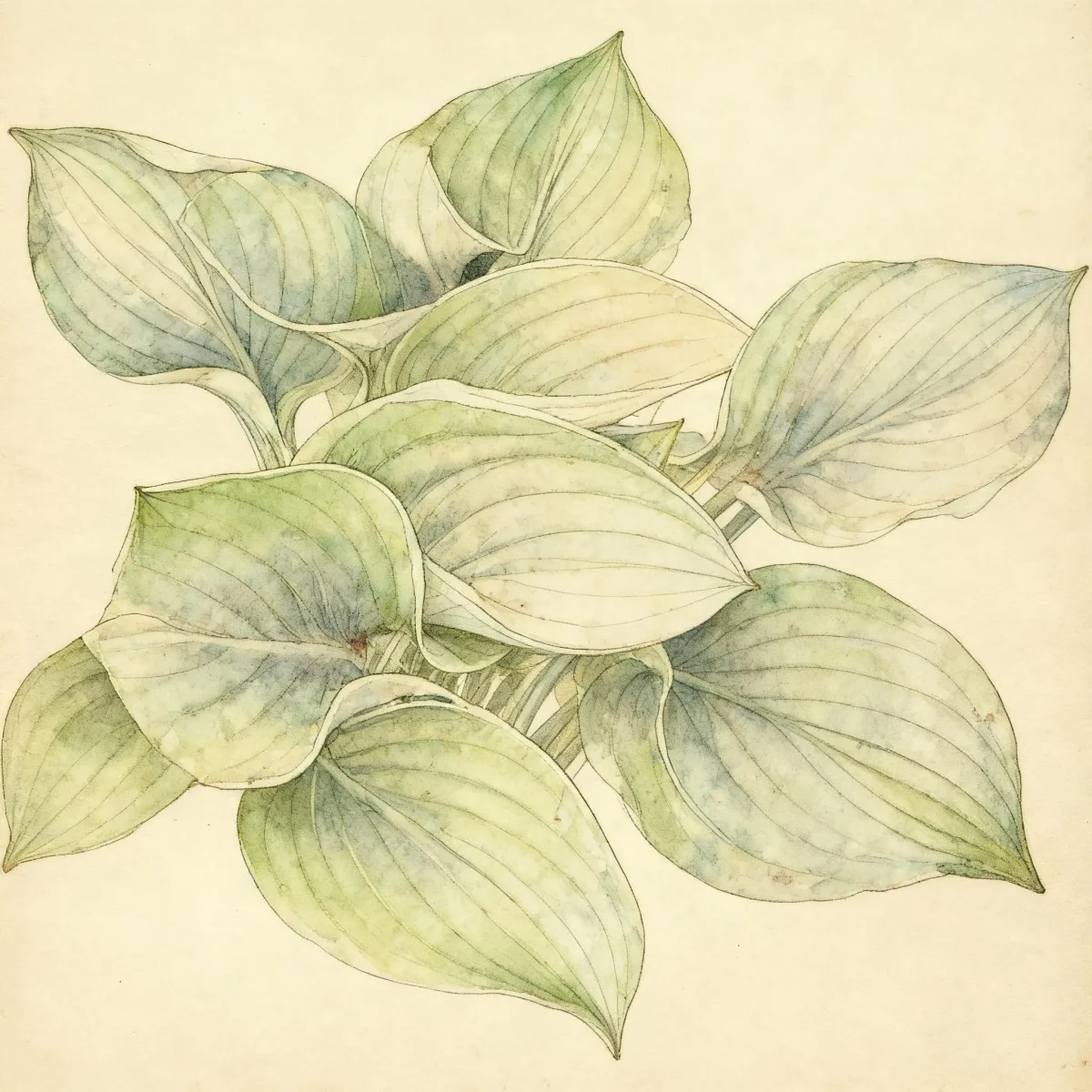
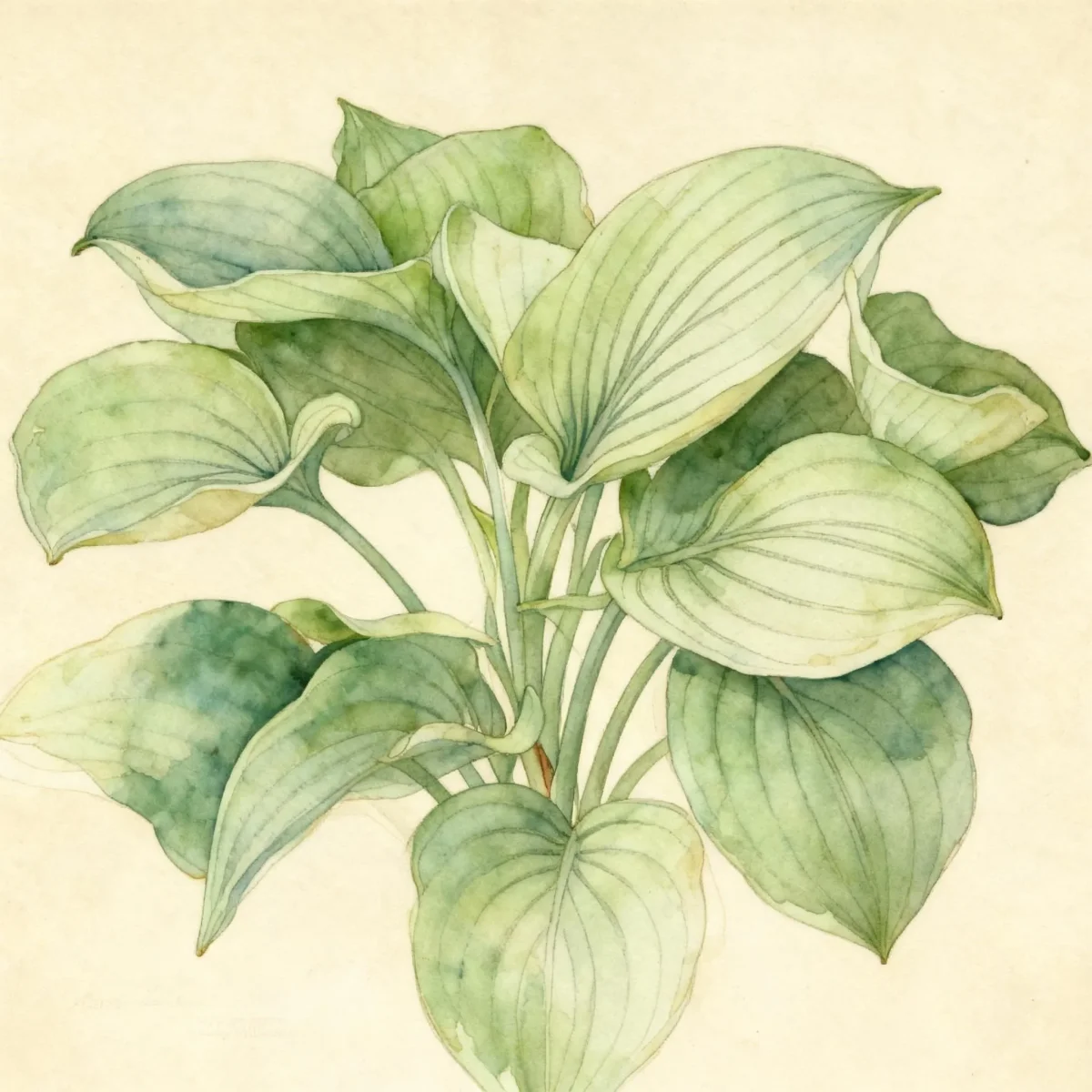
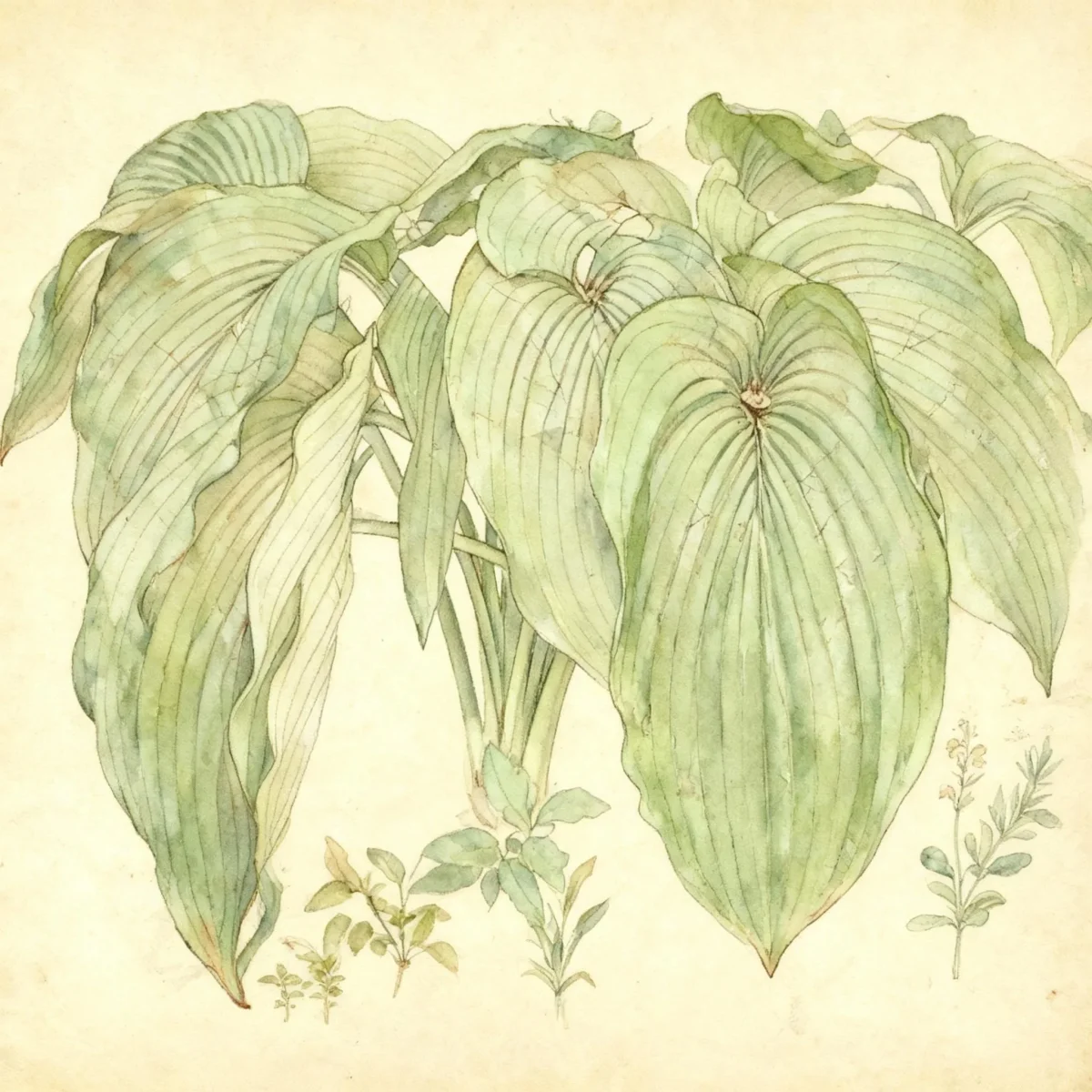
Hosta ‘Fragrant Bouquet’ is highly valued by gardeners for its beautiful, variegated foliage, establishing a lush, mounded presence even in dark corners of the landscape. This cultivar features heart-shaped leaves that are apple-green in the center with distinct, creamy-white wavy margins, providing excellent visual texture. As an exceptionally low-maintenance herbaceous perennial, the Hosta genus—and specifically Hosta ‘Fragrant Bouquet’—is a cornerstone for shade gardening across many climate zones.
This resilient plant thrives best when provided with consistent moisture in organically rich soil, resulting in a compact mound that reaches about 1 to 1.5 feet high and spreads between 2 and 3 feet wide. Beyond its foliage appeal, this Hosta variety surprises many with terminal racemes of large, near-white flowers that emerge in mid-summer, often carrying a pleasant fragrance.
Whether massed beneath deciduous trees or used as a bold edging plant, Hosta ‘Fragrant Bouquet’ offers reliable year after year performance without demanding constant attention. Its ability to tolerate deep shade and resist harsh conditions like Black Walnut roots makes this specific Hosta a highly practical and stunning addition to challenging garden areas.
Fast Facts
- Plant Family: Asparagaceae
- Plant Type: Herbaceous perennial
- Hardiness Zones: USDA Zones 3-8
- Size at Maturity:
- Height: 1-1.5 ft
- Spread: 2-3 ft
- Bloom Time: June to July
- Bloom Description: Near white
- Sun Exposure: Part shade to full shade
- Water Needs: Medium
- Maintenance Level: Low
How to Grow
To achieve the best color and growth habit for Hosta ‘Fragrant Bouquet,’ plant it in a location with part shade, ideally receiving some morning sun while being protected from intense afternoon heat. These plants prefer evenly moist, organically rich, and well-drained soils. Consistent moisture is crucial; while established specimens may tolerate some dry shade, allowing the soil to dry out completely will negatively impact the full size and quality of the foliage.
Watering should target the soil directly beneath the leaves rather than spraying overhead, helping to minimize fungal issues on the attractive leaves of this Hosta. Gardeners find that division is best performed in early spring before the leaves unfurl, though it can also be done in autumn as needed. It is important to situate your Hosta ‘Fragrant Bouquet’ in areas protected from strong winds, which can shred the broad leaves.
Generally speaking, Hostas are celebrated for being low-maintenance perennials. Once established, the primary care focus shifts toward pest management, especially protecting the luscious leaves from nibbling wildlife and early-season slugs. Minimal pruning is required outside of removing any unsightly foliage late in the season.
Landscape Uses
Hostas are the definitive mainstay for building structure and color within shade gardens. While the blooms of Hosta ‘Fragrant Bouquet’ add a seasonal bonus, the plant is primarily celebrated for the ornamental excellence and striking variegation of its foliage mound, which brightens dark areas beautifully. They offer exceptional contrast when planted against deep green, fine-textured ground covers or beneath fine-needled evergreens.
Hosta ‘Fragrant Bouquet’ is very effective when planted in groups or massed together to create a solid swath of color beneath high canopy trees where turf grass fails. They work perfectly as shady borders, providing a defined edge for woodland paths or defining the front of a foundation planting. Their mounding habit makes them excellent background plants for smaller shade-lovers like ferns or Heuchera.
Standout Features
Flower Qualities
- Showy
- Fragrant
Noteworthy Characteristics
Hosta is a genus of about 70 species of shade-loving, rhizomatous, clump-forming, herbaceous perennials which are native to open woodlands, woodland margins and glades in Japan, Korea, China and eastern Russia. ‘Fragrant Bouquet’ is a hosta cultivar (H. ‘Summer Fragrance’ x H. ‘Fascination’) that features a 15-20” tall mound of wavy, heart-shaped, basal leaves that are apple-green variegated with creamy margins. Racemes of large, fragrant, funnel-shaped, near white flowers (to 3” long) appear in summer on scapes rising above the foliage mound to 30-36” tall.
Tolerances
- Heavy Shade
- Black Walnut
Potential Problems
Slugs and snails pose the most significant threat to the foliage of Hosta ‘Fragrant Bouquet,’ resulting in noticeable jagged holes if not managed. Prompt action is required, as unchecked populations can cause severe cosmetic damage rapidly. Keep an eye out for foliar nematodes that cause interveinal browning, and less frequently, issues like leaf spot or crown rot.
Management is key to enjoying pristine leaves; apply slug and snail baits or use physical barriers around the base of your plants early in the growing season. Immediately remove and destroy any plants showing signs of viral infection (such as HVX) to prevent spread to healthy Hosta specimens. Furthermore, be aware that deer and rabbits often find the leaves highly palatable and may graze voraciously.
Frequently Asked Questions
What hardiness zones is Hosta suitable for?
Hosta ‘Fragrant Bouquet’ is reliably cold-hardy, thriving in USDA Zones 3 through 8.
How large does Hosta ‘Fragrant Bouquet’ grow?
This cultivar typically forms a mound that reaches 1 to 1.5 feet in height and spreads out nicely to a width of 2 to 3 feet.
What sun exposure does Hosta ‘Fragrant Bouquet’ need?
This Hosta requires part shade to full shade conditions to maintain its best foliage color and avoid leaf scorch.
When does Hosta ‘Fragrant Bouquet’ bloom?
The near-white flowers appear during its bloom time, which is typically from June through July.
Conclusion
Hosta ‘Fragrant Bouquet’ remains a powerhouse perennial for shaded landscapes, offering reliable structure, elegant variegation, and surprisingly fragrant summer bloom. Its low maintenance requirement and ability to thrive where other plants struggle make incorporating this Hosta a smart horticultural decision. Before planting, ensure your intended location offers the necessary consistent moisture and protection from harsh sun to best showcase the beauty of Hosta ‘Fragrant Bouquet’.
Companion Planting
When selecting companions for Hosta ‘Fragrant Bouquet,’ focus on plants that share its love for shade and medium moisture requirements. Contrast the large leaves of the Hosta with fine textures, such as various ferns (e.g., Japanese Painted Fern or Ostrich Fern), which excel in similar conditions. You can also pair it with other shade-lovers like Astilbe for late-season color contrast or Brunnera macrophylla for bright, silver foliage that complements the creamy edges of the Hosta.
Effective companion planting helps mitigate pest problems too. Ground covers that establish quickly beneath the Hosta can help keep the soil surface cooler and moist, while deterring slugs from easily accessing the lower leaves of the Hosta. A mixed border featuring these varieties ensures year-round visual interest in deep shade.
Seasonal Care Calendar
Spring preparation is vital for a spectacular showing from your Hosta. As soon as the ground thaws, refresh the soil surface with a layer of organic compost; this feeds the Hosta and helps retain necessary moisture throughout the summer dry spells. This is also the best time for dividing overcrowded clumps of Hosta ‘Fragrant Bouquet’ if you wish to propagate or improve air circulation.
Summer maintenance for this Hosta focuses almost entirely on watering and monitoring for pests. Provide deep, infrequent watering directly to the soil rather than misting the foliage, especially during dry periods. If deer pressure is high, ensure repellents or barriers are reapplied after heavy rain.
As autumn arrives, the foliage of the Hosta will naturally die back. While you can trim the dead leaves down to the crown at this time, leaving them intact over winter can offer some insulation for the crown, especially in the cooler zones of its range. Wait until spring cleanup to remove all dead material.