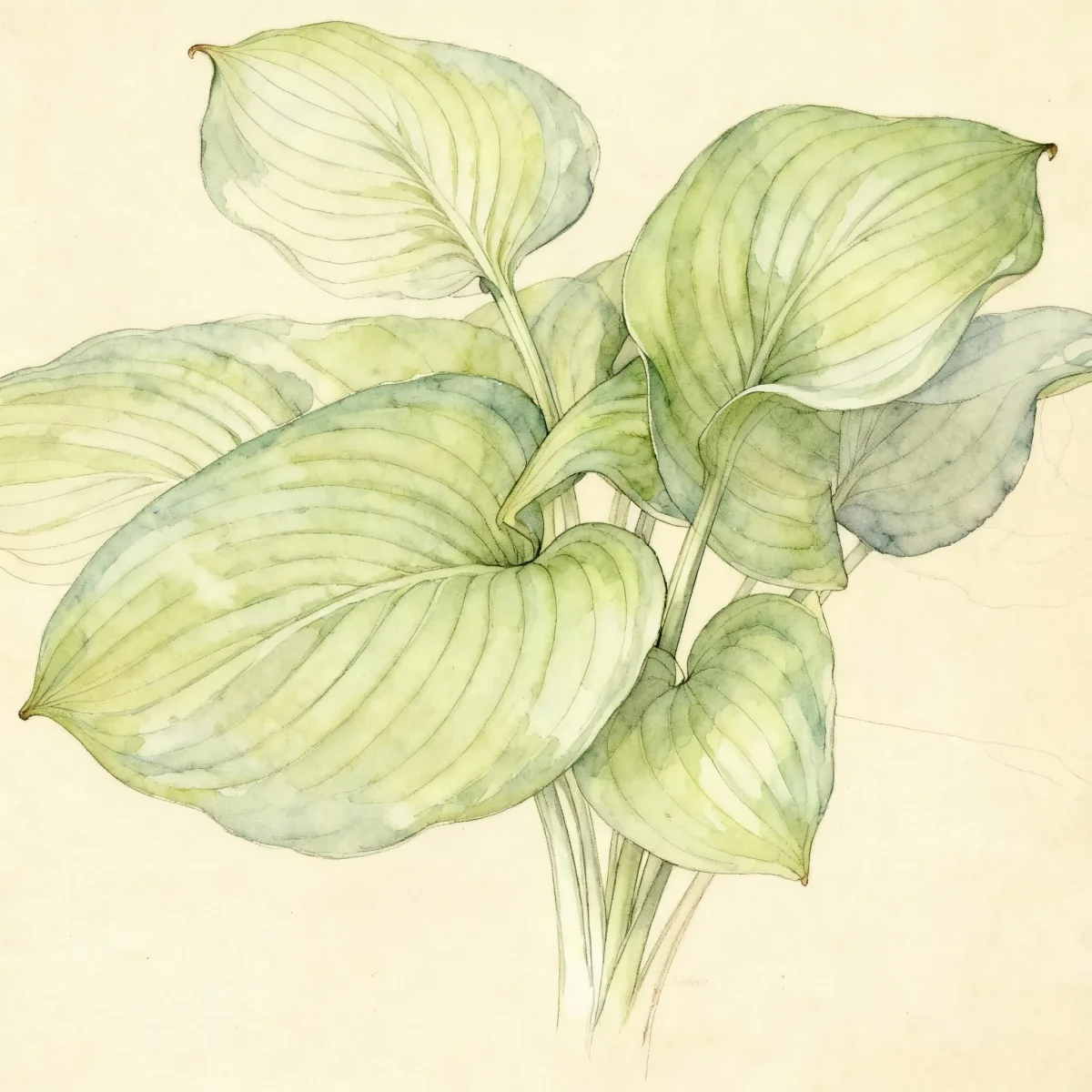
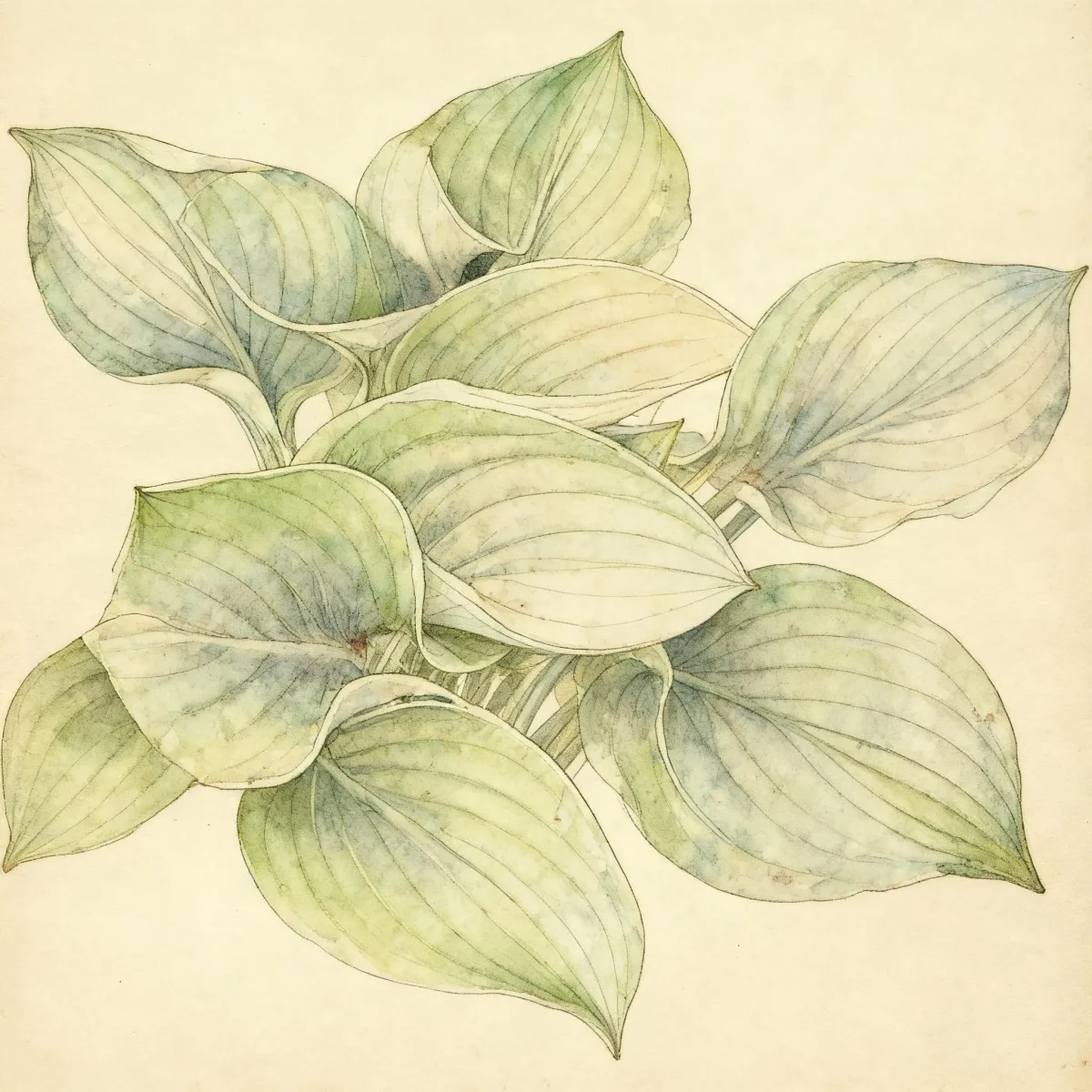
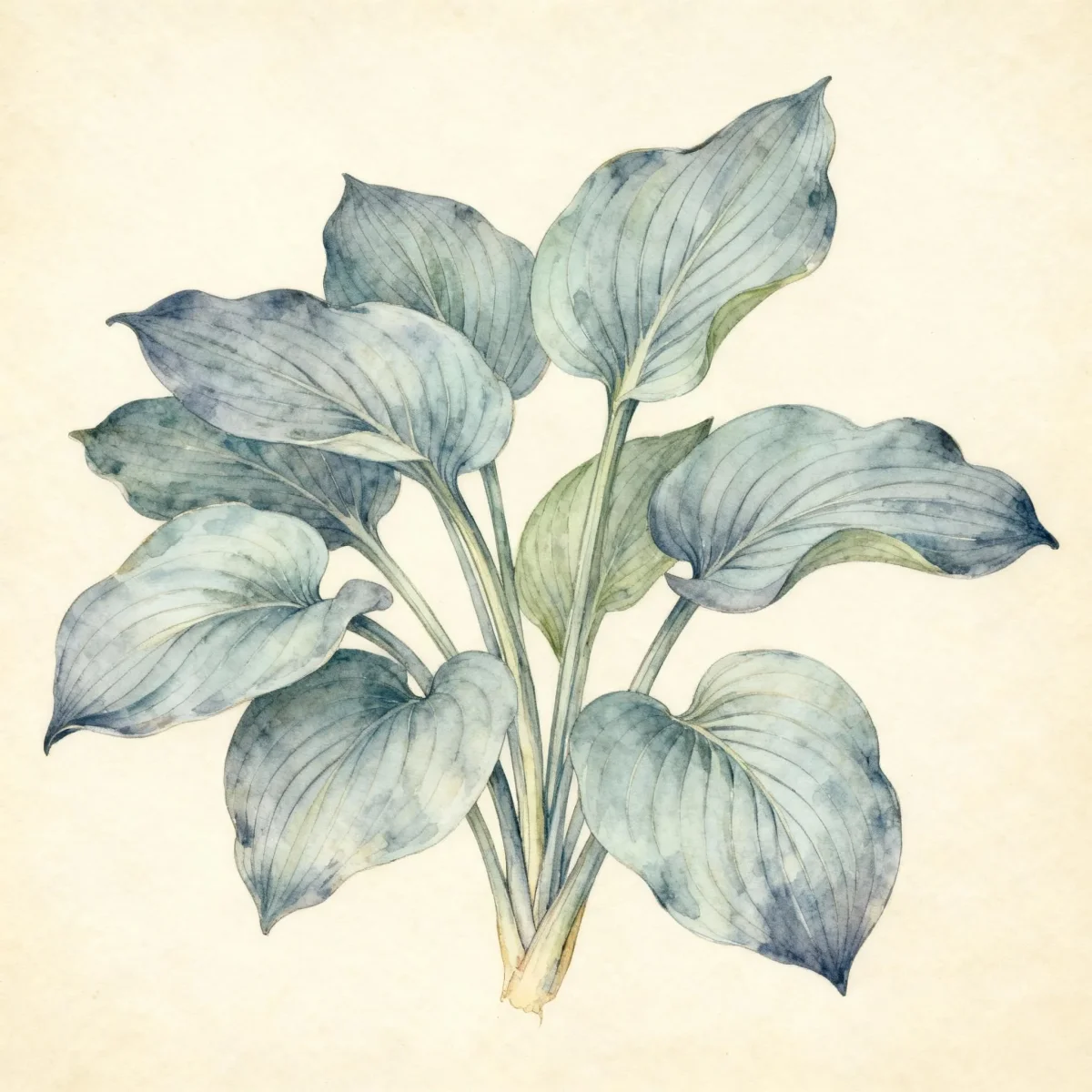
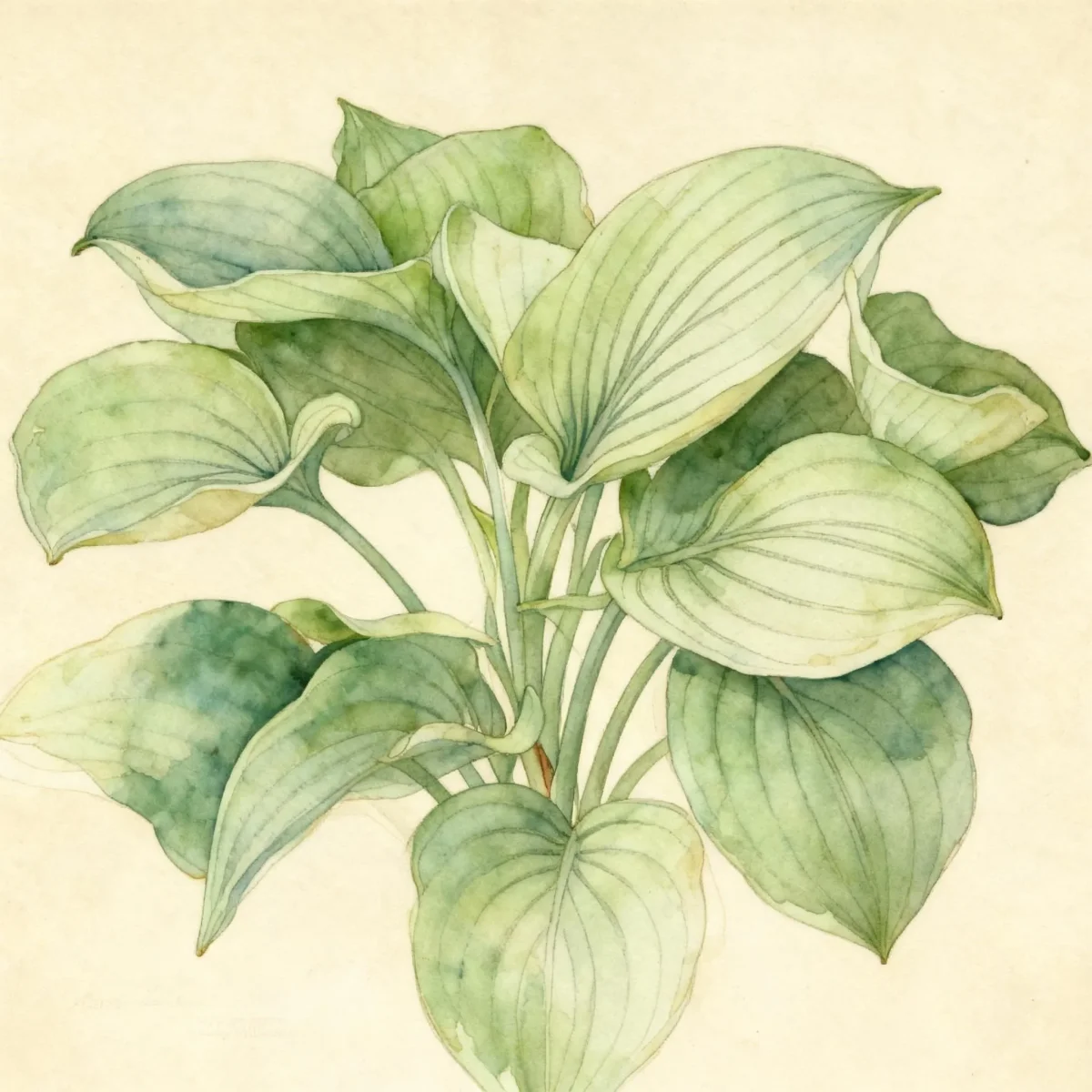
Hosta (Hosta 'Francee')
Hosta 'Francee' provides striking, dark green foliage edged in crisp white, perfect for deep shade gardens.
Scroll down to discover growing tips, care requirements, companion plants, and more
Complete Plant Information
Overview
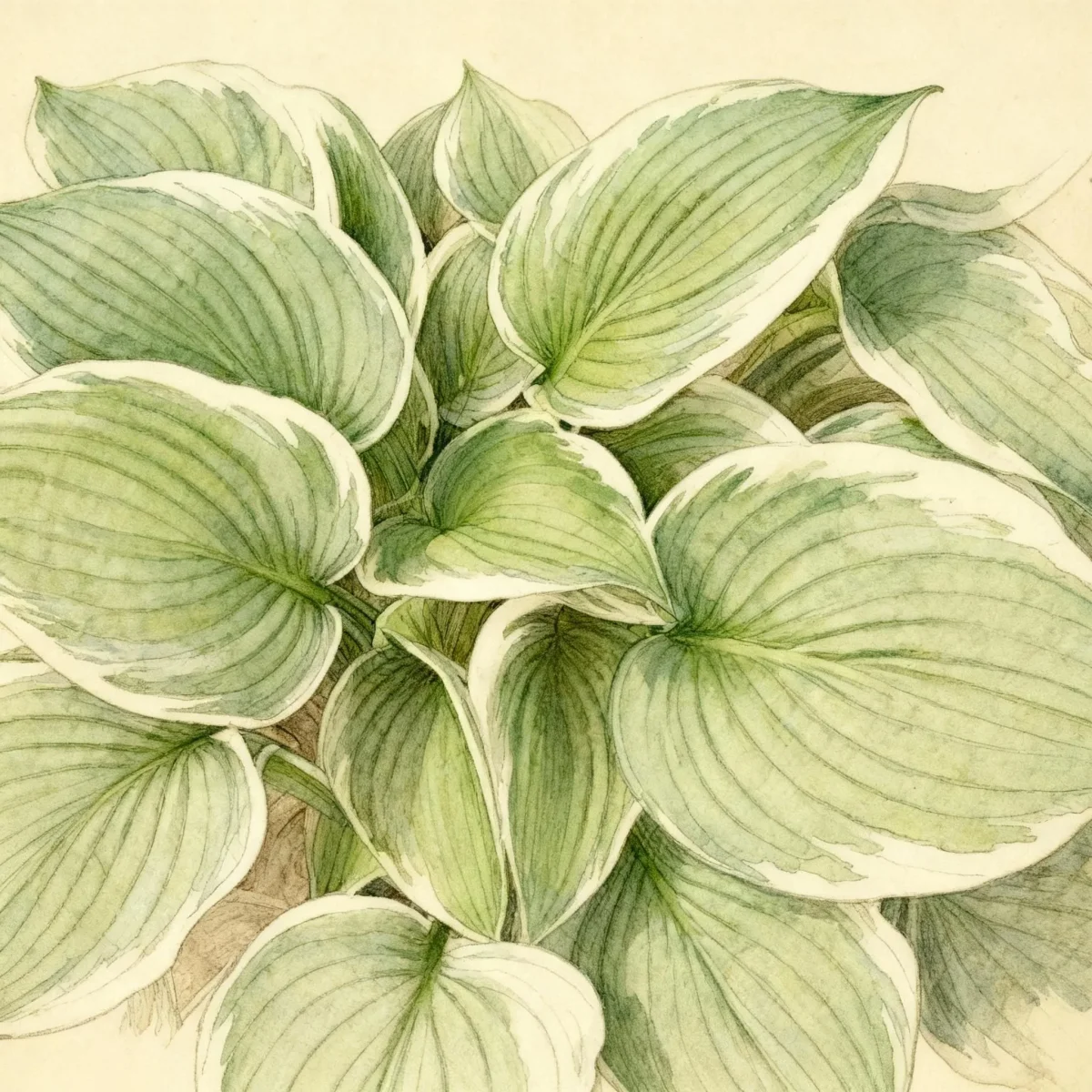
Hosta ‘Francee’ is celebrated as one of the finest white-margined Hostas available, making it an essential cornerstone for any shaded landscape design. This herbaceous perennial forms dense, arching mounds predominantly valued for its ornamental foliage, which features heart-shaped, dark green leaves strongly accented by narrow, bright white margins. As a classic Hosta cultivar, it offers reliable structure and year-round visual interest in areas where many other plants struggle to thrive.
Originating as a sport of Hosta ‘Fortunei Albomarginata’, Hosta ‘Francee’ carries the low-maintenance reputation of the genus while delivering exceptional contrast. It forms a robust, rounded form, typically reaching mature dimensions perfect for borders or mass plantings beneath taller trees. Gardeners prize this Hosta for bringing necessary brightness beneath the tree canopy.
The reliable performance and classic variegation of Hosta ‘Francee’ ensure its utility in woodland, shade, and mixed perennial borders. It establishes easily and provides a consistent, clean aesthetic throughout the growing season, often accompanied by pale lavender flowers in mid to late summer that add a subtle textural element above the dense mound of leaves.
Fast Facts
- Plant Family: Asparagaceae
- Plant Type: Herbaceous perennial
- Hardiness Zones: USDA Zones 3-9
- Size at Maturity:
- Height: 1-2 ft
- Spread: 1-3 ft
- Bloom Time: June to August
- Bloom Description: Pale lavender
- Sun Exposure: Part shade to full shade
- Water Needs: Medium
- Maintenance Level: Low
How to Grow
Hosta ‘Francee’ thrives when planted in evenly moist, organically rich, well-drained soils, ideally situated in areas receiving part shade to full shade. While this specific Hosta performs best given some morning sun or conditions with dappled light, mature plants exhibit a degree of tolerance for dry shade, though consistent moisture yields the best growth and leaf quality. Water application should target the soil directly beneath the foliage rather than wetting the leaves, especially in humid climates.
Maintenance for Hosta ‘Francee’ is generally considered low. Fertilization is rarely necessary if the soil is richly amended with organic matter. Significant aesthetic improvement is achieved through timely division, which should occur in early spring before the leaves fully unfurl, or in the autumn. Always protect established plantings from strong winds which can physically damage the crisp leaves.
To maintain the vibrant color and substantial size characteristic of this Hosta, ensure soil moisture levels remain consistent, particularly during establishment. Remember that Hosta refers to a shade-loving genus whose success hinges on avoiding overly dry periods, even for apparently tolerant varieties like ‘Francee’.
Landscape Uses
Hostas are the indispensable backbone of the shade garden, and Hosta ‘Francee’ excels in fulfilling this role due to its bright white border. Although they produce attractive flowers, they are overwhelmingly selected for the ornamental excellence of their foliage in shady locations. Use Hosta ‘Francee’ effectively when massed together underneath mature deciduous trees or along shady borders where its contrasting margins can truly pop against dark soil or deeply shaded backgrounds.
This cultivar works wonderfully in woodland garden settings, mimicking the forest understory environment where the genus naturally occurs. They look superb edged along shady pathways, providing structure and clean lines throughout the summer months. For a strong design impact, group Hosta ‘Francee’ with plants that offer contrasting textures, such as ferns or broad-leafed evergreen groundcovers.
Their dense, mounding habit makes them excellent background plants in mixed borders, helping to frame taller, less dense shade perennials. While primarily known for in-ground planting, the reliable size and clean look also make Hosta ‘Francee’ a superb specimen for containers placed on shaded patios or decks.
Standout Features
Flower Qualities
- Showy
Noteworthy Characteristics
Hosta is a genus of about 70 species of shade-loving, rhizomatous, clump-forming, herbaceous perennials which are native to open woodlands, woodland margins and glades in Japan, Korea, China and eastern Russia. Hosta ‘Francee’ is generally considered to be one of the best of the white-margined hostas, presenting heart-shaped, dark green leaves with narrow white margins that hold good color all season. Funnel-shaped, pale lavender flowers appear in dense racemes atop leafy green scapes rising above the main foliage mound.
Tolerances
- Heavy Shade
- Black Walnut
Potential Problems
The primary challenge for Hosta ‘Francee’ owners involves pest management, chiefly concerning slugs and snails. These mollusks are highly attracted to the foliage, leaving behind jagged holes that quickly detract from the plant’s ornamental appeal. Immediate inspection and application of controls are necessary to prevent serious short-term damage.
Gardeners should also monitor for foliar nematodes, which cause discoloration between the leaf veins, and watch for less common issues like leaf spots or crown rot, often linked to poor drainage or excessive wetness. Furthermore, while the strong leaves offer some protection, severe hail can cause substantial physical damage, and deer or rabbits frequently find Hosta foliage highly palatable.
Frequently Asked Questions
What hardiness zones is Hosta ‘Francee’ suitable for?
Hosta ‘Francee’ is reliably hardy across USDA Zones 3 through 9.
How large does Hosta ‘Francee’ grow?
This Hosta typically grows to a height between 1 and 2 feet and spreads to a width of 1 to 3 feet, forming a dense, arching mound.
What sun exposure does Hosta ‘Francee’ need?
Hosta ‘Francee’ requires part shade to full shade conditions to maintain its best leaf color and form.
When does Hosta bloom?
This variety produces pale lavender, funnel-shaped flowers atop tall scapes between June and August.
Conclusion
Hosta ‘Francee’ remains a premier choice for gardeners seeking reliable, low-maintenance structure in shaded spaces, thanks to its striking dark green leaves sharply outlined in white. Its versatility in varying light conditions and its low cultural demands make this Hosta variety a winning addition to almost any landscape plan needing year-round foliage appeal. Before planting, confirm your microclimate falls within USDA Zones 3-9 and ensure consistent moisture is available for optimal growth.
Companion Planting
Selecting companions that share the medium water needs and part-to-full shade requirements of Hosta ‘Francee’ is key to a unified shade garden scheme. Ferns provide an excellent textural contrast; for instance, Japanese Painted Ferns (Athyrium niponicum) offer silver-gray plumes against the dense green and white mounds of ‘Francee’. Consider incorporating Astilbes, which enjoy similar moist soil conditions and offer contrasting, airy flower plumes in early summer before the Hosta blooms peak.
For ground cover beneath the Hosta, plants that won’t aggressively compete for root space are ideal. Lungwort (Pulmonaria) is a superb choice, as it offers spotted foliage that contrasts with the smooth leaves of the Hosta and often blooms in spring. These pairings capitalize on the strengths of the Hosta, creating depth and layering in dark garden areas.
Design Ideas for Contrast
The crisp white margin of Hosta ‘Francee’ functions like a visual spotlight in dark garden corners. When designing, utilize its bold, mounding habit as a foundational element masses together for maximum effect rather than using single specimens. Plant them along the edge of a dark stone pathway where the juxtaposition of the bright leaf margins against the stone enhances the perceived light in the area.
Because this Hosta cultivar matures to a uniform size, it is peerless for creating regimented, formal borders in shade, offering sharp definition that informal woodland plants lack. For a more eclectic, naturalized look, allow Hosta ‘Francee’ to spill over the edge of retaining walls or cluster them organically near the base of large, dark-barked trees. The contrast provided by variegated Hosta ensures the eye is drawn through the shady areas of the garden.