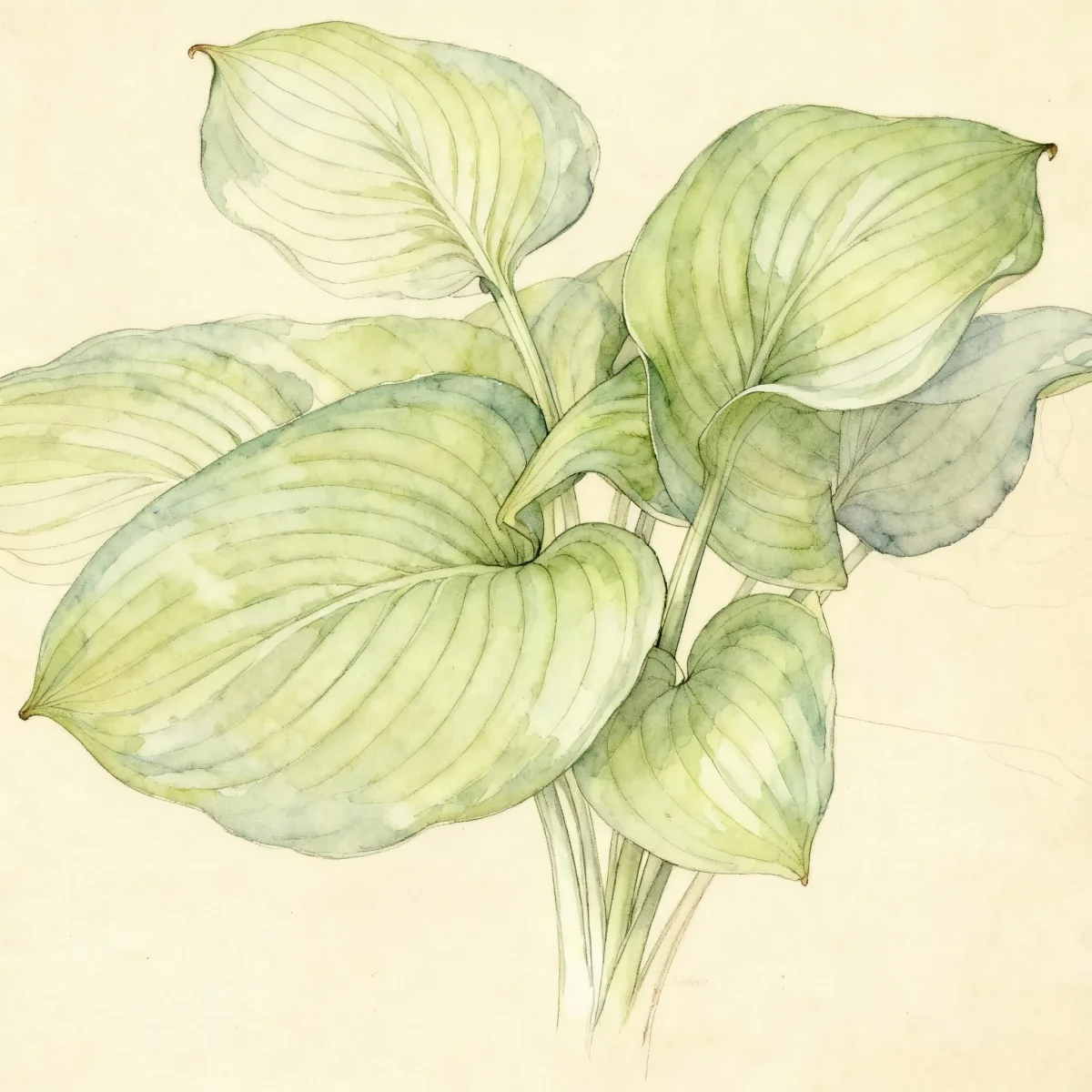
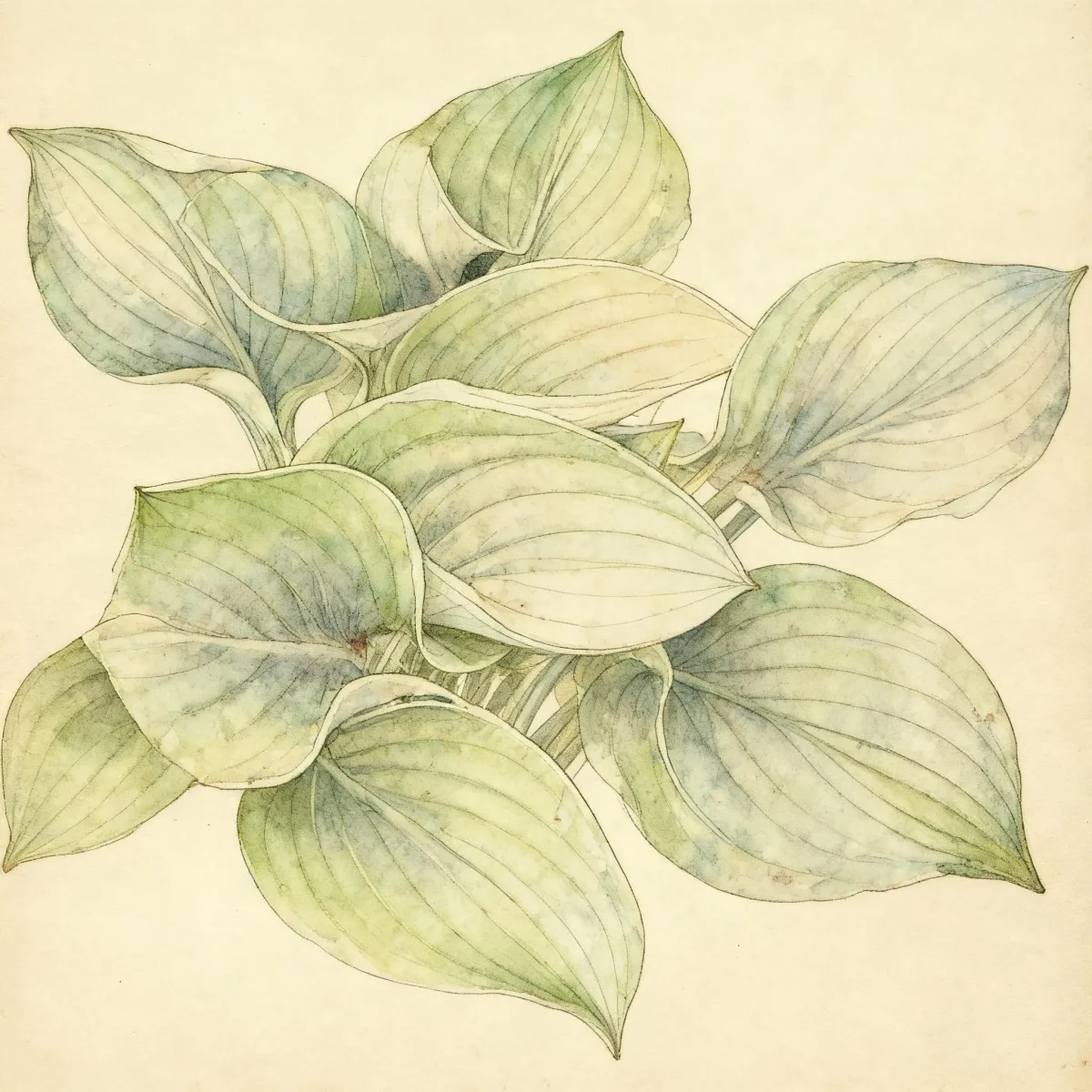
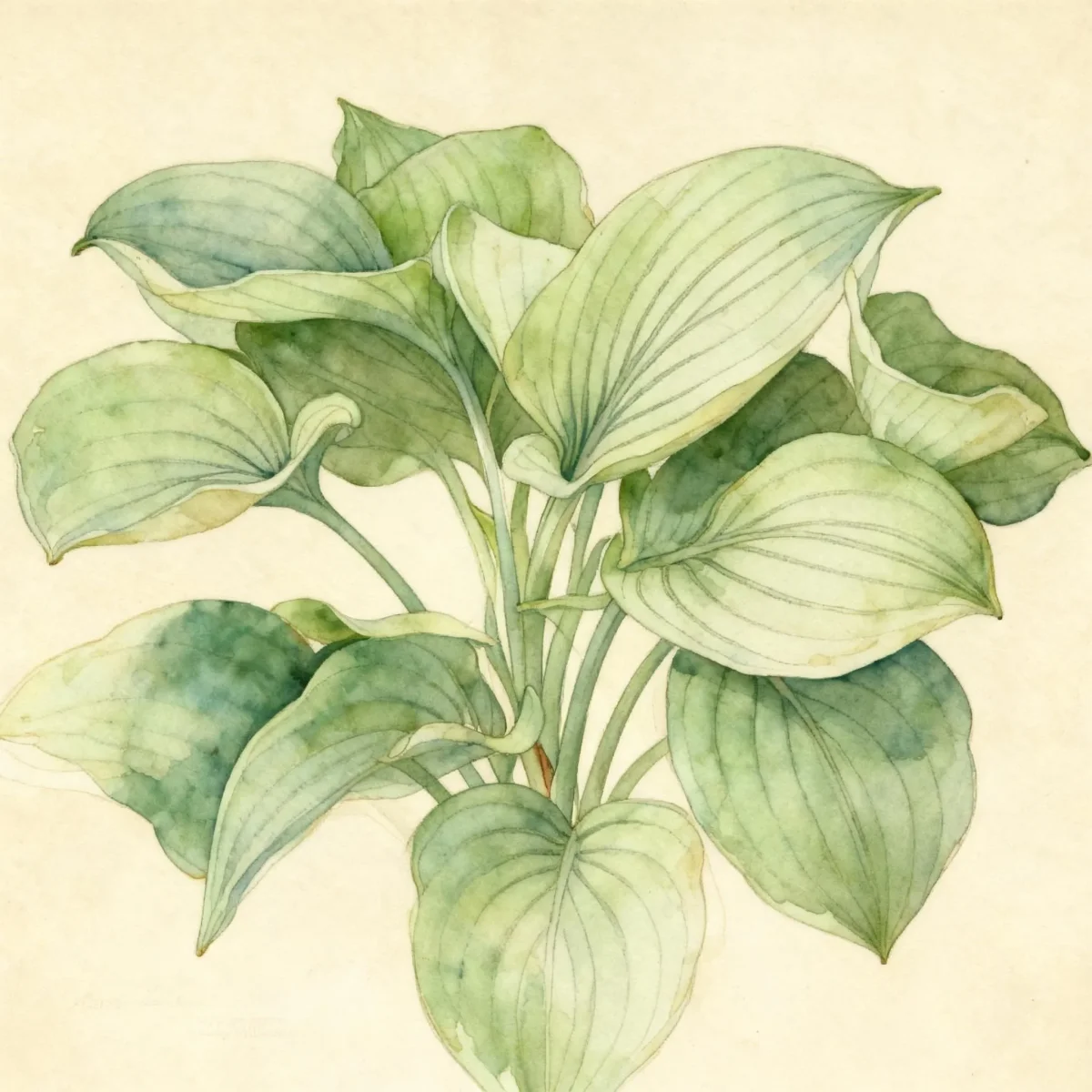
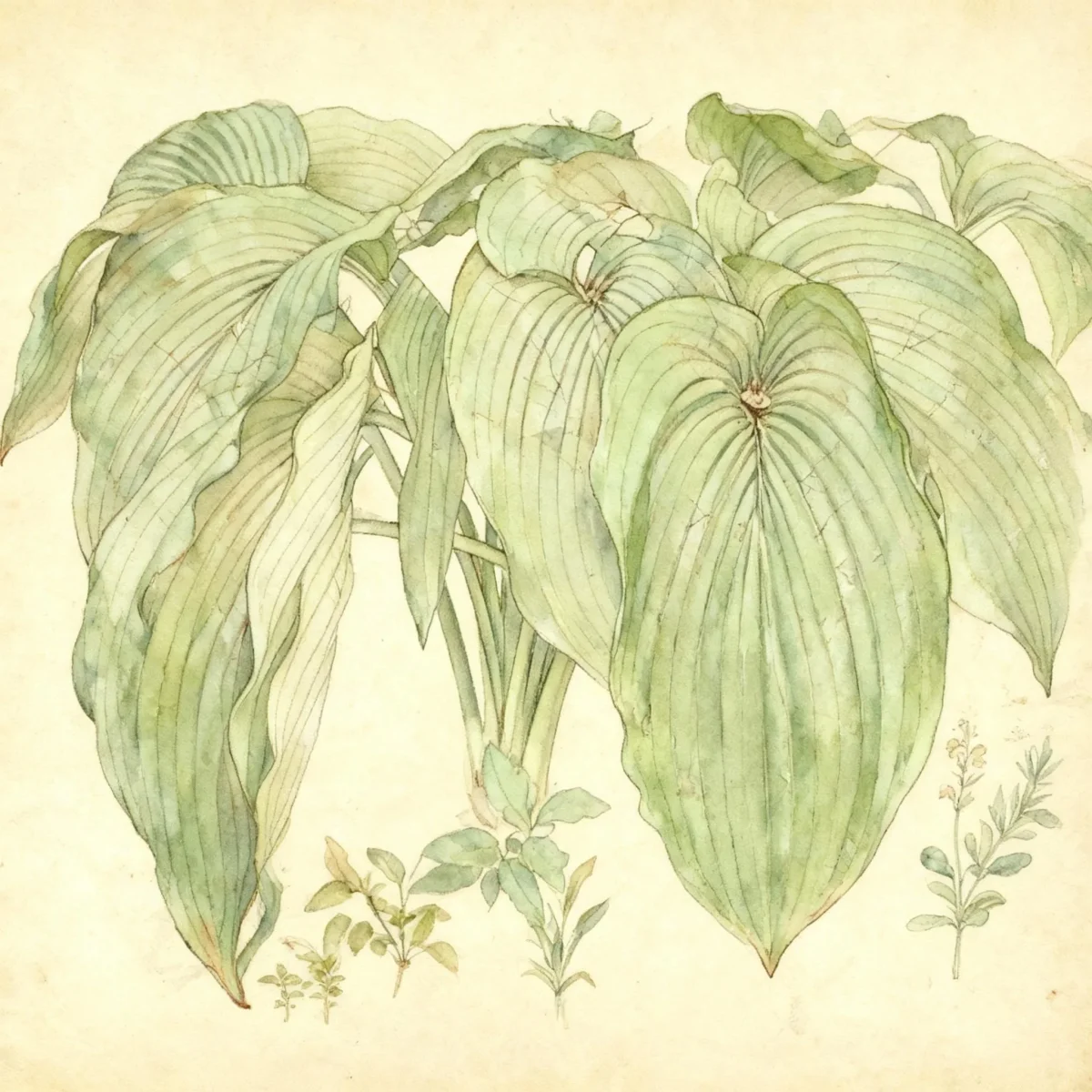
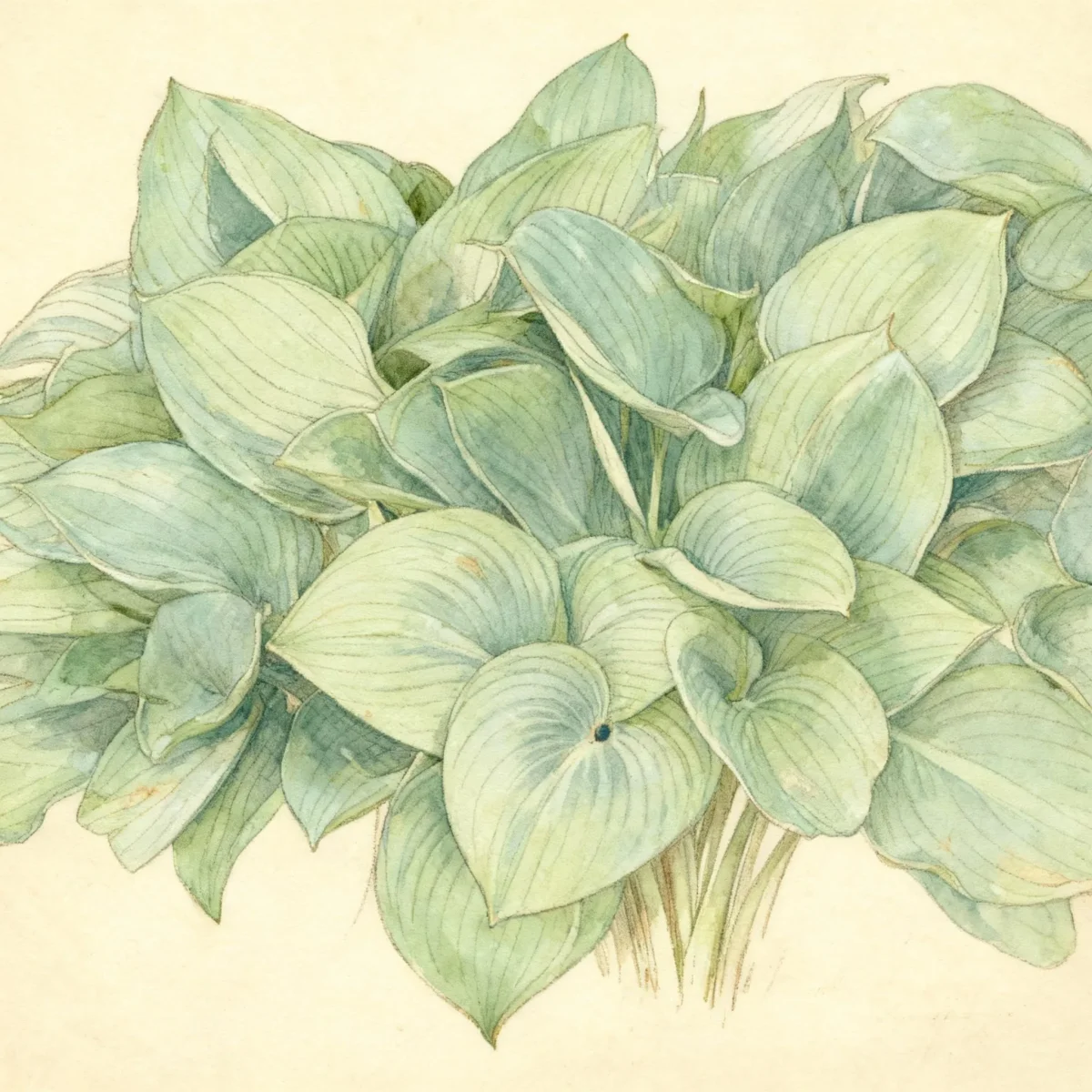
Hosta (Hosta 'Ginko Craig')
Hosta 'Ginko Craig' is a low-maintenance perennial offering narrow, medium green leaves edged white, thriving in heavy shade.
Scroll down to discover growing tips, care requirements, companion plants, and more
Complete Plant Information
Overview
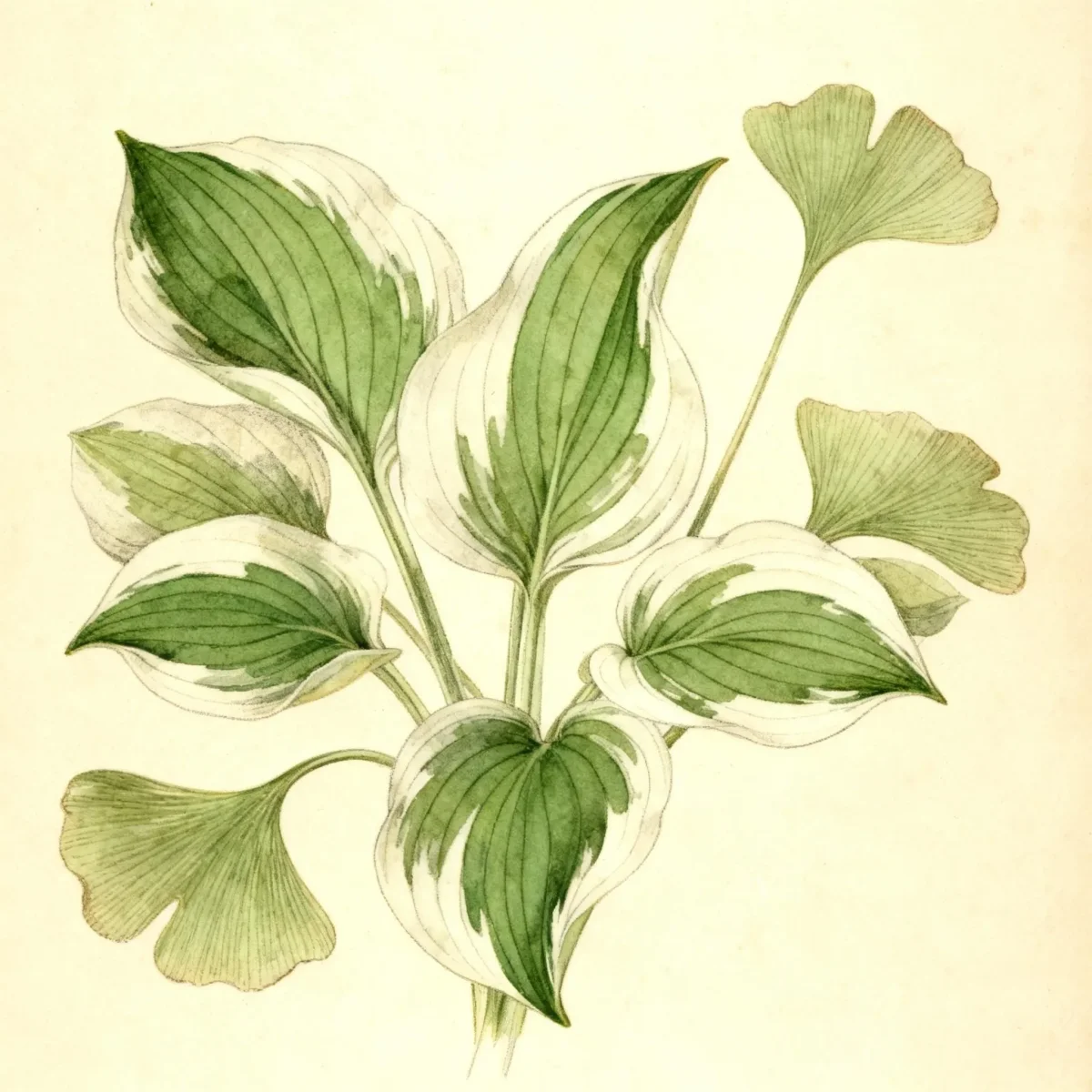
Hosta ‘Ginko Craig’ is a prized herbaceous perennial, cultivated primarily for its striking ornamental foliage in deep shade gardens. This particular Hosta variety features a dense mound of narrow, medium-green leaves elegantly outlined with a pure white margin, providing excellent contrast where other plants might fail. As a dependable and versatile perennial, Hosta ‘Ginko Craig’ requires low maintenance while offering significant aesthetic value through texture and color throughout the growing season.
This Hosta cultivar is fundamentally a shade-lover, thriving best when protected from intense afternoon sun while still benefiting from consistent moisture. Its low stature makes it ideal for edging or foreground planting, serving as a robust groundcover that helps crowd out unwanted weeds. The beauty of the Hosta genus lies in its leaf diversity, and ‘Ginko Craig’ contributes its unique, crisp variegation to established woodland or shady borders.
Blooming occurs from July into August, showcasing attractive, orchid-like flowers marked with purple stripes atop vertical scapes. While the flowers are lovely, the dense foliage mass created by Hosta plants forms the backbone of their appeal, ensuring that gardeners are rewarded even outside the bloom period. Enjoying high performance with minimal effort sets this Hosta apart as a garden mainstay.
Fast Facts
- Plant Family: Asparagaceae
- Plant Type: Herbaceous perennial
- Hardiness Zones: USDA Zones 3-8
- Size at Maturity:
- Height: 0.25-0.5 ft
- Spread: 0.75-1 ft
- Bloom Time: July to August
- Bloom Description: Purple striped
- Sun Exposure: Part shade to full shade
- Water Needs: Medium
- Maintenance Level: Low
How to Grow
Planting Hosta ‘Ginko Craig’ should occur in the spring or autumn when soil temperatures are moderate. Choose a location where the soil is organically rich, evenly moist, and extremely well-drained. While this Hosta variety handles heavy shade well, achieving the best size and leaf quality is possible with part shade—meaning some dappled sunlight or gentle morning sun exposure daily. Ensure planting locations are protected from strong winds, which can damage the foliage.
Maintaining consistent moisture is crucial for optimal growth; allow soils to never dry out completely, especially during establishment. Water application should be directed straight to the soil beneath the leaves to minimize fungal issues on the foliage. Hostas are generally low-maintenance; fertilizing is rarely necessary if the base soil is rich in organic matter.
Division is recommended as needed to rejuvenate mature clumps or to propagate new plants. The easiest time to divide Hosta is typically in early spring, before the new leaves begin to unfurl. Post-division care focuses on ensuring the newly separated crowns receive ample moisture and protection while they settle into their new locations.
Landscape Uses
Hostas are the undisputed foundation plants for any garden area receiving significant shade. Hosta ‘Ginko Craig’, due to its smaller stature and striking white edge, makes an exceptional edging plant along walkways or defining the front of a shady border. Its dense foliage mass makes it highly effective when grouped or massed together to create a uniform carpet effect, which naturally helps suppress weeds beneath mature trees.
This variety integrates beautifully with ferns, bleeding hearts, and other textural shade lovers, offering color contrast to solid green backgrounds. Because of its tolerance for tough conditions, Hosta ‘Ginko Craig’ performs well in woodland gardens or shady spots where turf struggles. Consider planting it near paths or beneath specimen trees where its upright mound of foliage draws the eye.
Standout Features
Flower Qualities
- Showy
- Good Cut
Noteworthy Characteristics
The Hosta genus, native to East Asia, is famous for its rhizomatous, clump-forming habit and striking leaf structure. Hosta ‘Ginko Craig’ specifically features those narrow, medium green leaves edged in brilliant white, providing texture and contrast year-round. This dependable plant suppresses garden weeds through its dense leaf structure and requires minimal ongoing care once established in suitable shade.
Tolerances
- Heavy Shade
- Black Walnut
Potential Problems
The primary challenge for Hosta plants, including Hosta ‘Ginko Craig’, involves pest management, particularly slugs and snails. These mollusks are strongly attracted to the foliage, quickly creating jagged, unsightly holes that can severely damage the plant’s aesthetic appeal if ignored. Immediate, preventative action is necessary to control populations, utilizing baits or traps applied around the base of the plants.
Other concerns include foliar nematodes, which cause interveinal browning, and various viruses like HVX, which necessitates immediate removal and destruction of infected specimens. While leaf spots and crown rot are less common, they indicate poor drainage or overly wet conditions. Protect plants from hail storms, as their broad leaves are easily shredded, and be aware that deer and rabbits often find the leaves a delectable treat.
Frequently Asked Questions
What hardiness zones is Hosta ‘Ginko Craig’ suitable for?
Hosta ‘Ginko Craig’ is highly adaptable and suitable for USDA Hardiness Zones 3 through 8.
How large does Hosta ‘Ginko Craig’ grow?
This miniature Hosta typically reaches a mature height between 0.25 to 0.5 feet tall, with a spread from 0.75 to 1 foot wide.
What sun exposure does Hosta ‘Ginko Craig’ need?
This Hosta variety thrives best in part shade to full shade conditions, preferring protection from intense afternoon sun.
When does Hosta ‘Ginko Craig’ bloom?
This Hosta variety produces blooms from July into August, highlighted by their purple striped, orchid-like flowers.
Conclusion
Hosta ‘Ginko Craig’ stands out as an essential, low-maintenance perennial ideal for introducing crisp, bright variegation into deep shade environments. Its remarkable tolerance for heavy shade and tough conditions, like proximity to Black Walnut roots, ensures reliable performance where many others falter. Review your garden’s hardiness zone compatibility and plan planting during cool, moist periods to successfully incorporate this beautiful Hosta into your landscape design.
Companion Planting in Shade
When designing a shady border featuring Hosta ‘Ginko Craig’, focus on companions that complement its medium water needs and low light requirements. Ferns, such as Japanese Painted Fern (Athyrium niponicum) or the delicate Maidenhair Fern (Adiantum pedatum), create beautiful textural contrast against the broader leaves of the Hosta. Epimediums (Barrenwort) also thrive in similar conditions, offering early spring color before the Hosta’s foliage fully develops, minimizing competition.
Consider using woodland groundcovers beneath taller groupings of Hosta to maintain soil moisture and provide continuous tapestry coverage. Plants like Lungwort (Pulmonaria) offer speckled foliage that harmonizes well with the variegation of Hosta ‘Ginko Craig’, creating a layered, rich tapestry effect throughout the season without requiring extensive care.
Seasonal Care Calendar for Hosta
Spring is the ideal time for maintenance, focusing on cleaning up dead foliage from the previous year and gently dividing overgrown clumps if necessary. Ensure soil receives consistent moisture as the foliage emerges, which is critical for good summer performance. Summer care is largely about monitoring pest activity, specifically slugs and snails, and watering deeply at the base of the plants when rainfall is insufficient.
In autumn, reduce watering as the plant naturally begins to slow its growth cycle. Mulching lightly around the crown protects the perennial Hosta through winter, though heavy mulch is discouraged as it can hold too much moisture near the crown, predisposing the plant to rot. Minimal winter preparation is required for established Hosta in their appropriate zones.