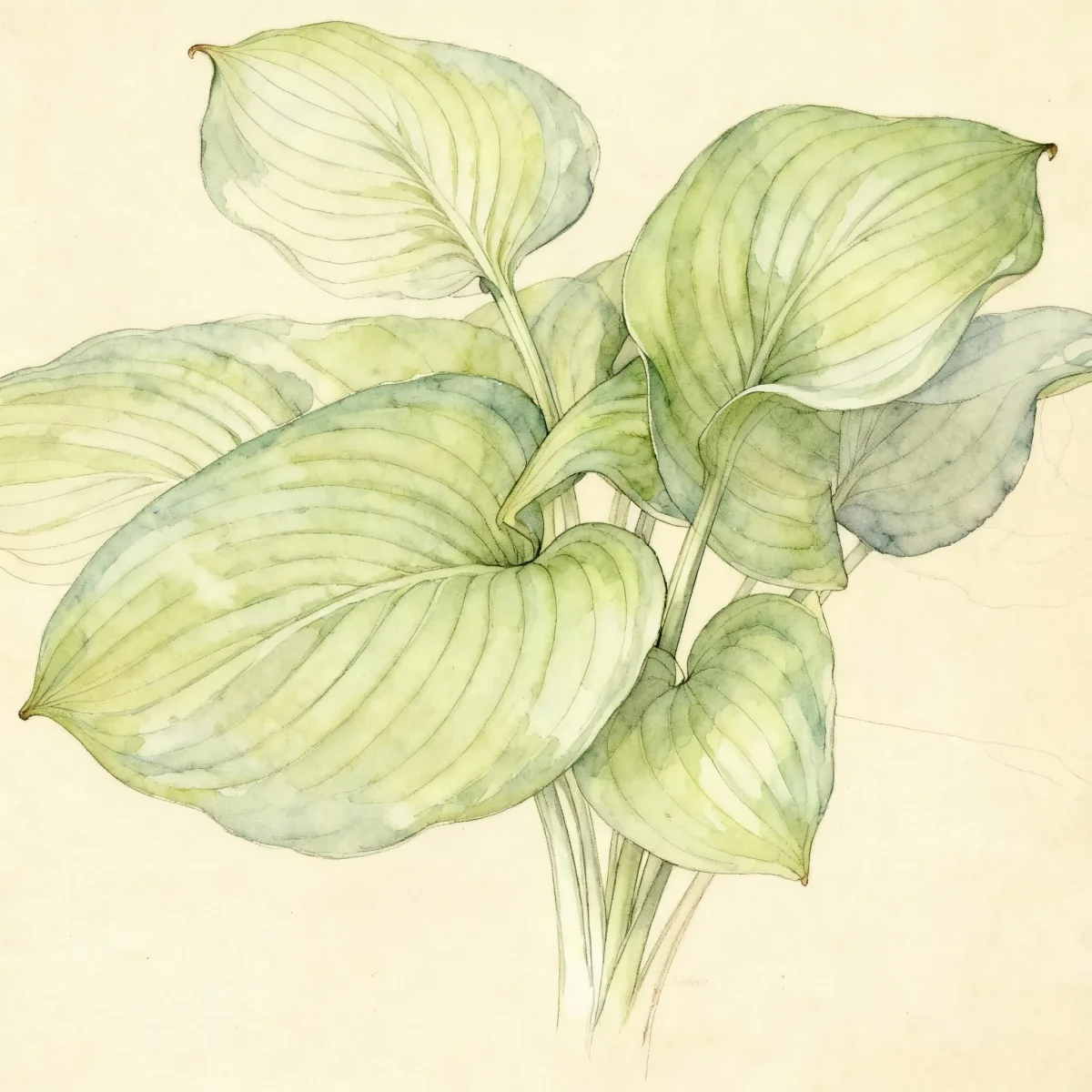
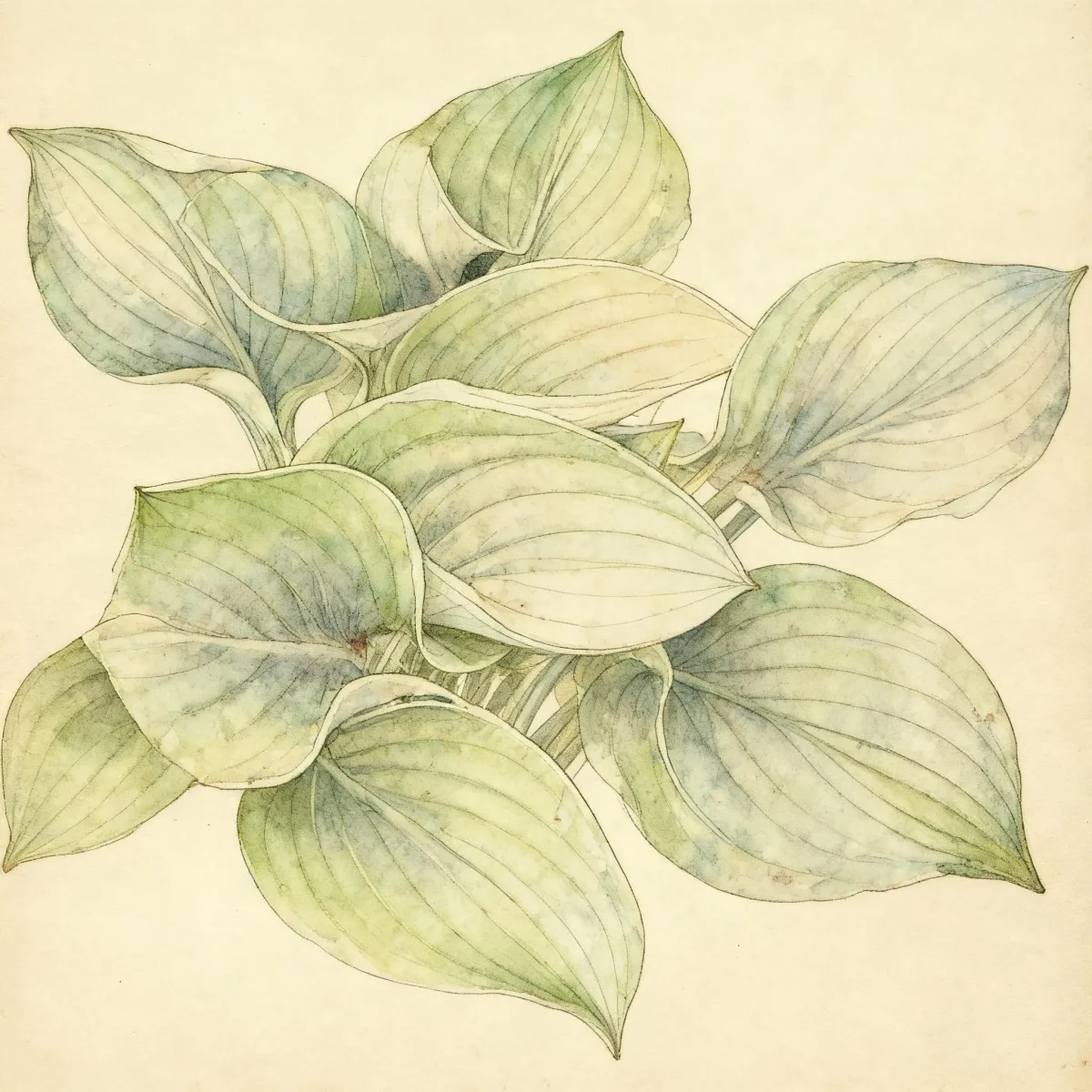
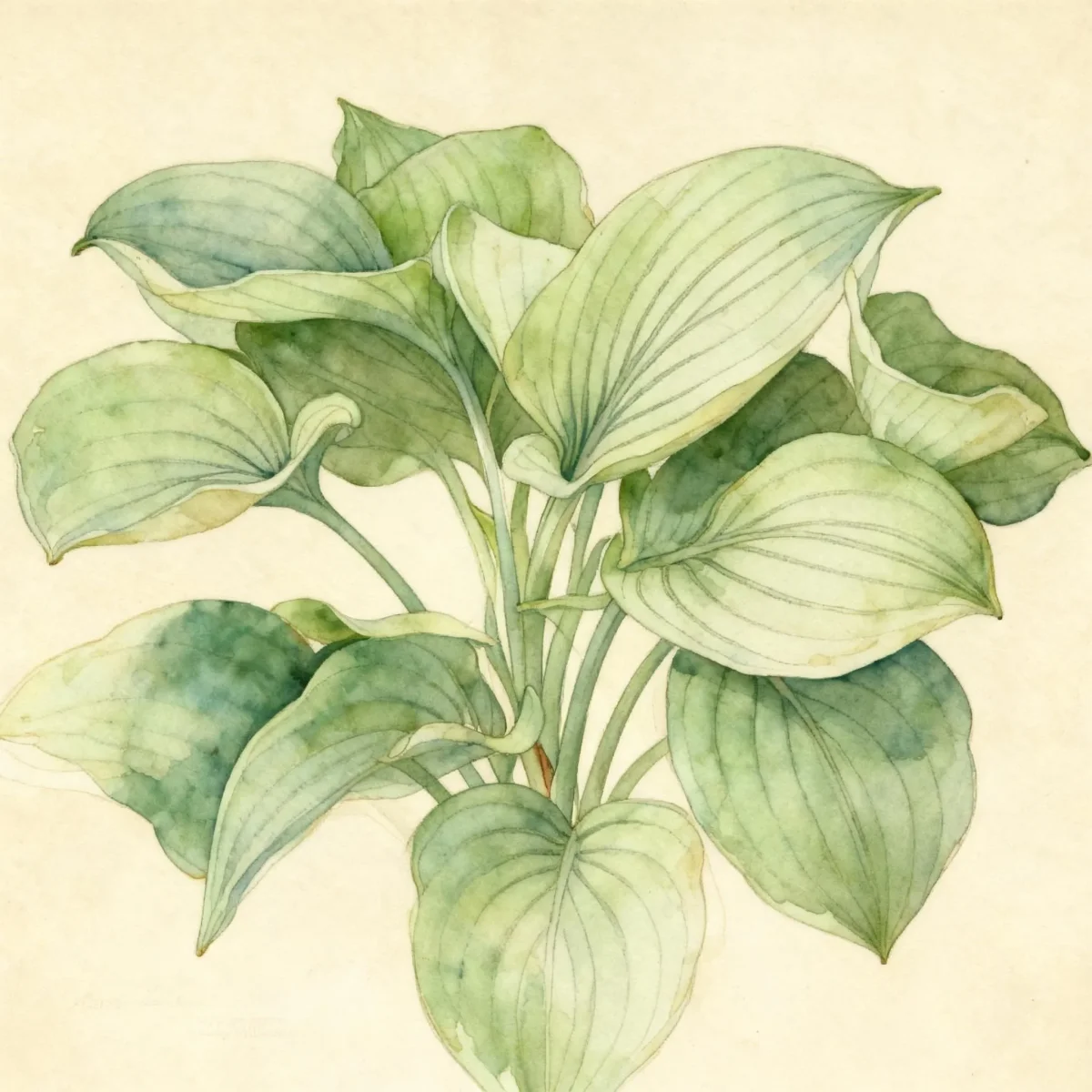
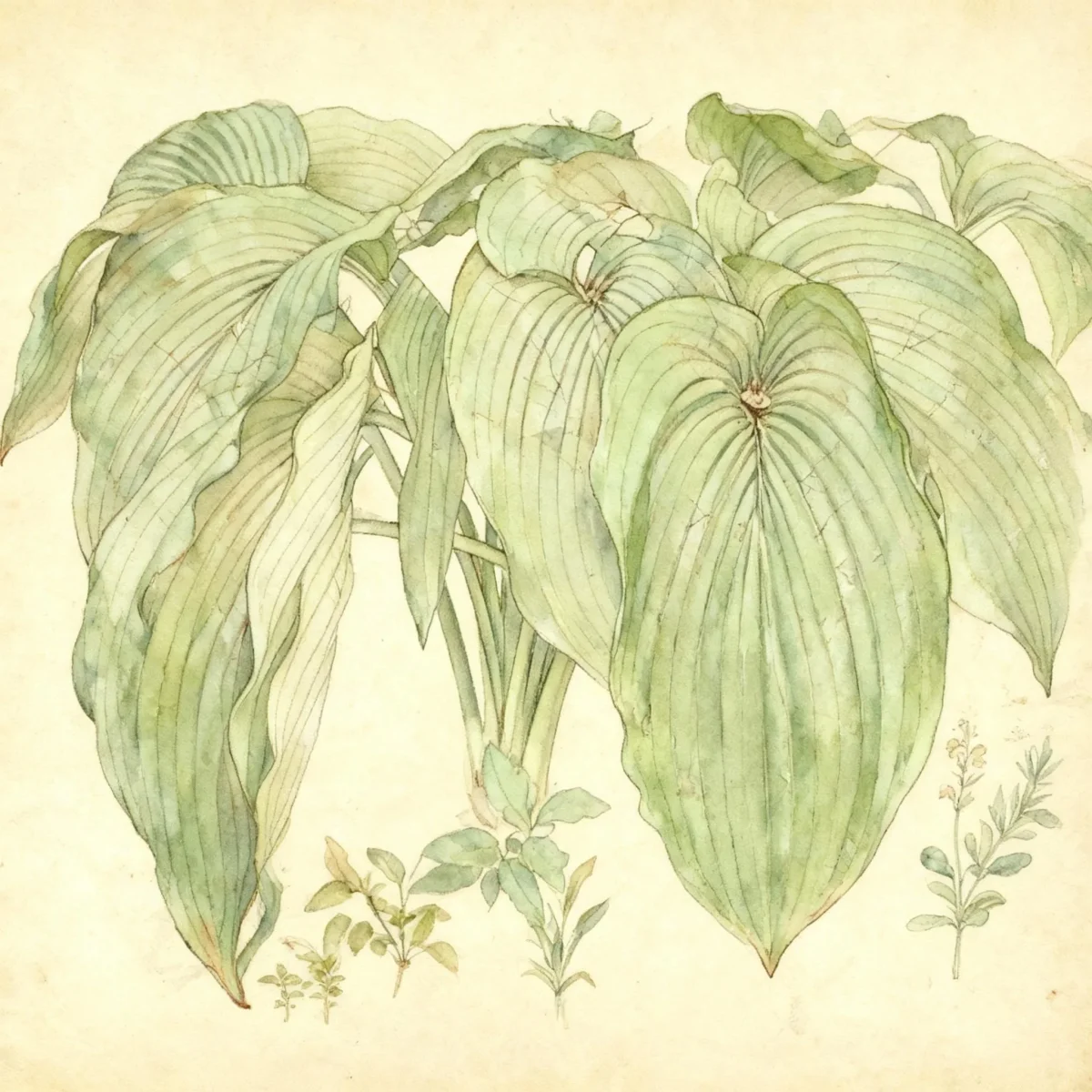
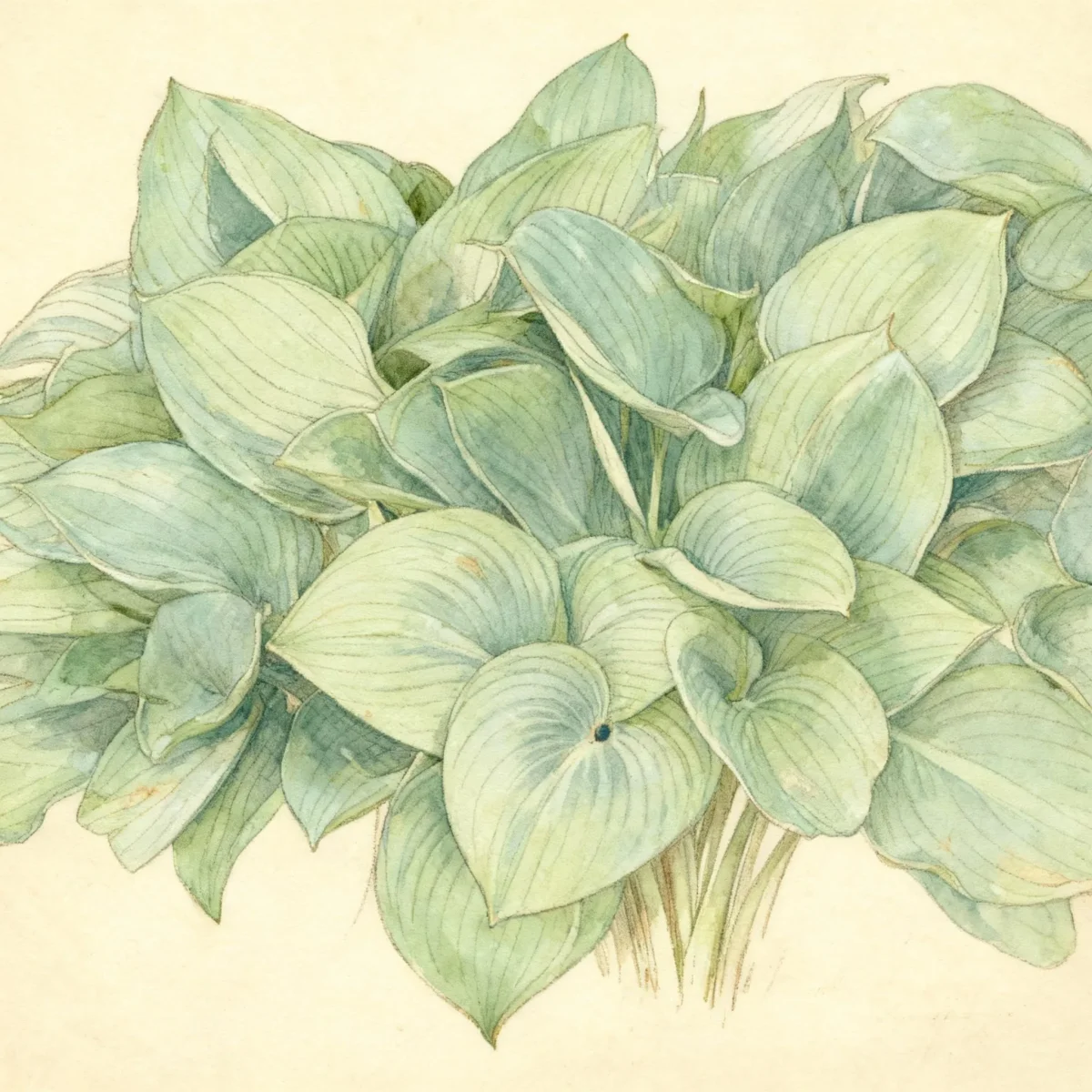
Hosta (Hosta 'Gold Drop')
Hosta 'Gold Drop' is a miniature, low-maintenance perennial celebrated for its chartreuse foliage and lilac summer flowers.
Scroll down to discover growing tips, care requirements, companion plants, and more
Complete Plant Information
Overview
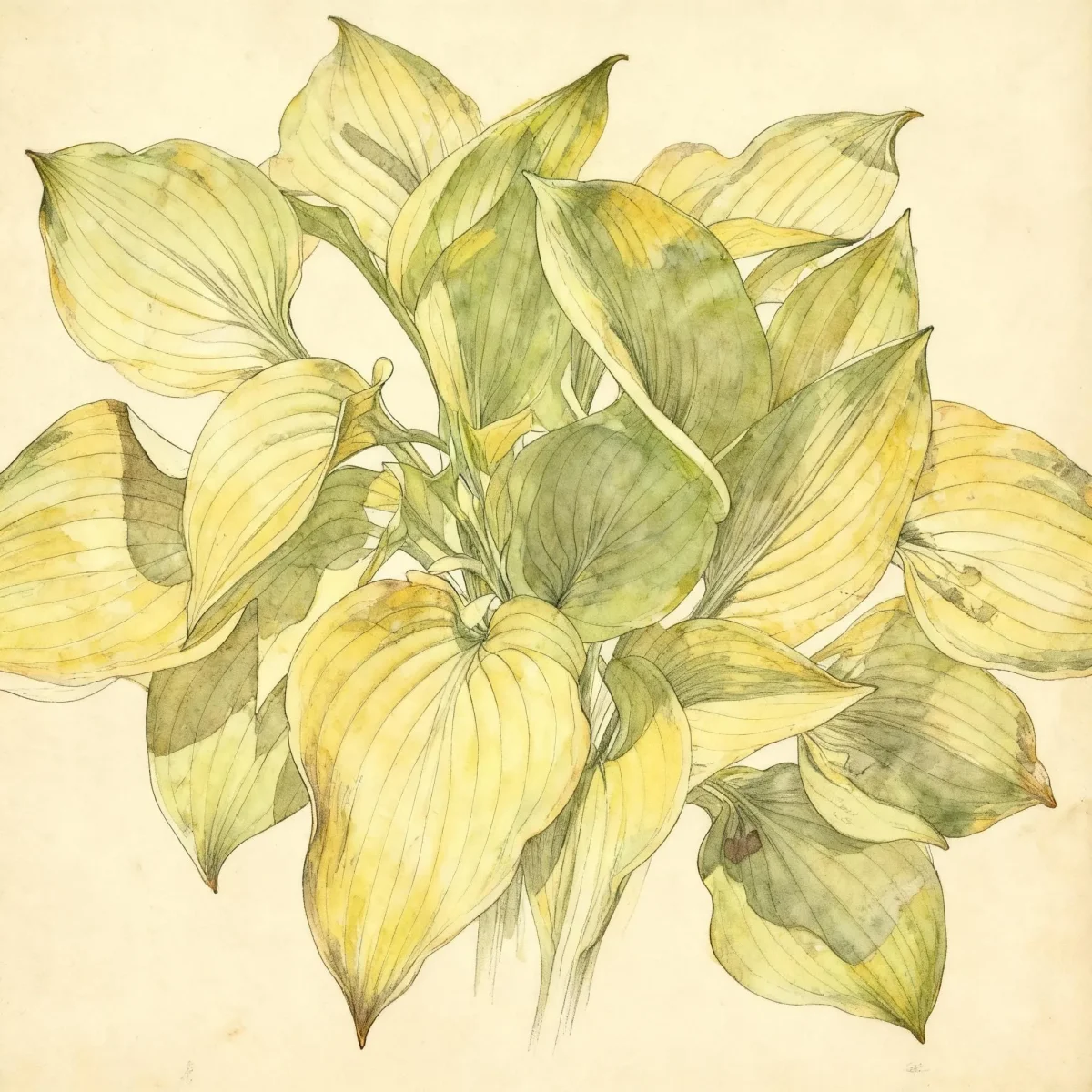
Hosta ‘Gold Drop’ offers exceptional ornamental value, primarily prized for its vibrant foliage that brightens deep shade areas of the garden. This miniature variety forms a neat clump of chartreuse to dull yellow leaves, providing consistent color contrast against darker greens nearby. As a species of Hosta, it embodies reliability and ease of care, making it a foundational plant for shaded landscapes.
This reliable herbaceous perennial thrives best when provided with consistent moisture in rich, well-drained soil. While it tolerates shade, achieving the best size and leaf quality for Hosta ‘Gold Drop’ depends on suitable environmental conditions. Gardeners rely on Hosta cultivars like this one to anchor woodland settings or provide structure along shady borders.
Hosta ‘Gold Drop’ blooms in mid to late summer, sending up spikes of lovely lilac flowers above the glowing mound of leaves. Its low maintenance requirements, combined with its ability to handle challenging light conditions, including heavy shade, confirm its status as a beloved shade garden staple.
Fast Facts
- Plant Family: Asparagaceae
- Plant Type: Herbaceous perennial
- Hardiness Zones: USDA Zones 3-8
- Size at Maturity:
- Height: 0.5-1.5 ft
- Spread: 1-1.5 ft
- Bloom Time: July to August
- Bloom Description: Lilac
- Sun Exposure: Part shade to full shade
- Water Needs: Medium
- Maintenance Level: Low
How to Grow
Planting Hosta ‘Gold Drop’ is best performed in spring or autumn when the soil is workable. Select a location where the soil is organically rich and drains excellently, even though the plant requires consistently moist conditions. While established plants show some drought tolerance, particularly those with thicker leaves, ensuring regular moisture, especially near the soil base beneath the canopy, is crucial for maximizing the beauty of this Hosta.
Watering should be consistent. Apply water directly to the soil surface, aiming to keep the growing medium evenly moist throughout the season, which is key to maintaining the lush quality of the foliage. Fertilizing is rarely necessary if the soil is rich in organic matter. Hosta ‘Gold Drop’ is generally considered a low-maintenance perennial requiring minimal intervention.
Divide Hosta clumps every few years as necessary, usually easing the process in early spring before the leaves fully emerge. Always plant specimens in areas protected from strong winds, which can cause physical damage to the leaves. This attention to location and moisture management ensures your specimen of Hosta ‘Gold Drop’ remains an outstanding feature.
Landscape Uses
Hostas are indispensable elements in shade gardens, prized overwhelmingly for the textural and chromatic appeal of their foliage rather than their flowers. Hosta ‘Gold Drop’ is exceptionally effective when massed or planted in groups, allowing its bright chartreuse color to create pools of light in darker areas. Its miniature size makes it perfect for edging shady borders or planting beneath tall trees where other perennials struggle.
These plants serve admirably as good background plants or as foundational elements in woodland garden designs. They pair well aesthetically with plants that offer contrasting textures, such as ferns or deep-green groundcovers. Incorporating Hosta ‘Gold Drop’ along pathways guarantees visual interest throughout the growing season.
Standout Features
Flower Qualities
- Showy
Noteworthy Characteristics
Hosta is a genus of shade-loving, rhizomatous, herbaceous perennials originally from Japan, Korea, China, and eastern Russia, primarily grown for their ornamental leaves. ‘Gold Drop’ specifically is a miniature cultivar, growing into a mound roughly 6 inches tall and spreading up to 18 inches wide, featuring smooth, prominently-veined, oval leaves that are chartreuse to dull yellow. These plants produce bell-shaped lilac flowers on upright scapes that rise above the foliage mound in mid to late summer.
Tolerances
- Heavy Shade
- Black Walnut
Potential Problems
The primary challenges for Hosta plants, including Hosta ‘Gold Drop’, involve pests attracted to the soft foliage. Slugs and snails are notorious visitors, creating jagged holes that, if unchecked, quickly spoil the visual appeal of the leaves over a short time frame. Regularly scout for damage and apply appropriate molluscicides or barriers early in the season.
Be vigilant for signs of foliar nematodes, which cause unattractive interveinal browning on the leaves. Less common issues include leaf spots or crown rot, often resulting from overly wet conditions. Immediately remove and destroy any plants confirmed to have viral infections like Hosta Virus X, as these spread rapidly. Additionally, be aware that deer and rabbits frequently consume Hosta foliage voraciously.
Frequently Asked Questions
What hardiness zones is Hosta ‘Gold Drop’ suitable for?
Hosta ‘Gold Drop’ is reliably hardy in USDA Zones 3 through 8.
How large does Hosta ‘Gold Drop’ grow?
This miniature Hosta typically reaches a height of between 0.5 and 1.5 feet, spreading from 1 to 1.5 feet wide.
What sun exposure does Hosta ‘Gold Drop’ need?
This specific Hosta cultivar performs best in part shade, though it can tolerate full shade, provided moisture is consistent. A little morning sun can enhance its color display.
When does Hosta ‘Gold Drop’ bloom?
The lilac, bell-shaped flowers of Hosta ‘Gold Drop’ appear from July into August atop upright scapes.
Conclusion
Hosta ‘Gold Drop’ is an essential addition for gardeners seeking reliable, colorful texture in shady environments. Its signature chartreuse foliage and pleasing lilac blooms make this Hosta a standout performer with minimal effort required. Ensure you place your Hosta in well-drained, moist soil and check your local hardiness zone compatibility before planning your planting this spring.
Companion Planting
Selecting companions for Hosta ‘Gold Drop’ should focus on plants that also thrive in part shade or shade while offering different leaf textures or colors. Ferns, such as Japanese Painted Ferns or Athyrium species, provide an excellent textural contrast due to their light, airy fronds against the solid mounds of yellow Hosta leaves. Consider using plants with darker green or blue foliage to make the chartreuse of Hosta ‘Gold Drop’ truly pop visually.
Consider incorporating shade-loving perennials like Astilbe for vertical interest in the summer, or spring ephemerals like bleeding hearts (Dicentra spectabilis) that will naturally die back as the Hosta reaches its full summer size. Because Hosta requires consistent moisture, companion choices should share this same medium water need to simplify your irrigation routine.
Propagation Tips
The most straightforward propagation method for a clump-forming perennial like Hosta ‘Gold Drop’ is division. This procedure is usually simplest in the early spring just before the new leaves begin to emerge from the crown. Gently dig up the entire clump, taking care not to damage the central structure, and lightly rinse the roots to expose the buds.
Using a clean, sharp spade or knife, carefully divide the clump into sections, ensuring that each new division has a healthy portion of roots and several viable growth buds attached. Replant the new Hosta divisions immediately at the correct depth, ensuring the crown is not buried too deeply, firm the soil gently, and water thoroughly to settle them into their new locations.