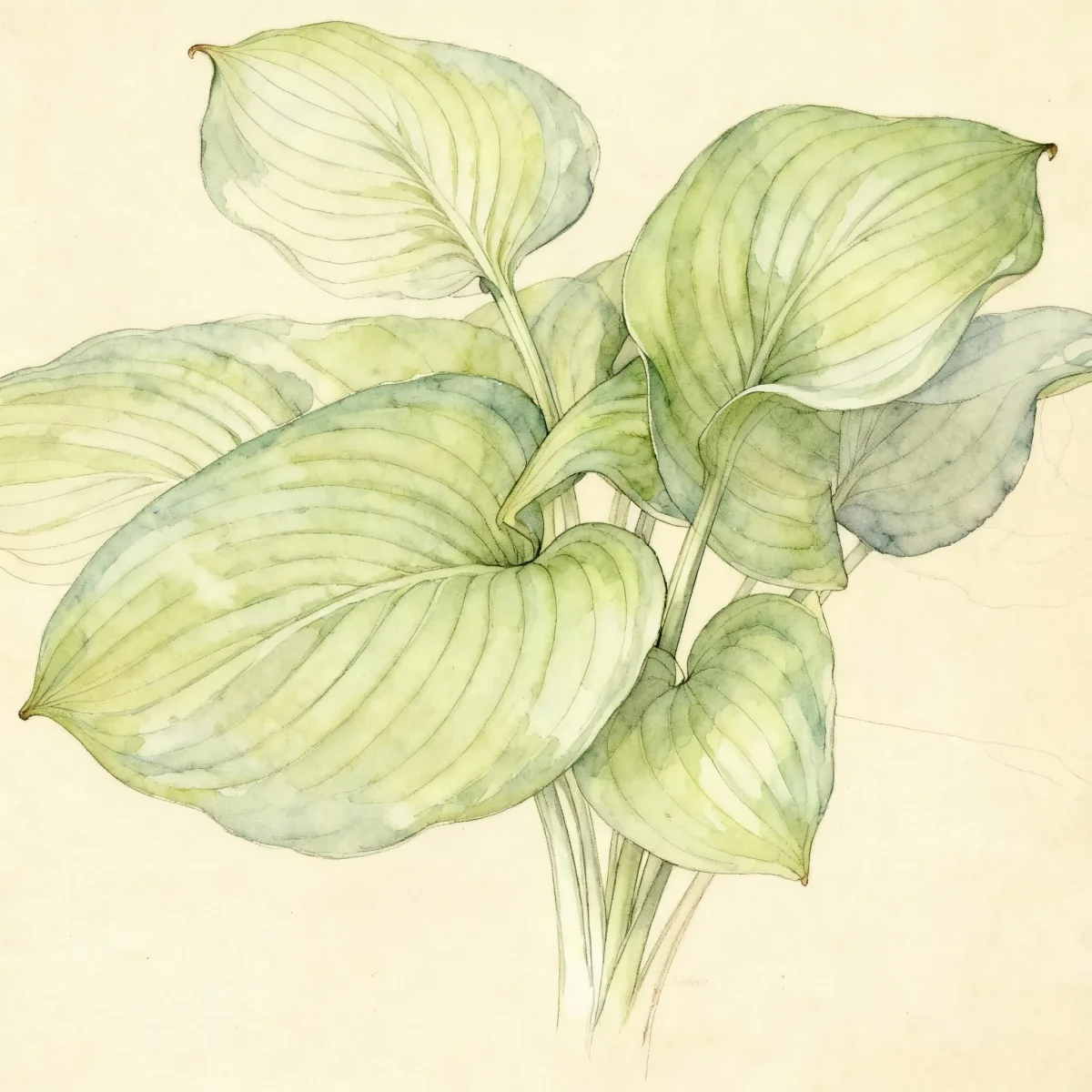
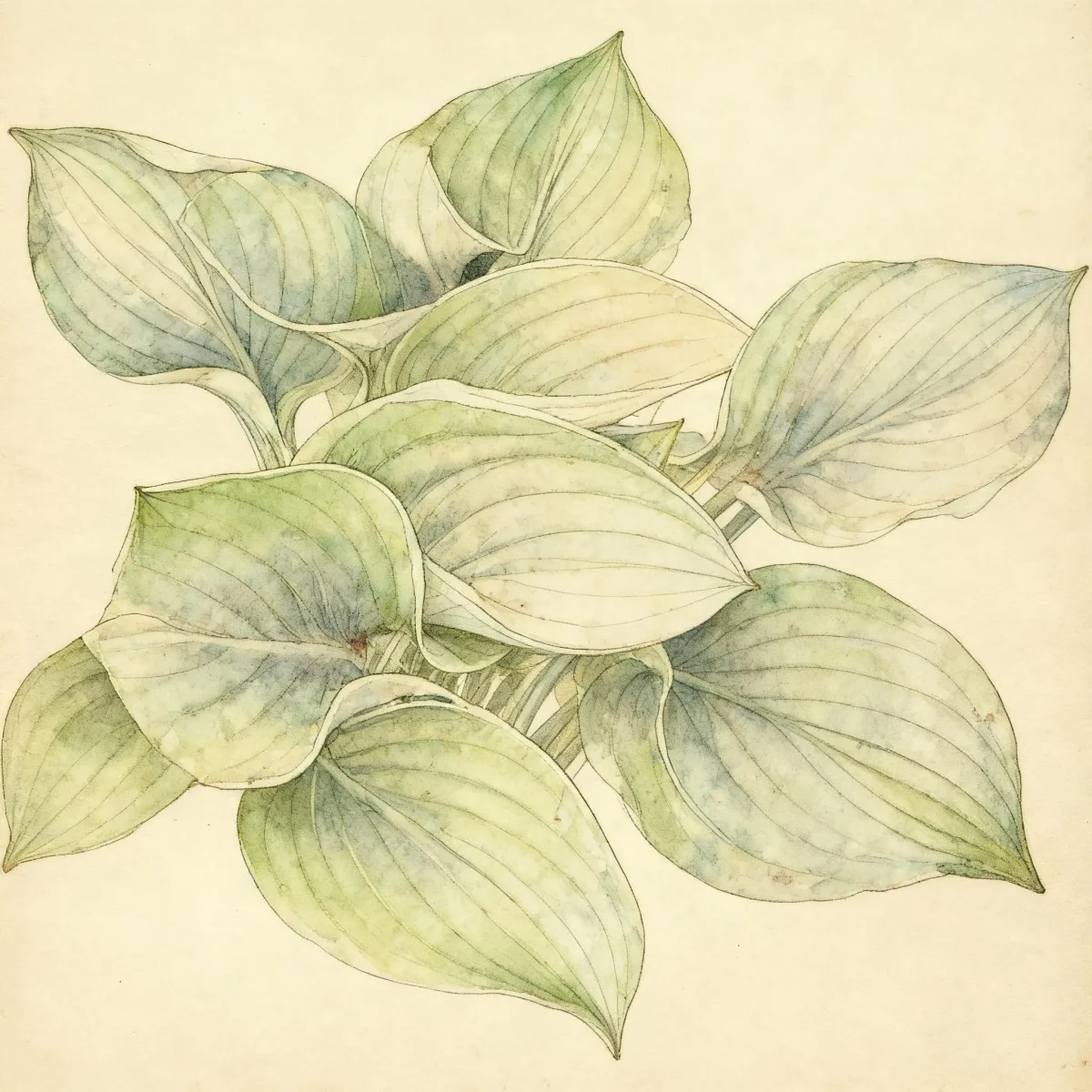
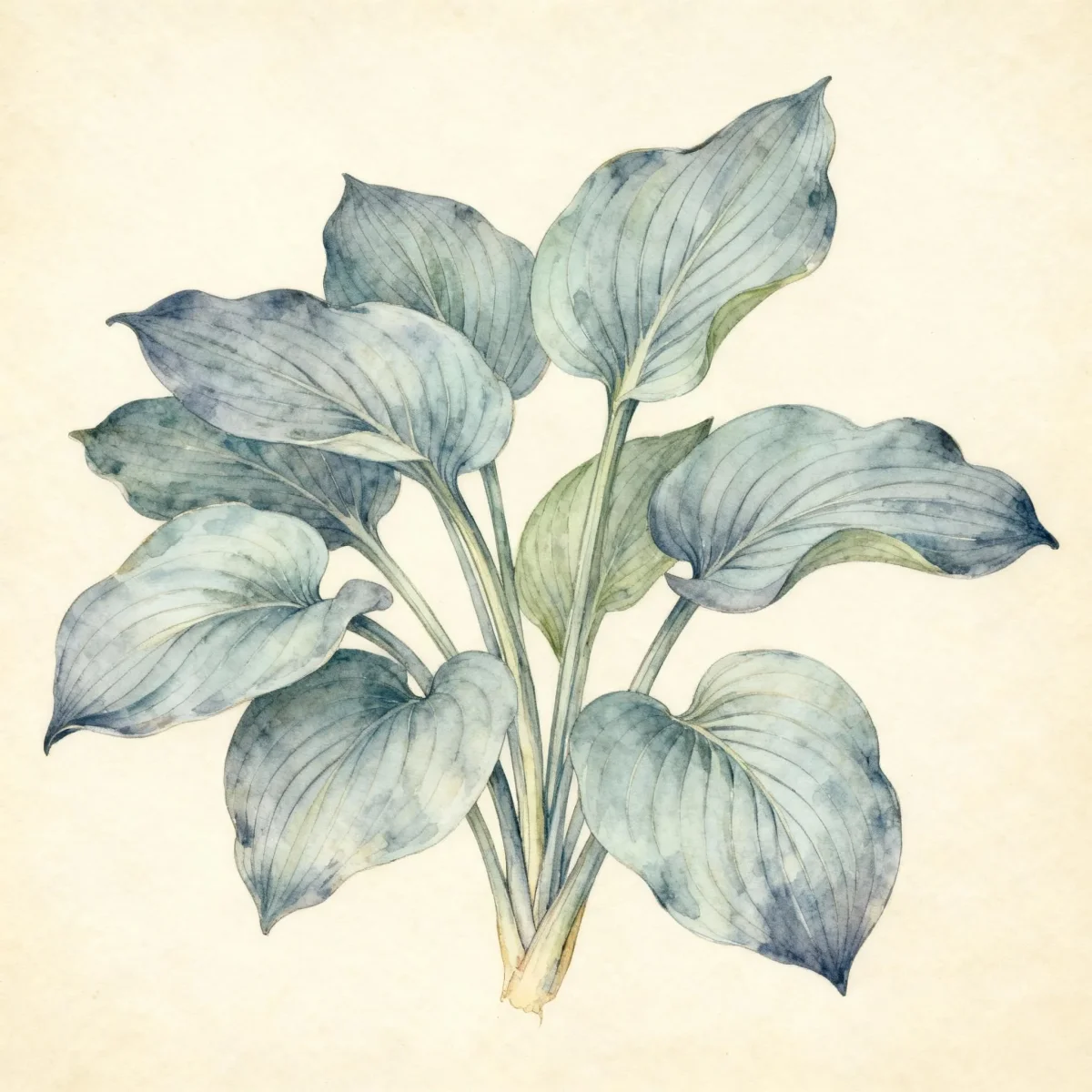
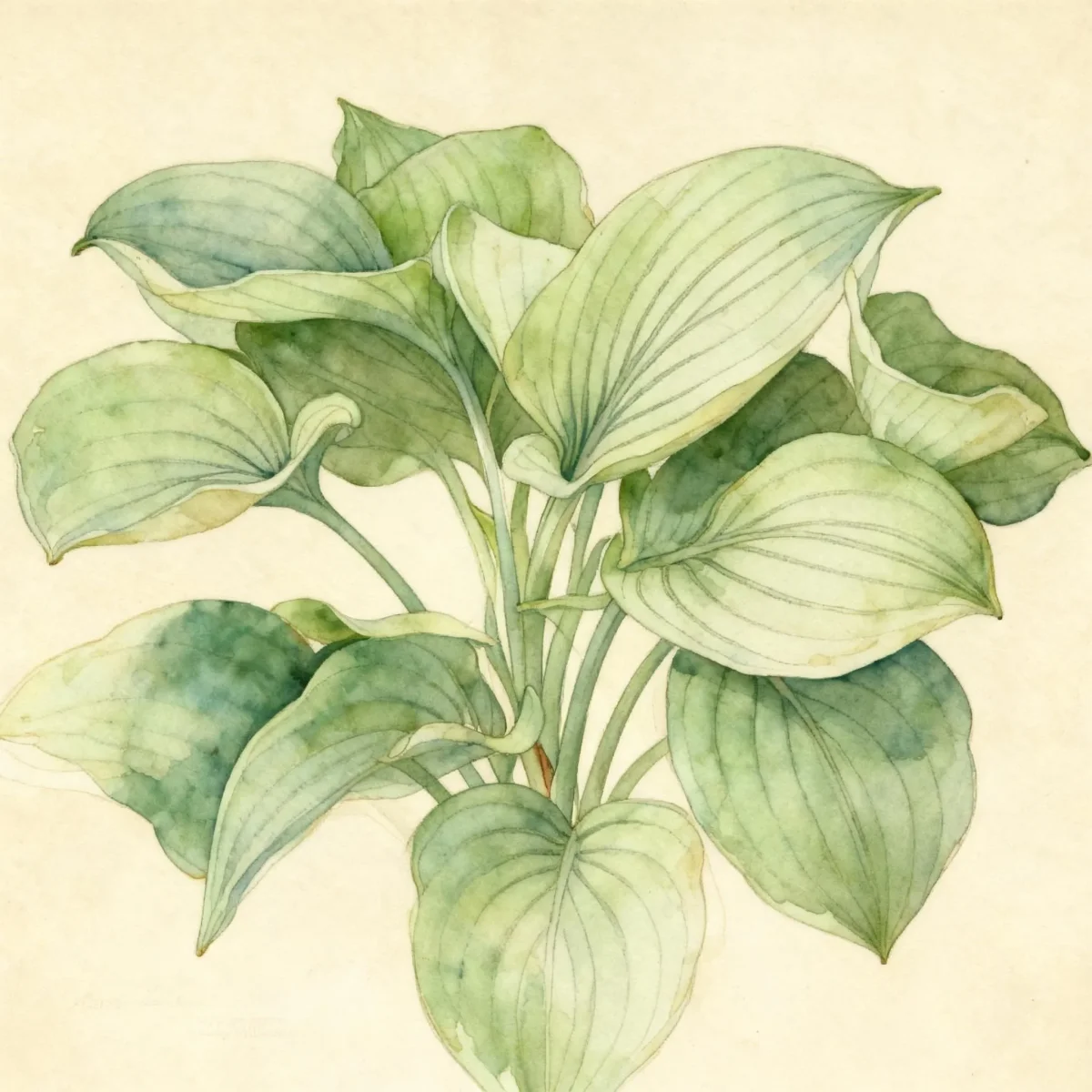
Hosta (Hosta 'Gold Edger')
Hosta 'Gold Edger' is a low-maintenance, fast-growing perennial prized for its chartreuse to gold foliage in partial shade.
Scroll down to discover growing tips, care requirements, companion plants, and more
Complete Plant Information
Overview
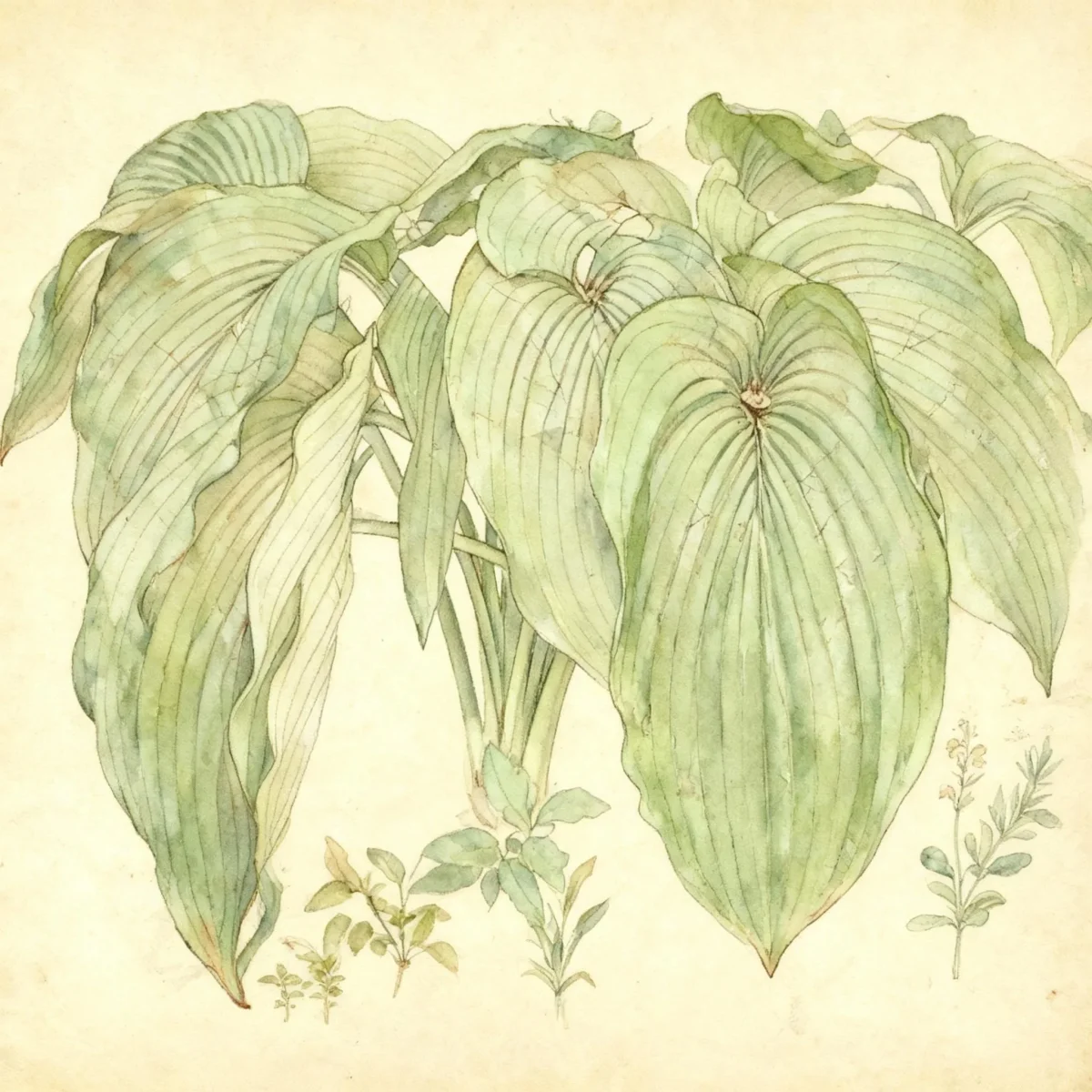
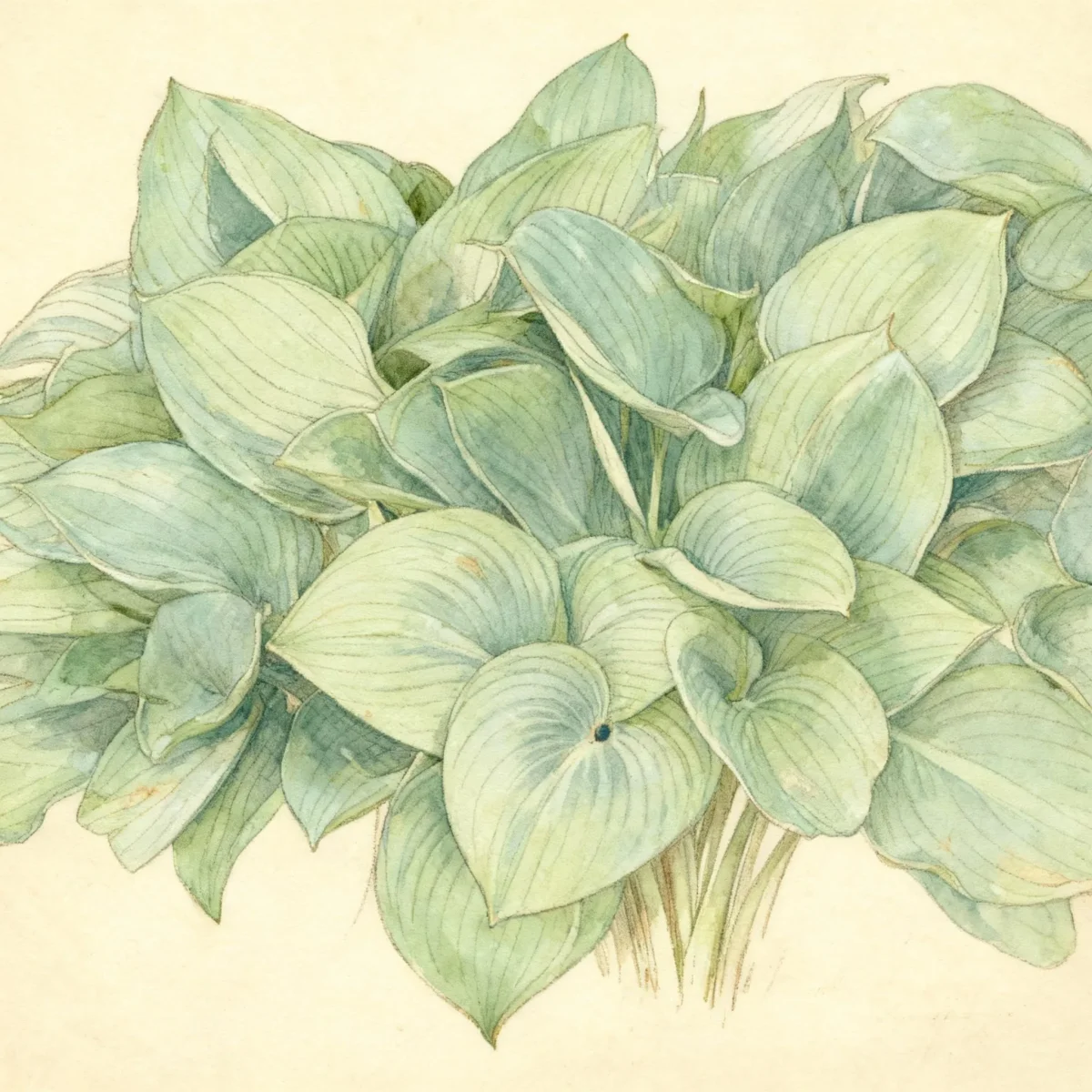
Hosta ‘Gold Edger’ is a standout cultivar valued primarily for its vibrant, richly colored foliage that brightens even the deepest shade areas of the garden. This small Hosta forms an attractive mound featuring flat, heart-shaped leaves ranging from chartreuse to gold, providing essential color contrast against deeper greens. As a dependable and versatile perennial, Hosta ‘Gold Edger’ requires minimal attention once established, solidifying its status as a key component in low-maintenance landscapes.
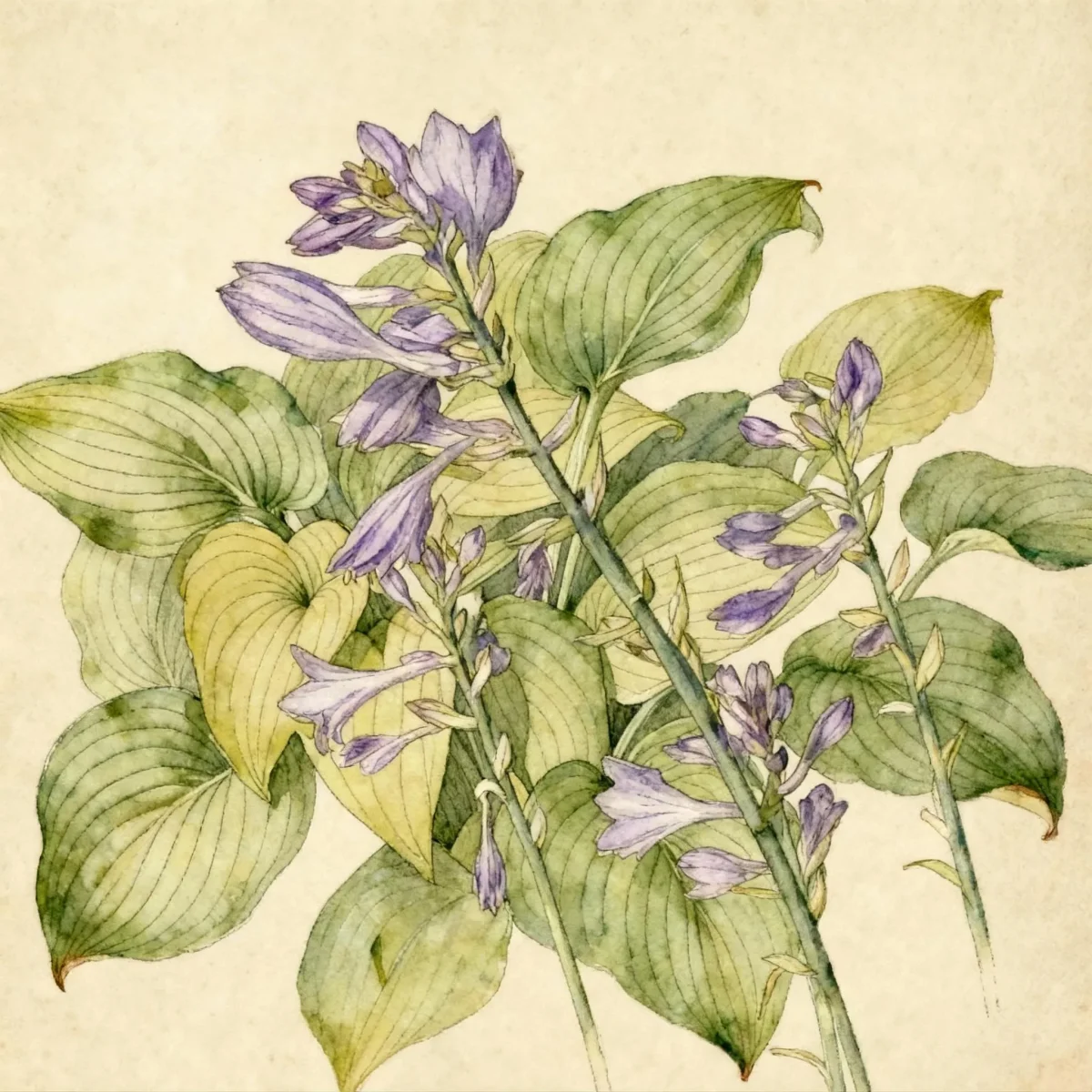
Native to East Asia, the genus Hosta is celebrated globally for its lush, ornamental leaves, making this cultivar an excellent choice for creating textured ground cover or defining shady borders. The pale lavender flowers that appear in June atop tall scapes offer secondary visual interest, though the foliage remains the star attraction. Gardening with Hosta provides superb textural elements and reliable performance across many shade conditions.
This rapid grower quickly establishes a dense crown, which helps suppress unwanted garden weeds, adding a functional benefit alongside its aesthetic charm. When placed strategically, the bright foliage of Hosta ‘Gold Edger’ ensures that shady spots are never dull, offering superior color where many other plants struggle to thrive.
Fast Facts
- Plant Family: Asparagaceae
- Plant Type: Herbaceous perennial
- Hardiness Zones: USDA Zones 3-8
- Size at Maturity:
- Height: 0.75-1 ft
- Spread: 1-1.5 ft
- Bloom Time: June
- Bloom Description: Pale lavender
- Sun Exposure: Part shade to full shade
- Water Needs: Medium
- Maintenance Level: Low
How to Grow
For optimal performance, plant Hosta ‘Gold Edger’ in spring or fall when conditions are cool. Choose a location that receives part shade, ideally with some protection from harsh afternoon sun; while this specific cultivar is noted for being quite sun-tolerant for a Hosta, consistent moisture is still critical for achieving the best leaf color and quality. They thrive in organically rich, well-drained soils.
Hosta requires medium water input, and consistency is paramount. Water deeply and directly at the soil level, avoiding wetting the foliage, especially late in the day. Consistent moisture ensures the full size and vibrancy of the chartreuse foliage develops properly. While fully established plants show some drought tolerance, especially those with thicker leaves, never let the soil dry out completely.
Maintenance for Hosta is generally low. Divide clumps every few years, ideally in early spring before the leaves emerge, or in autumn. Site your plants where they are protected from strong winds, which can shred the leaves. The dense basal foliage of Hosta ‘Gold Edger’ naturally crowds out most common garden weeds.
Landscape Uses
Hostas are the undisputed backbone of shade gardens, and Hosta ‘Gold Edger’ brings a burst of light to these often darker spaces. Use this specimen effectively in mass plantings to create carpets of gold beneath mature trees or along shaded walkways, maximizing its textural impact. Because of its compact size (mounding to about 1 foot), it works beautifully as an edging plant along borders, fulfilling the promise of its name.
This variety pairs exceptionally well with plants that offer deep greens, blues, or contrasting textures. Consider interplanting Hosta ‘Gold Edger’ with deep green ferns, Japanese forest grass (Hakonechloa), or dark-leaved Astilbe to make its golden hue pop. They are excellent background plants for spring bulbs, providing lush coverage once the bulbs fade.
Consider using Hosta for woodland garden designs, underplanting large shrubs, or brightening up the north side of structures. Their strong architectural presence and manageable size make them versatile tools for adding contrast and structure to any shady border or shade garden setting.
Standout Features
Flower Qualities
- Showy
- Good Cut
Noteworthy Characteristics
Hosta is a genus primarily grown for its ornamental foliage, featuring dense, veined basal leaves rising from a rhizomatous crown. ‘Gold Edger’ specifically is a small cultivar reaching about 8 inches high, characterized by its mound of flat, heart-shaped, chartreuse to gold leaves, complemented by pale lavender flowers on 14-inch scapes. This cultivar is dependable, versatile, and a rapid grower that is quite sun-tolerant where moisture is consistent.
Tolerances
- Heavy Shade
- Black Walnut
Potential Problems
The most common threat to Hosta foliage, including Hosta ‘Gold Edger’, comes from slugs and snails which aggressively chew jagged holes into the leaves. Monitor plants regularly, especially after rains, and employ bait, beer traps, or physical barriers to manage mollusk populations effectively. Watch also for foliar nematodes which cause unsightly interveinal browning on the leaves.
Less frequent issues include leaf spots or crown rot, often tied to overwatering or poor drainage. Furthermore, be aware that deer and rabbits frequently find Hosta leaves palatable; if wildlife pressure is high, physical netting or repellents may be required, particularly in early spring when new growth emerges.
Frequently Asked Questions
What hardiness zones is Hosta suitable for?
Hosta ‘Gold Edger’ is highly adaptable, thriving across USDA Zones 3 through 8.
How large does Hosta ‘Gold Edger’ grow?
This is a smaller Hosta, typically reaching a height between 0.75 to 1 foot tall and spreading between 1 to 1.5 feet wide.
What sun exposure does Hosta ‘Gold Edger’ need?
It prefers part shade to full shade conditions. While it is somewhat more sun-tolerant than some varieties, consistent moisture must be maintained in sunnier spots.
When does Hosta bloom?
Hosta ‘Gold Edger’ typically produces blooms in June, featuring pale lavender, bell-shaped flowers on upright scapes.
Conclusion
Hosta ‘Gold Edger’ offers exceptional value to the shade gardener through its reliably bright, contrasting gold foliage and low-maintenance nature. This cultivar provides necessary color and superb texture, essential elements when designing shady borders or woodland gardens. Before planting, verify that your site temperatures fall within USDA Zones 3-8 and ensure consistent moisture is available to showcase the best color from your new Hosta.
Companion Planting in Shade
Because Hosta ‘Gold Edger’ prefers part shade to full shade and medium water, selecting companions that share these needs will simplify garden care immensely. Consider pairing it with plants that offer fine texture to contrast the broad leaves of the Hosta. Hakonechloa macra (Japanese Forest Grass) provides a cascading, graceful texture, while various shade-loving Heuchera (Coral Bells) can introduce burgundy or lime green shades that complement the gold of the Hosta foliage.
Another excellent grouping strategy involves combining Hosta with woodland natives like Japanese Painted Ferns. Ferns offer delicate, airy foliage that contrasts beautifully with the solid mound of the Hosta crown, creating layers of visual interest suitable for a naturalistic, shady border. Always leave adequate spacing to ensure good air circulation, which helps mitigate fungal leaf spot issues common to all Hostas.
Seasonal Care Calendar
Spring is the ideal time to divide older clumps of Hosta ‘Gold Edger’ as the new shoots begin to emerge; this is far easier before the dense foliage develops. Focus on amending the soil with compost to replenish organic matter lost over winter, ensuring optimal moisture retention. Throughout the growing season, shift focus to pest management, especially inspecting undersides of leaves for early signs of slugs and snails.
As the season ends, allow the foliage to die back naturally; this process allows the plant to store energy in the crown for winter survival. Do not cut back or clean up the dead foliage until early spring—a light layer of protective mulch applied after the ground freezes can help insulate the crown throughout the winter months in colder edges of Zones 3 and 4.