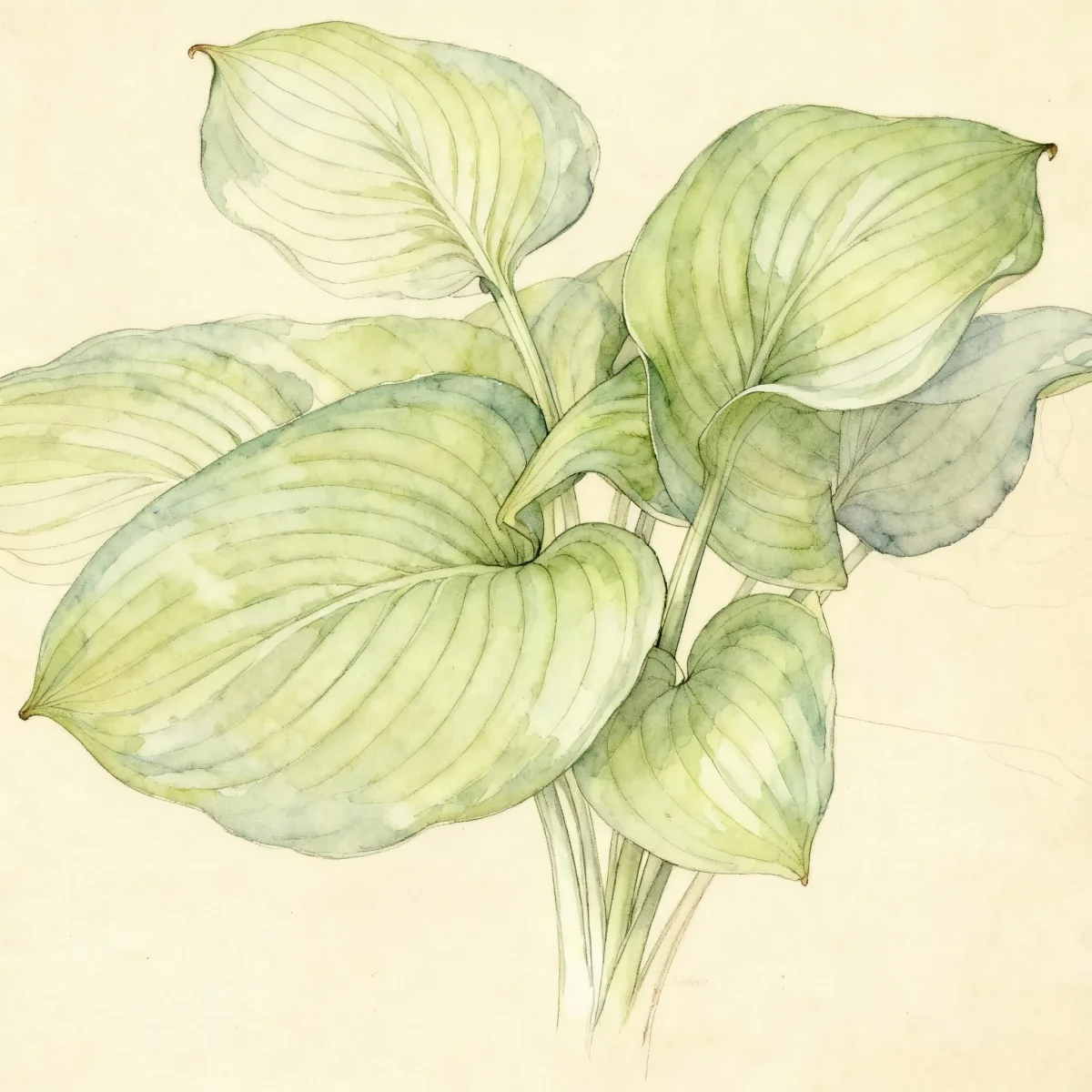
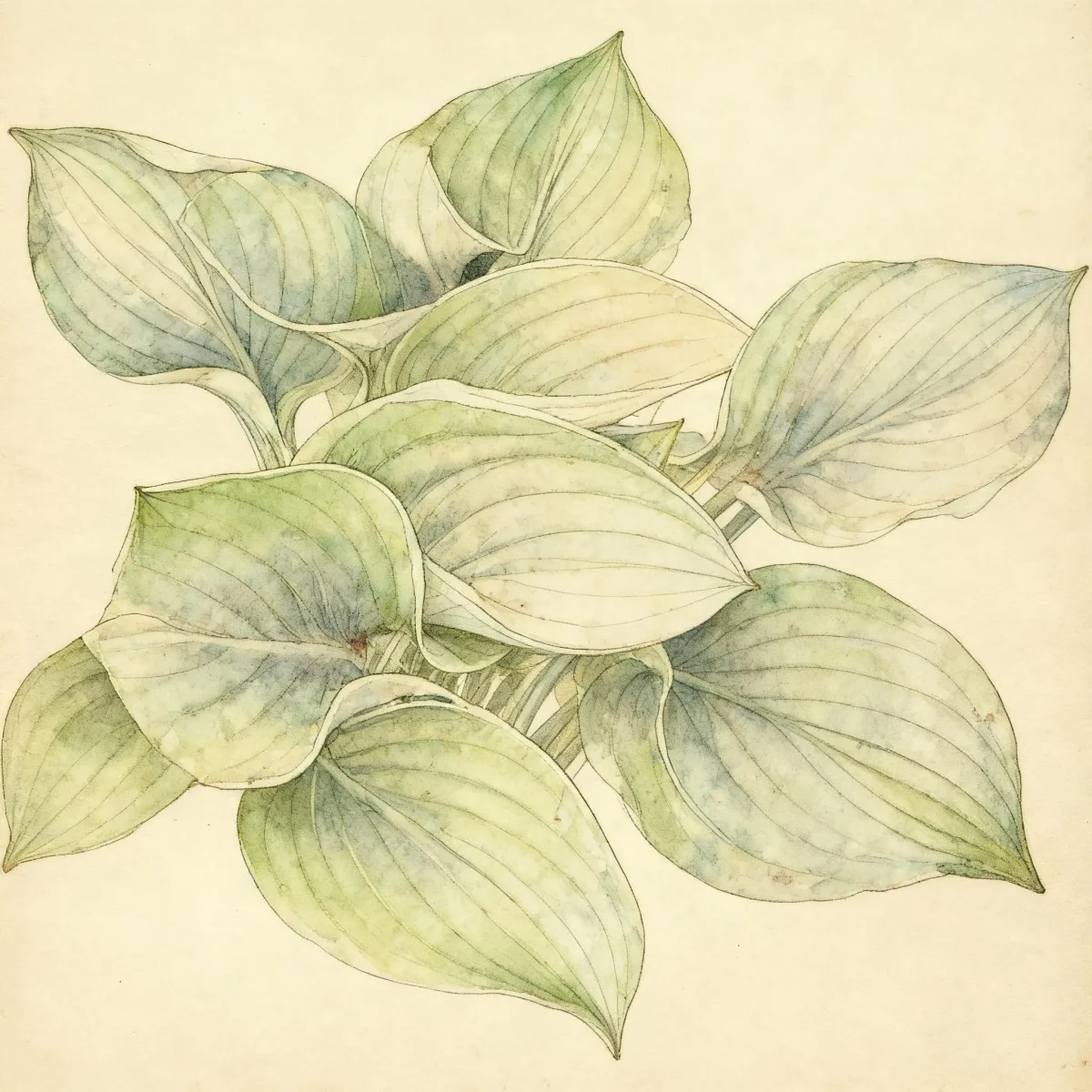
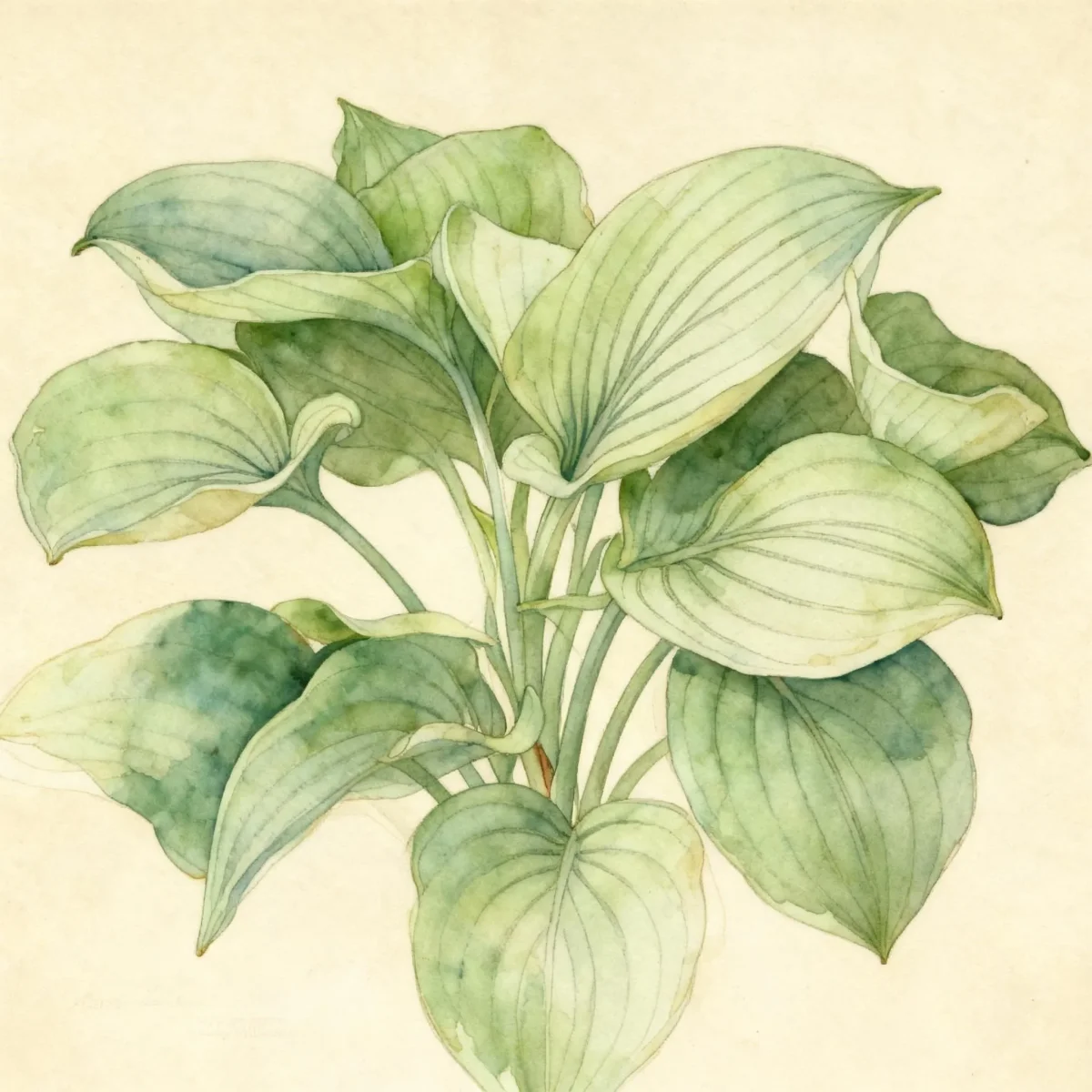
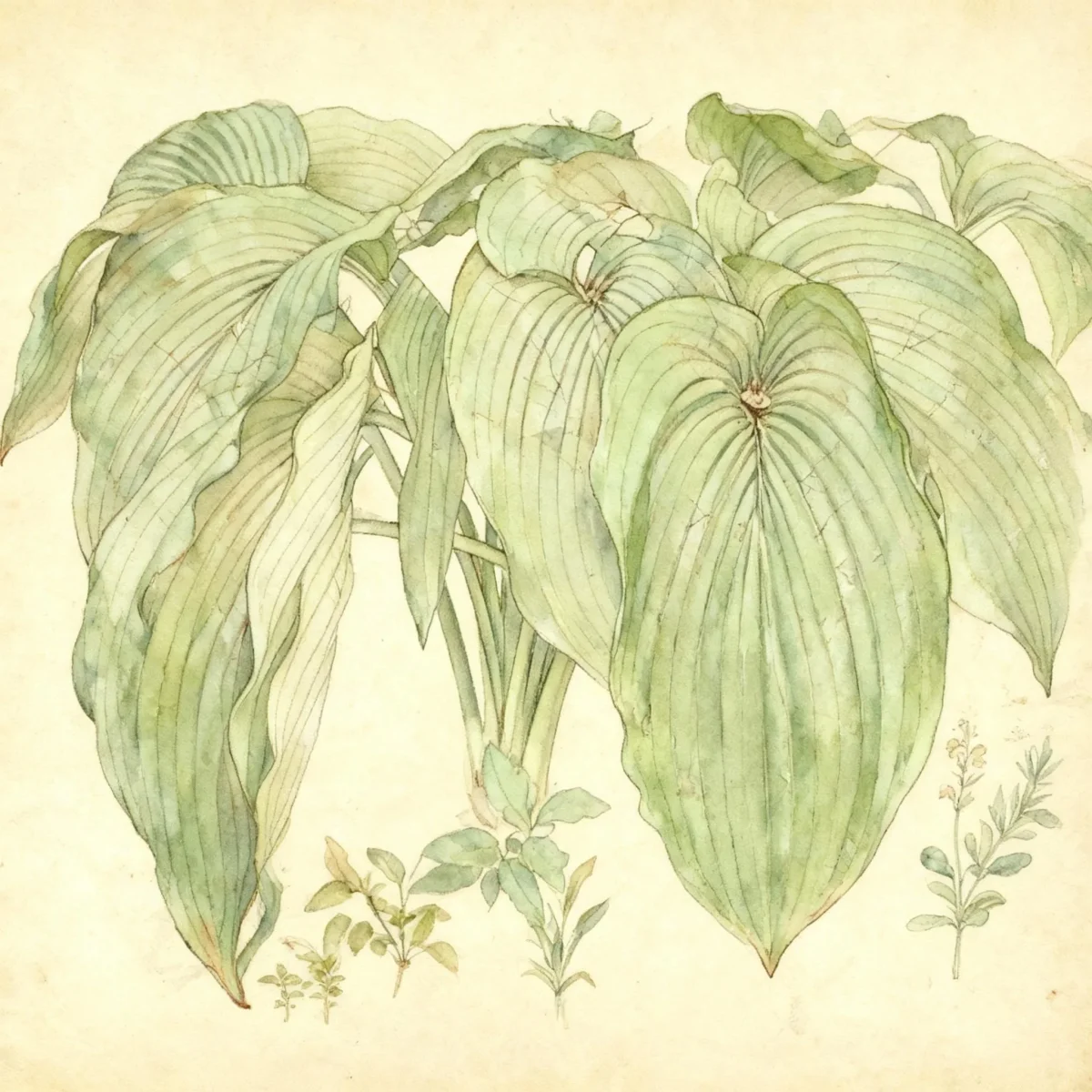
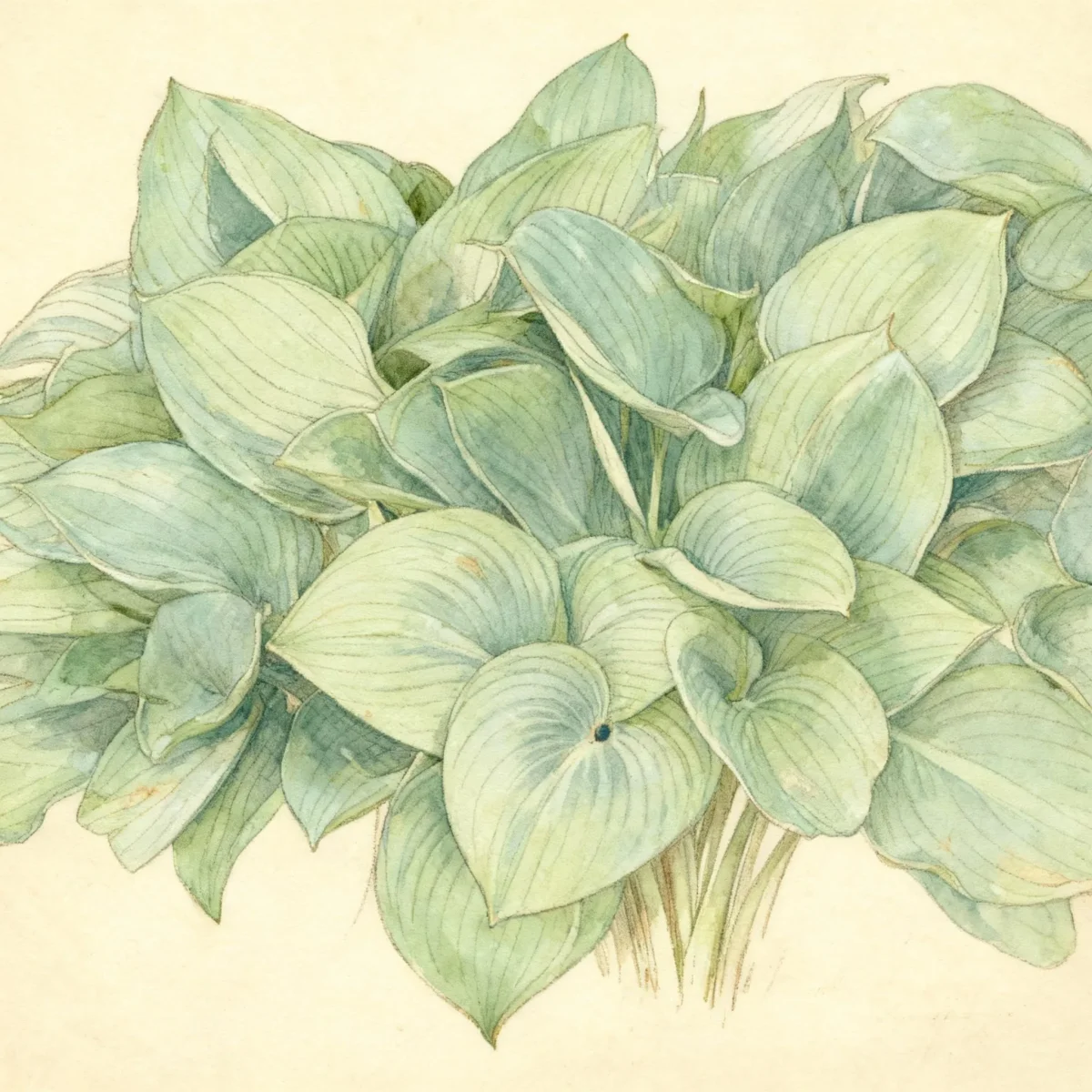
Hosta (Hosta 'Golden Scepter')
Hosta 'Golden Scepter' is a stunning golden-leaved perennial, perfect for shady borders and woodland gardens. Low maintenance, Zones 3-8.
Scroll down to discover growing tips, care requirements, companion plants, and more
Complete Plant Information
Overview
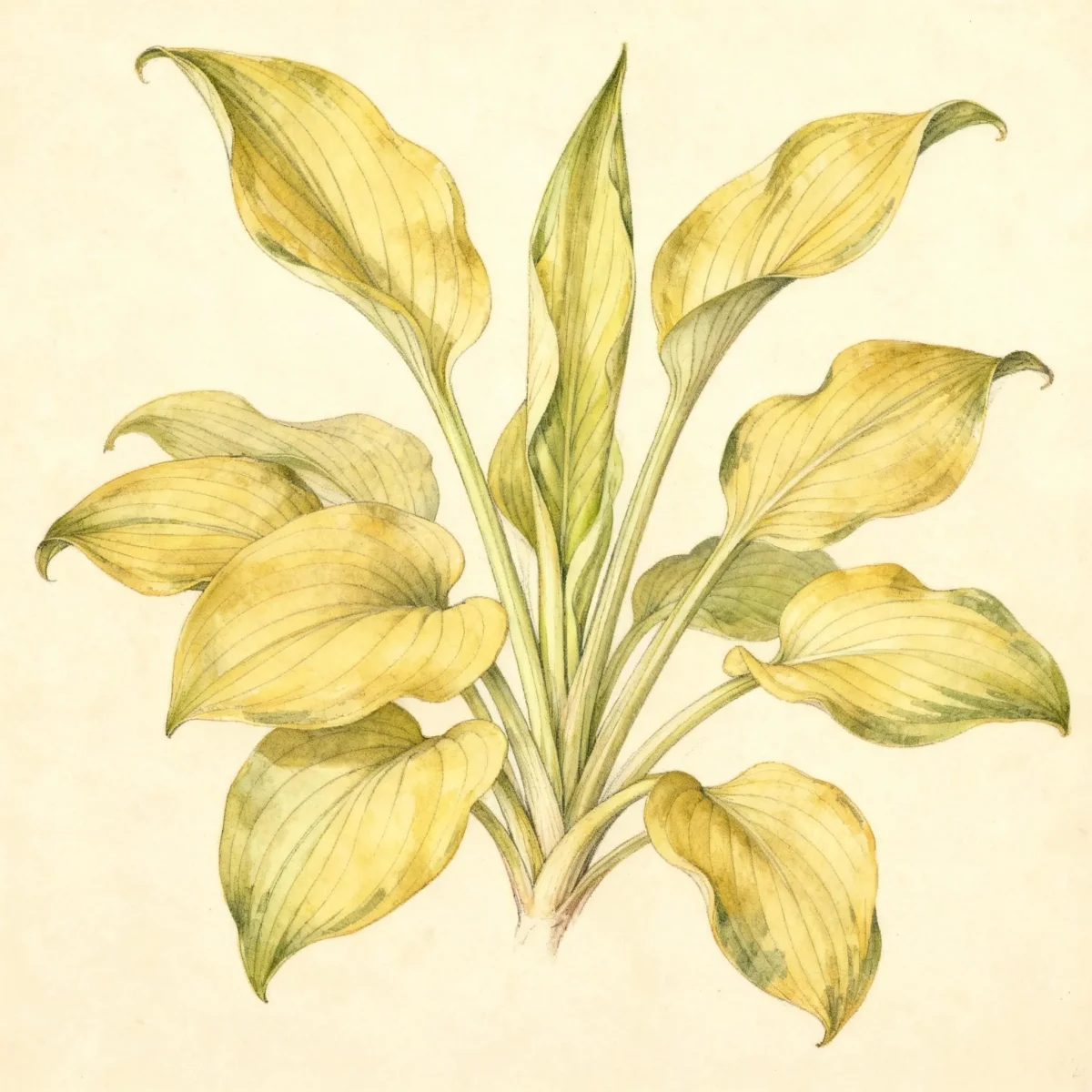
Hosta ‘Golden Scepter’ is highly valued by gardeners for its vibrant foliage that brightens the shadier corners of the landscape. This cultivar features leaves emerging chartreuse before maturing to a lovely golden yellow, providing consistent color contrast throughout the summer months. As a relatively small Hosta, it forms a dense, mounding clump, offering excellent texture and form beneath taller plantings or along woodland paths.
This herbaceous perennial thrives with minimal fuss, making it an excellent choice for low-maintenance gardening, especially in fully shaded areas where many other ornamentals struggle. The genus Hosta is renowned for reliability, and Hosta ‘Golden Scepter’ certainly upholds that reputation, delivering reliable performance and aesthetic appeal season after season.
Grown primarily for its ornamental foliage, this Hosta provides reliable structure and exceptional color. While it does produce attractive flowers, the main draw remains the brilliant golden mound that defines the plant’s presence in filtered light conditions.
Fast Facts
- Plant Family: Asparagaceae
- Plant Type: Herbaceous perennial
- Hardiness Zones: USDA Zones 3-8
- Size at Maturity:
- Height: 1-2 ft
- Spread: 1-1.5 ft
- Bloom Time: July to August
- Bloom Description: Yellow
- Sun Exposure: Part shade to full shade
- Water Needs: Medium
- Maintenance Level: Low
How to Grow
The ideal growing environment for Hosta ‘Golden Scepter’ requires evenly moist, organically rich, and well-drained soils. Plant in locations that receive part shade to full shade; morning sun or dappled sunlight conditions generally yield the best results for leaf quality. While established plants exhibit some tolerance for dry shade, particularly those with thicker leaves, consistency is key—never allow the soil to completely dry out for peak growth.
Watering should be done consistently, applying moisture directly to the soil beneath the leaves rather than wetting the foliage, which can sometimes encourage fungal issues in dense plantings. Hostas are generally low-maintenance. Fertilizing is rarely necessary if the soil is organically rich, but a balanced, slow-release fertilizer in early spring can boost growth if needed.
For renewal, divide Hosta clumps as needed in spring or autumn. Division is simplest in early spring before the emerging leaves (eyes) have fully unfurled. Ensure you site your Hosta ‘Golden Scepter’ in areas protected from strong winds, as the leaves can sustain damage.
Landscape Uses
Hostas are the foundational element of any successful shade garden. Hosta ‘Golden Scepter,’ with its upright, golden mound, functions wonderfully as an interesting garden specimen or when massed together to create drifts of bright color beneath mature trees. They work exceptionally well along shady borders or integrated into woodland settings where filtered light mimics their native habitat.
As a small to medium hosta, it pairs beautifully with fine-textured ferns or dark green foliage plants, creating compelling textural contrast. Use them as edging plants in shaded walkways or plant them densely to create a solid block of golden color that anchors shady borders. Their low maintenance nature ensures that these areas remain attractive with minimal intervention.
Standout Features
Flower Qualities
- Showy
Noteworthy Characteristics
Hosta is a genus of about 70 species of shade-loving, rhizomatous, clump-forming, herbaceous perennials which are native to open woodlands, woodland margins and glades in Japan, Korea, China and eastern Russia. ‘Golden Scepter’ is a small hosta with leaves that emerge chartreuse but mature to golden yellow, noted for its oval to cordate leaves growing in a mound to 12” tall and spreading to 18” wide. This Hosta produces bell-shaped, lavender to purple flowers in dense clusters blooming on upright scapes in mid-summer.
Tolerances
- Heavy Shade
- Black Walnut
Potential Problems
The primary aesthetic challenge for Hosta ‘Golden Scepter’ and all Hosta varieties comes from slugs and snails. These pests are strongly attracted to the foliage, chewing coarse, jagged holes which can severely damage the leaves quickly if left unchecked. Monitor vulnerable plants regularly, especially after rain, and employ targeted management strategies such as baits or barriers.
Foliar nematodes present another threat, causing interveinal browning on the leaves; infected plants should be removed immediately. While less common, leaf spots and crown rot can occur, usually related to overly wet soil conditions. Furthermore, be aware that deer and rabbits commonly find Hosta foliage highly palatable, so protection may be necessary in areas with active wildlife populations.
Frequently Asked Questions
What hardiness zones is Hosta ‘Golden Scepter’ suitable for?
This versatile Hosta is suitable for USDA Zones 3 through 8, providing reliable perennial performance across a wide range of climates.
How large does Hosta ‘Golden Scepter’ grow?
This smaller type of Hosta typically reaches a mature height between 1 and 2 feet, spreading to occupy an area about 1 to 1.5 feet wide.
What sun exposure does Hosta ‘Golden Scepter’ need?
Hosta ‘Golden Scepter’ prefers part shade to full shade conditions, where the light is filtered and protected from intense afternoon sun exposure.
When does Hosta ‘Golden Scepter’ bloom?
This Hosta is scheduled to bloom during the peak summer months, specifically from July through August, featuring yellow flowers on upright stems.
Conclusion
Hosta ‘Golden Scepter’ is an invaluable addition to any shaded space, providing exceptional golden foliage, reliability, and low maintenance upkeep for gardeners. Enjoying the vibrant texture of this Hosta ensures your shade gardens possess consistent color interest throughout the growing season. Before planting, confirm your local USDA Hardiness Zone falls between 3 and 8 to ensure the best success with this magnificent perennial Hosta.
Propagation Tips
Division is the most common and straightforward method for propagating Hosta ‘Golden Scepter’. Hostas grow from crowns, and dividing them revitalizes the mother plant and creates new specimens. The best time for division is typically early spring just as the new shoots begin to emerge, or alternatively in early autumn after the foliage has started to die back but before the ground freezes.
When dividing, ensure each new section has a healthy root structure and at least two or three “eyes” or growth points attached to the rhizome. It is crucial to replant the division immediately into prepared, moist soil and water thoroughly to help them establish quickly in their new locations.
Companion Planting
Because Hosta ‘Golden Scepter’ thrives in moist, shaded environments, successful companion planting involves selecting other shade-loving perennials that share similar cultural needs. Consider pairing the golden foliage of this Hosta with plants that offer textural contrast, such as fine-leaved ferns like Japanese Painted Ferns (Athyrium niponicum) or woodland natives like Astilbe, which provide feathery plumes of flowers.
Darkly colored foliage plants, such as the black mondo grass (Ophiopogon planiscapus ‘Nigrescens’) or deep purple Heuchera varieties, play off the chartreuse-to-gold tones of the Hosta beautifully, enhancing their brightness through complementary color theory. These groupings mimic the layered look of a natural woodland floor, providing continuous visual interest throughout the summer.