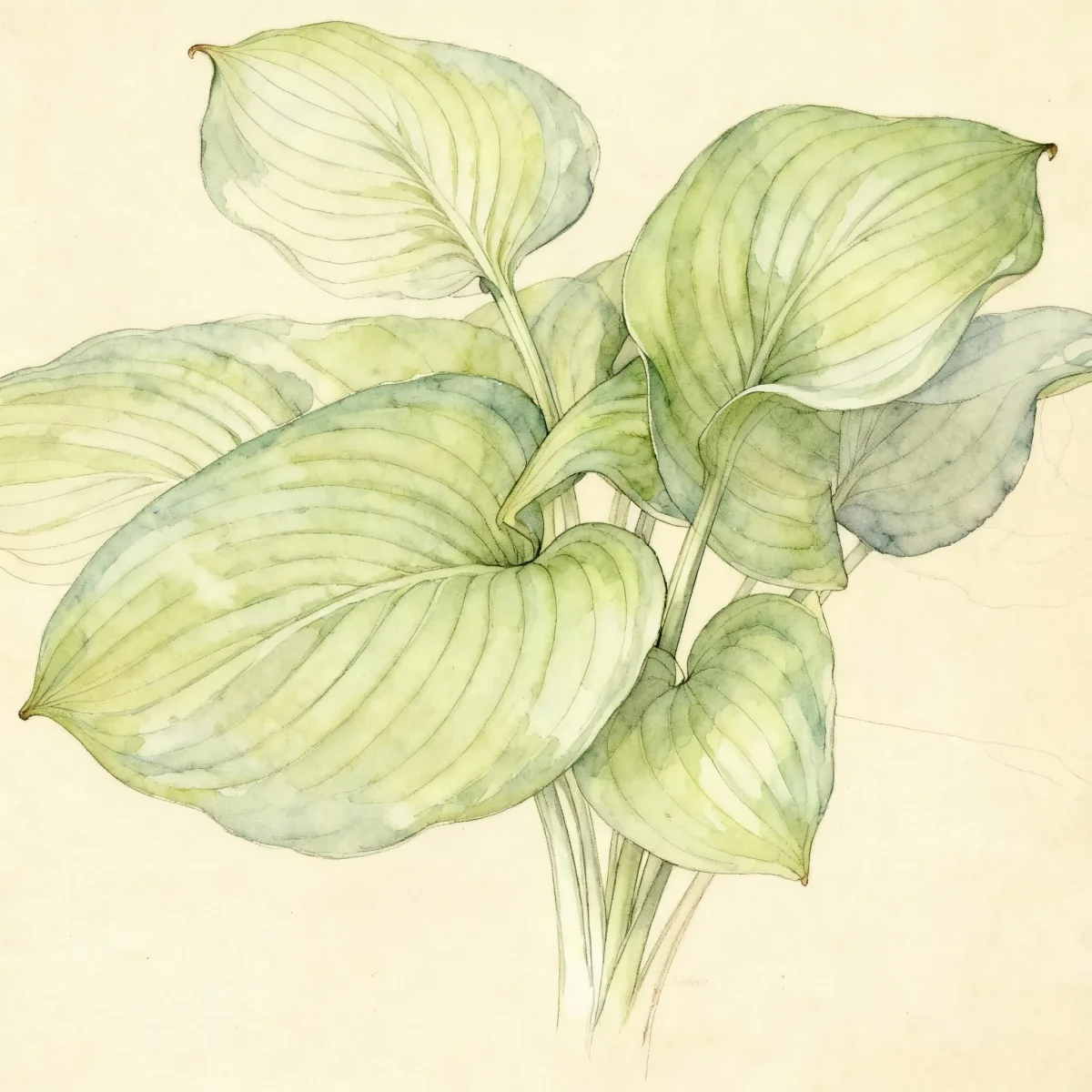
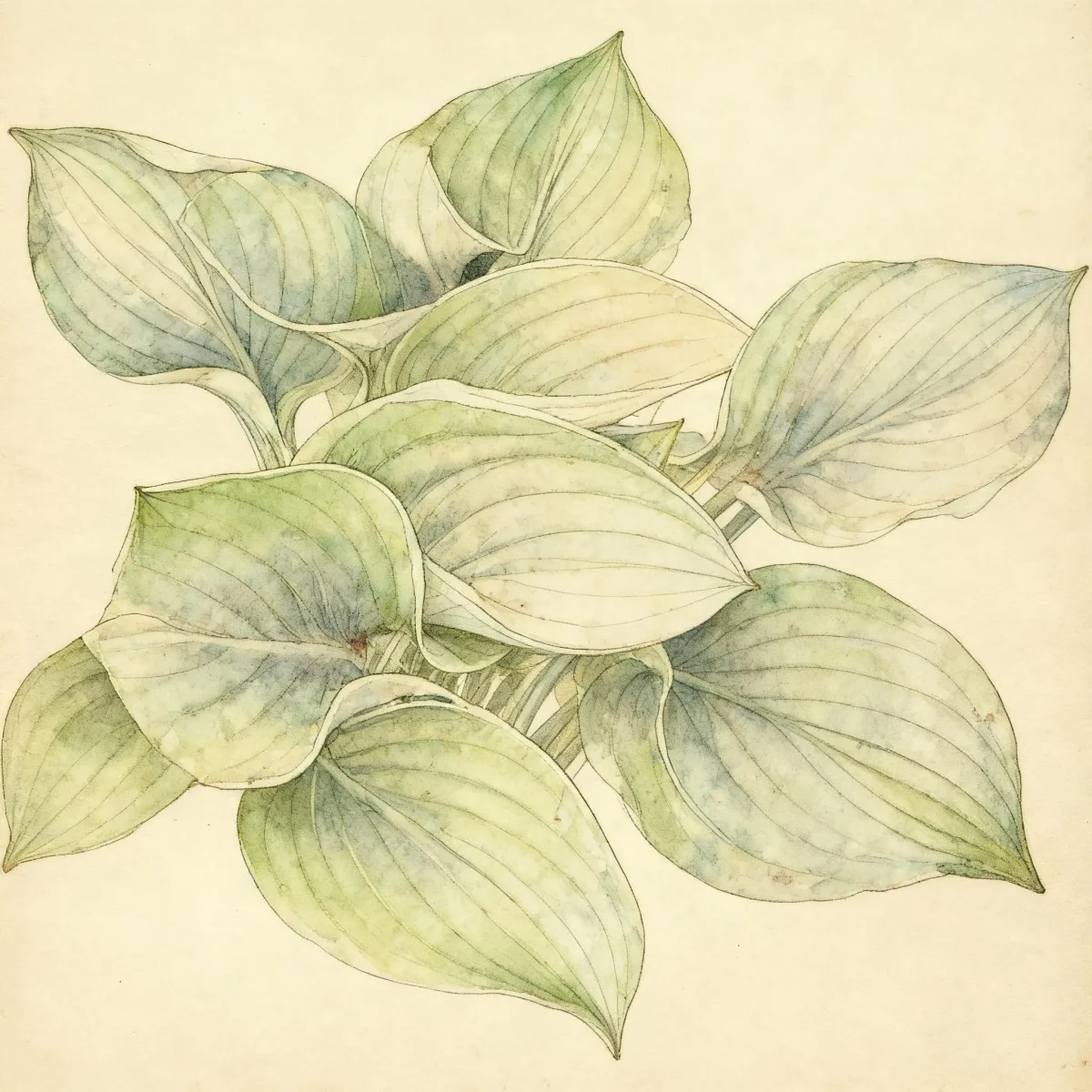
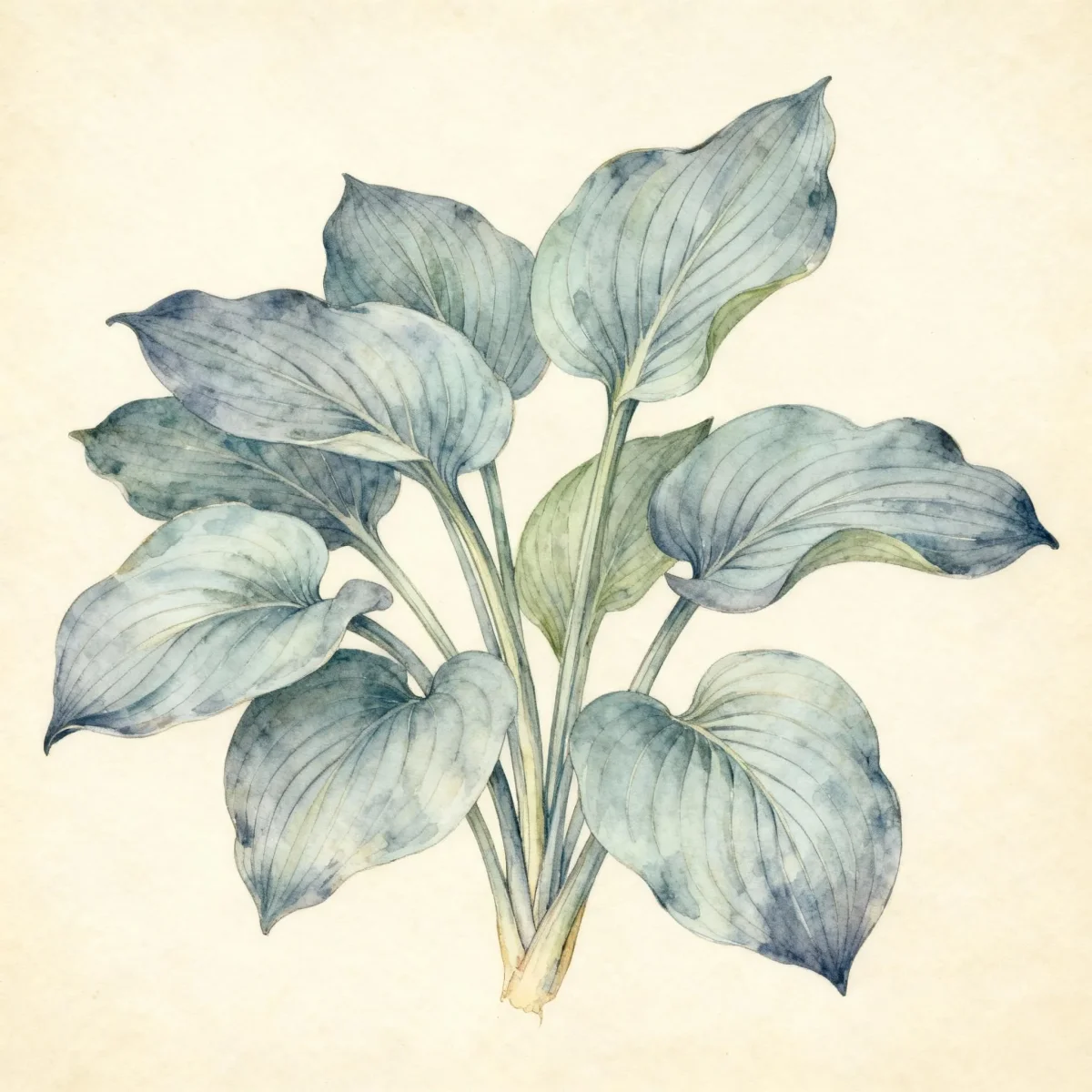
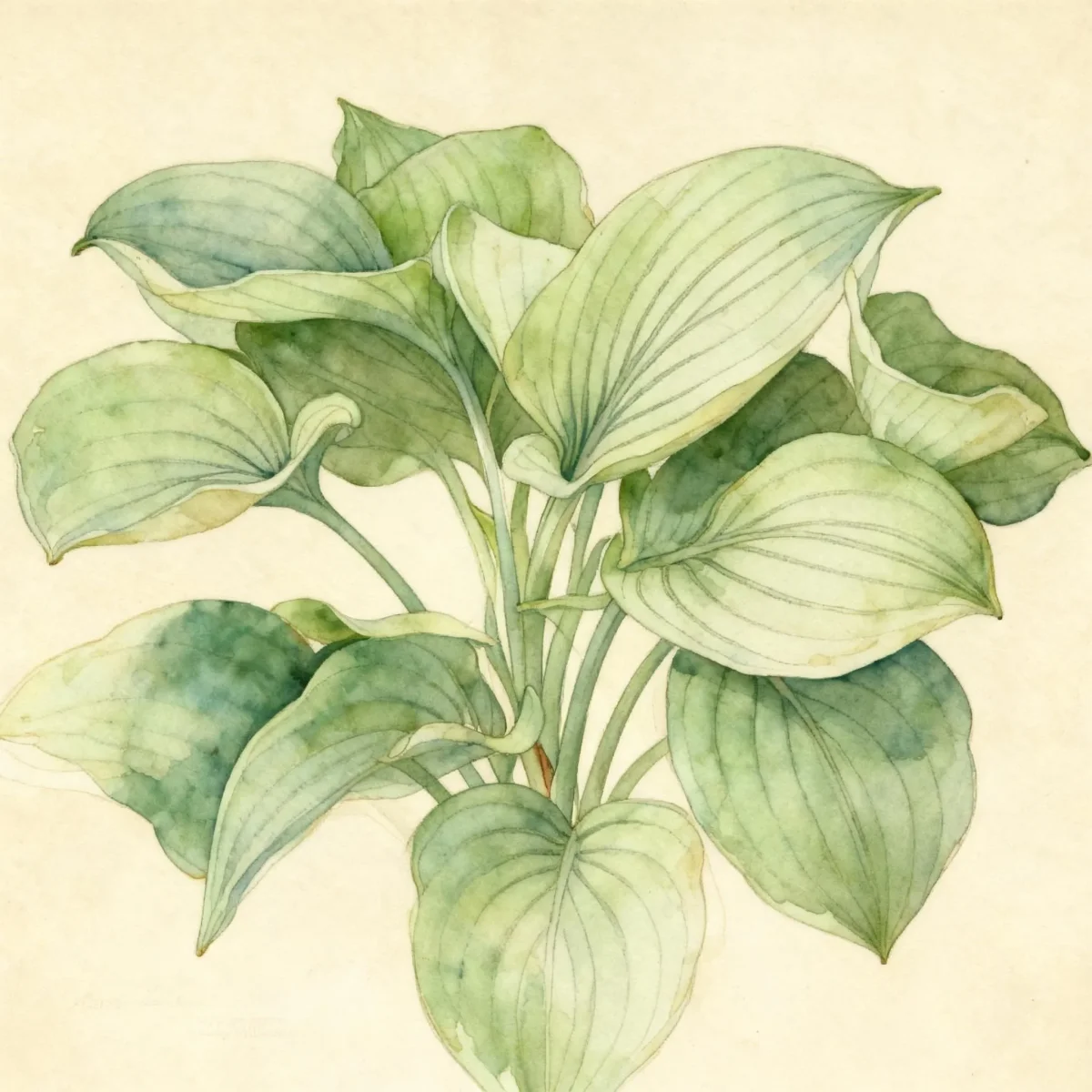
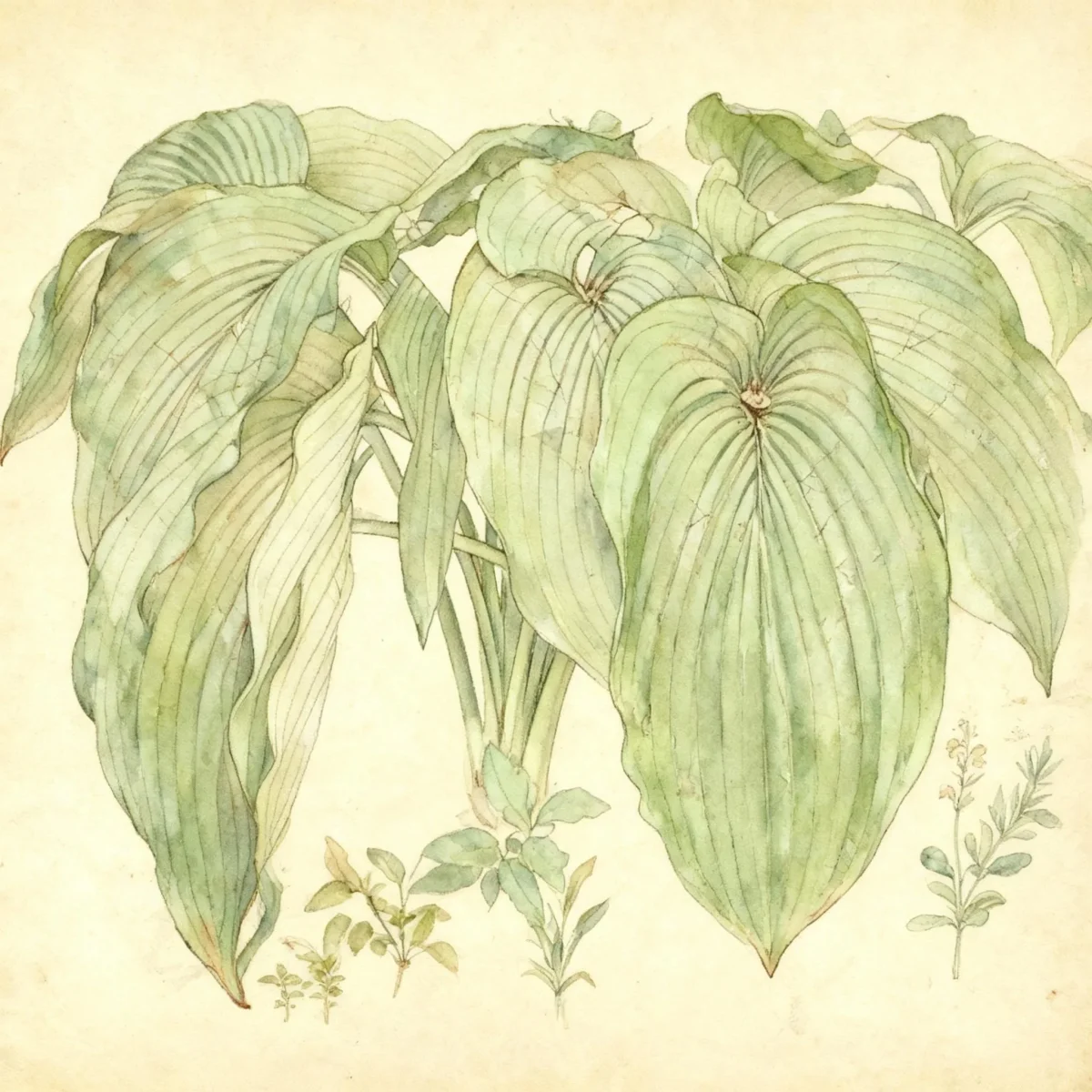
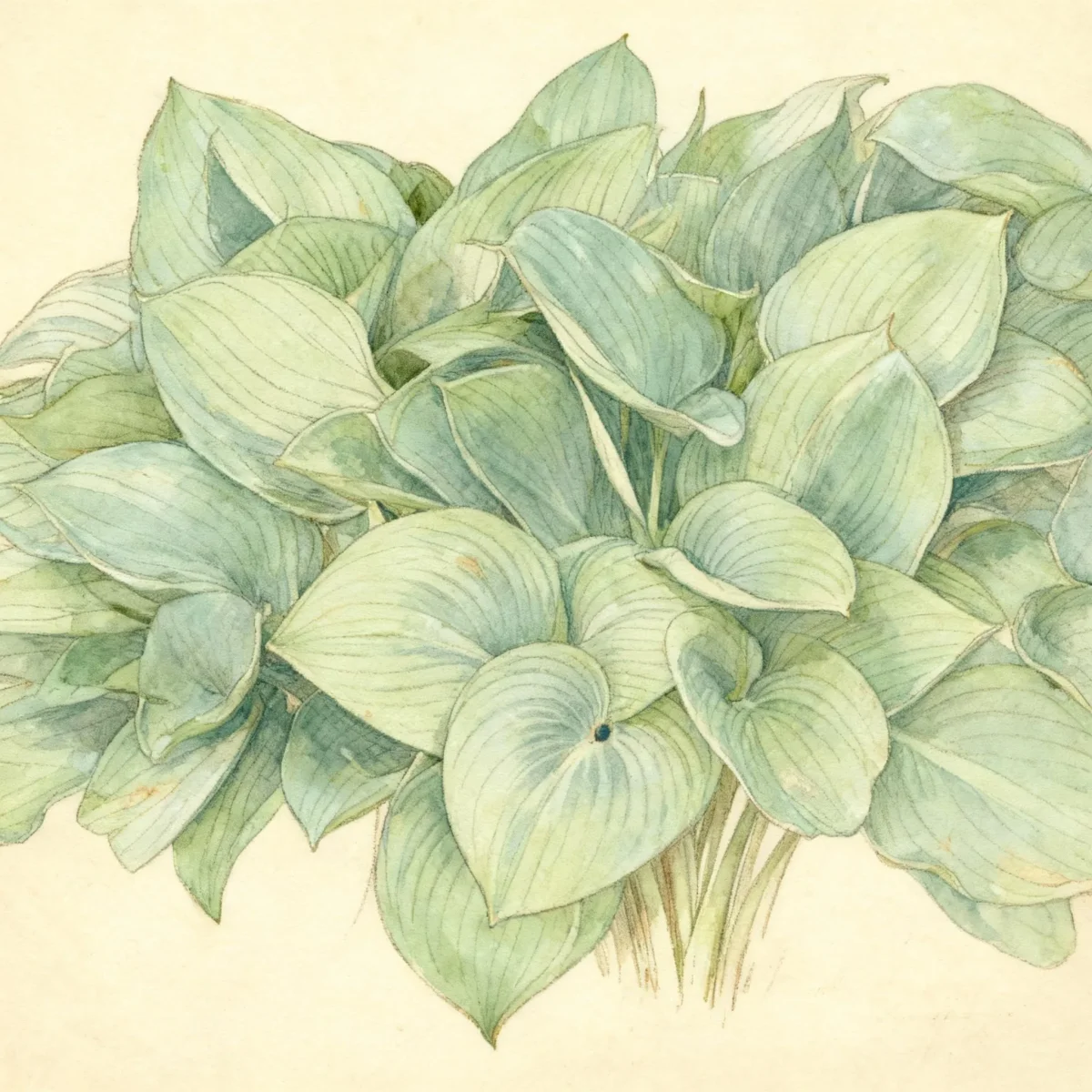
Hosta (Hosta 'Golden Tiara')
Hosta 'Golden Tiara' is a low-maintenance perennial cherished for its ornamental, gold-margined foliage and lavender-purple summer blooms.
Scroll down to discover growing tips, care requirements, companion plants, and more
Complete Plant Information
Overview
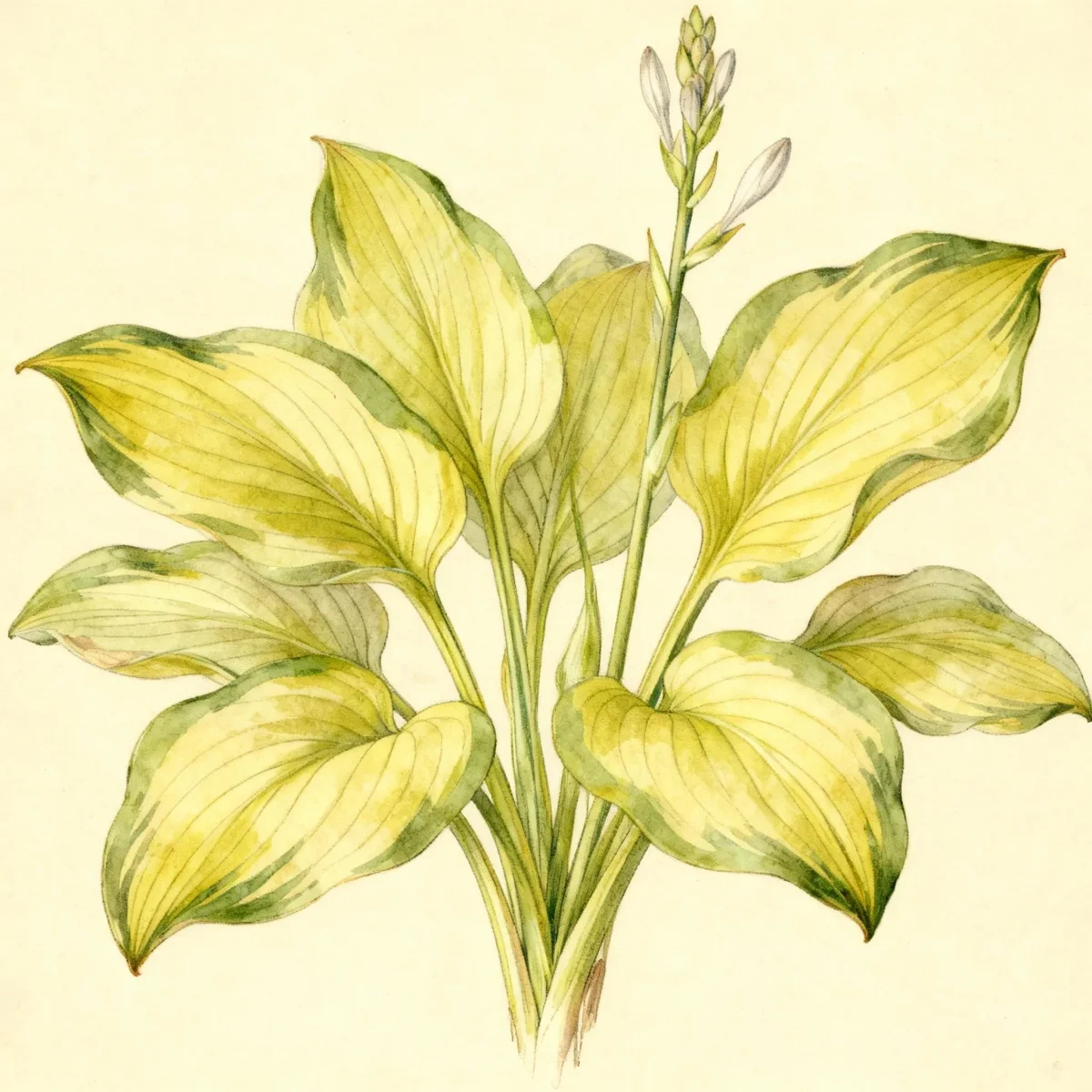
Hosta ‘Golden Tiara’ stands out as a premier shade perennial, primarily celebrated for its highly ornamental foliage rather than its flowers. This variety forms an attractive, spreading mound featuring medium green leaves prominently edged with irregular, bright golden-yellow margins, providing essential contrast in dark garden areas. As a reliable, low-maintenance Hosta, it offers year-round structure and vibrancy to woodland or shaded borders.
This cultivar is adaptable, thriving best with consistent moisture but showing good tolerance for dry shade once established, making it a surprisingly versatile feature plant. Gardeners prize the Hosta genus, and specifically Hosta ‘Golden Tiara’, for its vigorous clump-forming habit that quickly fills in space. It embodies the reliability and visual impact that makes hostas mainstays in shady landscape designs across USDA Zones 3 through 8.
Fast Facts
- Plant Family: Asparagaceae
- Plant Type: Herbaceous perennial
- Hardiness Zones: USDA Zones 3-8
- Size at Maturity:
- Height: 1-2 ft
- Spread: 1-3 ft
- Bloom Time: June to July
- Bloom Description: Lavender to purple
- Sun Exposure: Part shade to full shade
- Water Needs: Medium
- Maintenance Level: Low
How to Grow
Planting Hosta ‘Golden Tiara’ should occur when soils are workable, typically in spring or autumn. Select a location that receives part shade, though some morning sun or dapple shade is acceptable, ensuring the soil is organically rich and exceptionally well-drained. Proper soil moisture is key; while established plants tolerate drier conditions, consistent moisture leads to the best maturity and foliage quality.
Maintain medium moisture levels throughout the growing season, applying water directly to the soil beneath the leaves to keep the foliage dry and reduce disease risk. Fertilizing is rarely necessary if the soil is rich, but hostas generally benefit from organic matter amendments. Divide clumps as needed, usually easiest in the early spring before the new leaves fully emerge, or in the autumn.
When siting your Hosta, remember to plant in locations protected from strong winds, which can physically damage the leaves. Because the maintenance level for Hosta ‘Golden Tiara’ is listed as low, most seasonal work involves slug patrol and clearing away old foliage in very early spring before new growth begins.
Landscape Uses
Hostas are essential components for any serious shade garden, focusing on textural and color contrast provided by their leaves. Hosta ‘Golden Tiara’ is highly effective when massed together to create a sea of colorful groundcover or utilized as a bold edging plant along shady paths. Its spreading mound habit also makes it an excellent background plant in layered shade borders, situated behind lower-growing annuals or groundcovers.
Due to their preference for moist, rich soils, hostas pair beautifully with other woodland-edge plants such as bleeding hearts (Dicentra), ferns, Astilbe, and Japanese forest grass (Hakonechloa macra). The bright chartreuse-gold margins of Hosta ‘Golden Tiara’ perform exceptionally well in areas that receive only filtered light, effectively brightening corners that standard green foliage struggles to illuminate.
Standout Features
Flower Qualities
- Showy
Noteworthy Characteristics
Hosta is a genus primarily grown for its ornamental foliage, featuring dense basal leaves rising in a rounded clump from a central crown. The cultivar ‘Golden Tiara’ is a small to medium hosta, displaying wide-oval leaves with distinct golden-yellow margins that contrast sharply with the medium green center. It produces funnel-shaped, lavender to purple flowers atop scapes that rise above the foliage mound in late summer.
Tolerances
- Heavy Shade
- Dry Soil
- Black Walnut
Potential Problems
The primary challenge for any Hosta garden, including those featuring Hosta ‘Golden Tiara’, is managing slugs and snails. These pests are highly attracted to the foliage and create jagged holes rapidly; proactive management utilizing baits or barriers is essential. Foliar nematodes can also cause interveinal browning, while root rot or leaf spots are less common but signal poor drainage. Furthermore, deer and rabbits often find the leaves a tempting meal, so protect new growth with appropriate fencing or repellent measures, especially in wildlife-heavy areas.
Frequently Asked Questions
What hardiness zones is Hosta suitable for?
This cultivar performs reliably in USDA Hardiness Zones 3 through 8.
How large does Hosta ‘Golden Tiara’ grow?
This plant typically reaches a height between 1 and 2 feet, spreading outward to a width of 1 to 3 feet at maturity.
What sun exposure does Hosta need?
Hosta ‘Golden Tiara’ prefers part shade to full shade conditions, needing protection from intense afternoon sun for best leaf quality.
When does Hosta ‘Golden Tiara’ bloom?
Bloom time is generally from June to July, featuring attractive lavender to purple flowers.
Conclusion
Hosta ‘Golden Tiara’ remains a gold standard in shade gardening, delivering consistent ornamental value through its striking, gold-edged foliage and remarkably low maintenance requirements. Its adaptability to various shade levels, coupled with its tolerance for dry soil, makes this Hosta an invaluable asset for brightening dim garden spots. Always check your local USDA zone before planting and ensure consistent moisture during the establishment phase to fully realize the brilliance of Hosta ‘Golden Tiara’.
Companion Planting in Shade Gardens
Since Hosta ‘Golden Tiara’ requires medium moisture and shade, pairing it with other moisture-loving, shade-tolerant perennials creates a cohesive, lush design. Consider grouping it with plants that offer fine texture, such as various hardy ferns (Dryopteris or Athyrium), which contrast beautifully with the broad leaves of the Hosta. Plants like Coral Bells (Heuchera), particularly those with dark foliage, offer vibrant color contrast against the yellow margins of this specific Hosta cultivar.
For vertical accents, taller shade bloomers such as Foxglove (Digitalis) or Toad Lily (Tricyrtis) can draw the eye upward, while using groundcovers like creeping Jenny (Lysimachia nummularia ‘Aurea’) around the base of the Hosta can help retain soil moisture and suppress early spring weeds. Successful companion planting emphasizes textural and color diversity while respecting the shared cultural needs of shade and consistent moisture.
Design Ideas for Foliage Focus
The primary appeal of Hosta ‘Golden Tiara’ is its year-round foliage interest, making it perfect for designs centered on texture and leaf color. Use this variety along the edge of a woodland path where its bright margins catch filtered light, leading visitors deeper into the shaded space. Plant in odd-numbered groupings of three, five, or seven to create a natural drift effect, rather than rigid, formal rows.
For high contrast, place Hosta ‘Golden Tiara’ near deep purple or dark green foliage plants; the juxtaposition makes the gold edges appear even brighter. Conversely, when planted near variegated white-and-green hostas, it creates a progression of yellow tones. Even in winter, when the foliage dies back, the established clump form provides structure that can be mulched heavily until spring awakening.