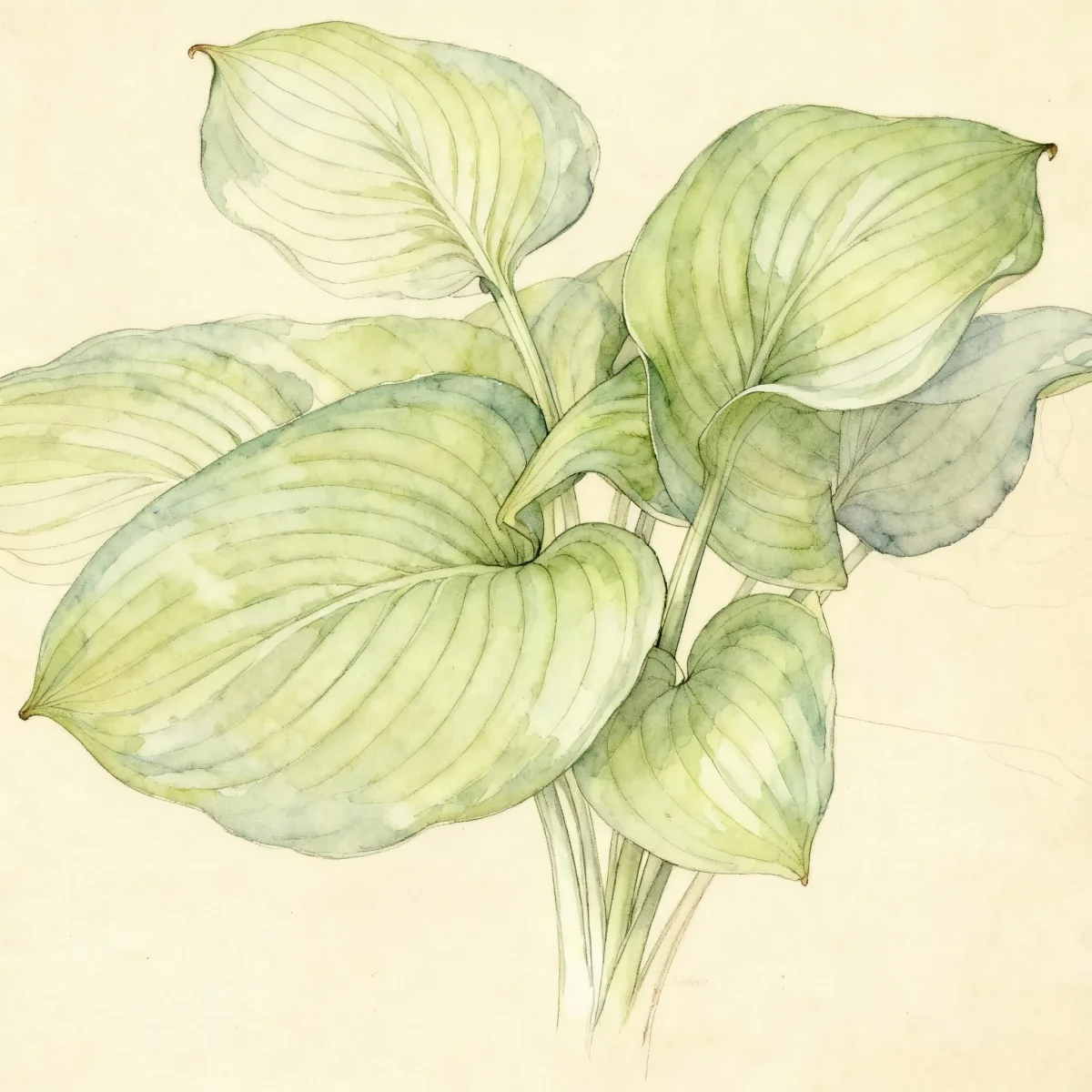
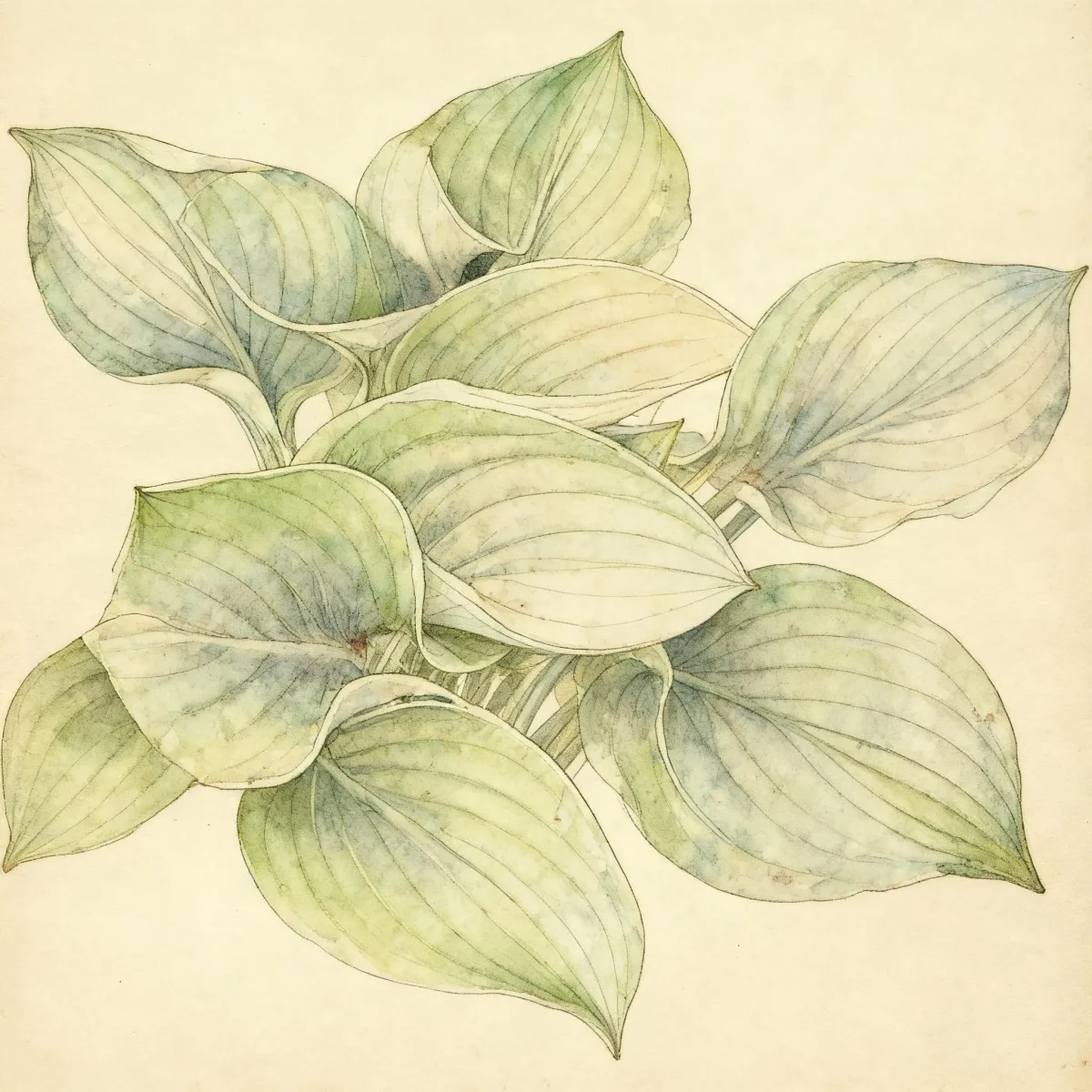
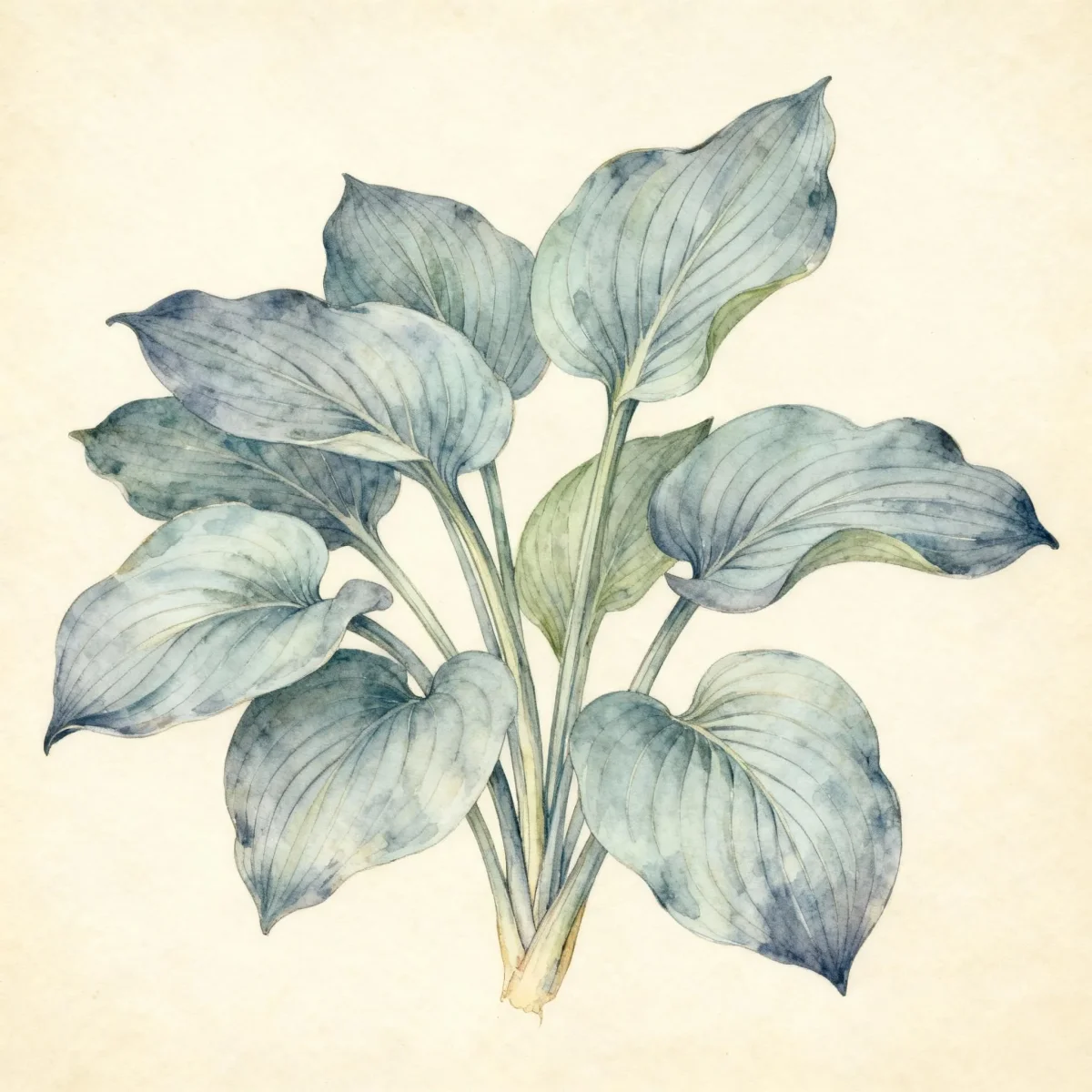
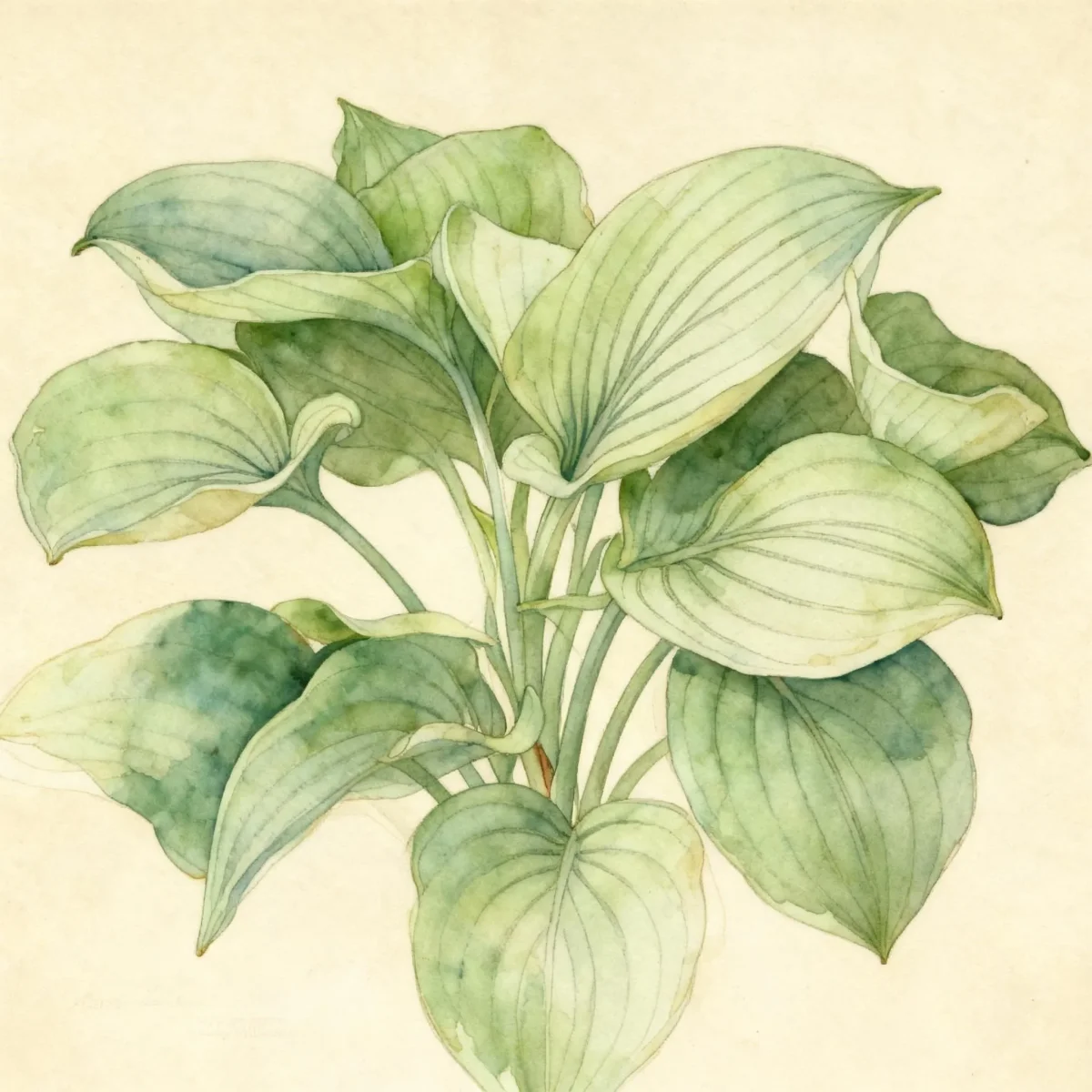
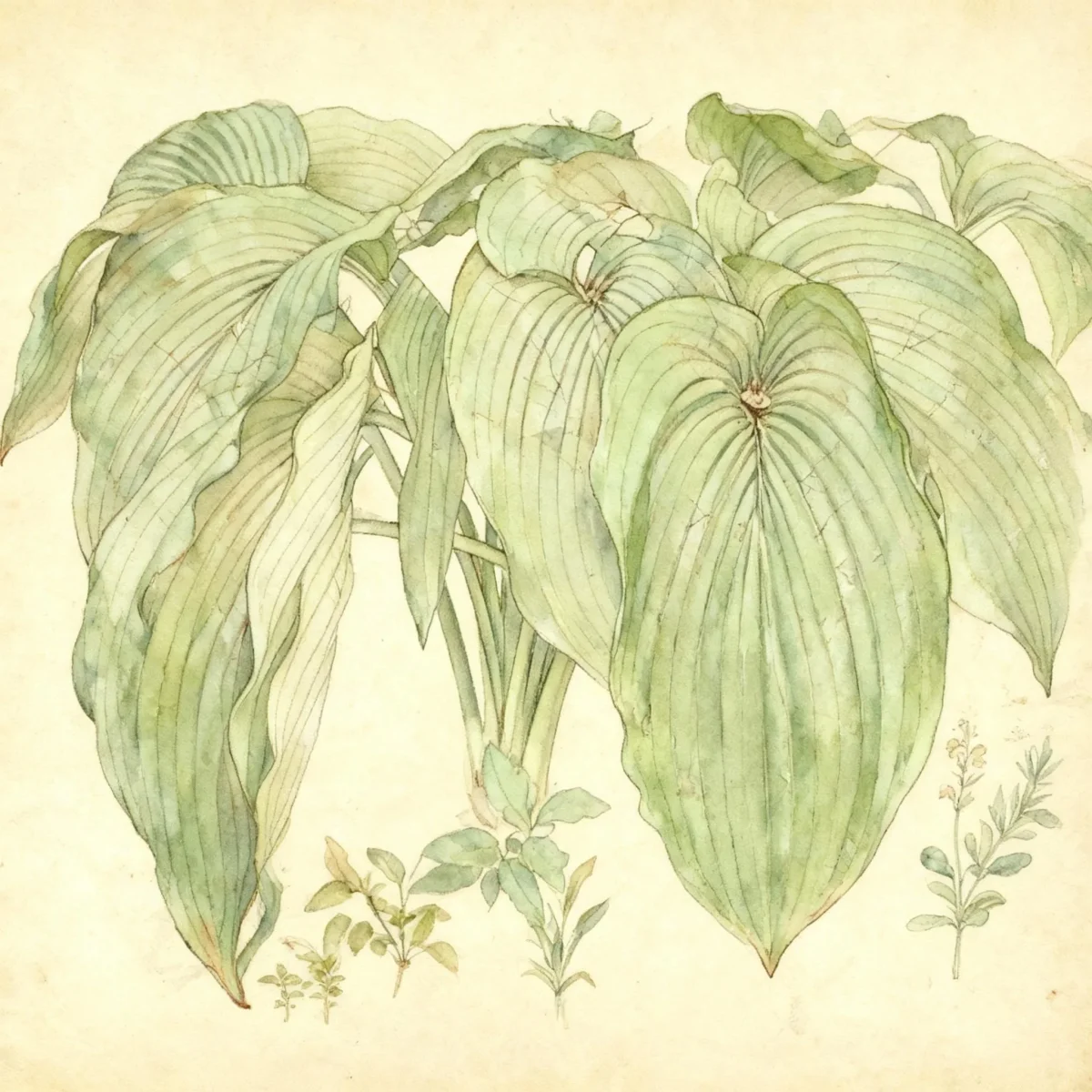
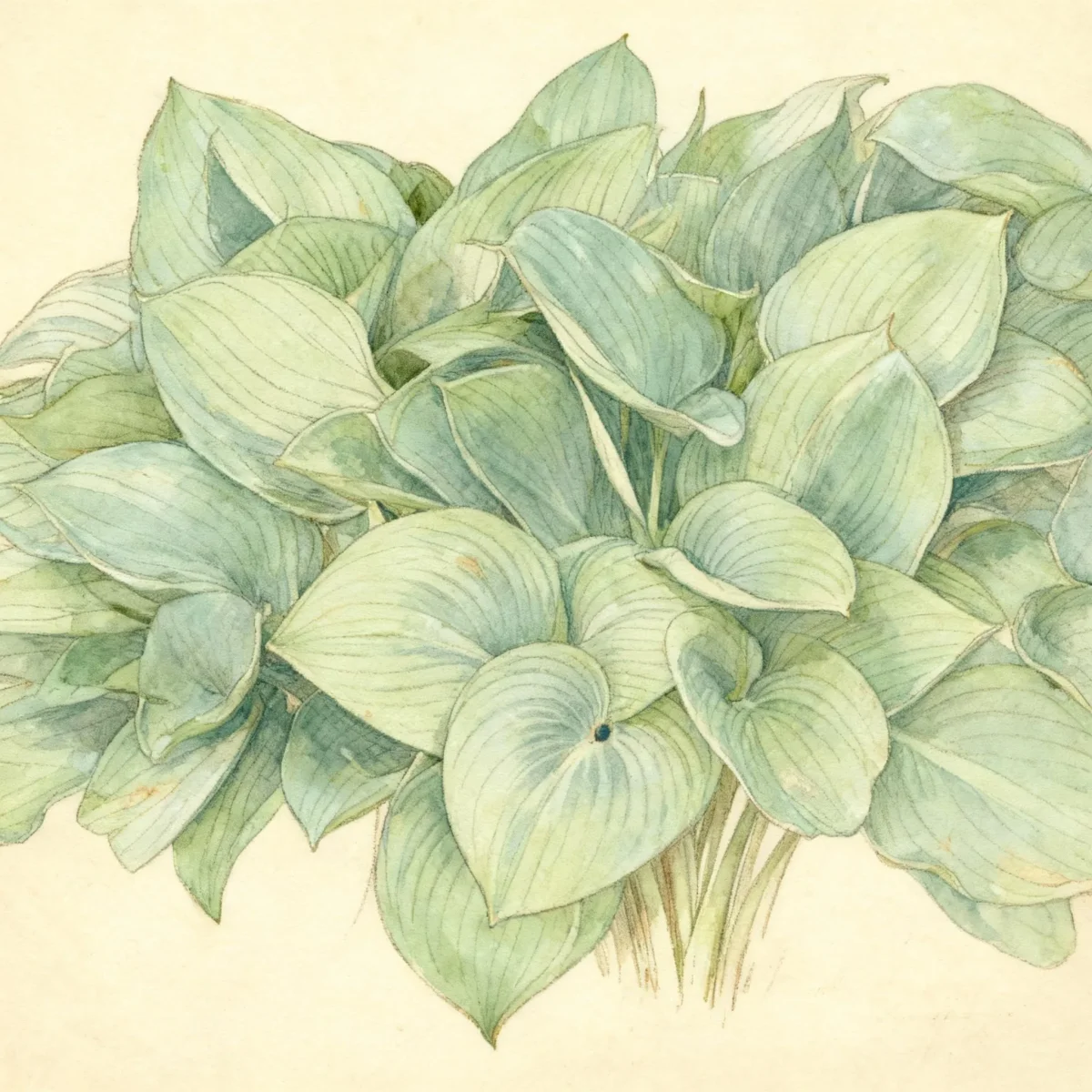
Hosta (Hosta 'Great Expectations')
Hosta 'Great Expectations' is prized for its large, puckered, variegated foliage in blues and creamy white. A stunning, low-maintenance perennial for shady gardens.
Scroll down to discover growing tips, care requirements, companion plants, and more
Complete Plant Information
Overview
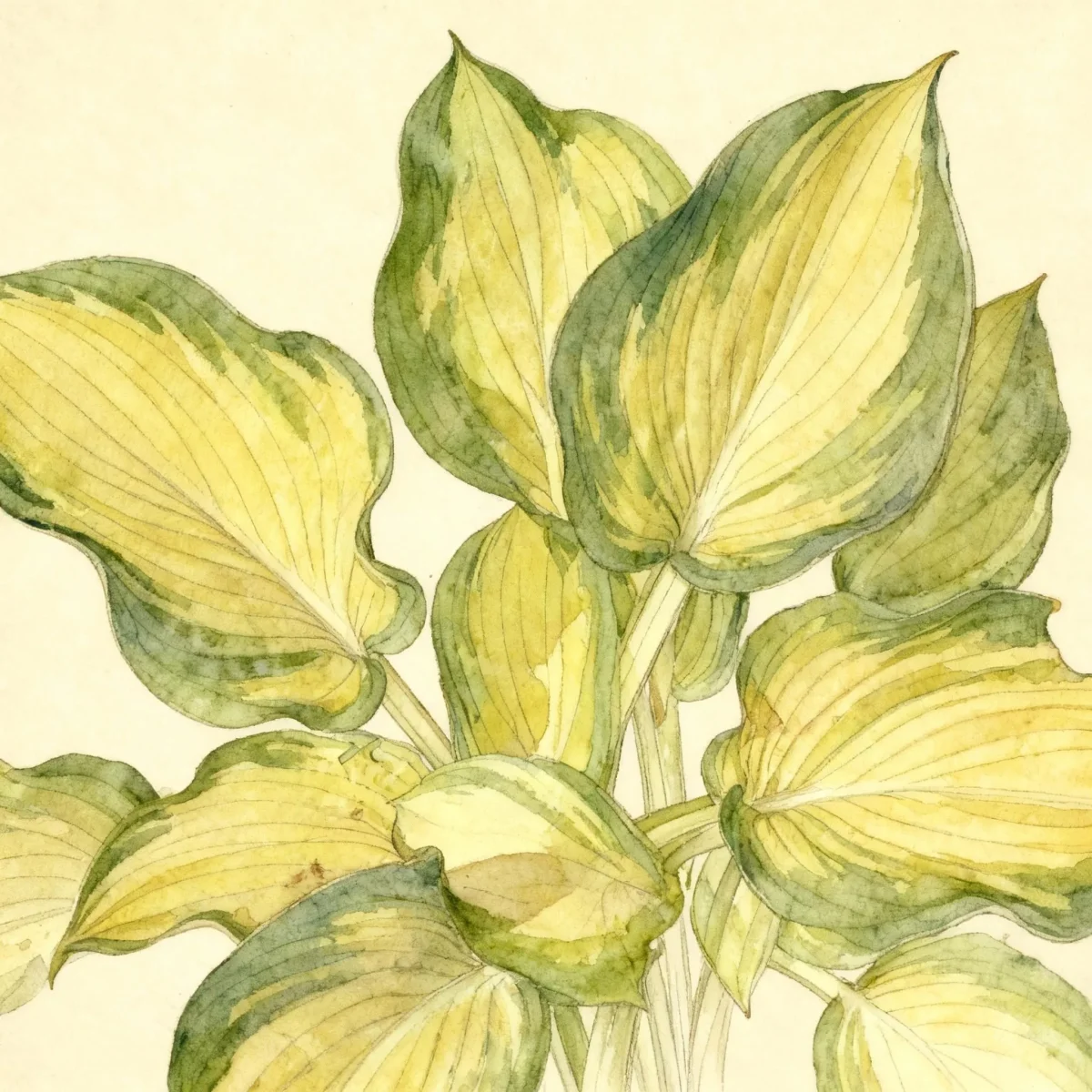
Hosta ‘Great Expectations’ is highly sought after by shade gardeners primarily for its dramatic, ornamental foliage. This cultivar boasts large, oval, puckered leaves featuring striking creamy white centers dramatically bordered by wide, irregular blue-green margins. As a slow-growing Hosta, it develops into a substantial, attractive mound, offering consistent color and texture throughout the growing season.
This herbaceous perennial is valued for its relatively low maintenance requirements once established, thriving in protected environments away from harsh afternoon sun. Hosta ‘Great Expectations’ provides essential structure and brightness in dim garden areas where few other plants perform reliably. Its dependable nature makes it a cornerstone plant for creating lush, cool woodland settings.
The plant occasionally sends up scapes bearing lovely near-white, bell-shaped flowers in mid-summer. However, the true star remains the magnificent foliage of this Hosta, making it invaluable for contrast, texture, and year-round interest in the landscape design.
Fast Facts
- Plant Family: Asparagaceae
- Plant Type: Herbaceous perennial
- Hardiness Zones: USDA Zones 3-8
- Size at Maturity:
- Height: 1.5-3 ft
- Spread: 2-3 ft
- Bloom Time: June to July
- Bloom Description: Near white
- Sun Exposure: Part shade to full shade
- Water Needs: Medium
- Maintenance Level: Low
How to Grow
Hosta ‘Great Expectations’ should be planted in spring or autumn when the soil is workable. Locate your Hosta in a spot receiving consistently moist, organically rich, well-drained soil. While it tolerates full shade, achieving its best color and full size requires providing some morning sun or dappled light conditions; intense heat or prolonged direct sun will scorch the delicate leaves of this highly variegated Hosta.
Maintain consistent moisture levels, especially during establishment, as soils should never be allowed to dry out completely. Water is best applied directly to the root zone beneath the foliage to prevent fungal issues. Established Hosta plants exhibit some drought tolerance, especially those with thicker leaves, but consistent moisture maximizes the appearance of Hosta ‘Great Expectations’.
Maintenance is generally low. Divide clumps as necessary in the spring before the leaves unfurl, which is the easiest time to manage this task. Ensure planting locations offer protection from strong winds, which can damage the large, showy leaves of this cultivar.
Landscape Uses
Hostas are the undisputed mainstay of shade gardens, primarily grown for the reliable ornamental excellence of their foliage rather than just their flowers. Hosta ‘Great Expectations’ excels when massed together or planted in groups, creating an impressive tapestry of variegated texture. Its size allows it to function perfectly as a significant mid-layer border plant or as a foundational element within a woodland garden design.
Consider pairing this Hosta with fine-textured, dark green ferns, or plants that tolerate shady, moist conditions like Astilbe or Tiarella. The bright center of the Hosta ‘Great Expectations’ foliage effectively brightens up dark corners of the garden, providing high contrast against deep, solid green companions. Use it strategically near pathways or house foundations where its impressive structure can be easily admired.
Standout Features
Flower Qualities
- Showy
Noteworthy Characteristics
Hosta is a genus of about 70 species of shade-loving, rhizomatous, clump-forming, herbaceous perennials which are native to open woodlands, woodland margins and glades in Japan, Korea, China and eastern Russia. Hostas are primarily grown for their ornamental foliage. Stalked, conspicuously-veined, often dense, basal leaves in a variety of shapes, sizes, colors and textures rise up from a central rhizomatous crown to form a rounded to spreading mound of foliage. ‘Great Expectations’ is a hosta cultivar that features a 22-24” tall mound of large, variegated, oval, puckered, basal leaves with creamy white centers and wide, irregular, blue-green margins.
Tolerances
- Heavy Shade
- Black Walnut
Potential Problems
Slugs and snails are a significant threat to Hosta foliage, attracted to the leaves and capable of chewing unsightly jagged holes quickly. Immediate vigilance is essential; apply appropriate barrier methods or baits promptly if signs of chewing appear. Foliar nematodes can cause interveinal browning, requiring careful monitoring during warm, wet periods.
Less frequent issues include leaf spots and crown rot, often managed by ensuring excellent drainage and avoiding overhead watering. If plants show signs of viral infection (like Hosta Virus X), remove and destroy them immediately to prevent pathogen spread to other valuable Hosta specimens. Rabbits and deer are also known to consume Hosta leaves enthusiastically.
Frequently Asked Questions
What hardiness zones is Hosta ‘Great Expectations’ suitable for?
Hosta ‘Great Expectations’ is suitable for gardeners in USDA Hardiness Zones 3 through 8.
How large does Hosta ‘Great Expectations’ grow?
This Hosta typically reaches a mature height between 1.5 and 3 feet and spreads to a width of 2 to 3 feet.
What sun exposure does Hosta need?
This Hosta performs best when grown in part shade to full shade, avoiding intense afternoon sun exposure.
When does Hosta bloom?
Hosta ‘Great Expectations’ typically blooms from June to July, producing near white flowers atop tall scapes.
Conclusion
Hosta ‘Great Expectations’ remains a premier choice for adding dramatic, variegated foliage and reliable form to shaded garden spaces. Its large, puckered leaves provide unparalleled texture and light reflection beneath dense tree canopies. Evaluate your garden’s moisture and light conditions to ensure this beautiful Hosta thrives in its new location this planting season.
Companion Planting
Selecting appropriate neighbors is key when growing shade-loving specimens like Hosta ‘Great Watkins’. Good companions should share the requirement for moist, rich soil and tolerance for part shade conditions. Consider using plants that contrast in texture with the Hosta’s bolder leaves.
Ferns are natural partners, particularly Japanese Painted Ferns or delicate Lady Ferns, which enhance the woodland aesthetic. For mid-summer color contrast, Astilbe offers feathery plumes that complement the structure of the Hosta. Ensure that companion plants do not become overly aggressive, as competitive root systems can stress the Hosta, which prefers consistent moisture.
Seasonal Care Calendar
Spring preparation is crucial for the health of Hosta ‘Great Expectations’. As the plants emerge, apply a balanced, slow-release fertilizer if the soil quality is poor, and refresh the organic mulch layer around the crown. Keep watering consistent as new growth expands rapidly.
Summer care focuses primarily on moisture management. Water deeply at the base of the plant during dry spells to maintain that critical medium moisture level. Inspect foliage regularly—especially under leaves—for early signs of slug or snail activity. Deadhead spent flower scapes if you wish to maintain a tidier appearance or redirect energy into leaf production.
In autumn, allow the foliage to naturally die back; do not cut stems until they have fully yellowed or withered. This allows the plant to pull valuable nutrients back into the perennial crown, preparing Hosta ‘Great Expectations’ for winter dormancy across its hardiness range.