Hosta (Hosta 'Ground Master')
Hosta 'Ground Master' is a low-maintenance, herbaceous perennial perfect for shady gardens, noted for its variegated foliage and lilac-purple blooms.
Scroll down to discover growing tips, care requirements, companion plants, and more
Complete Plant Information
Overview
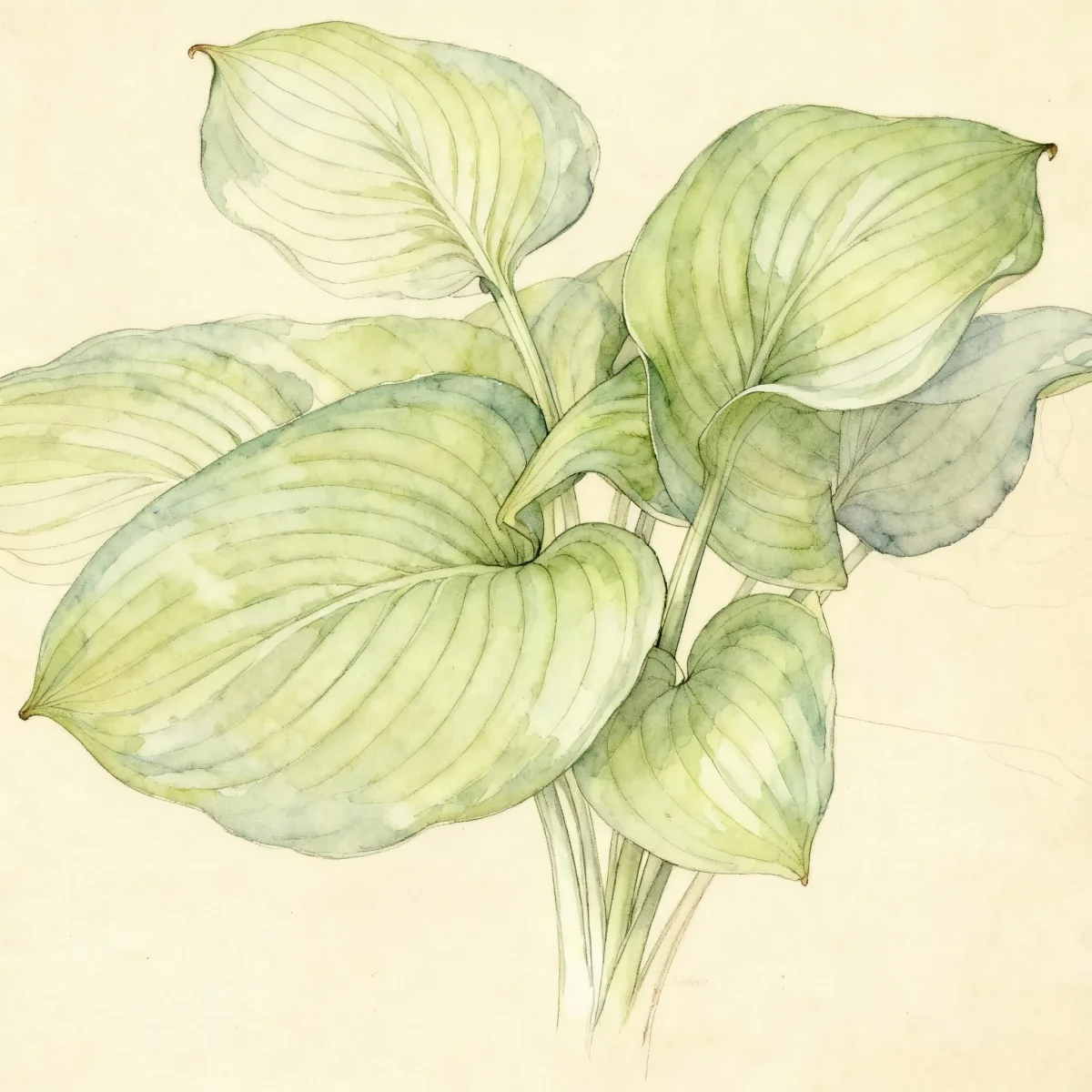
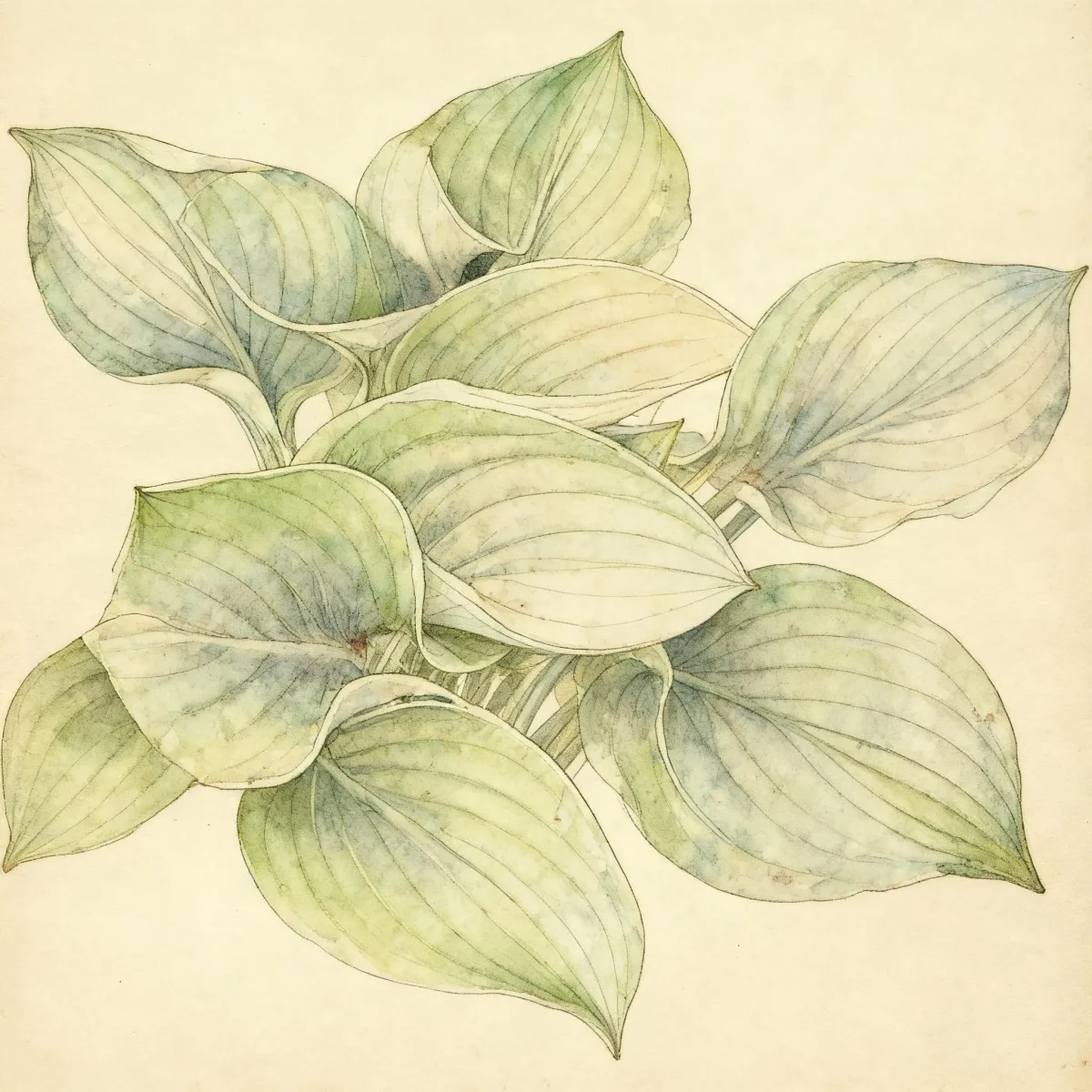
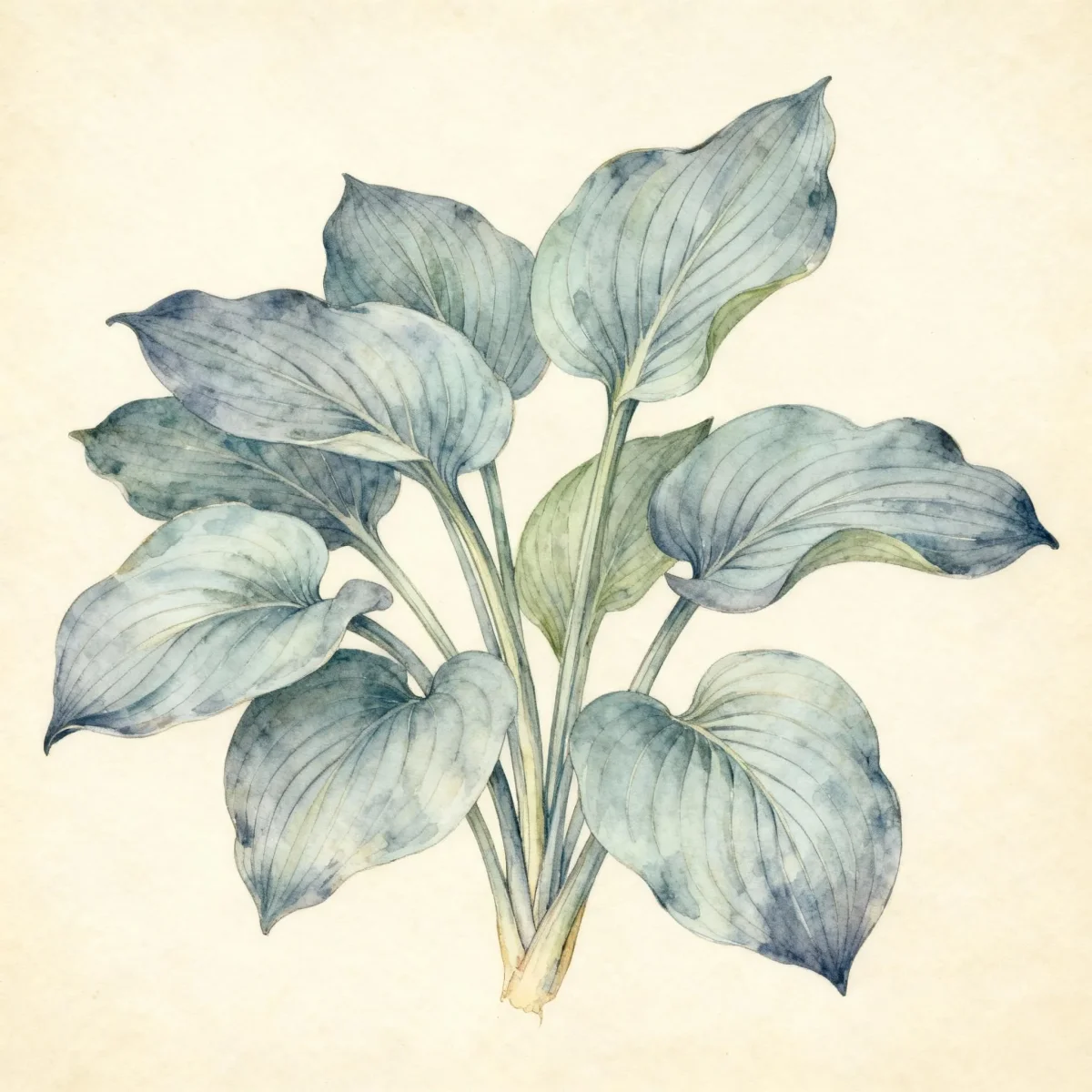
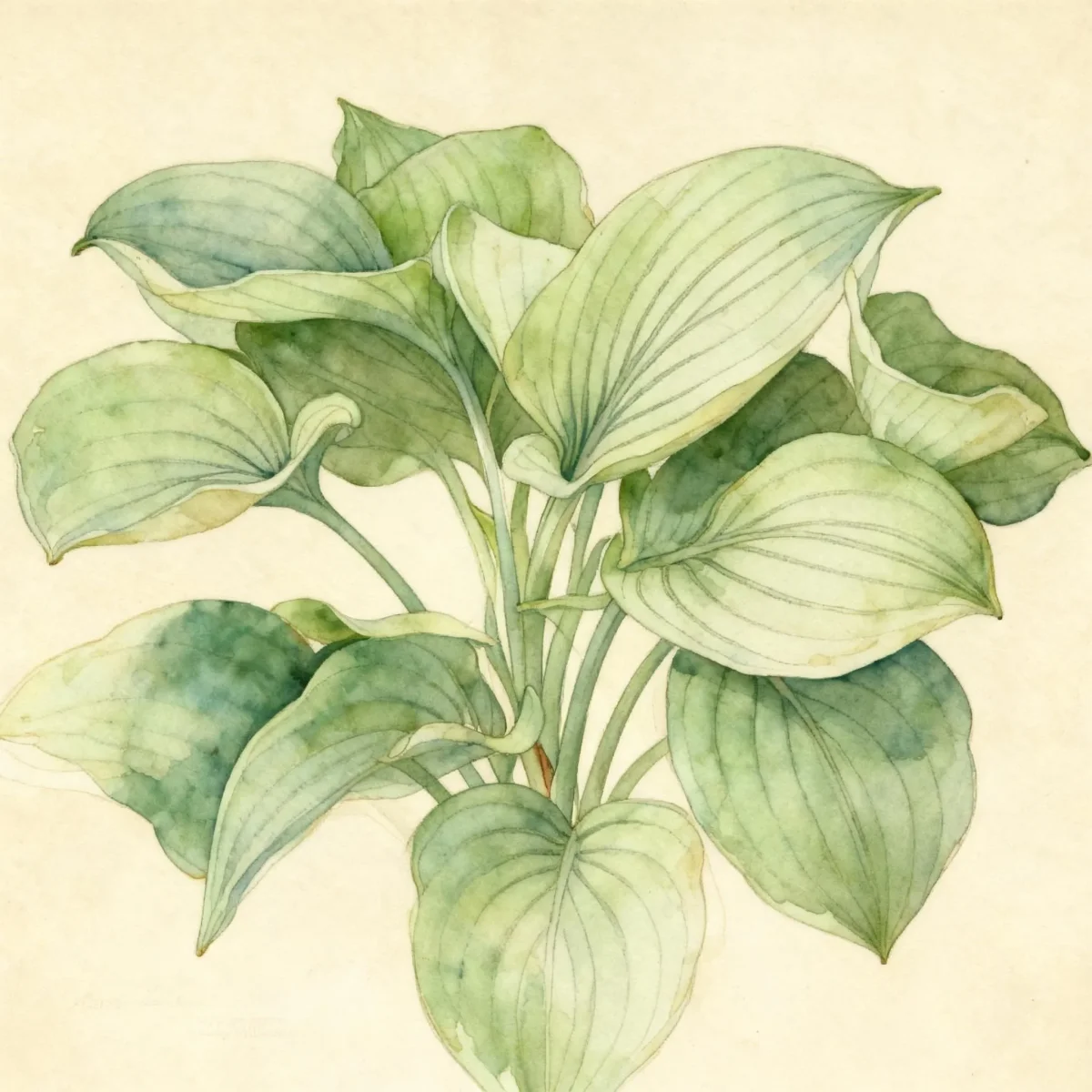
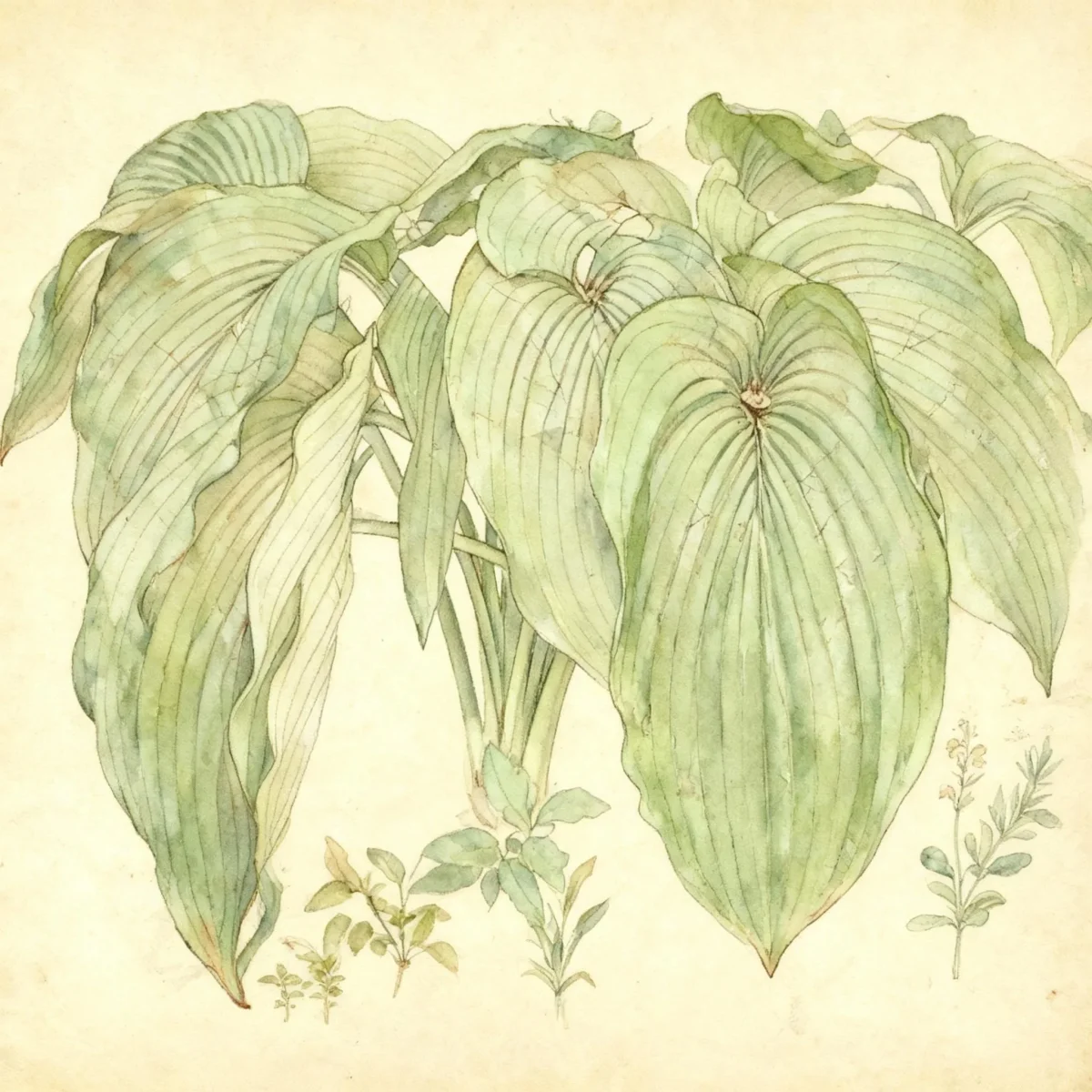
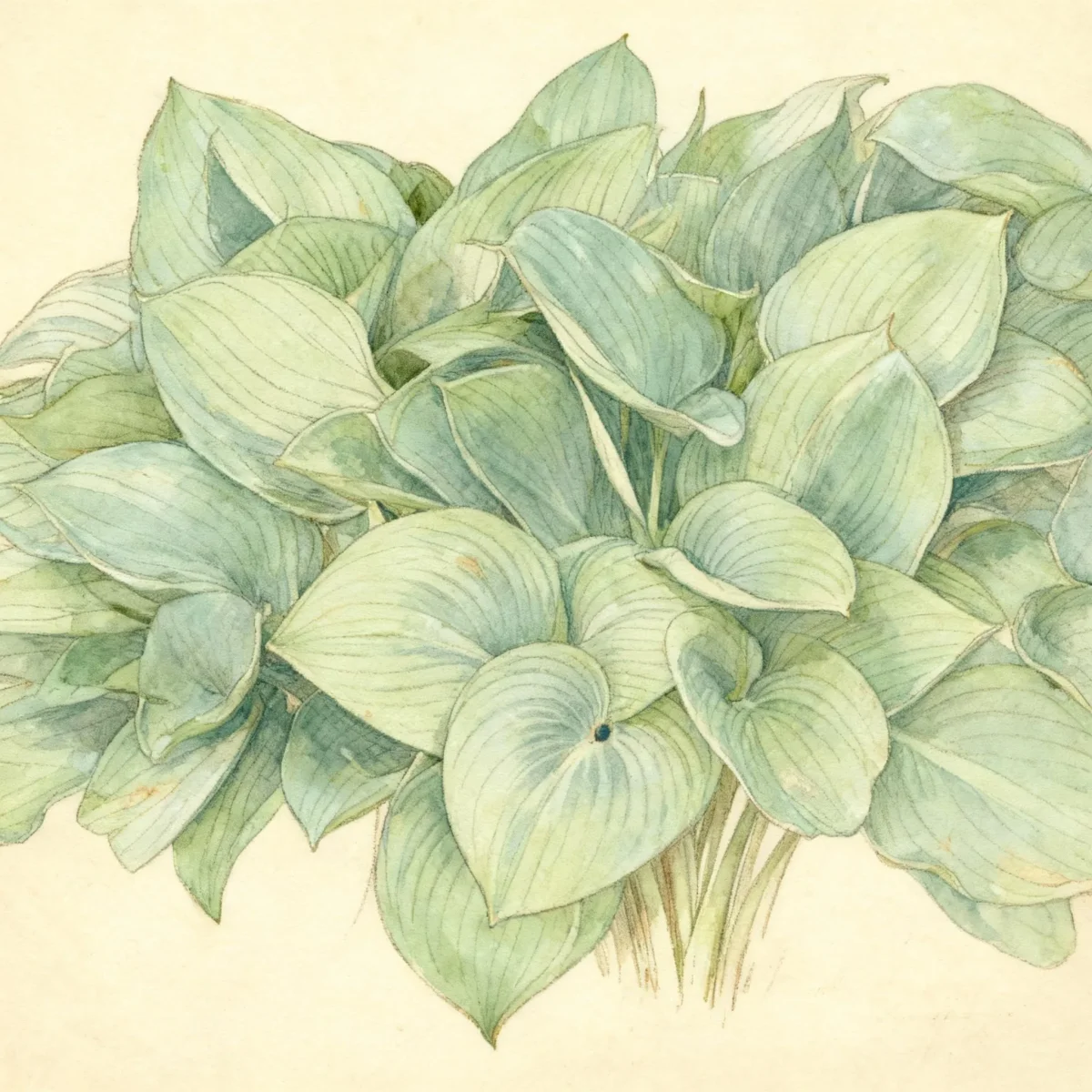
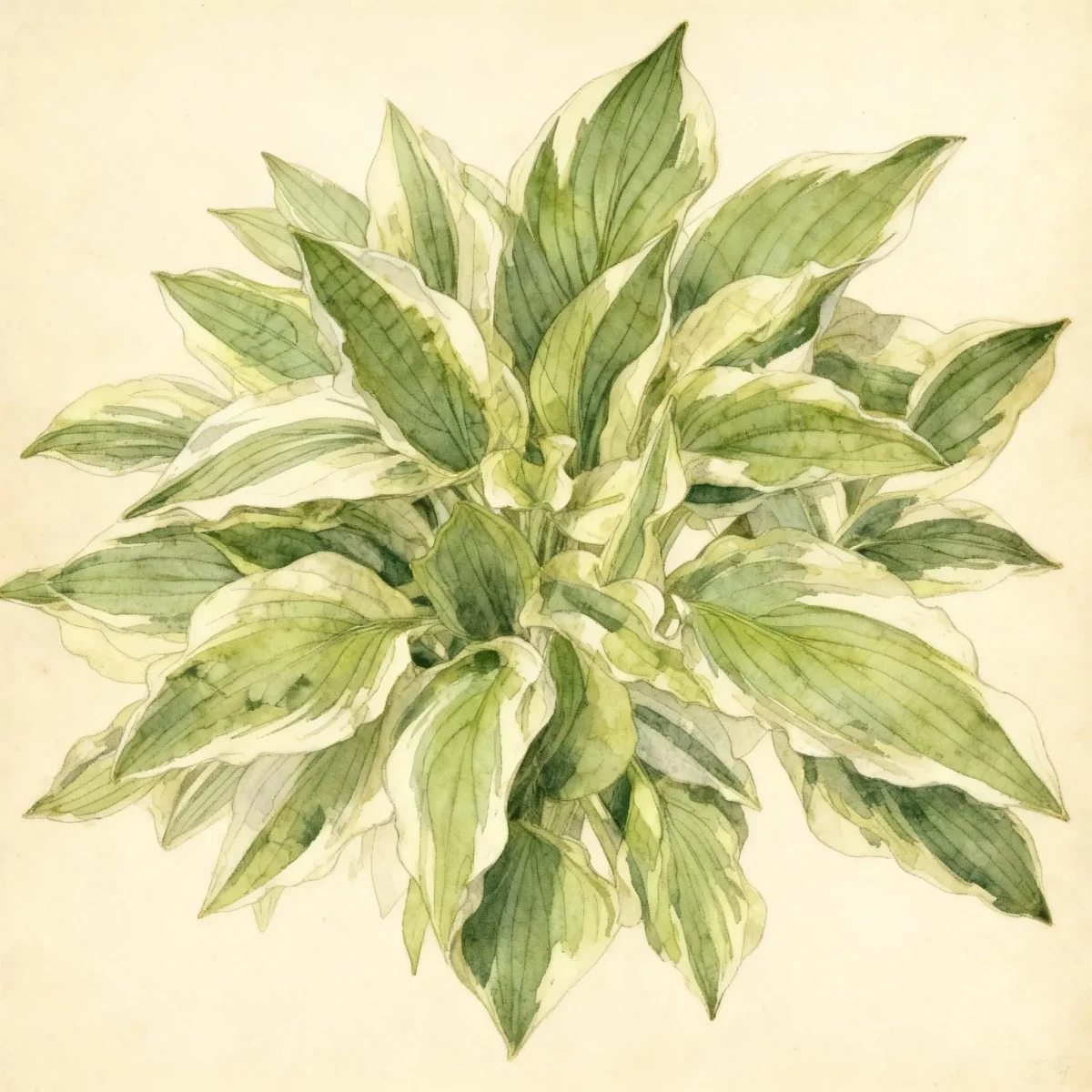
Hosta ‘Ground Master’ offers exceptional ornamental value primarily through its highly desirable foliage, making it a cornerstone for any shade garden. This specific cultivar showcases prominently-veined, oval-lanceolate leaves displaying a dark green center boldly edged with yellow margins that gracefully transition to white by mid-summer. As a rhizomatous, clump-forming herbaceous perennial, the Hosta reliably returns each year, forming a dense, rounded mound that provides structure and color contrast in dim lighting conditions.
Cultivating Hosta ‘Ground Master’ provides practical benefits due to its dependable growth habit and relatively low care requirements once established. It thrives where many flowering plants struggle, ensuring visual interest throughout the growing season. For gardeners seeking reliable texture and contrast beneath deciduous trees or on shaded slopes, this Hosta variety is an outstanding choice for creating lush, low-maintenance woodland effects.
The stunning foliage display is further complemented by spikes of fragrant, lilac-purple flowers appearing in the height of summer. This combination of form, reliable color variation, and summer bloom solidifies the Hosta genus’s reputation as indispensable shade perennials, with Hosta ‘Ground Master’ standing out for its pronounced variegation.
Fast Facts
- Plant Family: Asparagaceae
- Plant Type: Herbaceous perennial
- Hardiness Zones: USDA Zones 3-8
- Size at Maturity:
- Height: 1-2 ft
- Spread: 1.5-2 ft
- Bloom Time: July to August
- Bloom Description: Lilac-purple
- Sun Exposure: Part shade to full shade
- Water Needs: Medium
- Maintenance Level: Low
How to Grow
Hosta ‘Ground Master’ should be planted in the spring or autumn when conditions are slightly cooler, allowing roots to establish before summer heat or winter freezes arrive. The ideal location offers protection from harsh afternoon sun, favoring part shade or dappled sunlight, though this Hosta variety tolerates deep shade well. Ensure the soil is organically rich, well-drained, and consistently moist; amending heavy clay with copious amounts of organic matter is crucial for success.
Consistent moisture management is key to achieving the best size and quality for your Hosta. Water deeply and ensure water is applied directly to the soil beneath the leaves, especially during dry spells, as even established plants with thicker leaves prefer they never fully dry out. While generally a low-maintenance perennial, occasional division is necessary if the clump becomes overcrowded, typically performed most easily in early spring before the leaves fully emerge.
Site your Hosta carefully, prioritizing locations protected from wind, which can easily shred the foliage. Because Hosta is low maintenance, heavy fertilization is rarely required; focus instead on maintaining rich soil quality through annual mulching with compost. Hostas are generally hardy, but paying attention to moisture reduces stress significantly across all seasons.
Landscape Uses
Hostas are the quintessential mainstay for shade gardens, valued less for their flowers and far more for the diverse, ornamental excellence of their foliage structure. Hosta ‘Ground Master’ is exceptionally effective when massed or planted in large groups to create a continuous flow of variegated color beneath high-canopy trees or along shaded woodland borders. Its medium size allows it to function perfectly as a mid-border element, providing excellent textural contrast against finer-textured groundcovers or taller, dark green background shrubs.
When designing a shade border, pair Hosta ‘Ground Master’ with plants that offer different leaf shapes or colors to maximize visual impact. Consider companions like Astilbe for contrasting feathery plumes, or ferns whose delicate fronds complement the bold, oval shape of the Hosta leaves. They perform beautifully in woodland settings, borders defined by shadows, or along the shady perimeter of structures.
For a cohesive look, massing this Hosta cultivar creates a strong visual anchor. Avoid planting where foliage will be constantly battered by wind or heavy rain to preserve the clean lines of the variegated margins. Hosta ‘Ground Master’ delivers reliable performance and year-round structure in areas where sunlight is scarce.
Standout Features
Flower Qualities
- Showy
Noteworthy Characteristics
Hosta is a genus primarily cultivated for its ornamental foliage, featuring dense, basal leaves with conspicuous veining that rise from a central crown forming a rounded mound. Hosta ‘Ground Master’ is a small to medium variegated type, displaying dark green leaves with wide yellow margins that mature to white by summer. The plant produces lilac-purple, bell-shaped flowers on upright scapes rising above the foliage mound in mid to late summer (July-August).
Tolerances
- Heavy Shade
- Erosion
- Black Walnut
Potential Problems
The main threats to Hosta foliage revolve around pests hungry for tender leaves. Slugs and snails are particularly attracted to Hosta, chewing characteristic jagged holes that can cause significant damage quickly if the infestation is left unchecked. Proactive monitoring and management are essential; use baits, beer traps, or copper tape barriers at the base of the plant to deter these mollusks.
Foliar nematodes pose a less common but serious threat, manifesting as interveinal browning on the leaves. Less frequent issues include leaf spots and crown rot, usually resulting from overly wet conditions. Furthermore, deer and rabbits frequently feed on Hosta leaves, often voraciously, so protection may be necessary in high-wildlife areas.
Frequently Asked Questions
What hardiness zones is Hosta ‘Ground Master’ suitable for?
Hosta ‘Ground Master’ is successfully grown in USDA Hardiness Zones 3 through 8, offering reliable perennial performance across a wide range of climates.
How large does Hosta ‘Ground Master’ grow?
This cultivar typically reaches a height between 1 and 2 feet, spreading outward to cover an area ranging from 1.5 to 2 feet wide at maturity.
What sun exposure does Hosta ‘Ground Master’ need?
Hosta ‘Ground Master’ performs best in areas receiving part shade to full shade, thriving best with morning light or dappled sun exposure.
When does Hosta ‘Ground Master’ bloom?
The lilac-purple flowers of Hosta ‘Ground Master’ generally appear during the mid to late summer months, specifically between July and August.
Conclusion
Hosta ‘Ground Master’ remains a superior selection for gardeners prioritizing foliage texture and reliable coloration in shady environments. With its striking variegated leaves and low maintenance needs, this Hosta provides enduring visual structure to any landscape design. Confirm your garden falls within USDA Zones 3-8 and plan to plant during early spring or fall for the best establishment success with your new Hosta ‘Ground Master’.
Companion Planting in Shade
When planning a shade garden utilizing Hosta ‘Ground Master’, select companions that complement its broad leaf texture and moisture needs. Ferns, such as Japanese Painted Ferns or Autumn Ferns, offer a lacy, fine texture that contrasts beautifully against the defined margins of the Hosta leaves. For seasonal color contrast, consider Heuchera (Coral Bells), whose purple or lime-colored foliage echoes the variegated tones of the Hosta, provided the Heuchera remains adequately moist.
In woodland settings, these companions help create a layered, rich tapestry of greens and silvers. Since Hosta requires consistent moisture, ensure companion plants share similar water needs to avoid stressing any part of the planting arrangement. This careful pairing enhances the overall aesthetic appeal of your shaded oasis.
Seasonal Care Calendar for Hosta
Spring preparation involves cleaning up any lingering winter debris and lightly amending the soil surface with compost; this is also the ideal time for dividing congested Hosta clumps. Focus on consistent watering as temperatures rise in late spring, ensuring the soil remains evenly moist to support the rapid emergence of the foliage of Hosta ‘Ground Master’.
Summer care centers on vigilance against pests, particularly slugs and snails. Maintain heavy mulch layers, which help retain soil moisture crucial for the Hosta’s health during dry spells. Deadheading spent flower scapes (if desired) can direct the plant’s energy back into foliage production, maximizing the ornamental value of Hosta ‘Ground Master’.
As autumn approaches, slow down on fertilization, allowing the plant to prepare for dormancy. While Hostas are robust, protecting young plantings from extreme early freezes is beneficial. In winter, heavy mulching isn’t always necessary for established, hardy Hosta varieties like this one, but it can offer added protection in the colder edges of Zone 3.