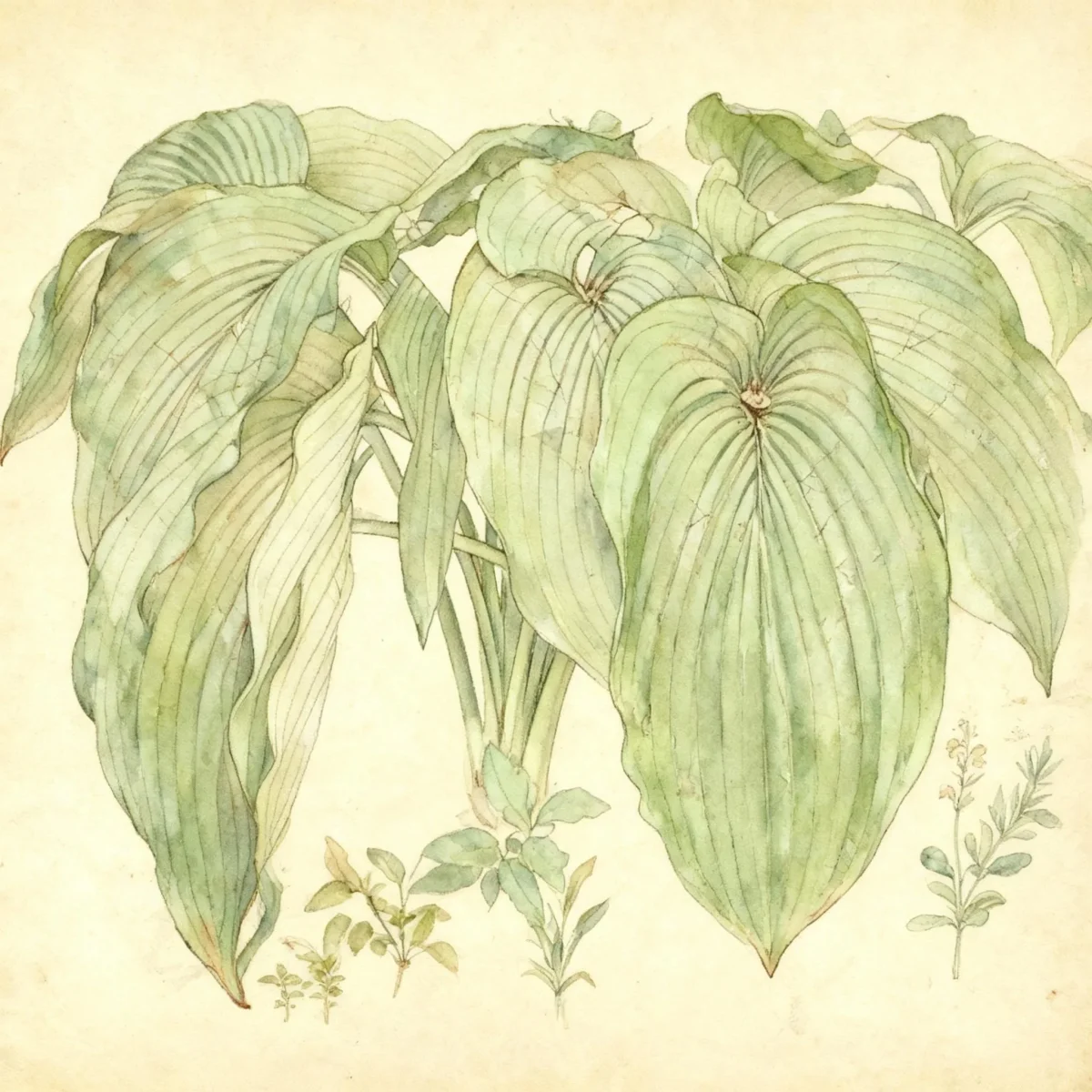
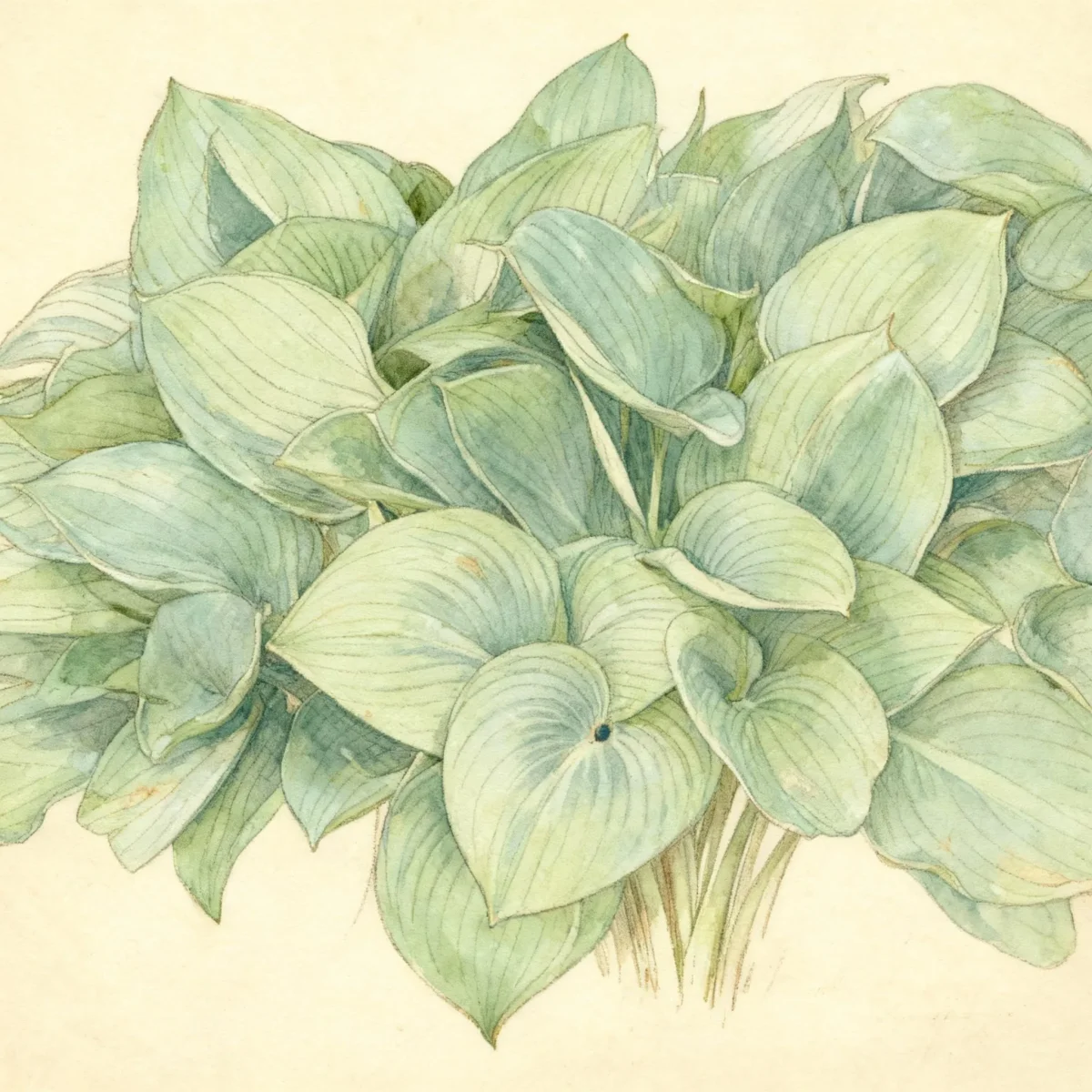
Hosta (Hosta 'Ground Sulphur')
Hosta 'Ground Sulphur' offers sulphur yellow, heart-shaped foliage and fragrant lavender blooms, ideal for low-maintenance shade gardens.
Scroll down to discover growing tips, care requirements, companion plants, and more
Complete Plant Information
Overview
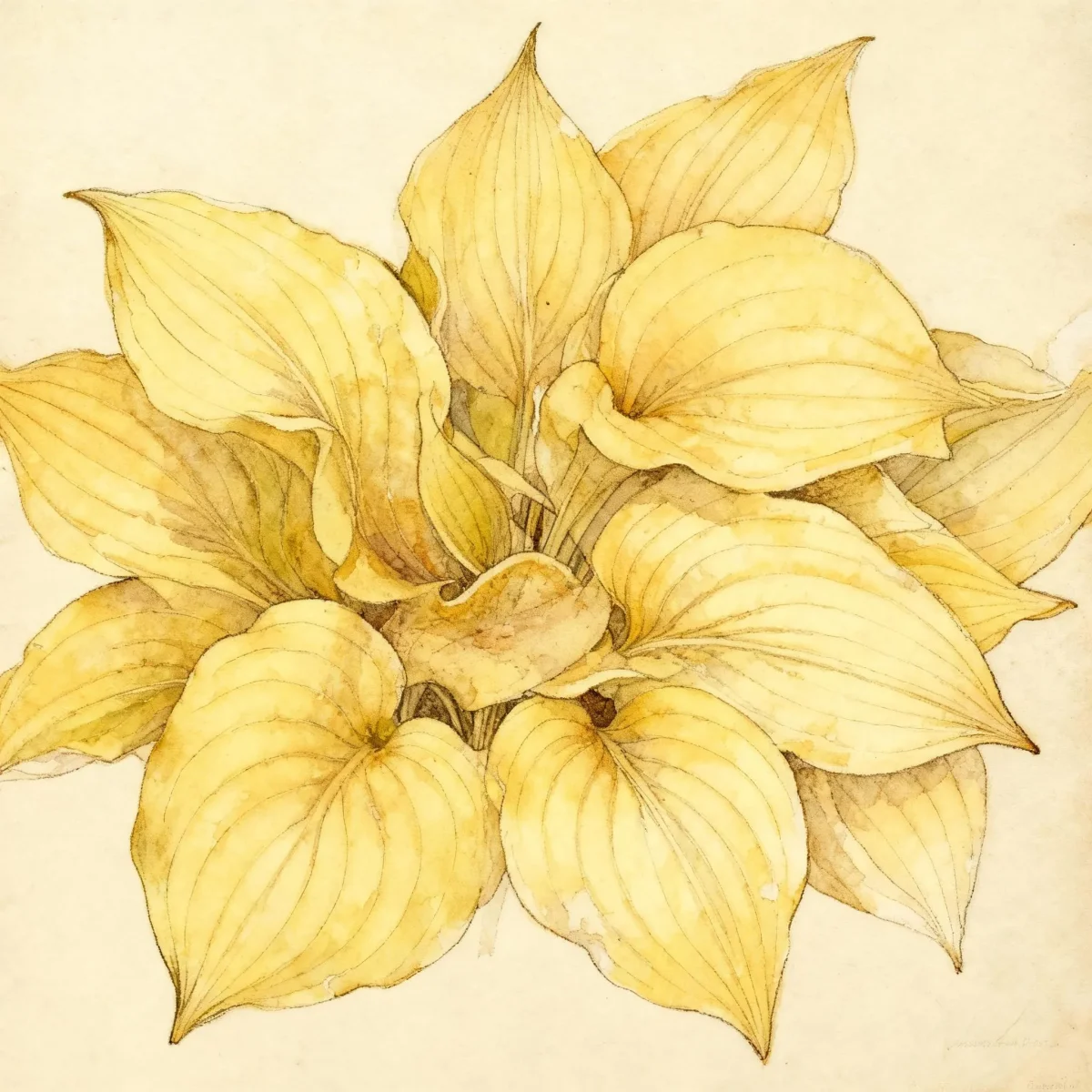
Hosta ‘Ground Sulphur’ is celebrated for injecting brilliant color into deep shade environments where few other plants thrive. This herbaceous perennial forms a dense mound primarily valued for its ornamental foliage—a cheerful sulphur yellow that contrasts beautifully with greens in the shade garden. As a dependable and versatile perennial, Hosta provides excellent texture and contrast with minimal effort required from the gardener.
This specific Hosta variety maintains a neat, manageable size, gradually spreading to form a weed-suppressing clump. While grown chiefly for its leaves, Hosta ‘Ground Sulphur’ also sends up lavender flower spikes in mid-summer atop tall scapes. Its low maintenance profile makes it a cornerstone plant for creating layered interest beneath trees and structures.
The success of Hosta generally relies on consistent moisture and protection from harsh afternoon sun. Hosta ‘Ground Sulphur’ offers gardeners an easy way to add reliable form and color, cementing the Hosta genus as essential for woodland and shade plantings across various climates.
Fast Facts
- Plant Family: Asparagaceae
- Plant Type: Herbaceous perennial
- Hardiness Zones: USDA Zones 3-8
- Size at Maturity:
- Height: 0.5-0.75 ft
- Spread: 0.75-1 ft
- Bloom Time: June to July
- Bloom Description: Lavender
- Sun Exposure: Part shade to full shade
- Water Needs: Medium
- Maintenance Level: Low
How to Grow
Planting Hosta ‘Ground Sulphur’ should occur in spring or autumn when the soil is workable. This Hosta thrives in organically rich, well-drained soils that maintain even moisture levels. While it tolerates heavy shade exceptionally well, the best color development for the sulphur yellow foliage is often achieved with partial shade, such as morning sun or heavily dappled light conditions.
Consistent moisture is crucial for achieving the full size and optimal quality of the foliage mound. When watering, direct application to the soil beneath the leaves is recommended to keep the foliage dry and minimize potential spotting. Although established plants show some tolerance for dry shade, especially those with thicker leaves, never let the soil completely desiccate.
Maintenance for this Hosta variety is generally low. Divide clumps in early spring before the leaves fully emerge, or in the fall, if necessary. Always plant your Hosta ‘Ground Sulphur’ in areas protected from strong winds, which can tear the foliage. As a low-care specimen, the main focus remains on establishing proper water and soil conditions.
Landscape Uses
Hostas are the quintessential foundation plant for creating sophisticated, low-energy shade gardens. Hosta ‘Ground Sulphur’, with its vibrant yellow foliage, serves as an excellent bright spot against darker green backgrounds or within a monochromatic cool-toned scheme. They are highly effective when massed together to create broad drifts of color and texture beneath large canopy trees.
Use Hosta ‘Ground Sulphur’ in shady borders to provide consistent evergreen-like structure throughout the growing season. They function beautifully as a good background plant or as a mid-layer element in woodland garden designs, complementing ferns and groundcovers that appreciate similar cool, moist conditions. Their dense foliage naturally helps suppress unwanted garden weeds.
Consider pairing this variety with plants that have contrasting leaf shapes, such as fine-textured ferns or broad-leafed epimediums. The strong horizontal mound of the Hosta creates an excellent visual base for taller, vertical accents in the shade garden.
Standout Features
Flower Qualities
- Showy
- Good Cut
Noteworthy Characteristics
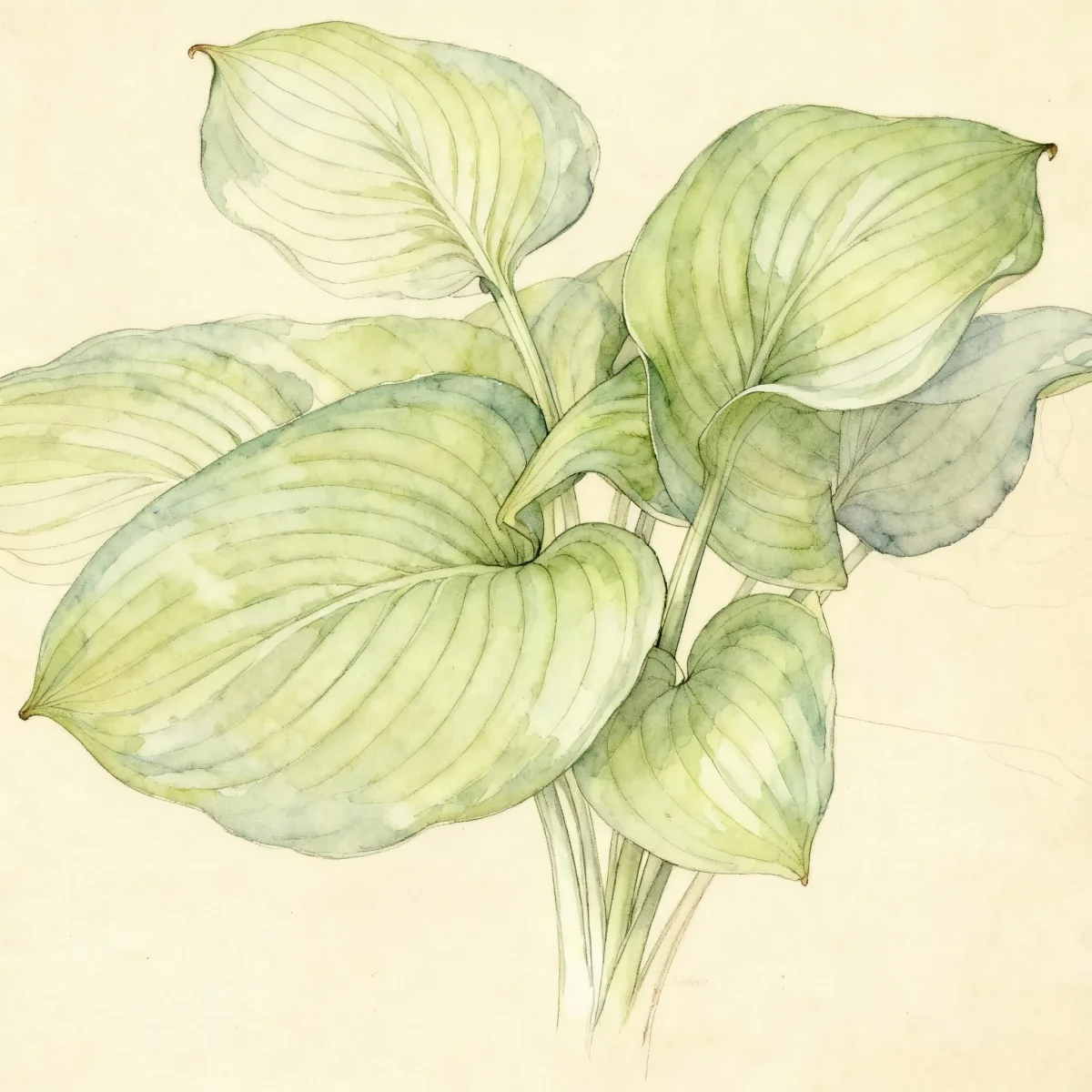
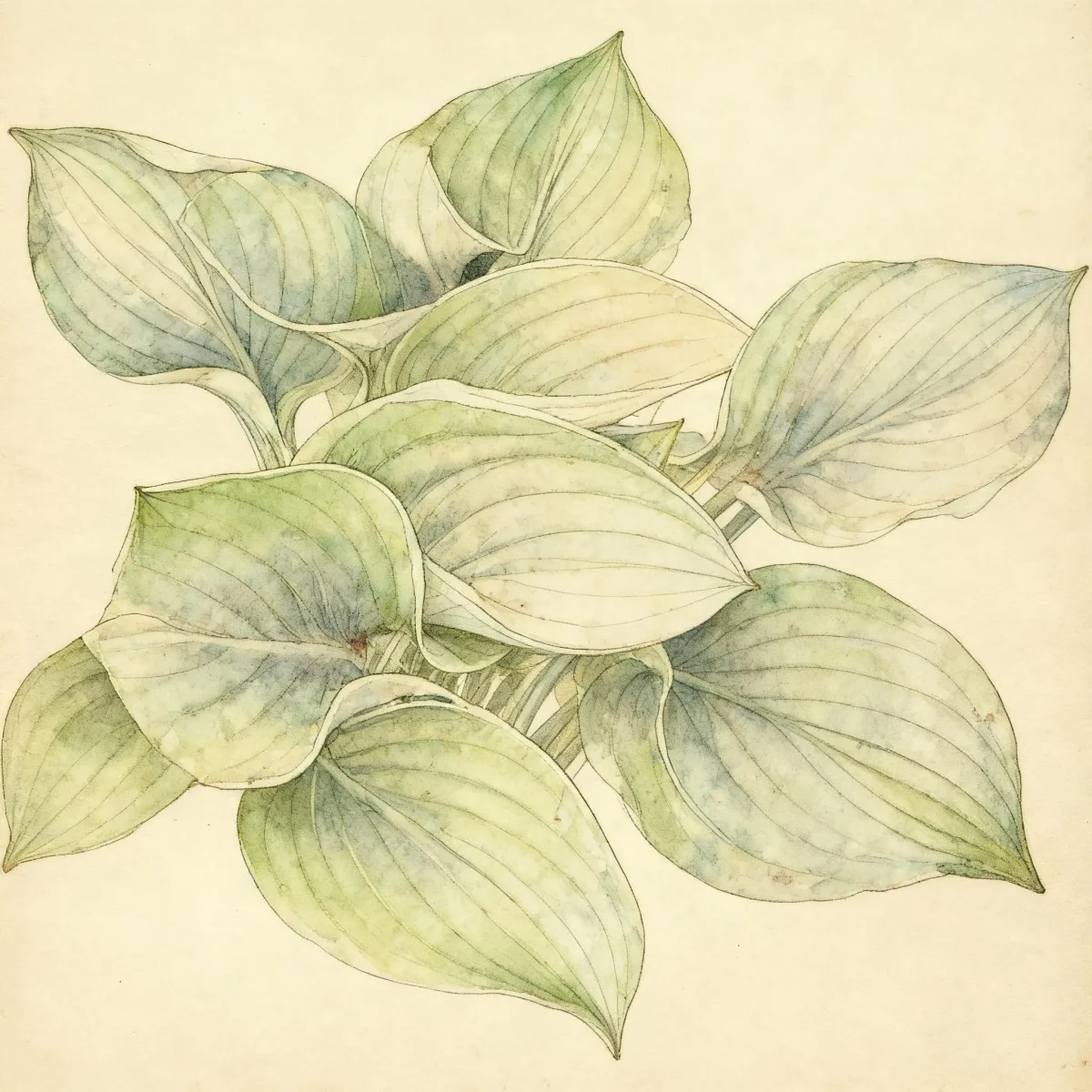
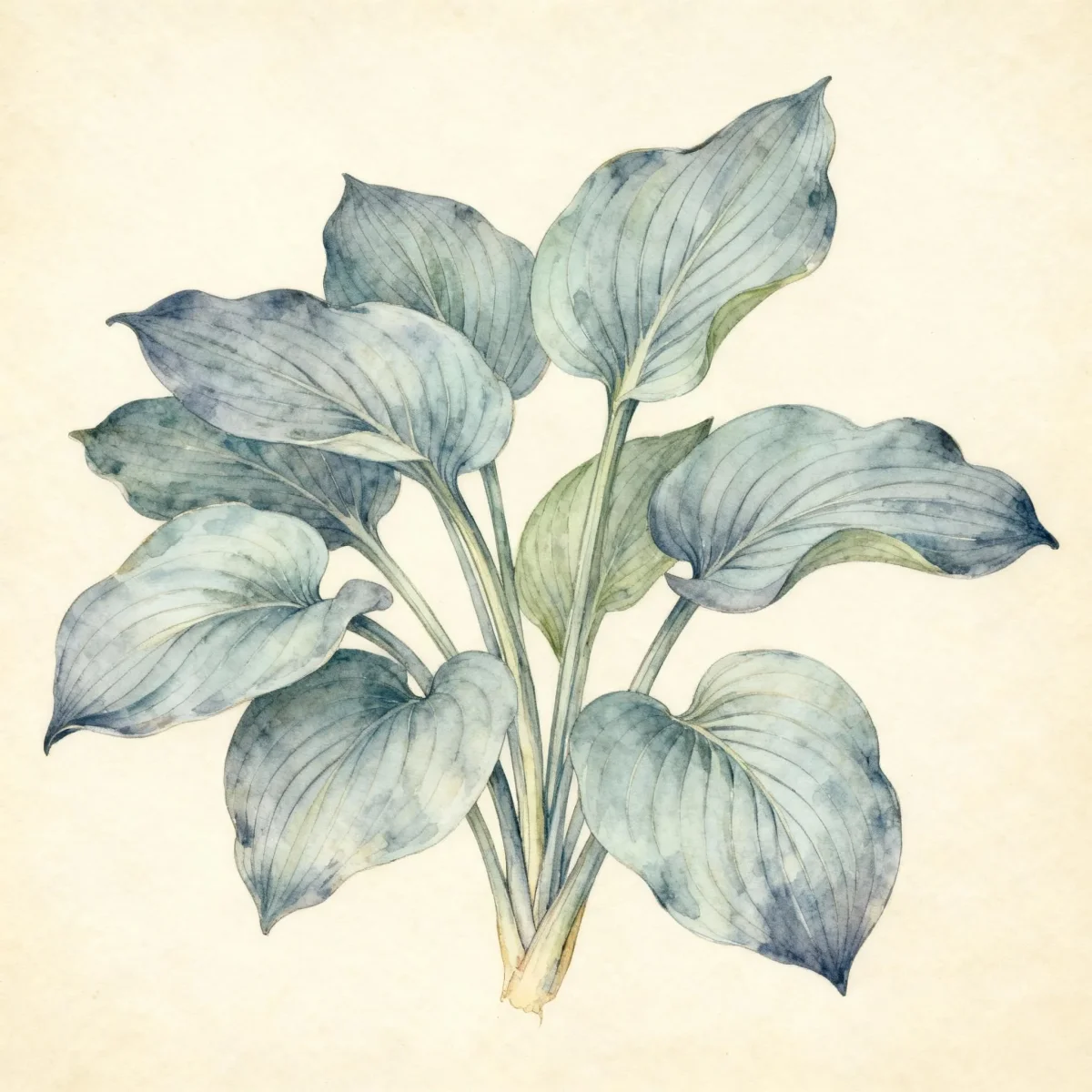
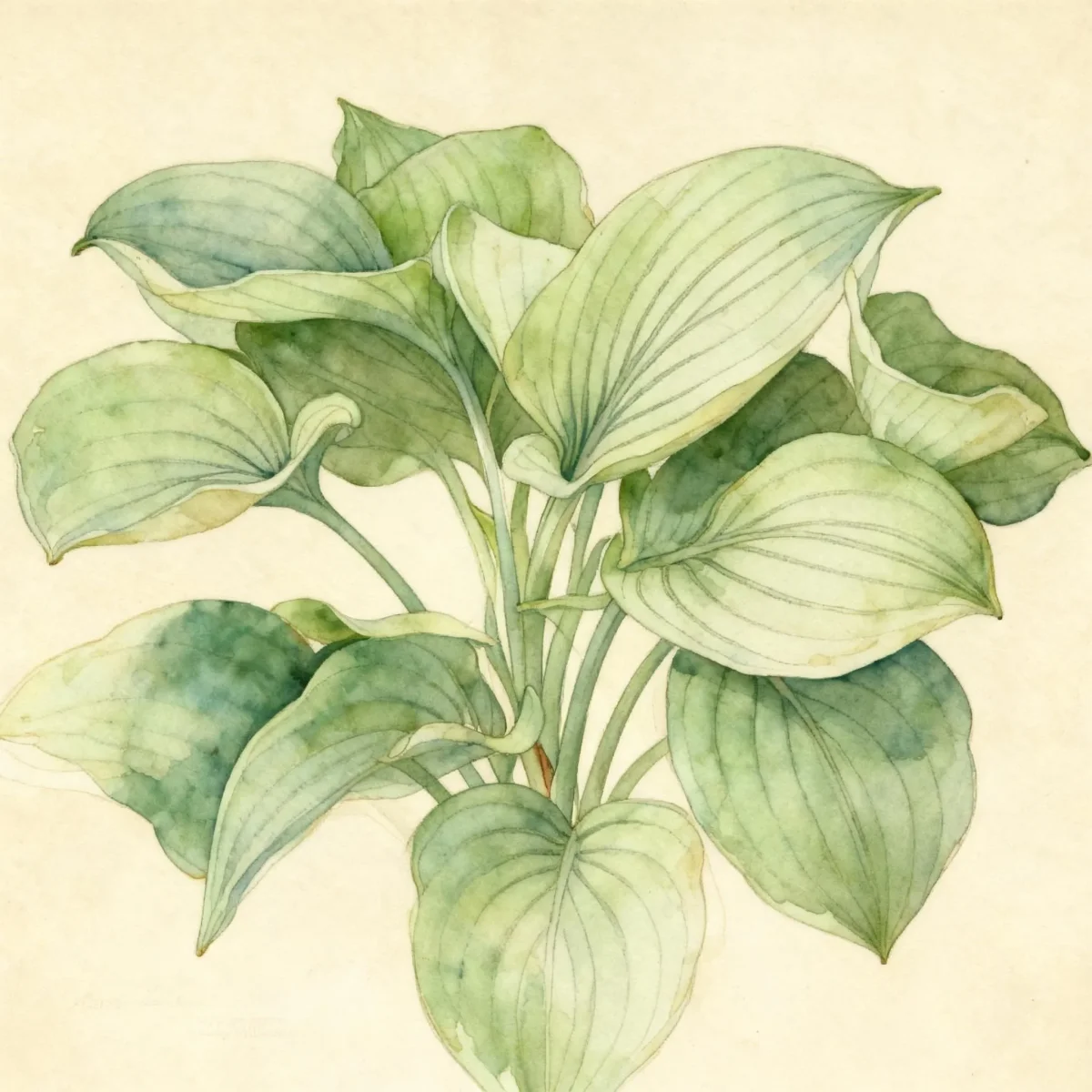
Hosta is a genus of about 70 species of shade-loving, rhizomatous, clump-forming, herbaceous perennials which are native to open woodlands, woodland margins and glades in Japan, Korea, China and eastern Russia. Hostas are primarily grown for their ornamental foliage. Stalked, conspicuously-veined, often dense, basal leaves in a variety of shapes, sizes, colors and textures rise up from a central rhizomatous crown to form a rounded to spreading mound of foliage. ‘Ground Sulphur’ features a mound of flat, heart-shaped, sulphur yellow leaves with dense foliage that crowds out most garden weeds while providing excellent landscape texture.
Tolerances
- Heavy Shade
- Black Walnut
Potential Problems
Slugs and snails are the most persistent adversaries of Hosta foliage, readily chewing jagged holes that can rapidly degrade the appearance of Hosta ‘Ground Sulphur’. Inspecting the underside of leaves early in the season and applying appropriate control measures, such as baits or barriers, is critical to protecting the plant’s aesthetic value.
Foliar nematodes are a less common but serious concern, presenting as interveinal browning across the leaves. Fungal issues like leaf spots and crown rot can occur, usually stemming from overly wet, poorly drained soil conditions. Always ensure good air circulation and avoid overhead watering when possible.
Deer and rabbits frequently consume Hosta leaves, sometimes voraciously, so protection may be necessary in high-activity areas. Furthermore, plants showing signs of viral infection, such as Hosta Virus X (HVX), should be immediately destroyed to prevent spread within the garden.
Frequently Asked Questions
What hardiness zones is Hosta suitable for?
Hosta ‘Ground Sulphur’ is widely adaptable and reliably cold-hardy, thriving in USDA Zones 3 through 8.
How large does Hosta ‘Ground Sulphur’ grow?
This Hosta cultivar typically reaches a height between 0.5 to 0.75 feet tall, spreading outwards to a width of 0.75 to 1 foot at maturity.
What sun exposure does Hosta ‘Ground Sulphur’ need?
Optimal growth is achieved in part shade, though this specific Hosta variety handles heavy shade very well, offering good color even away from direct light.
When does Hosta ‘Ground Sulphur’ bloom?
You can expect to see the blooms of Hosta ‘Ground Sulphur’ from June through July, featuring attractive lavender flowers.
Conclusion
Hosta ‘Ground Sulphur’ remains an invaluable backbone plant for any shaded area, prized for its bright sulphur yellow foliage and low-maintenance requirements. Its ability to tolerate heavy shade and even Black Walnut roots solidifies its position as a gardener’s favorite Hosta variety. Before planting, confirm your site falls within USDA Zones 3-8, and ensure consistent moisture is available for the best seasonal performance.
Companion Planting in Shade
When designing shade borders alongside Hosta ‘Ground Sulphur’, consider the texture and moisture requirements of potential partners. Plants that thrive in similar medium-moisture, low-light conditions will flourish together, enhancing overall garden complexity. Ferns with delicate fronds offer a beautiful contrast in texture to the broad, flat leaves of the Hosta.
Consider pairing this established perennial perennial with plants like Astilbe for seasonal flowers or Japanese Forest Grass (Hakonechloa macra) for weeping texture that mimics the mounding habit of the Hosta. These harmonious combinations fill out the landscape layer below the canopy effectively.
Seasonal Care Calendar
Spring is the ideal time for division if your Hosta clump has become overcrowded, always dividing before the leaves fully unfurl. Monitor slug and snail activity closely as new shoots emerge, as this is when damage often begins. During the summer growing season, focus on consistent deep watering, directing moisture to the root zone rather than relying on sporadic surface sprinkling.
As autumn approaches, allow the foliage to naturally die back, providing winter protection to the crown of the newly established Hosta ‘Ground Sulphur’. Minimal cleanup is usually required, helping to protect the plant over winter and reducing early spring tasks.