Sneezeweed (Helenium 'Bruno')
Discover Helenium 'Bruno' Sneezeweed, a clump-forming perennial with showy mahogany red flowers, thriving in wet spots.
Scroll down to discover growing tips, care requirements, companion plants, and more
Complete Plant Information
Overview
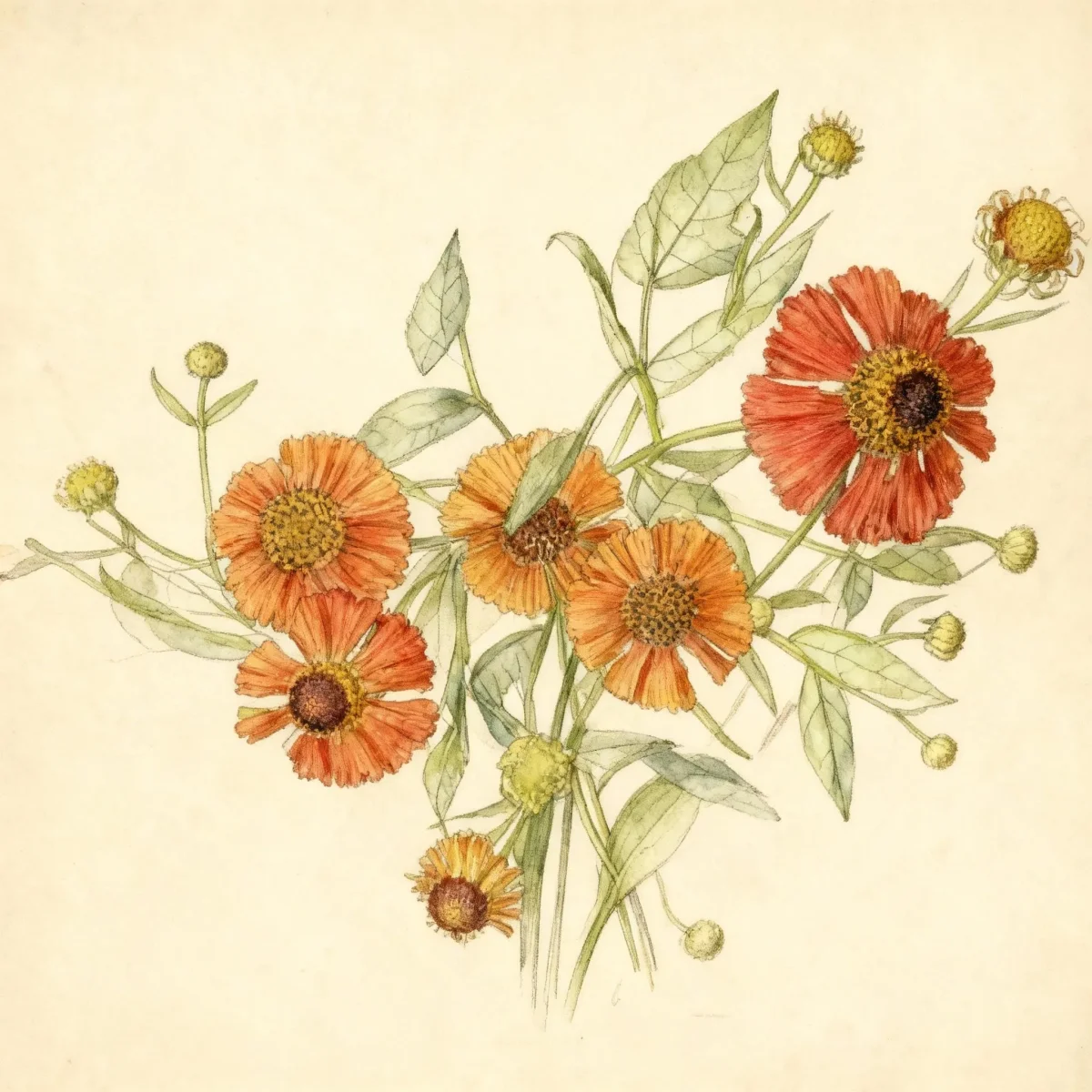
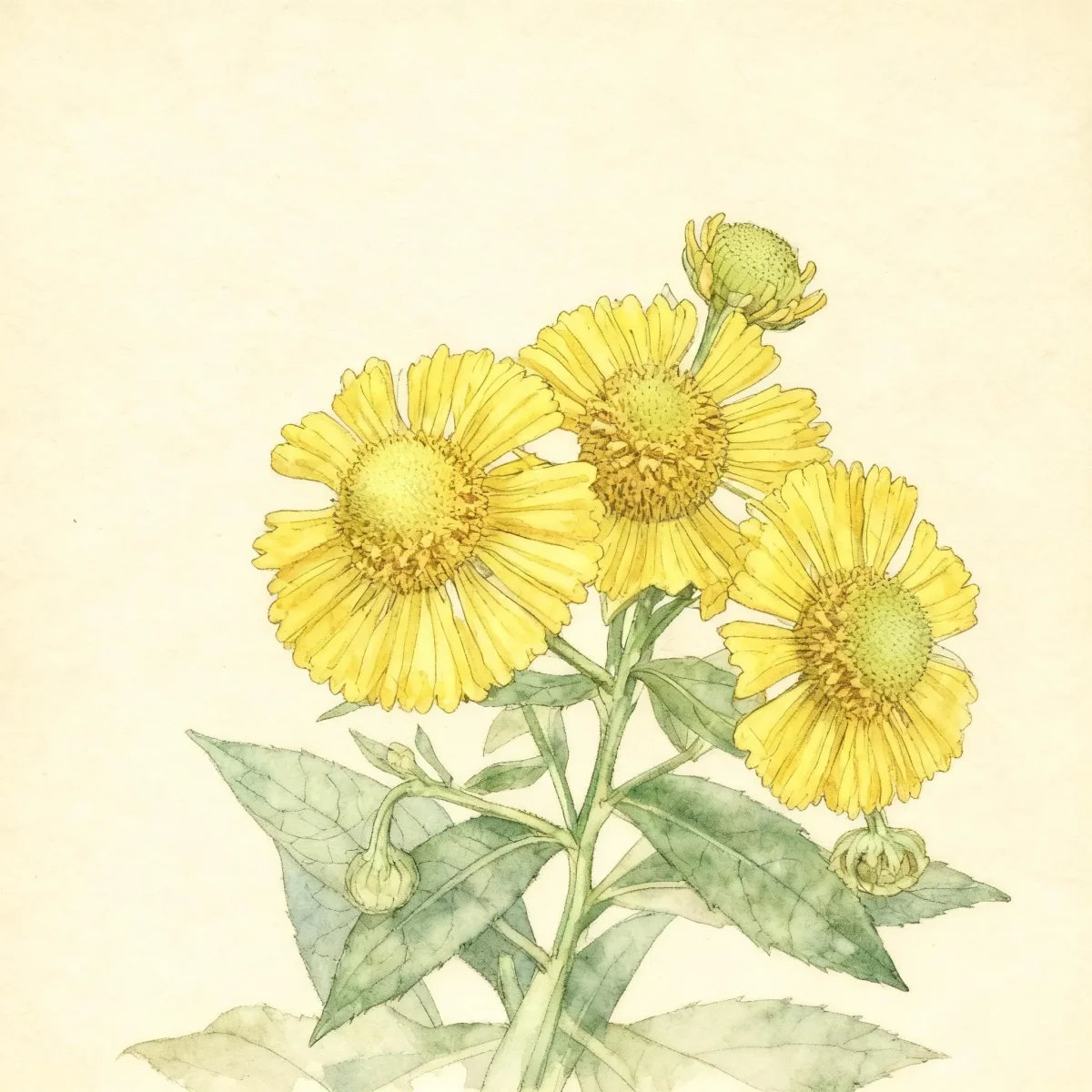
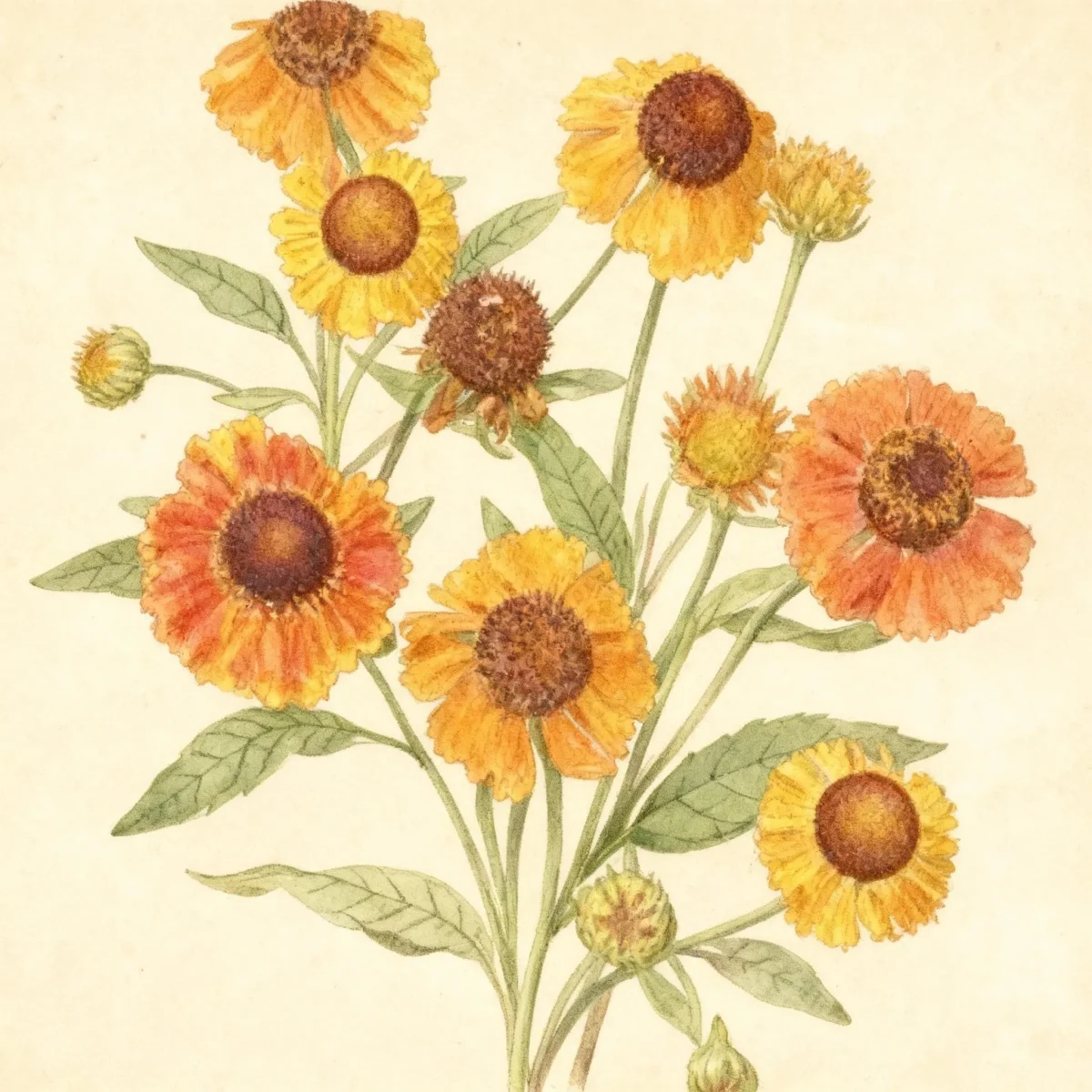
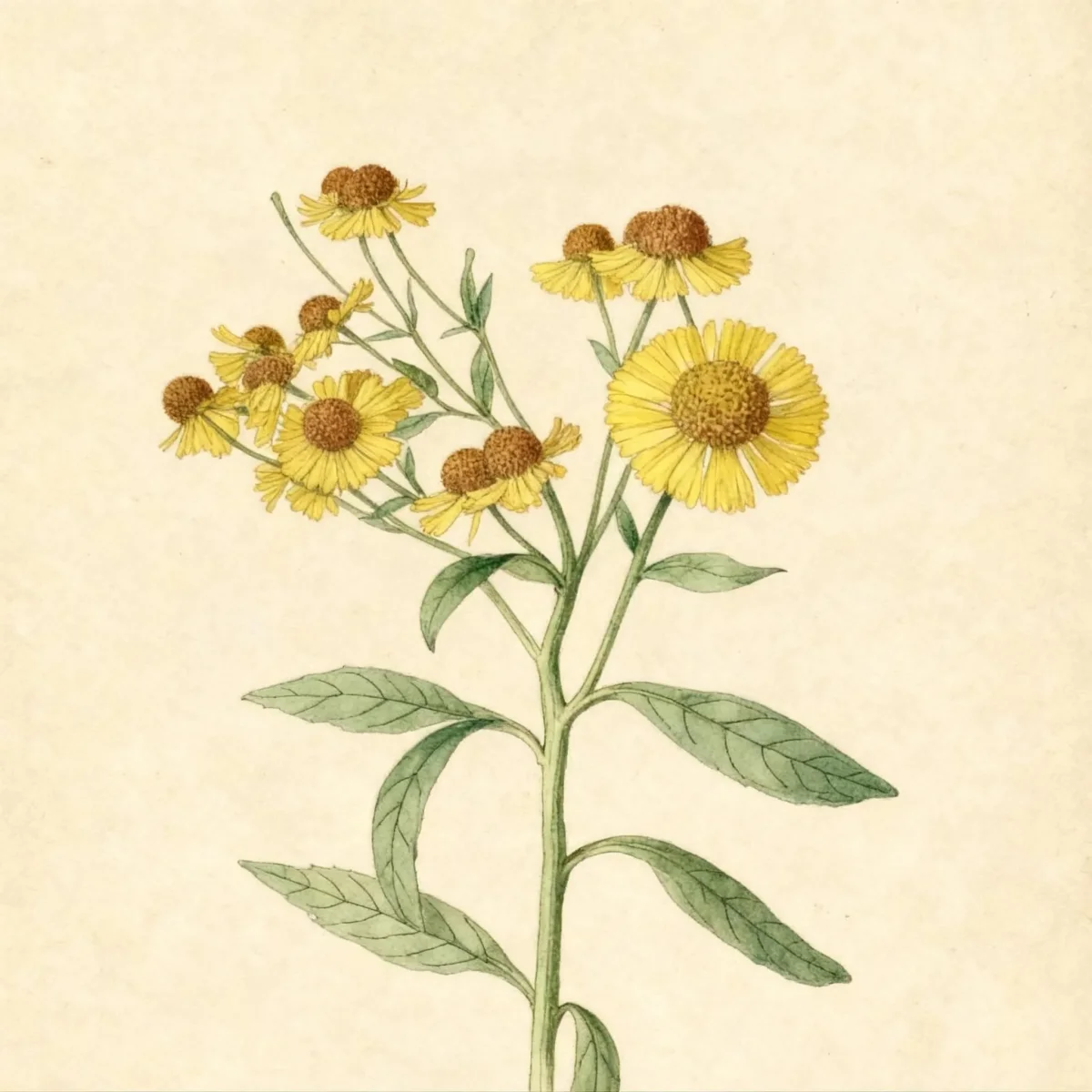
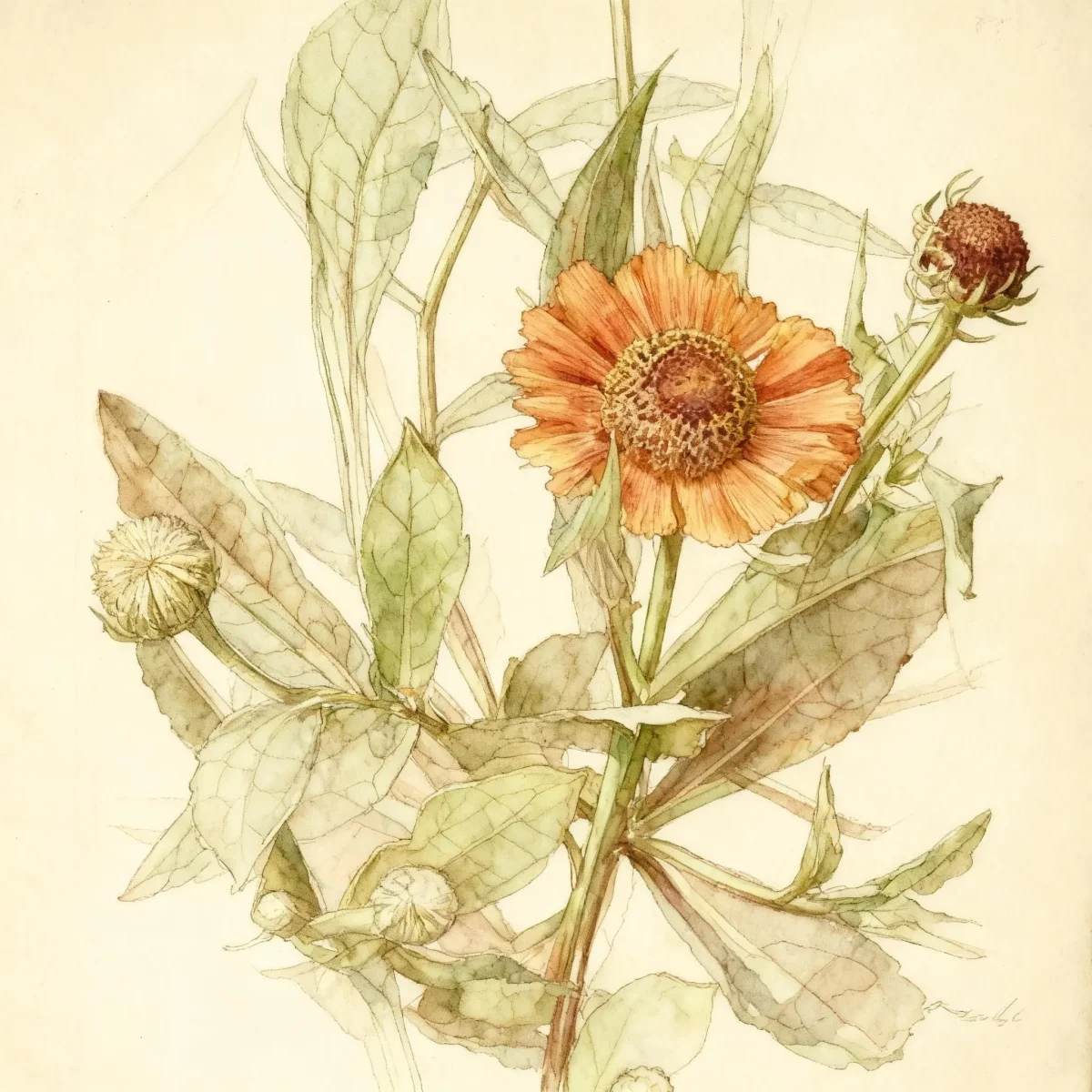
Helenium ‘Bruno’, commonly known as Sneezeweed, is a standout herbaceous perennial valued for providing vibrant color late in the growing season. This cultivar forms an erect, clump-forming structure, typically reaching heights between 2 and 4 feet, making it an excellent choice for adding vertical interest to the late-season border. The long bloom period from August into October showcases distinctive daisy-like flowers featuring mahogany red rays and prominent dark bronze center disks.
The rich late-season display and robustness of Helenium ‘Bruno’ ensure consistent visual appeal when many other perennials begin to fade, attracting numerous butterflies and insect pollinators. As a species native to damp meadows and woodland edges in North and Central America, it naturally adapts well to moist soil conditions, offering reliability for rain gardens and pond margins.
For gardeners seeking dependable structure and intense autumn saturation, Helenium ‘Bruno’ delivers robust performance. Its strong stems and striking coloration ensure that this Sneezeweed variety remains a compelling, low-fuss component in perennial borders and naturalized settings alike.
Fast Facts
- Plant Family: Asteraceae
- Plant Type: Herbaceous perennial
- Hardiness Zones: USDA Zones 3-8
- Size at Maturity:
- Height: 2-4 ft
- Spread: 1-1.5 ft
- Bloom Time: August to October
- Bloom Description: Mahogany red rays and bronze center
- Sun Exposure: Full sun
- Water Needs: Medium to wet
- Maintenance Level: Medium
How to Grow
Plant Helenium ‘Bruno’ in the spring or fall into average soil that is consistently kept medium to wet. Full sun exposure is crucial for achieving the best bloom quality and maintaining compact growth, as insufficient light can encourage legginess. This plant is intolerant of dry soils, so site selection near irrigation sources or in naturally moist areas of the landscape is recommended.
Maintenance for this Sneezeweed is straightforward. Avoid overfertilization, as excess nutrients often result in overly tall plants that may succumb to wind damage. If size control is desired, you may prune plants back by about one-third in early July—this cutting must occur at least six weeks before the expected flowering time—to encourage branching, resulting in bushier, more floriferous plants that may not require staking.
Throughout the blooming season, deadheading spent flowers prolongs the display. To maintain the vigor and health of your Helenium ‘Bruno’ clumps, plan to divide them every three years. This separation reduces competition and rejuvenates the plant structure, ensuring continuous strong performance year after year.
Landscape Uses
Helenium ‘Bruno’ excels in fulfilling late-season color requirements, making it perfect for the back or middle of perennial borders where its height can be utilized. Its preference for moisture allows it to be a foundational planting choice for specialized landscape features like rain gardens or along the edges of ponds and streams. This plant integrates beautifully into meadow restoration projects or wild gardens where native-style plantings are desired.
Because the deeply colored, showy flowers of Helenium ‘Bruno’ are excellent insulators of late warmth, they are highly effective when massed for visual impact. Consider pairing this vibrant Sneezeweed with cultivars that bloom earlier but share similar moisture and sun requirements, such as astilbes or Joe Pye Weed, to ensure season-long interest in your damp areas. Furthermore, the strong stems and attractive blooms mean that this variety is suitable for use as a cut flower in summer and autumn arrangements.
Standout Features
Flower Qualities
- Showy
- Good Cut
Noteworthy Characteristics
Helenium is a genus native to North and Central America, typically found in damp meadows and wood edges, offering gardeners a long season of bloom that attracts pollinators. The genus name is an ancient Greek term connected to Helen of Troy, though the relevance to these exclusively American natives is unclear. The common name Sneezeweed originated because historically, dried powdered parts of some species were used for snuff. Helenium ‘Bruno’ specifically produces 2-inch, daisy-like flowers with unique wedge-shaped, mahogany red rays and prominent dark bronze domes atop rigid stems, complemented by dark green, lance-shaped foliage.
Tolerances
- Deer
- Wet Soil
Potential Problems
The primary concerns for Helenium ‘Bruno’ relate to fungal issues; the foliage is susceptible to powdery mildew, leaf spot, and rust, particularly in humid or overcrowded conditions. To mitigate these, ensure good air circulation by providing the recommended spacing and avoiding overhead watering late in the day. While most Helenium varieties benefit from staking to support their height, ‘Bruno’ is noted for its strong stems that typically resist flopping. Deer generally avoid browsing the foliage of this Sneezeweed.
Frequently Asked Questions
What hardiness zones is Sneezeweed (Helenium ‘Bruno’) suitable for?
Helenium ‘Bruno’ is a resilient choice for gardeners, suitable for USDA Zones 3 through 8.
How large does Helenium ‘Bruno’ grow?
This herbaceous perennial typically reaches a height between 2 and 4 feet, with a spread of 1 to 1.5 feet, creating a medium-sized presence in the garden.
When does Helenium ‘Bruno’ bloom?
This beautiful Sneezeweed variety provides reliable late color, blooming from August all the way through October, featuring mahogany red rays and bronze centers.
What sun exposure does Helenium ‘Bruno’ need?
For optimal flowering and structural health, Helenium ‘Bruno’ requires full sun exposure every day.
Conclusion
Helenium ‘Bruno’ is an invaluable perennial for extending the garden season with its rich, mahogany-red late summer and autumn flowers. Its tolerance for wet soil and its deer resistance make this Sneezeweed a practical and colorful addition to challenging garden spots. Before planting, ensure your site provides consistent moisture and full sun exposure to maximize the spectacular performance of your Helenium ‘Bruno’.
Companion Planting
Selecting companions for Helenium ‘Bruno’ should focus on plants that share its requirements for full sun and medium to wet soil, ideally blooming at different times to create seasonal continuity. Consider pairing it with Siberian Iris or Japanese Forest Grass, which can provide structure earlier in the season. For sustained autumn interest alongside the Sneezeweed, look toward robust choices like Eupatorium (Joe Pye Weed) or tall ornamental grasses, as these plants can tolerate similar moisture levels in the border. Grouping plants with similar cultural needs simplifies watering and long-term care.
Design Ideas
The strong vertical lines and deep mahogany tones of Helenium ‘Bruno’ make it excellent for weaving into naturalistic prairie-style plantings or structured mixed borders. Use groupings of three or five plants to create impactful color drifts visible from a distance, especially effective in a rain garden installation where its moisture needs are met consistently. For a formal contrast, place this textured perennial against the fine foliage of maiden grass or the flat tops of Sedum ‘Autumn Joy’ to highlight its dark center disks and ray color intensity.