Sneezeweed (Helenium 'Zimbelstern')
Helenium 'Zimbelstern' Sneezeweed offers showy yellow and bronze daisy-like flowers from late summer to fall in zones 3-8.
Scroll down to discover growing tips, care requirements, companion plants, and more
Complete Plant Information
Overview
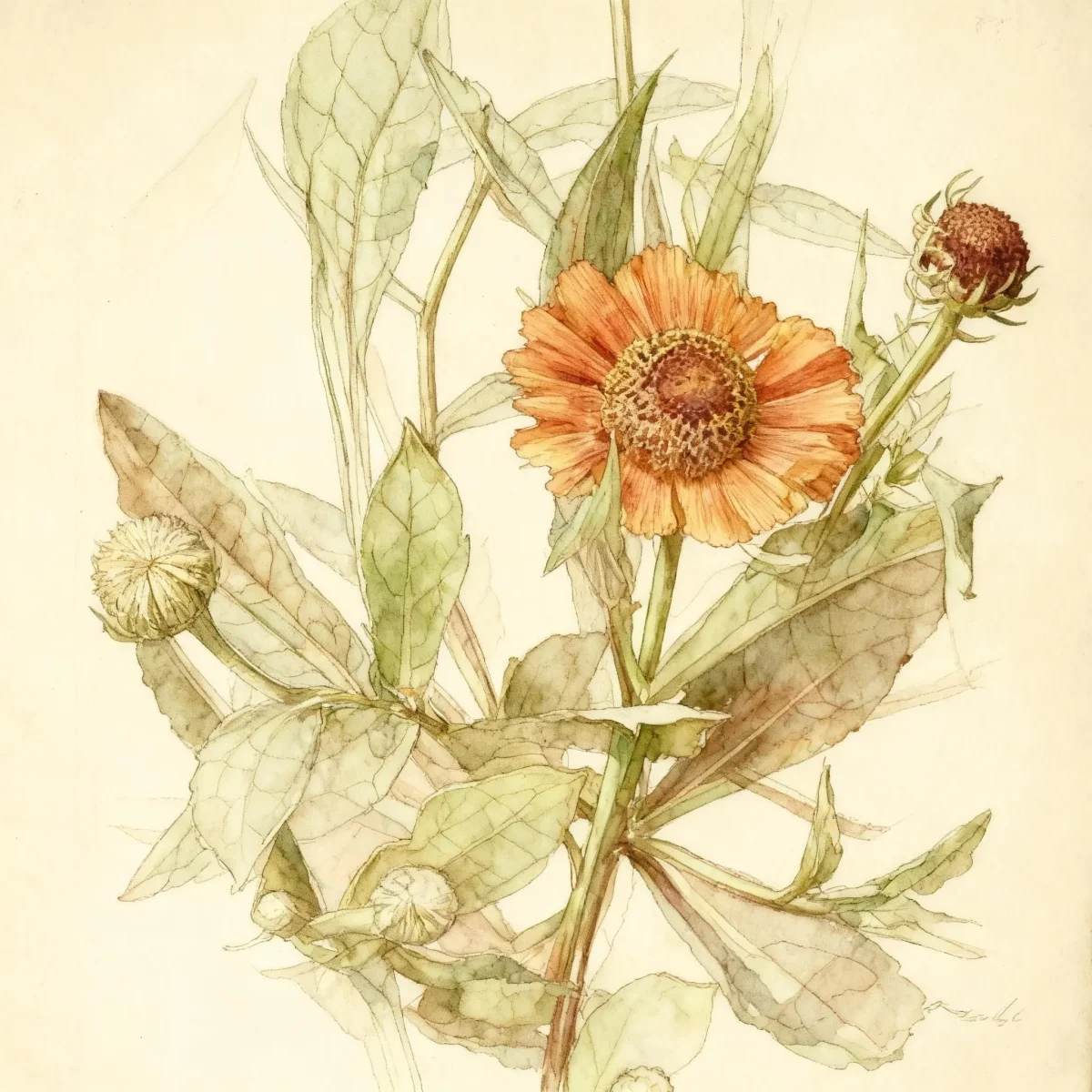
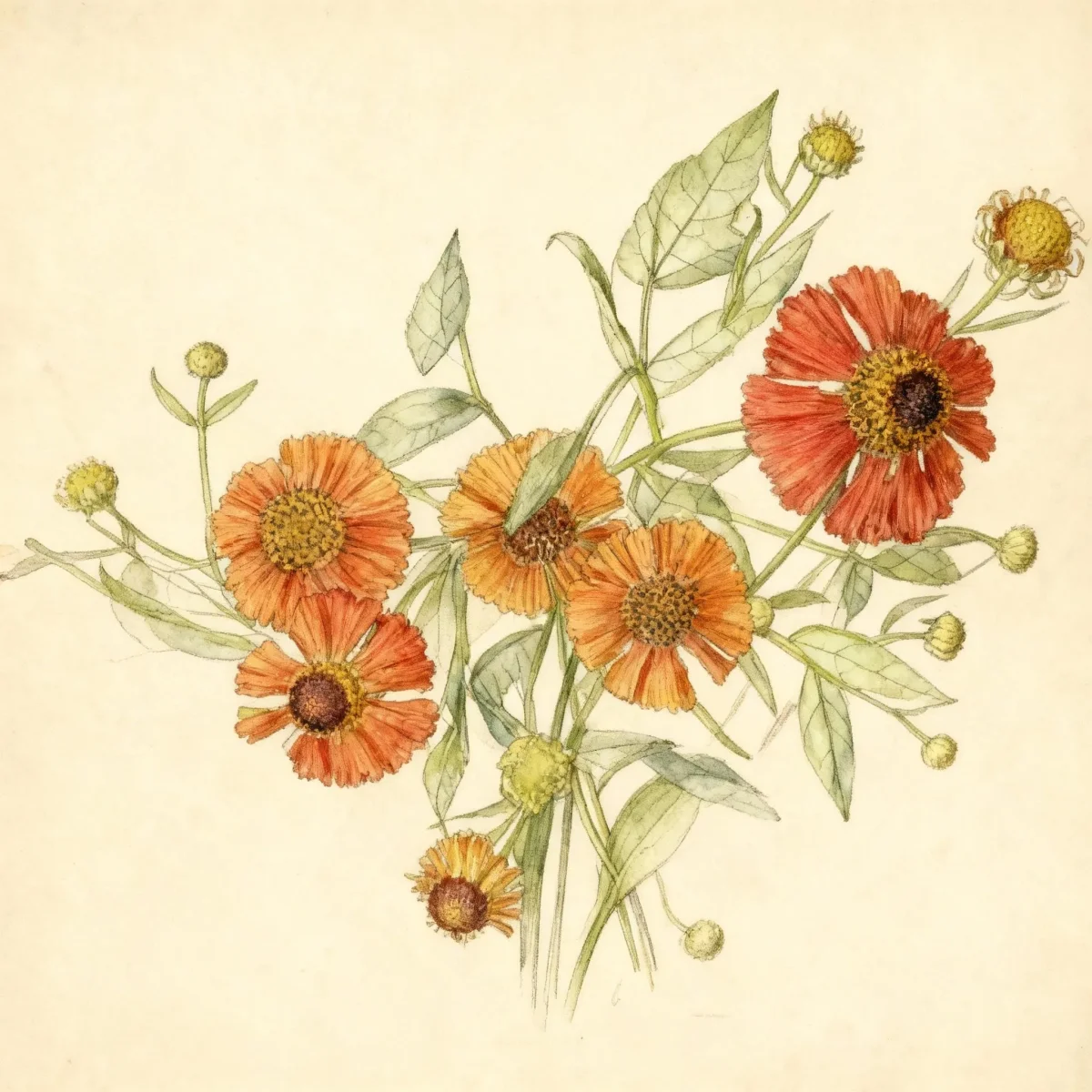
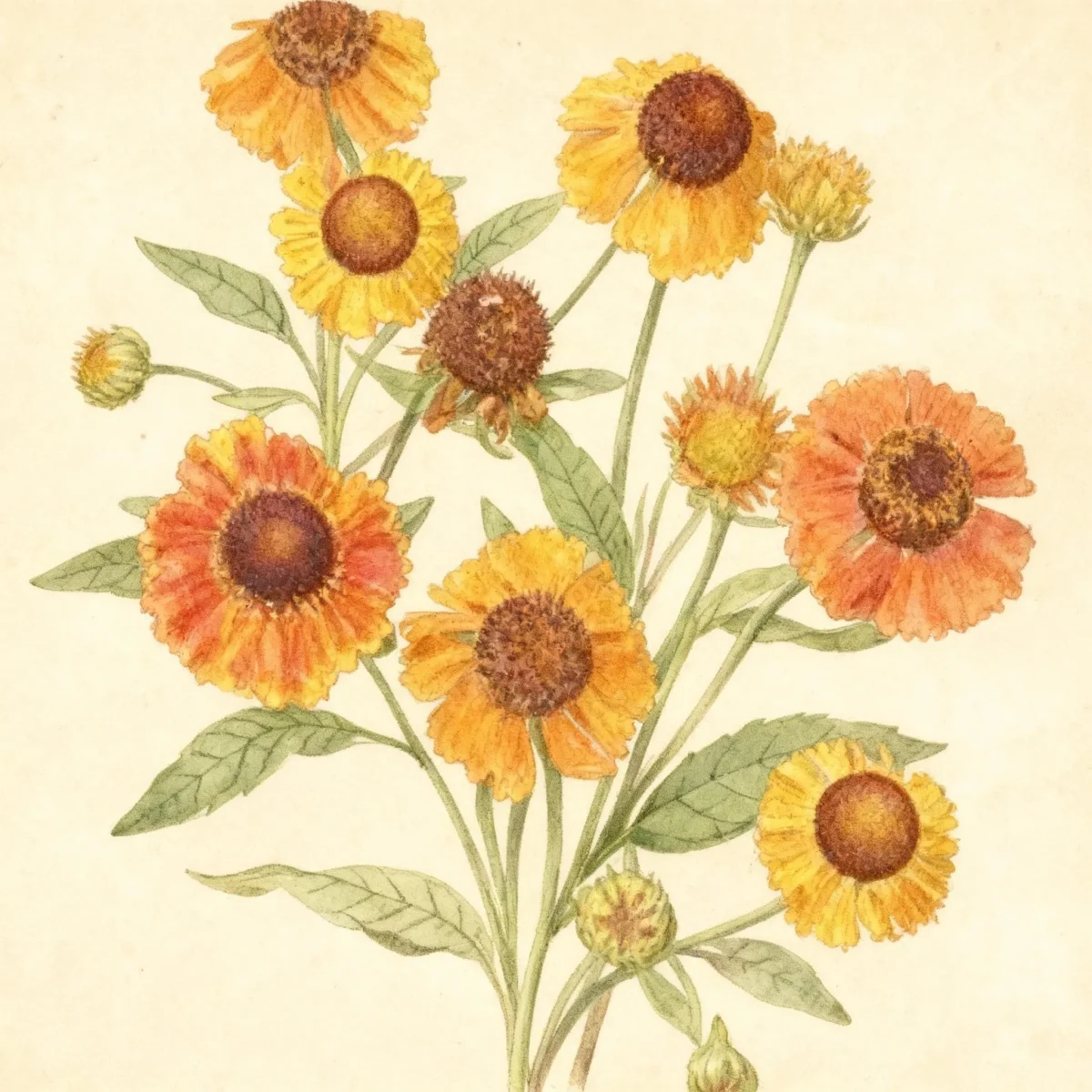
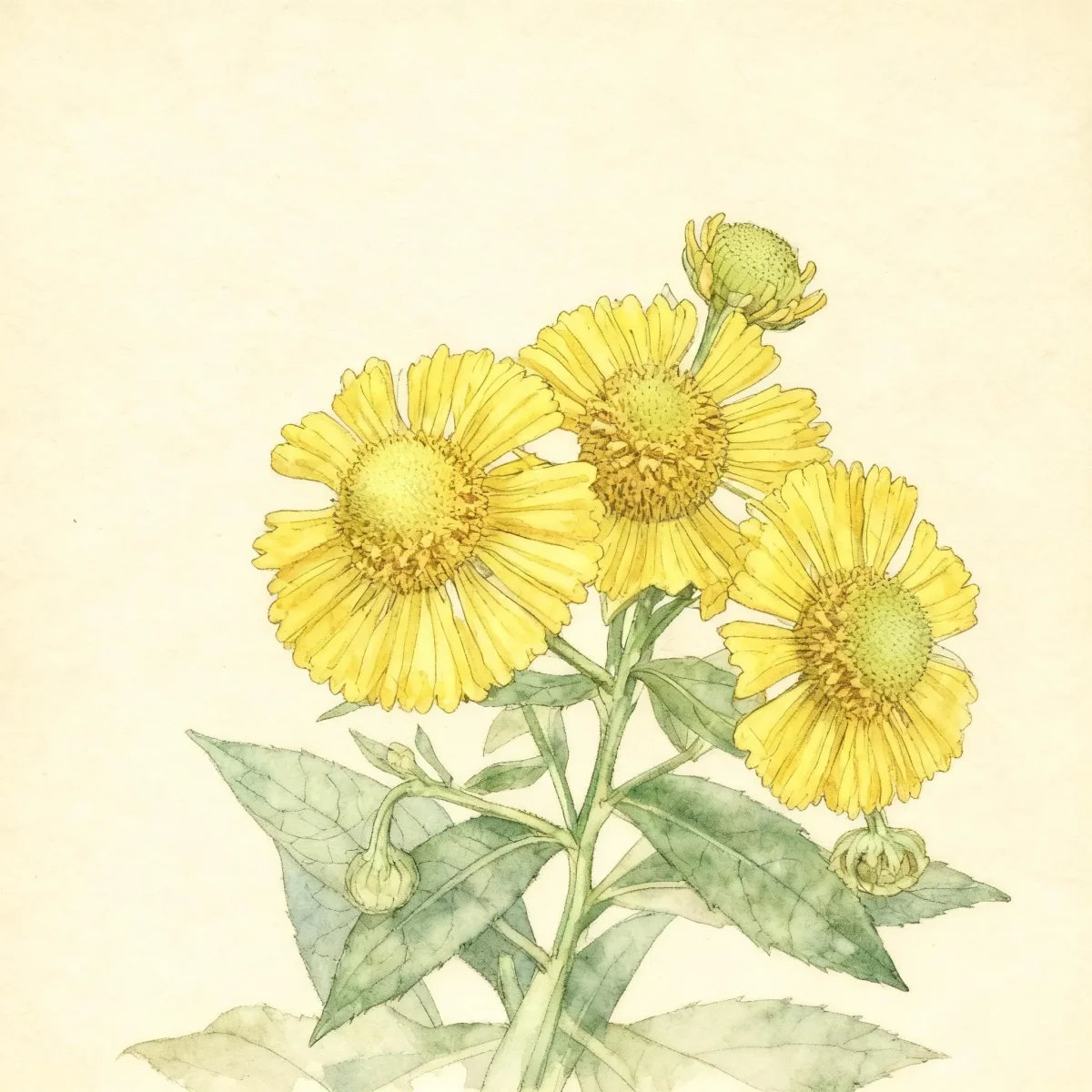
Helenium ‘Zimbelstern’ is a superb herbaceous perennial valued for its intense late-season color display, making it essential for extending the garden season past mid-summer. This cultivar of Sneezeweed produces clusters of striking daisy-like flowers featuring bright yellow rays and deep bronze center disks, attracting numerous pollinators during the late summer and autumn months. Growing up to four feet tall on apparently rigid stems, Helenium ‘Zimbelstern’ provides excellent vertical interest in perennial borders where other summer bloomers may fade. Gardeners prize this variety for its long bloom time and reliable structure, ensuring late-season structure even in wet soil conditions.
This clump-forming perennial thrives in consistent moisture, making it a foundational element in rain gardens or near pond edges. The common name Sneezeweed derives from historical use of dried powder, though modern gardeners utilize this plant purely for its aesthetic and ecological benefits. Successful cultivation of Helenium ‘Zimbelstern’ requires full sun and a commitment to consistent, medium to wet soil conditions.
Fast Facts
- Plant Family: Asteraceae
- Plant Type: Herbaceous perennial
- Hardiness Zones: USDA Zones 3-8
- Size at Maturity:
- Height: 2-4 ft
- Spread: 1-1.5 ft
- Bloom Time: August to October
- Bloom Description: Yellow rays and bronze center disks
- Sun Exposure: Full sun
- Water Needs: Medium to wet
- Maintenance Level: Medium
How to Grow
Plant Helenium ‘Zimbelstern’ in the spring or fall in a location receiving full sun, which is critical for sturdy growth and abundant flowering. This Sneezeweed requires average, medium to wet, well-drained soil and is intolerant of dry conditions, so site selection near moisture sources is recommended. Avoid overfertilization, as excessive nitrogen can lead to overly tall, weak growth requiring support.
Maintenance for Helenium ‘Zimbelstern’ is medium. Deadhead spent flowers periodically to encourage sporadic additional blooms throughout the autumn. Gardeners should divide large clumps every three years to maintain vigor and prevent overcrowding. If you wish to manage height and encourage a more compact, floriferous habit, plants may be cut back by about one-third in early July, ensuring this is done at least six weeks prior to their typical flowering period.
Landscape Uses
Helenium ‘Zimbelstern’ excels as a backdrop plant, providing crucial late summer to fall bloom for the border when many earlier perennials are finished. Its height and upright habit make it effective when positioned toward the back of a mixed herbaceous border, creating a vibrant curtain of yellow and bronze. Because it tolerates moist conditions, this plant is highly effective along pond edges, in prairie plantings, or as a reliable feature in structured rain gardens. Furthermore, the long-lasting, sturdy stems of this Sneezeweed make it exceptionally suitable for use as a high-quality cut flower for autumn arrangements.
Standout Features
Flower Qualities
- Showy
- Good Cut
Noteworthy Characteristics
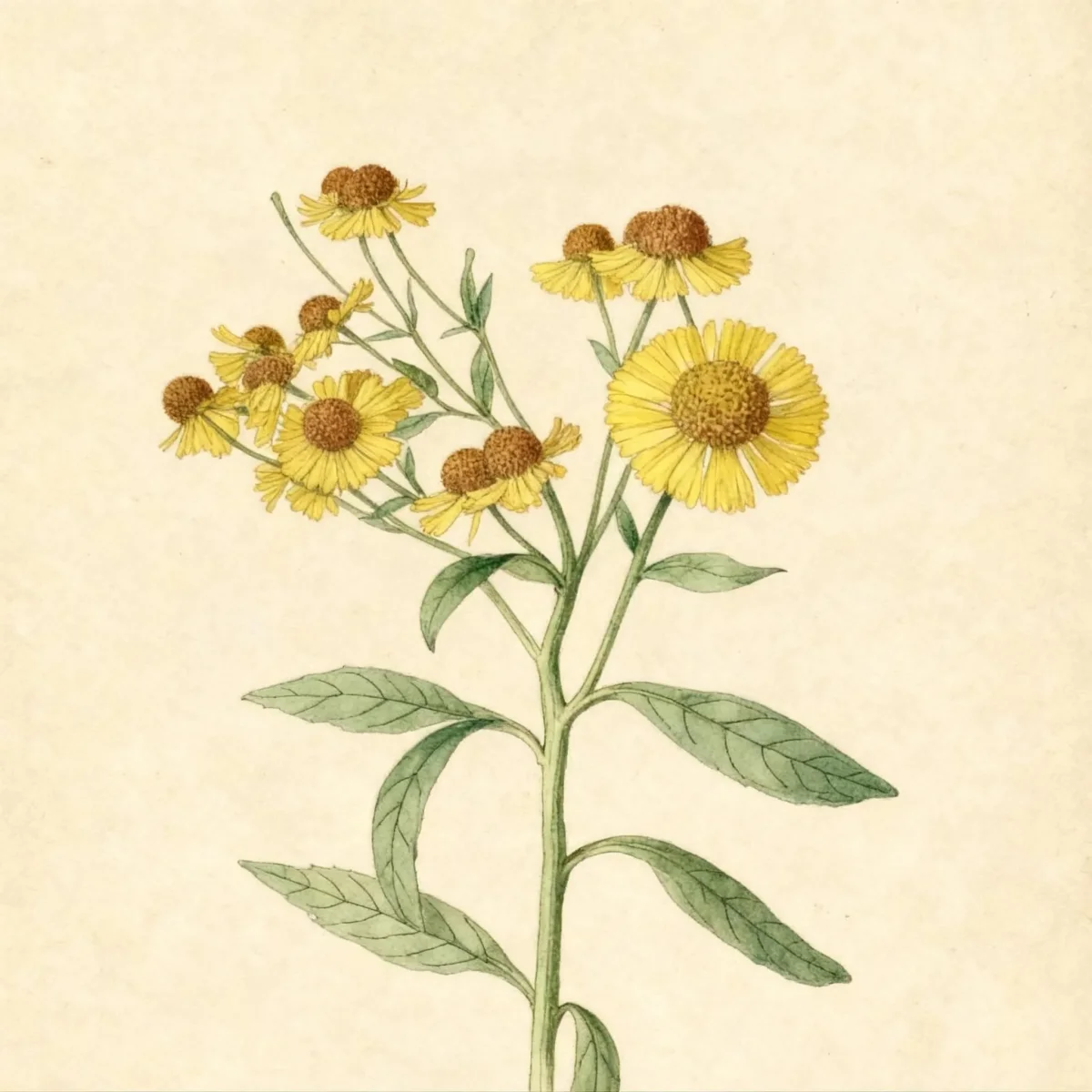
Helenium is a genus of about 40 species of annuals and hebaceous perennials from North and Central America, typically found in damp meadows and woodland edges, boasting a long bloom season that attracts butterflies. The genus name references the Greek term helenion, erroneously linked to Helen of Troy, despite the plants being exclusively native to the Americas. ‘Zimbelstern’ is an erect, clump-forming perennial featuring clusters of 2-inch, daisy-like flowers with distinctive wedge-shaped, bright yellow rays notched at the tips and prominent, dome-like, bronze center disks over a lengthy late summer to autumn bloom period.
Tolerances
- Deer
- Wet Soil
Potential Problems
Sneezeweed varieties, including Helenium ‘Zimbelstern’, can be susceptible to fungal issues such as powdery mildew, leaf spot, and rust, particularly if air circulation is poor or humidity is constantly high. Planting in full sun with well-drained soil helps mitigate these risks by ensuring the foliage dries quickly after rain or morning dew. While most Heleniums benefit from staking, this specific cultivar reportedly possesses strong stems that resist flopping, potentially eliminating the need for extra support during peak bloom. If fungal spots do appear, remove heavily infected leaves promptly and treat with an appropriate fungicide according to label directions.
Frequently Asked Questions
What hardiness zones is Sneezeweed suitable for?
Helenium ‘Zimbelstern’ is reliably hardy across USDA Zones 3 through 8, providing a wide range of adaptability for various climates.
How large does Helenium ‘Zimbelstern’ grow?
This plant typically achieves a mature height between 2 and 4 feet, with a relatively narrow spread of 1 to 1.5 feet, maintaining a strong vertical presence.
When does Helenium ‘Zimbelstern’ bloom?
You can expect radiant blooms from August extending through October, showcasing its signature yellow rays and bronze center disks.
What sun exposure does Sneezeweed need?
For optimal performance and minimized disease pressure, Helenium ‘Zimbelstern’ requires full sun exposure throughout the day.
Conclusion
Helenium ‘Zimbelstern’ remains a quintessential choice for late-season garden impact, delivering showy yellow and bronze blooms reliably into the autumn. Its preference for moist soil makes it exceptionally practical for specialized areas like rain gardens, while its deer resistance adds functional value. Before planting, confirm your site offers full sun and consistently medium to wet soil conditions to ensure the best performance from this vibrant Sneezeweed cultivar.
Companion Planting
Since Helenium ‘Zimbelstern’ thrives in moist, sunny conditions, selecting companions with similar needs ensures a cohesive planting scheme throughout the late summer. Excellent partners include ornamental grasses such as Panicum virgatum cultivars, which offer contrasting airy textures and vertical lines, or moisture-loving natives like Joe Pye Weed (Eutrochium species). Consider pairing the bright yellows of this Sneezeweed with deep purple asters (Symphyotrichum species) for a high-contrast, pollinator-rich display that peaks simultaneously.
Wildlife Benefits
The genus Helenium is famous for its strong attraction to beneficial insects, and Helenium ‘Zimbelstern’ is no exception, providing critical late-season nectar when many other sources have waned. The prominent, dome-like bronze disks are highly accessible landing pads for various butterflies, including Monarchs and Swallowtails, which rely on these flowers for refueling before migration or overwintering. Planting this Sneezeweed significantly boosts the biodiversity value of your garden space throughout the crucial months of August, September, and October.