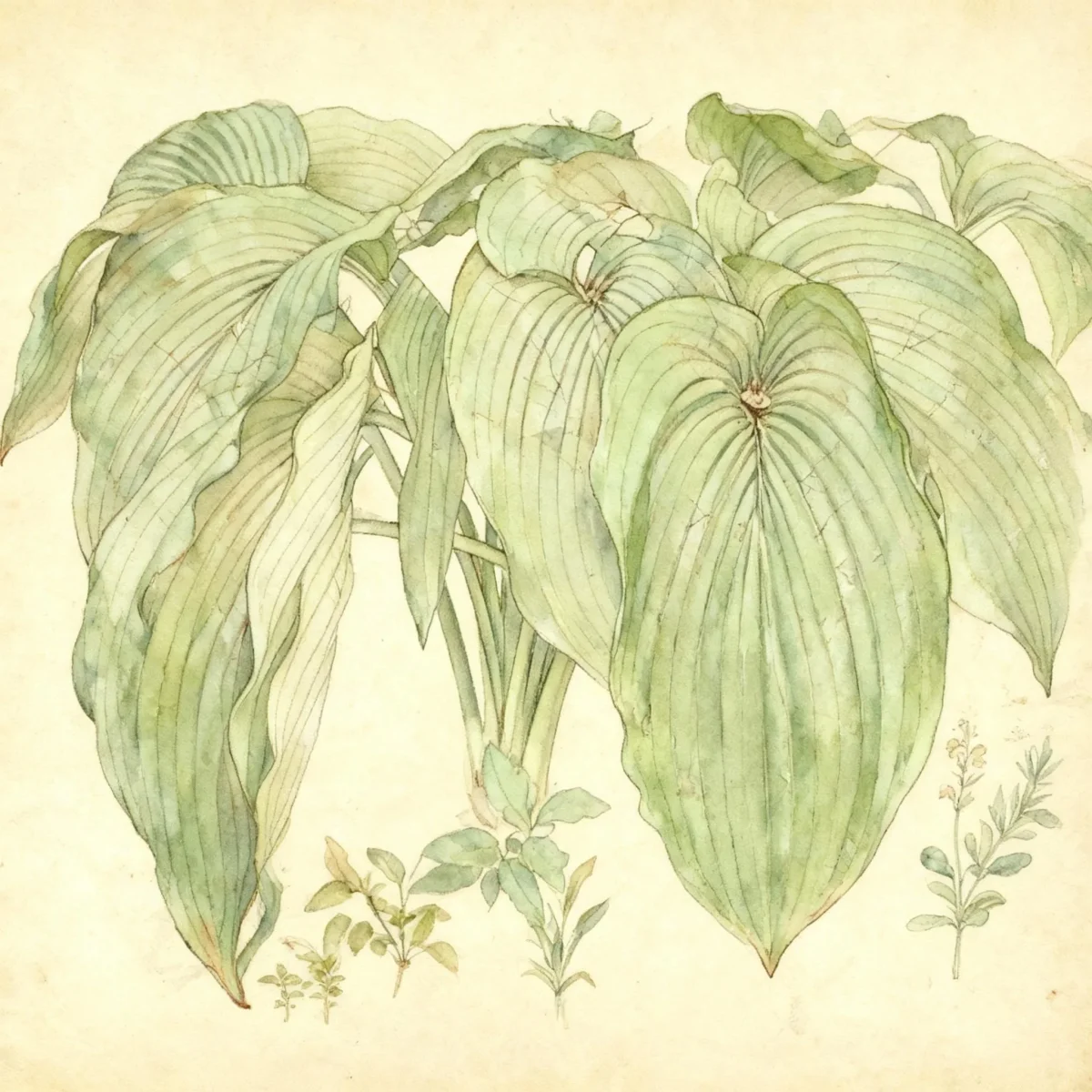
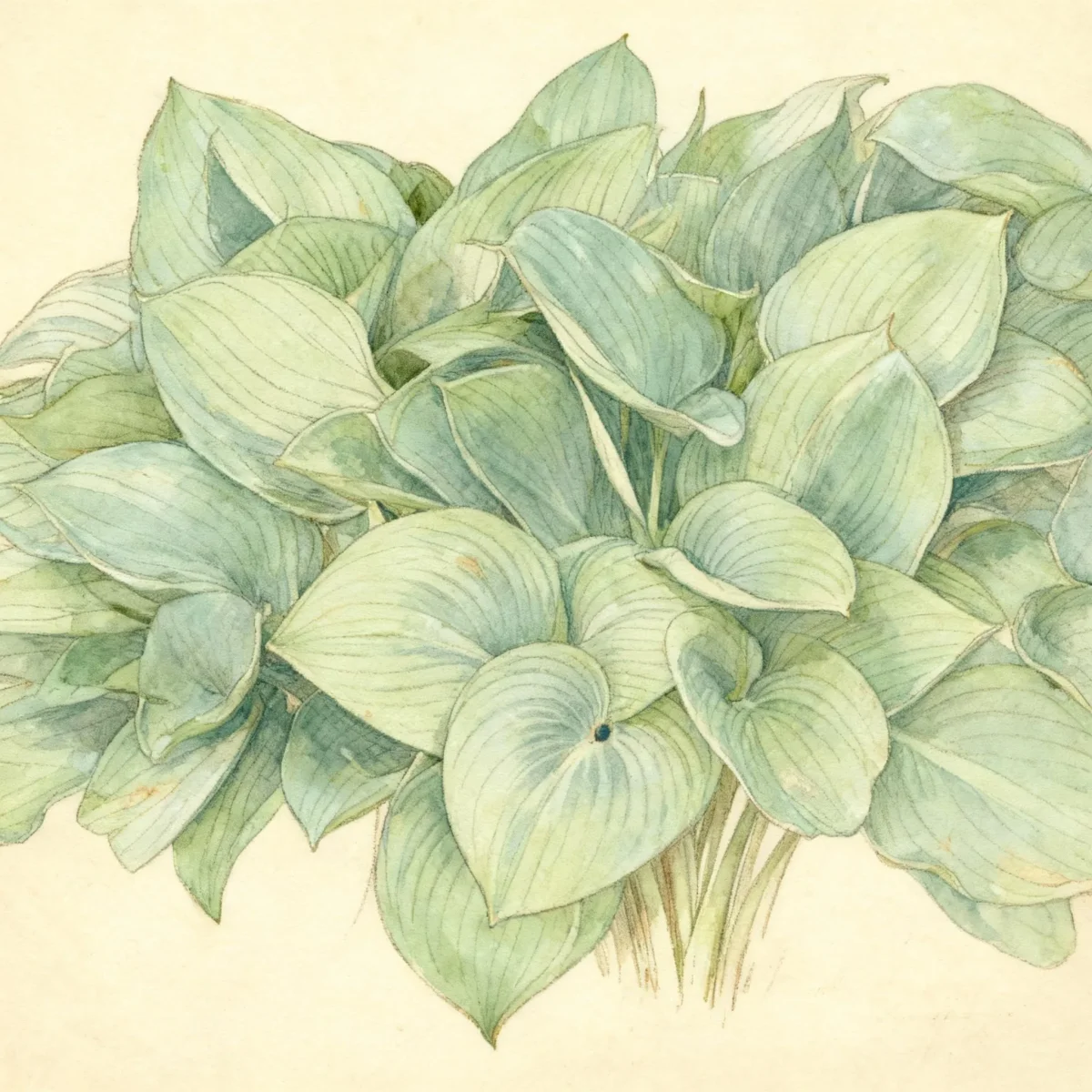
Hosta (Hosta 'Shade Fanfare')
Hosta 'Shade Fanfare' is a low-maintenance perennial prized for chartreuse foliage and lavender blooms, ideal for shade gardens.
Scroll down to discover growing tips, care requirements, companion plants, and more
Complete Plant Information
Overview
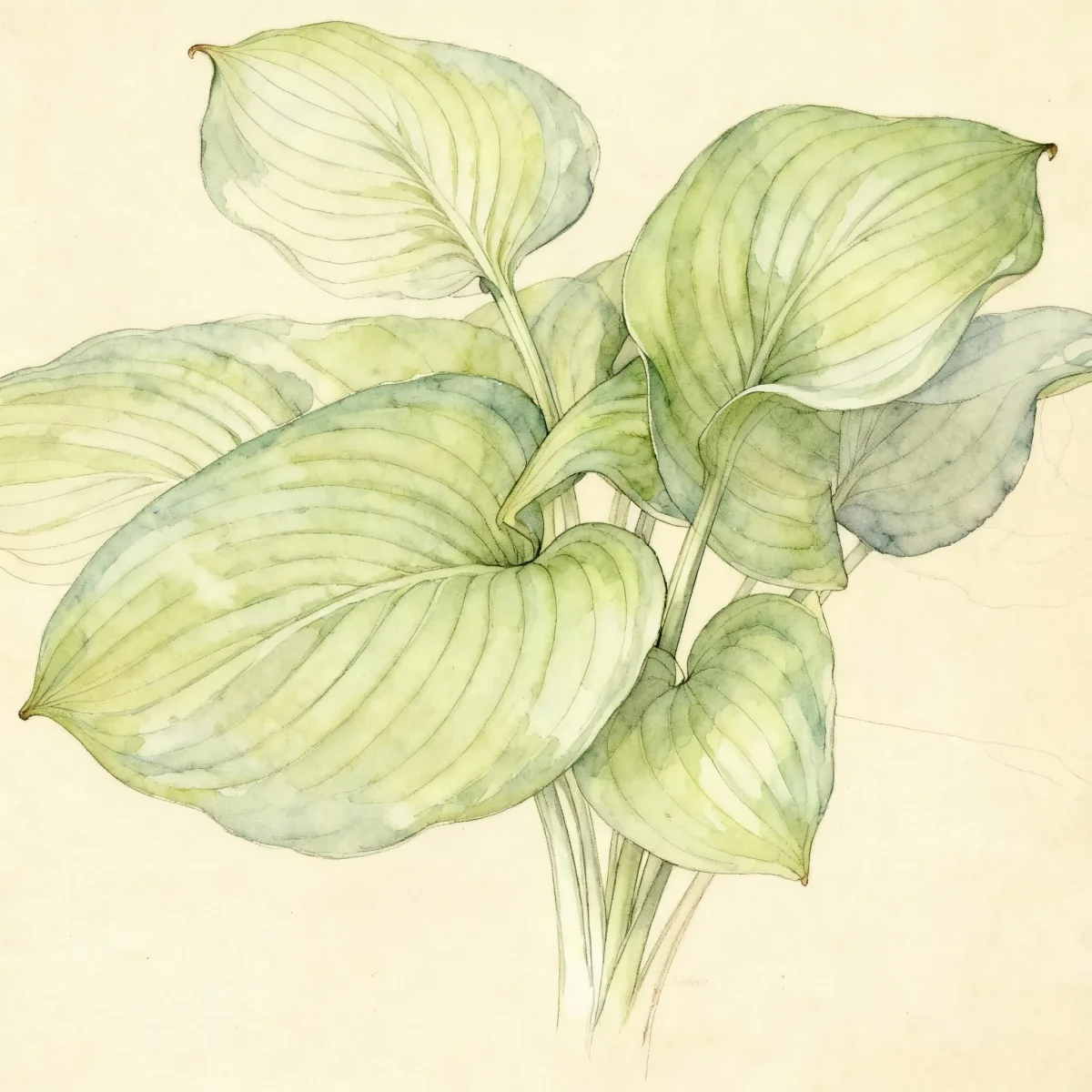
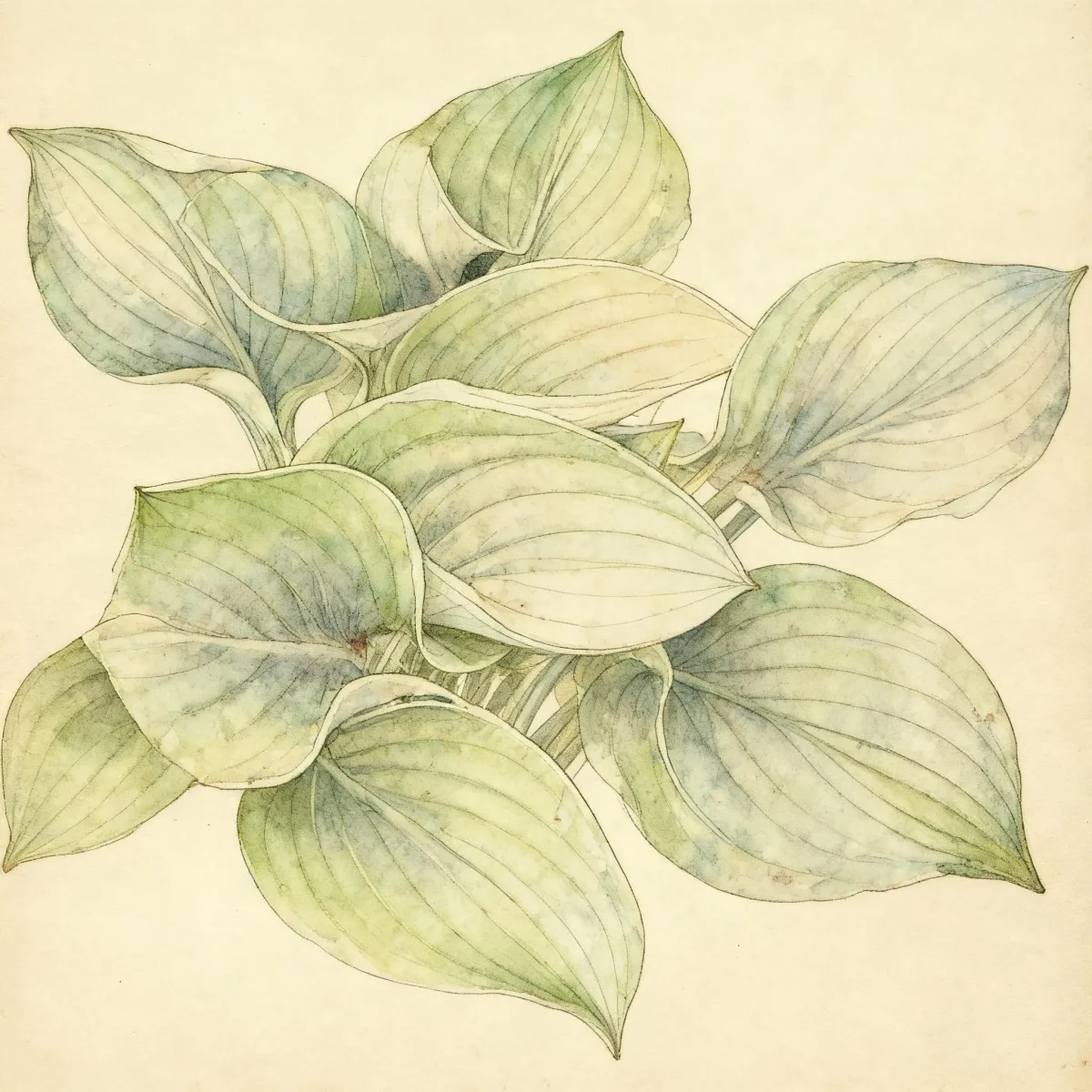
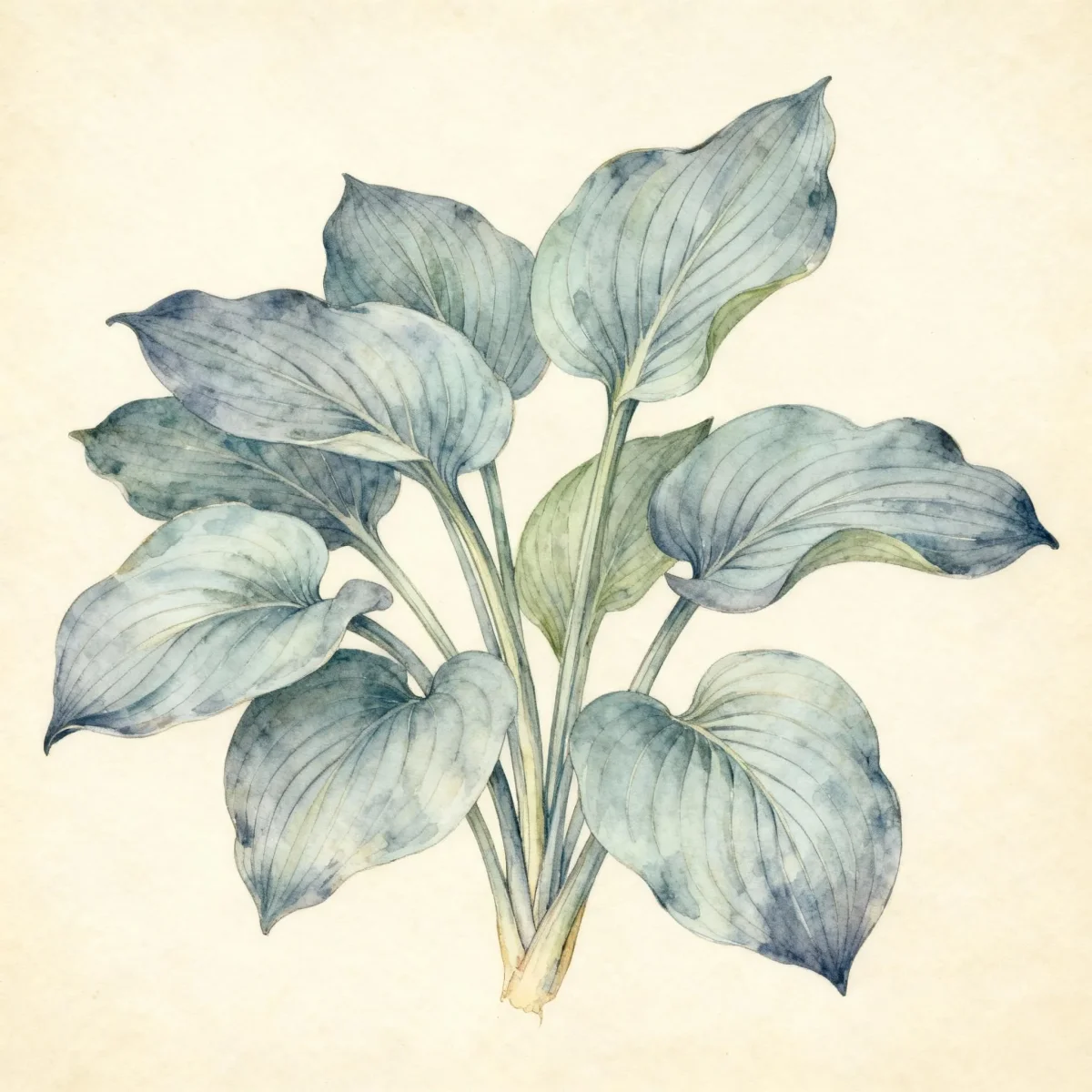
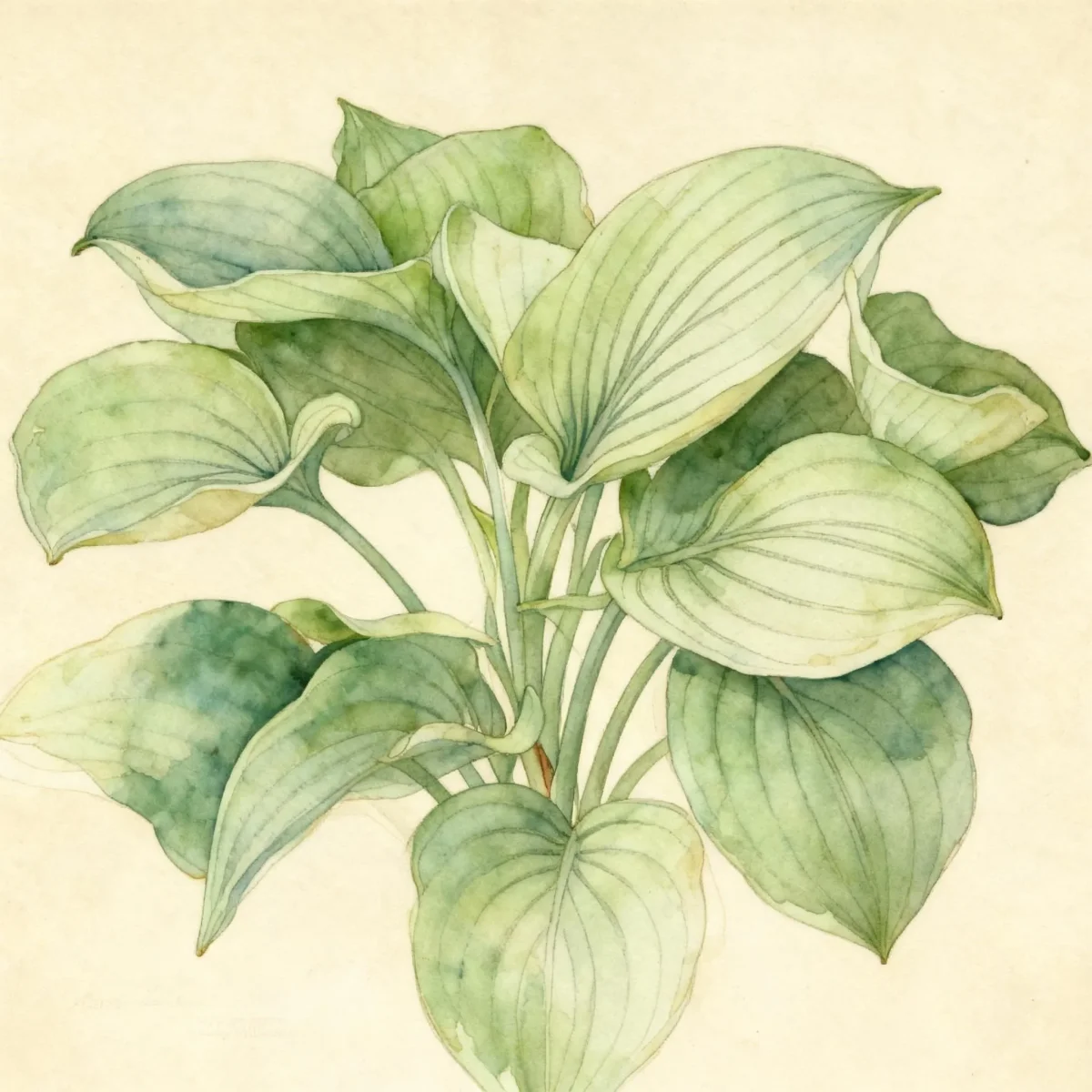
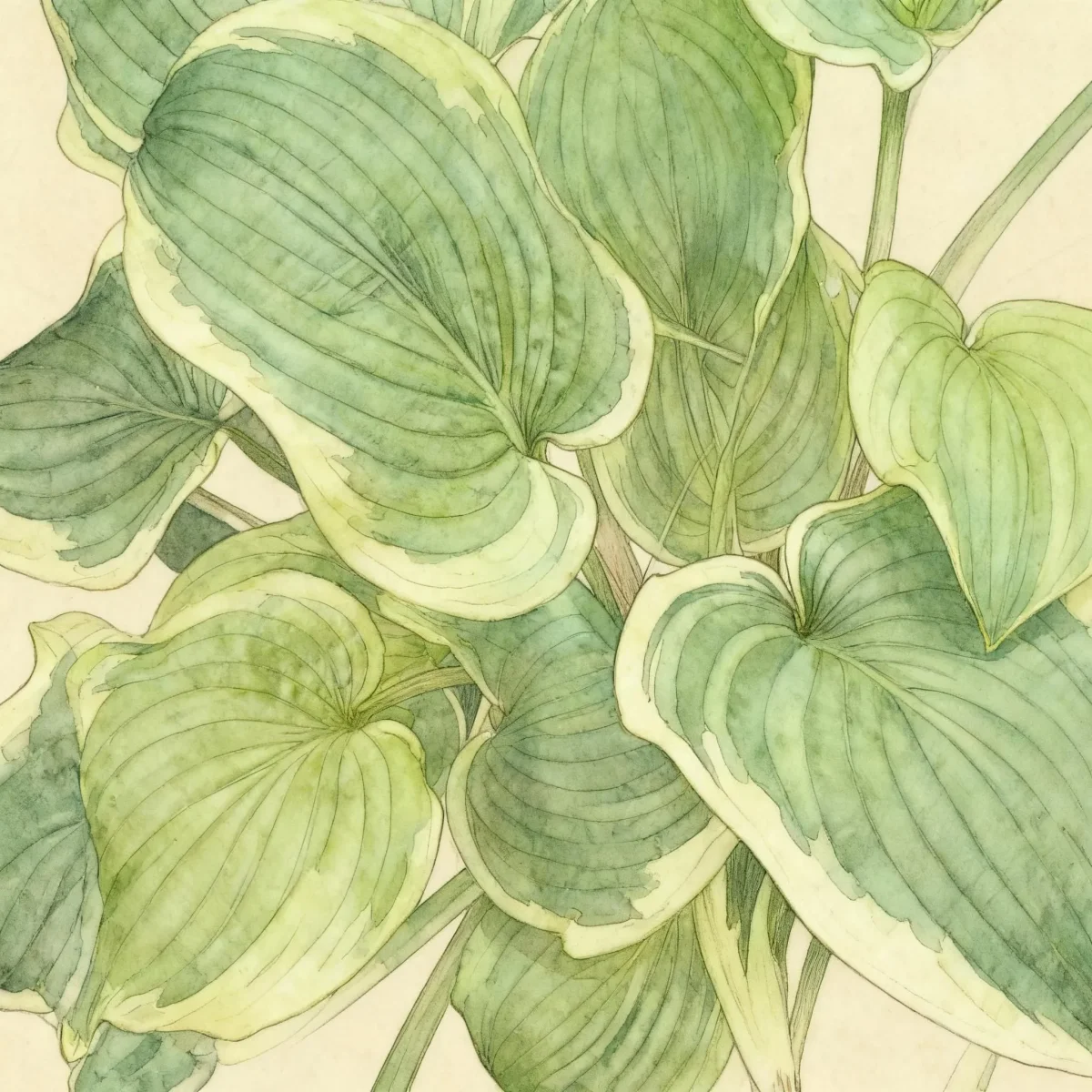
Hosta ‘Shade Fanfare’ is a standout cultivar among the diverse genus of Hosta, celebrated primarily for its ornamental foliage. This herbaceous perennial forms an erect mound, reaching about 16 inches tall, featuring distinctive heart-shaped leaves with a chartreuse center bordered by creamy yellow margins. As a dependable and versatile plant, the Hosta ‘Shade Fanfare’ provides essential color, contrast, and texture to dim garden environments.
This specific Hosta cultivar excels in providing visual interest while remaining relatively easy to manage, being classified as low-maintenance. It requires consistently moist, rich soil to achieve its best form and reliably produces racemes of delicate, funnel-shaped lavender flowers in mid-summer. Its dense foliage is also beneficial, helping to crowd out many unwanted garden weeds beneath the canopy.
Gardeners rely on the genus Hosta for transforming shady areas. Hosta ‘Shade Fanfare’ specifically fulfills this role beautifully, pairing its handsome leaf structure with summer blooms. It is a robust choice, tolerating significant shade and even the challenging root competition found under Black Walnut trees.
Fast Facts
- Plant Family: Asparagaceae
- Plant Type: Herbaceous perennial
- Hardiness Zones: USDA Zones 3-8
- Size at Maturity:
- Height: 1-1.5 ft
- Spread: 1.5-2 ft
- Bloom Time: June to July
- Bloom Description: Lavender
- Sun Exposure: Part shade to full shade
- Water Needs: Medium
- Maintenance Level: Low
How to Grow
Planting Hosta ‘Shade Fanfare’ should occur in a location that receives part shade to full shade; while it tolerates deep shade, this specific cultivar benefits from some morning sun to deepen its foliage coloring. The soil should be organically rich, well-drained, and consistently moist. Avoid planting in areas where the soil dries out completely, especially during hot spells. Hosta are well-suited for planting in spring or autumn, though division is easiest early in the spring before the new leaves emerge.
Consistent moisture management is key for achieving the full size and high quality of Hosta ‘Shade Fanfare’. Water should be applied directly to the soil beneath the foliage canopy to prevent spotting the leaves. While established plants show some tolerance for dry shade, do not let the soil become parched. No extraordinary culture is required for this low-maintenance plant; amending the soil with organic matter annually helps maintain structure and moisture retention.
Established clumps of Hosta can be divided as needed in the spring or fall, which is the best time for propagation. Always site your Hosta in areas protected from strong winds, which can tear or bruise the large leaves. Keep maintenance low by ensuring the soil is rich—dense foliage then naturally suppresses most competitive weeds.
Landscape Uses
Hostas are the quintessential element for structuring a shady garden, and Hosta ‘Shade Fanfare’ adds a bright focal point amidst darker greens. While appreciated for their lavender flowers, the primary feature for landscape design remains the vibrant foliage that provides year-round interest until frost. They are extremely effective when used in mass plantings to create a flowing river of color across a woodland floor or shady border.
These perennials function exceptionally well as mass plantings, groundcover replacements in deep shade, or as excellent background elements that set off smaller, low-growing shade-lovers. Consider pairing Hosta ‘Shade Fanfare’ with acid-loving companions like Astilbe or various shade-tolerant ferns to enhance texture contrast. They also perform admirably in decorative containers, provided consistent moisture is maintained.
Standout Features
Flower Qualities
- Showy
- Good Cut
Noteworthy Characteristics
Hosta is a genus valued for its leafy ornamental foliage, rising from a rhizomatous crown to form a rounded mound. ‘Shade Fanfare’ specifically presents an erect habit with heart-shaped, chartreuse leaves featuring creamy margins, topped by lavender, funnel-shaped flowers on tall scapes. This cultivar is vigorous, provides excellent ground coverage by crowding out weeds, and requires slightly more sun than many other Hostas to fully develop its color.
Tolerances
- Heavy Shade
- Black Walnut
Potential Problems
Slugs and snails pose the most significant threat to the beautiful foliage of the Hosta ‘Shade Fanfare’. These pests feed voraciously, creating jagged holes that quickly detract from the plant’s appearance. Immediate, proactive management is necessary upon sighting—employing bait, traps, or copper barriers can control populations effectively.
Foliar nematodes are another concern, causing interveinal browning on the leaves; affected foliage should be removed promptly. While less common, issues like leaf spots or crown rot can occur, often stemming from poor drainage or excessive moisture. Furthermore, be aware that deer and rabbits frequently feast on Hosta leaves. If viral infections such as Hosta Virus X (HVX) are suspected, the infected plant must be removed and destroyed immediately to prevent spread.
Frequently Asked Questions
What hardiness zones is Hosta ‘Shade Fanfare’ suitable for?
Hosta ‘Shade Fanfare’ is reliably hardy across USDA Zones 3 through 8.
How large does Hosta ‘Shade Fanfare’ grow?
This perennial typically reaches a mature height between 1 and 1.5 feet tall and spreads to a width of 1.5 to 2 feet.
What sun exposure does Hosta need?
While part of the shade-loving Hosta genus, Hosta ‘Shade Fanfare’ specifically performs best in part shade, needing minimal sun dappling or morning light to maximize its chartreuse and creamy foliage color.
When does Hosta bloom?
The flowers of Hosta ‘Shade Fanfare’ appear from June through July, displaying an attractive lavender color.
Conclusion
Hosta ‘Shade Fanfare’ is an indispensable, low-maintenance perennial for bringing brightness and texture to shaded garden spaces. Its resilient nature, combined with the striking chartreuse and cream foliage, ensures it remains a landscape focal point throughout the season. Before planting this versatile Hosta, confirm that your designated spot provides the medium moisture and part-shade conditions necessary for thriving.
Companion Planting in Shade
Companion planting around Hosta ‘Shade Fanfare’ allows gardeners to create multi-layered interest in low-light areas. Consider using plants that contrast Hosta’s broad, heart-shaped leaves with fine textures, such as fine-leafed ferns or tall, airy Astilbes. Brunnera macrophylla (Siberian Bugloss) offers blue foliage that beautifully complements the chartreuse tones of the Hosta.
When selecting groundcovers beneath your Hosta, ensure they share similar moisture requirements—medium and consistent. Shade-loving woodland phlox or creeping Jenny can help cover the soil between individual Hosta mounds, further suppressing weeds and keeping the root zone cool and moist, which benefits the Hosta overall.
Seasonal Care Calendar
Spring preparation for your Hosta involves dividing any overcrowded clumps; do this early before the new leaves fully unfurl. As summer progresses, focus primarily on consistent watering, directing moisture to the soil rather than overhead. Ensure you apply deep, slow waterings to encourage deep root development rather than frequent, shallow sprinkles.
In the late summer or early autumn, inspect the foliage for pest damage now that the plant has reached its mature size for the season. Fall is also a good time to refresh the soil surface around the clump with a fresh layer of compost or mulch, which protects the crown through winter dormancy. As temperatures drop, the foliage will naturally die back, ready for a simple cleanup before the first hard freeze.