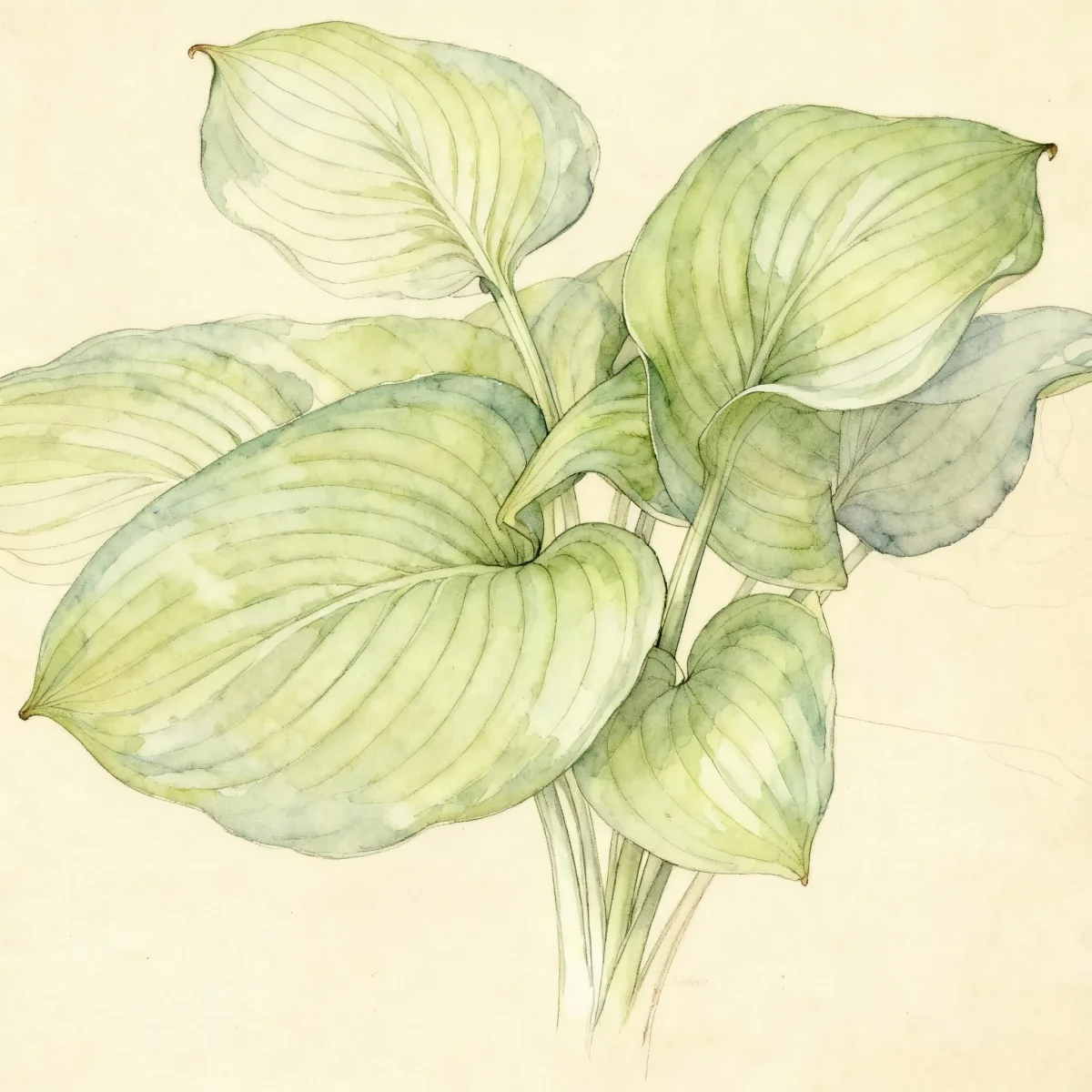
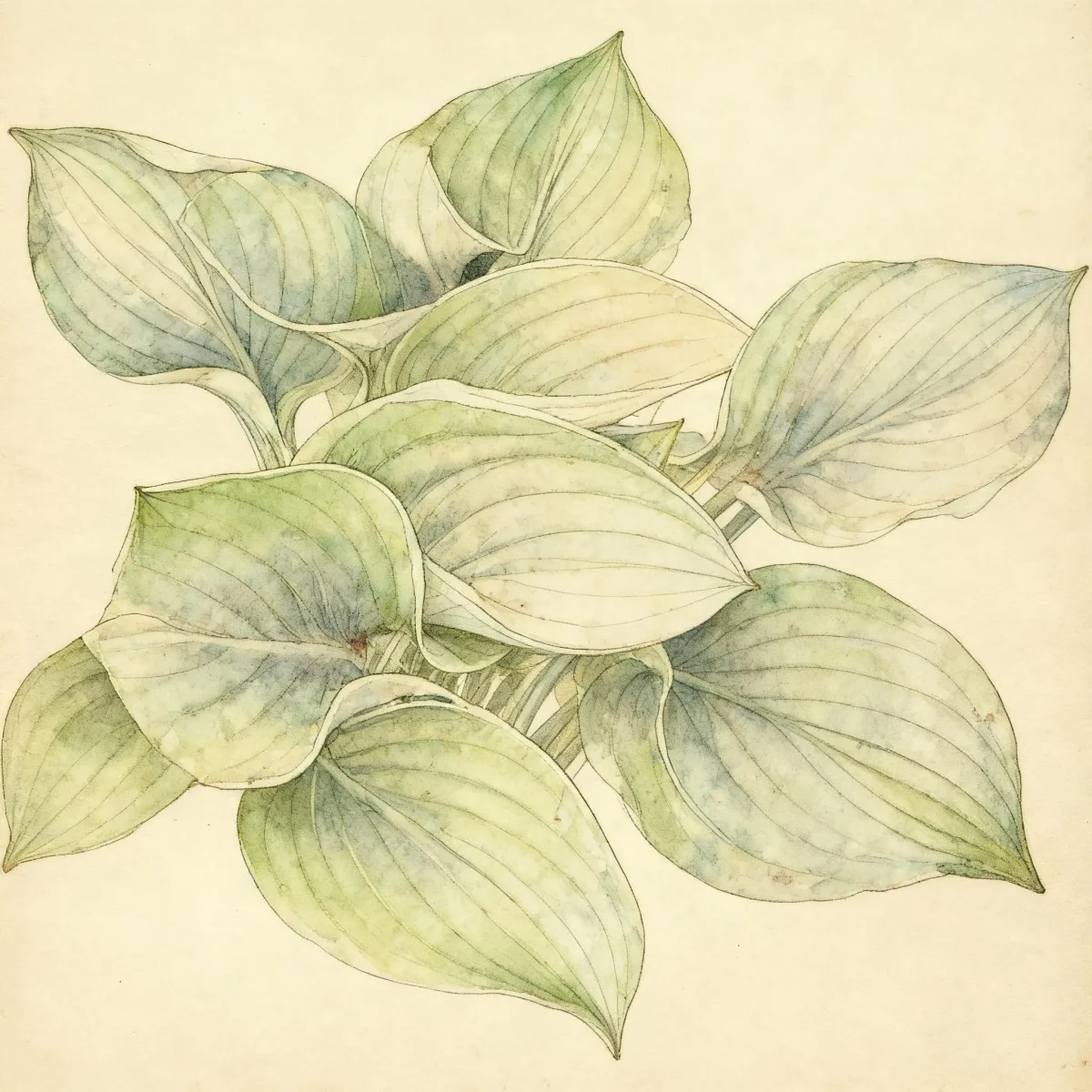
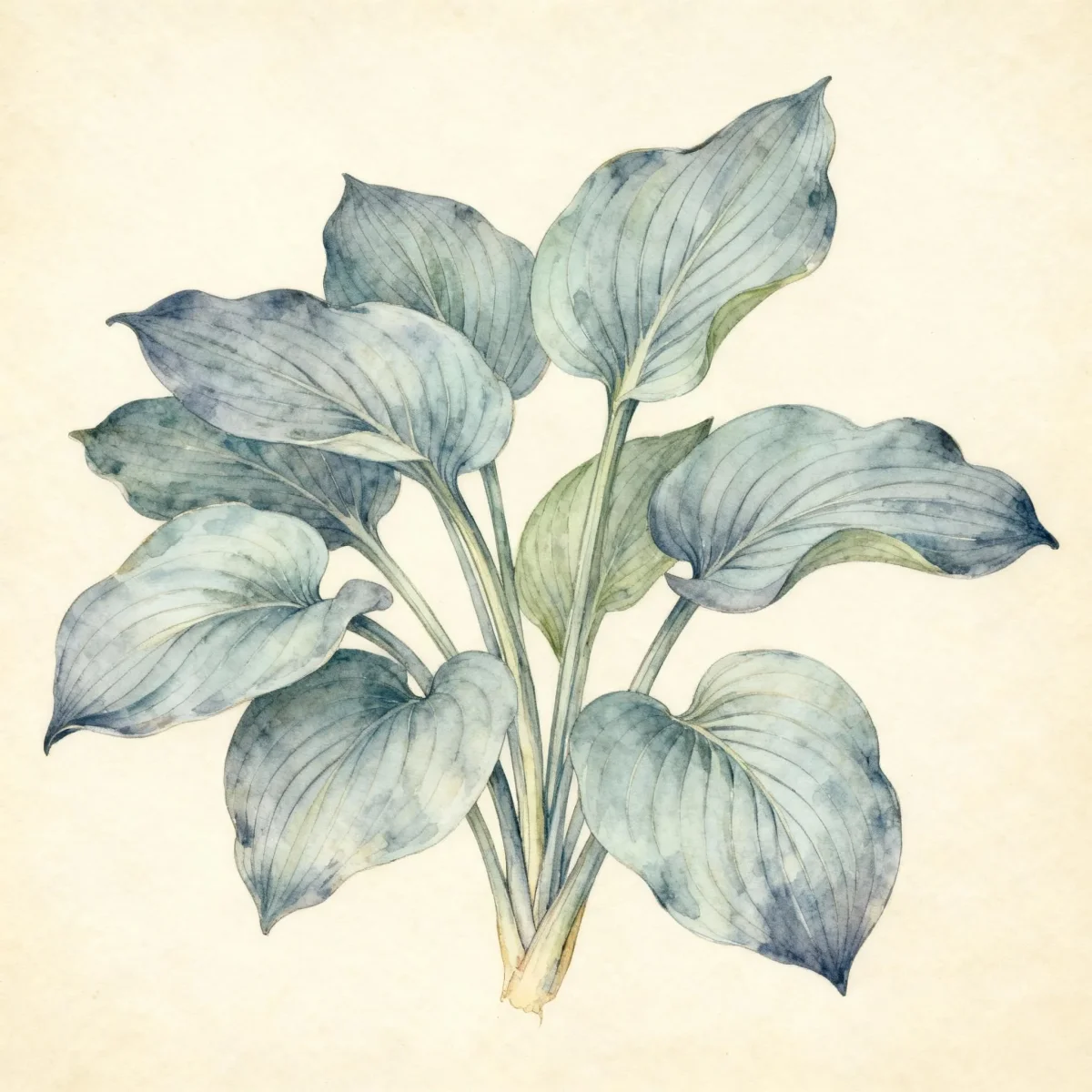
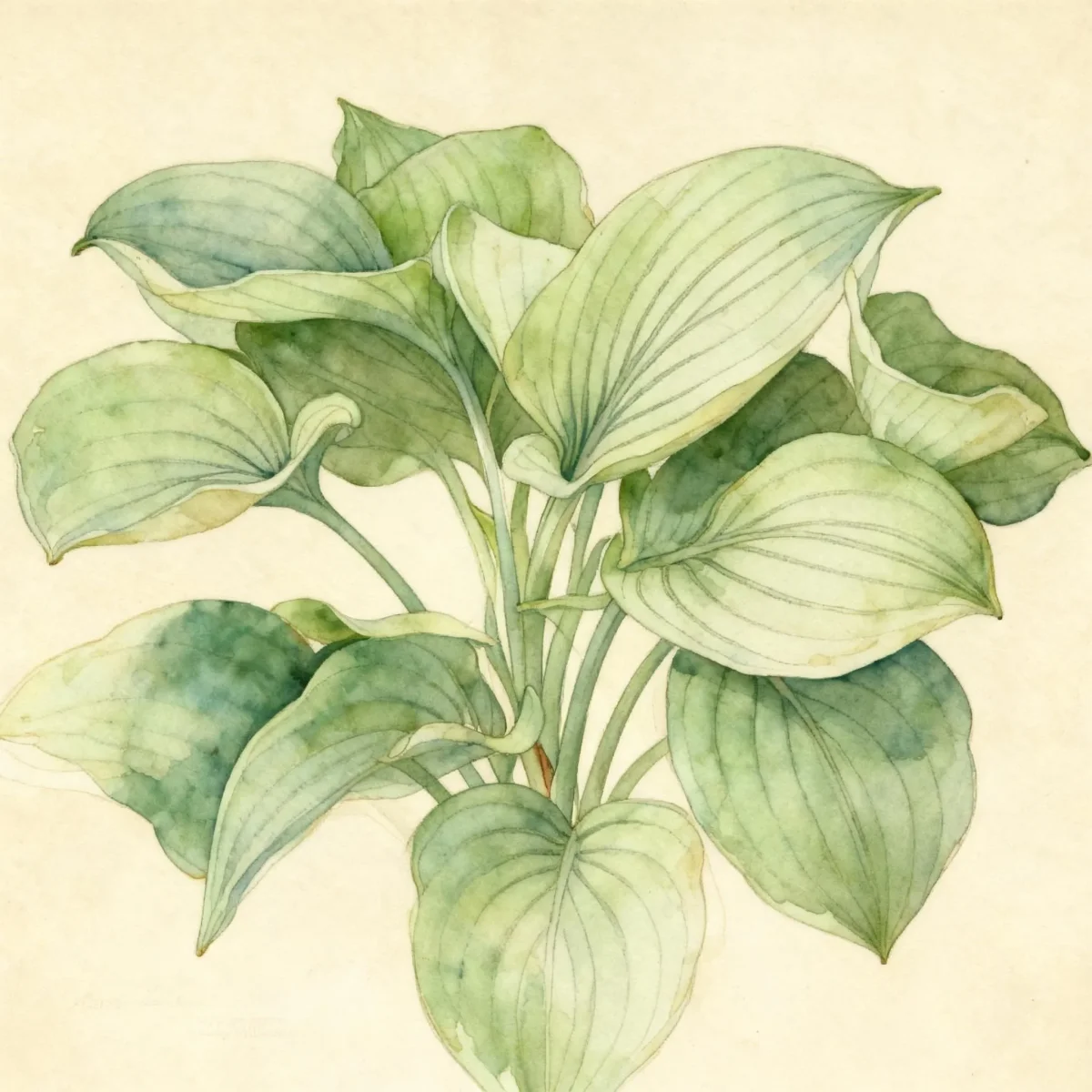
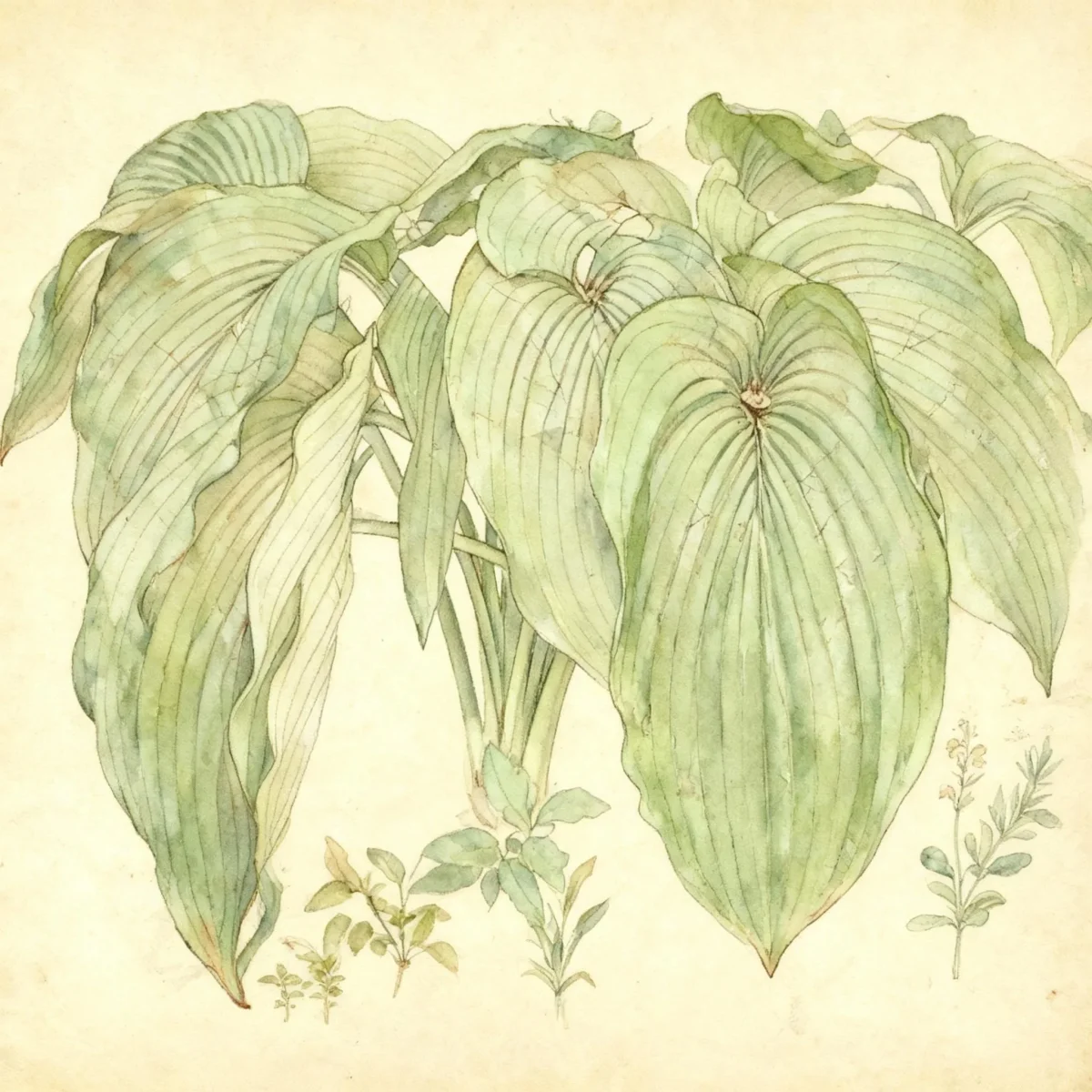
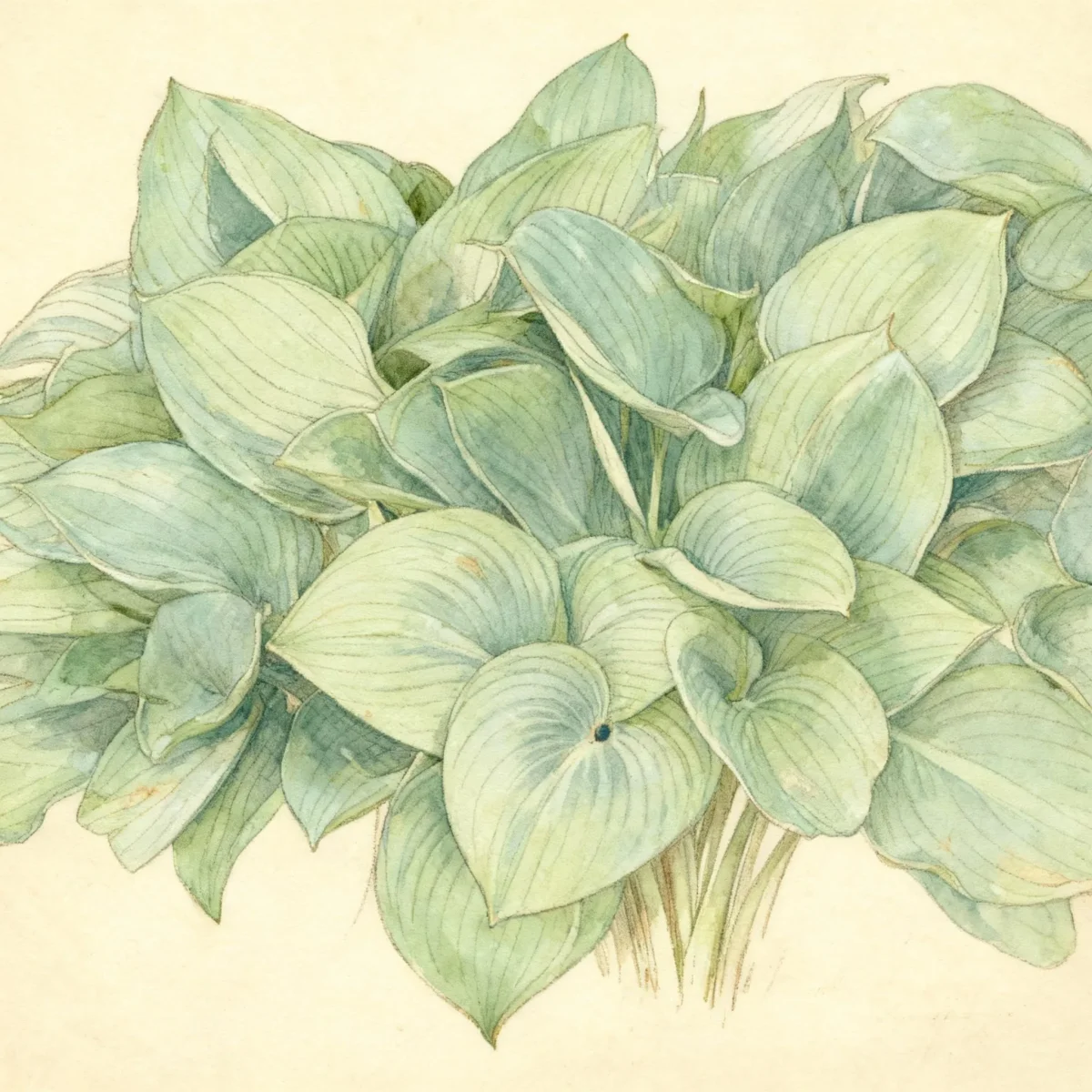
Hosta (Hosta 'So Sweet')
Hosta 'So Sweet' is a small, fragrant, clump-forming perennial prized for striking green leaves with white margins, perfect for shade gardens.
Scroll down to discover growing tips, care requirements, companion plants, and more
Complete Plant Information
Overview
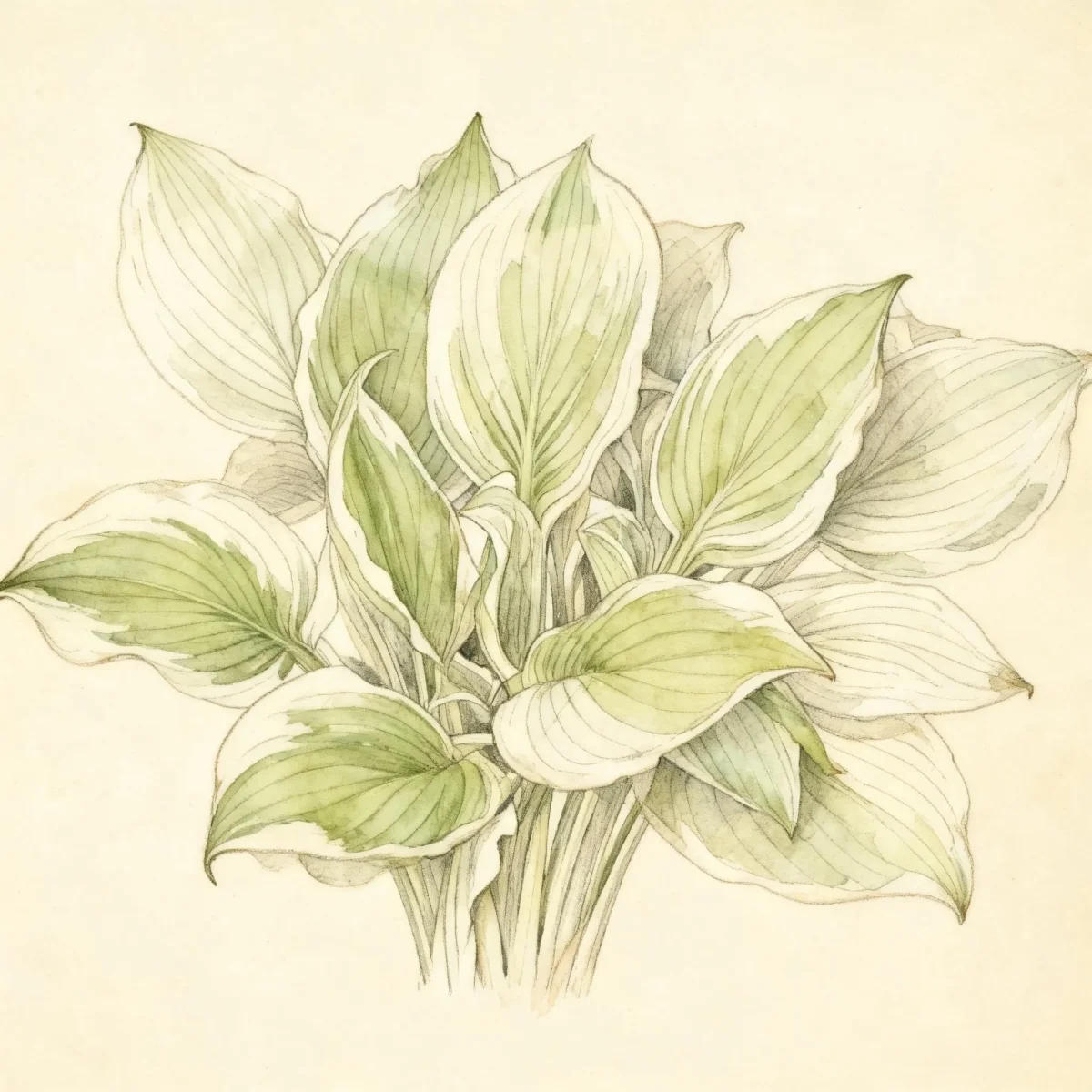
Hosta ‘So Sweet’ stands out as a top choice for gardeners seeking reliable, ornamental texture beneath dappled light. This cultivar forms a neat, vase-shaped clump of flat, glossy, medium-green leaves sharply defined by crisp white margins, offering incredible contrast in dim garden areas. As a dependable herbaceous perennial, Hosta ‘So Sweet’ requires minimal attention once established, making it invaluable for both novice and experienced gardeners. The plant’s primary appeal lies in its striking foliage, though it also rewards growers with fragrant white blooms in mid-summer, solidifying its role as a staple element in shaded landscapes.
Fast Facts
- Plant Family: Asparagaceae
- Plant Type: Herbaceous perennial
- Hardiness Zones: USDA Zones 3-8
- Size at Maturity:
- Height: 0.5-0.75 ft
- Spread: 0.75-1 ft
- Bloom Time: June to August
- Bloom Description: White
- Sun Exposure: Part shade to full shade
- Water Needs: Medium
- Maintenance Level: Low
How to Grow
The ideal environment for Hosta is one with evenly moist, organically rich, and well-drained soil. Plant Hosta ‘So Sweet’ in the spring or autumn, placing it where it receives part shade, ideally benefiting from gentle morning sun or dappled light throughout the day. Consistent moisture is crucial for maintaining the full size and glossy quality of the foliage; water should be directed to the soil beneath the leaves rather than wetting the foliage itself. Established plants exhibit some modest tolerance for dry shade, especially if the leaves are thick, but prolonged dryness should be avoided. Divided Hosta plants as needed, with early spring before leaf emergence being the easiest division time. Furthermore, protect your Hosta clumps by planting them in locations sheltered from strong winds. This genus, including Hosta ‘So Sweet’, is celebrated for being a truly low-maintenance perennial.
Landscape Uses
Hostas are the undisputed mainstay for enriching any shady garden area, valued far more often for their ornamental foliage than for their blooms. Hosta ‘So Sweet’ brings excellent color and texture contrast, effectively brightening darker corners where few other plants thrive. They are extremely effective when planted in mass groupings or used as a formal border edging, creating a dense carpet that naturally crowds out many common garden weeds. Consider using this Hosta as a background element or lining woodland pathways where their cool green and white variegation can truly shine.
Standout Features
Flower Qualities
- Showy
- Fragrant
- Good Cut
Noteworthy Characteristics
Hosta is a genus primarily grown for its ornamental foliage, featuring conspicuous, veined leaves rising from a central crown to form mounds. ‘So Sweet’ specifically is a small, upright Hosta reaching about 8 inches high, showcasing lance-shaped leaves edged in white, producing fragrant white flowers atop 14-inch scapes. Recognized as an American Hosta Growers Plant of the Year in 1996, this Hosta variety provides dependable color, texture, and weed suppression.
Tolerances
- Heavy Shade
- Black Walnut
Potential Problems
Slugs and snails pose the primary threat to Hosta foliage, causing jagged holes that severely detract from the aesthetic value if not managed promptly. Regularly inspect the underside of leaves, especially during wet weather, and apply barriers or baits to control these common pests. Watch also for foliar nematodes, which manifest as interveinal browning on the leaves. While leaf spots and crown rot are less common, ensure excellent drainage to prevent them. Should any signs of viral infection appear (like Hosta Virus X), immediately remove and destroy the infected plant to prevent spreading the disease. Deer and rabbits frequently browse Hosta foliage, often voraciously.
Frequently Asked Questions
What hardiness zones is Hosta ‘So Sweet’ suitable for?
Hosta ‘So Sweet’ is reliably hardy across USDA Zones 3 through 8.
How large does Hosta grow?
This small cultivar typically reaches a mature height between 0.5 and 0.75 feet and spreads between 0.75 and 1 foot wide.
What sun exposure does Hosta ‘So Sweet’ need?
This Hosta variety thrives best in part shade to full shade conditions, performing well with some morning sun exposure.
When does Hosta ‘So Sweet’ bloom?
The plant produces its fragrant white flowers atop scapes that bloom throughout the summer months, typically from June to August.
Conclusion
Hosta ‘So Sweet’ remains an essential planting for anyone managing shady garden spaces due to its reliably attractive, variegated foliage and low-maintenance nature. The elegant white margins and sweet fragrance of its summer flowers make this Hosta a versatile garden jewel. Before installing, confirm that your site matches the part shade requirement and that your landscape has consistent moisture to ensure your Hosta thrives for years to come.
Companion Planting
Selecting appropriate companions is key to maximizing the visual impact of Hosta ‘So Sweet’ in a shade garden. Since Hostas appreciate consistent moisture and rich soil, pair them with other shade-loving perennials that share similar cultural needs, such as Japanese Forest Grass (Hakonechloa macra) or bleeding hearts (Dicentra spectabilis). The fine texture of ferns contrasts beautifully with the broad leaves of the Hosta, creating depth and complexity in woodland plantings. Avoid planting near vigorous, high-moisture feeders unless you can guarantee adequate water for all specimens.
Design Ideas for Variegated Hostas
Variegated Hostas like Hosta ‘So Sweet’ are fantastic for introducing bright points of light into deep shade where illumination is scarce. Use them to line pathways, where the white edges catch any available ambient light, guiding the eye through the landscape. A sophisticated design approach involves massing them under high-branching trees, allowing the foliage to form a living carpet underneath. For year-round interest, consider interplanting the Hosta with shade-tolerant evergreens, such as small rhododendrons or dwarf hemlocks, which provide structure when the leaves of Hosta eventually senescence in the fall.