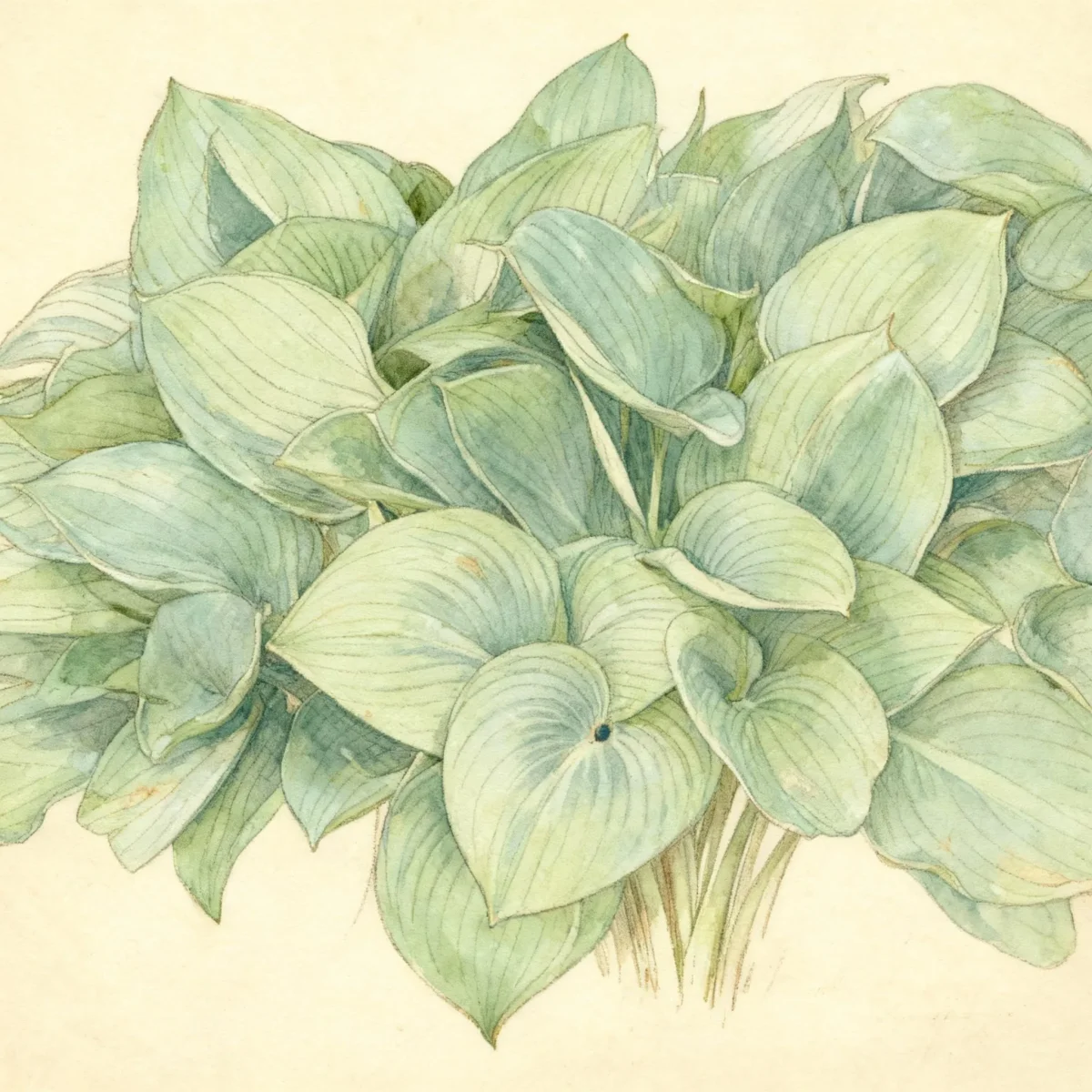
Hosta (Hosta 'Sparkling Burgundy')
Hosta 'Sparkling Burgundy' offers rich, dark foliage and lavender blooms, providing excellent texture for low-maintenance shade gardens.
Scroll down to discover growing tips, care requirements, companion plants, and more
Complete Plant Information
Overview
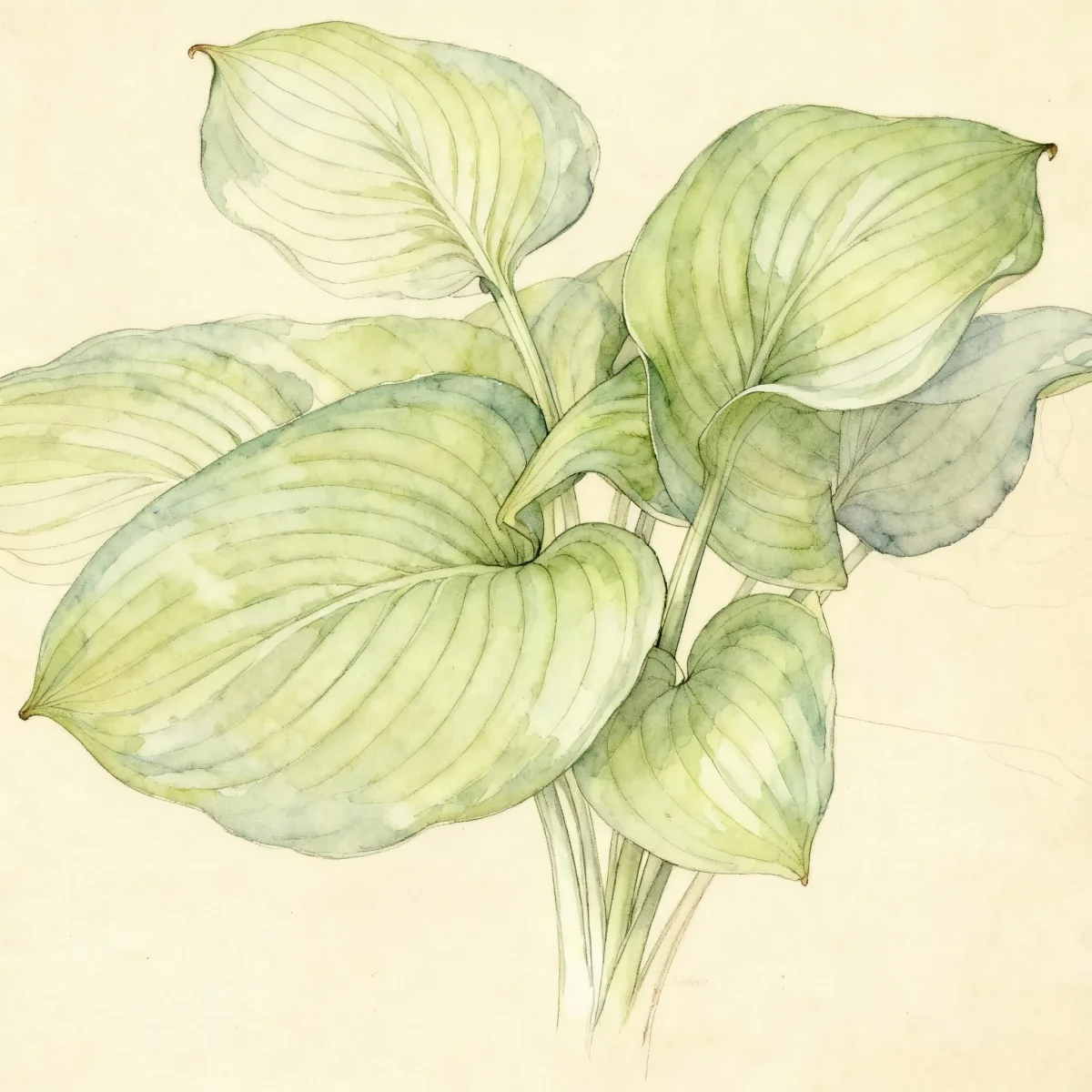
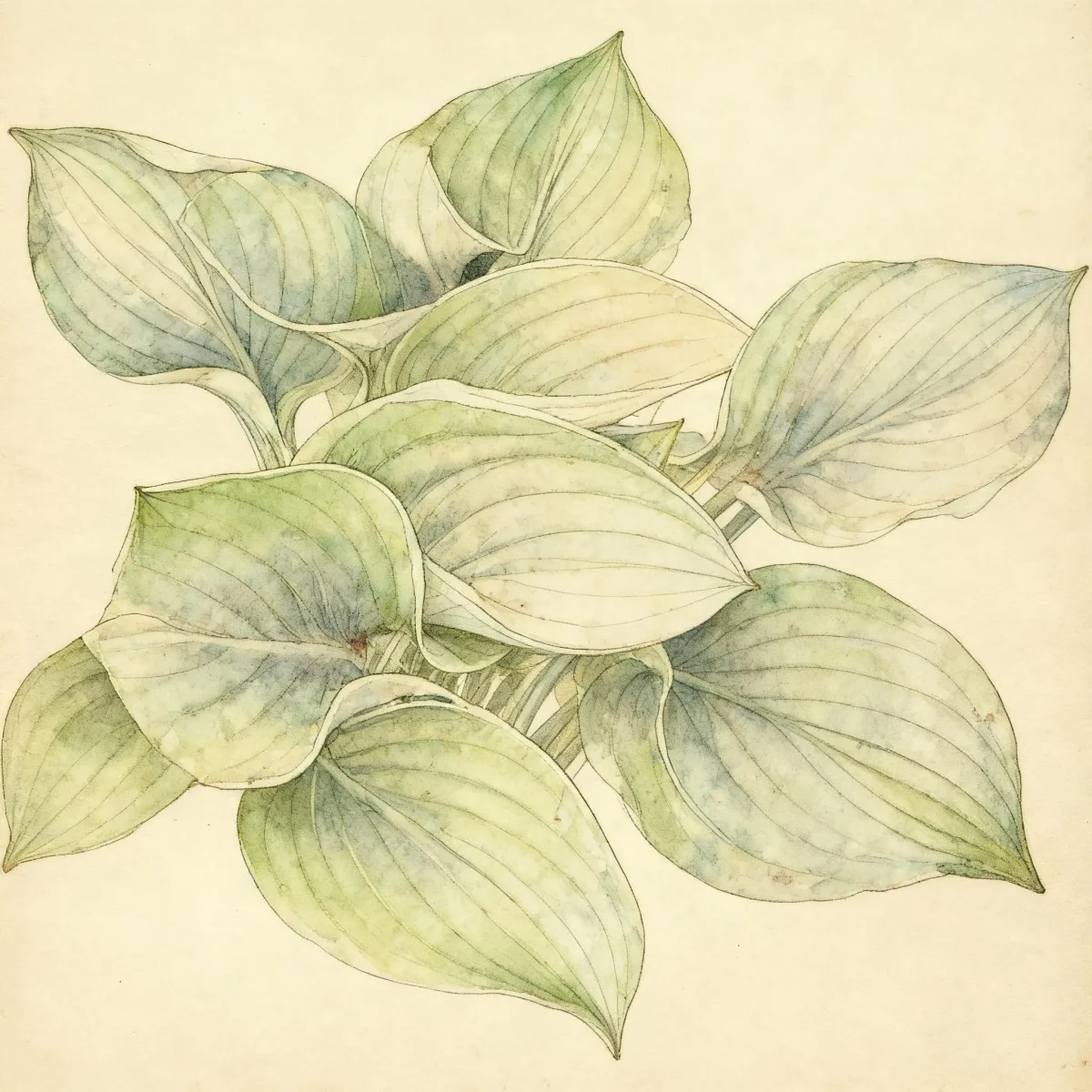
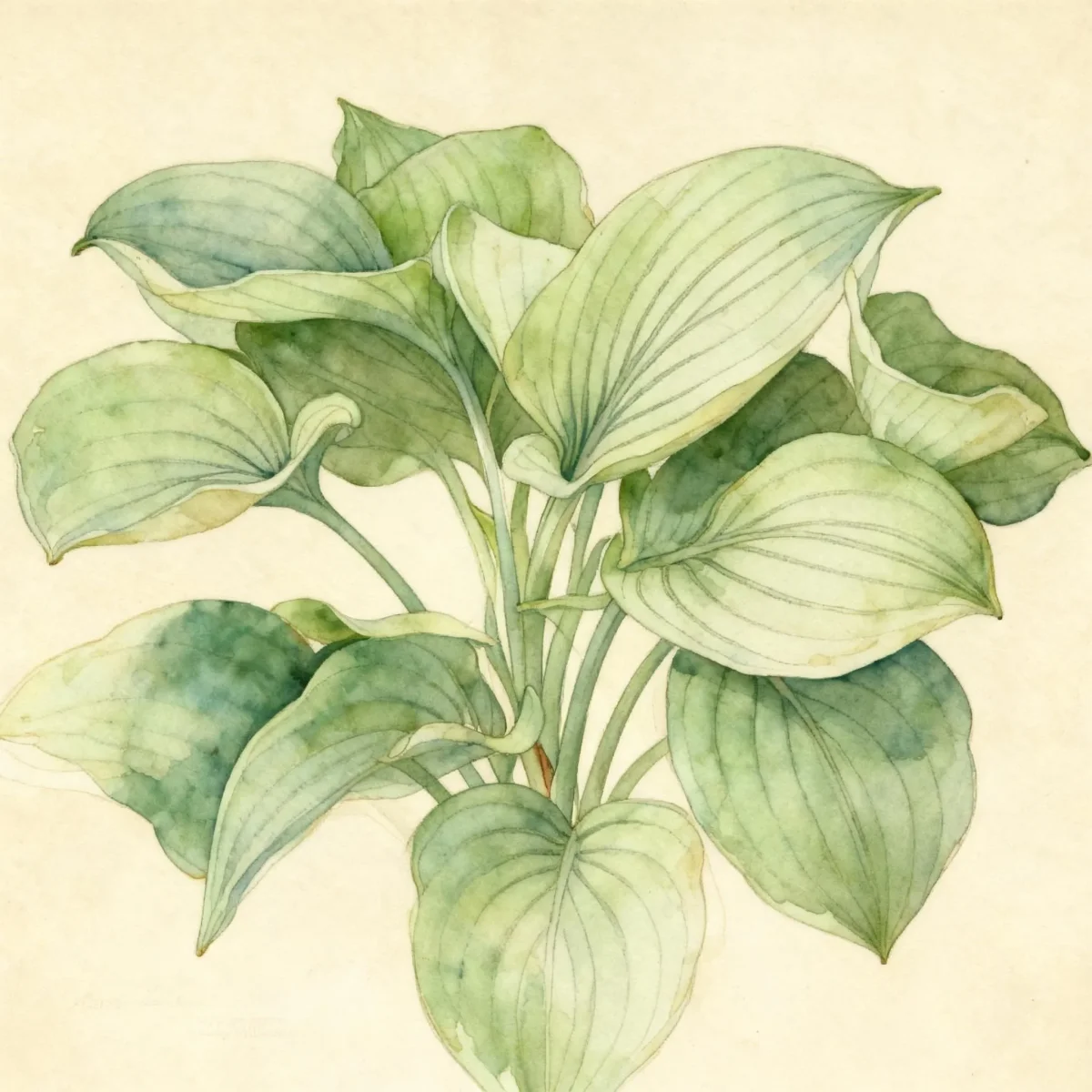
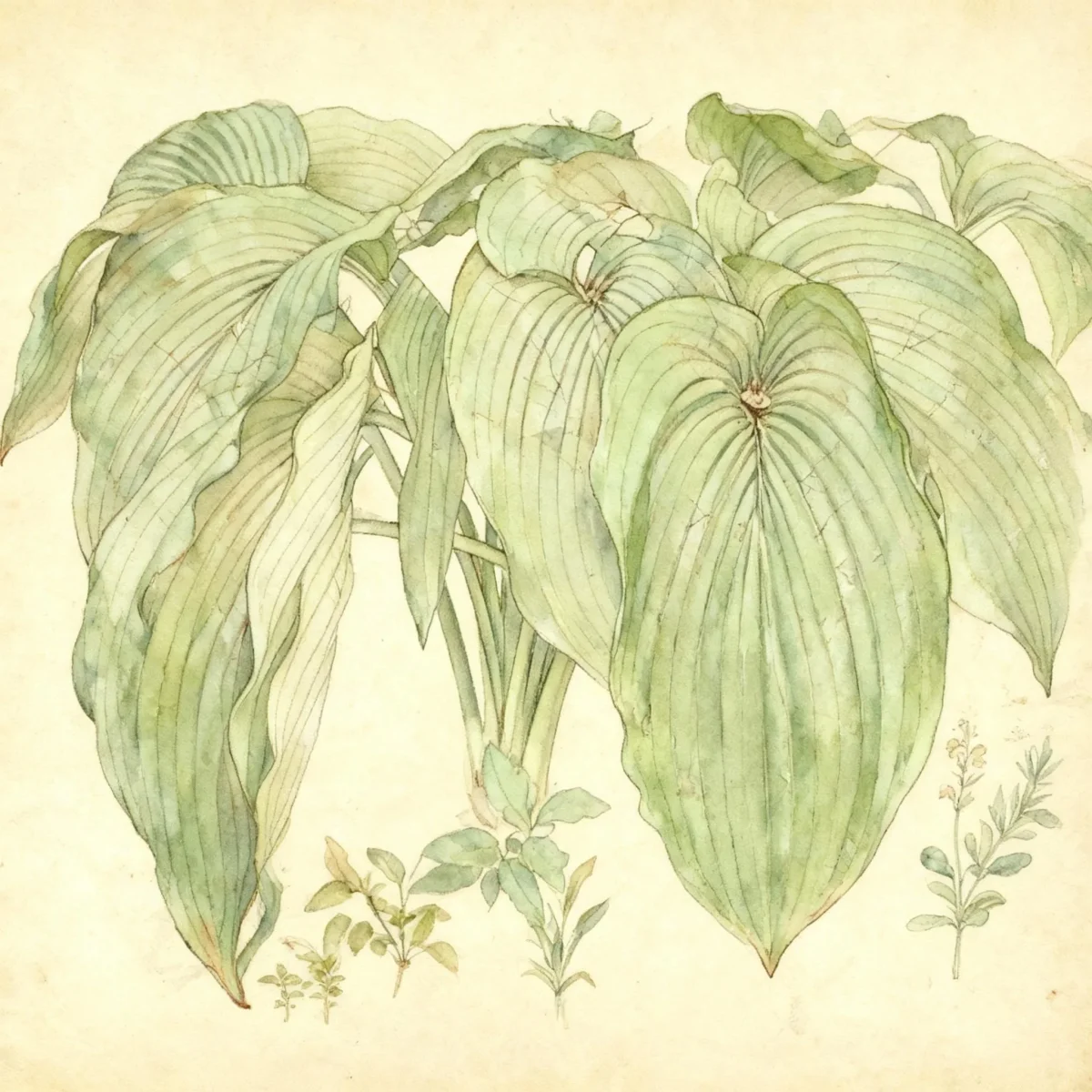
Hosta ‘Sparkling Burgundy’ is a dependable and versatile herbaceous perennial highly valued by gardeners for its striking ornamental foliage. This specific Hosta cultivar forms a vase-shaped mound, featuring deeply wrinkled, heart-shaped leaves that offer excellent contrast in shady environments. As a low-maintenance choice, this Hosta thrives when provided consistent moisture, establishing itself quickly as a backbone plant in woodland or shade garden designs.
The beauty of Hosta resides primarily in its leaf texture and color, though Hosta ‘Sparkling Burgundy’ also offers seasonal lavender blooms atop burgundy scapes. Its dense leaf structure helps suppress most common garden weeds, providing a functional benefit alongside its aesthetic appeal as a shade-loving accent.
This perennial is native to East Asia but has naturalized globally as a shade garden mainstay. Cultivating Hosta ‘Sparkling Burgundy’ ensures you have a tough, reliable groundcover that delivers consistent color and texture throughout the growing season, requiring minimal intervention once established.
Fast Facts
- Plant Family: Asparagaceae
- Plant Type: Herbaceous perennial
- Hardiness Zones: USDA Zones 3-8
- Size at Maturity:
- Height: 0.75-1 ft
- Spread: 1.5-2 ft
- Bloom Time: July to August
- Bloom Description: Lavender
- Sun Exposure: Part shade to full shade
- Water Needs: Medium
- Maintenance Level: Low
How to Grow
Planting Hosta ‘Sparkling Burgundy’ is best achieved in spring or early autumn. Select a location offering part shade to full shade; while they prefer dappled light, consistent moisture is critical for the best quality foliage. The soil should be organically rich, well-drained, and kept evenly moist for optimal performance.
Consistent watering is key during establishment, as soils should never be allowed to completely dry out. Apply water directly to the soil beneath the leaves to keep foliage dry, which minimizes the risk of fungal issues. While established Hosta display some dry shade tolerance, especially those with thicker leaves, frequent watering ensures the true size and form of the Hosta ‘Sparkling Burgundy’ emerge.
Divide clumps as needed, ideally in the early spring just before the leaves unfurl, making the process much easier. As a low-maintenance perennial, fertilizing is rarely necessary if planting conditions are good. Ensure you situate your Hosta in areas protected from strong winds, which can tear or damage the attractive leaves.
Landscape Uses
Hostas are the undisputed mainstay of the shade garden, relying on their exceptional foliage to provide year-round structure and interest where flowering plants struggle. Hosta ‘Sparkling Burgundy’ is extremely effective when massed together to create a solid carpet of dark, textural groundcover that smothers weeds.
They serve beautifully as borders along shaded pathways or as good background plants in woodland settings, offering a strong visual anchor. When designing a shade border, pair the deep tones of Hosta ‘Sparkling Burgundy’ with plants offering chartreuse or variegated foliage for maximum visual impact.
Consider using this Hosta in containers situated on shaded patios or porches. Their upright, mounding habit provides excellent year-round structure in mixed plantings that thrive outside of direct sunlight.
Standout Features
Flower Qualities
- Showy
- Good Cut
Noteworthy Characteristics
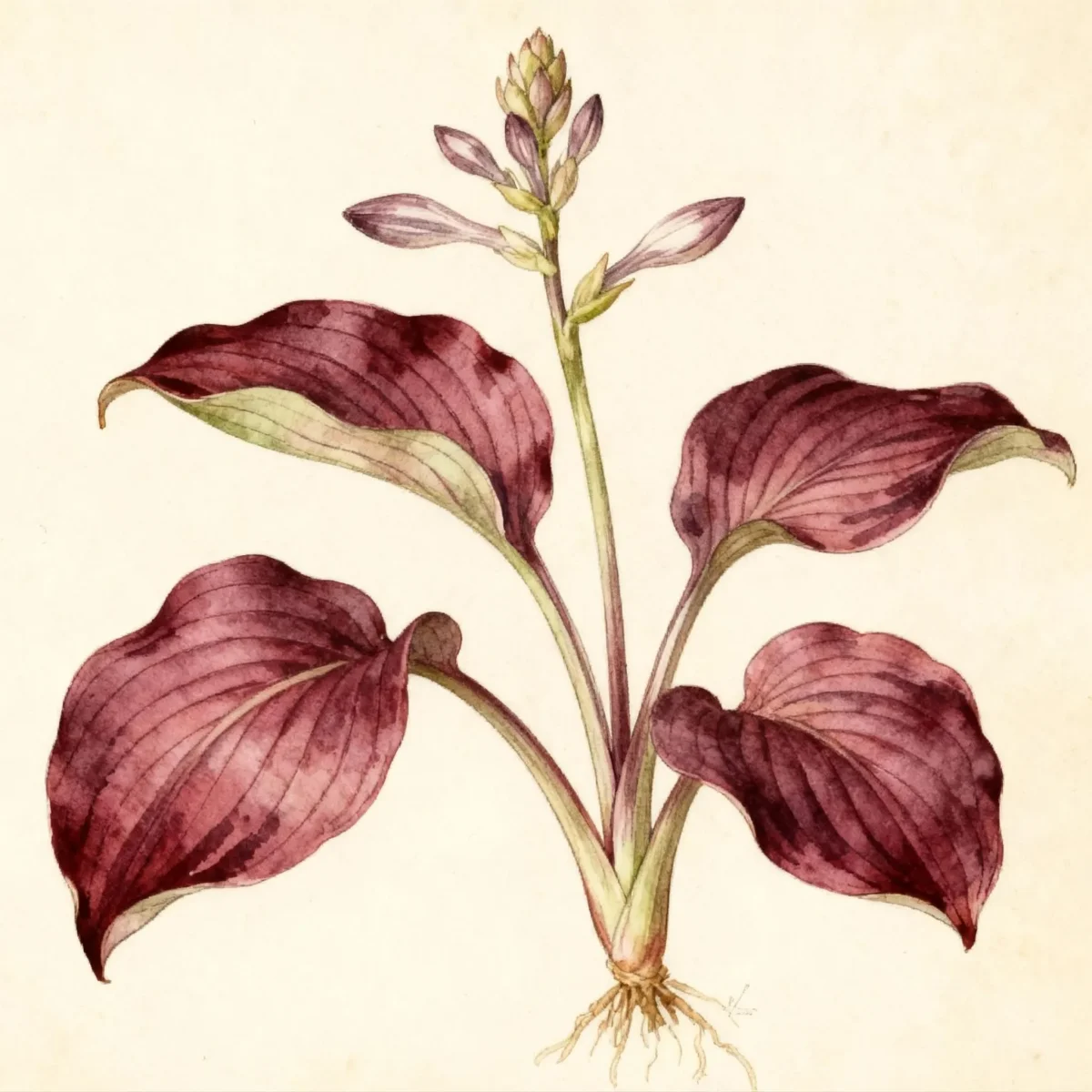
The Hosta genus is renowned for its shade-loving, clump-forming herbaceous perennials, primarily grown for ornamental foliage display. Hosta ‘Sparkling Burgundy’ specifically showcases a vase-shaped habit composed of wrinkled, heart-shaped, dark green leaves, complemented by traditional lavender flowers carried on 22-inch burgundy scapes. This reliable cultivar provides essential color, contrast, and texture, helping dense foliage naturally crowd out many undesirable garden weeds.
Tolerances
- Heavy Shade
- Black Walnut
Potential Problems
Gardeners growing Hosta must remain vigilant against several common pests, chief among them being slugs and snails. These mollusks are heavily attracted to Hosta foliage, chewing characteristic jagged holes which rapidly degrade the plant’s visual appeal. Immediate management is required if populations are observed.
Nematodes pose another threat; look for foliar nematodes which cause unpleasant interveinal browning on mature leaves. Less common issues include leaf spots or crown rot, often linked to overly saturated soil conditions. Although Hosta ‘Sparkling Burgundy’ is low maintenance, inspect leaves frequently and destroy any plants showing signs of viral infection like Hosta Virus X.
Protect existing plantings from deer and rabbits, which frequently consume Hosta leaves, sometimes voraciously. Hail storms can also cause severe physical damage to leaves that are exposed to the elements.
Frequently Asked Questions
What hardiness zones is Hosta ‘Sparkling Burgundy’ suitable for?
Hosta ‘Sparkling Burgundy’ is adaptable and hardy across a broad range suitable for USDA Zones 3 through 8.
How large does Hosta ‘Sparkling Burgundy’ grow?
This cultivar matures to a moderate size, typically reaching a height between 0.75 and 1 foot tall, with a spread spanning from 1.5 to 2 feet wide.
What sun exposure does Hosta need?
Hosta ‘Sparkling Burgundy’ performs best when situated in part shade to full shade conditions for optimal leaf quality and color development.
When does Hosta bloom?
This Hosta variety features its bloom period running from July into August, displaying distinct lavender, funnel-shaped flowers.
Conclusion
Hosta ‘Sparkling Burgundy’ remains a vital element in any landscape lacking intense sunlight, offering indispensable texture and reliable, low-maintenance performance. Its dark, heavily textured foliage contrasts beautifully with other shade-loving companions, making this Hosta a true garden workhorse. Before planting, confirm your site offers suitable part shade and consistent medium moisture to ensure the best display from your Hosta ‘Sparkling Burgundy’.
Companion Planting
When selecting plants to grow alongside Hosta ‘Sparkling Burgundy’, prioritize species that share similar cultural needs: consistently moist, rich soils and protection from harsh afternoon sun. Ferns, such as Japanese Painted Ferns or Autumn Ferns, offer contrasting fine textures that complement the bold, heart-shaped leaves of the Hosta perfectly.
Consider lighter-colored foliage plants, such as Japanese Forest Grass (Hakonechloa macra ‘Aureola’), to break up large groupings of the dark Hosta leaves. For seasonal interest, Astilbes provide airy flower plumes that rise above the foliage mound in early summer, long before the Hosta’s own flowers appear.
For areas prone to dry shade over time, while Hosta prefers consistent water, you can use shrubs like evergreen Azaleas or Rhododendrons as a backdrop, as they tolerate slightly drier conditions once fully established, provided they aren’t competing directly with tree roots if possible.
Propagation Tips
The primary and easiest method for multiplying Hosta ‘Sparkling Burgundy’ is through division of the clump. This process is best performed in early spring before new leaf shoots have fully emerged, although division can also occur successfully in the autumn after the stress of summer heat has passed.
To divide, carefully dig up the entire clump using a sharp spade, taking care not to damage the fleshy roots unnecessarily. Use a sharp knife or spade to cleanly separate the crown into sections, ensuring each division has at least two or three viable leaf buds attached to a healthy section of root structure.
Replant the new divisions immediately into prepared soil at the same depth they were previously growing. Ensure the division site has ample organic matter and consistent moisture for the remainder of the season to help the new Hosta clumps establish quickly.