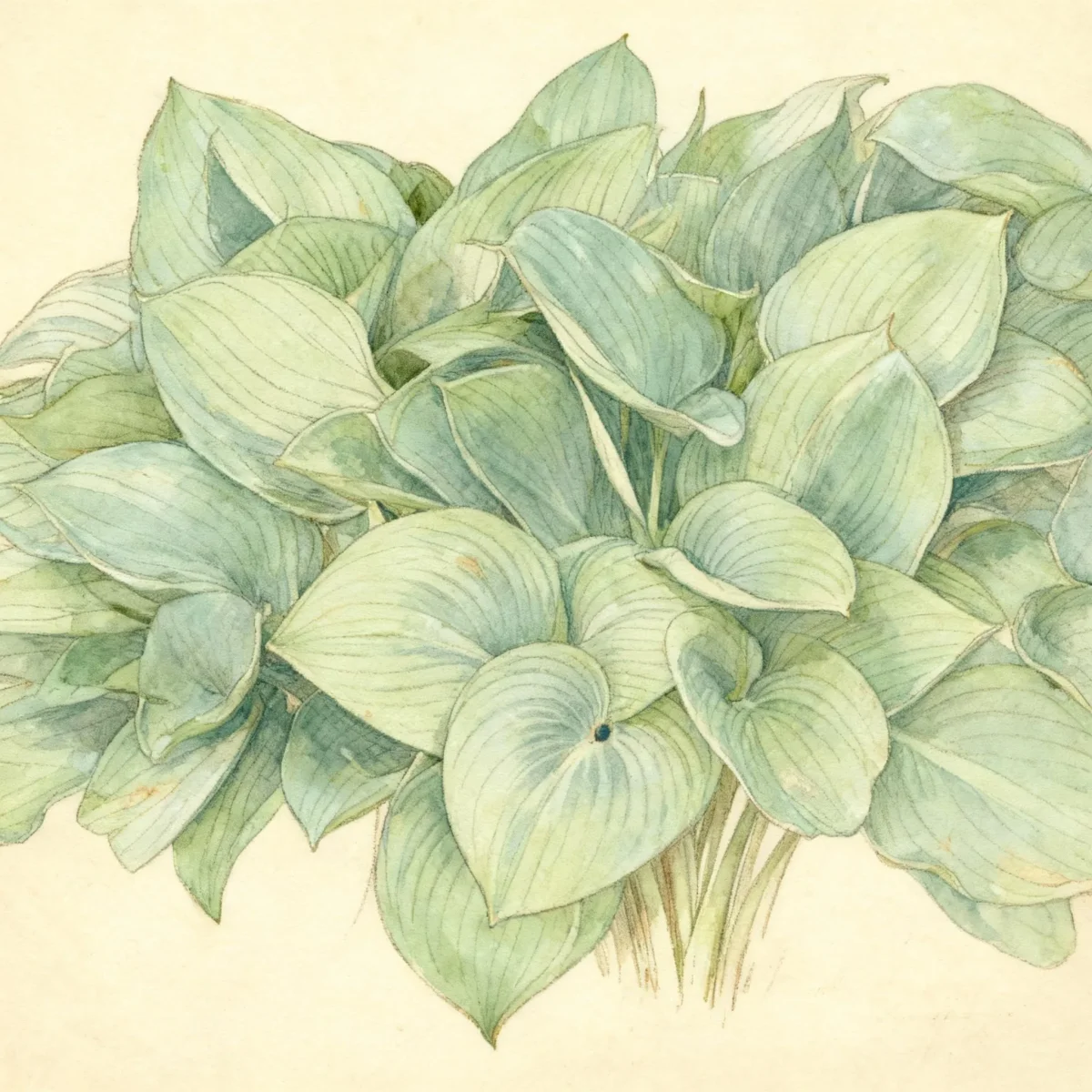
Hosta (Hosta 'Spritzer')
Hosta 'Spritzer' offers striking variegated foliage in shade gardens. A low-maintenance herbaceous perennial blooming in summer.
Scroll down to discover growing tips, care requirements, companion plants, and more
Complete Plant Information
Overview
Hosta ‘Spritzer’ is a highly valued variety prized for its ornamental foliage, offering bright, variegated texture to deep shade landscapes. This clump-forming, herbaceous perennial forms an attractive mound, making it a cornerstone for gardeners looking to add contrast beneath taller plantings. Hosta plants are remarkably adaptable, provided their moisture needs are met.
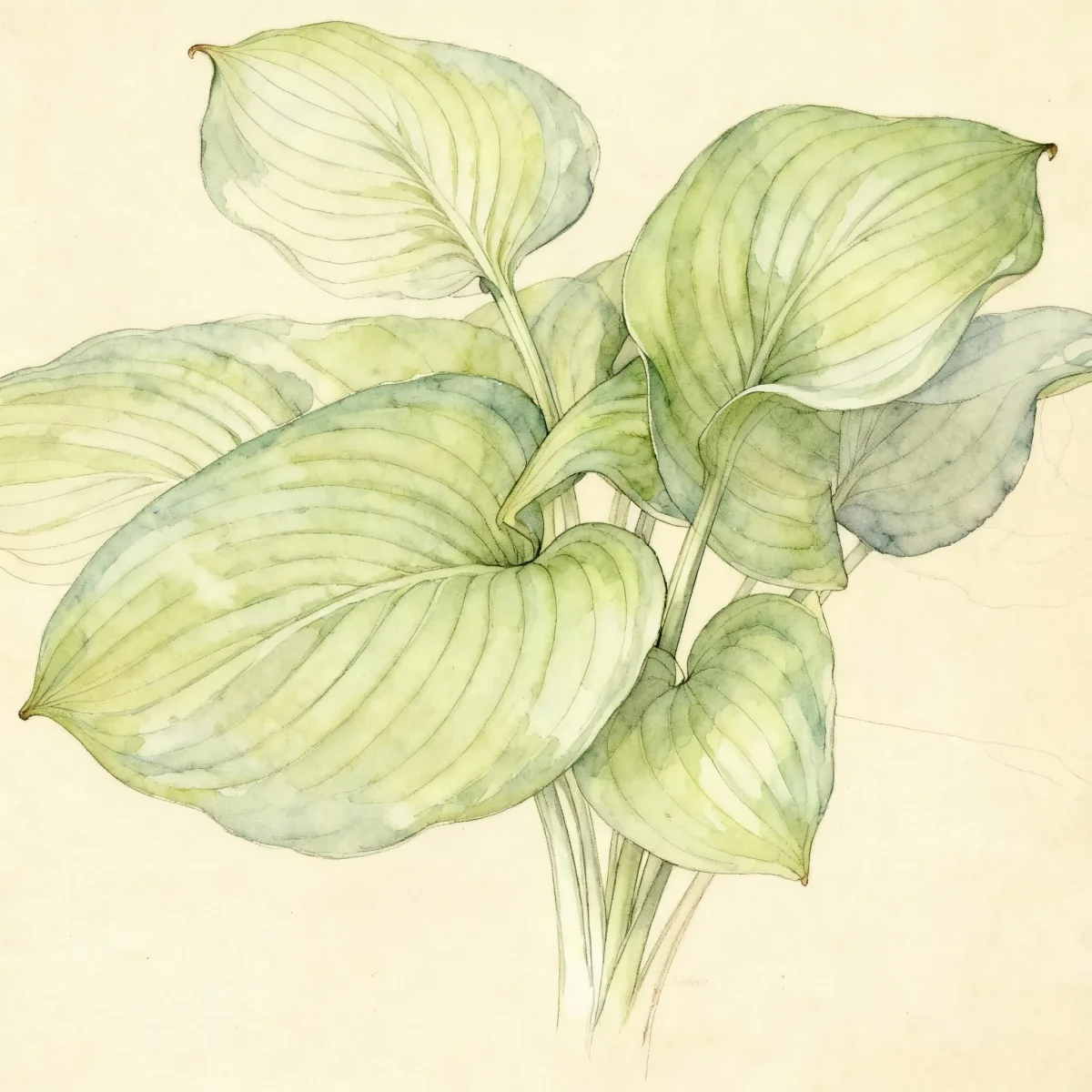
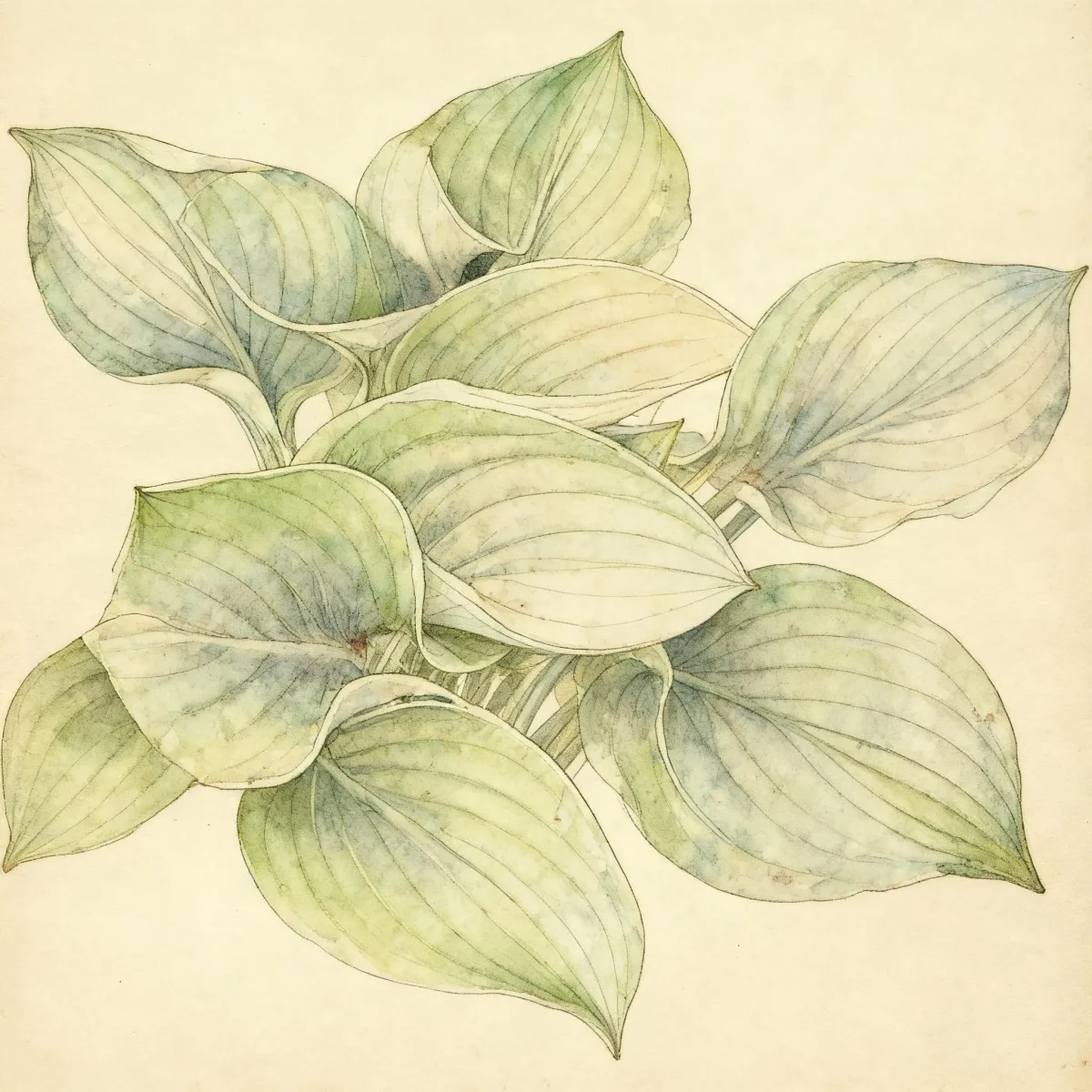
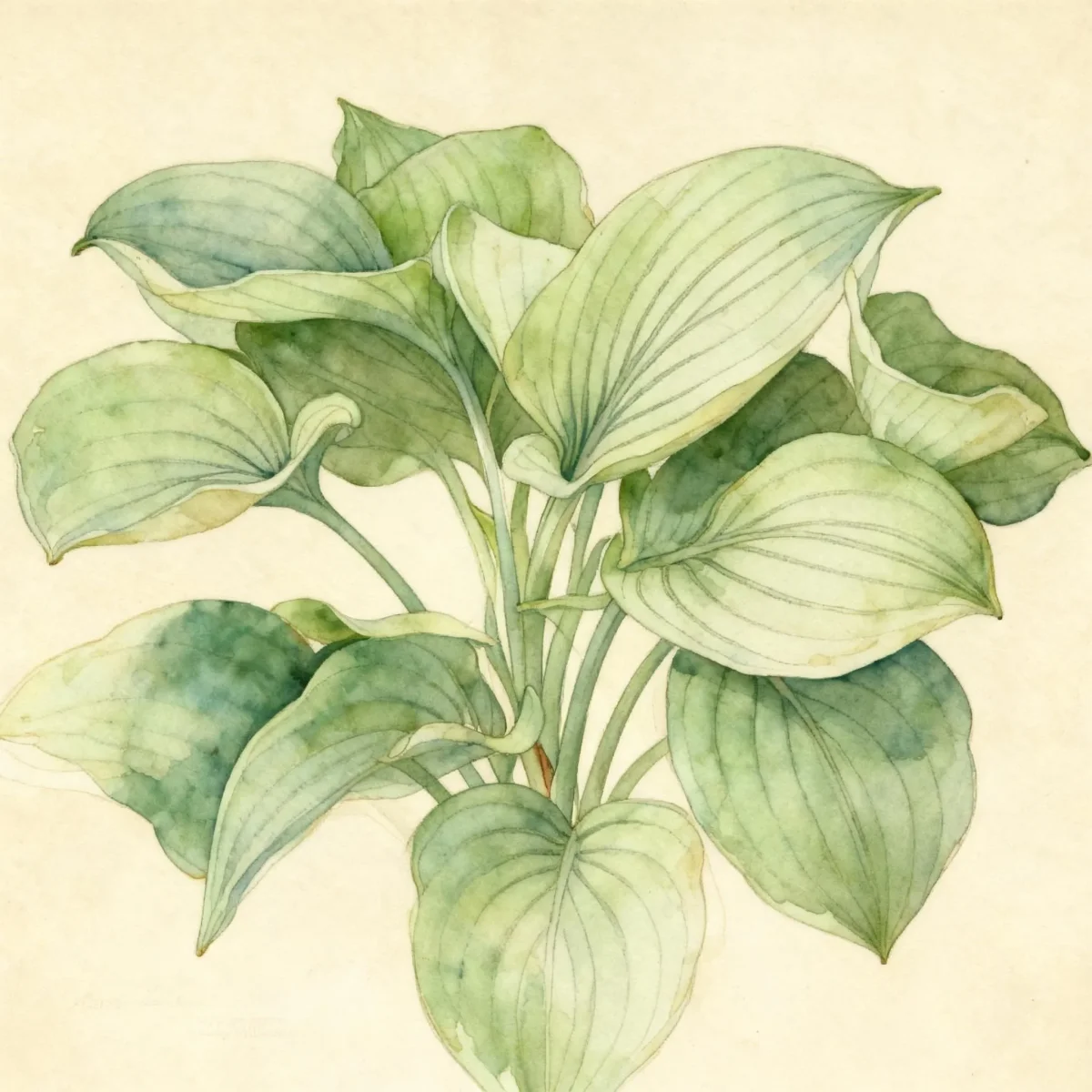
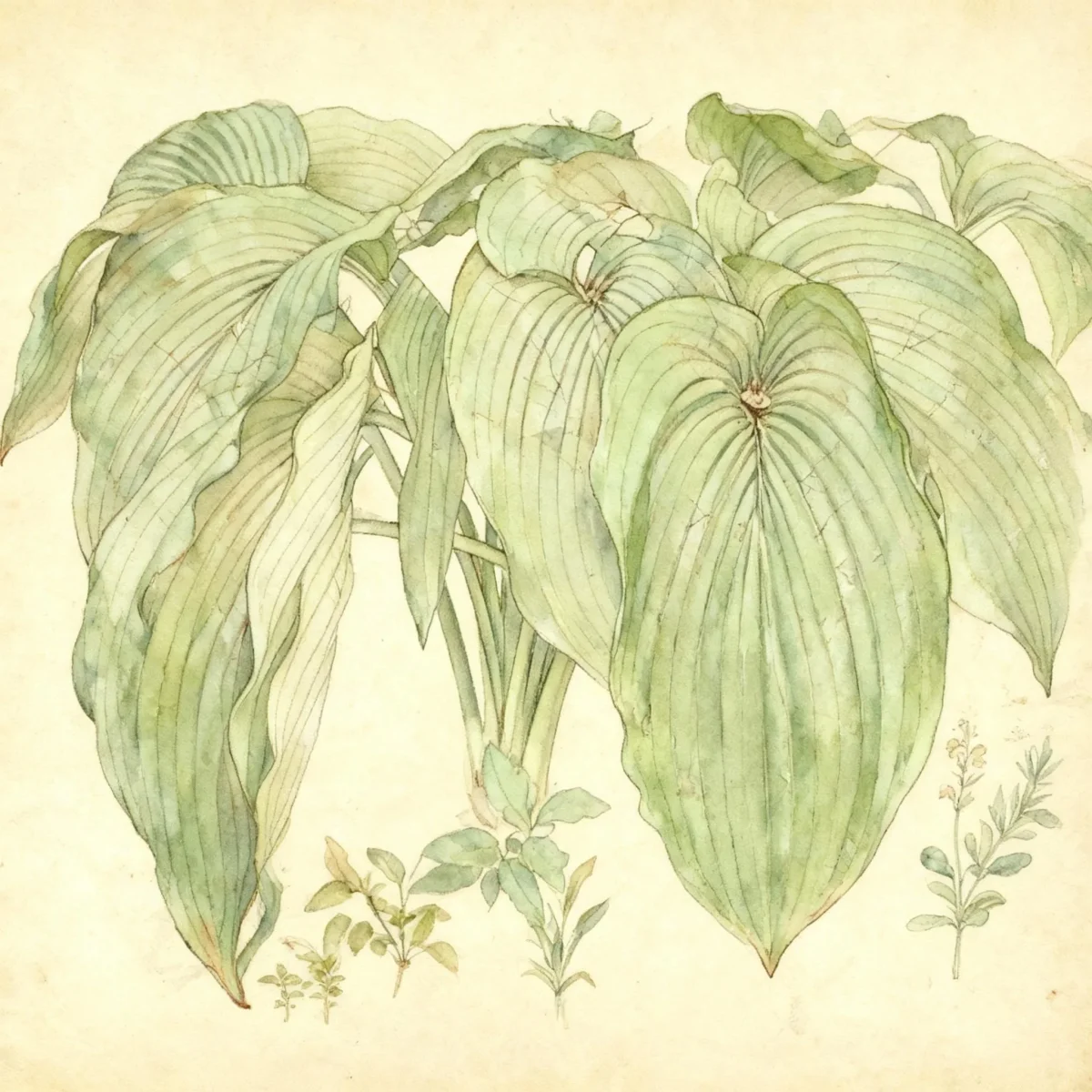
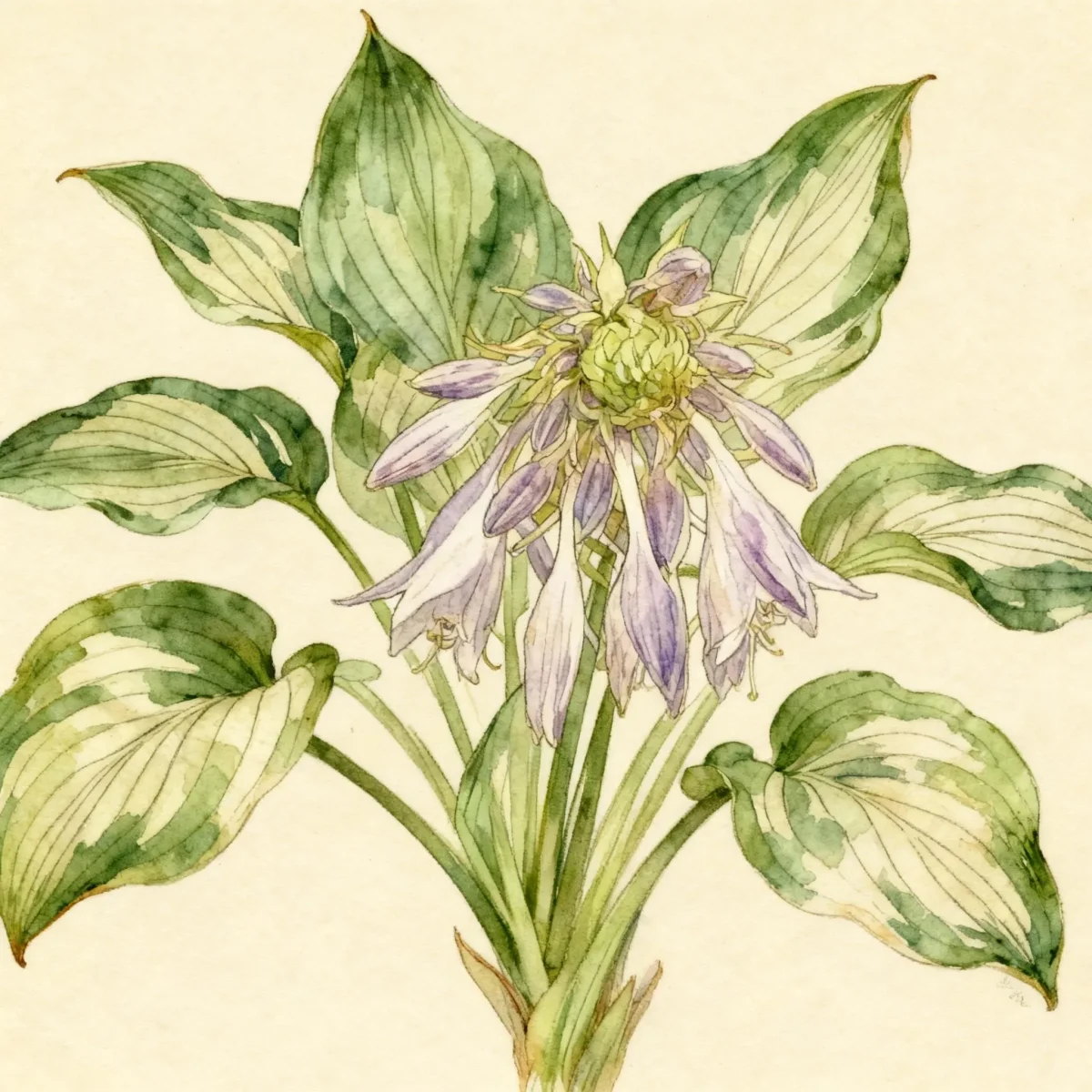
The appeal of Hosta ‘Spritzer’ lies in the distinct flat, narrow, lance-shaped leaves featuring sunny yellow centers bordered by irregular green margins. This color combination ensures brightness even in dimly lit areas. Growing to a manageable size, this dependable perennial requires relatively little hands-on care once established.
Primarily grown for its visual impact, Hosta ‘Spritzer’ also produces charming racemes of purple, funnel-shaped flowers atop striking 30-inch scapes during mid-summer. Its dense growth habit aids in natural weed suppression, further cementing its status as a versatile, low-maintenance favorite in woodland or shade gardens.
Fast Facts
- Plant Family: Asparagaceae
- Plant Type: Herbaceous perennial
- Hardiness Zones: USDA Zones 3-8
- Size at Maturity:
- Height: 1-1.5 ft
- Spread: 1-1.5 ft
- Bloom Time: July to August
- Bloom Description: Purple
- Sun Exposure: Part shade to full shade
- Water Needs: Medium
- Maintenance Level: Low
How to Grow
Planting Hosta ‘Spritzer’ is best done either in spring or autumn when temperatures are moderate. Select a location receiving part shade; ideally, this means morning sun or dappled light filtering through tree canopy. The soil must be rich in organic matter, well-drained, and consistently moist for optimal performance and leaf color.
Maintain consistent moisture, as Hosta prefers evenly moist soil conditions, particularly during establishment and the main growing season. While established plants, especially those with thicker leaves like Hosta ‘Spritzer’, can tolerate some dry shade, never allow the soil to dry out completely. Apply water directly to the soil beneath the foliage to keep the leaves dry and minimize fungal issues.
Maintenance is generally low. Divide Hosta clumps as needed during spring before leaves unfurl or in the autumn. Protect plants from strong winds that can shred the leaves. The dense foliage of the Hosta genus naturally helps to crowd out most invasive garden weeds, reducing weeding time.
Landscape Uses
Hostas are fundamentally the staples of successful shade gardens, offering unmatched texture and color variation where few other ornamentals thrive. Hosta ‘Spritzer’, with its bright variegation, stands out beautifully against dark green groundcovers or deep shade areas, acting as a superb focal point or mid-border filler.
These perennials are highly effective when massed together or planted in strategic groups to create sweeping drifts of foliage. They serve excellently as foundational plants for woodland borders or along shady pathways. Consider pairing Hosta ‘Spritzer’ with fine-textured, deep green ferns, contrasting purple heucheras, or white-flowering Impatiens for layered interest.
Standout Features
Flower Qualities
- Showy
- Good Cut
Noteworthy Characteristics
Hosta is a genus of about 70 species of shade-loving, rhizomatous, clump-forming, herbaceous perennials which are native to open woodlands, woodland margins and glades in Japan, Korea, China and eastern Russia. Hostas are primarily grown for their ornamental foliage. ‘Spritzer’ features an erect mound of flat, narrow, lance-shaped, variegated leaves with yellow centers and irregular green margins with racemes of funnel-shaped, purple flowers on 30” scapes. This dependable and versatile perennial requires little care and its dense foliage crowds out most garden weeds.
Tolerances
- Heavy Shade
- Black Walnut
Potential Problems
The primary pests afflicting Hosta ‘Spritzer’ are slugs and snails, which target the attractive foliage, leaving behind characteristic jagged holes. If pest populations are high, immediate and persistent management using baits or physical barriers is necessary to prevent severe cosmetic damage. Watch closely for foliar nematodes, which cause unsightly interveinal browning on the leaves. Less common issues include leaf spots and crown rot, usually linked to poor drainage or excessive dampness. Promptly remove any foliage showing signs of Hosta Virus X (HVX) or other viral infections to prevent spread.
Frequently Asked Questions
What hardiness zones is Hosta ‘Spritzer’ suitable for?
Hosta ‘Spritzer’ is reliably hardy in USDA Zones 3 through 8.
How large does Hosta ‘Spritzer’ grow?
This particular Hosta variety generally reaches a height between 1 and 1.5 feet and spreads from 1 to 1.5 feet wide.
What sun exposure does Hosta ‘Spritzer’ need?
This plant thrives in part shade, though it can tolerate full shade, making it excellent for deep wooded areas.
When does Hosta ‘Spritzer’ bloom?
Hosta ‘Spritzer’ produces its purple flowers atop tall scapes from July through August.
Conclusion
Hosta ‘Spritzer’ is an essential shade perennial, valued for its vibrant, dependable variegated foliage that brightens dark garden corners, coupled with low maintenance requirements. By ensuring consistent moisture and providing appropriate shade, you can enjoy the texture and contrast offered by Hosta ‘Spritzer’ year after year. Check your local USDA zone compatibility before planning your autumn or spring planting schedule.
Companion Planting for Shade Gardens
Hostas perform best when surrounded by other shade-tolerant plants that complement their texture and growth habit. Consider ferns with finely dissected foliage, such as Japanese Painted Ferns or Autumn Ferns, as they offer a beautiful textural contrast to the broad leaves of Hosta ‘Spritzer’. Astilbes bring height and feathery plumes of color during summer and share similar requirements for rich, moist soil, making them excellent neighbors. Furthermore, groundcovers like Vinca minor or Tiarella (Foamflower) can fill in the space around the crowns, helping to cool the soil and retain the crucial moisture that all Hostas demand.
Seasonal Care Calendar
Spring is the critical renewal time for Hosta ‘Spritzer’. Apply a layer of compost around the base of the plant as new shoots emerge to enrich the soil and suppress early weed growth. Monitor slug and snail activity closely once the signs of growth appear, implementing protective measures early in the season. During the heat of summer, strictly adhere to the medium water needs, ensuring deep, regular soaking, especially if rainfall is sparse. In late autumn, after the foliage has died back naturally, you can lightly tidy up the dead material, though leaving some residue over winter can protect the crown.