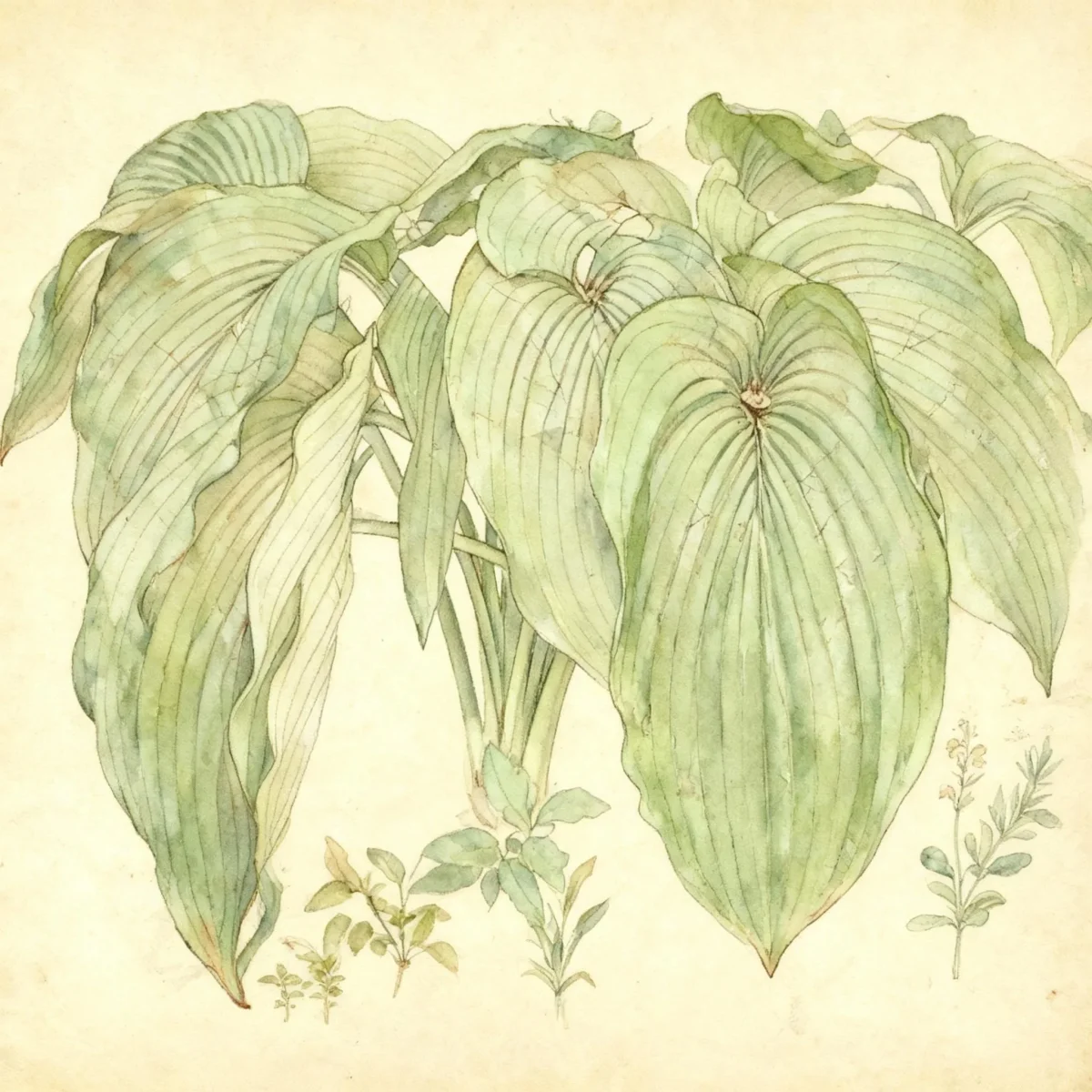
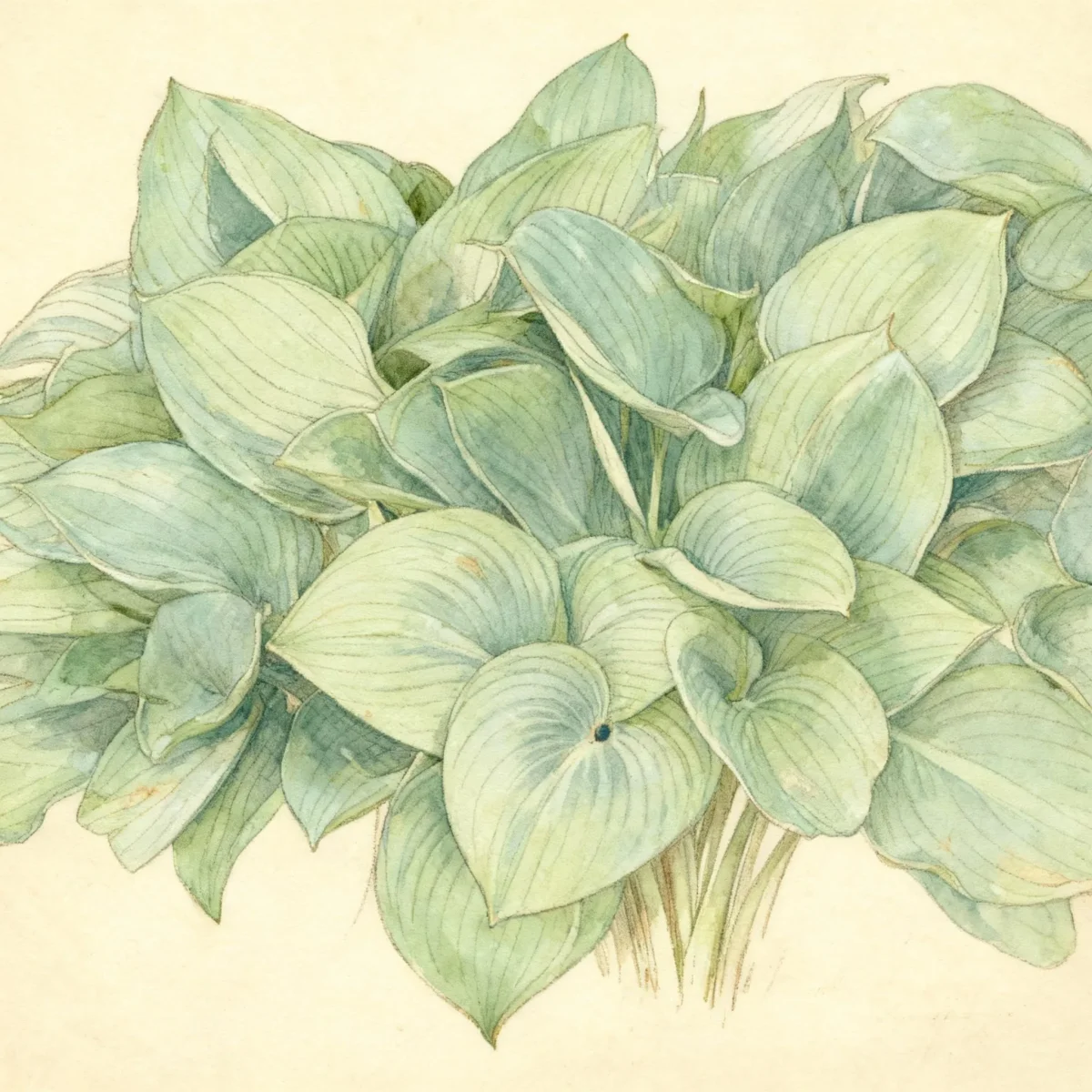
Hosta (Hosta 'St. Elmo's Fire')
Hosta 'St. Elmo's Fire' offers striking bicolor foliage emerging yellow and maturing to green. This low-maintenance perennial thrives in shade.
Scroll down to discover growing tips, care requirements, companion plants, and more
Complete Plant Information
Overview
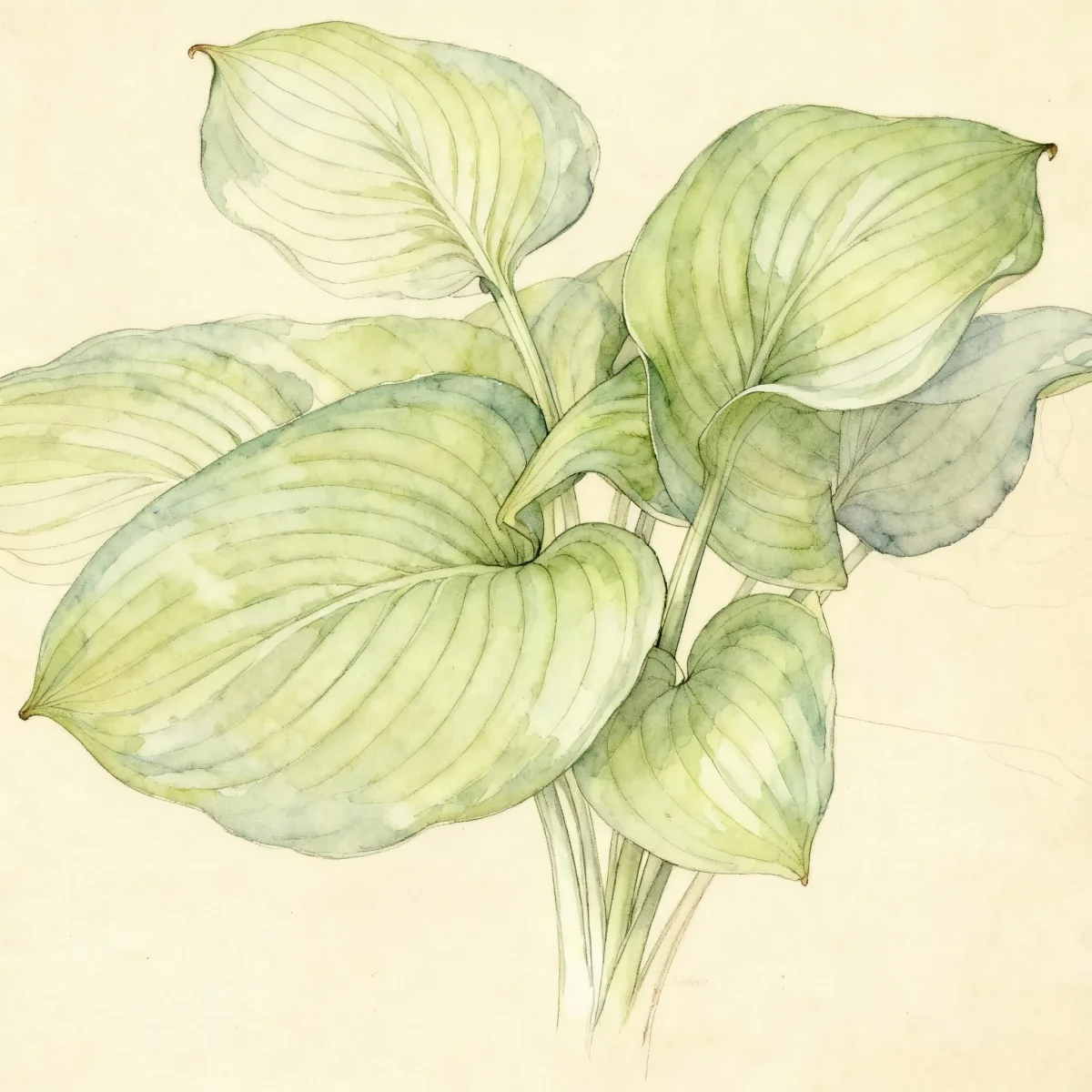
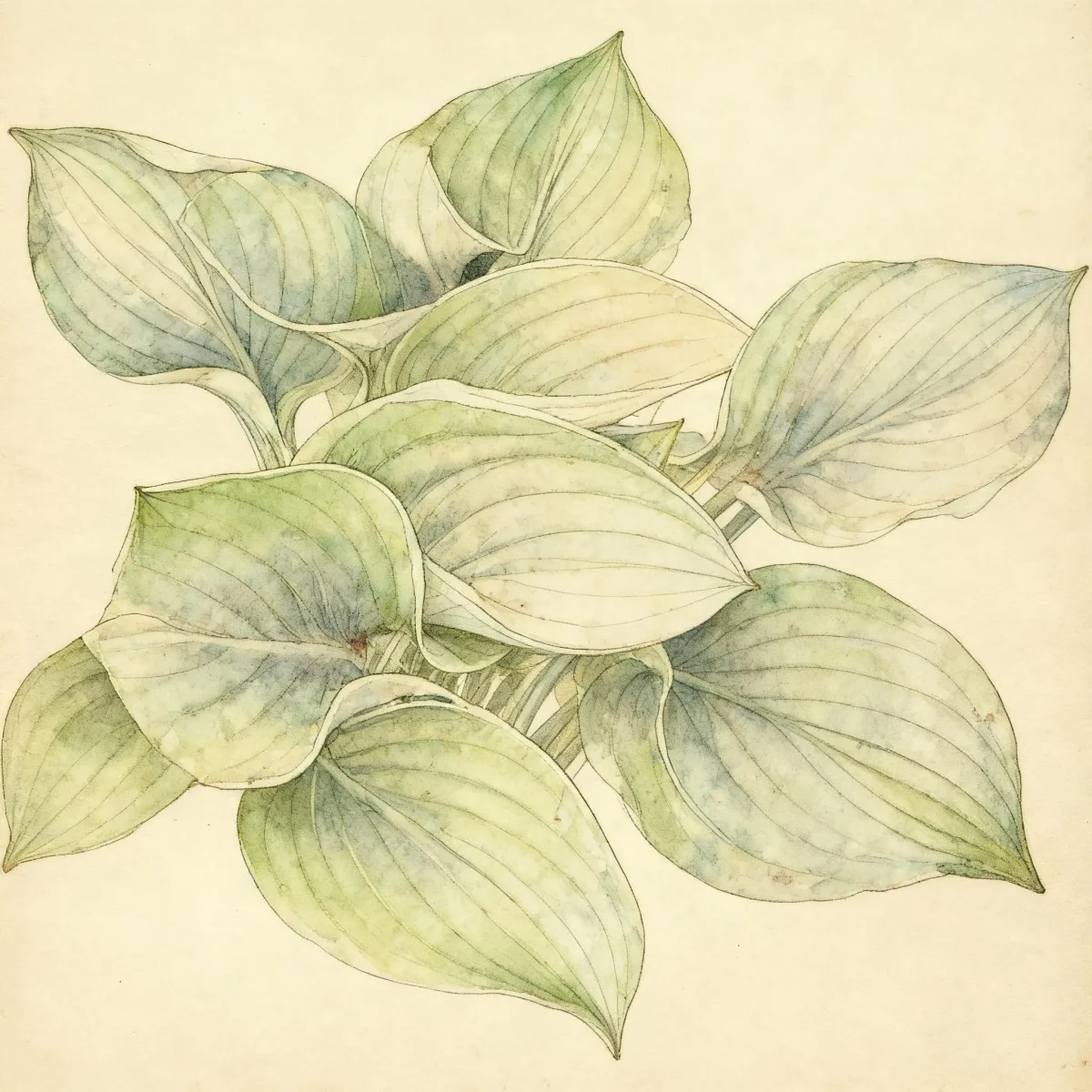
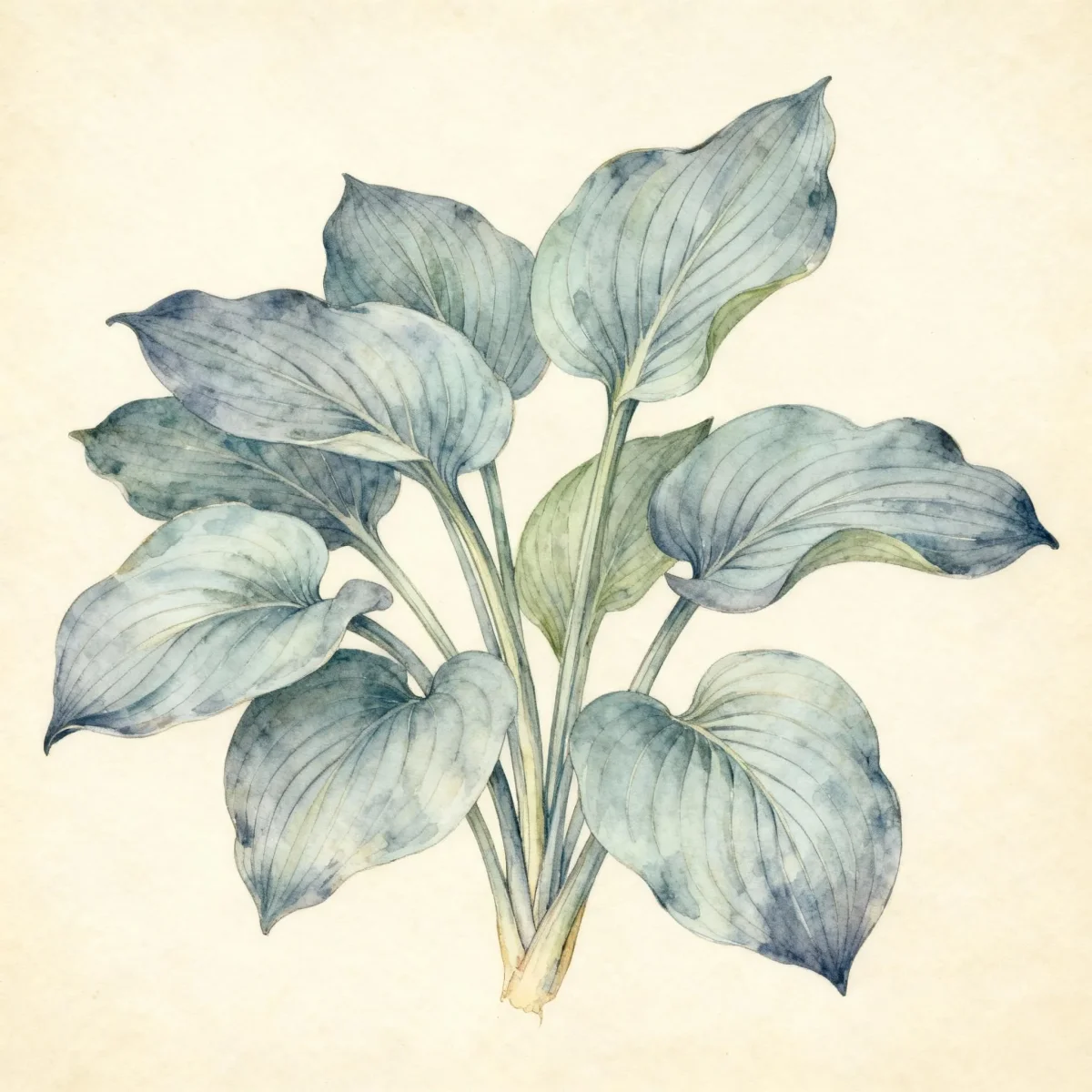
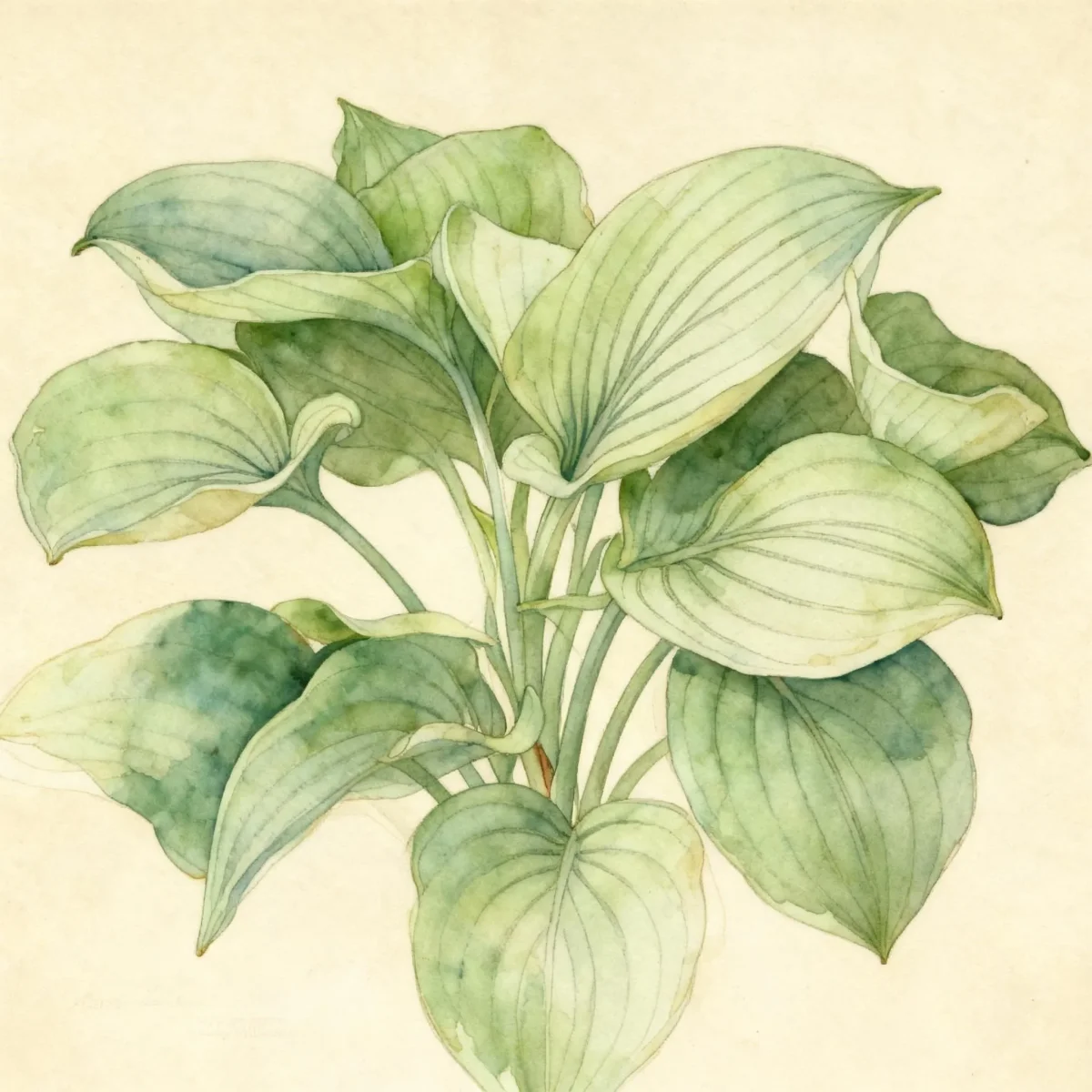
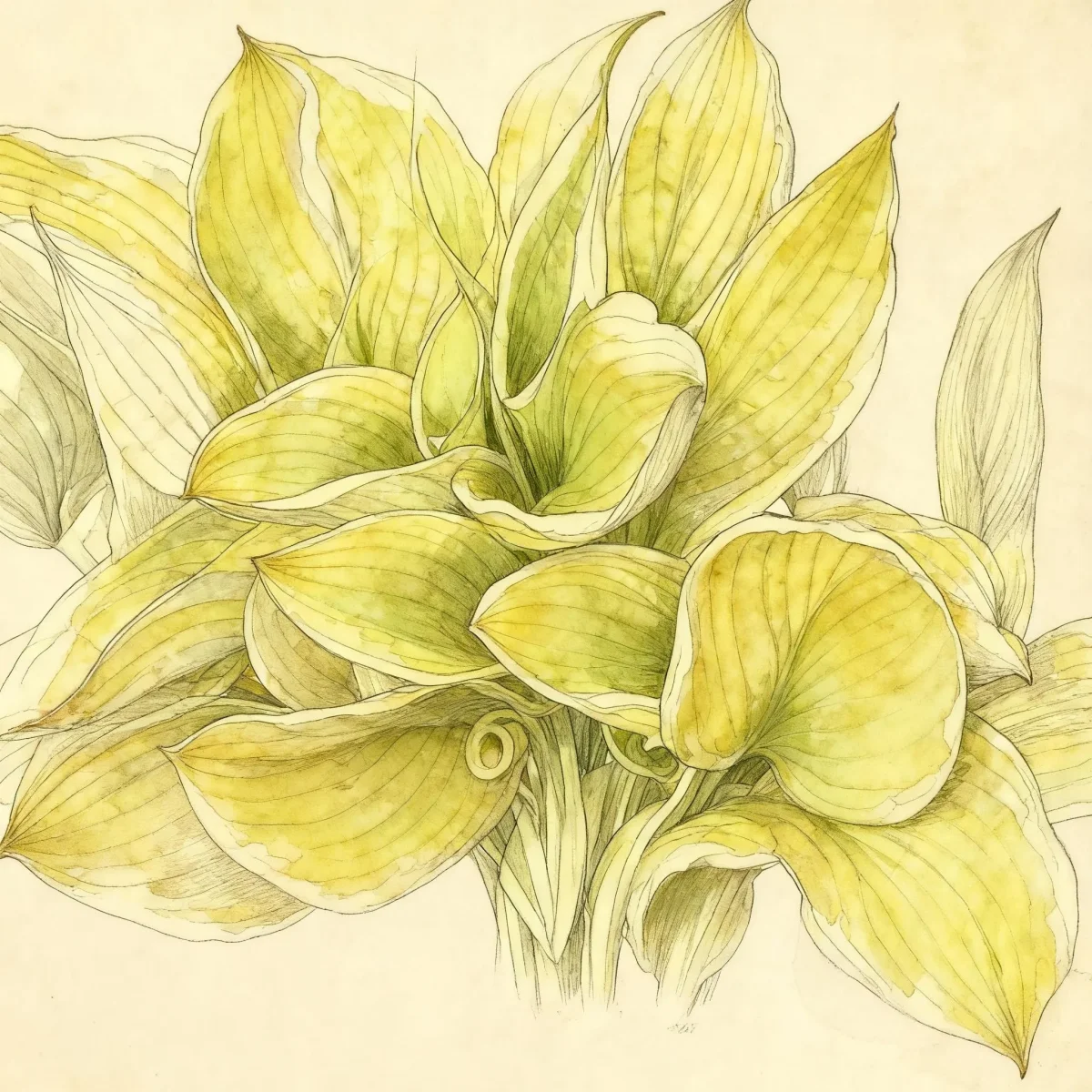
Hosta ‘St. Elmo’s Fire’ is a highly collectible herbaceous perennial prized primarily for its dynamic ornamental foliage, which showcases a dramatic color transition throughout the growing season. Emerging bright yellow in spring, the ovate leaves of this Hosta gradually develop irregular white margins, often resulting in an attractive bi-color display during summer. As a sport of Hosta ‘Sea Fire’, this specific Hosta cultivar offers reliable performance in shady environments.
This medium-sized Hosta is valued for its resilience and low maintenance requirements, making it an excellent choice for gardeners seeking maximum visual impact with minimal effort. Providing consistent moisture will ensure the plant achieves its full size and displays the best foliage quality. Hosta ‘St. Elmo’s Fire’ provides crucial texture and structure in dimmed garden spaces.
Beyond the foliage, Hosta plants contribute aesthetic value with summer blooms of pale lavender flowers atop upright scapes. Its clump-forming nature and shade tolerance make Hosta a foundational element in woodland or deeply shaded garden designs, lending permanence and year-round interest compared to annuals.
Fast Facts
- Plant Family: Asparagaceae
- Plant Type: Herbaceous perennial
- Hardiness Zones: USDA Zones 3-8
- Size at Maturity:
- Height: 1.5-2 ft
- Spread: 1.5-4 ft
- Bloom Time: June to July
- Bloom Description: Pale lavender
- Sun Exposure: Part shade to full shade
- Water Needs: Medium
- Maintenance Level: Low
How to Grow
The ideal location for Hosta ‘St. Elmo’s Fire’ is one that offers rich, well-drained soil and consistent moisture levels. While these plants are famous for thriving in deep shade, they perform best when situated to receive part shade, benefiting from protection from harsh afternoon sun but ideally catching some gentle morning light or dappled sunlight. Planting should occur in spring or autumn when temperatures are moderate.
Maintenance for Hosta perennials is generally considered low. Ensure watering is consistent, especially during dry spells, as established plants need regular moisture to maintain full size and foliage quality; always water directly at the soil level beneath the foliage canopy. Fertilization is rarely necessary if the soil is organically rich.
Divide Hosta clumps as needed to maintain vigor and manage size, typically performing this task in early spring before the new leaves unfurl, or in the autumn. It is crucial to plant Hosta ‘St. Elmo’s Fire’ in an area protected from strong winds, which can physically damage the large leaves.
Landscape Uses
Hostas are the undisputed mainstay of the shade garden, grown predominantly for the ornamental excellence of their foliage rather than their summer flowers. Hosta ‘St. Elmo’s Fire’, with its distinctive yellow-to-green progression, offers excellent contrast against darker green shade-lovers.
These perennials are extremely effective when massed together to create broad swaths of color or texture, providing a strong background plant for shade borders. Consider planting them alongside groundcovers like Vinca or ferns to enhance the woodland aesthetic. Utilizing Hosta in shady borders or woodland settings capitalizes on their ability to define space beautifully in areas where turf struggles.
Standout Features
Flower Qualities
- Showy
Noteworthy Characteristics
Hosta is primarily grown for its ornamental foliage; Hosta ‘St. Elmo’s Fire’ is notable because its ovate leaves emerge yellow with white margins, gradually turning green while retaining the marginal color. This sport of Hosta ‘Sea Fire’ typically reaches 18 inches tall and spreads up to 45 inches wide, topped by pale lavender flowers in mid-summer. The genus name Hosta honors Austrian botanist Nicholas Thomas Host and they are native to open woodlands in East Asia.
Tolerances
- Heavy Shade
- Black Walnut
Potential Problems
Slugs and snails pose the most significant threat to Hosta foliage, rapidly chewing jagged holes which detract from the attractive appearance of Hosta ‘St. Elmo’s Fire’. Active management is required to prevent serious damage over short periods. Watch also for foliar nematodes, which cause unsightly interveinal browning on the leaf blades.
For pest control, apply slug and snail baits or use protective barriers early in the growing season. Removing debris where pests hide helps reduce populations. Though less common, be vigilant for viral diseases; immediately destroy any infected plants to prevent spread. Deer and rabbits also find Hosta foliage highly palatable, so protection may be necessary in areas with high wildlife pressure.
Frequently Asked Questions
What hardiness zones is Hosta suitable for?
Hosta ‘St. Elmo’s Fire’ is hardy across a wide range, suitable for USDA Zones 3 through 8.
How large does Hosta ‘St. Elmo’s Fire’ grow?
This medium Hosta typically matures to a height between 1.5 and 2 feet tall, spreading between 1.5 and 4 feet wide.
What sun exposure does Hosta need?
This plant performs best in part shade conditions but tolerates full shade, requiring protection from intense afternoon sun.
When does Hosta bloom?
Hosta ‘St. Elmo’s Fire’ produces its pale lavender flowers atop upright scapes generally from June through July.
Conclusion
Hosta ‘St. Elmo’s Fire’ is an indispensable shade perennial, offering gardener’s superb value through its remarkable, shifting bicolor foliage display and overall low-maintenance nature. Successfully growing this specific Hosta variety relies on providing consistent moisture and protection from the harshest midday sun. Before planting, confirm your location falls within USDA Zones 3-8 to ensure the longevity of your Hosta collection.
Companion Planting
When selecting companions for Hosta ‘St. Elmo’s Fire’, focus on plants that share similar cultural needs—namely, part shade to full shade and medium moisture. Look for plants that contrast well with the broad, mounding leaves of the Hosta. Ferns, such as Japanese Painted Fern or Ostrich Fern, are classic partners, providing fine, airy texture against the solid leaves of the Hosta.
Consider using fine-textured groundcovers beneath the Hosta clumps to suppress weeds and maintain soil moisture, providing a cooling mat around the crowns. Flowering shade perennials that bloom at the same time, like Astilbe or Brunnera, can offer a seasonal pop of color that complements the foliage of Hosta ‘St. Elmo’s Fire’ without competing for light.
Propagation Tips
Hosta ‘St. Elmo’s Fire’ is reliably propagated through the division of its central crown and rhizomatous root system. Division is best performed in early spring just as new shoots emerge, or alternatively in the autumn after the foliage begins to die back. This process helps rejuvenate older clumps and allows you to multiply your favorite Hosta plants.
When dividing, use a sharp spade or clean knife to separate the clump into sections, ensuring each division has a healthy portion of the base crown and several viable roots attached. Replant these divisions immediately at the same depth they were previously growing, watering well to reduce transplant shock. This method maintains the exact characteristics of the parent Hosta ‘St. Elmo’s Fire’.