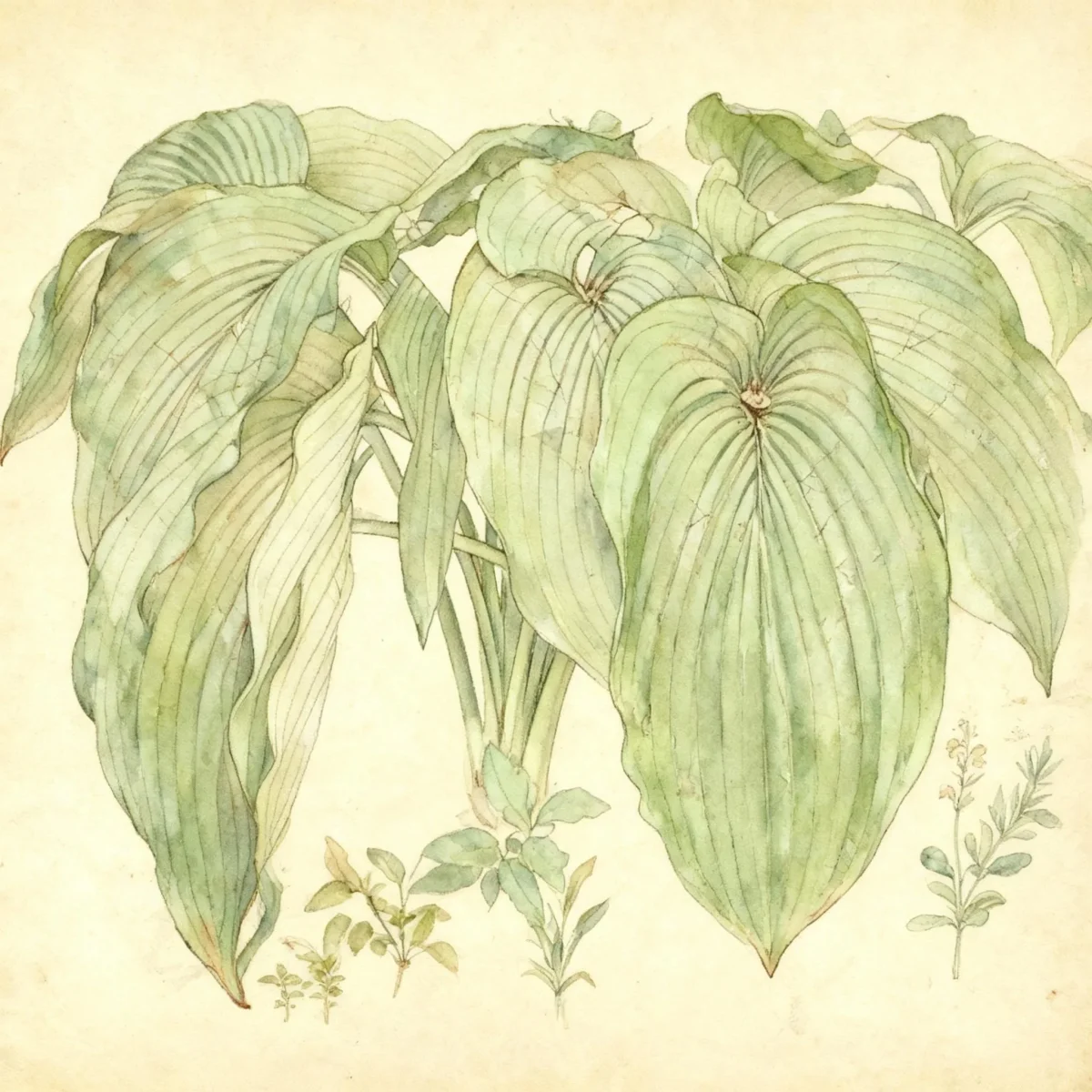
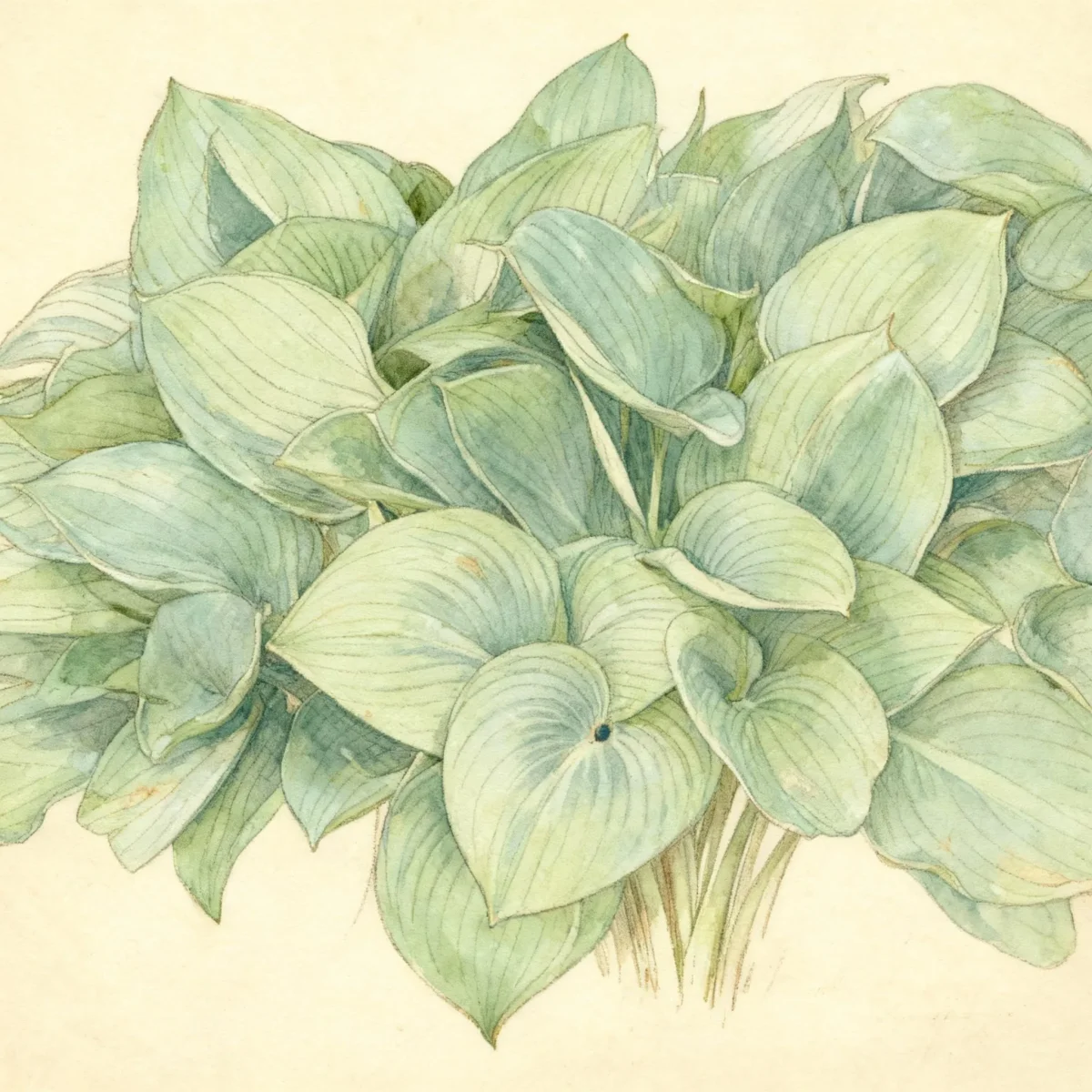
Hosta (Hosta 'Summer Music')
Hosta 'Summer Music' is a striking herbaceous perennial known for its colorful, dense foliage perfect for shade gardens.
Scroll down to discover growing tips, care requirements, companion plants, and more
Complete Plant Information
Overview
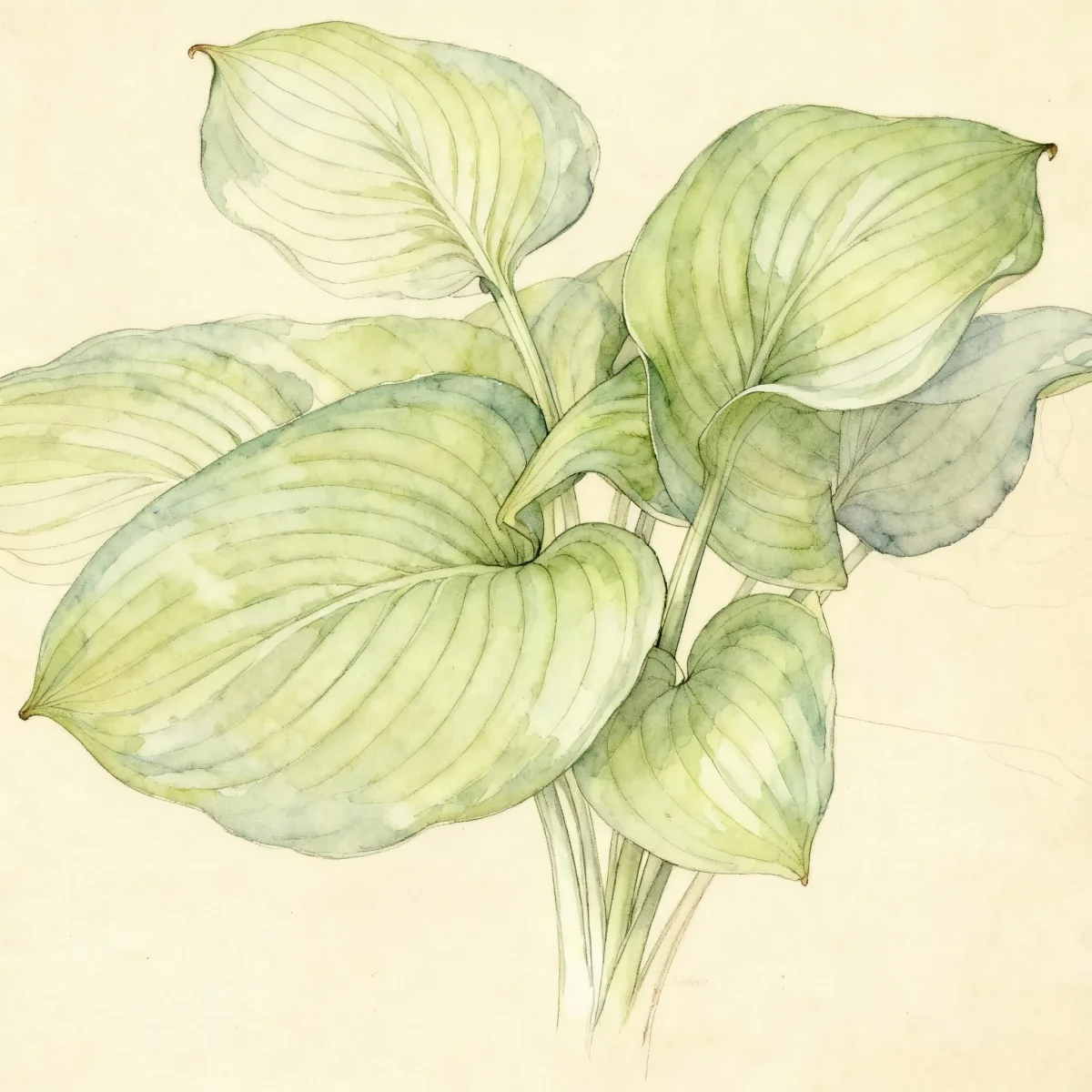
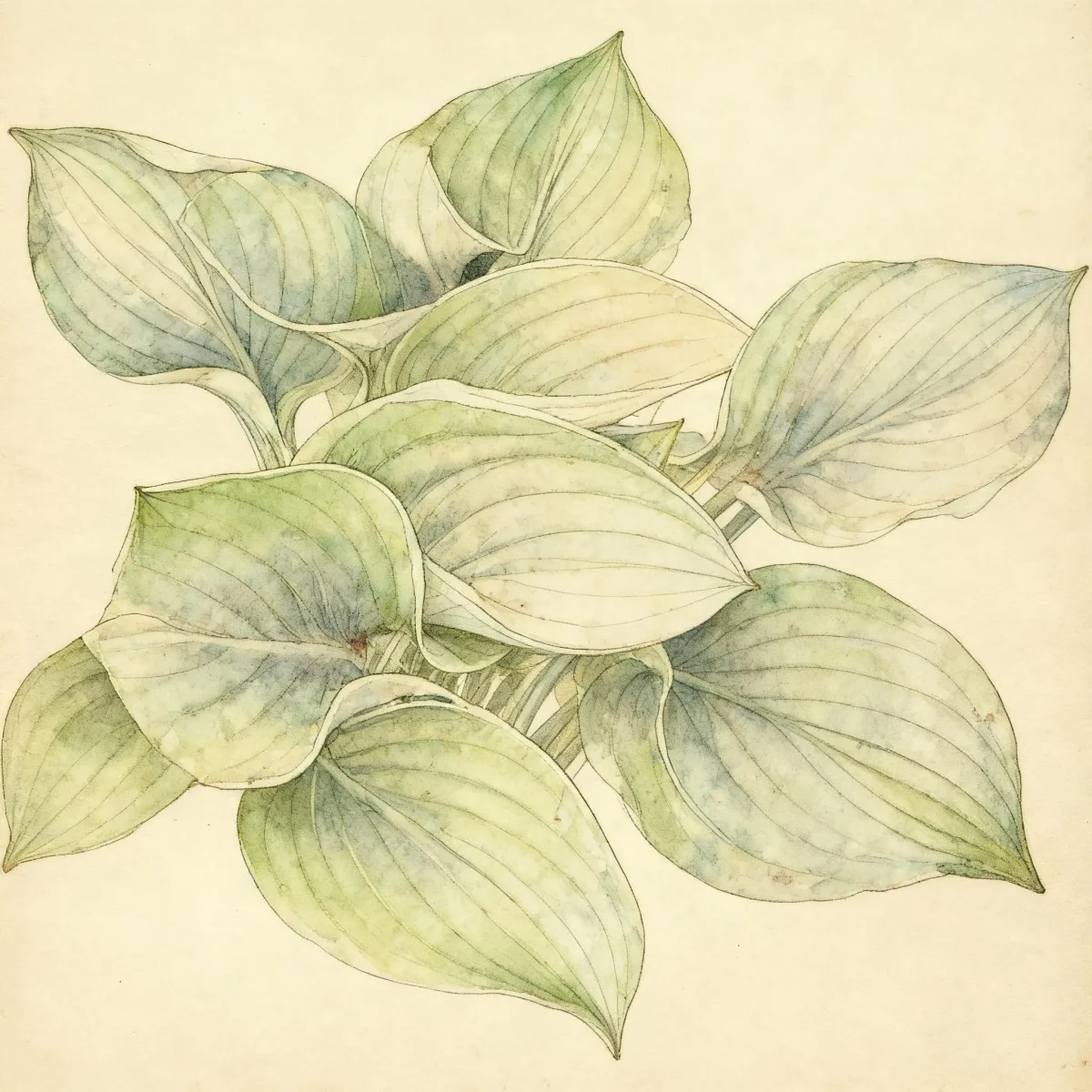
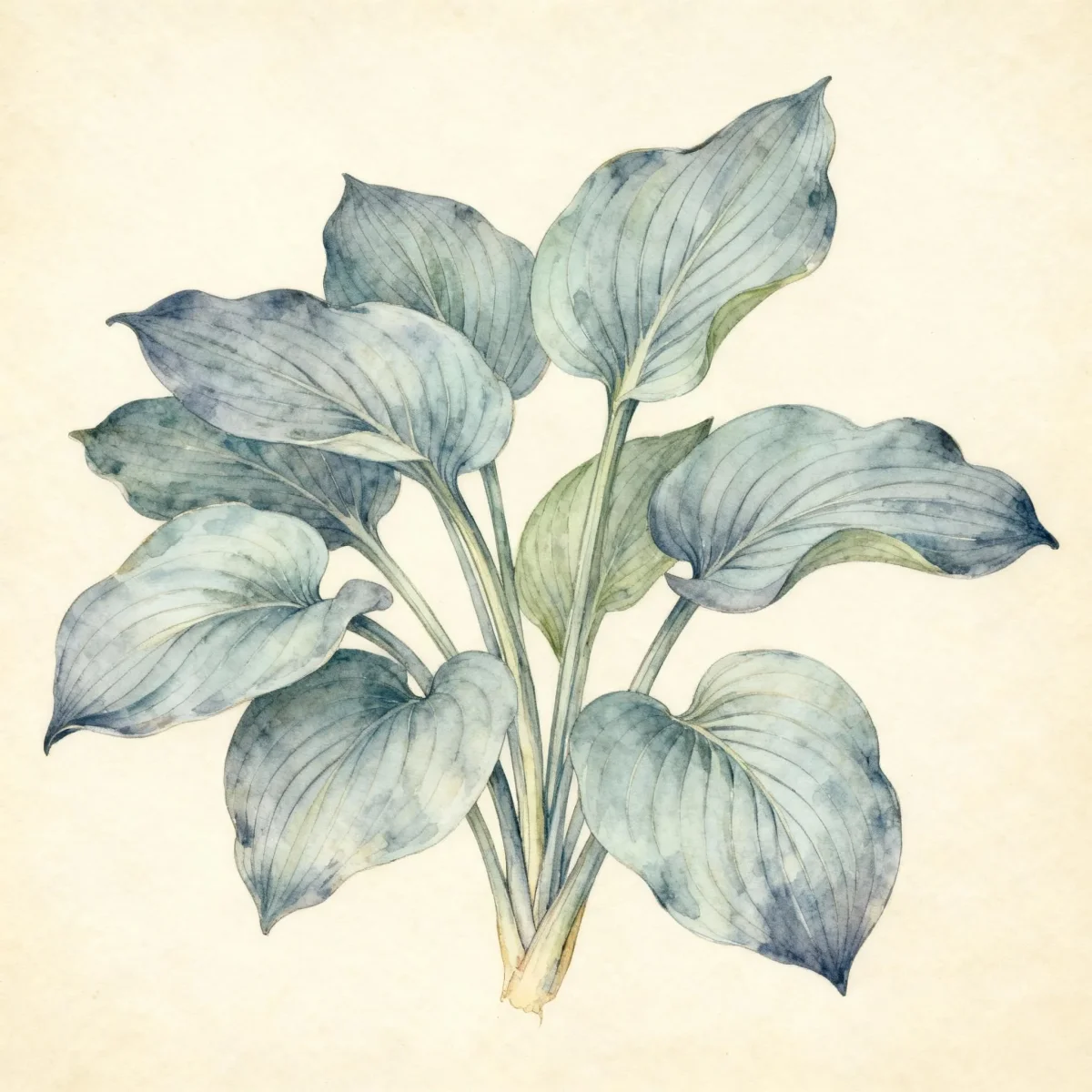
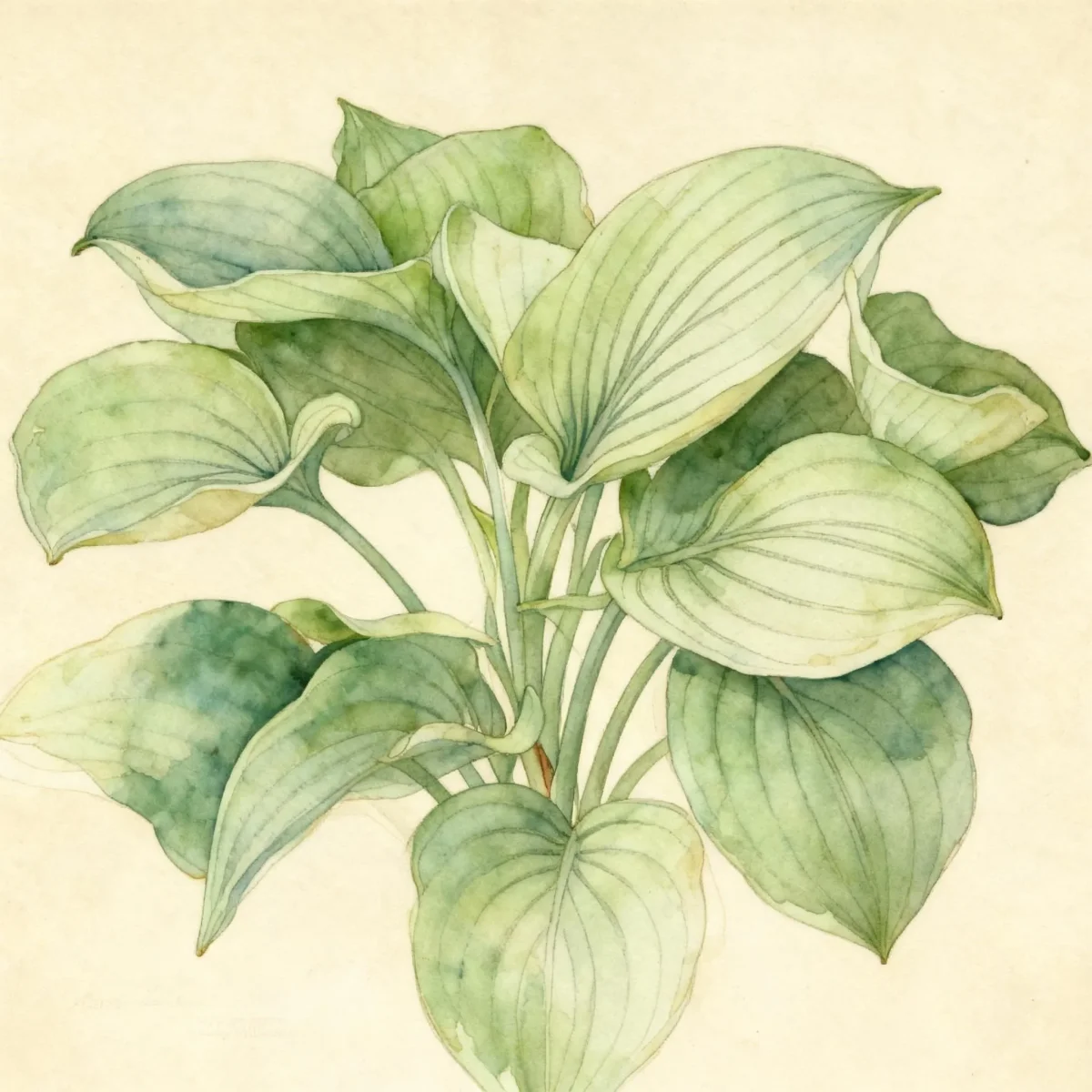
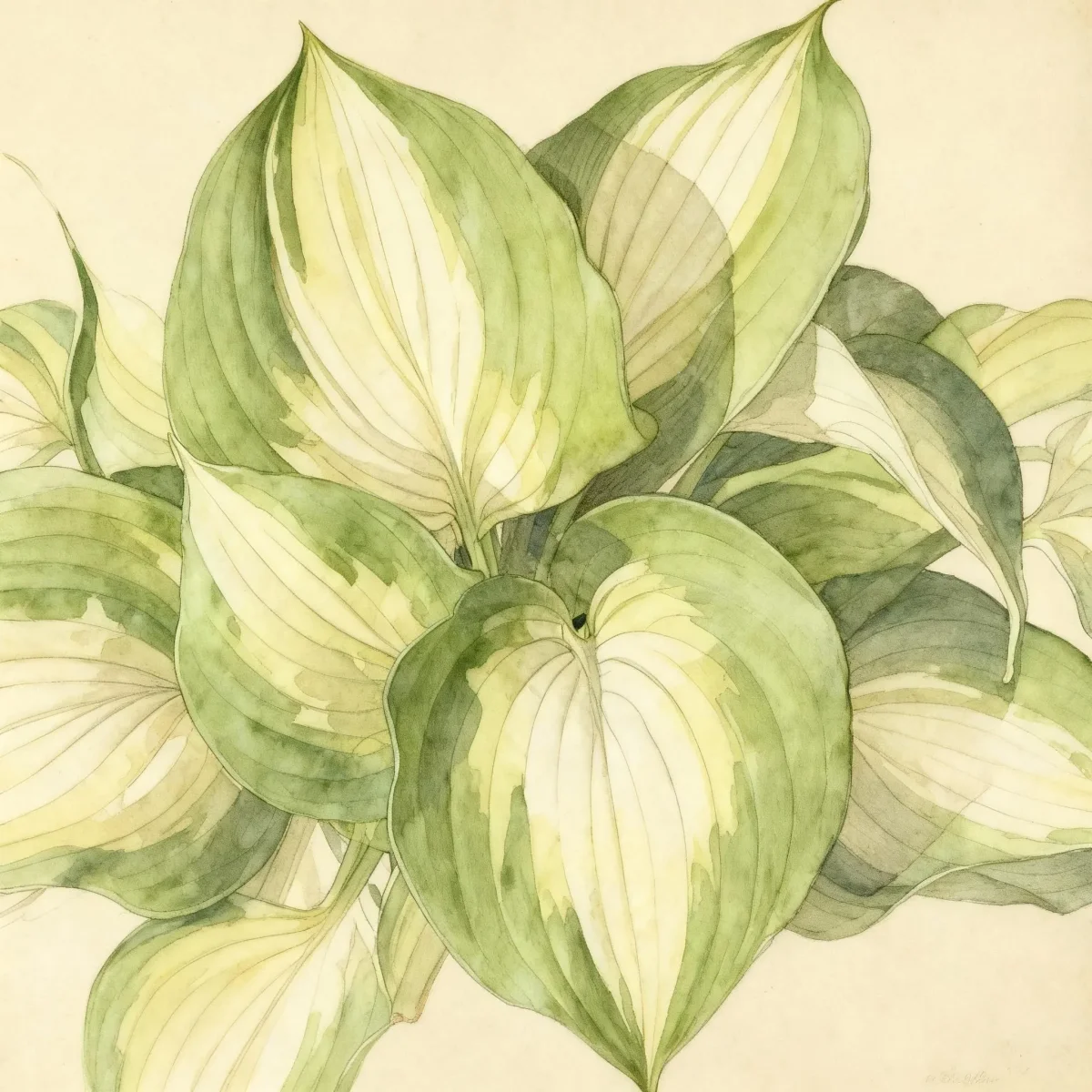
Hosta ‘Summer Music’ is an outstanding cultivar prized primarily for its vibrant, ornamental foliage, making it a foundational plant in shaded landscapes. This medium-sized Hosta offers striking leaf variegation: white centers streaked with gold and chartreuse, all framed by wide, dark green margins. As a low-maintenance herbaceous perennial, it provides consistent texture and color contrast where many other ornamental plants struggle to thrive.
Originating as a sport of H. ‘Shade Master’, Hosta ‘Summer Music’ embodies the genus’s reputation for shade tolerance and reliability. Its clump-forming habit creates rounded mounds of foliage, reaching up to 2.5 feet wide, which effectively cover ground and provide excellent structure through the growing season.
Gardeners rely on Hostas for their aesthetic diversity; Hosta ‘Summer Music’ contributes vivid color, complemented by delicate, pale lavender, funnel-shaped flowers that appear in mid-summer. Few plants offer such high visual impact with such a low commitment to ongoing care, solidifying its status as a shade garden staple.
Fast Facts
- Plant Family: Asparagaceae
- Plant Type: Herbaceous perennial
- Hardiness Zones: USDA Zones 3-8
- Size at Maturity:
- Height: 1-1.5 ft
- Spread: 2-2.5 ft
- Bloom Time: July to August
- Bloom Description: Pale lavender
- Sun Exposure: Part shade to full shade
- Water Needs: Medium
- Maintenance Level: Low
How to Grow
To ensure the best performance from your Hosta ‘Summer Music’, aim to plant established divisions in the spring or fall. The ideal location provides part shade, meaning it benefits from some morning sun or reliably dappled light throughout the day, though it tolerates heavy shade well. Cultivate the soil to be organically rich and well-drained, incorporating plenty of compost to maintain the consistent moisture that Hostas prefer.
Watering is crucial for maintaining the full size and quality of the foliage; Hosta ‘Summer Music’ requires medium water, and the soil must never be allowed to dry out completely. When watering, apply moisture directly to the soil beneath the leaves to keep the foliage dry, which helps mitigate fungal issues. While established plants show some drought tolerance, relying on deep, regular watering will result in superior growth.
Maintenance for this Hosta variety is generally low. Pruning is minimal, though you can tidy up any damaged leaves as needed. If you wish to divide your clumps, the easiest time is early spring before the leaves begin to unfurl, though division can also be performed in the autumn. Always site your Hosta ‘Summer Music’ away from strong winds, which can easily shred the leaves.
Landscape Uses
Hostas are universally recognized as the backbone of successful shade gardens. Hosta ‘Summer Music’, with its bright, contrasting colors, moves beyond simply filling dark corners; it acts as a dynamic focal point or a vivid element within masses of solid green shade perennials. Use them effectively in shady borders where their mounding habit provides excellent visual contrast against upright ferns or fine-textured groundcovers.
These perennials look particularly effective when planted in groups or massed together, allowing their varied foliage patterns to create rich tapestry effects. They make excellent background plants for smaller shade-lovers or can be massed along woodland paths where they mimic their native woodland margin habitat. The substantial basal mounds of foliage offer year-round structure until frost dieback.
Given the specific coloring of Hosta ‘Summer Music’, consider pairing it with plants that have deep purple or blue foliage for maximum color impact, such as dark Heuchera or blue Hostas. They perform beautifully when contrasted with fine-textured plants like Japanese Forest Grass (Hakonechloa). Because they are primarily grown for foliage excellence, they provide lasting interest long before and after their pale lavender blooms appear.
Standout Features
Flower Qualities
- Showy
- Good Cut
Noteworthy Characteristics
Hosta is a genus comprising about 70 species of shade-loving, rhizomatous perennials native to open woodlands across East Asia. They are cultivated mainly for their ornamental foliage, which displays vast variety in shape, color, and texture rising from a central crown. Specifically, ‘Summer Music’ is a medium hosta known for its 7 by 6-inch leaves featuring white centers bordered by gold/chartreuse streaking and dark green margins; it produces pale lavender tubular flowers atop 14 to 20-inch scapes.
Tolerances
- Heavy Shade
- Black Walnut
Potential Problems
Slugs and snails represent the most immediate threat to your Hosta ‘Summer Music’, as they chew unsightly jagged holes in the foliage, rapidly degrading its ornamental quality. To manage this, apply baits, diatomaceous earth barriers, or use beer traps consistently, especially during damp weather. Watch out for foliar nematodes, which cause interveinal browning, and ensure infected plants are removed immediately to prevent the spread of viruses like HVX. Fortunately, this is generally a low-maintenance plant, but protecting the leaves from common pests is key to maintaining the beauty of Hosta ‘Summer Music’.
Frequently Asked Questions
What hardiness zones is Hosta ‘Summer Music’ suitable for?
Hosta ‘Summer Music’ grows reliably in USDA Hardiness Zones 3 through 8.
How large does Hosta ‘Summer Music’ grow?
This cultivar typically reaches a mature height between 1 and 1.5 feet tall, spreading moderately to cover an area between 2 and 2.5 feet wide.
What sun exposure does Hosta ‘Summer Music’ need?
This Hosta variety thrives best in part shade conditions, though it can tolerate full shade, making it highly versatile for different shaded garden spots.
When does Hosta ‘Summer Music’ bloom?
The pale lavender flowers of Hosta ‘Summer Music’ emerge and bloom throughout the peak summer months, typically from July to August.
Conclusion
Hosta ‘Summer Music’ delivers exceptional value in shady garden spaces, transforming dark areas with its richly variegated and colorful mound of foliage. As a low-maintenance Hosta, it requires consistent moisture and protection from gastropods to shine. Before planting, confirm that your location falls within USDA Zones 3-8 and plan to install it in its preferred part-shade environment for the best seasonal display.
Companion Planting
When designing your shade garden around Hosta ‘Summer Music’, select companions that complement its density and color profile without competing for root space. Ferns, such as the delicate Japanese Painted Fern (Athyrium niponicum), offer excellent textural contrast to the broad leaves of the Hosta. Consider using acid-loving evergreens as a backdrop to provide year-round structure and anchor the variegated leaves.
Pairing with flowering shade perennials like Astilbe or Ligularia can introduce complementary blooms during summer months, though ensure companions also tolerate part shade. Because this Hosta is a medium-sized mound, use low-growing groundcovers, perhaps Vinca or wild ginger, around the base to offer a soft transition to the soil line, keeping the area beneath the leaves tidy.
Propagation Tips
The primary method for increasing your stock of Hosta ‘Summer Music’ is through division, which is best performed when the plant is dormant or just emerging in early spring. Wait until you see the fuzzy, tightly furled leaves (eyes) beginning to push through the soil; this indicates good root activity and minimizes transplant shock. Carefully lift the entire clump using a sharp spade, aiming to keep the root system intact.
Once lifted, use a sharp knife or spade to cleanly separate the crown into smaller sections, ensuring each division possesses a healthy set of roots and at least two or three growth buds or leaves. Replant these divisions immediately into prepared, moist soil at the same depth they were previously growing. This propagation technique is highly effective for multiplying desirable cultivars like Hosta ‘Summer Music’ without compromising their specific genetic traits.