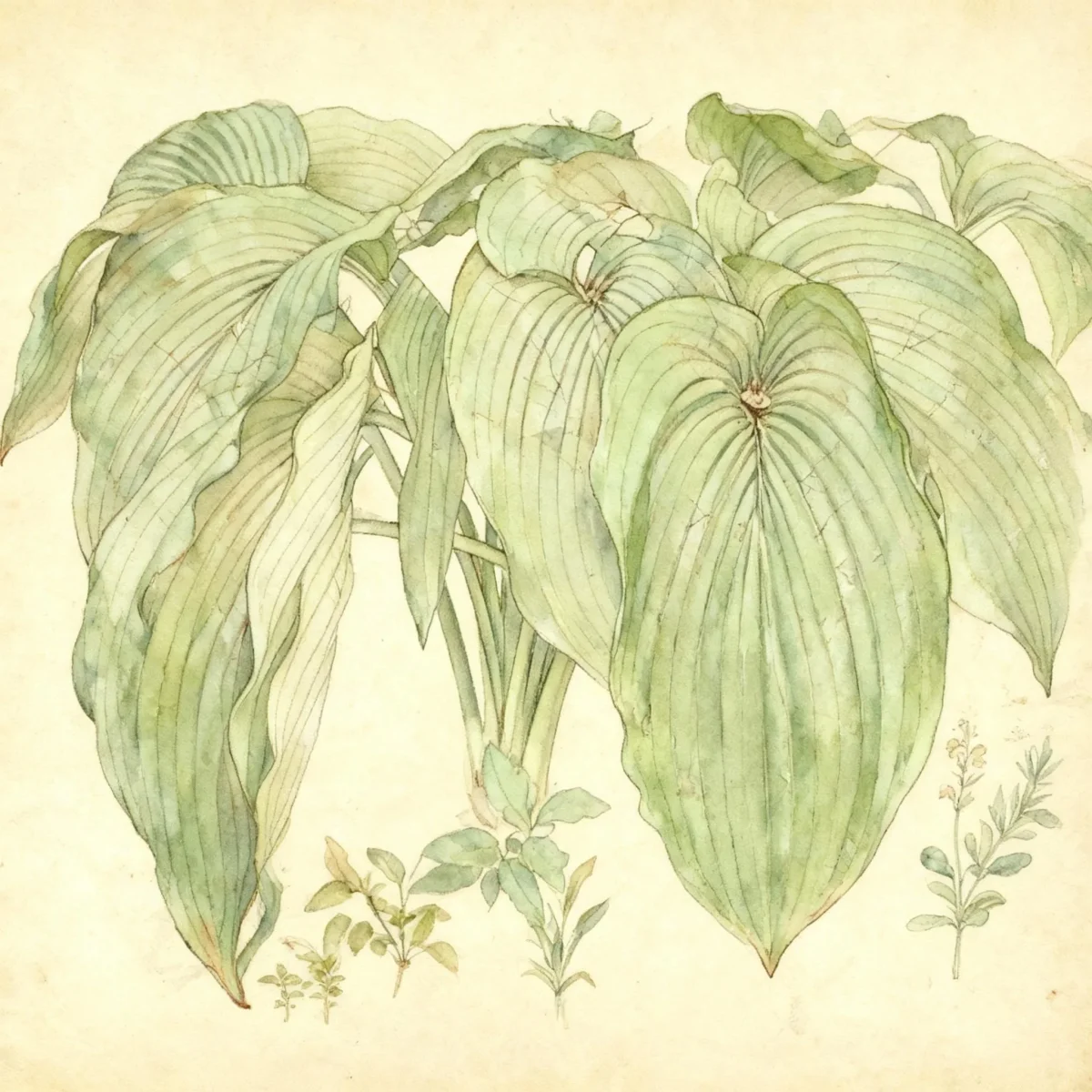
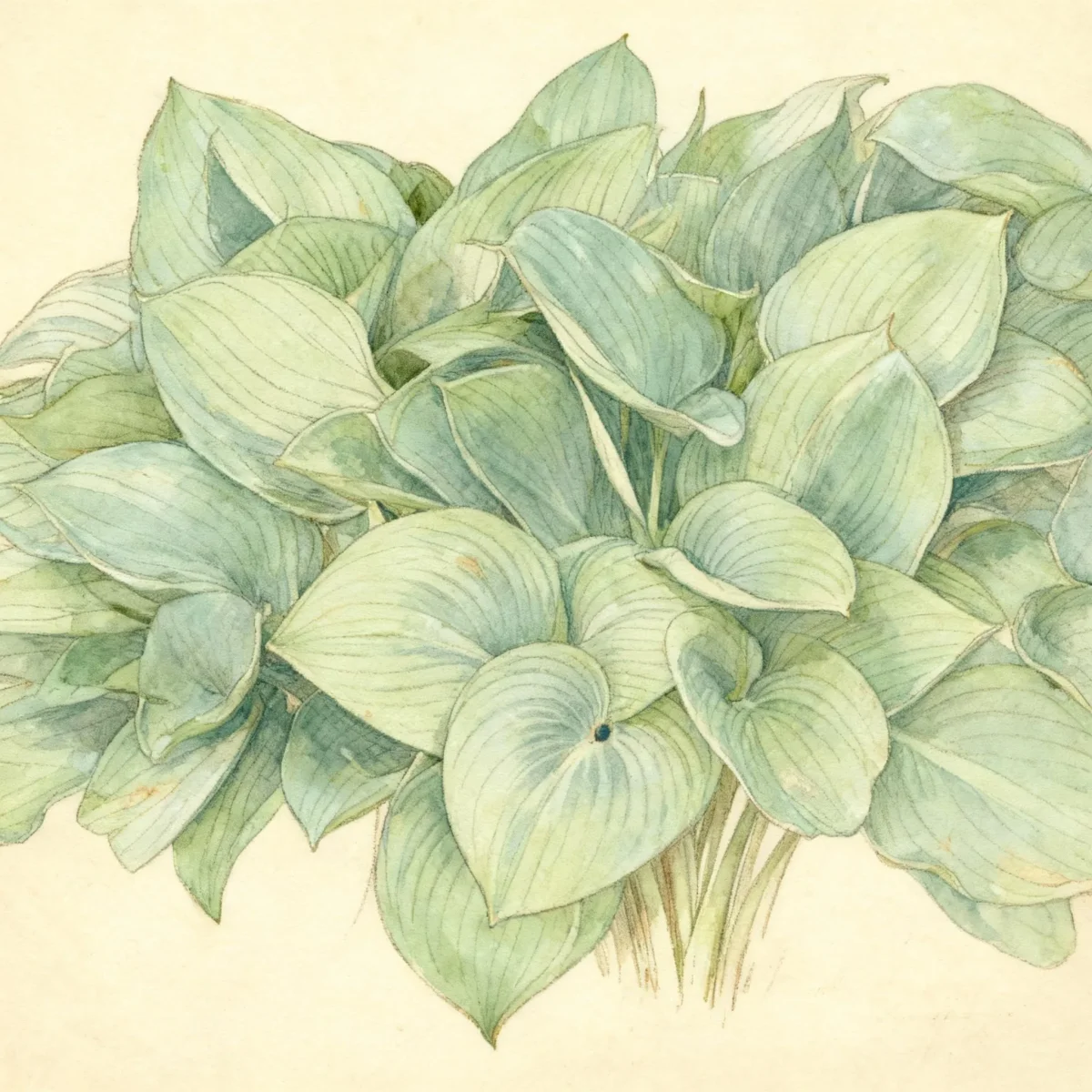
Hosta (Hosta 'Vanilla Cream')
Hosta 'Vanilla Cream' is a low-maintenance herbaceous perennial ideal for shade gardens, noted for its chartreuse foliage and lavender blooms.
Scroll down to discover growing tips, care requirements, companion plants, and more
Complete Plant Information
Overview
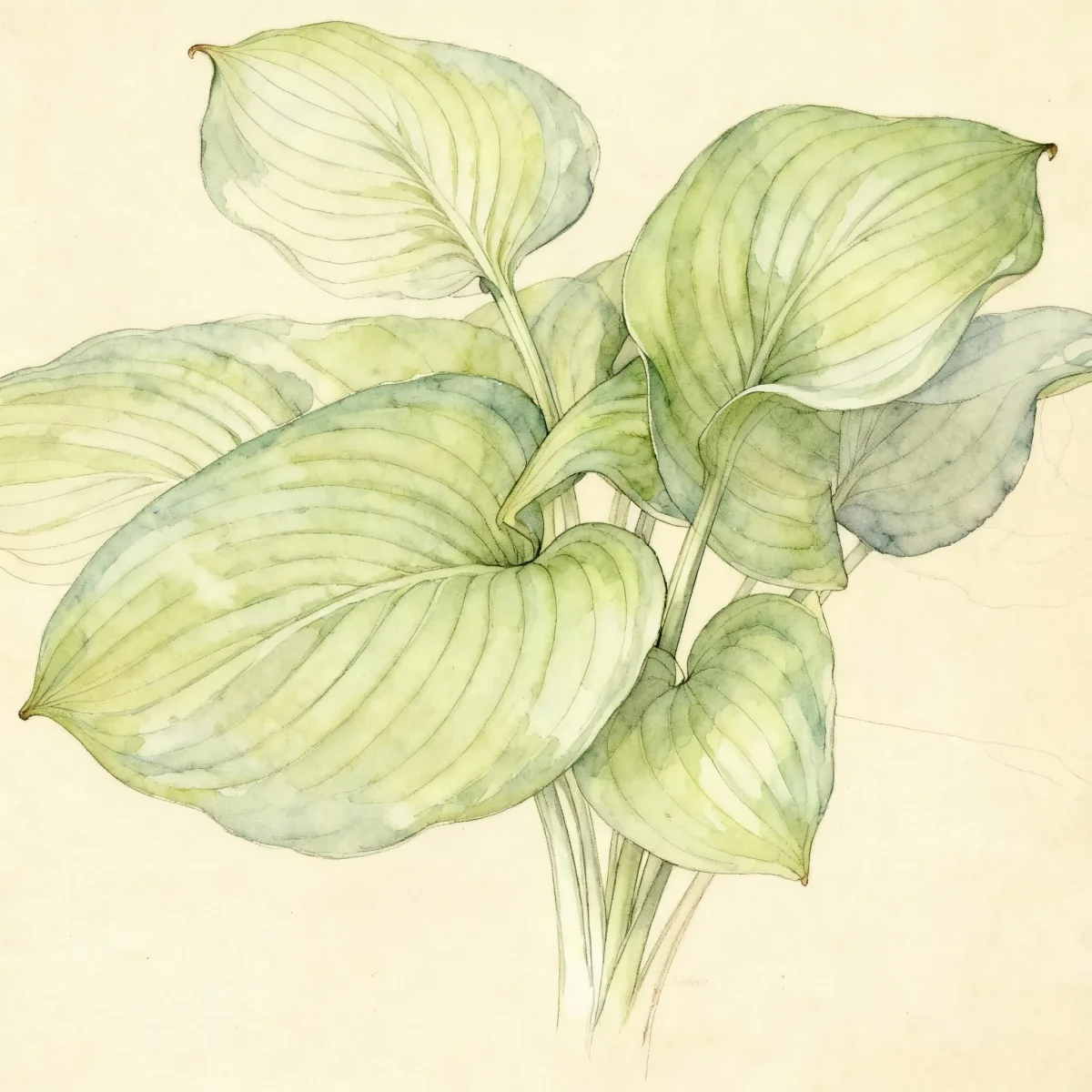
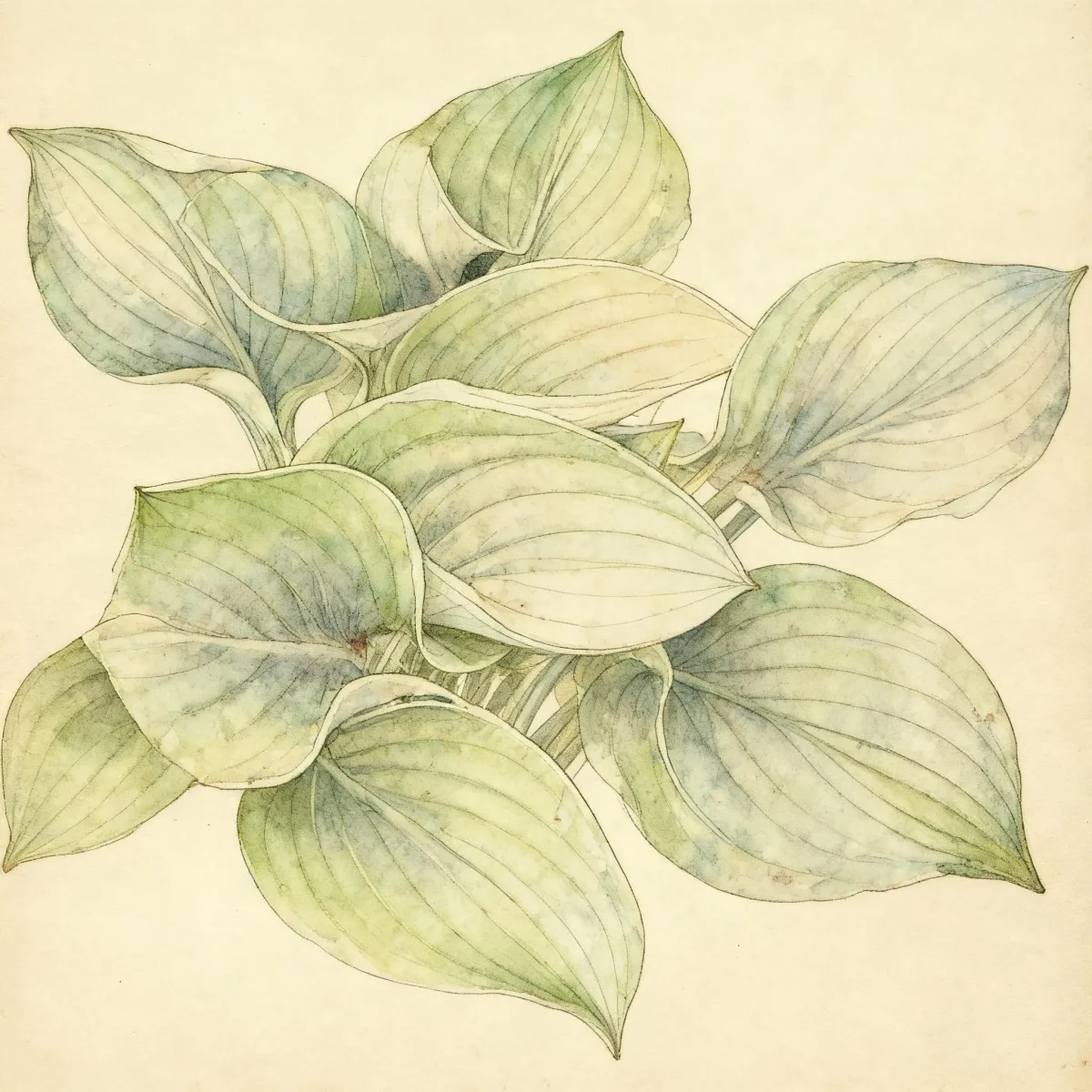
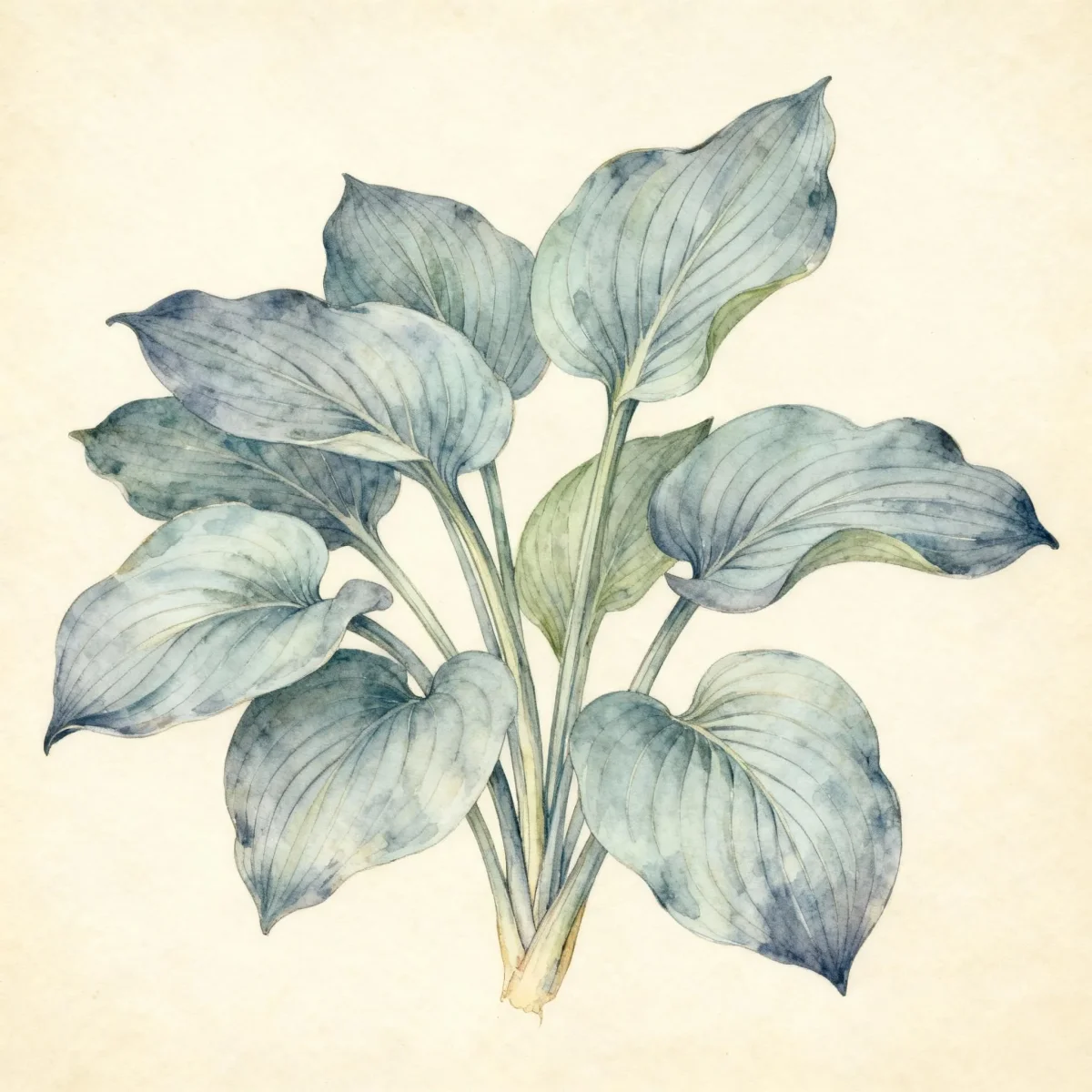
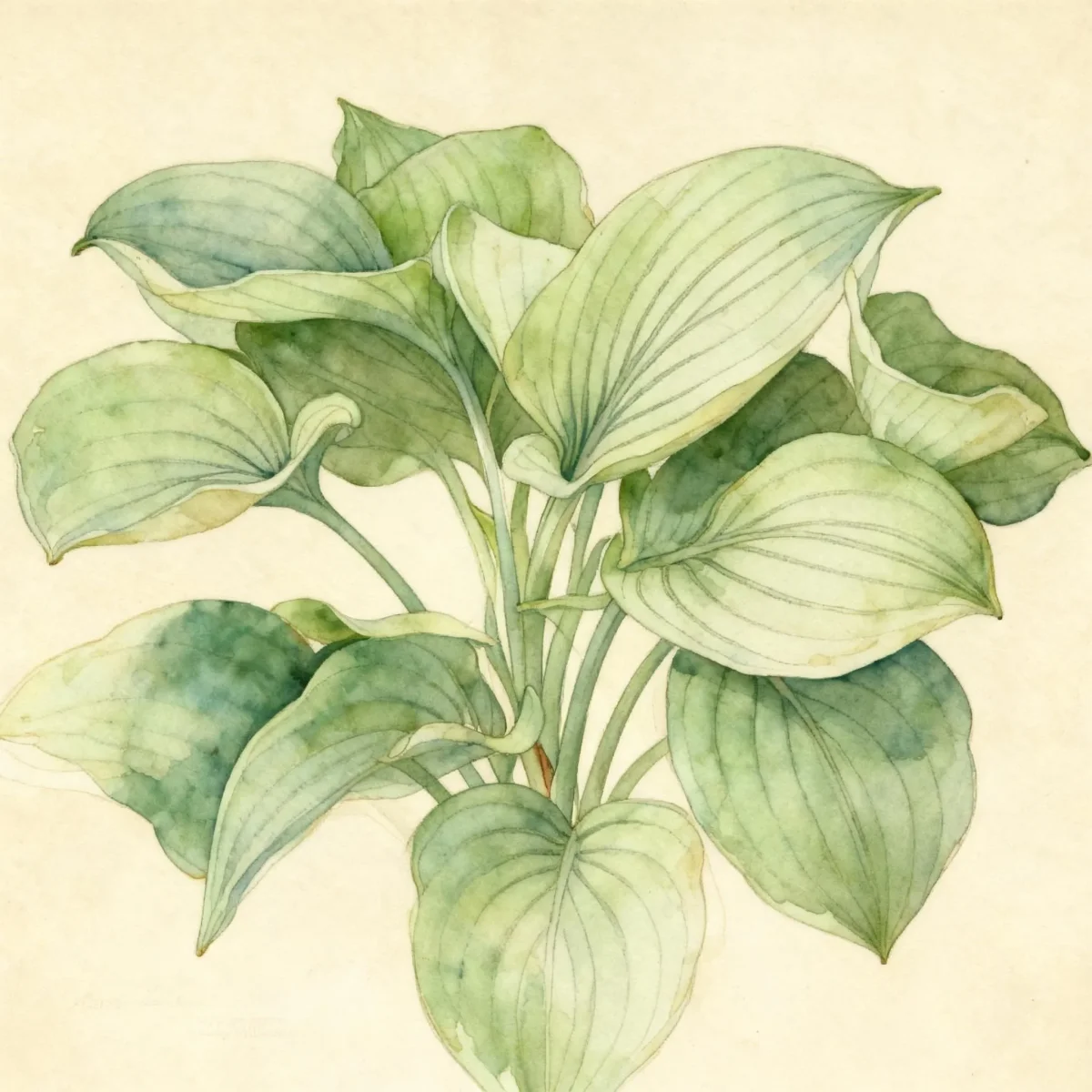
Hosta ‘Vanilla Cream’ is a highly valued herbaceous perennial, primarily grown for its outstanding ornamental foliage that brings texture and contrast to shaded corners. This variety features a beautiful mound of wavy, heart-shaped leaves in a bright chartreuse hue, providing consistent color throughout the season. It is a dependable and versatile addition to any garden, thriving as a low-maintenance staple in woodland settings.
The strength of Hosta, including cultivar ‘Vanilla Cream’, lies in its resilience and ease of care, making it perfect for gardeners seeking high visual impact with minimal effort. These clumps form dense mounds that help suppress unwanted garden weeds effectively. While known for foliage, Hosta ‘Vanilla Cream’ also offers delicate sprays of lavender, funnel-shaped flowers atop slender scapes in mid-summer.
As a classic shade plant, Hosta provides essential structure where few other perennials flourish. Planted correctly, this Hosta cultivar establishes quickly and requires little beyond consistent moisture to maintain peak form and color, ensuring your shade garden remains rich and appealing year after year.
Fast Facts
- Plant Family: Asparagaceae
- Plant Type: Herbaceous perennial
- Hardiness Zones: USDA Zones 3-8
- Size at Maturity:
- Height: 0.5-0.75 ft
- Spread: 1-1.5 ft
- Bloom Time: July to August
- Bloom Description: Lavender
- Sun Exposure: Part shade to full shade
- Water Needs: Medium
- Maintenance Level: Low
How to Grow
Planting Hosta ‘Vanilla Cream’ is best done in spring or early autumn to allow the roots to establish before seasonal extremes. Ensure the location provides evenly moist, organically rich, well-drained soil. While Hosta tolerates heavy shade, the best color and quality for this variety are achieved with part shade, meaning some dappled sunlight or gentle morning sun.
Ongoing care should prioritize moisture consistency. Although established plants handle some dry shade, especially those with thicker leaves, never let the soil completely dry out for optimal performance of your Hosta. Water should always be directed to the soil beneath the foliage rather than overhead to minimize leaf spotting. Being a low-maintenance perennial, significant fertilization is rarely required if the soil amended well at planting.
Dividing Hosta plants is straightforward and should be done as needed, ideally in early spring before the leaves fully unfurl, or in the autumn. Always locate your Hosta ‘Vanilla Cream’ in areas protected from strong winds, which can easily bruise or tear the attractive leaves. This resilient Hosta cultivar forms a neat mound that remains attractive throughout the growing season.
Landscape Uses
Hostas are foundational elements in shade garden design, prized nearly as much for their foliage as for their flowers. Hosta ‘Vanilla Cream’ excels when massed or planted in groups, creating blankets of bright chartreuse color that contrast beautifully with darker green or blue-leafed shade companions. They serve as excellent groundcovers or background accents beneath taller shrubs or trees.
Consider using Hosta ‘Vanilla Cream’ along shady borders or pathways where its bright color can illuminate darker areas of the landscape. Its dense habit helps in filling the space beneath mature plantings typical of woodland gardens. Companion planting with ferns, Astilbe, or Brunnera allows the wavy texture and color of the Hosta foliage to truly stand out.
Standout Features
Flower Qualities
- Showy
- Good Cut
Noteworthy Characteristics
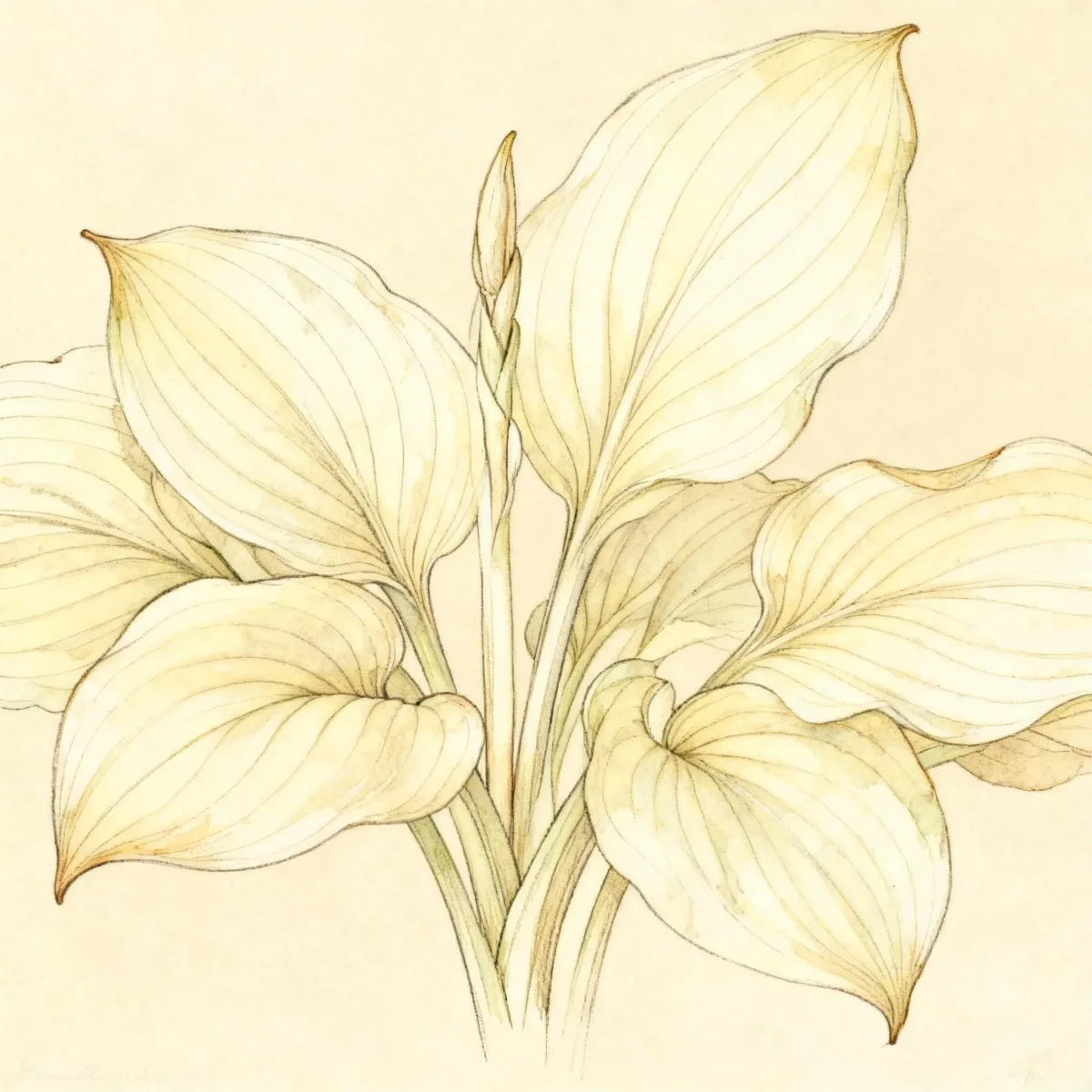
Hosta is a genus primarily grown for its ornamental foliage, featuring rhizomatous, clump-forming, herbaceous perennials native to East Asia. Hosta ‘Vanilla Cream’ specifically displays wavy, heart-shaped, bright chartreuse leaves and produces racemes of funnel-shaped, lavender flowers on upright scapes. This dependable variety requires little care and its dense foliage effectively crowds out most garden weeds, making it a highly functional landscape plant.
Tolerances
- Heavy Shade
- Black Walnut
Potential Problems
Slugs and snails represent the most common threat to Hosta foliage, using their sharp mouthparts to chew unsightly, jagged holes in the leaves. If infestations are unchecked, significant damage can occur rapidly. Management involves routine inspection, using bait pellets (iron phosphate is safer around pets and wildlife), or implementing manual removal.
Watch closely for foliar nematodes, which cause telltale interveinal browning of the leaves. Less frequently, gardeners might encounter leaf spots or crown rot, usually linked to poor drainage or overly wet conditions. It is crucial to immediately remove and destroy any hosta plants showing viral symptoms, such as Hosta Virus X (HVX), to prevent spread. While deer and rabbits frequently find Hosta leaves appetizing, physical barriers or repellents can offer necessary protection.
Frequently Asked Questions
What hardiness zones is Hosta suitable for?
Hosta ‘Vanilla Cream’ is reliably hardy across USDA Zones 3 to 8.
How large does Hosta ‘Vanilla Cream’ grow?
This cultivar typically reaches a height between 0.5 to 0.75 feet and spreads to about 1 to 1.5 feet wide, forming a neat ground-covering mound.
What sun exposure does Hosta ‘Vanilla Cream’ need?
This Hosta prefers part shade to full shade conditions; too much intense afternoon sun can scorch the bright chartreuse leaves.
When does Hosta ‘Vanilla Cream’ bloom?
The blooms appear from July into August, featuring attractive lavender, funnel-shaped flowers rising above the foliage mound.
Conclusion
Hosta ‘Vanilla Cream’ offers exceptional aesthetic value through its colorful, textured foliage combined with the advantage of being a very low-maintenance perennial. This Hosta variety truly shines when used to lighten up dark garden areas. Before planting, confirm that your chosen location meets the medium water needs and provides adequate protection from wind and predation.
Companion Planting
Hosta plants thrive alongside other shade-loving perennials that share similar cultural requirements for consistent moisture and dappled light. Companion selections that contrast nicely with the bright chartreuse of Hosta ‘Vanilla Cream’ are highly recommended for visual interest. Good partners include plants with fine textures, such as various ornamental ferns like Japanese Painted Ferns, or those with darker foliage like Coral Bells (Heuchera) featuring deep purple or near-black leaves.
For mid-summer flowering, consider pairing Hosta with Astilbe or Woodland Phlox (Phlox divaricata). These combinations create a rich, layered tapestry effect in the woodland garden, utilizing differences in leaf shape, height, and bloom color to maximize the impact of your shade plantings.
Seasonal Care Calendar
Spring: As the first signs of growth appear, divide any overcrowded clumps of Hosta ‘Vanilla Cream’ if you wish to increase your stock or rejuvenate the plants. Focus on applying a layer of slow-release organic mulch around the base, avoiding direct contact with the crown, to help retain moisture and suppress weeds.
Summer: Monitor watering diligently, especially during dry spells, ensuring the soil remains consistently moist for the best leaf quality. Deadhead (remove) the flower scapes after blooming if you wish to direct energy back into foliage production, though leaving them on provides texture and subtle color.
Autumn/Winter: In colder zones, the foliage of Hosta will often die back after the first hard frost. Clean up the spent leaves in late fall or early spring before new growth starts. Protect the crowns from damage by heavy snow load or persistent foot traffic during winter dormancy.