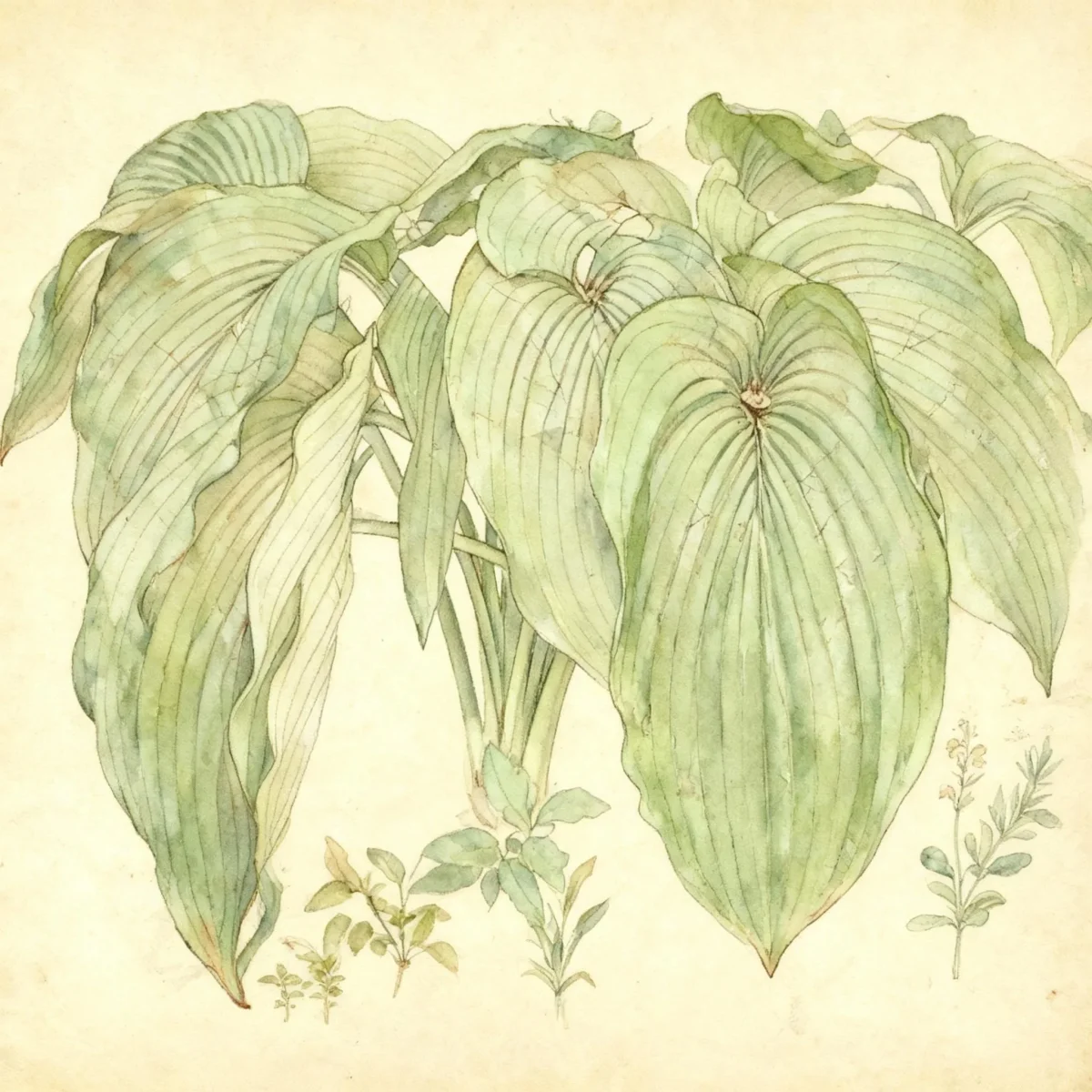
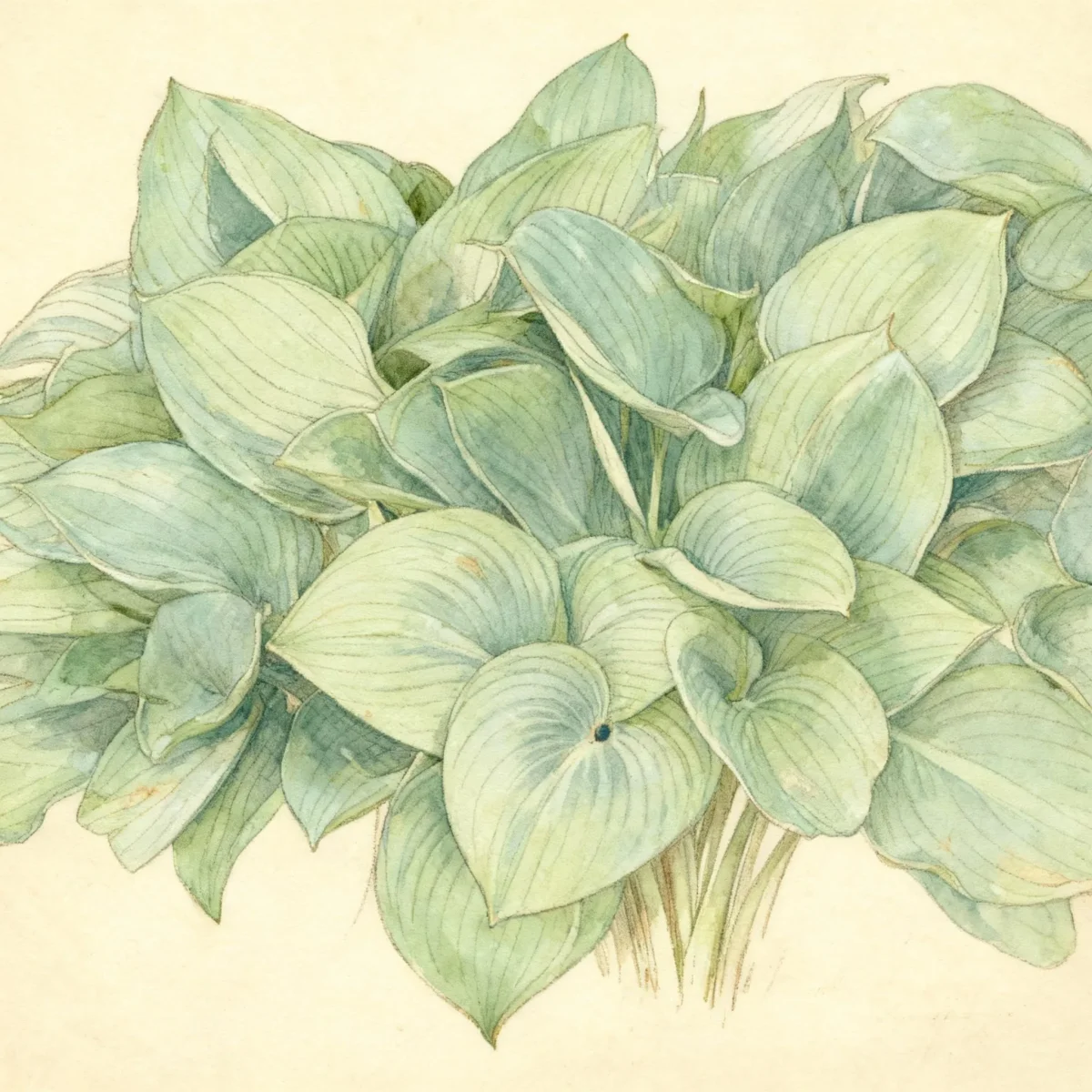
Hosta (Hosta 'Vera Verde')
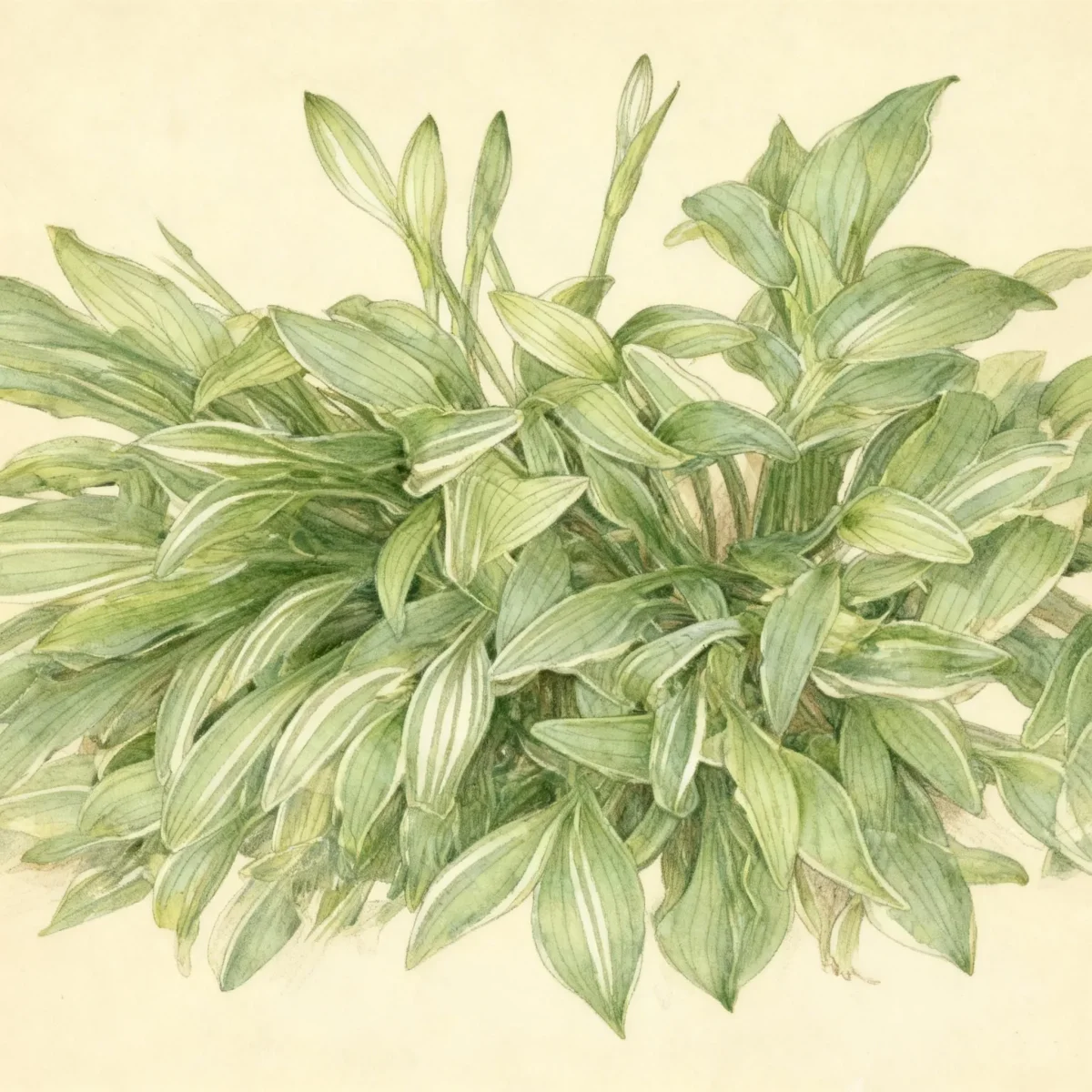
Hosta 'Vera Verde' is a low-maintenance herbaceous perennial prized for medium green leaves with white margins, thriving in heavy shade.
Scroll down to discover growing tips, care requirements, companion plants, and more
Complete Plant Information
Overview
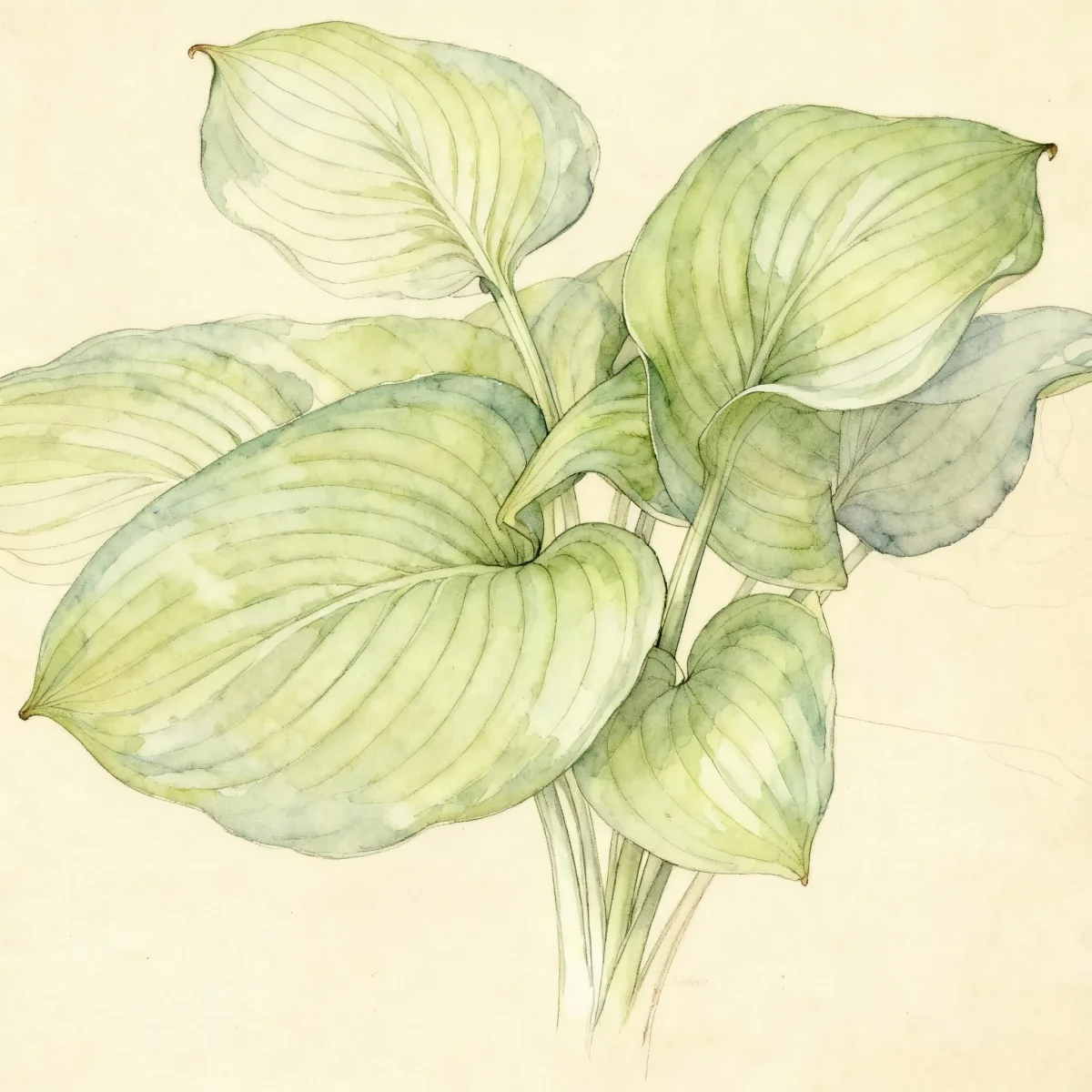
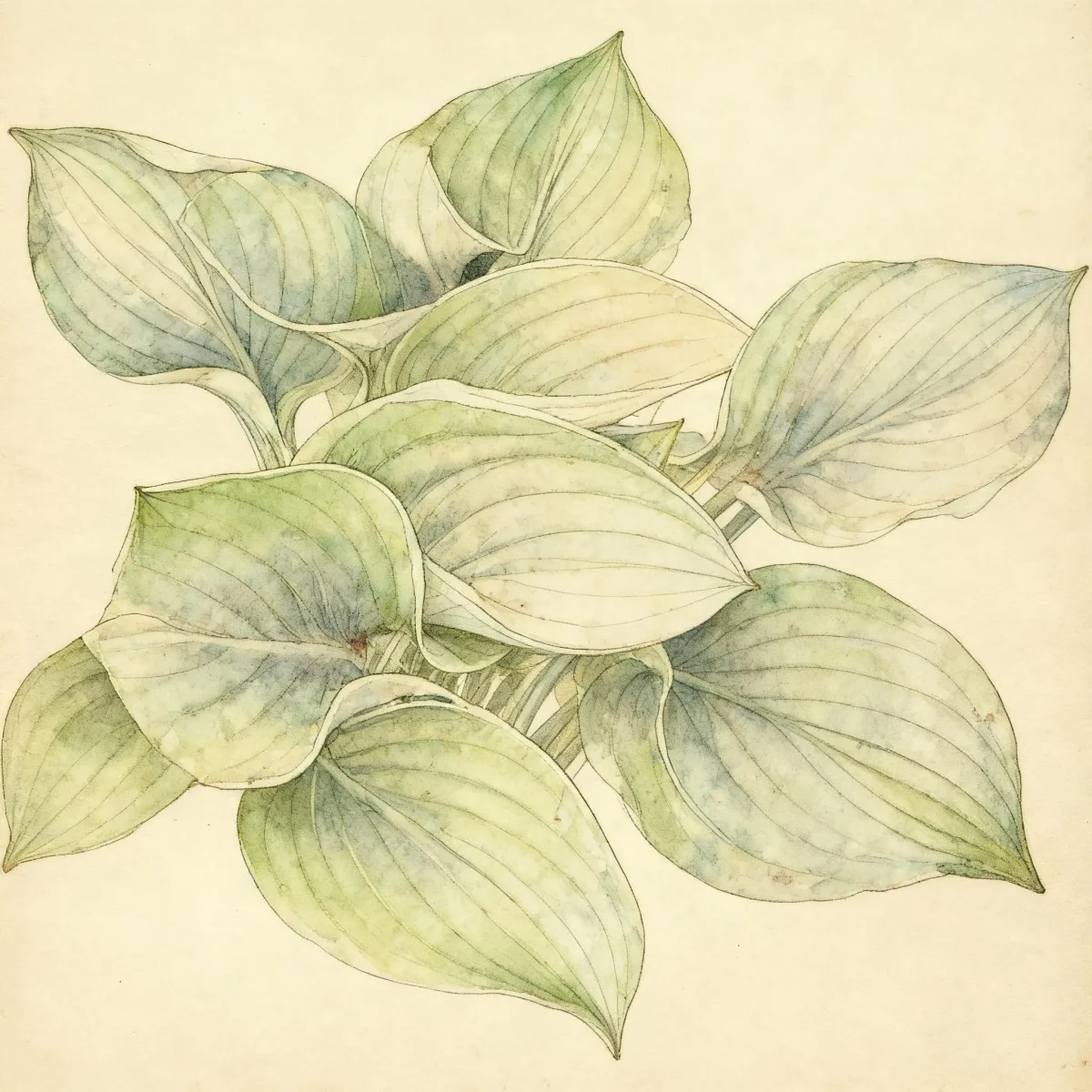
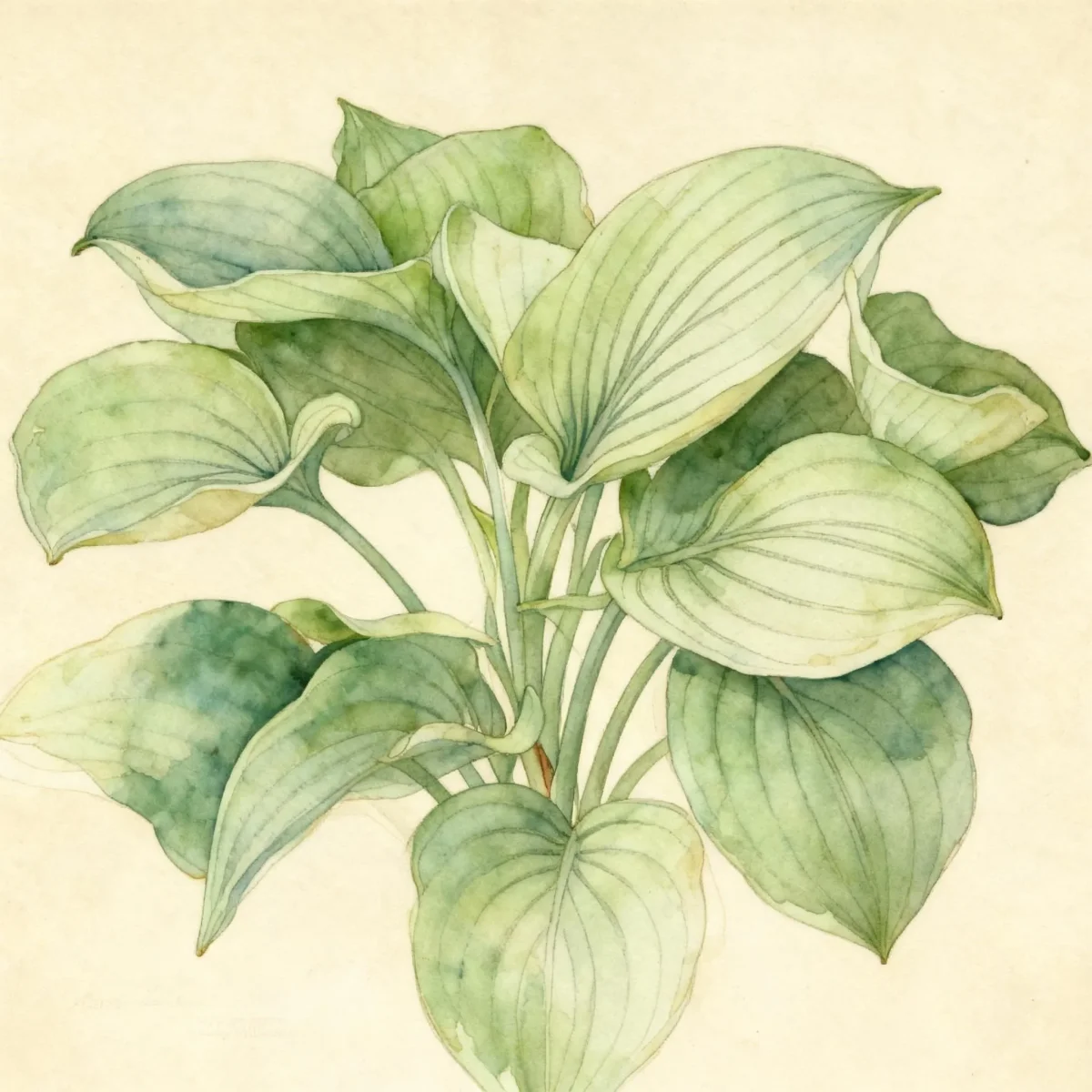
Hosta ‘Vera Verde’ is a garden favorite, celebrated primarily for its attractive, dense foliage that provides excellent groundcover in deep shade. This specific cultivar features flat, lance-shaped leaves of medium green accented beautifully with distinct white margins, offering year-round textural interest. As a dwarf, upright variety, Hosta ‘Vera Verde’ stays compact, forming pleasing mounds perfect for edging or woodland settings.
This dependable herbaceous perennial is renowned for its low maintenance needs, making it ideal for busy gardeners seeking reliable performance. Whether used to contrast textures or simply to brighten dark corners, the consistent beauty of this Hosta ensures its place as a mainstay in shady landscapes across various hardiness zones.
Fast Facts
- Plant Family: Asparagaceae
- Plant Type: Herbaceous perennial
- Hardiness Zones: USDA Zones 3-8
- Size at Maturity:
- Height: 0.25-0.5 ft
- Spread: 0.75-1 ft
- Bloom Time: July to August
- Bloom Description: Lavender
- Sun Exposure: Part shade to full shade
- Water Needs: Medium
- Maintenance Level: Low
How to Grow
For optimal health and foliage quality, plant Hosta ‘Vera Verde’ in early spring or autumn, ensuring it settles into evenly moist, organically rich, and well-drained soil. While this Hosta tolerates heavy shade, the best color and form are achieved when it receives part shade, perhaps benefiting from dappled sunlight or gentle morning sun. Consistent moisture is crucial; although established plants show some tolerance for dry shade, the density and quality of the foliage depend significantly on regular watering applied beneath the leaves.
Maintenance for Hosta is generally considered low. Avoid letting the soil dry out completely, especially during establishment. Hostas do not typically require heavy fertilization if the native soil is rich in organic matter. As Hosta ‘Vera Verde’ is primarily grown for its striking leaves, deadheading spent flower scapes is optional, though the lavender blooms are attractive.
If division becomes necessary, the best time is early spring just before the leaves begin to unfurl, or alternatively in the fall. When placing this Hosta in the garden, ensure it is shielded from harsh winds that can physically damage the leaves. Its dense growth habit naturally helps suppress many common garden weeds.
Landscape Uses
Hostas are the undisputed foundation plants for creating lush, vibrant shade gardens. Hosta ‘Vera Verde’, with its defined color pattern, works exceptionally well when massed or planted in drifts underneath mature trees or along north-facing borders where sun exposure is minimal. They provide critical structure and contrast against finer-textured shade lovers like ferns or groundcovers.
Due to its relatively compact size, Hosta ‘Vera Verde’ is excellent for lining shady paths or defining the front edge of a layered border where its low mound of foliage remains visible all season. While the flowers are a pleasant addition, the main focus should remain on the ornamental excellence of the foliage, using its white margins to brighten dark areas.
Standout Features
Flower Qualities
- Showy
- Good Cut
Noteworthy Characteristics
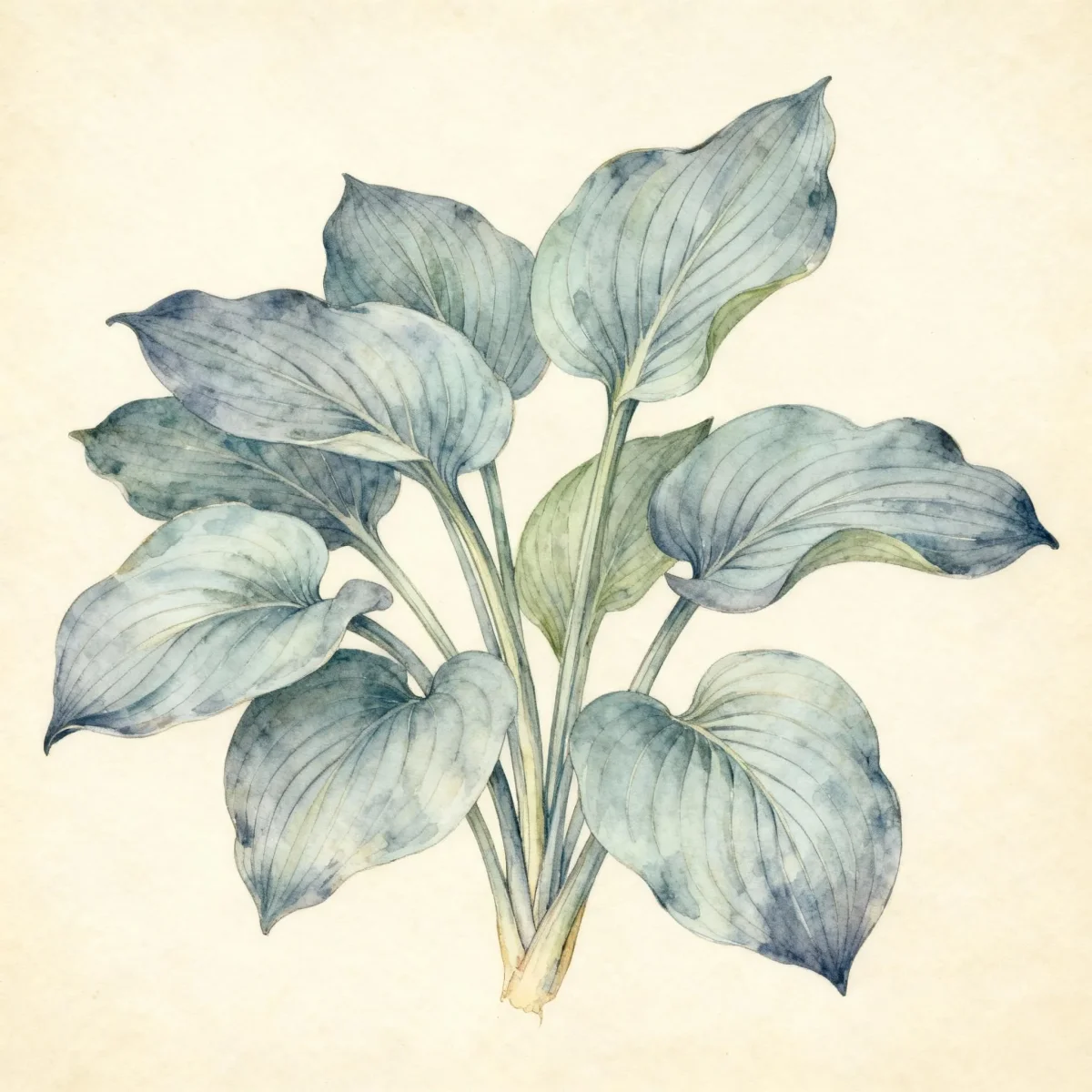
Hostas are clump-forming, rhizomatous perennials native to East Asian woodlands, grown universally for spectacular foliage. The genus offers incredible diversity in shape, texture, and color, rising from a central crown to form a rounded mound. ‘Vera Verde’ specifically is valued as an erect, dwarf plant with medium green leaves edged in white, topped by scapes of lavender flowers, reliably crowding out weeds with its dense growth.
Tolerances
- Heavy Shade
- Black Walnut
Potential Problems
The primary threat to Hosta foliage, including Hosta ‘Vera Verde’, comes from slugs and snails. These common pests use the soft leaves as a buffet, leaving behind ragged entry holes; vigilance is required to prevent catastrophic damage quickly. Management often involves setting out bait pellets (iron phosphate is pet-safe), manually removing pests, or using beer traps.
Other issues include potential damage from foliar nematodes, which cause interveinal browning, though this is less common in well-managed garden soils. Physical damage from hail can also be severe on exposed foliage. Furthermore, deer and rabbits frequently find Hosta leaves highly palatable, so protection measures may be necessary in areas with high wildlife populations.
Frequently Asked Questions
What hardiness zones is Hosta ‘Vera Verde’ suitable for?
Hosta ‘Vera Verde’ thrives in USDA Hardiness Zones 3 through 8.
How large does Hosta grow?
This Hosta typically reaches a height between 0.25 and 0.5 feet tall, spreading to between 0.75 and 1 foot wide at maturity.
What sun exposure does Hosta need?
Hosta ‘Vera Verde’ requires part shade to full shade conditions to maintain its best appearance.
When does Hosta bloom?
This variety produces its lavender flowers atop scapes from July to August.
Conclusion
Hosta ‘Vera Verde’ offers gardeners a dependable, aesthetically pleasing solution for adding structure and contrast to challenging shady spaces. With its dense, easily maintained foliage and tolerance for deep shade, this Hosta remains a top choice for woodland and border plantings. Be sure to confirm your garden falls within USDA Zones 3-8 and establish a watering routine to ensure your Hosta ‘Vera Verde’ thrives all season long.
Companion Planting in the Shade
Selecting companions that share the cultural requirements of Hosta is key to a successful shade garden design. Plants that enjoy rich, moist soil and dappled light pair perfectly with Hosta. Consider grouping Hosta ‘Vera Verde’ with Astilbe for feathery, colorful flower plumes that contrast nicely with the Hosta leaves, or use Brunnera ‘Jack Frost’ for its silver foliage that complements the variegation.
For textural diversity, ferns such as the Japanese Painted Fern or large clusters of Lilyturf (Liriope) make excellent neighbors. These pairings ensure that as the Hosta mound fills out, the entire area maintains visual interest across different heights and leaf forms throughout the growing season.
Seasonal Care Calendar for Hosta
Spring cleanup is essential for this Hosta; remove any winter debris surrounding the crowns as soon as the soil is workable, being careful not to disturb emerging shoots. This is also the ideal time for soil amendment and division if your clumps have become overcrowded. During the summer, focus mainly on monitoring soil moisture levels, especially during dry spells, ensuring consistent water intake to support the lush leaf growth that Hosta ‘Vera Verde’ is known for.
As fall approaches, the foliage will begin to naturally die back as the plant prepares for dormancy. Unlike some perennials, Hostas generally do not require heavy mulching for winter protection in their appropriate hardiness zones, though a light layer can help moderate soil temperature fluctuation. Simply trim back dead foliage once it has fully yellowed or browned in late fall or early spring before new growth begins.