Hosta (Hosta 'White Christmas')
Hosta 'White Christmas' offers striking white-centered foliage with dark green edges. A low-maintenance perennial for deep shade.
Scroll down to discover growing tips, care requirements, companion plants, and more
Complete Plant Information
Overview
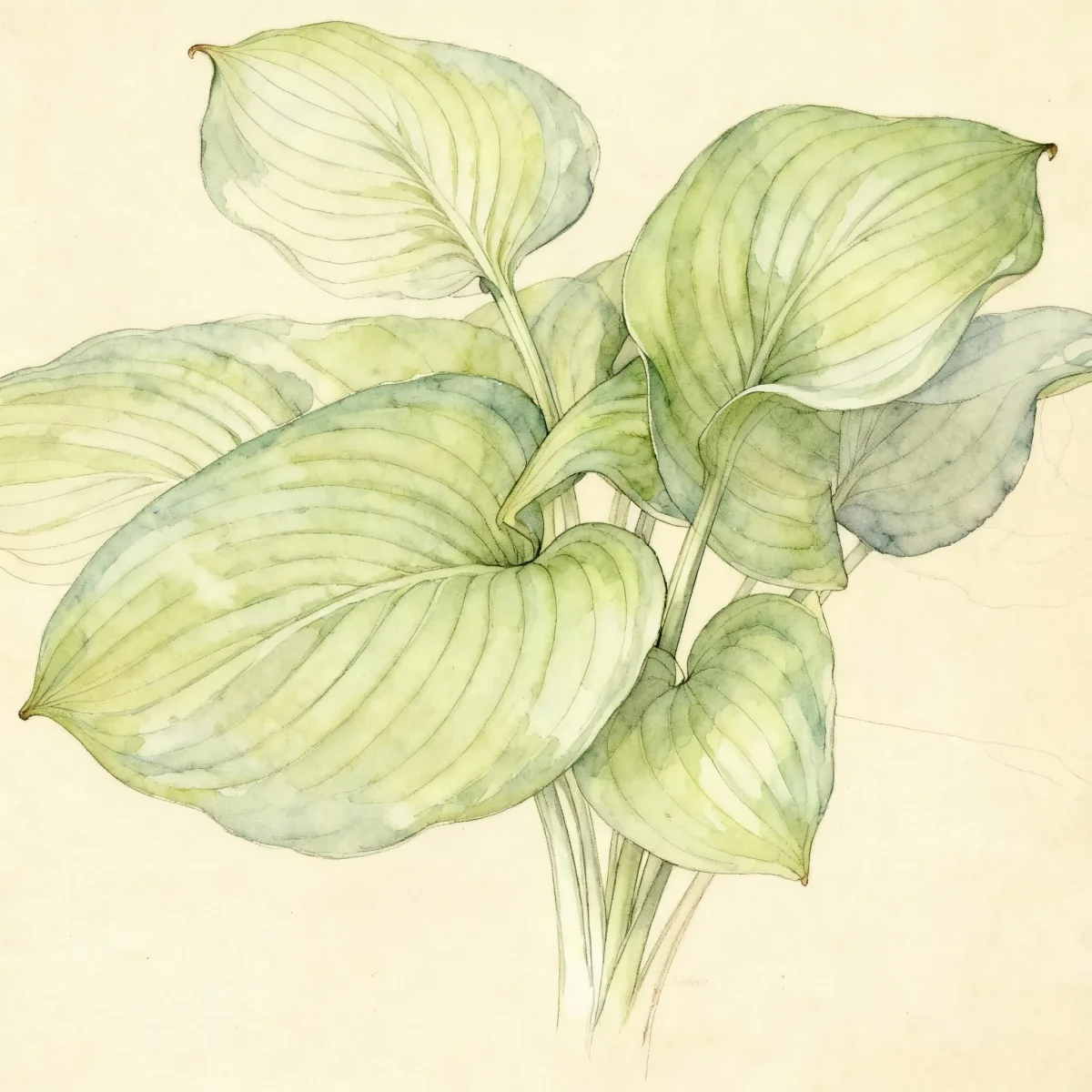
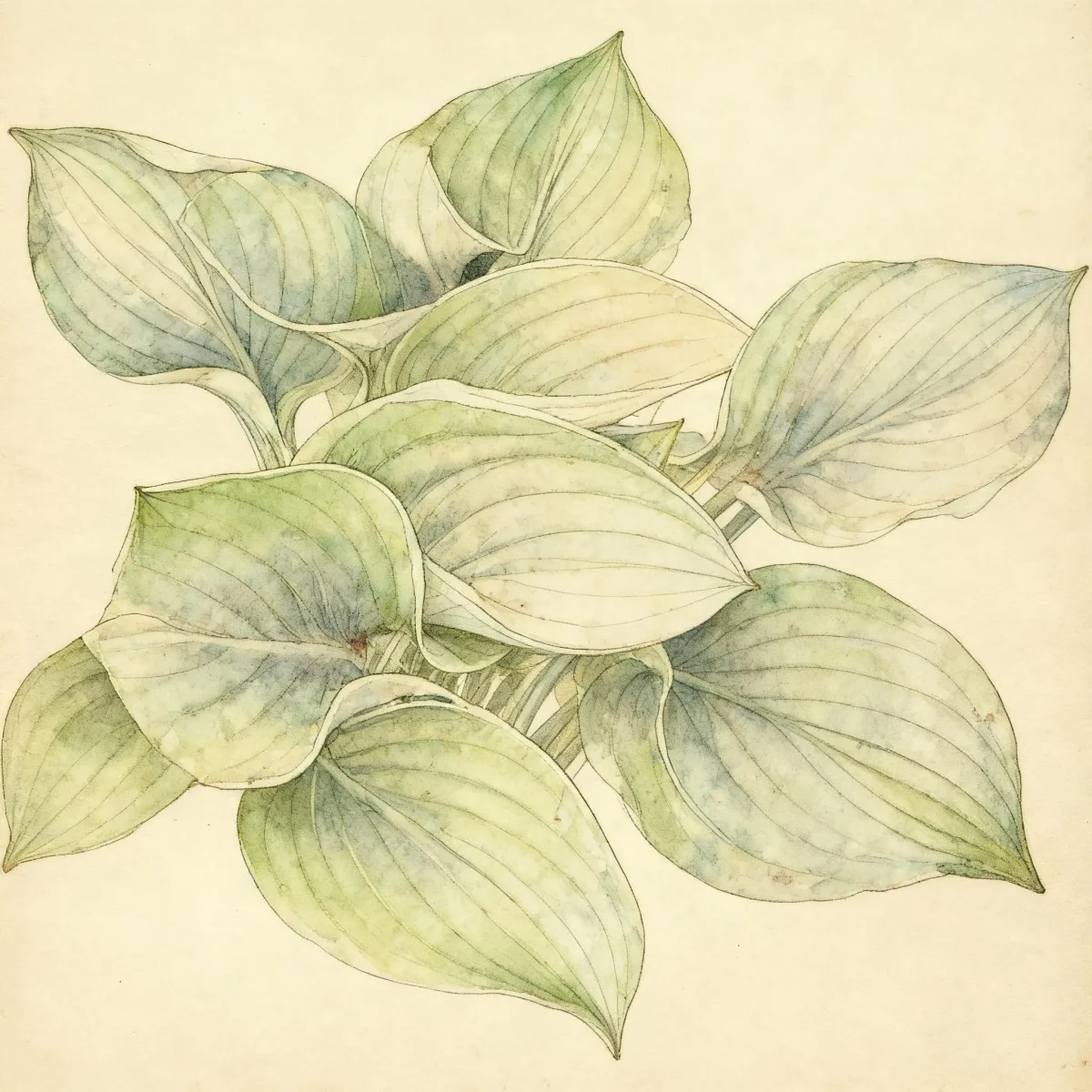
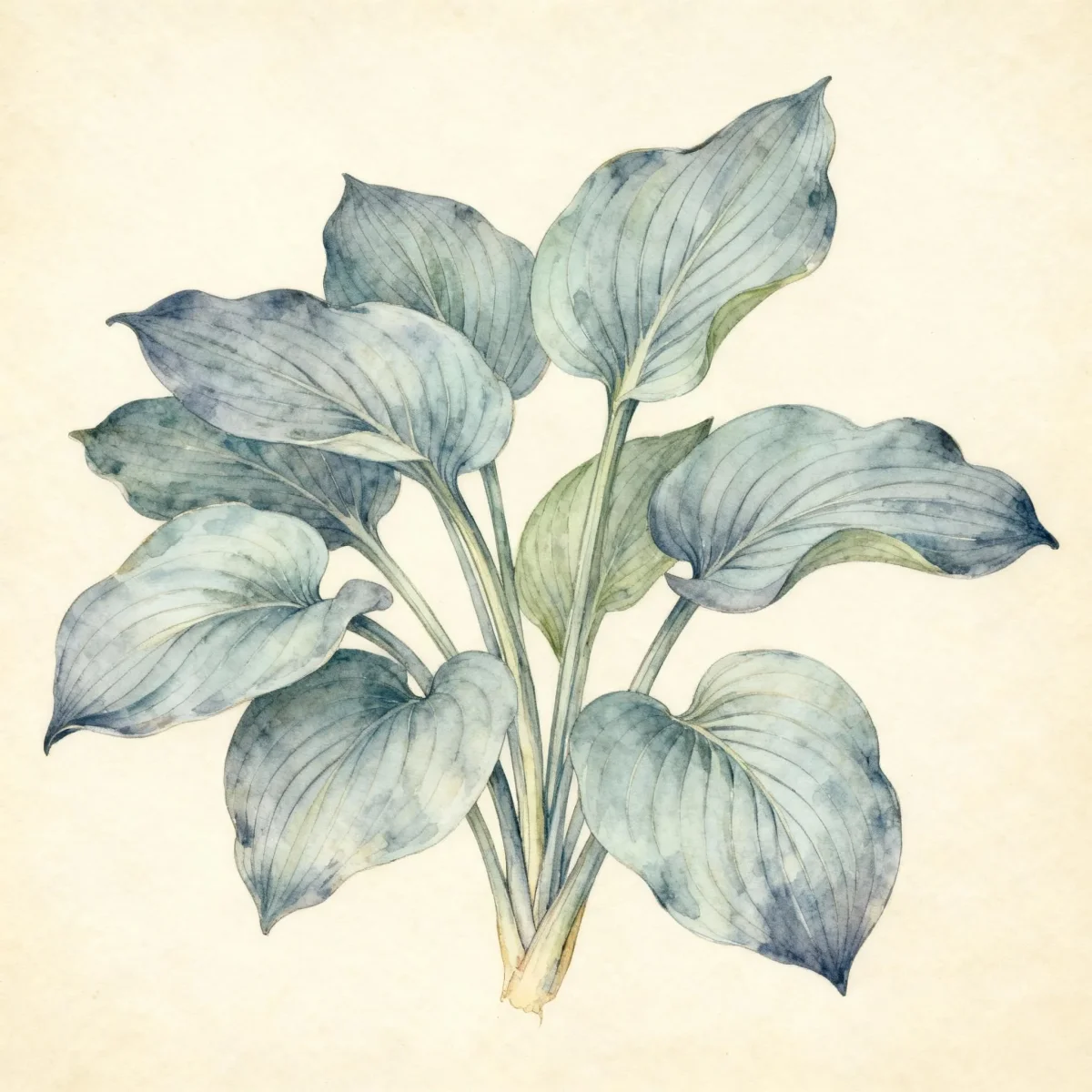
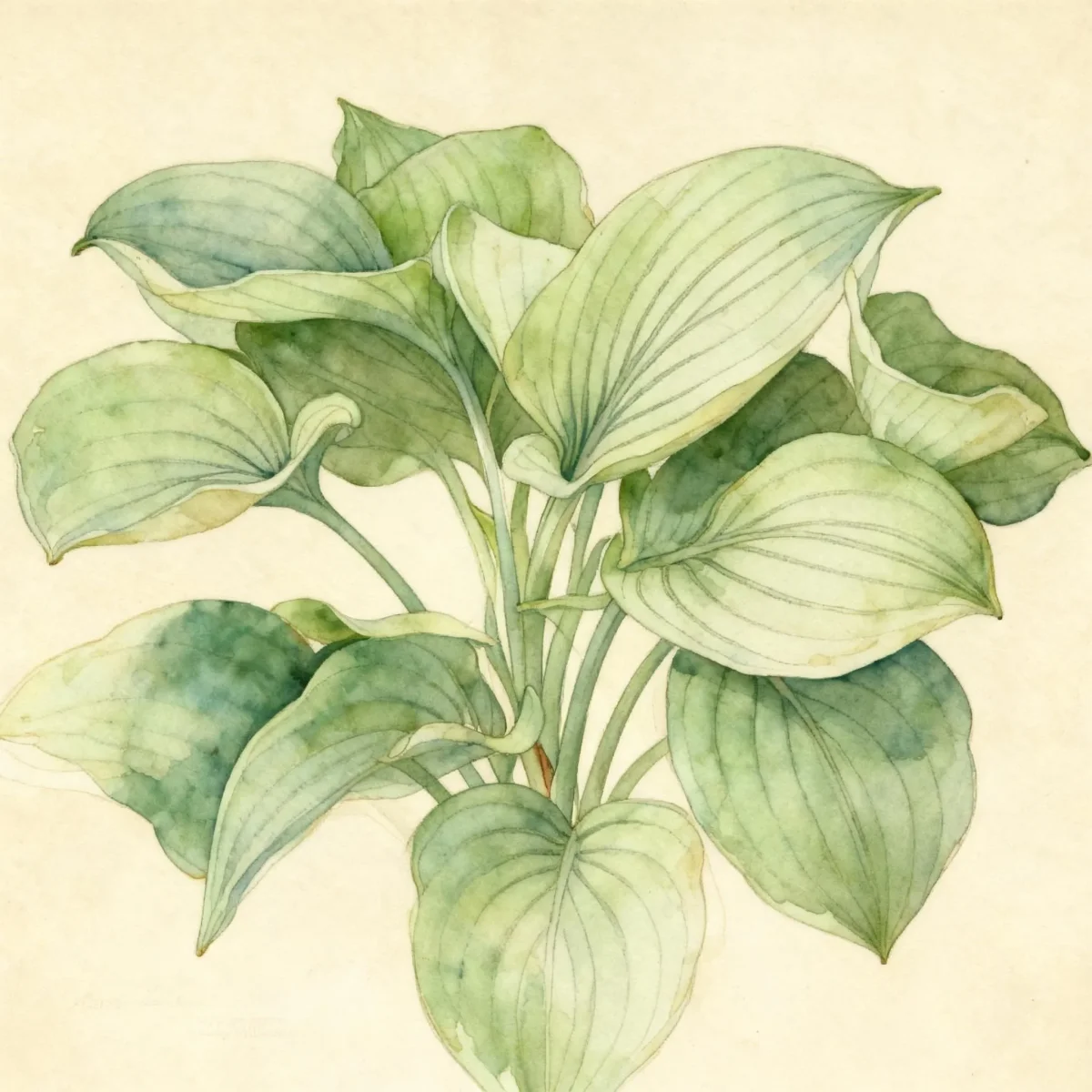
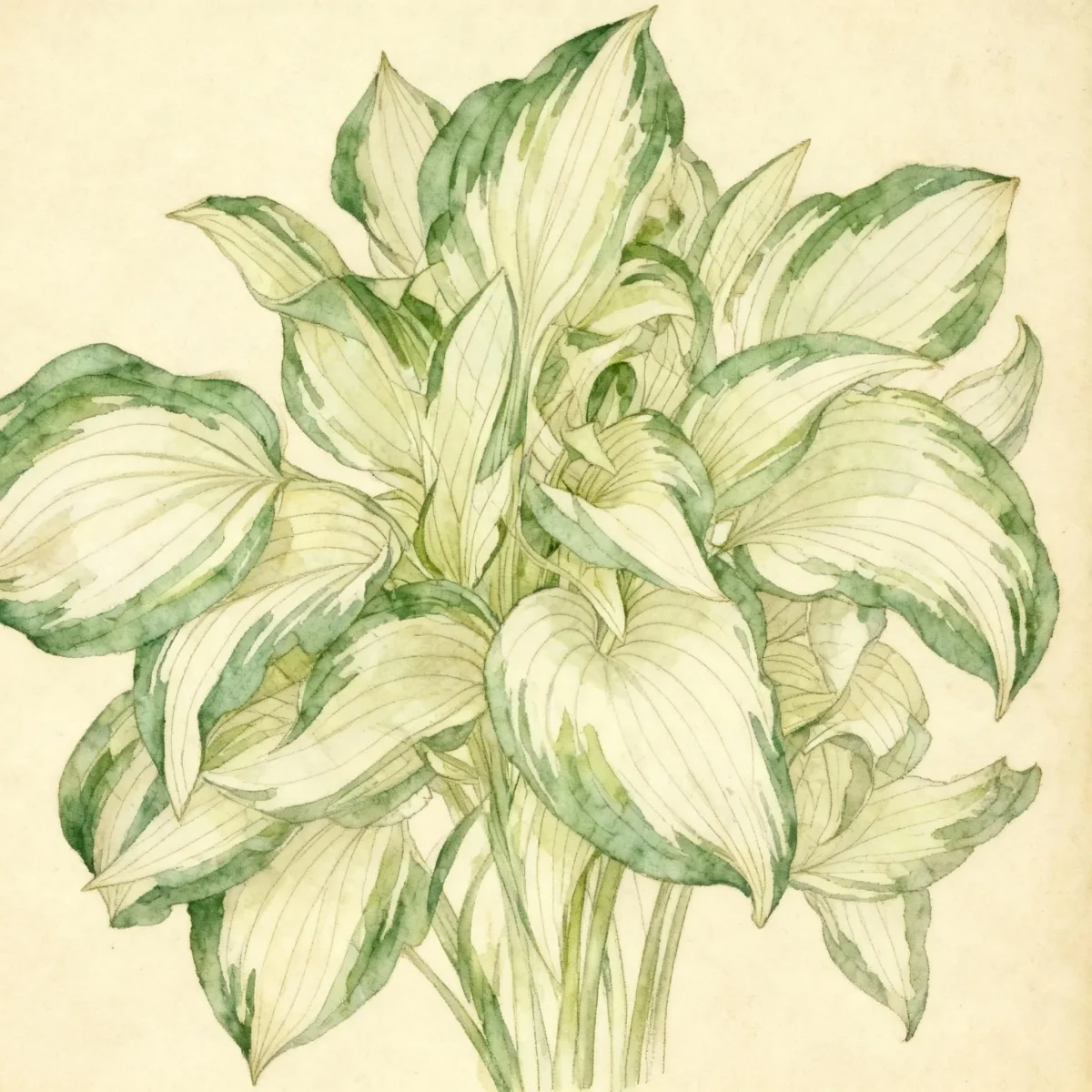
Hosta ‘White Christmas’ is highly valued by gardeners for its dramatic, variegated foliage, which brings bright contrast to darker garden spaces. This specific Hosta cultivar forms a dense, mounding habit, distinguished by its oval leaves featuring large creamy-white centers sharply outlined by thin, irregular dark green margins. As a hardy herbaceous perennial, the Hosta genus thrives best when shielded from full afternoon sun, making it a cornerstone species for deep shade gardens. Hosta ‘White Christmas’ not only provides enduring visual interest through its foliage but also offers delicate lavender blooms in mid-summer, solidifying its role as a resilient, low-effort plant for creating structured, ornamental displays beneath tree canopies or on shady borders.
Fast Facts
- Plant Family: Asparagaceae
- Plant Type: Herbaceous perennial
- Hardiness Zones: USDA Zones 3-8
- Size at Maturity:
- Height: 1-1.5 ft
- Spread: 1.5-2 ft
- Bloom Time: July to August
- Bloom Description: Lavender
- Sun Exposure: Part shade to full shade
- Water Needs: Medium
- Maintenance Level: Low
How to Grow
Hosta ‘White Christmas’ establishes best when planted in spring or fall into evenly moist, organically rich, well-drained soils. While these plants tolerate deep shade, achieving optimal leaf color and plant vigor often requires placement in part shade, perhaps receiving gentle sun dappled conditions or morning sun only. Consistent moisture is crucial; unlike some varieties, Hosta ‘White Christmas’ will perform best if the soil is never allowed to dry out completely, so water should be applied directly near the base of the plant beneath the foliage canopy.
Maintenance for this variety of Hosta remains low. These perennials require little in the way of fertilizer if the soil is rich in organic matter. Routine care involves ensuring adequate water during dry spells and performing cleanup in early spring before new growth begins. Division is easiest to manage in early spring before the leaves unfurl, though it can also be done in autumn if necessary to manage spread.
Protecting your Hosta ‘White Christmas’ from intense wind is a practical step, as strong gusts can physically damage the broad leaves. Established clumps are relatively tough, particularly those with thicker leaves, allowing for some tolerance of dry shade once mature, but richness and evenness of moisture will maximize the ornamental quality of the foliage throughout the season.
Landscape Uses
Hostas are undeniably the stars of shady garden design, and the bright effect of Hosta ‘White Christmas’ makes it an exceptional choice for illuminating dark corners. Hostas are primarily grown for their outstanding foliage, providing structure and texture where traditional perennial flowers struggle due to lack of light. They look very effective when grouped or massed together, creating a solid underplanting beneath taller shrubs or trees.
Consider using Hosta ‘White Christmas’ in shady borders where its bright variegation can contrast beautifully with solid dark green or blue-leaved hostas, ferns, or dark-leafed Heuchera. They serve as excellent background plants or as edging specimens along woodland paths. Their dense, rounded mounds help suppress weed growth directly beneath them, maintaining a neat appearance in woodland gardens or shaded foundation plantings.
Standout Features
Flower Qualities
- Showy
Noteworthy Characteristics
Hosta is a genus of about 70 species of shade-loving, rhizomatous, clump-forming, herbaceous perennials which originate in East Asia. Hostas are primarily grown for their ornamental foliage, featuring conspicuously-veined, basal leaves that form a rounded or spreading mound. ‘White Christmas’ is a distinctive cultivar noted for its 12-16” tall foliage mound, sporting medium, oval leaves with prominent white centers contrasting against irregular dark green margins, typically spreading to 18-24” wide. Lavender, bell-shaped blooms appear on tall scapes in summer, rising significantly above the dramatic leaf structure.
Tolerances
- Heavy Shade
- Black Walnut
Potential Problems
Slugs and snails are the most significant threat to the foliage of Hosta ‘White Christmas’, often resulting in unsightly, jagged holes if populations are not managed quickly. Monitor leaves regularly, especially during wet periods, and apply appropriate, environmentally safe slug and snail control measures immediately upon noticing early damage. Other concerns include potential damage from foliar nematodes, which cause browning between the veins, and fungal issues like leaf spot or crown rot, usually stemming from overly saturated soil conditions. Severe weather like hail storms can physically shred exposed leaves, and local wildlife, including deer and rabbits, frequently browse on Hosta foliage voraciously.
Frequently Asked Questions
What hardiness zones is Hosta suitable for?
Hosta ‘White Christmas’ thrives best when planted in USDA Hardiness Zones 3 through 8.
How large does Hosta ‘White Christmas’ grow?
This specimen typically reaches a height between 1 and 1.5 feet and spreads moderately, achieving a mature spread of 1.5 to 2 feet wide.
When does Hosta ‘White Christmas’ bloom?
This Hosta variety produces its attractive lavender, bell-shaped flowers primarily during the mid-summer months, spanning from July through August.
What sun exposure does Hosta ‘White Christmas’ need?
For the best visual display and health, Hosta ‘White Christmas’ requires part shade to full shade conditions, avoiding intense, unfiltered afternoon sunlight.
Conclusion
Hosta ‘White Christmas’ offers unmatched value in shaded landscapes due to its stunning, high-contrast white and green variegated foliage that brightens dim spaces effectively. This is a reliably low-maintenance Hosta treasured for its longevity and dramatic effect. Before planting, ensure your location falls within USDA Zones 3-8 and verify that you can supply the consistent medium moisture this beauty requires.
Companion Planting
Selecting appropriate companions enhances the shady tapestry created by Hosta ‘White Christmas’. Because this Hosta prefers consistent moisture, pair it with other shade-loving perennials that share similar cultural demands, avoiding overly dry-tolerant neighbors. Excellent partners include delicate ferns (like Japanese Painted Ferns), Astilbes, or epimediums, which offer contrasting textures and bloom times, ensuring visual interest throughout the growing season. Massing different Hosta cultivars together provides depth, utilizing the bright white center of ‘White Christmas’ to anchor darker blue or green mounds nearby.
Propagation Tips
The primary method for increasing your stock of Hosta ‘White Christmas’ is through division, a simple process that also benefits the health of the mother plant by preventing overcrowding. Division should ideally be performed in early spring just as the new shoots (eyes) are emerging from the crown, before the large leaves expand and make working the soil difficult. Use a sharp spade to cleanly cut through the crown, ensuring each new division retains several healthy eyes and a robust root system. Replant the divisions promptly, providing them with rich, moist soil to encourage rapid establishment.