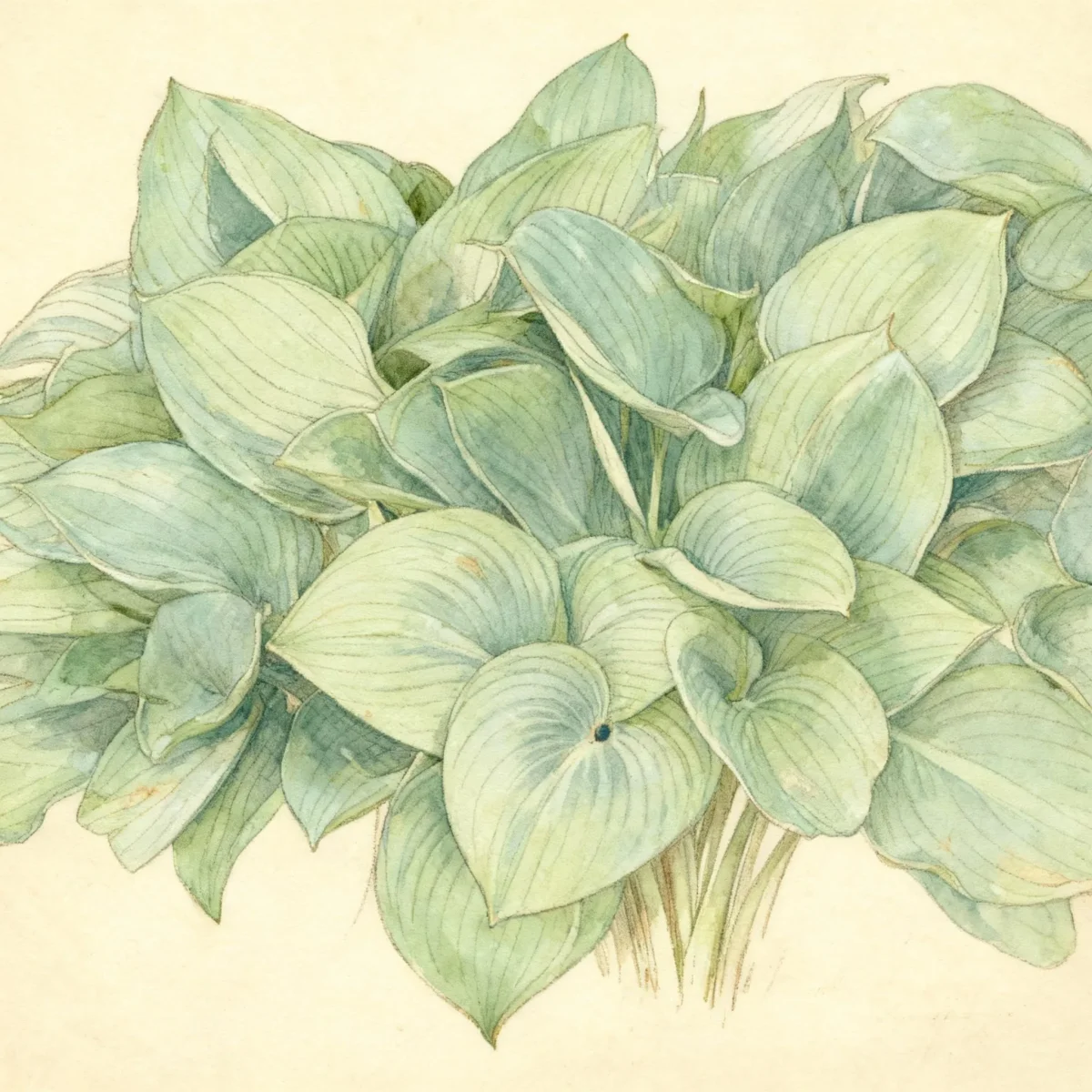
Hosta (Hosta 'Zounds')
Hosta 'Zounds' is a large perennial known for its striking chartreuse-to-gold, heavily textured foliage, ideal for transforming shade gardens.
Scroll down to discover growing tips, care requirements, companion plants, and more
Complete Plant Information
Overview
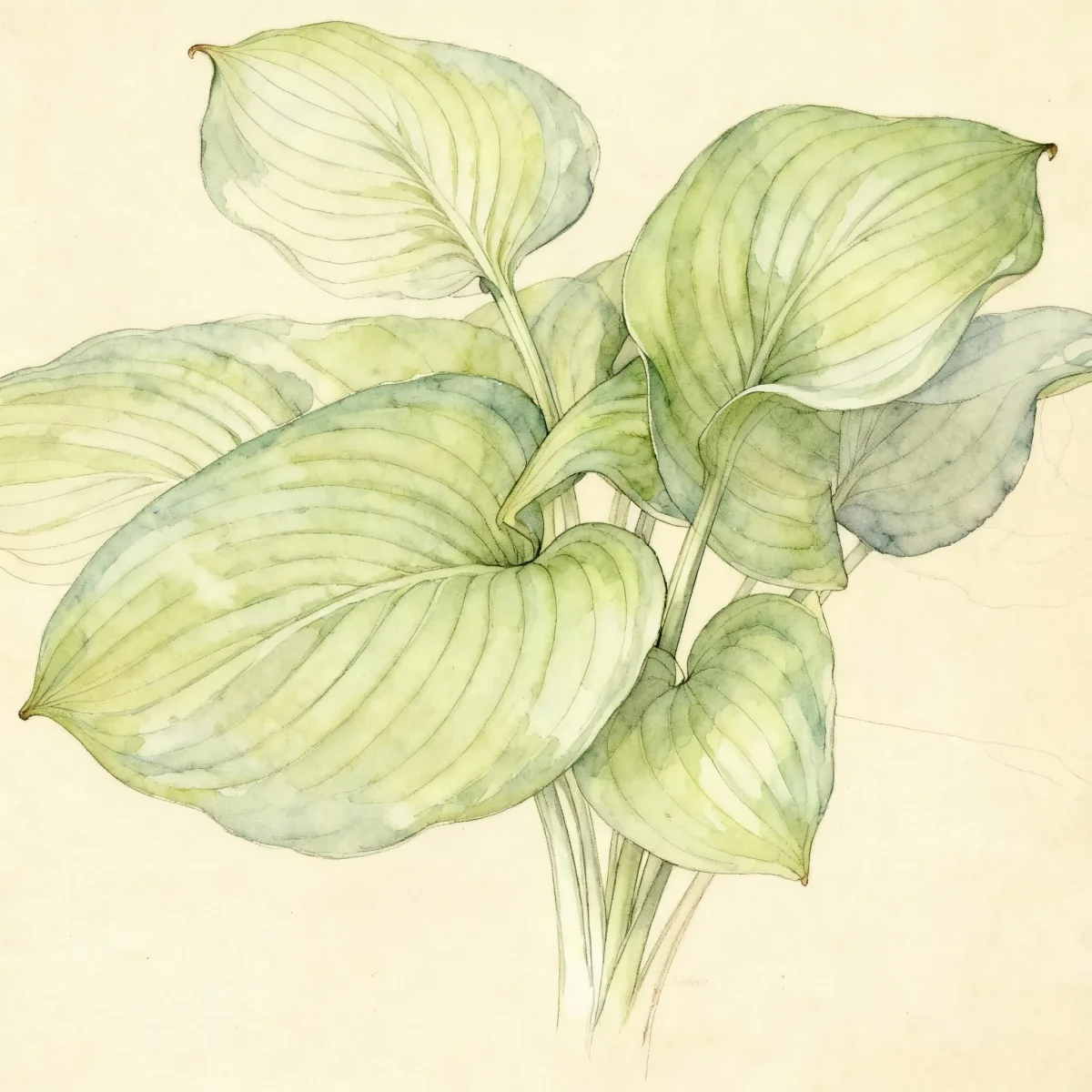
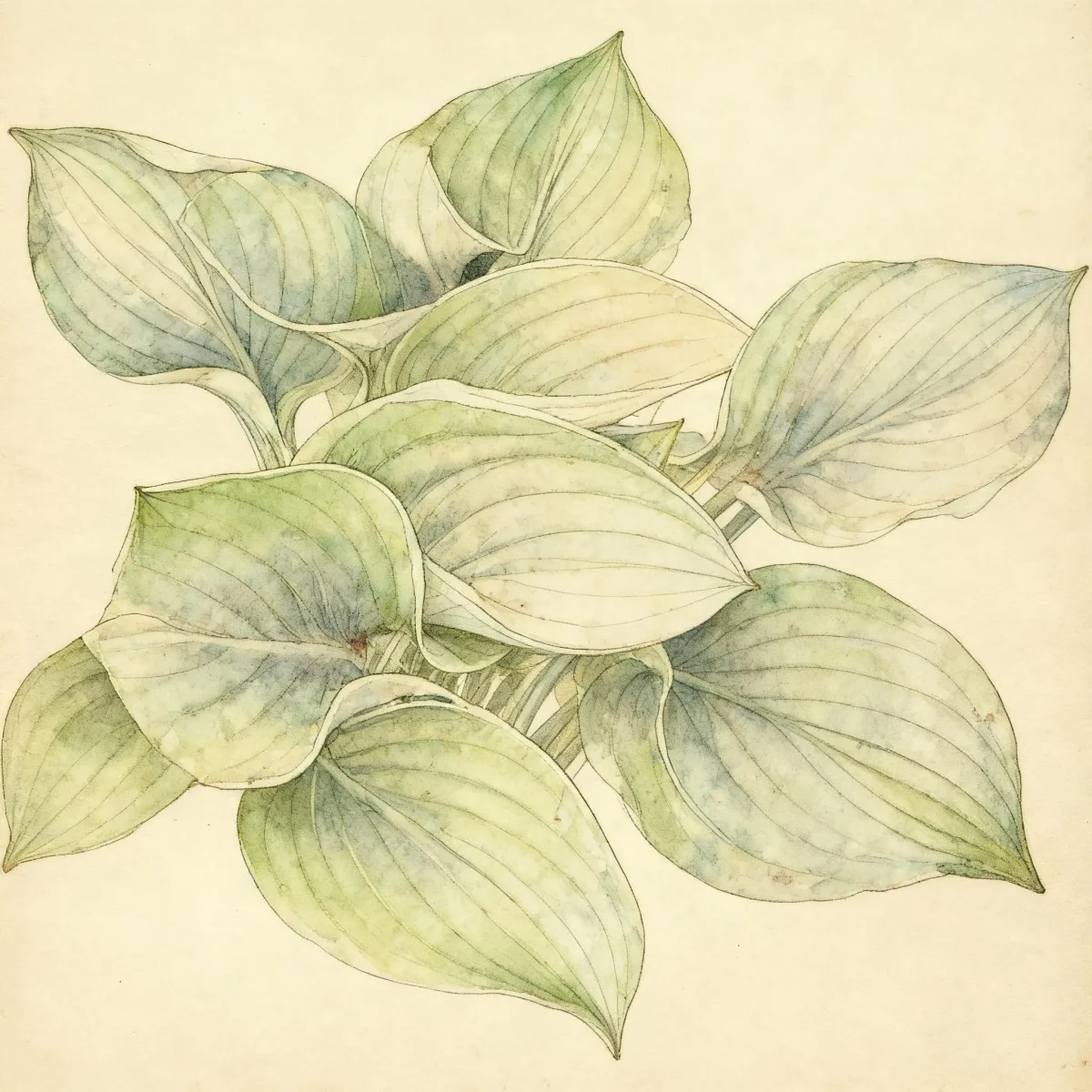
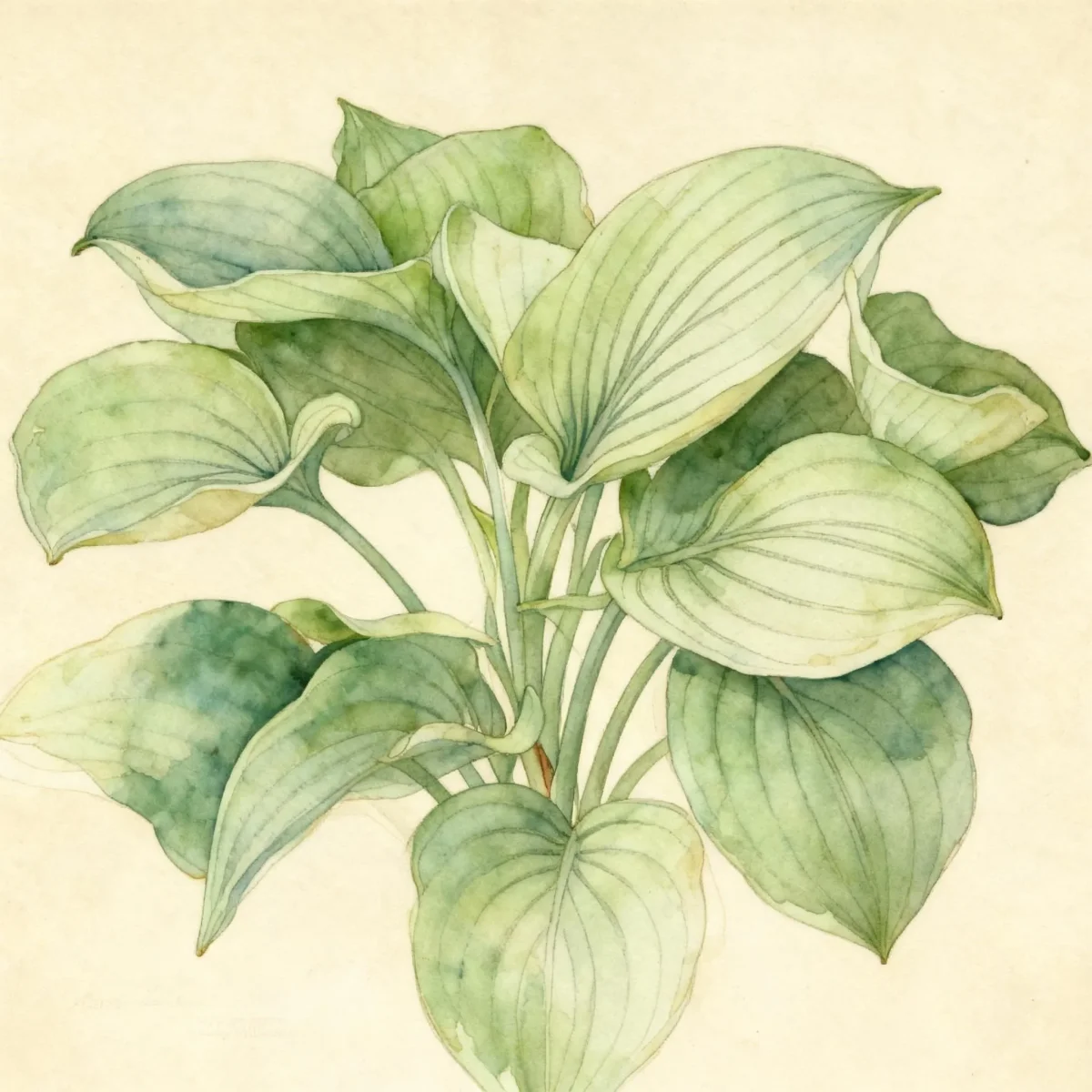
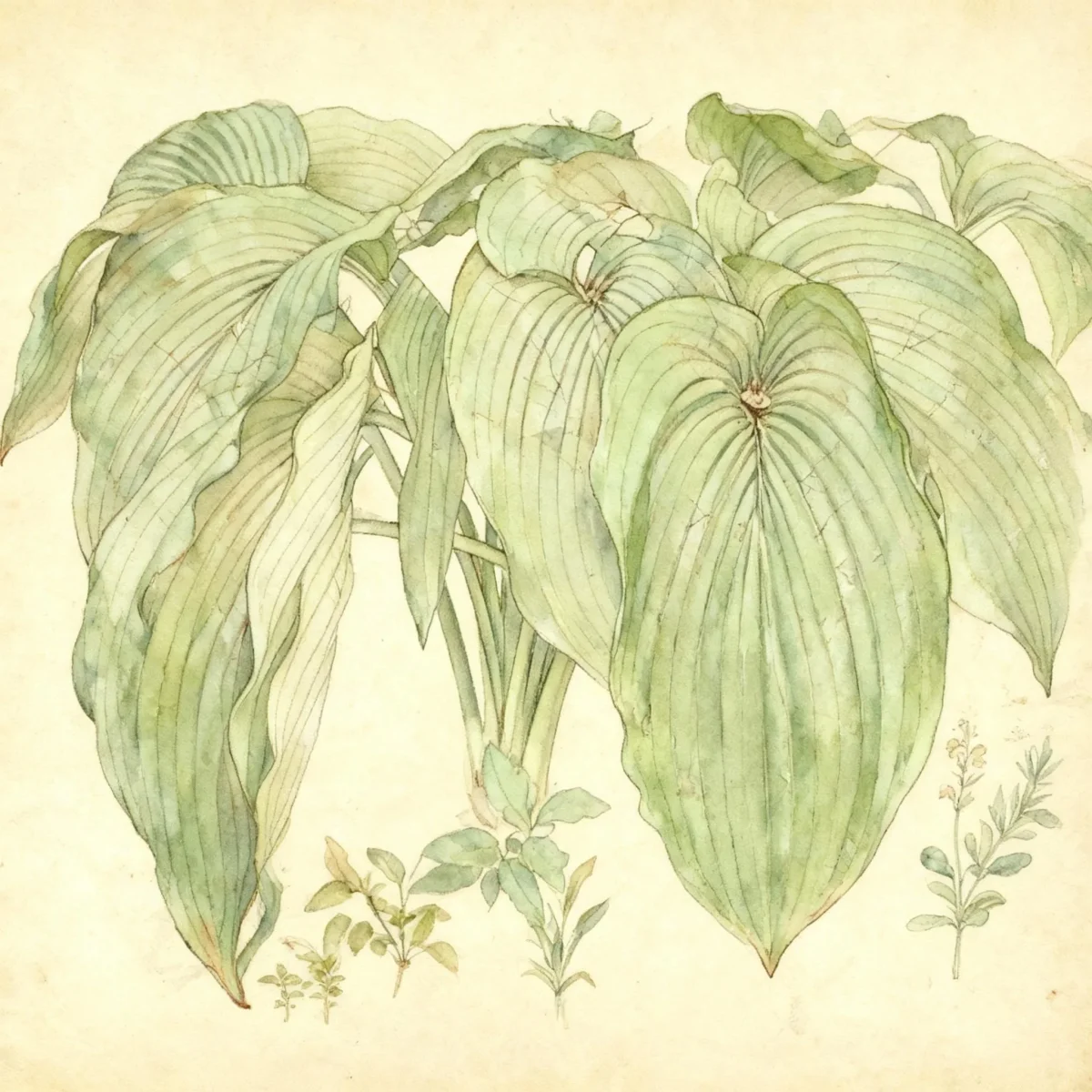
Hosta ‘Zounds’ is a highly sought-after, large specimen valued primarily for its extraordinary ornamental foliage that commands attention even in deep shade. This specific Hosta cultivar emerges with chartreuse leaves, maturing into a rich gold tone, providing essential brightness beneath the tree canopy. As a member of the Hosta genus, ‘Zounds’ offers a dense, impressive mound of textured leaves suitable for defining shaded borders or acting as a dramatic focal point.
Cultivating Hosta requires providing even moisture and rich, well-drained soil, though ‘Zounds’ performs reliably throughout USDA Zones 3 to 8. Gardeners find this plant exceptionally valuable due to its low maintenance needs once established, allowing for enjoyment of its substantial size and vibrant color with minimal seasonal intervention. Its large, puckered leaves create a powerful texture contrast against finer-leaved shade companions.
The bell-shaped, nearly white flowers appear on tall scapes in mid-summer, adding a subtle beauty, but the star of the show remains the foliage mound of Hosta ‘Zounds’. For gardeners looking to maximize color and texture in difficult, shadowed areas, this Hosta selection is a proven, robust performer.
Fast Facts
- Plant Family: Asparagaceae
- Plant Type: Herbaceous perennial
- Hardiness Zones: USDA Zones 3-8
- Size at Maturity:
- Height: 2-2.5 ft
- Spread: 2-3 ft
- Bloom Time: July to August
- Bloom Description: White
- Sun Exposure: Part shade to full shade
- Water Needs: Medium
- Maintenance Level: Low
How to Grow
Planting Hosta ‘Zounds’ is best done in spring or early autumn, ensuring the location provides organically rich, well-drained soil. This Hosta variety thrives best when situated in part shade, benefiting particularly from morning sun or dappled sunlight conditions, though it tolerates heavy shade well. Remember to plant individuals firmly, allowing enough space for its mature spread of 2 to 3 feet, and protect the clump from strong winds.
Consistent moisture is key to achieving the full size and quality appearance of Hosta ‘Zounds’; soils should never be allowed to completely dry out. When watering, direct the moisture specifically to the soil beneath the leaves rather than soaking the foliage, which can encourage disease. Hostas are generally considered low-maintenance perennials, rarely requiring supplemental feeding if the soil is naturally rich.
Dividing established mounds of Hosta is easy and typically done in early spring before the leaves unfurl, or alternatively in autumn. This perennial demands little cleanup, though old foliage can be trimmed back in early spring as new growth emerges. Thick-leaved varieties like Hosta ‘Zounds’ show some tolerance for dry shade once fully established, but routine attention to watering yields the best results.
Landscape Uses
Hostas are the undisputed mainstay of shade gardens, prized far more for their striking leaves than their summer blooms. Hosta ‘Zounds’, with its large, metallic gold foliage, excels at brightening up dark corners where few other perennials can compete effectively. They are exceptionally useful when massed together or planted in generous groups to create broad sweeps of continuous color and texture throughout the growing season.
Due to its substantial size, Hosta ‘Zounds’ functions excellently as a background plant along shady borders, adding depth and structure. Consider pairing this large Hosta with smaller ferns, white-flowering Impatiens, or silver foliage plants to maximize the contrast in leaf shape and texture. They bring an architectural element to woodland gardens, providing strong structure beneath high-canopy deciduous trees.
Standout Features
Flower Qualities
- Showy
Noteworthy Characteristics
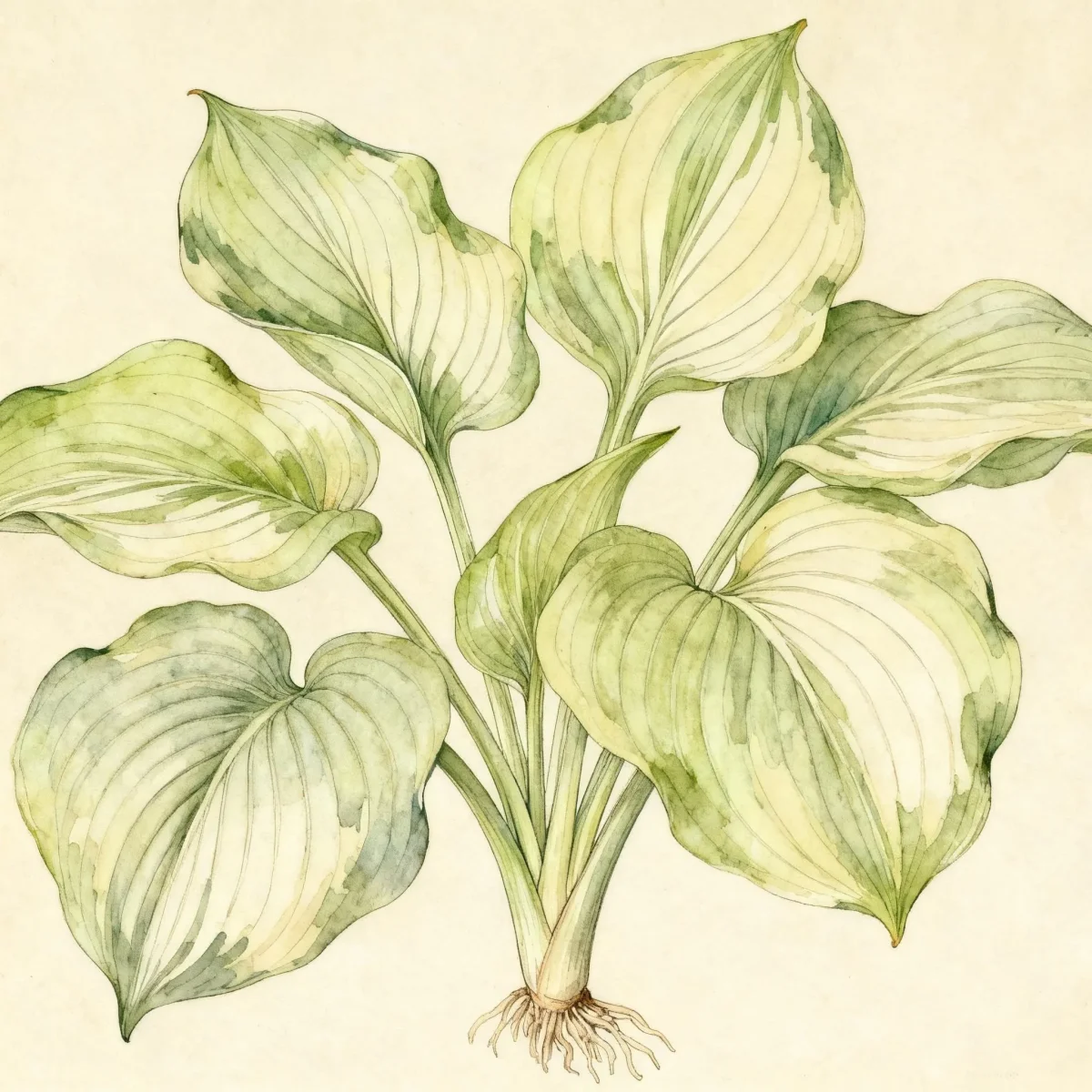
Hosta is a genus of about 70 species of shade-loving, rhizomatous, clump-forming, herbaceous perennials which are native to open woodlands, woodland margins and glades in Japan, Korea, China and eastern Russia. Hostas are primarily grown for their ornamental foliage. Stalked, conspicuously-veined, often dense, basal leaves in a variety of shapes, sizes, colors and textures rise up from a central rhizomatous crown to form a rounded to spreading mound of foliage. ‘Zounds’ is a large hosta featuring chartreuse leaves that mature to gold. It features satiny, rounded, thick, puckered, heavily-textured leaves (to 11” by 9”) with a metallic, chartreuse-gold sheen.
Tolerances
- Heavy Shade
- Black Walnut
Potential Problems
The primary threat to Hosta foliage comes from slugs and snails, which are highly attracted to the succulent leaves and can chew large, ragged holes quickly. Inspect the undersides of leaves regularly and proactively apply slug baits, diatomaceous earth barriers, or use beer traps to manage populations before significant cosmetic damage occurs. Watch also for foliar nematodes, which cause interveinal browning, and ensure that plants suffering from viral infections like Hosta Virus X (HVX) are immediately destroyed, as these are incurable. While hostas are generally tough, deer and rabbits frequently find the leaves delicious, so protection may be necessary in vulnerable areas.
Frequently Asked Questions
What hardiness zones is Hosta ‘Zounds’ suitable for?
Hosta ‘Zounds’ is suitable for USDA hardiness zones 3 through 8.
How large does Hosta ‘Zounds’ grow?
This large Hosta typically reaches a height between 2 and 2.5 feet and spreads between 2 and 3 feet wide.
What sun exposure does Hosta ‘Zounds’ need?
Hosta ‘Zounds’ prefers part shade to full shade conditions for optimal color and texture maintenance.
When does Hosta ‘Zounds’ bloom?
Hosta ‘Zounds’ blooms from July to August, producing white, funnel-shaped flowers.
Conclusion
Hosta ‘Zounds’ remains an indispensable selection for shady landscapes, offering unparalleled foliage structure and a bright golden hue that combats the gloom of woodlands. This low-maintenance Hosta variety provides season-long drama and reliably fulfills its role as a strong textural element. Ensure you check your site’s hardiness rating and plan for spring planting to enjoy the spectacular display of Hosta ‘Zounds’ all summer long.
Companion Planting in Shade
Since Hosta ‘Zounds’ demands consistent moisture and rich soil found under deciduous trees, selecting appropriate companions that share these needs enhances the overall woodland aesthetic. Grouping this large Hosta with textural contrasts, such as finely dissected ferns (like Japanese Painted Ferns or Ghost Ferns), creates dynamic visual interest. Consider low-growing groundcovers like moss or creeping jenny to fill the space between emerging crowns, keeping the soil consistently cool and moist around the roots of your Hosta.
Seasonal Care Calendar
For optimal health, focus care routines according to the season. In early spring, divide any overcrowded clumps of Hosta ‘Zounds’, which makes the process easier before the large leaves fully expand. Throughout the growing season, diligently monitor moisture levels, applying water directly to the soil, especially during dry spells, as consistent hydration maintains leaf turgidity. In autumn, as foliage naturally dies back, remove the dead matter to minimize overwintering sites for pests, though leaving the stalks standing temporarily can sometimes deter late-season rodent activity.