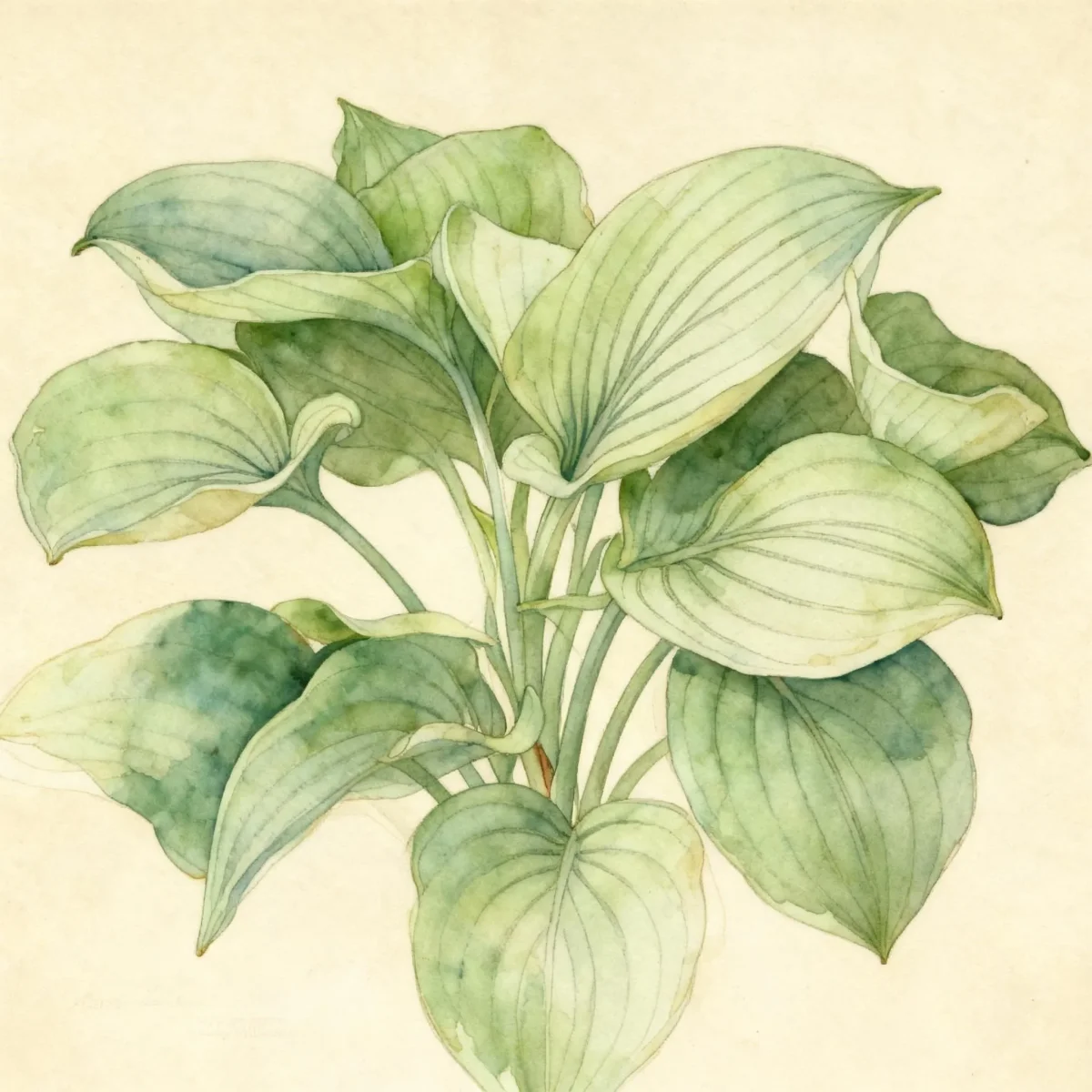
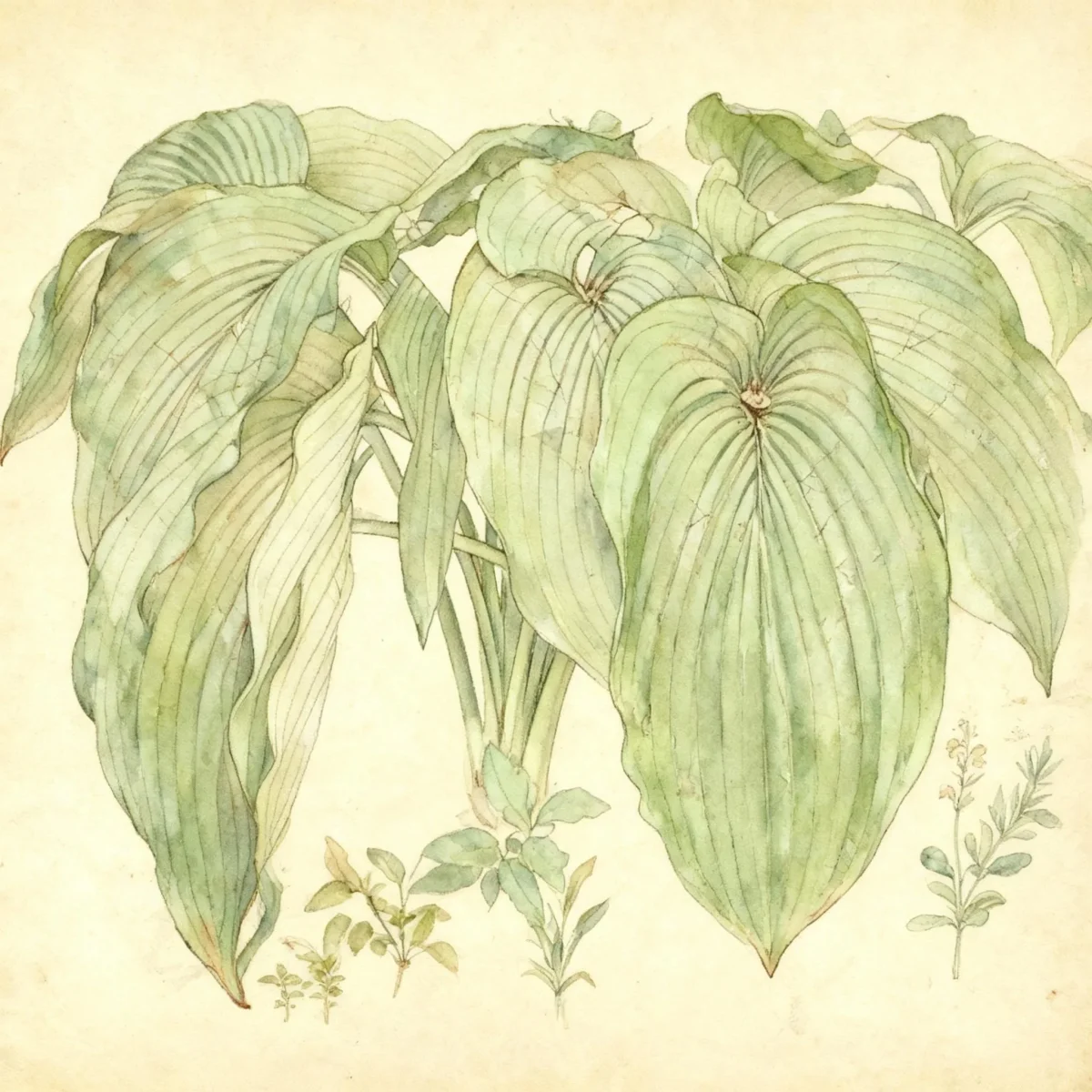
Chinese hosta (Hosta cathayana)
Hosta cathayana, the Chinese hosta, thrives in deep shade, offering glossy, dark green foliage and late-season purple-violet blooms.
Scroll down to discover growing tips, care requirements, companion plants, and more
Complete Plant Information
Overview
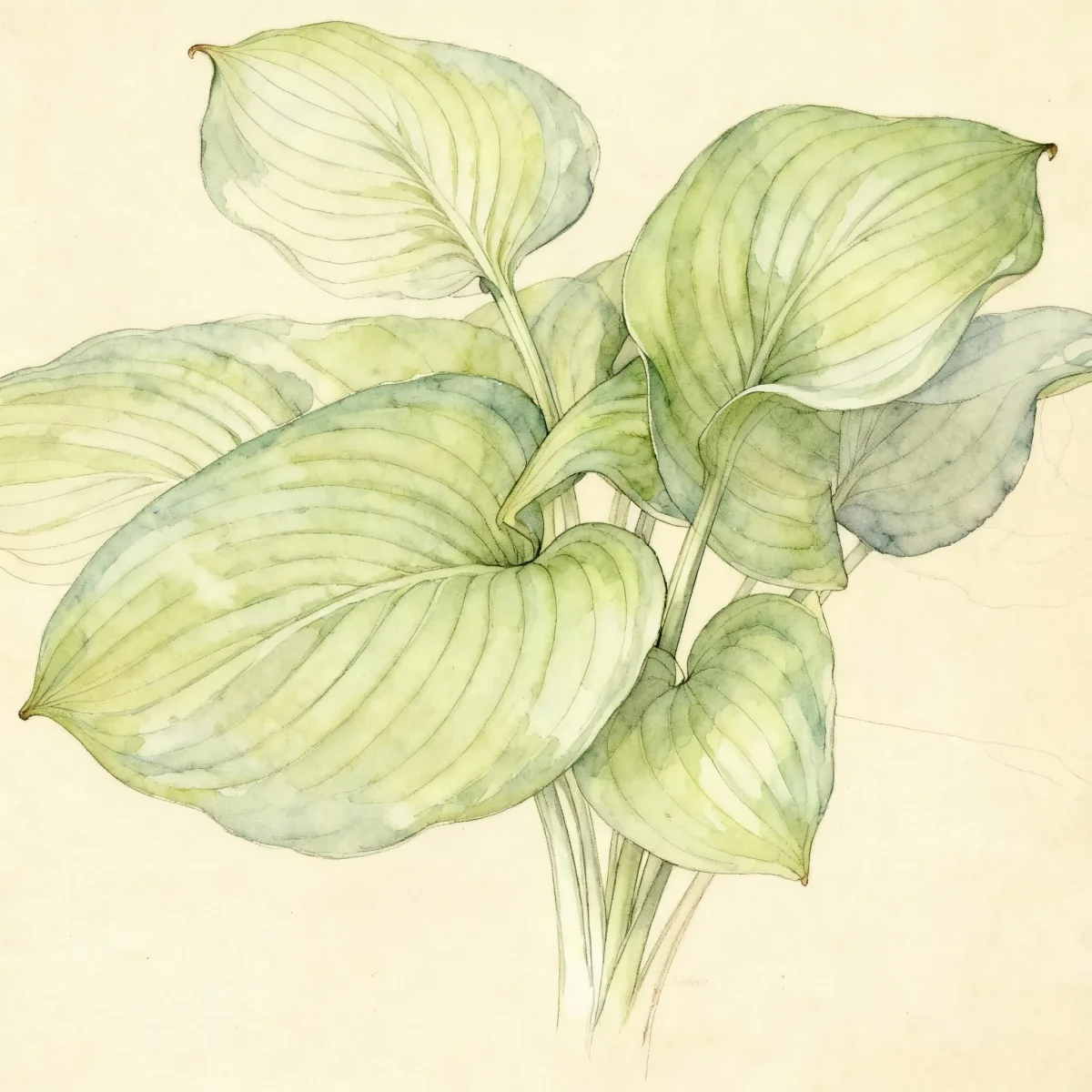
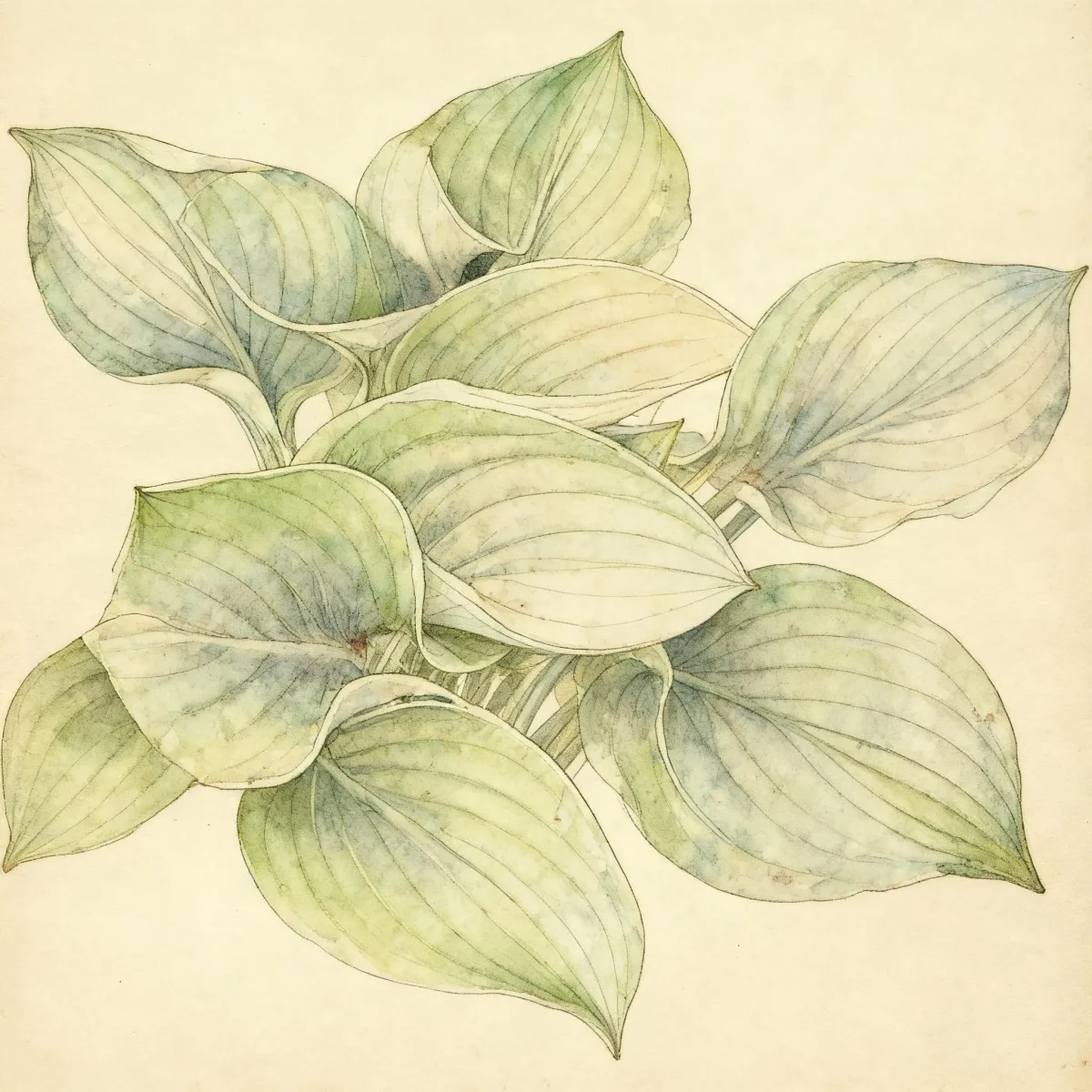
Hosta cathayana, commonly known as the Chinese hosta, is a reliable and attractive herbaceous perennial perfect for transforming deep shade environments into lush, textural landscapes. This medium-sized hosta is celebrated for its distinctive foliage—dark green, glossy, and ovate-lanceolate—which creates an excellent ground cover or accent plant throughout the growing season. Its origins in China and Japan lend it a classic appeal, making Hosta cathayana a staple where light is scarce.
This species distinguishes itself by its later bloom time, offering spikes of beautiful purple-violet, funnel-shaped flowers in late summer, long after many other cultivars have finished flowering. Furthermore, it stands out due to its small, glossy leaves and its resilience, performing well even in challenging, heavy shade locations. Gardeners appreciate the relatively low maintenance required by the Chinese hosta once established.
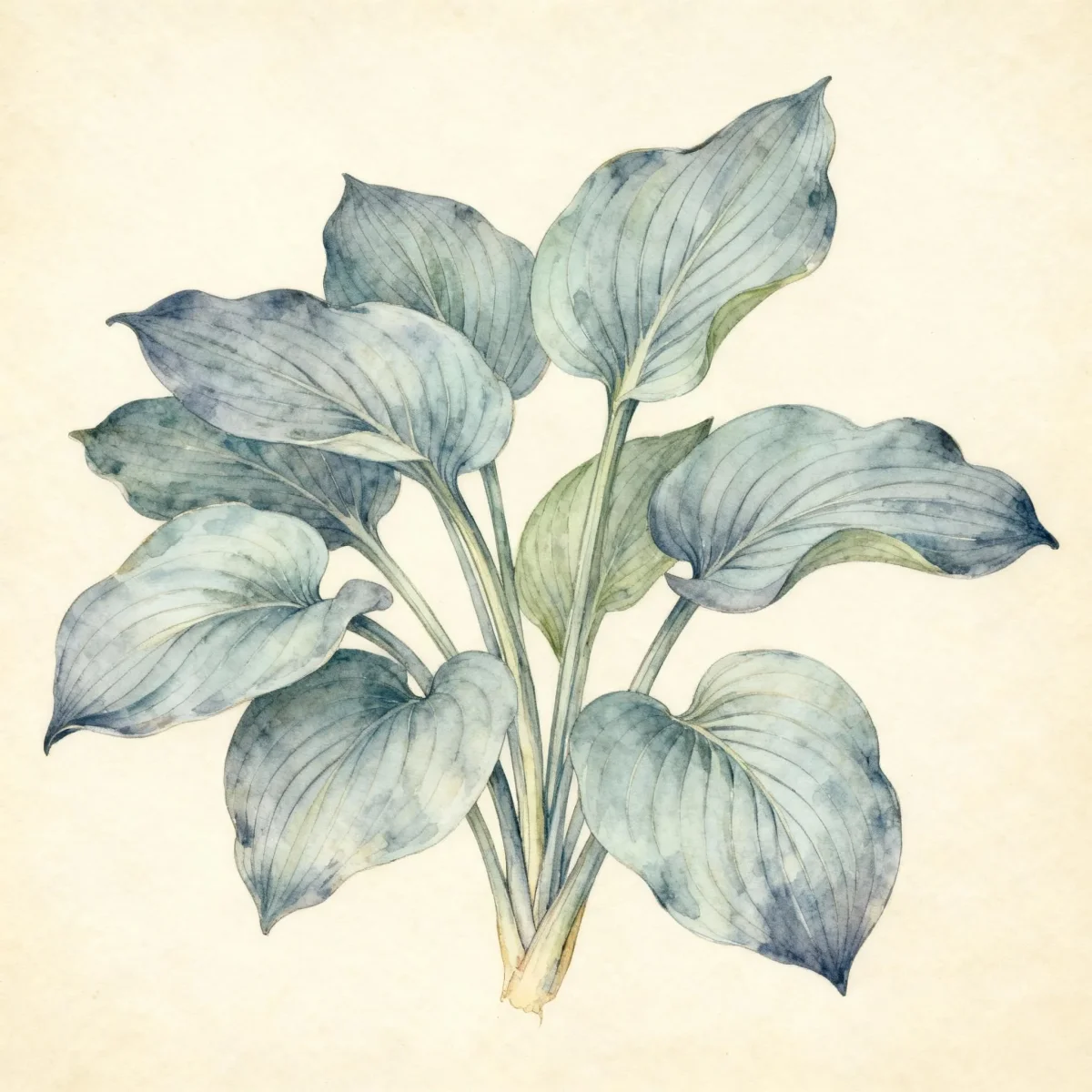
The aesthetic appeal of Hosta cathayana lies in its elegant, vase-shaped habit, maturing up to 10 inches tall and spreading moderately into a dense mound. Whether used to lighten dark borders or massed under mature trees, this hosta provides consistent visual interest where few other plants survive. Its robust nature and late flowering make the Chinese hosta an essential addition to shaded perennial collections.
Fast Facts
- Plant Family: Asparagaceae
- Plant Type: Herbaceous perennial
- Native Range: Japan, China
- Hardiness Zones: USDA Zones 3-8
- Size at Maturity:
- Height: 1-2 ft
- Spread: 1-1.5 ft
- Bloom Time: August to September
- Bloom Description: Purple-violet
- Sun Exposure: Part shade to full shade
- Water Needs: Medium
- Maintenance Level: Low
How to Grow
The Chinese hosta is easily grown and highly adaptable, though it performs best when its basic needs are met. Plant in spring or fall in average, medium-moisture, well-drained soils. While it tolerates a wide range of soil conditions, Hosta cathayana thrives in rich, moist soil amended heavily with organic matter, resembling its woodland origins. Ensure the planting site receives no more than a few hours of direct morning sun, or consistent bright, indirect light.
Consistent moisture is key to keeping the foliage pristine throughout the growing season. Water deeply and regularly, especially during dry spells. Application of water directly to the soil beneath the leaves is preferable to overhead watering to minimize the risk of fungal issues. Fertilization is often unnecessary in rich garden loam, but a spring application of compost can boost vigor.
Due to its dense growth habit, division is rarely required but can be performed easily when necessary for propagation or to manage size. Perform division in early spring just before the leaves unfurl, or in early autumn. Avoid letting the plants dry out leading into winter, though established hardiness zones 3-8 populations require little specific winter preparation beyond clearing debris.
Landscape Uses
Hostas are foundational plants for any successful shade garden, and the Chinese hosta is no exception. Hosta cathayana is highly effective when planted en masse, creating a uniform carpet of glossy, dark green texture beneath deciduous trees or along the north side of structures. Its moderate size also makes it useful as a clean, low-maintenance edging plant along walkways or pathways where deep shade predominates.
For design flexibility, consider interplanting this hosta with other shade-loving perennials that offer contrasting textures or colors. Groupings can include ferns for airy delicacy, or contrasting variegated hostas for brighter highlights. This plant integrates effortlessly into woodland garden settings, providing structure and year-round foliage presence. Its formal, mounding shape also works well when intentionally placed next to more informal groundcovers.
As a shade specialist, the Chinese hosta perfectly fills gaps in borders or acts as a strong structural element throughout the summer. Its deep green color harmonizes well with deep burgundy Heuchera varieties or white-flowering Astilbes, creating high contrast without relying on harsh sunlight.
Standout Features
Flower Qualities
- Showy
Noteworthy Characteristics
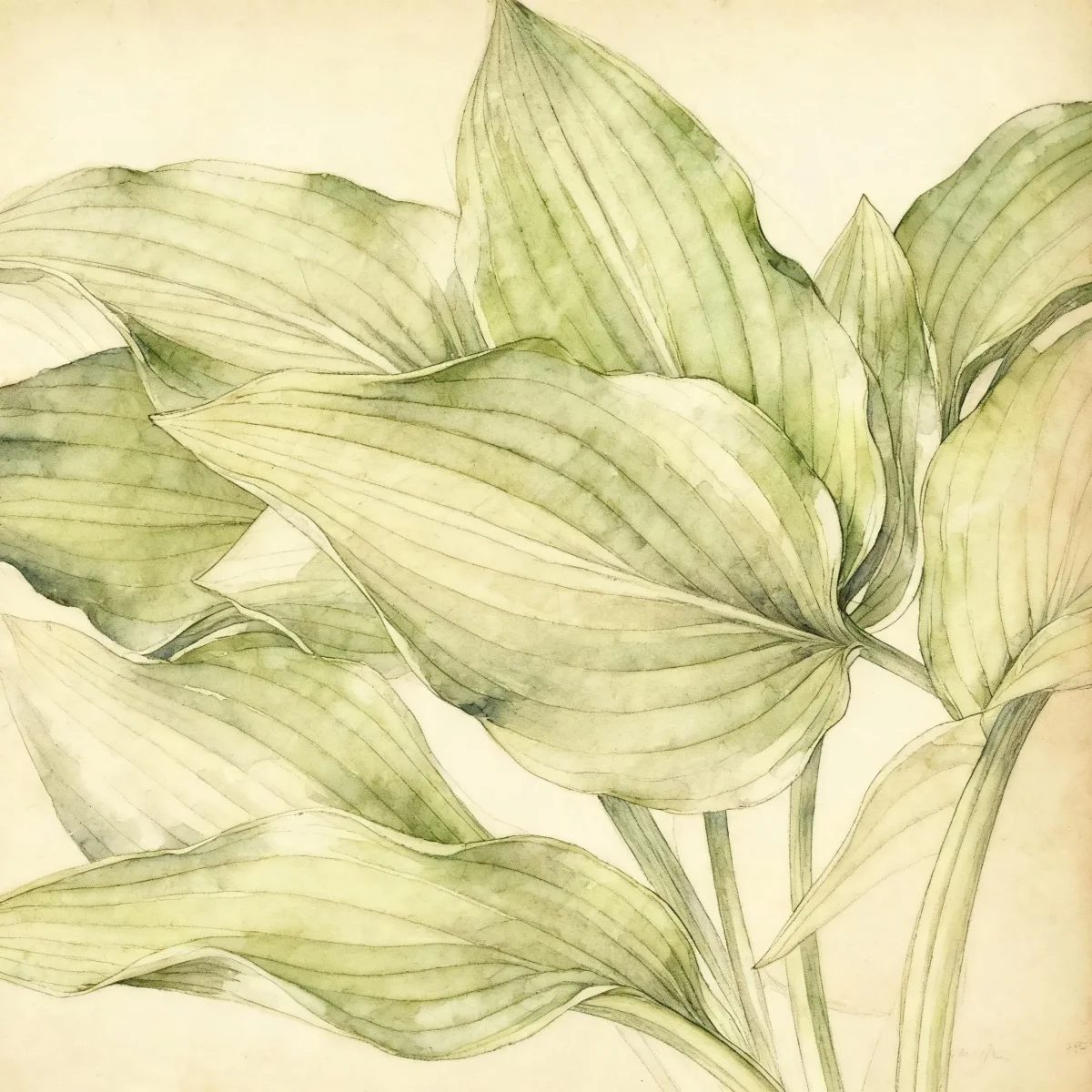
Hosta cathayana is a medium sized hosta native to China (cathayana means from China). It typically matures in the form of a vase to 10” tall and to 18” wide over time, featuring glossy, dark green, ovate-lanceolate leaves with acuminate tips and wavy margins. Funnel-shaped, purple-violet flowers appear in racemes in late summer on scapes rising above the foliage mound, and this specific hosta is noted for having viable seed, unlike some close relatives.
Tolerances
- Heavy Shade
- Black Walnut
Potential Problems
The primary concern for any gardener growing Hosta cathayana involves preventing damage from slugs and snails. These pests are highly attracted to the foliage, chewing characteristic jagged holes that can quickly mar the appearance of the glossy leaves if left unchecked. Proactive management is crucial; employ barriers, baits, or diatomaceous earth around the plants early in the season before significant feeding damage occurs.
While less common, fungal leaf spots and crown rot can pose a threat, usually linked to excessively wet conditions or poor air circulation. Avoiding overhead watering and ensuring the soil drains adequately will mitigate these issues. Otherwise, the Chinese hosta is noted for being virtually pest-free, although severe hail can potentially damage exposed leaves.
Frequently Asked Questions
What hardiness zones is Chinese hosta suitable for?
Hosta cathayana handles a wide temperature range and is suitable for USDA Zones 3 through 8.
How large does Hosta cathayana grow?
This medium-sized hosta typically matures to a height of 1 to 2 feet and spreads between 1 and 1.5 feet wide.
When does Hosta cathayana bloom?
The Chinese hosta flowers late in the season, typically blooming from August into September with attractive purple-violet flowers.
What sun exposure does Hosta cathayana need?
This plant prefers consistent shade, thriving best in part shade to full shade locations.
Conclusion
The Chinese hosta (Hosta cathayana) offers gardeners a reliable, low-maintenance solution for adding textural beauty and late-season color to shaded garden spaces. With its glossy, dark green foliage and distinctive purple-violet blooms well into autumn, this species proves invaluable for woodland and foundation plantings. Plan your planting time for early spring or autumn and ensure adequate soil moisture to enjoy the best performance from your Hosta cathayana.
Companion Planting in Shade
When designing a shady border featuring the Chinese hosta, companion plants that offer differing leaf shapes and colors enhance the overall display. Ferns are ideal partners, providing airy contrast to the dense mounds of Hosta cathayana; look for Japanese Painted Ferns or Autumn Ferns. Other excellent companions include variegated Solomon’s Seal, which offers an elegant vertical line, or broad-leafed plants like Tiarella (Foamflower) for continuous ground coverage, ensuring all species share the moisture needs of the Chinese hosta.
Seasonal Care Calendar
Early spring is the ideal time for preparing your hosta beds. Once growth just begins to emerge, divide overgrown clumps of Hosta cathayana and amend the soil with fresh compost to support the coming season’s growth. Mid-summer is the critical period for watering; focus on deep, infrequent waterings directly to the base of the plant to sustain the medium water needs during dry spells. In late fall, after the foliage has died back completely, remove the spent leaves to reduce overwintering sites for pests, ensuring a clean start for the Chinese hosta next spring.