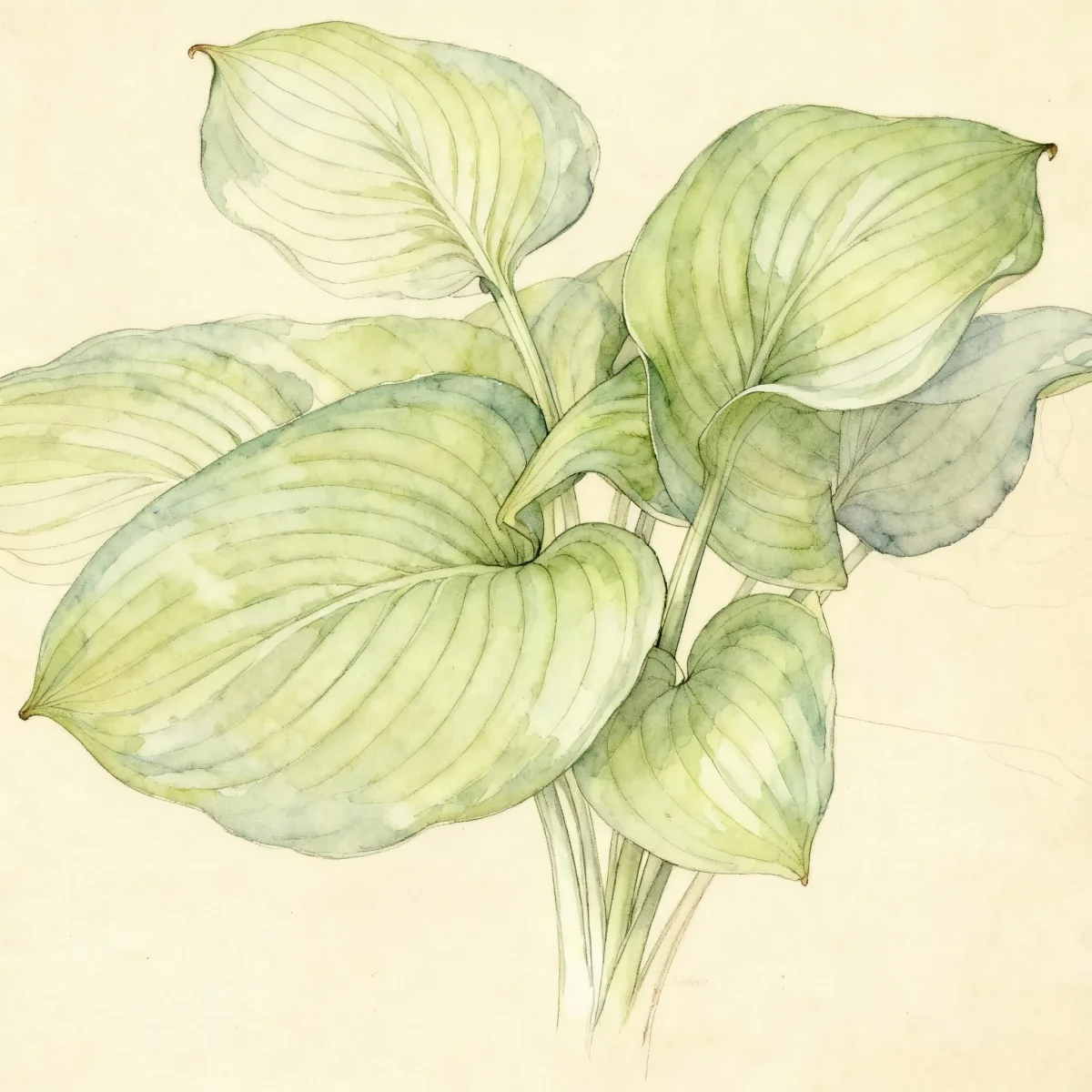
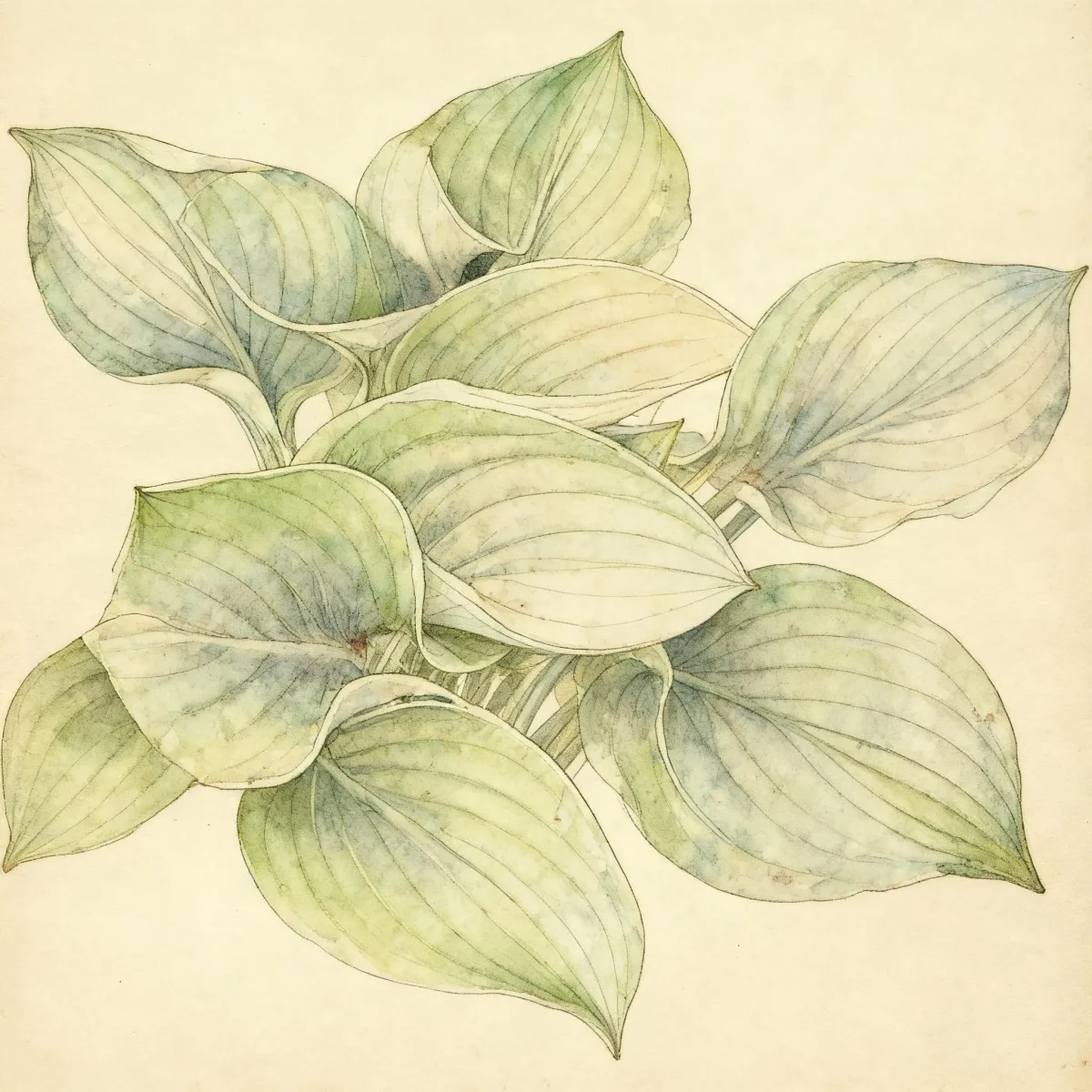
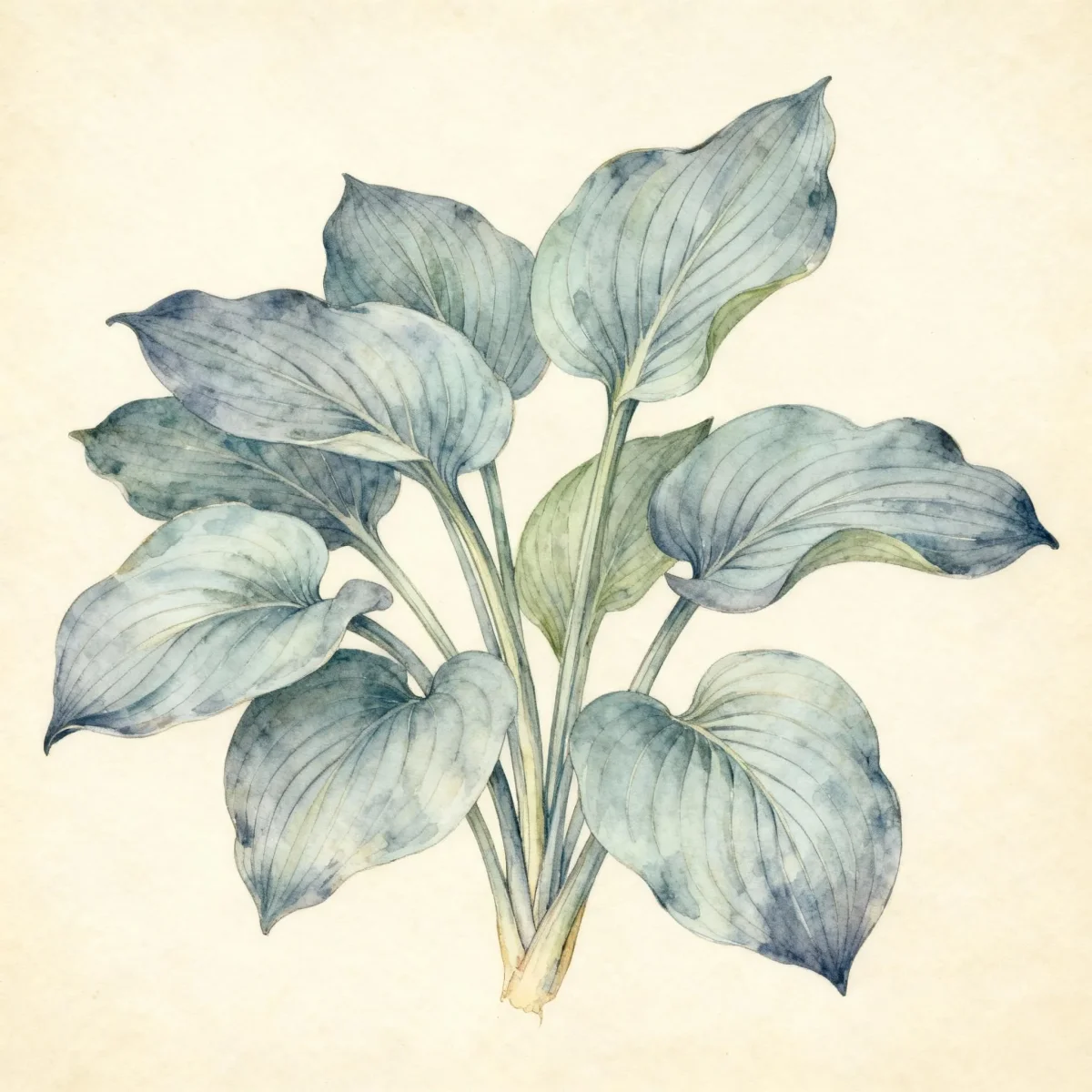
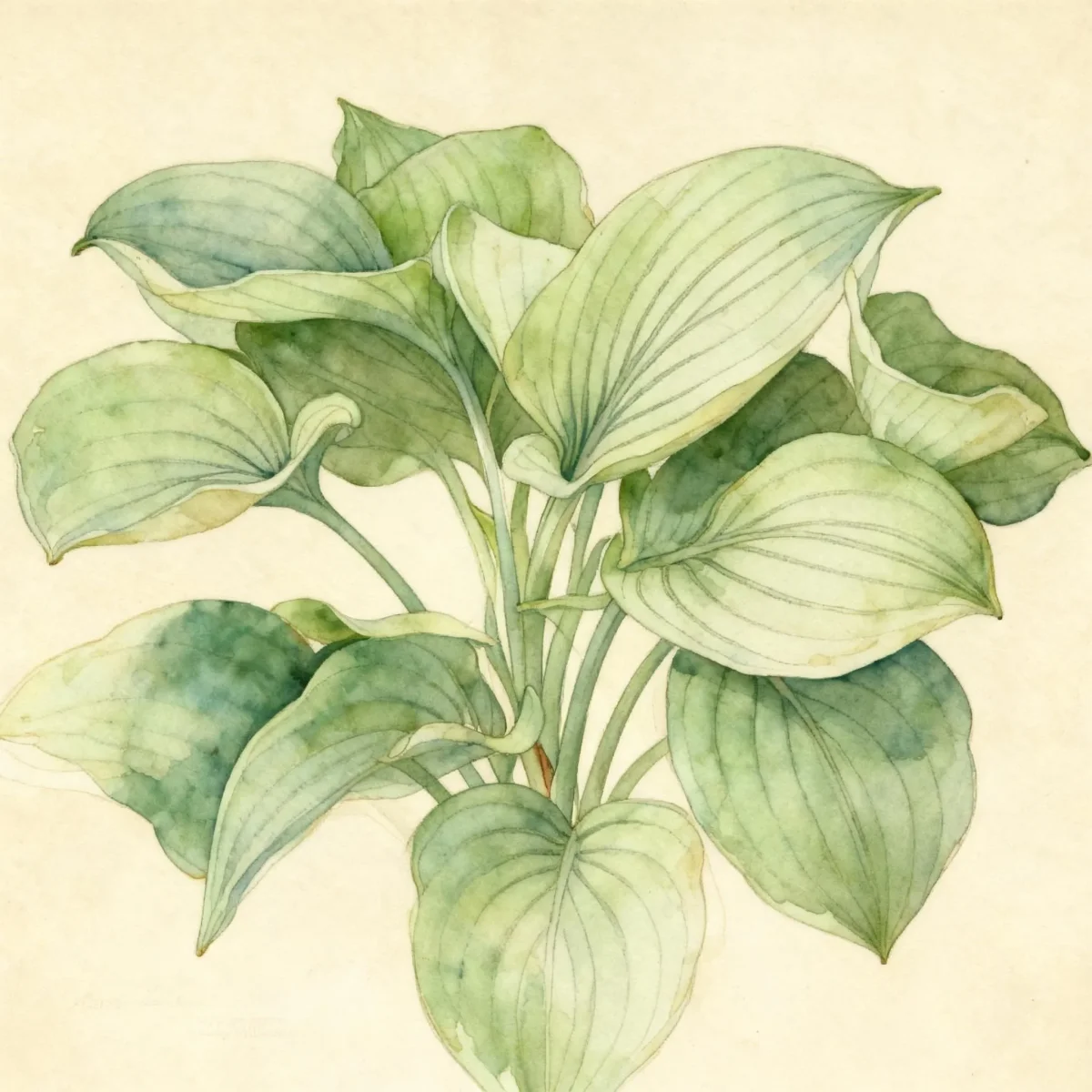
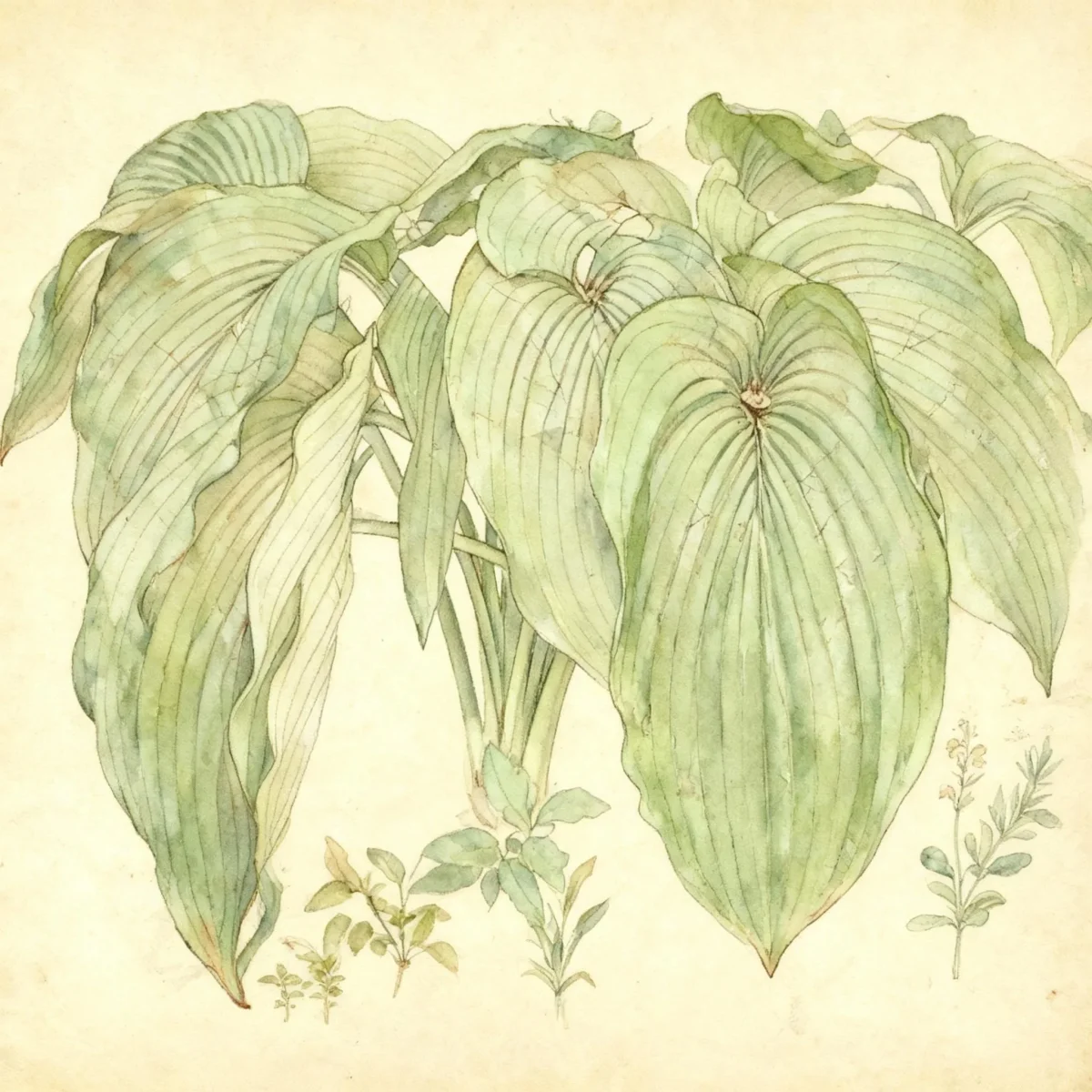
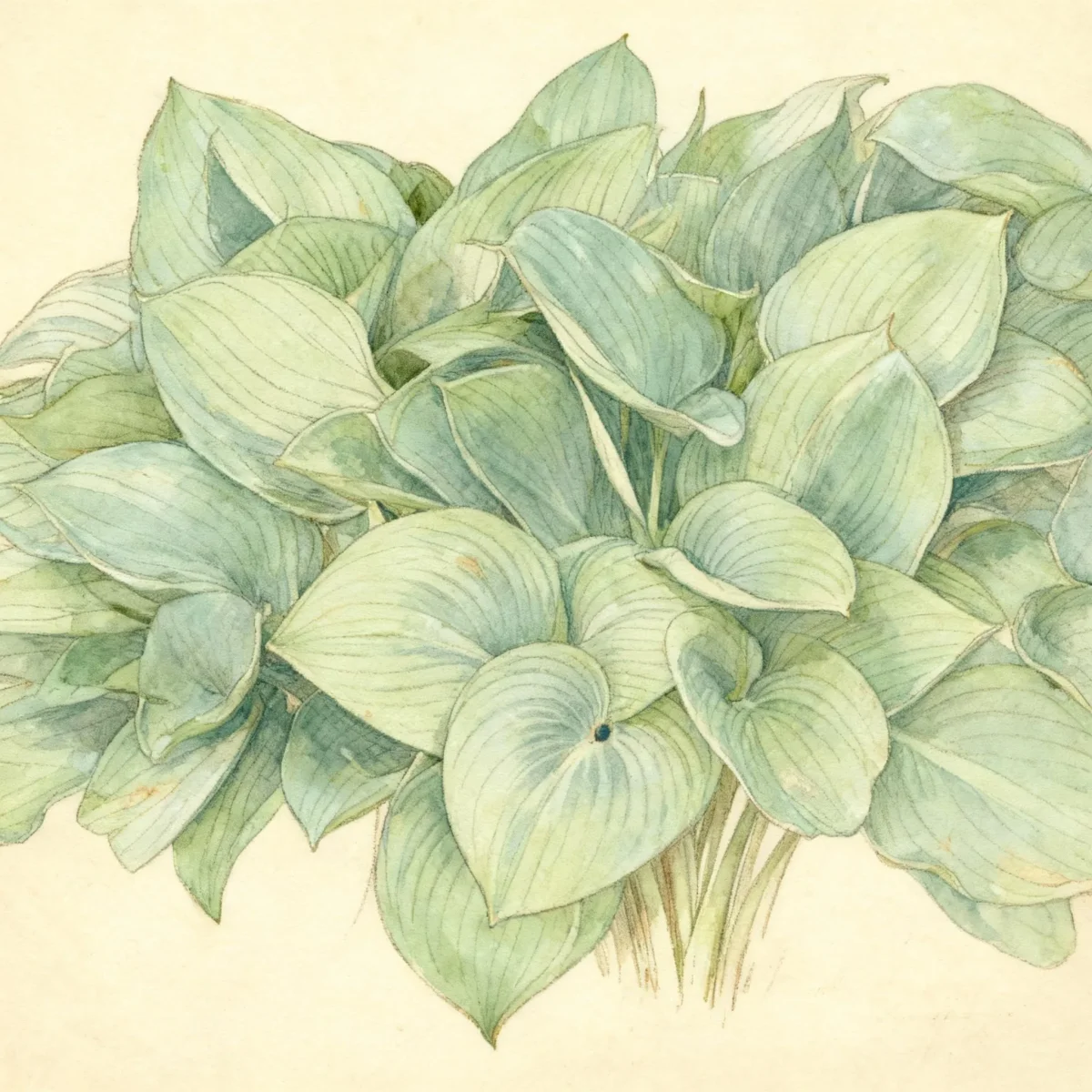
Hosta (Hosta 'Decorata')
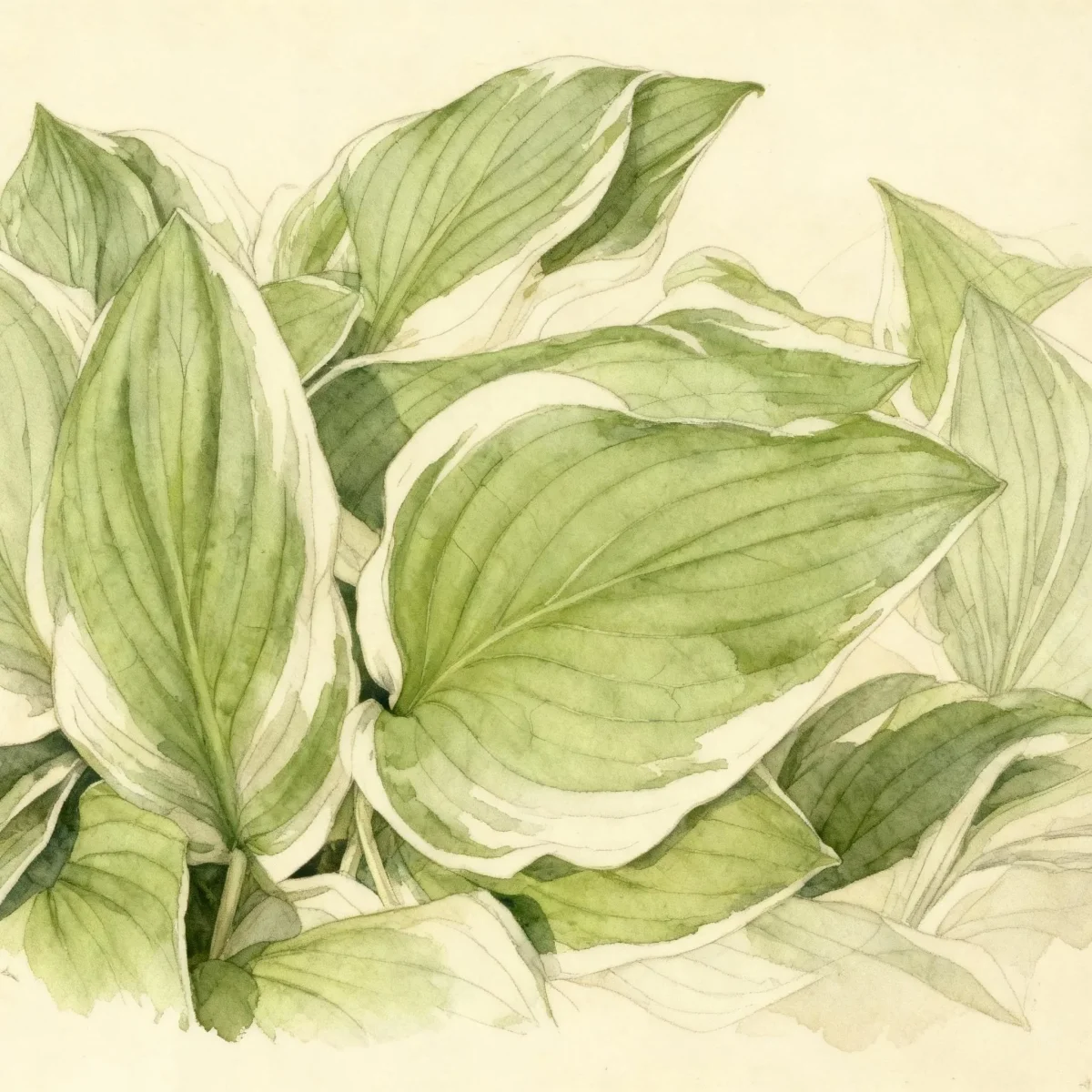
Hosta 'Decorata' offers striking olive green foliage with narrow white margins, thriving in deep shade conditions.
Scroll down to discover growing tips, care requirements, companion plants, and more
Complete Plant Information
Overview
Hosta ‘Decorata’ is a medium-sized, rhizomatous perennial beloved primarily for its reliable and ornamental foliage, making it a cornerstone plant for shaded landscapes. This variety features distinct olive-green leaves highlighted by narrow, irregular white margins, forming a dense, attractive mound perfect for brightening dark garden corners. As a classic Hosta, it provides excellent ground cover and texture contrast throughout the growing season.
This herbaceous perennial thrives under conditions where many other ornamental plants struggle, specifically preferring part shade to full shade locations. Reaching about 1 to 1.5 feet tall and spreading up to 2.5 feet wide, Hosta ‘Decorata’ establishes quickly and requires relatively low maintenance once sited properly. Its robust nature and tolerance for deep shade make it an invaluable asset for woodland gardens or beneath mature trees.
Beyond its foliage, emerging in mid-summer are spikes bearing delicate, bell-shaped purple flowers with white throats, adding seasonal interest. The long history of cultivation for this genus underscores its adaptability and dependability. Gardeners rely on the visual consistency of Hosta ‘Decorata’ year after year for low-effort, high-impact structural definition in shade gardens.
Fast Facts
- Plant Family: Asparagaceae
- Plant Type: Herbaceous perennial
- Hardiness Zones: USDA Zones 3-8
- Size at Maturity:
- Height: 1-1.5 ft
- Spread: 2-2.5 ft
- Bloom Time: July to August
- Bloom Description: Purple with white throat
- Sun Exposure: Part shade to full shade
- Water Needs: Medium
- Maintenance Level: Low
How to Grow
The Hosta genus, including Hosta ‘Decorata’, establishes best in spring or autumn when soil temperatures are moderate. Select a site that offers evenly moist, organically rich, well-drained soil. While these plants tolerate deep shade, the best color and quality are often achieved when the plant receives some morning sun or dappled sunlight throughout the day.
Watering is crucial for maintaining the lush appearance of the leaves; ensure consistent moisture, especially during dry spells, as soils should never be allowed to dry out completely. Though established plants show some dry shade tolerance, consistent moisture promotes the best growth habit. Apply water directly to the soil beneath the leaf canopy rather than overhead to minimize potential leaf spotting.
Hosta ‘Decorata’ requires low maintenance. Division can be performed as needed, typically easiest in early spring before the new leaves fully unfurl, or sometimes again in autumn. Before planting, ensure the location is protected from strong winds which can damage the foliage. Hostas generally perform well without heavy fertilization, thriving simply with good organic soil structure.
Landscape Uses
Hostas are the undisputed mainstays of shade gardens worldwide, valued primarily for the ornamental quality of their leaves rather than just their blooms. Hosta ‘Decorata’ creates superb structure in shady borders or along woodland pathways, forming dense, rounded mounds of texture. Their uniform growth habit makes them exceptionally effective when massed together or planted in large drifts for a continuous carpet of attractive foliage.
Due to their preference for shade, these plants pair beautifully with other woodland dwellers such as ferns, Astilbe, and Hellebores, which share similar cultural requirements. Consider using Hosta ‘Decorata’ as a groundcover beneath taller flowering shrubs or as an essential element in multi-layered shade borders where layering height builds visual depth. They serve excellently as a low, textural background plant where color is provided by early spring bulbs that fade by summer.
Standout Features
Flower Qualities
- Showy
Noteworthy Characteristics
Hosta is a genus composed primarily of shade-loving, rhizomatous, clump-forming perennials native to eastern Asian woodlands. Hosta ‘Decorata’ specifically is a medium plant, growing up to 15 inches tall and spreading to 30 inches wide, displaying oblong leaves that are dull green above with characteristic narrow, irregular white margins. While beloved for its foliage, it also produces purple, bell-shaped flowers in mid-summer atop scapes that rise above the leaves.
Tolerances
- Heavy Shade
- Black Walnut
Potential Problems
The primary threat to Hosta ‘Decorata’ foliage comes from slugs and snails, which chew noticeable, jagged holes in the leaves. To prevent serious damage, implement early and consistent control measures using baits, beer traps, or physical barriers as soon as spring growth begins. Gardeners should also monitor for foliar nematodes, which manifest as unsightly interveinal browning on the leaves.
Less common but possible issues include leaf spots and crown rot, often linked to overly wet or poorly drained soil conditions. Furthermore, beware of serious viral infections like Hosta Virus X (HVX); infected plants must be removed and destroyed immediately to prevent spread. Deer and rabbits frequently find Hosta foliage appealing, so protective measures may be necessary in areas with high wildlife pressure.
Frequently Asked Questions
What hardiness zones is Hosta suitable for?
Hosta ‘Decorata’ is highly adaptable, growing well in USDA Zones 3 through 8.
How large does Hosta ‘Decorata’ grow?
This variety typically reaches a mature height between 1 and 1.5 feet and spreads to cover an area 2 to 2.5 feet wide.
What sun exposure does Hosta need?
This Hosta prefers part shade to full shade conditions, flourishing best with protection from intense afternoon sun.
When does Hosta ‘Decorata’ bloom?
Blooms occur from July through August, featuring attractive purple flowers marked with a white throat.
Conclusion
Hosta ‘Decorata’ remains an essential perennial for gardeners seeking resilient, low-maintenance beauty in shaded environments. Its distinctive olive-green and white-margined foliage provides consistent texture and structure through the entire growing season, complemented by mid-summer purple flowers. Before planting, confirm your location falls within USDA Zones 3-8, and ensure consistent moisture to unlock the full ornamental potential of your new Hosta specimen.
Companion Planting for Shade Gardens
When designing a shady border featuring Hosta ‘Decorata’, consider companion plants that offer textural contrast or complementary bloom times. Ferns, such as Japanese Painted Fern (Athyrium niponicum), provide airy, feathery texture that dramatically offsets the broad, solid leaves of the Hosta. For vertical contrast and spring color before the Hosta fully develops, Astilbe cultivars are excellent choices, as they share the need for rich, moist soil.
To further enhance the woodland aesthetic that Hosta naturally promotes, pair this plant with Bleeding Hearts (Dicentra spectabilis) or Lenten Rose (Helleborus). Hellebores bloom very early, often while the Hosta is just emerging, providing visual interest early while Hosta ‘Decorata’ establishes its dense mound of leaves. This combination maximizes visual appeal across the entire spring and summer season in low-light areas.
Seasonal Care Calendar for Hosta
Spring is the critical time for preparing your Hosta for active growth. As the leaves begin to unfurl, top-dress the soil around the clump with a light layer of compost to enrich the organically rich soil structure. This is also the best time to divide crowded clumps if rejuvenation is necessary—division is often easiest when the shoots are still tightly furled.
During the primary growing season (late spring through summer), focus on hydration. Maintain even moisture for the best plant quality, especially if you are aiming for the maximum spread of 2.5 feet. Deadheading the spent flower scapes is optional; some gardeners leave them to enjoy the foliage display, while others remove them if they prefer a cleaner look or to direct energy back into leaf production.
As autumn approaches, Hosta ‘Decorata’ foliage will naturally begin to die back. Allow the leaves to wither before cutting them down, as this allows the plant to store maximum energy in its crown for winter survival in Zones 3-8. No intensive winter protection is usually required for this hardy perennial across its recommended range.