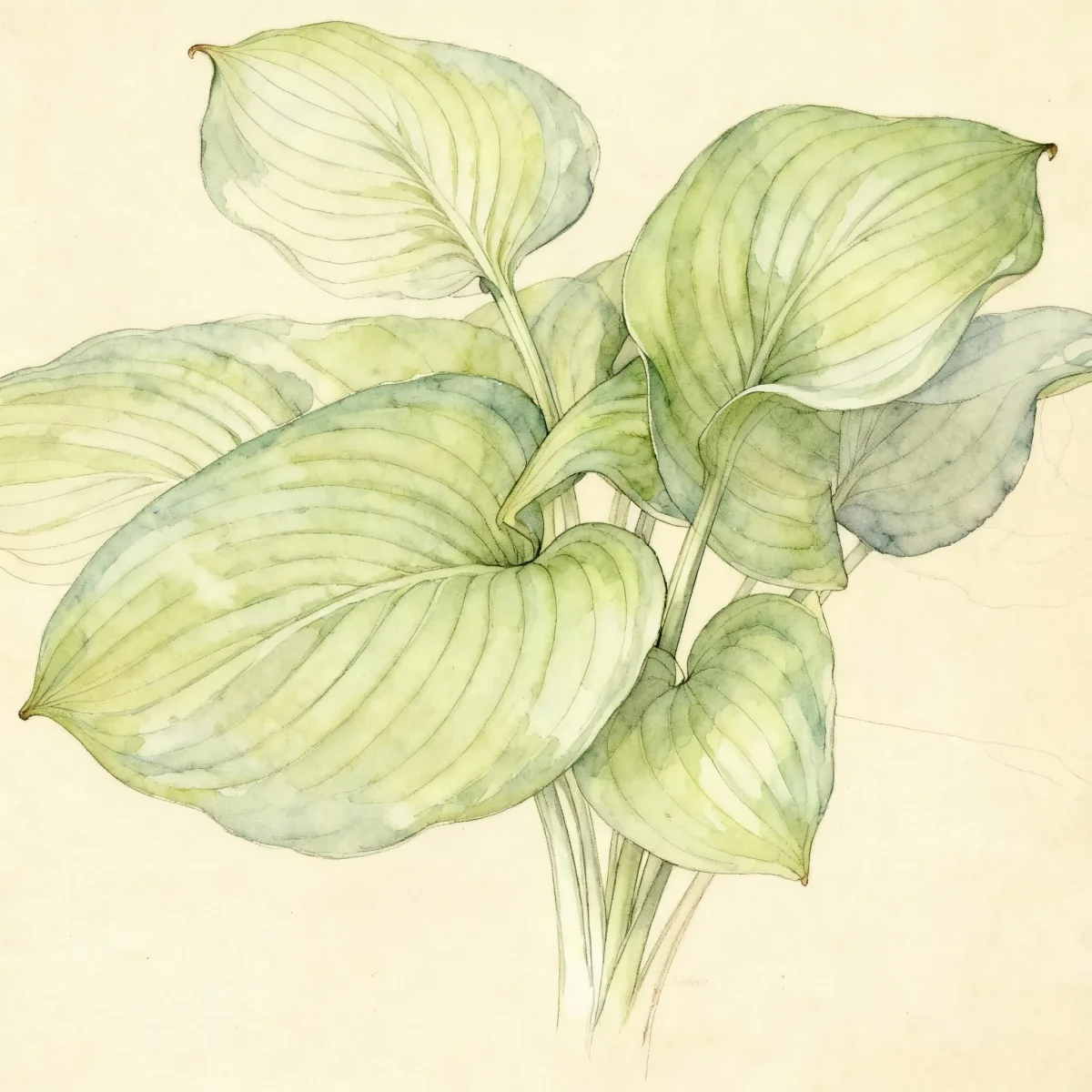
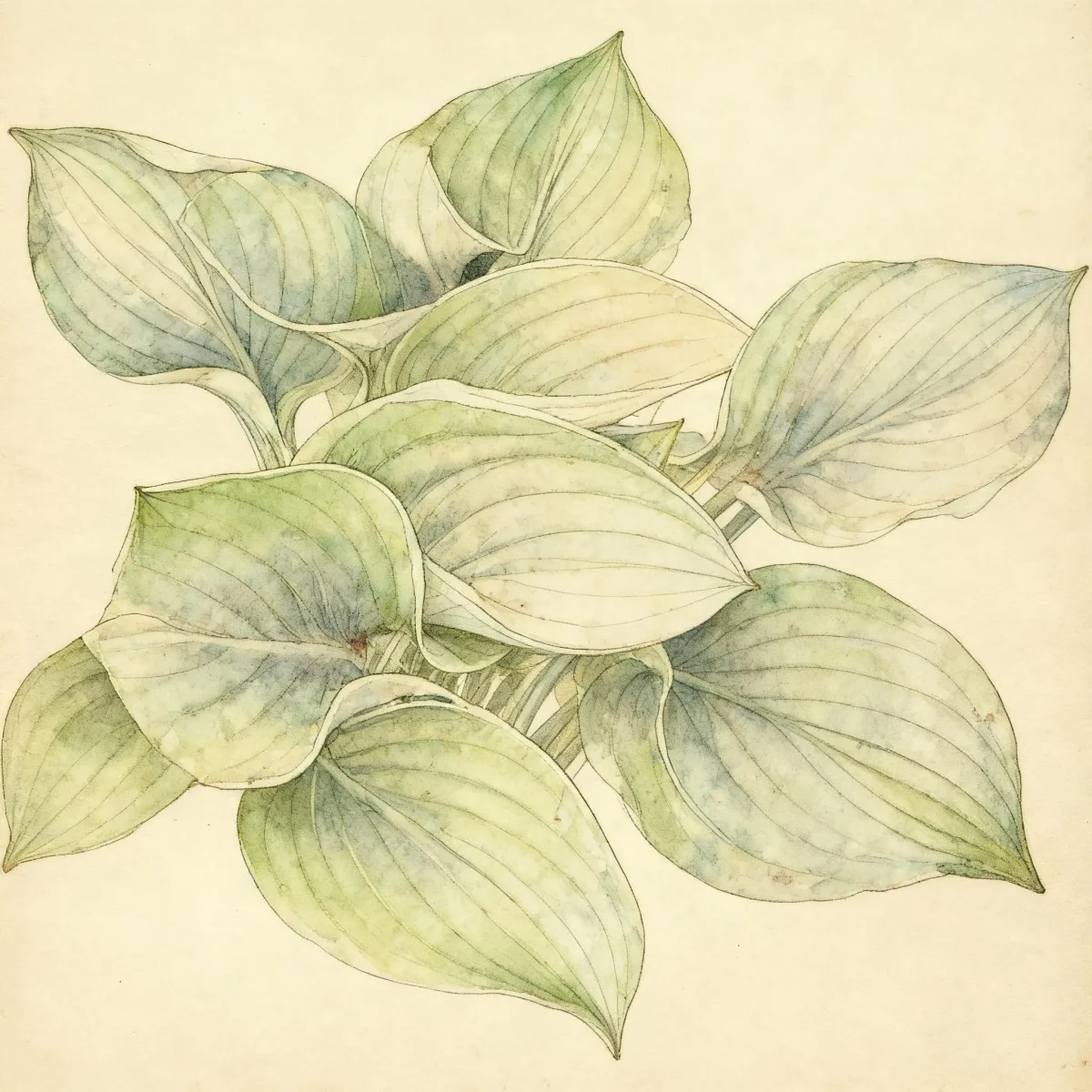
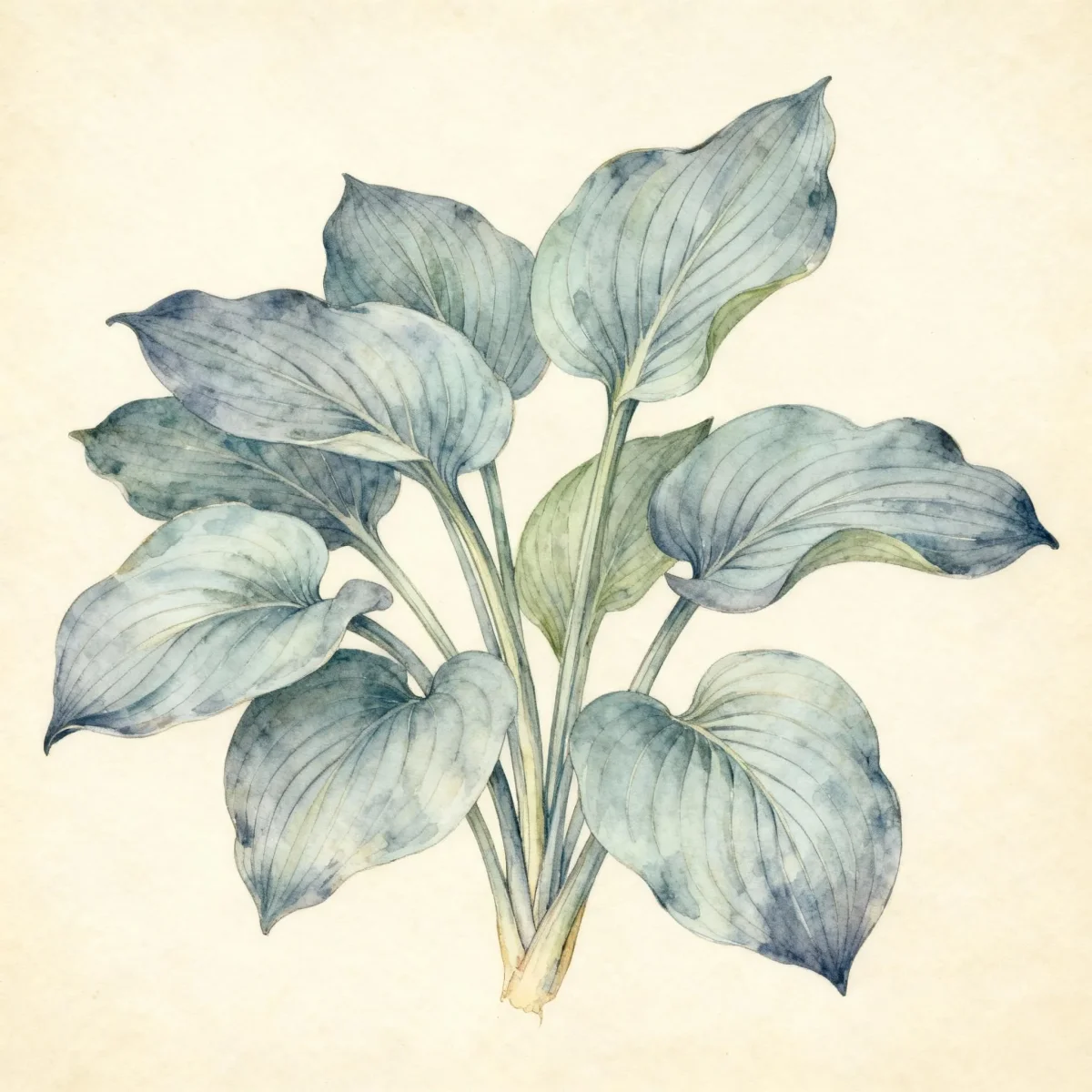
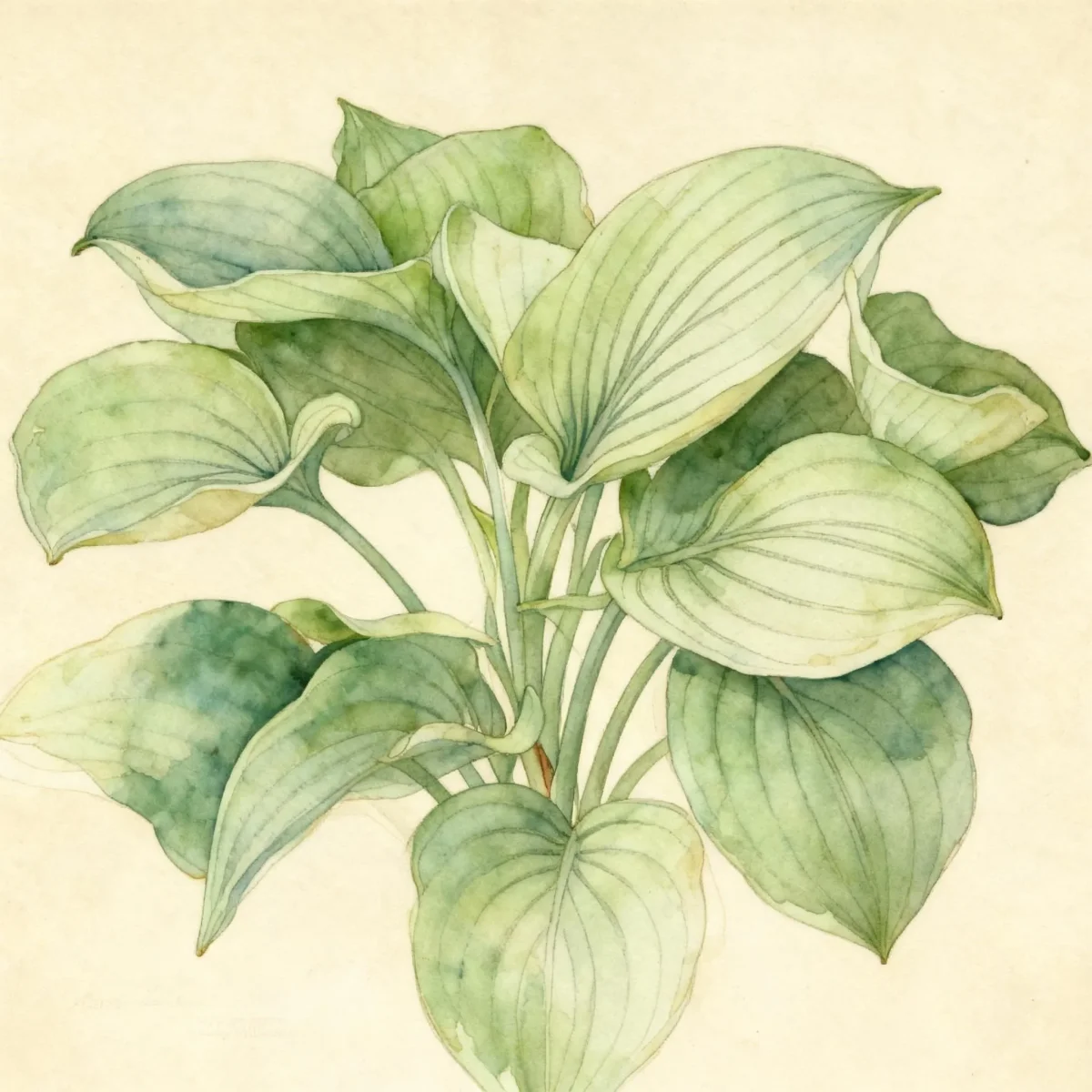
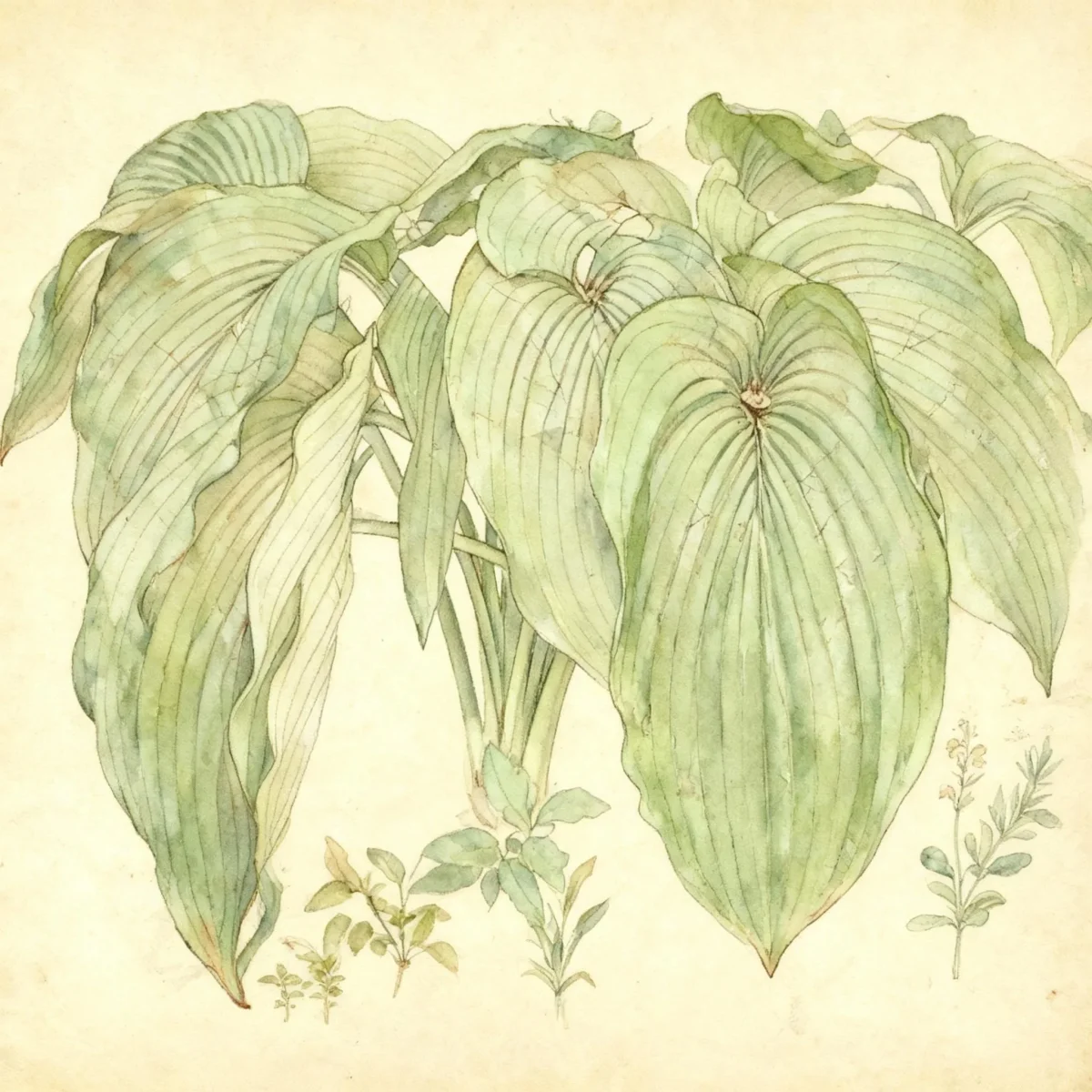
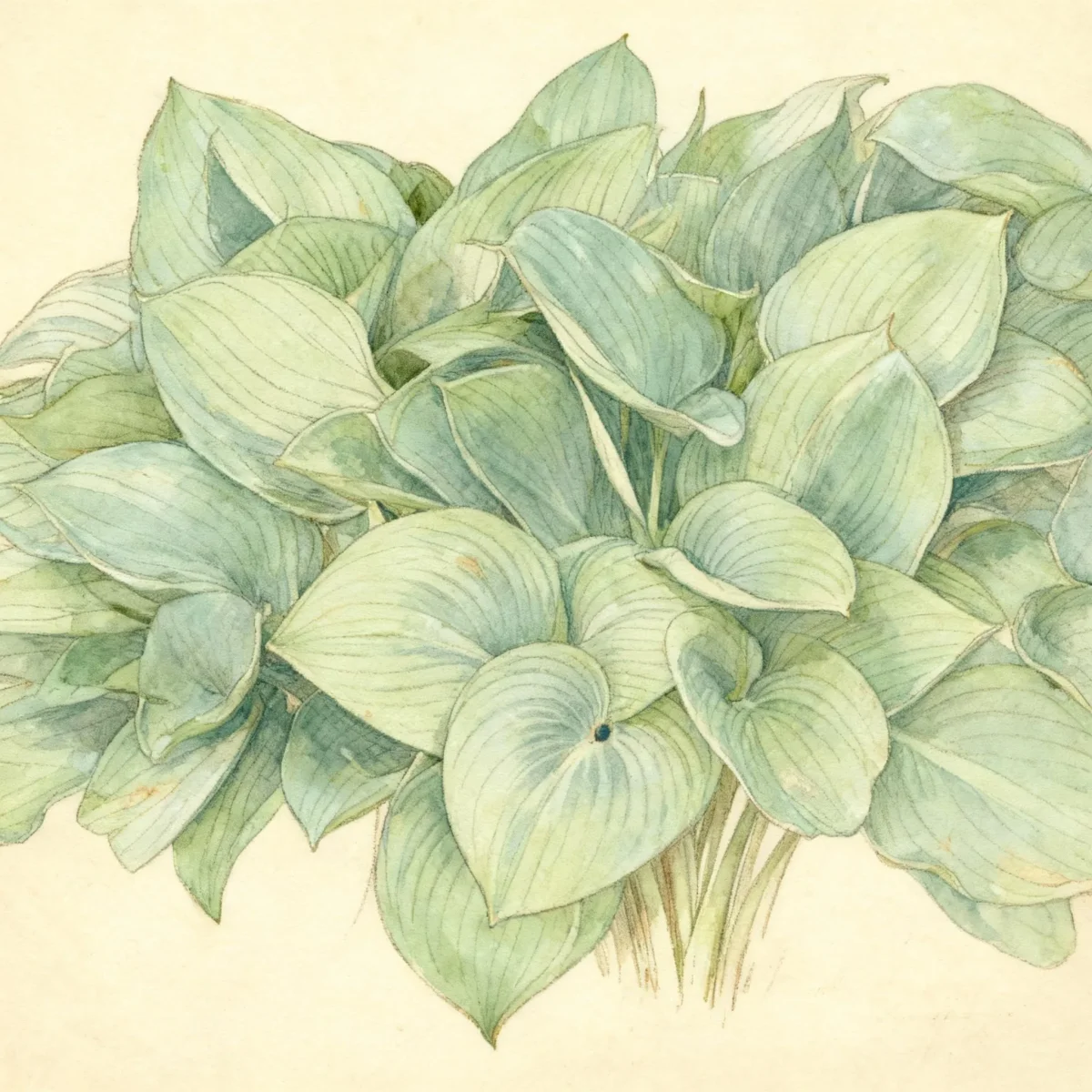
Hosta (Hosta densa)
Hosta densa, a durable herbaceous perennial from Japan, offers dense, dark green foliage perfect for tough shade situations.
Scroll down to discover growing tips, care requirements, companion plants, and more
Complete Plant Information
Overview
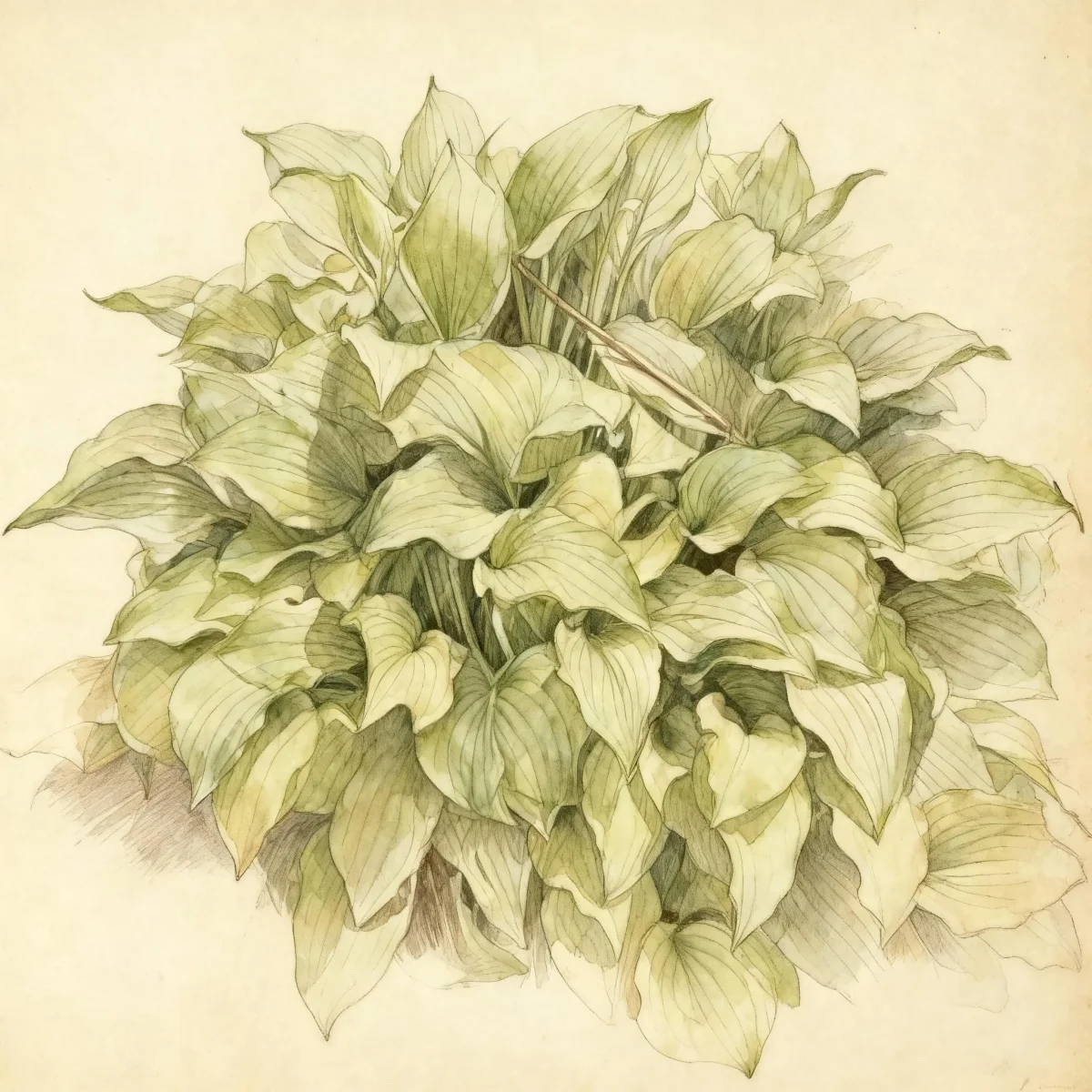
The Hosta densa is a highly valued, clump-forming herbaceous perennial celebrated for its outstanding performance in deep shade conditions. Valued for its dense habit and resilience, this plant forms a substantial foliage mound that provides excellent texture throughout the growing season. This specific Hosta cultivar is native to the wooded slopes of Japan, making it well-suited for woodland and deeply shaded garden environments.
Growing reliably in USDA Zones 3 to 8, Hosta densa offers practical benefits by tolerating difficult spots where few other ornamentals thrive, including areas under black walnut trees. Its striking foliage and modest summer blooms, which feature white flowers touched with a purple tinge, solidify its place as a low-maintenance staple in the shade garden.
Fast Facts
- Plant Family: Asparagaceae
- Plant Type: Herbaceous perennial
- Native Range: Japan
- Hardiness Zones: USDA Zones 3-8
- Size at Maturity:
- Height: 1.5-2 ft
- Spread: 1.5-2 ft
- Bloom Time: July to August
- Bloom Description: White with purple tinge
- Sun Exposure: Part shade to full shade
- Water Needs: Medium
- Maintenance Level: Low
How to Grow
Planting is best performed in the spring or fall when weather conditions are mild. Hosta densa thrives in average, medium-moisture, well-drained soils. While tolerant of a wide range of soil conditions, this Hosta performs ideally in rich, moist, organic soils, especially when provided consistent moisture during the peak growing season. Ensure the planting location provides part shade; light shade with some morning sun is preferred for optimal health.
Watering should be maintained at a medium level, especially when young. Once established, this variety shows tolerance for some dry shade, though consistent moisture yields the best results. Water application is most effective when directed straight to the soil beneath the foliage, minimizing wetting the leaves which can sometimes invite fungal issues.
Maintenance is generally low, positioning this variety well for busy gardeners. Divide plants as needed, typically in spring or autumn. Division is easiest done in early spring before the new leaves fully emerge, allowing you to easily manage clump size or propagate new plants.
Landscape Uses
Hostas are the undisputed mainstays of shade gardens, and Hosta densa excels in foundational plantings where dense coverage is required. This hosta is effective when grouped together or massed to create a continuous carpet of dark green texture beneath mature trees or along shaded walkways. Its manageable 2-foot spread makes it an excellent, tidy edging plant for woodland borders or shady perennial mixes.
Consider mixing this variety with contrasting textures, such as ferns, bleeding hearts, or groundcovers like Pachysandra, to create visual interest in low-light areas. Its tolerance for both heavy shade and tricky root competition makes it a go-to choice for difficult woodland garden locations.
Standout Features
Flower Qualities
- Showy
Noteworthy Characteristics
Hosta densa is native to wooded slopes and moist bottomland areas in southwest Honshu, Japan, forming a robust, spreading foliage mound up to 22 inches wide. Its dark green, ovate-elliptic leaves feature evenly rippled edges, contrasting beautifully with the dense racemes of funnel-shaped, mostly white flowers appearing in early to mid-summer atop 25-inch scapes. The specific epithet densa aptly describes the compact, dense arrangement of its bloom clusters, which can hold up to 40 individual flowers per stalk.
Tolerances
- Heavy Shade
- Black Walnut
Potential Problems
The primary threat to Hosta varieties, including Hosta densa, comes from slugs and snails. These pests are attracted to the foliage, leaving behind jagged holes that can quickly mar the aesthetic appeal of the leaves if populations are not managed. Less common issues include leaf spots or crown rot, often associated with overly wet or poorly drained conditions. Exposed plants are also susceptible to severe physical damage from hail storms.
Management should focus on preventative measures against mollusks. Employing baits, beer traps, or manual removal early in the season is crucial. Ensuring good air circulation and avoiding overhead watering can help mitigate mild fungal concerns. Since this Hosta is low maintenance, dedicating a small effort to pest control ensures the foliage remains pristine.
Frequently Asked Questions
What hardiness zones is Hosta densa suitable for?
Hosta densa is reliably hardy across USDA Zones 3 through 8.
How large does Hosta grow?
This variety typically reaches a height between 1.5 and 2 feet tall and spreads to a width of 1.5 to 2 feet as a mature clump.
What sun exposure does Hosta densa need?
Generally, this perennial performs best in part shade to full shade conditions, appreciating light shade with a touch of morning sun.
When does Hosta densa bloom?
The blooms occur from July to August, showcasing white flowers that carry a touch of purple tinge.
Conclusion
The Hosta densa stands out as an exceptionally dependable, low-maintenance perennial perfect for brightening the darkest corners of the garden. Its dense foliage structure and tolerance for challenging conditions, including deep shade, make this Hosta an essential component for shaded landscapes. Before planting, ensure your site offers the consistent moisture and protection that this excellent shade plant requires to truly thrive.
Companion Planting
When selecting partners for Hosta densa, focus on plants that share its preference for medium moisture and shade exposure, creating a lush woodland tapestry. Ferns are classic companions, offering a fine, lacy contrast to the broad leaves of the Hosta. Consider pairing it with Astilbe for seasonal color in the bloom department, or groundcovers like Epimedium (Barrenwort) to suppress weeds near the edges of the clump.
The goal in companion planting is often textural contrast. Since this Hosta offers heavy, solid green texture, look for plants with finer foliage, or those that provide late-season interest when the Hosta’s early summer display begins to fade. Japanese Forest Grass (Hakonechloa macra) provides an excellent flowing, textural element that complements the rigid mounds of Hosta.
Seasonal Care Calendar
Spring cleanup is crucial for Hostas; remove any remaining tattered winter debris as soon as the ground thaws and before new shoots emerge. This is also the ideal time to divide overcrowded clumps of Hosta densa or amend the soil with rich compost to boost spring vigor.
During the summer growing season (June through August), focus on consistent watering, applying water directly to the root zone, especially during dry spells. Monitor for slug and snail activity, applying preventative treatments as necessary to protect the emerging foliage. Minimal feeding is typically required if the soil is rich.
As fall approaches, cease heavy fertilization to allow the plant to harden off for winter. Once the foliage yellows or dies back naturally after the first hard frost, you can clean up the remaining dead material, though leaving it can offer some winter protection to the crown until spring cleanup.