Hosta (Hosta 'Sagae')
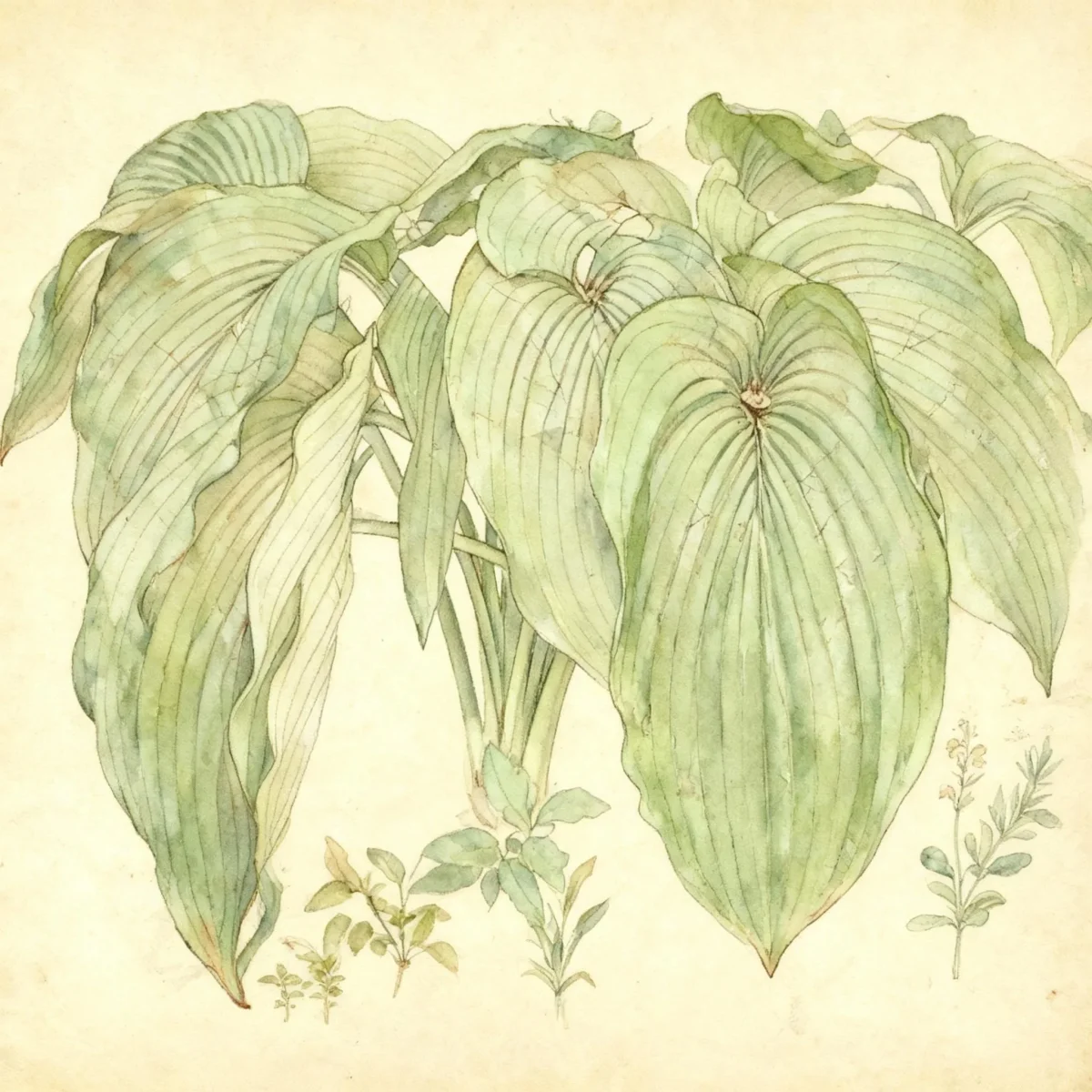
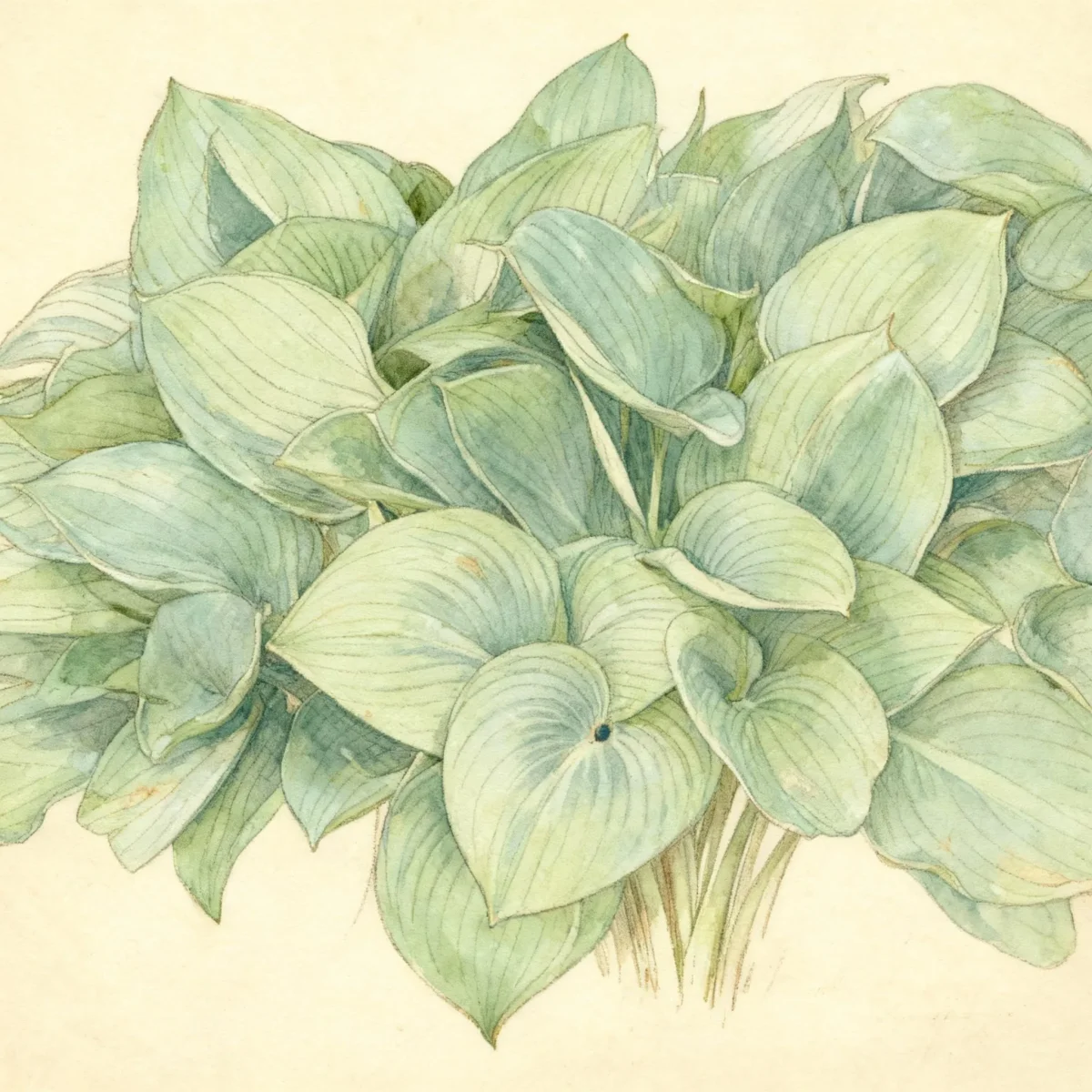
Hosta 'Sagae' is a massive, striking perennial featuring blue-green leaves with creamy white margins. A low-maintenance choice for deep shade.
Scroll down to discover growing tips, care requirements, companion plants, and more
Complete Plant Information
Overview
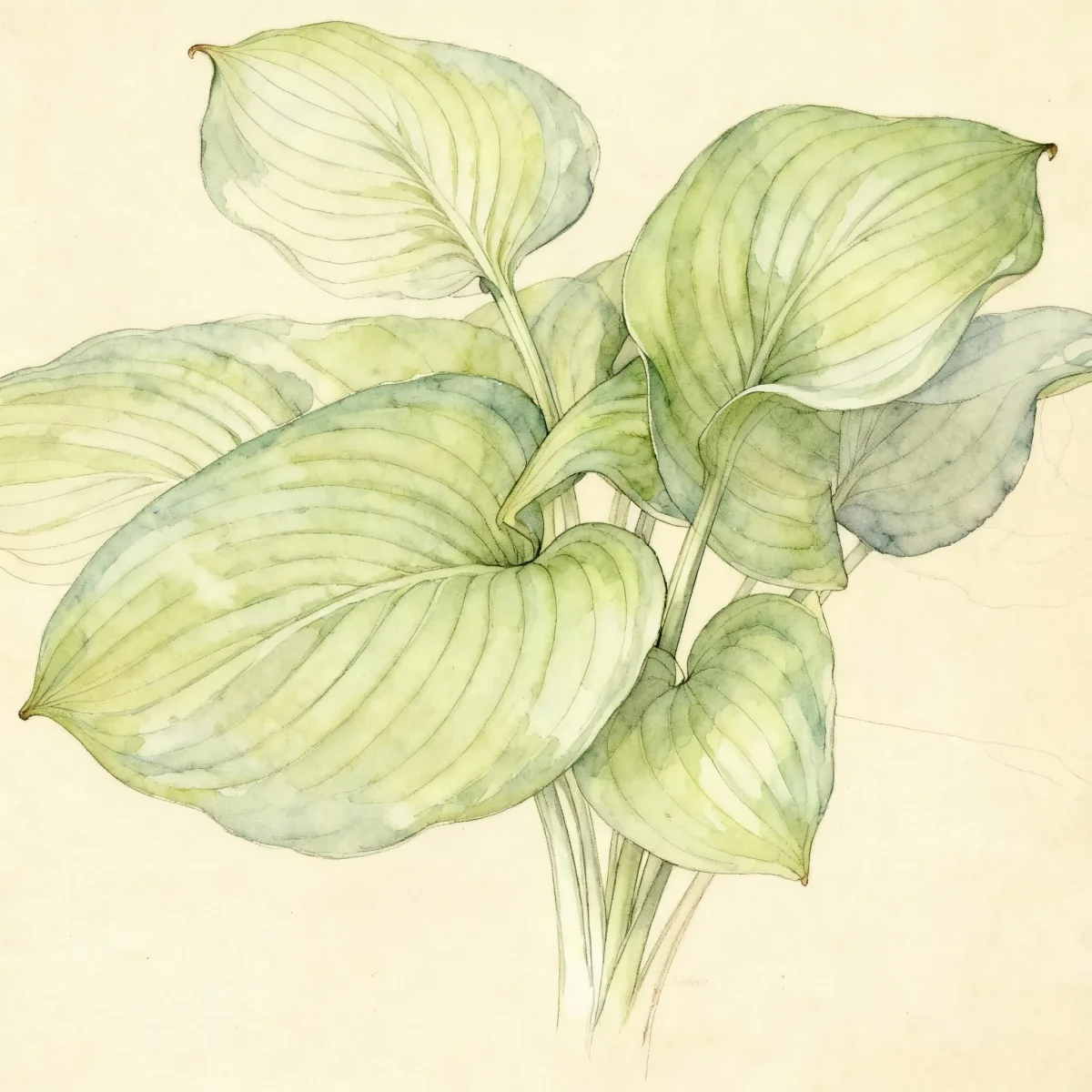
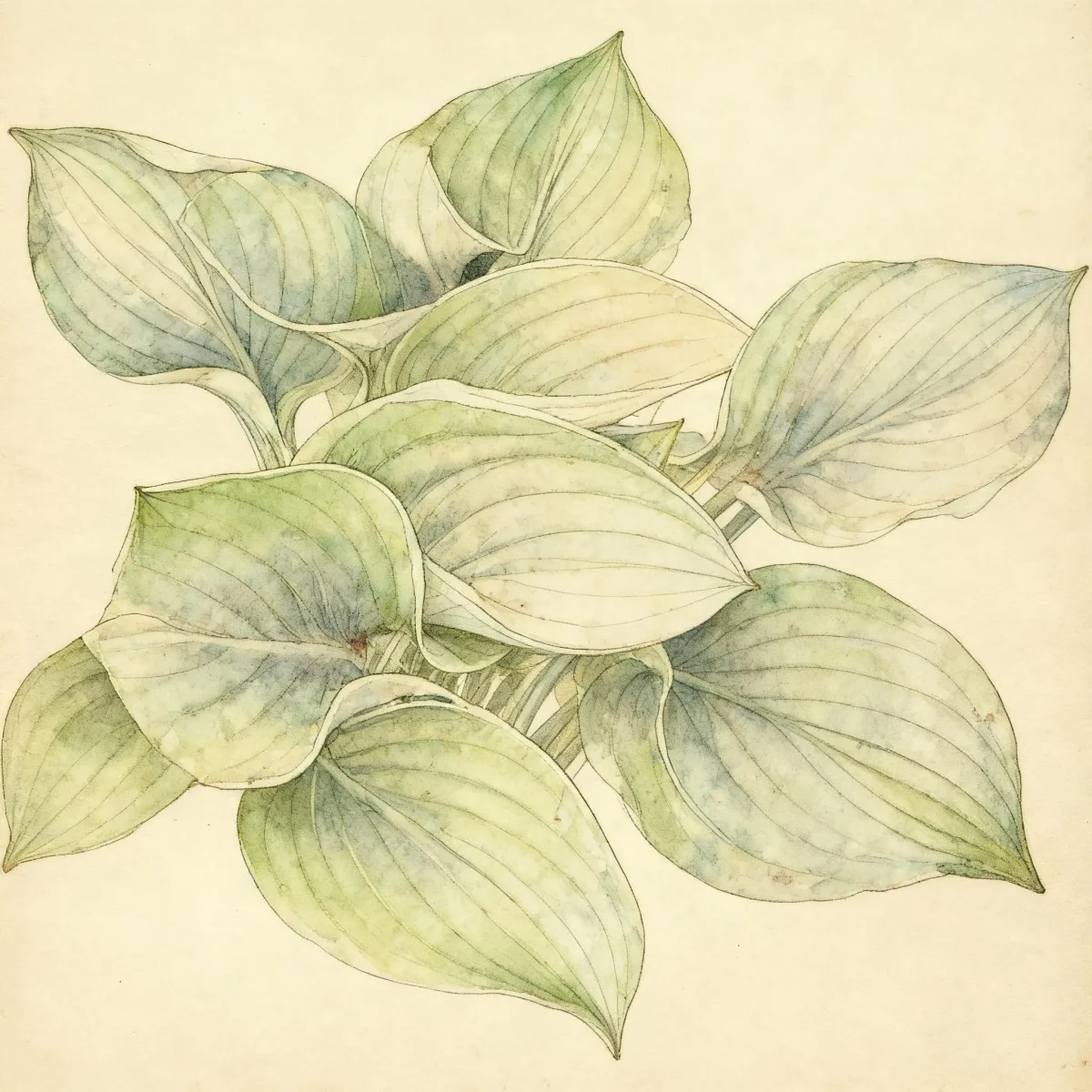
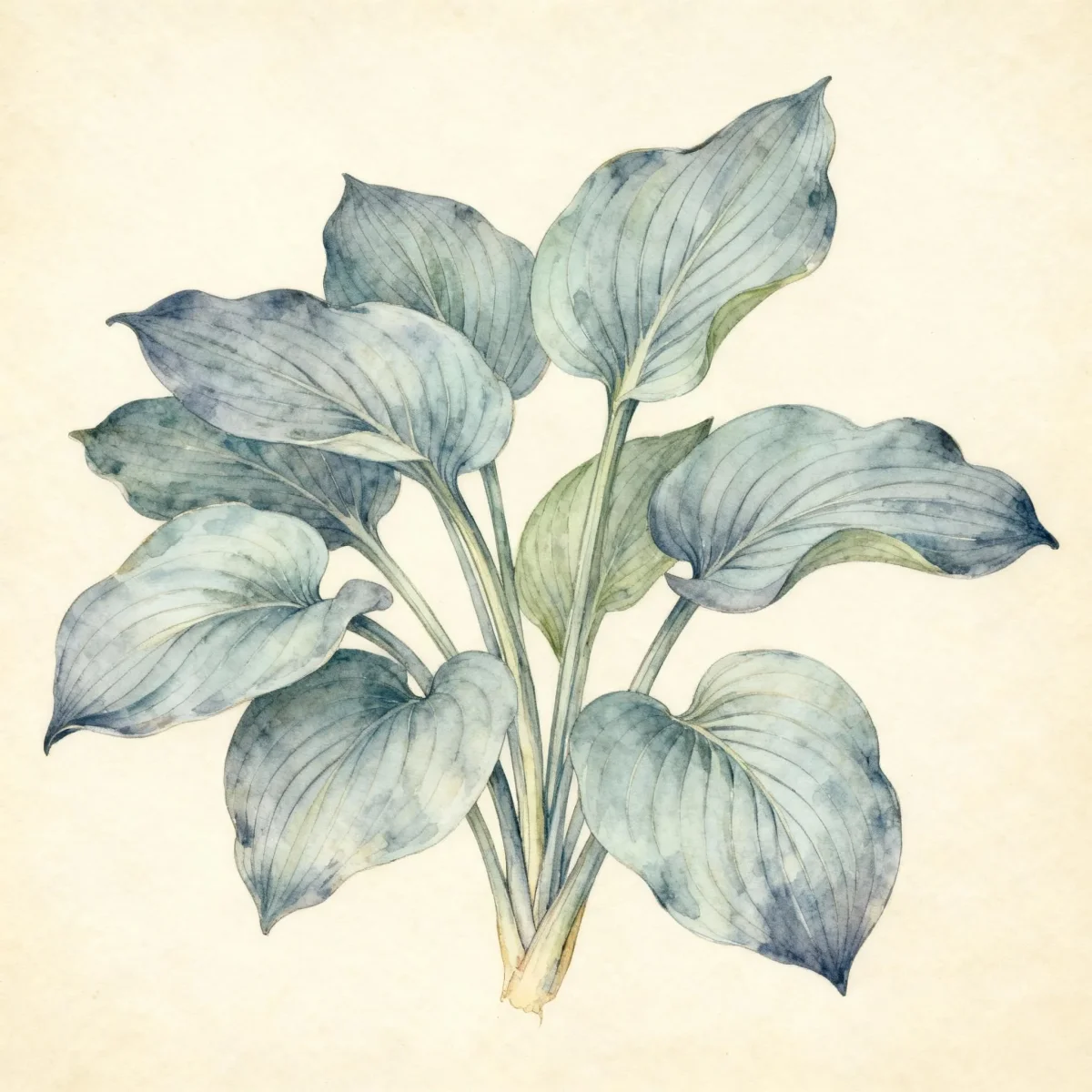
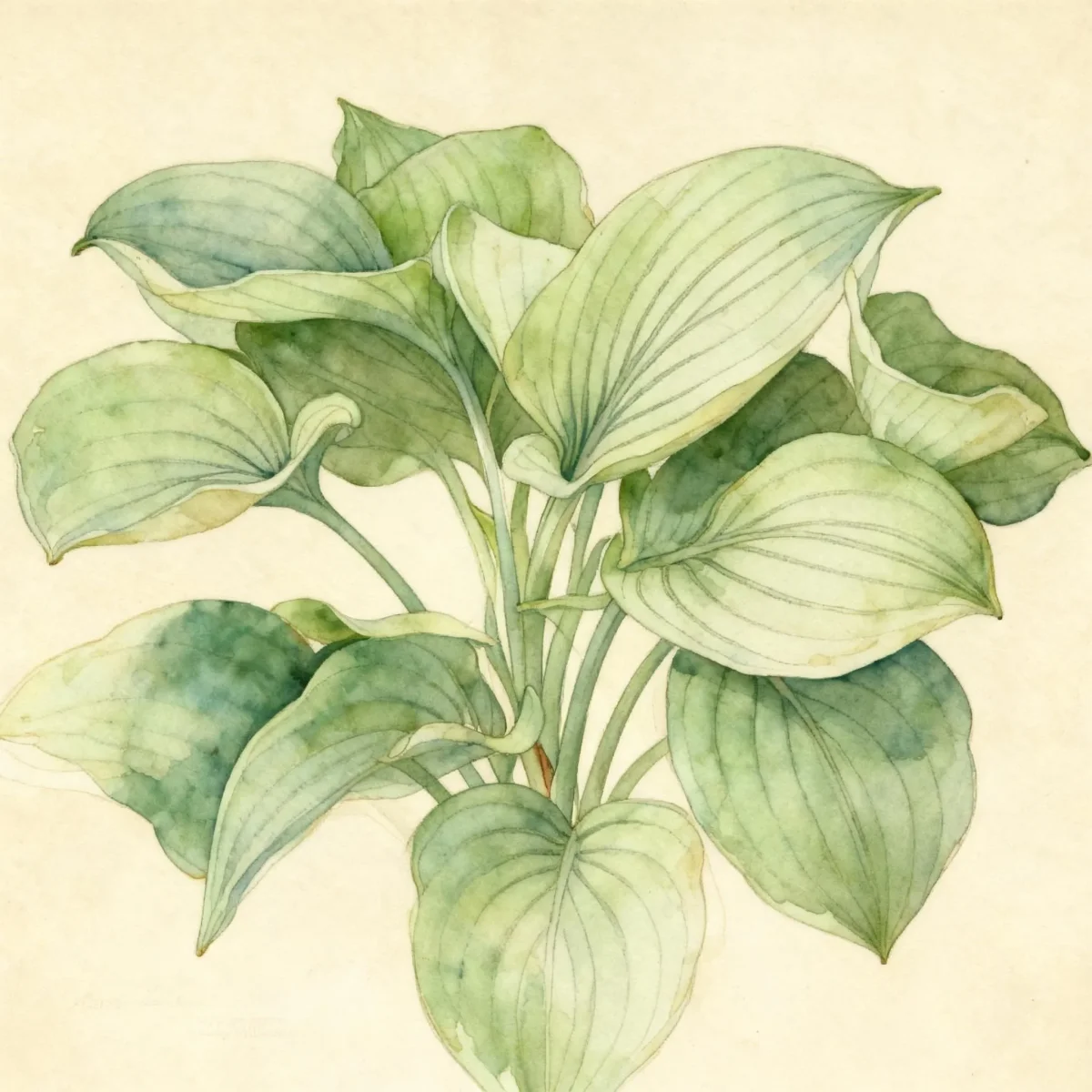
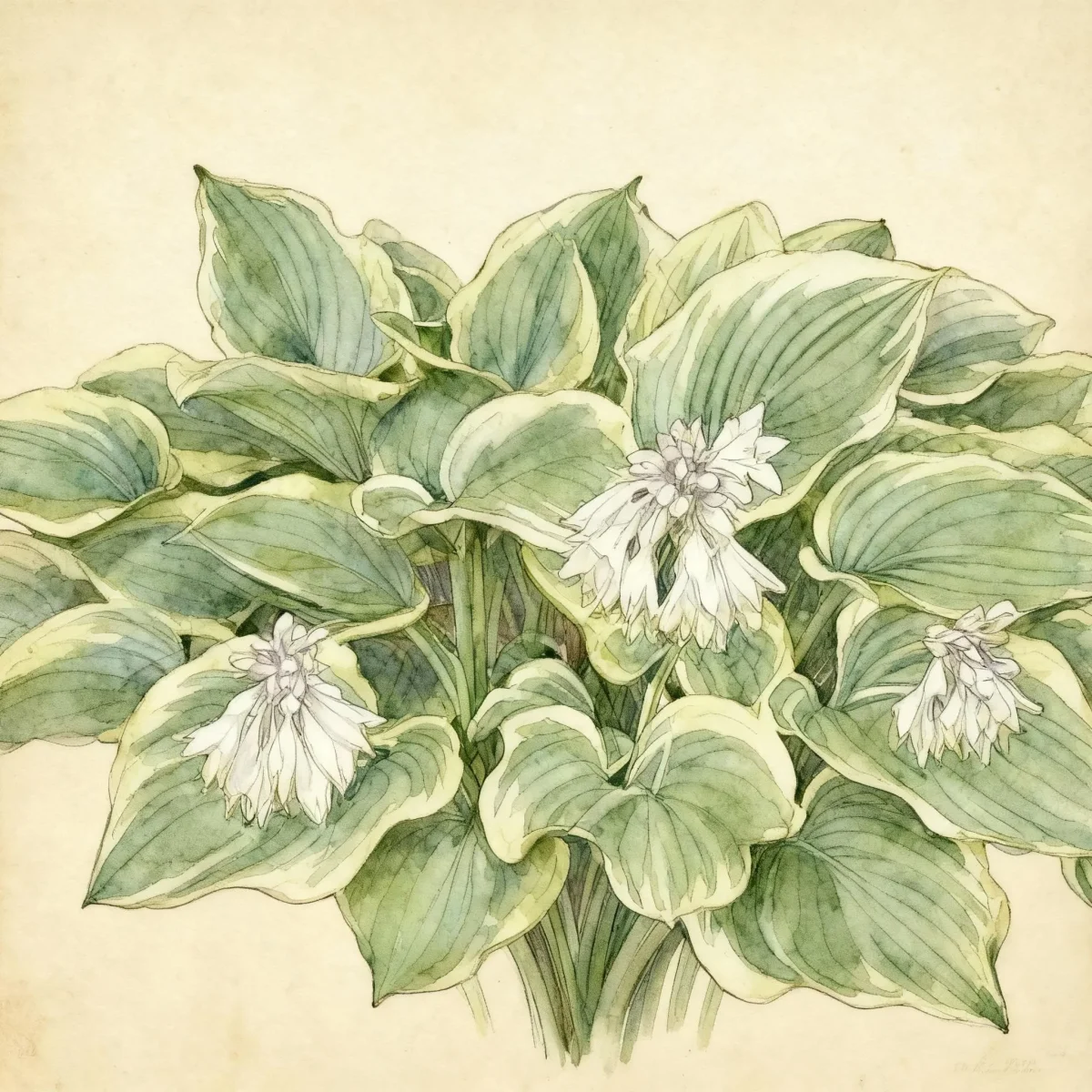
Hosta ‘Sagae’ is celebrated as a magnificent, large-statured shade perennial, primarily valued for its commanding foliage display. This specific cultivar of Hosta features substantial, vase-shaped leaves that boast a frosty blue-green center sharply contrasted by elegant, creamy white margins. It offers exceptional architectural mass in the landscape, creating a powerful focal point even when not in bloom.
As a hardy member of the Hosta genus, ‘Sagae’ thrives reliably across a broad range of cold climates, making it accessible to many gardeners. Its low maintenance requirements, combined with its tolerance for deep shade, cement the Hosta’s position as the backbone of woodland and foundation plantings.
Established plants provide year-round visual interest, peaking in summer when spikes of white, lavender-tinged flowers rise above the impressive mound of variegated foliage. Planting Hosta ‘Sagae’ ensures you have a structurally superior, reliable performer that brightens the darkest corners of your garden setting.
Fast Facts
- Plant Family: Asparagaceae
- Plant Type: Herbaceous perennial
- Hardiness Zones: USDA Zones 3-8
- Size at Maturity:
- Height: 2-3 ft
- Spread: 2-3 ft
- Bloom Time: July to August
- Bloom Description: White tinged with lavender
- Sun Exposure: Part shade to full shade
- Water Needs: Medium
- Maintenance Level: Low
How to Grow
The Hosta ‘Sagae’ performs best when planted in the spring or fall, ensuring it establishes its robust crown before seasonal extremes. Aim for a location offering rich, organically amended, well-drained soil where moisture retention is consistent. While this Hosta cultivar handles part shade exceptionally well, including some morning sun or dappled light can enhance leaf coloration; however, consistent moisture is crucial for achieving the plant’s full size and quality form.
Water deeply and consistently, directing the water toward the base beneath the leaves to keep the soil evenly moist. Established Hosta plants exhibit some tolerance for dry shade, especially those with thicker leaves, but never allow the soil to completely desiccate, as this stresses the plant. Minimal feeding is usually required if the soil is rich in organic matter.
Maintenance for Hosta is generally low; protect plants from wind to prevent leaf tearing. Division is best undertaken in early spring before the large emerging leaves unfurl, or in the autumn. Ensure the location selected is protected from strong, abrasive winds, which can physically damage the attractive foliage of Hosta ‘Sagae’.
Landscape Uses
Hostas are essential for crafting successful shade gardens, and Hosta ‘Sagae’ excels due to its massive size and dramatic variegation. These perennials are not relied upon for their blooms but rather for the structural excellence and contrasting color of their foliage throughout the growing season. They are highly effective when massed together to create a carpet of uniform texture or used singularly as dramatic specimens.
The upright, vase shape of Hosta ‘Sagae’ makes it an excellent background plant, providing a solid, brightly edged screen behind smaller ferns or hostas cultivars. Consider pairing them with plants that complement their broad leaves, such as fine-textured Japanese forest grass or deep green groundcovers, in shady borders or woodland garden settings.
Standout Features
Flower Qualities
- Showy
Noteworthy Characteristics
Hosta is primarily grown for its ornamental foliage, featuring dense, basal leaves that rise to form a rounded or spreading mound. Hosta ‘Sagae’ specifically is a large, vase-shaped cultivar known for its 22-28” tall mound of large, wavy-edged, oval leaves that are frosty blue-green with creamy white margins. Bell-shaped flowers tinged with lavender appear mid-summer on scapes that rise well above the substantial foliage mass.
Tolerances
- Heavy Shade
- Black Walnut
Potential Problems
Gardeners must remain vigilant against common invertebrate pests that severely target hosta leaves. Slugs and snails are notorious, creating jagged holes in the foliage; management requires timely application of baits or protective barriers around the plant base. Foliar nematodes are a risk, presenting as interveinal browning, while leaf spot and crown rot signal overly wet conditions.
In addition to pests, plants should be protected from large animals; deer and rabbits frequently consume hosta leaves, sometimes voraciously. If disease symptoms like those associated with Hosta Virus X (HVX) appear, the infected plant should be destroyed immediately to prevent spread across the garden area.
Frequently Asked Questions
What hardiness zones is Hosta ‘Sagae’ suitable for?
Hosta ‘Sagae’ performs reliably in USDA Hardiness Zones 3 through 8.
How large does Hosta ‘Sagae’ grow?
This large cultivar typically reaches 2 to 3 feet in height and spreads to a width of 2 to 3 feet or more over time.
What sun exposure does Hosta ‘Sagae’ need?
This variety prefers part shade to full shade conditions, thriving best where afternoon sun is completely avoided.
When does Hosta ‘Sagae’ bloom?
Hosta ‘Sagae’ produces its flowers during the mid-summer months, typically from July to August, bearing white blooms tinged with lavender.
Conclusion
Hosta ‘Sagae’ is an indispensable perennial for any gardener managing significant shade areas, offering unparalleled foliage texture and size with surprisingly low maintenance. Integrating the dramatic blue-green and white margins of Hosta ‘Sagae’ into your landscape design provides reliable, year-round structure. Before planting, confirm your site offers medium moisture and adequate protection from wind to ensure this magnificent hosta thrives for years to come.
Companion Planting
Selecting companions for Hosta ‘Sagae’ should focus on plants that share similar cultural needs—namely, moist, well-drained soil and shade. Consider pairing it with fine-textured groundcovers like Japanese Forest Grass (Hakonechloa macra) for a striking contrast in texture against the broad hosta leaves. Shade-loving flowering perennials such as Astilbe or Toad Lily (Tricyrtis) can provide complementary summer bloom interest around the base of the large Hosta clump.
For perennial borders, incorporate spring ephemeral bulbs which will complete their cycle before the Hosta mound fully expands and requires more light. Ferns of various textures, such as Japanese Painted Fern or large Ostrich Ferns, are classic partners that emphasize the woodland feel where this variety of Hosta naturally shines.
Seasonal Care Calendar
Spring is the critical time for division of Hosta ‘Sagae’, often managed just as the new shoots begin to emerge from the crown. After the frost danger passes, ensure fertilizer is kept light; rich organic soil typically meets most nutrient needs. Summer care revolves around consistent watering, aiming directly at the soil surface rather than wetting the large leaves, which can invite fungal issues.
In autumn, as temperatures begin to cool, Hosta prepares for dormancy. While deer may continue feeding on the foliage until a hard frost, minimal intervention is required aside from tidying up excessive debris if desired. As Hosta is extremely cold-hardy, significant winter protection in Zones 3-8 is generally unnecessary, allowing the crown to safely overwinter beneath the soil until spring regrowth.