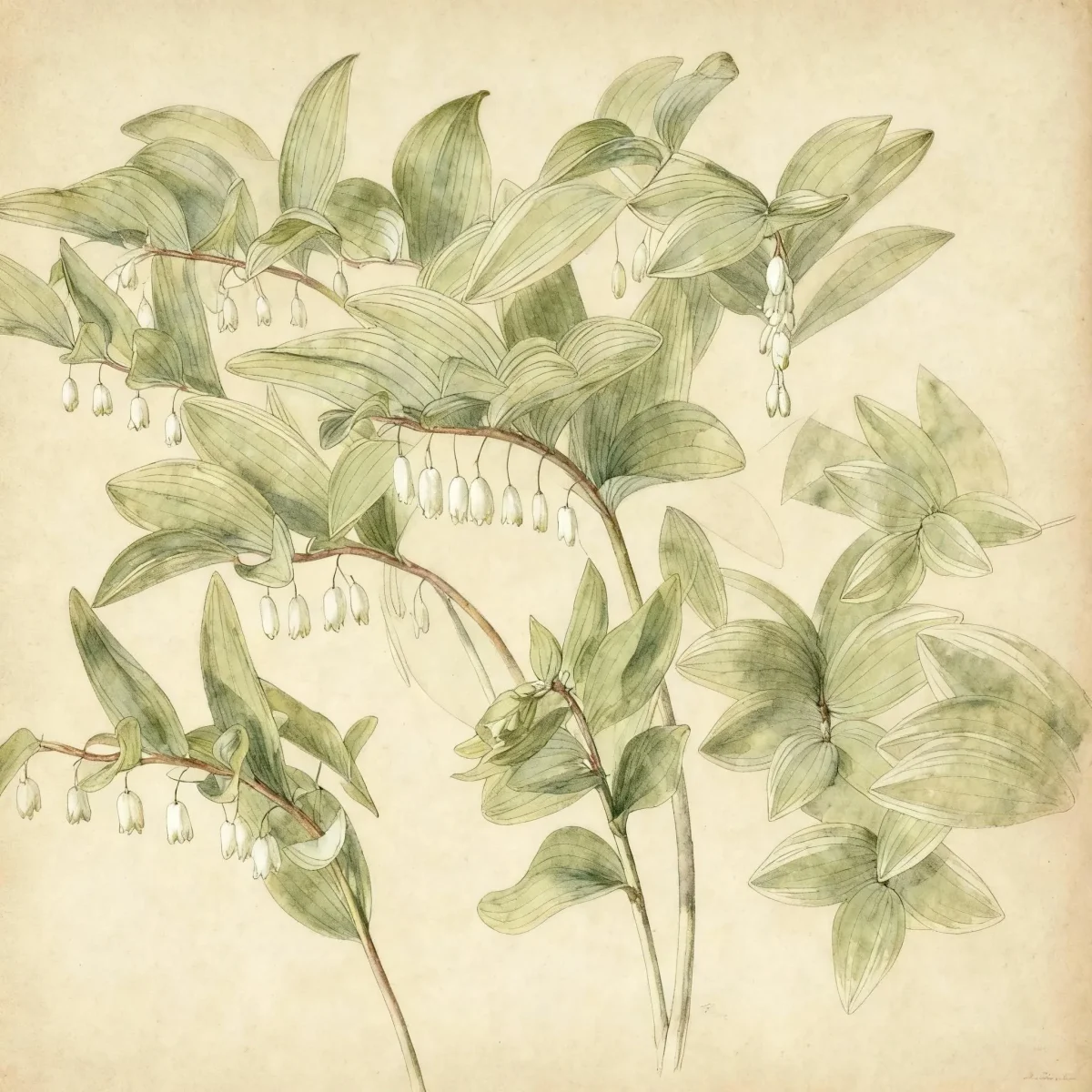
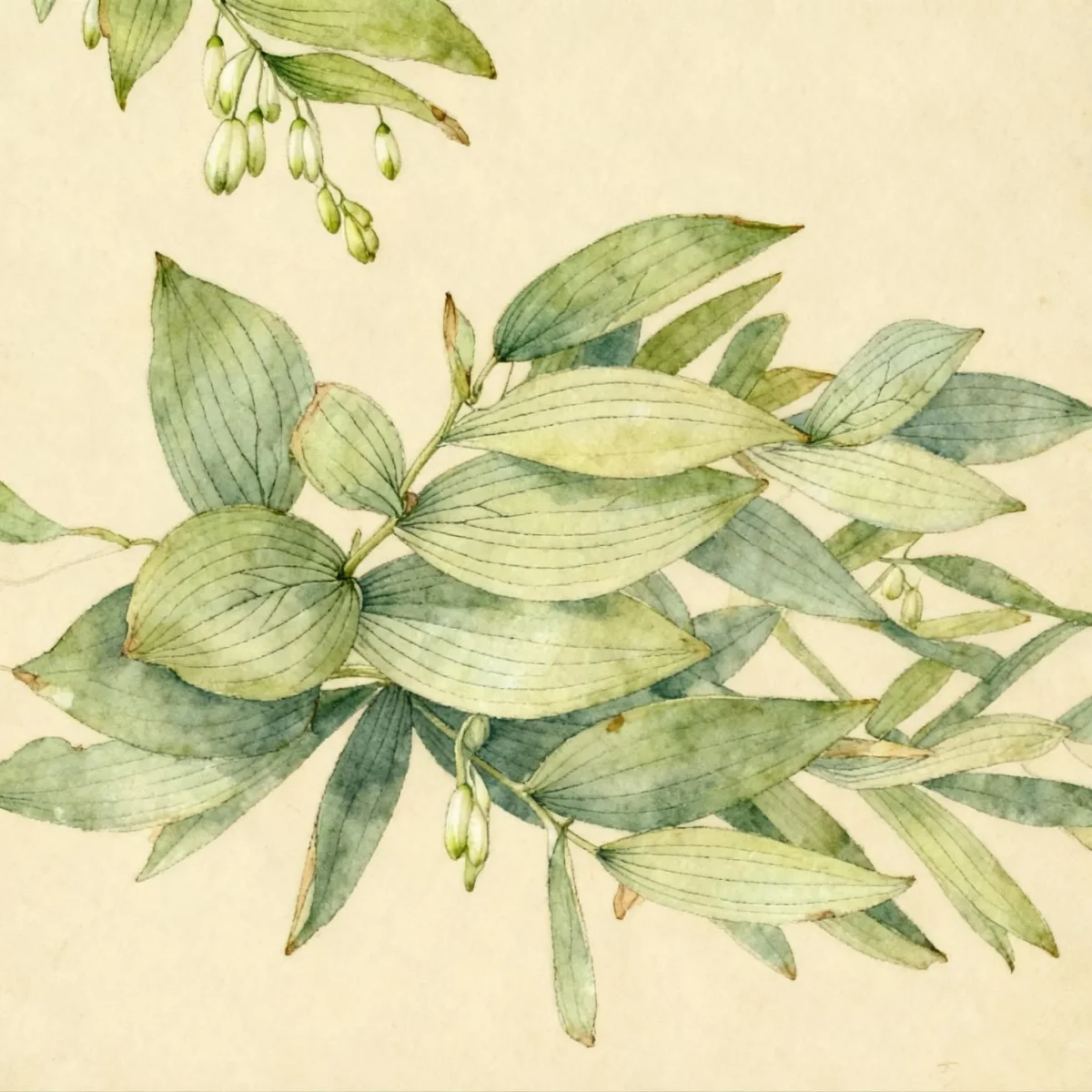
Hosta (Hosta longissima)
Hosta longissima offers elegant, strap-shaped glossy green foliage perfect for adding texture to deep shade gardens. A low-maintenance Hosta.
Scroll down to discover growing tips, care requirements, companion plants, and more

Complete Plant Information
Overview
The Hosta longissima, commonly known simply as Hosta, is a highly valued herbaceous perennial cherished for its dependable, elegant foliage display. This species features a striking mound of long, strap-shaped, glossy-green leaves that bring essential color and texture to shaded landscapes where many other plants struggle. As a versatile and low-maintenance perennial, the Hosta excels at providing consistent ground cover, helping to suppress unwanted weeds beneath its dense canopy.
This adaptable Hosta thrives across a wide range of conditions, particularly enjoying moist, rich soil and protection from harsh afternoon sun. Though its primary ornamental value lies in its leaves, it occasionally rewards the gardener with pale lavender flower spikes in late summer. The dependability and ease of care associated with Hosta longissima make it a cornerstone plant for virtually any shade garden design.
Fast Facts
- Plant Family: Asparagaceae
- Plant Type: Herbaceous perennial
- Native Range: Japan
- Hardiness Zones: USDA Zones 3-8
- Size at Maturity:
- Height: 0.25-0.5 ft
- Spread: 0.75-1 ft
- Bloom Time: August to September
- Bloom Description: Pale purple
- Sun Exposure: Part shade to full shade
- Water Needs: Medium to wet
- Maintenance Level: Low
How to Grow
Planting Hosta longissima is best done when dormant, either in early spring before the leaves unfurl or in the autumn. Ensure the planting location offers organically rich and well-drained soil. While this Hosta appreciates consistently moist ground, it is notably adaptable, thriving as long as extreme dryness is avoided; full size and quality are best achieved with consistent moisture.
Care is straightforward; focus primarily on consistent watering, applying water directly to the soil beneath the leaves to minimize fungal issues on the foliage. This plant requires little fertilization if the soil is already enriched. Established plants show surprising tolerance for dry shade, especially those with thicker leaves, but never let the soil completely dry out.
Divide clumps as needed, typically in spring or fall, though spring division is usually easiest before significant new growth emerges. To maintain peak condition, ensure the location is protected from strong winds, which can potentially damage the arching leaves of this attractive Hosta variety.
Landscape Uses
Hostas are fundamental elements when designing shaded settings, filling niches where vibrant perennial color is hard to achieve. The low-growing stature of Hosta longissima makes it an excellent choice for the border front, where it can soften the edges of pathways or larger plantings. Its dense foliage also functions admirably as a small-area groundcover, effectively crowding out many common garden weeds.
For woodland or rock gardens, this dependable perennial integrates beautifully with ferns and woodland bulbs. Furthermore, its tolerance for difficult conditions, including wet or boggy areas, means it performs well along the margins of streams or ponds, making it a truly versatile shade garden mainstay.
Standout Features
Flower Qualities
- Showy
- Good Cut
Noteworthy Characteristics
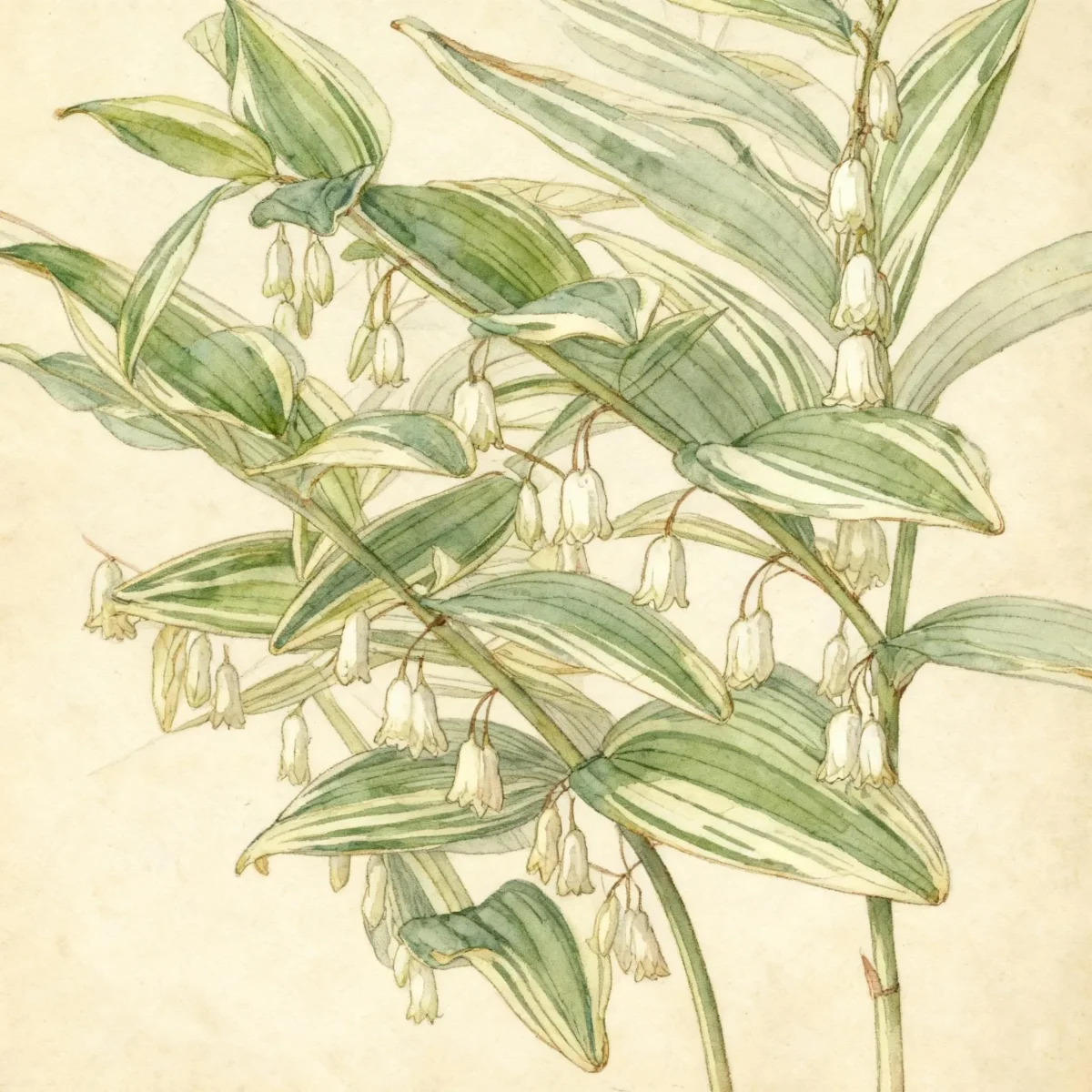
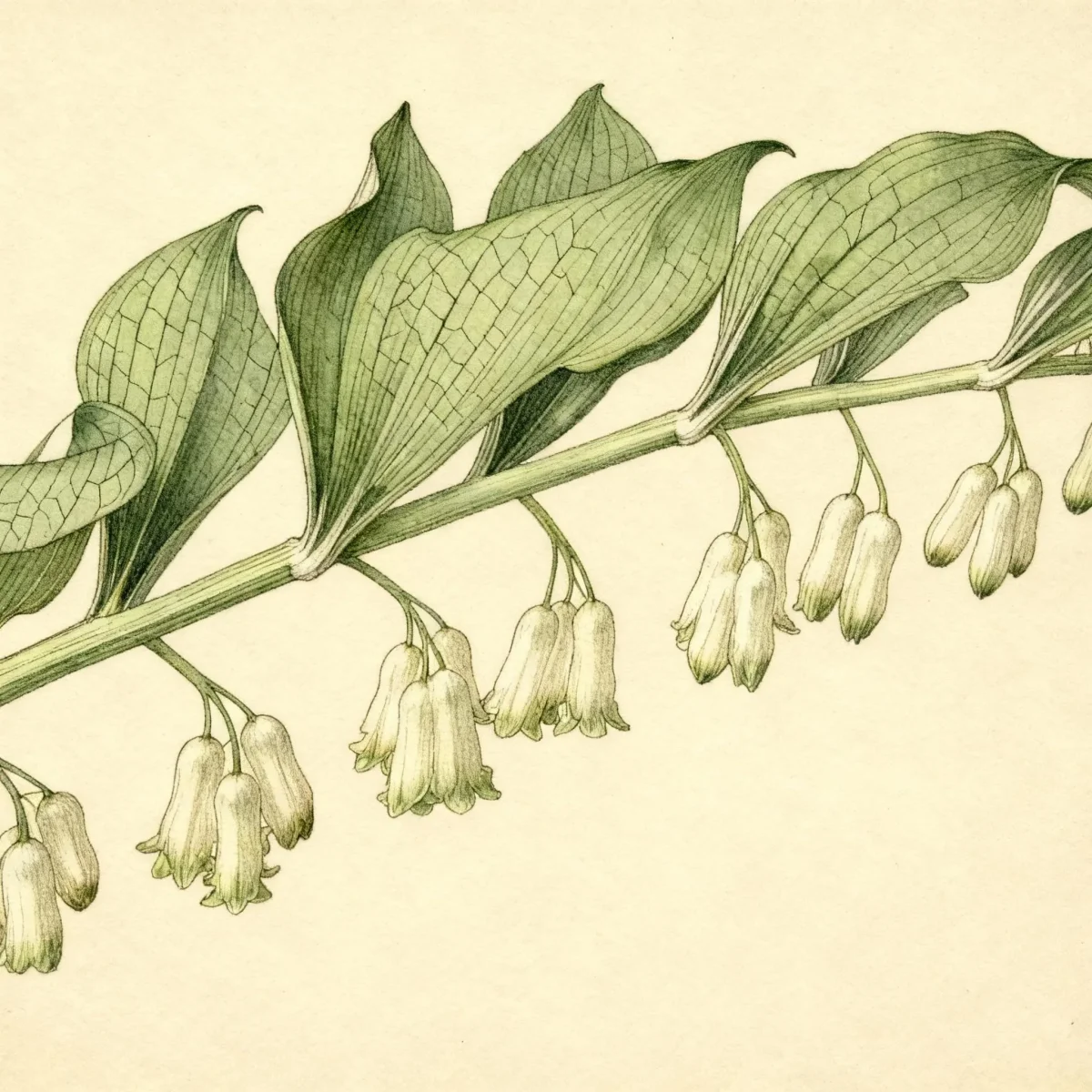
Features a mound of strap-shaped, arching, glossy-green leaves which appear to arise directly from the crown, with racemes of funnel-shaped, pale lavender flowers on 20” scapes. A dependable and versatile perennial requiring little care. Grown primarily for its beautiful foliage which provides color, contrast and texture to the landscape. Dense foliage crowds out most garden weeds. Genus name honors Austrian botanist Nicholas Thomas Host (1761-1834) and was first established in 1812. The genus was subsequently renamed in 1817 as Funkia in honor of botanist Heinrich Christian Funk under the belief at that time that Hosta was an invalid name. Hosta was finally reinstated as the genus name in 1905 by the International Botanical Congress. Specific epithet means very long.
Tolerances
- Heavy Shade
- Black Walnut
Potential Problems
While hostas are celebrated for being virtually disease and pest-free requiring minimal culture, gardeners must remain vigilant against slugs and snails, which can cause significant cosmetic damage to the leaves. Leaf spots and crown rot present lesser, though still possible, threats, often linked to excessive water retention or humidity. Prevention focuses on ensuring good air circulation and improving soil drainage; if slugs become an issue, management strategies should be implemented promptly to protect the aesthetic appeal of your Hosta foliage.
Frequently Asked Questions
What hardiness zones is Hosta suitable for?
This Hosta variety is suitable for USDA Zones 3 through 8.
How large does Hosta longissima grow?
At maturity, Hosta longissima typically reaches a height of 0.25 to 0.5 feet and spreads between 0.75 and 1 foot wide.
What sun exposure does Hosta need?
It prefers full shade but will perform well in part shade, ideally receiving dappled light or gentle morning sun.
When does Hosta longissima bloom?
The pale purple, funnel-shaped flowers typically appear later in the season, blooming from August through September.
Conclusion
The Hosta longissima remains an indispensable plant for adding dependable structure and rich green color to the darkest corners of the garden. Its minimal care requirements and tolerance for challenging conditions make this Hosta an excellent choice for beginners and experienced gardeners alike. Before planting, confirm that your local climate falls within USDA Zones 3-8 and plan to install it in moist, well-amended soil to ensure a thriving performance throughout the season.
Companion Planting
When designing a shaded border featuring Hosta longissima, selecting companions that share its moisture and light needs is crucial. Ferns, such as Japanese Painted Fern (Athyrium niponicum), offer contrasting textures while thriving in similar heavy shade conditions. Consider woodland Phlox (Phlox divaricata) or Bloodroot (Sanguinaria canadensis) to add brief bursts of early spring color before the Hosta foliage fully matures for the summer display.
Deep shade plantings also benefit from materials that offer textural contrast. Hosta longissima’s smooth, arching leaves pair beautifully with the finely cut foliage of Astilbe, provided the soil remains consistently moist. Using these complementary plantings helps create a lush, multi-layered effect in areas where sunlight is scarce.
Propagation Tips
The primary and easiest method for increasing your supply of Hosta longissima is through division. This process directly rejuvenates overcrowded clumps and allows you to share desirable plants. Division should ideally be performed either in early spring, just as the shoots begin to emerge from the soil, or in the early autumn as the plants start to slow their growth cycle.
To divide, carefully lift the entire clump using a sharp spade or garden fork. Gently tease the roots apart, ensuring each new section retains several healthy shoots and a substantial root mass. Replant the divisions promptly into prepared soil at the same depth they were previously growing, and ensure they receive adequate water immediately following the process to minimize transplant shock.