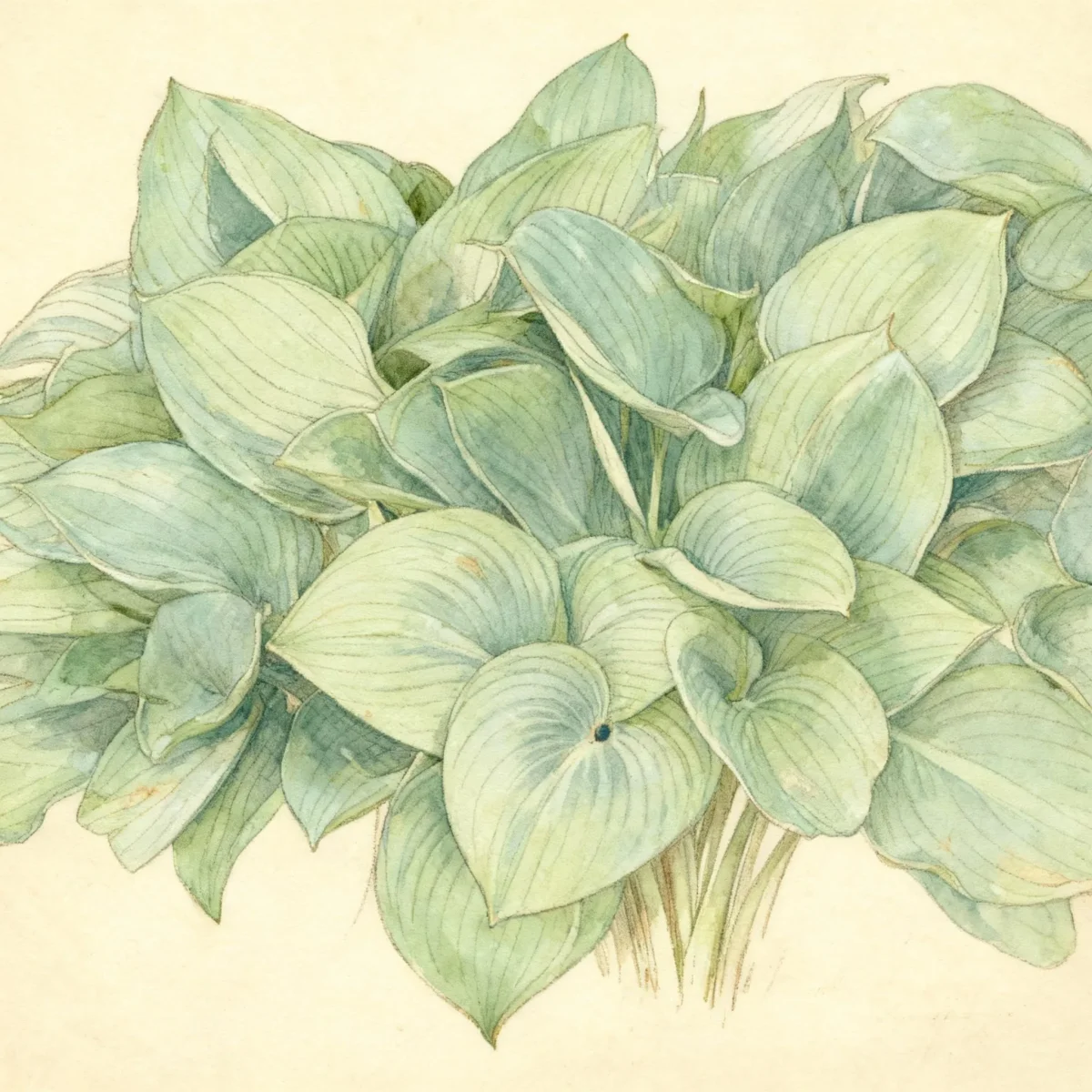
Hosta (Hosta rupifraga)
Hosta rupifraga offers a mound of wavy, rich green foliage perfect for deep shade gardens. A low-maintenance Hosta.
Scroll down to discover growing tips, care requirements, companion plants, and more
Complete Plant Information
Overview
The Hosta rupifraga is a superb choice for gardeners seeking defined texture and reliable performance in challenging, low-light environments. This variety contributes a consistent mound of foliage that provides essential structure and contrast beneath dense tree canopies. Known widely as Hosta, this specific species is beloved for its dependability and minimal cultural demands.
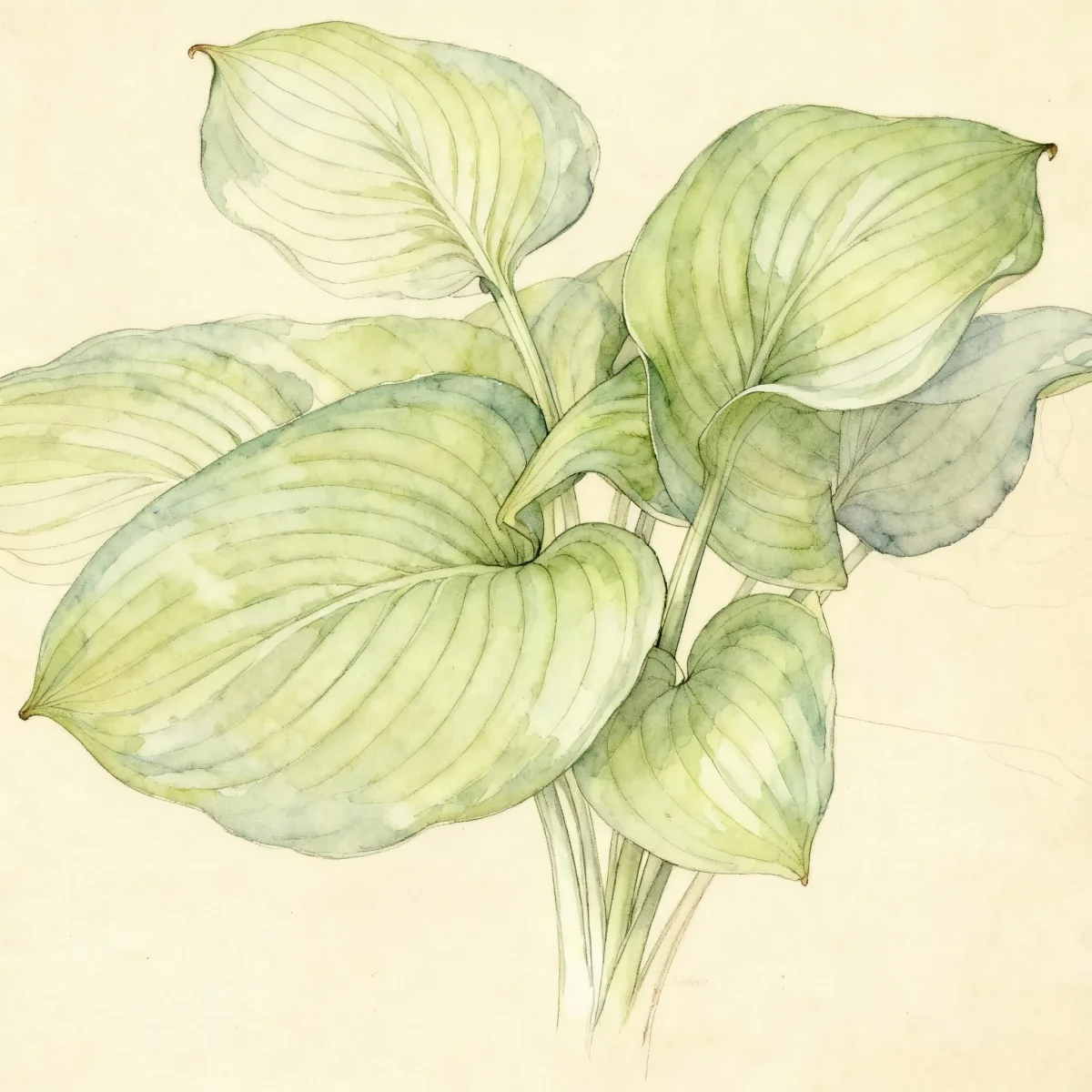
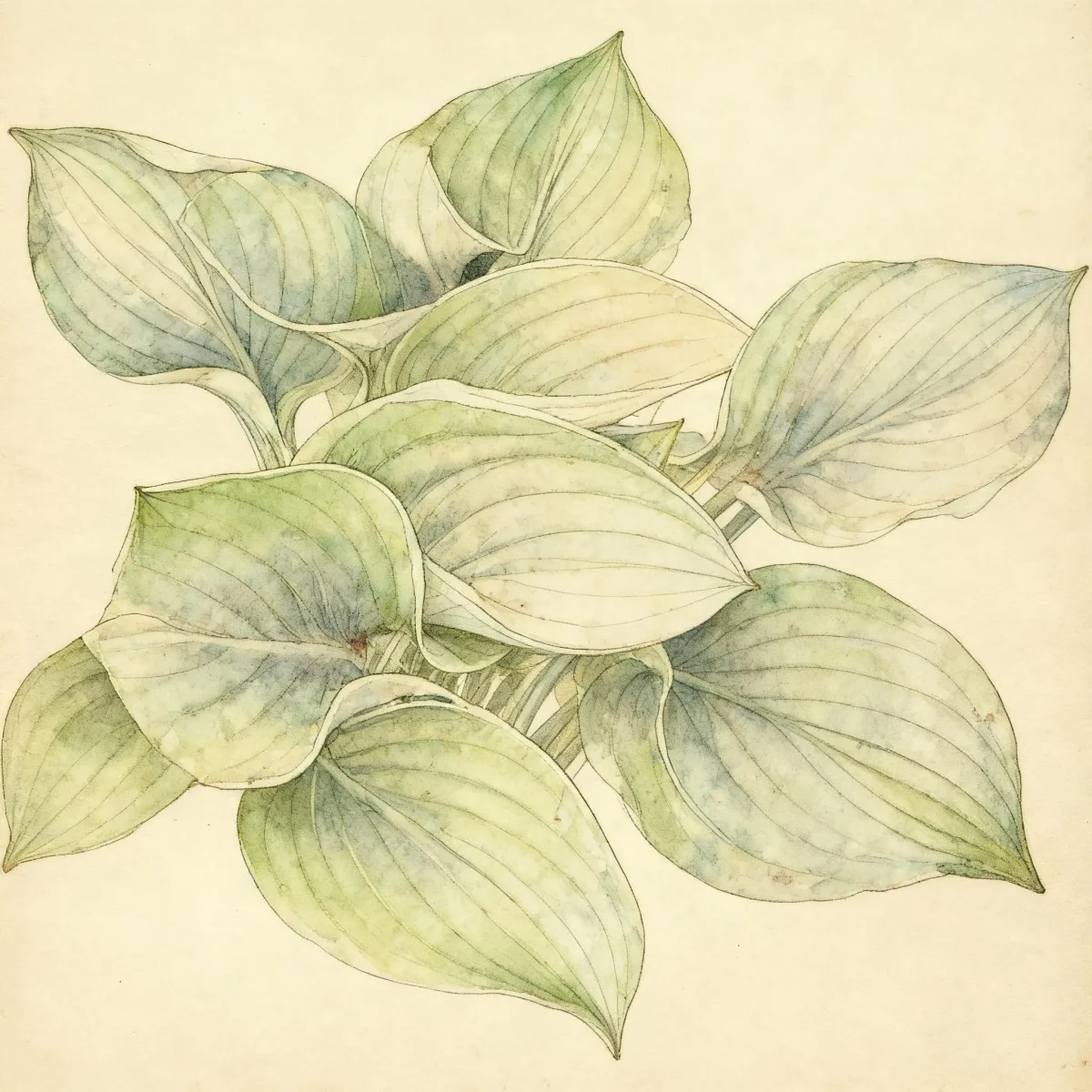
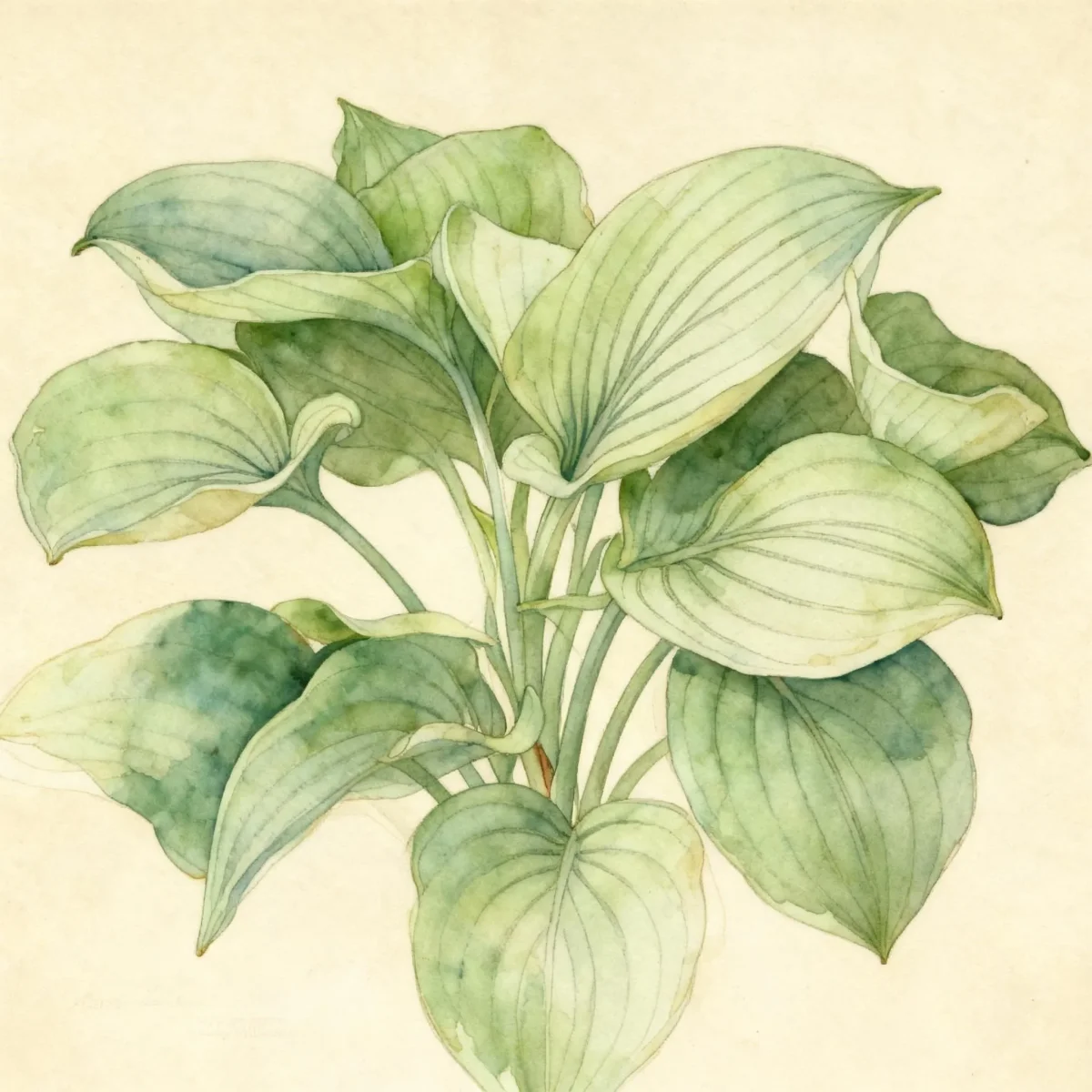
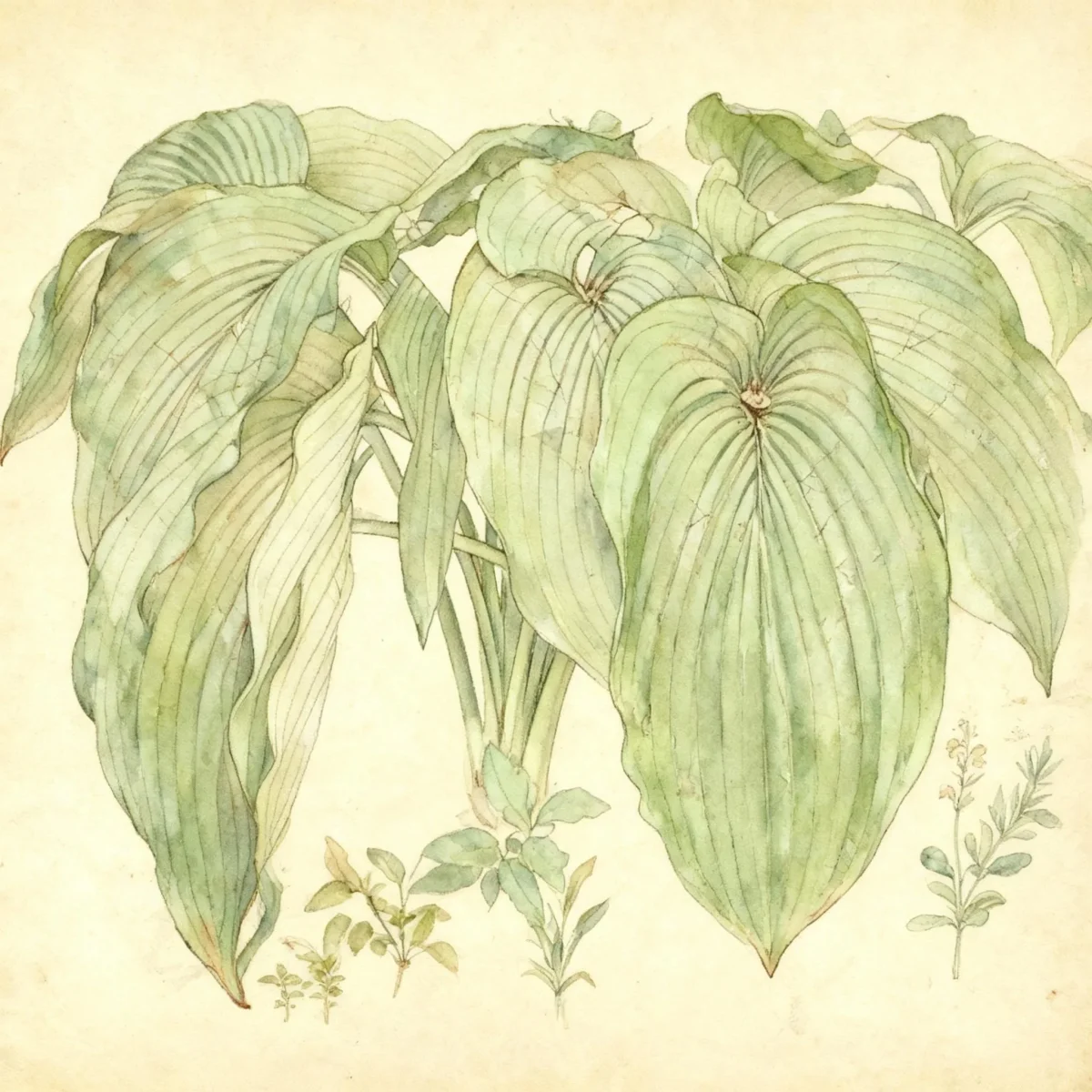
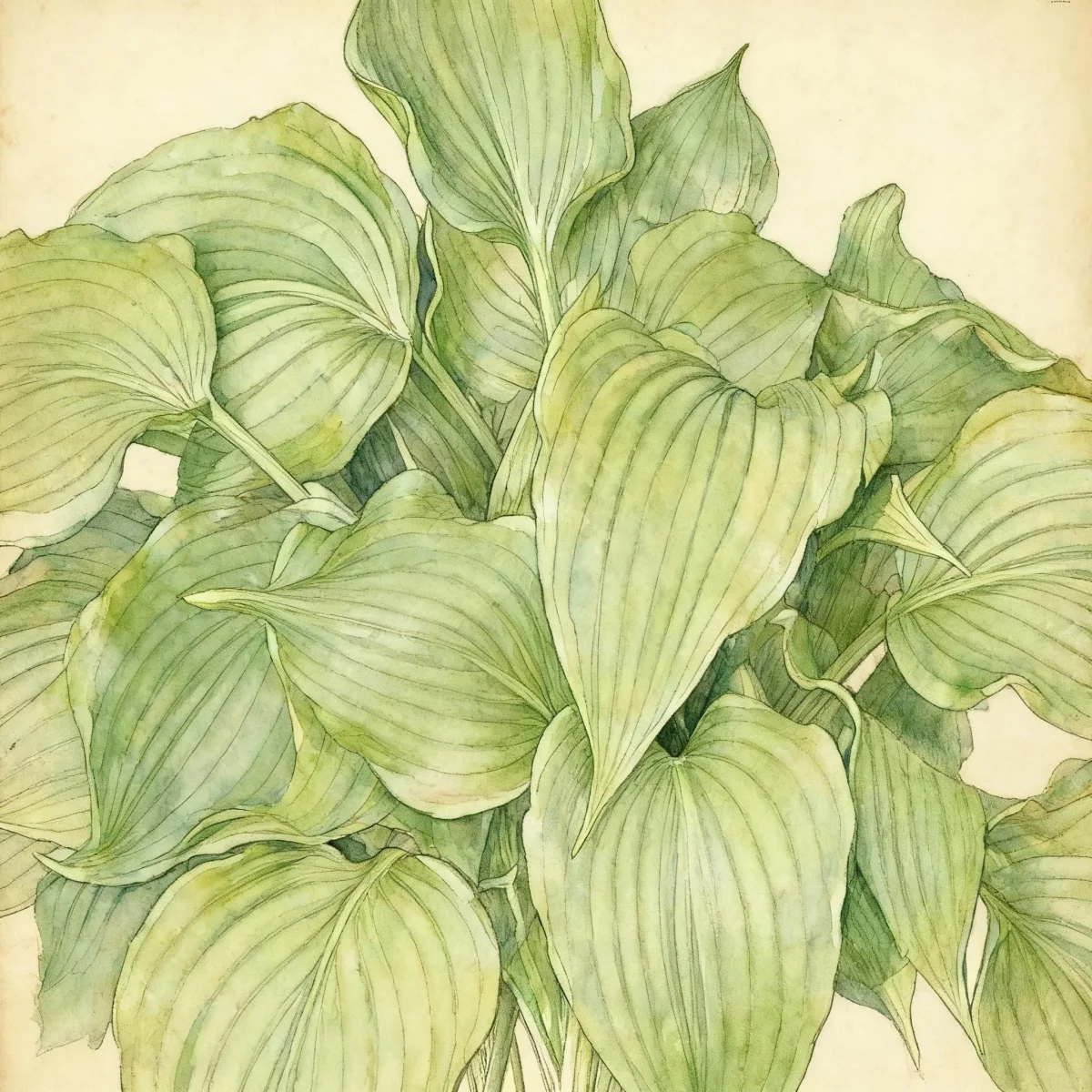
A striking feature of Hosta rupifraga is its ovate, leathery leaves, which possess a naturally wavy margin, catching the light even in deep shade. When it blooms, racemes of lavender flowers rise well above the foliage, adding a delicate vertical element to the otherwise mounded shape. As a low-maintenance perennial, it forms a dense ground cover that quickly suppresses unwanted weeds.
This versatile plant thrives across a wide climate range, making it a go-to foundation plant for woodland settings and shady borders. Its ability to withstand heavy shade and even the roots of Black Walnut trees secures its place as a truly adaptable landscape workhorse.
Fast Facts
- Plant Family: Asparagaceae
- Plant Type: Herbaceous perennial
- Native Range: Japan
- Hardiness Zones: USDA Zones 3-8
- Size at Maturity:
- Height: 0.75-1 ft
- Spread: 1-1.5 ft
- Bloom Time: August to September
- Bloom Description: Lavender
- Sun Exposure: Part shade to full shade
- Water Needs: Medium
- Maintenance Level: Low
How to Grow
Planting Hosta rupifraga is best done in the spring or fall once the threat of severe frost has passed. Ensure the location receives adequate shade, as intense afternoon sun will scorch the attractive foliage. This Hosta performs best when situated in rich, moist soil that drains adequately. Amending heavy clay with organic matter before planting will significantly improve drainage and nutrient availability.
Once established, care is minimal. Maintain medium soil moisture, especially during dry summer spells, as Hosta does not tolerate drying out completely. While it appreciates rich soil, heavy fertilization is usually unnecessary; slow-release organic mulch applied in the spring will suffice for most needs. No routine pruning is required, aside from potentially cutting back the spent flower scapes if desired.
For winter preparation in colder zones (3-5), the foliage will die back naturally. Apply a protective layer of mulch once the ground freezes to help insulate the crown, though this dependable Hosta generally handles winter well without excessive effort. Spring cleanup involves removing any remaining dead foliage to keep the area tidy and allow new growth to emerge cleanly.
Landscape Uses
Hostas are a mainstay of the shade garden, and this small to medium variety is exceptionally useful for defining spaces where lawn grasses fail. Use Hosta rupifraga as an effective, dense edging plant along shady pathways or under the high canopy of mature trees where other perennials struggle. Its dense foliage crowds out most garden weeds, providing superior ground cover when massed together.
When planning companions, select plants that enjoy similar conditions—rich, moist soil and protection from harsh sun. Ferns offer complementary texture, while subtle white-flowering woodland plants like Astilbe or Brunnera provide visual interest alongside the rich green mound of the Hosta. This plant excels when utilized as a contrasting element against leafier, lighter-colored shade partners.
Because of its relatively contained size (up to 1.5 ft spread), Hosta rupifraga works perfectly when interspersed within mixed perennial borders, adding texture throughout the season. Its tolerance for Black Walnut root competition makes it invaluable for planting near these often-challenging native trees.
Standout Features
Flower Qualities
- Showy
- Good Cut
Noteworthy Characteristics
Hoasta rupafraga features a mound of wavy, leathery, ovate, shiny green leaves with racemes of lavender flowers on 20” scapes. A dependable and versatile perennial requiring little care. Grown primarily for its beautiful foliage which provides color, contrast and texture to the landscape. Dense foliage crowds out most garden weeds. The genus name honors Austrian botanist Nicholas Thomas Host (1761-1834), and the specific epithet means growing in the clefts of rocks.
Tolerances
- Heavy Shade
- Black Walnut
Potential Problems
Although slugs and snails can be serious problems, and leaf spots and crown rot lesser problems, hostas are otherwise virtually disease and pest-free and are ideal, low-maintenance garden perennials. Control of gastropods is the most crucial cultural management practice for Hosta growers. Apply iron phosphate baits early in the season before slugs move into high activity, or check regularly for shiny slime trails.
To prevent fungal issues like leaf spots or crown rot, ensure excellent soil drainage, even in heavy shade. Avoid overhead watering late in the day, which leaves foliage wet overnight. Because Hosta rupifraga is so low maintenance otherwise, consistent monitoring for these few pests and diseases will ensure a beautiful display year after year.
Frequently Asked Questions
What hardiness zones is Hosta suitable for?
This versatile Hosta variety is suitable for USDA Zones 3 through 8.
How large does Hosta rupifraga grow?
At maturity, Hosta rupifraga typically reaches heights between 0.75 and 1 foot, spreading to about 1 to 1.5 feet wide.
When does Hosta rupifraga bloom?
This species blooms later in the season, typically blooming from August through September with pleasant lavender flowers.
What sun exposure does Hosta need?
This perennial requires part shade to full shade conditions to prevent leaf scorch and maintain its vibrant green color.
Conclusion
The Hosta rupifraga stands out for its tough constitution and gorgeous foliage texture, proving itself an expert at handling deep shade and difficult soil conditions. This dependable perennial requires very little from the gardener, offering a lush, dense ground cover in return. Before planting, confirm your existing conditions align with USDA Zones 3-8 suitability and ensure the planting site offers the medium moisture this Hosta craves.
Companion Planting
When designing a shade garden around Hosta rupifraga, focus on juxtaposing leaf shapes and textures to maximize visual impact. Plants with fine, airy textures, like various woodland ferns, complement the solid mound of Hosta foliage beautifully. Similarly, groundcovers that offer early spring color, such as Epimedium or blue shade-loving Vinca, can fill in gaps before the Hosta completely thickens its cover.
Consider the bloom times of your neighbors; since the Hosta blooms late (August/September), pair it with plants that finish flowering earlier. This ensures continuous interest from early spring through fall. The lavender flowers of Hosta rupifraga harmonize well with white or soft yellow blooms from companion perennials like Tiarella or light-colored Hellebores.
Propagation Tips
The primary propagation method for Hosta rupifraga is division, which is easily performed due to its herbaceous nature. Wait until early spring just as the new shoots are beginning to emerge, or alternatively, divide in early fall. Dig up the entire clump and gently tease apart the root structure, ensuring each new division has several healthy eyes (growth points) attached to a substantial root section.
Ensure immediate replanting after division to prevent the roots from drying out, which is particularly important for these moisture-loving perennials. This division process rejuvenates older clumps, improves air circulation around the base of the plants, and provides you with new, free specimens for other shady areas in your garden.