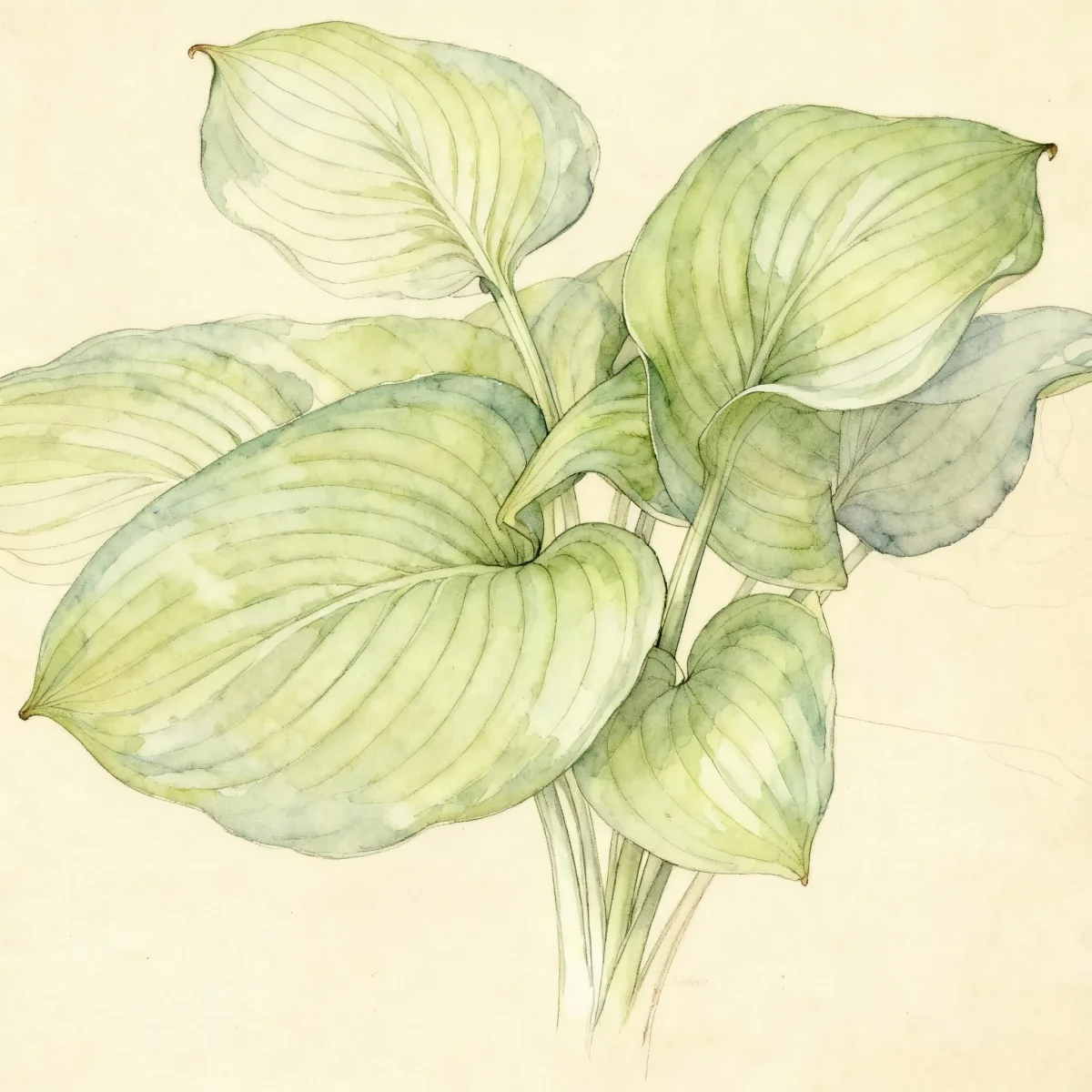
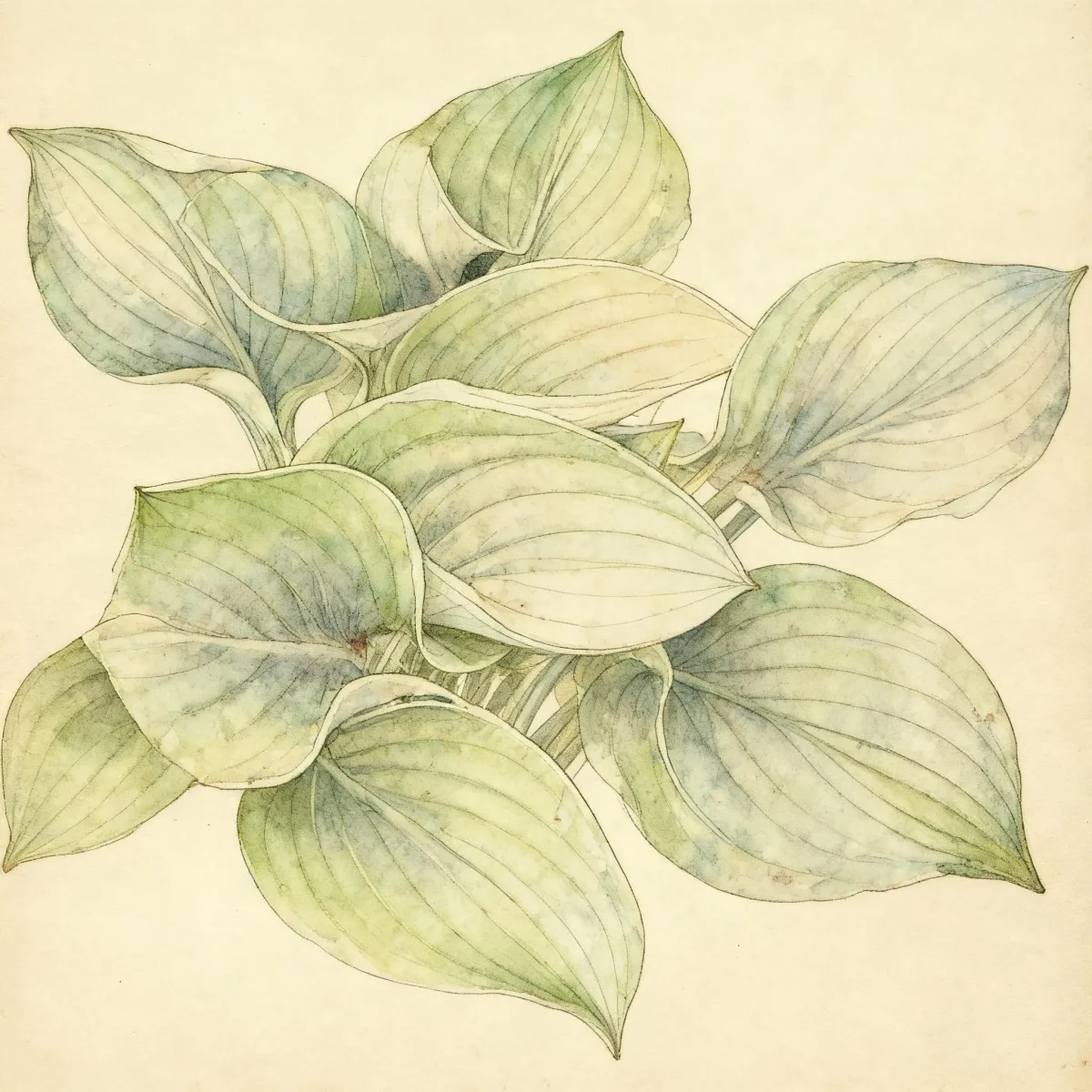
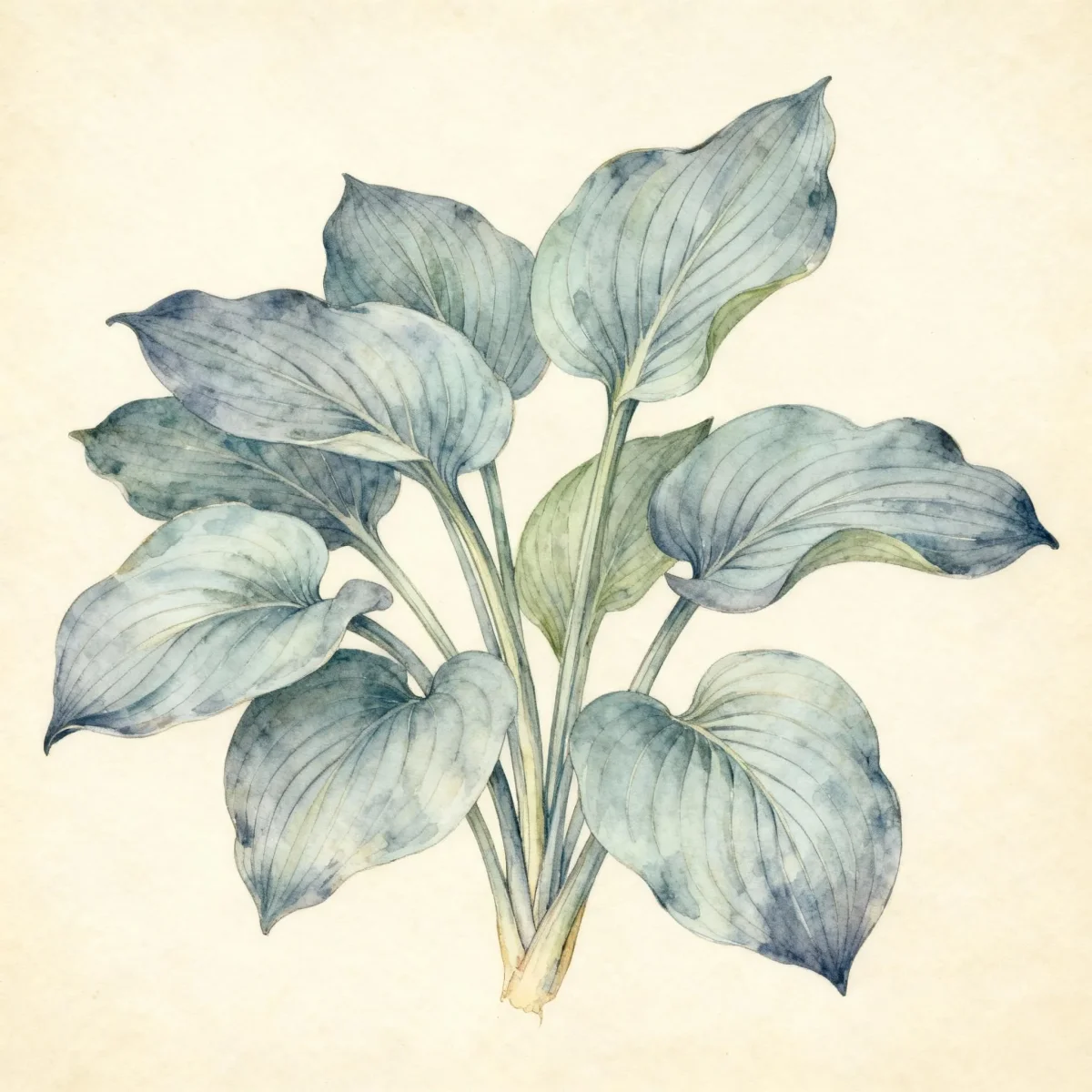
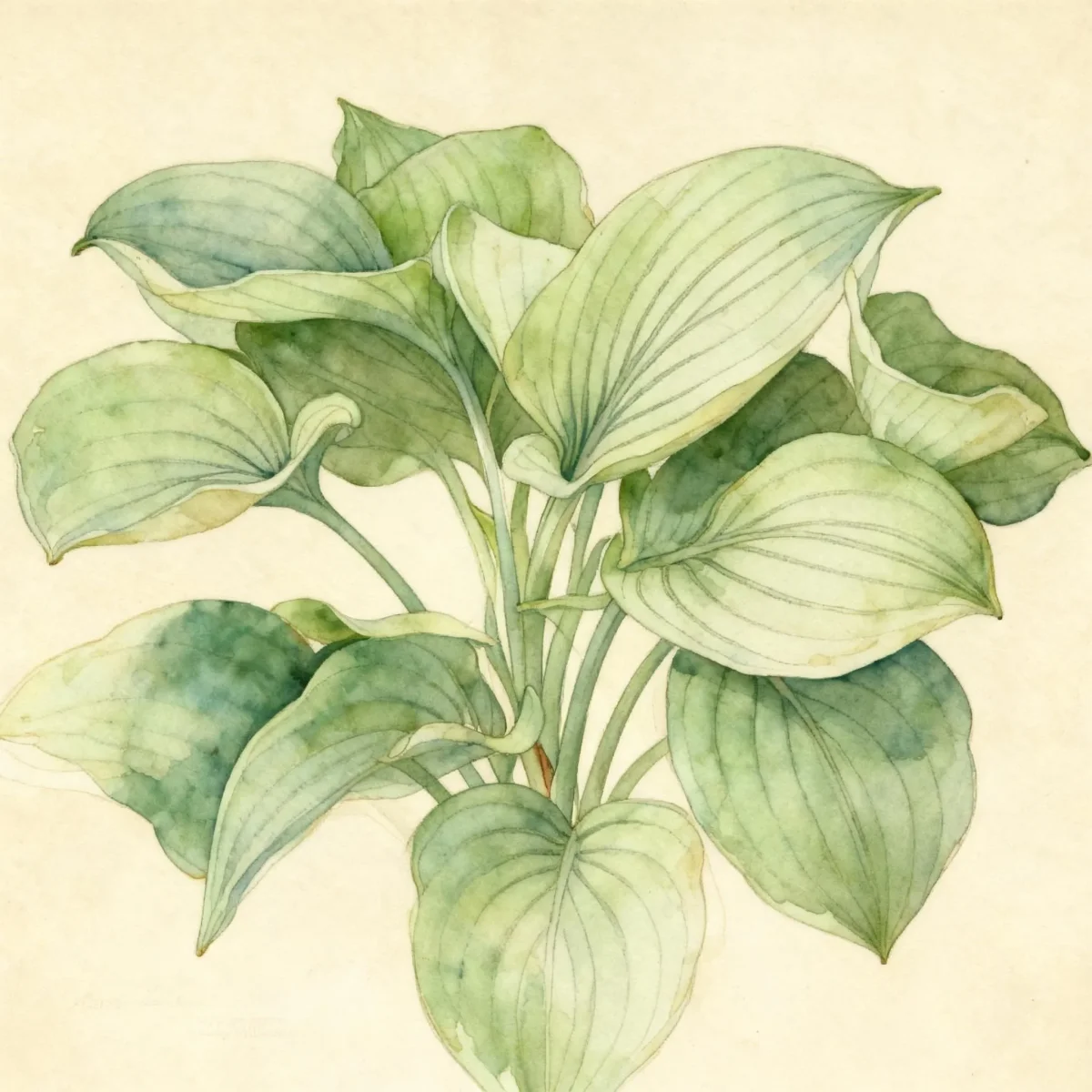
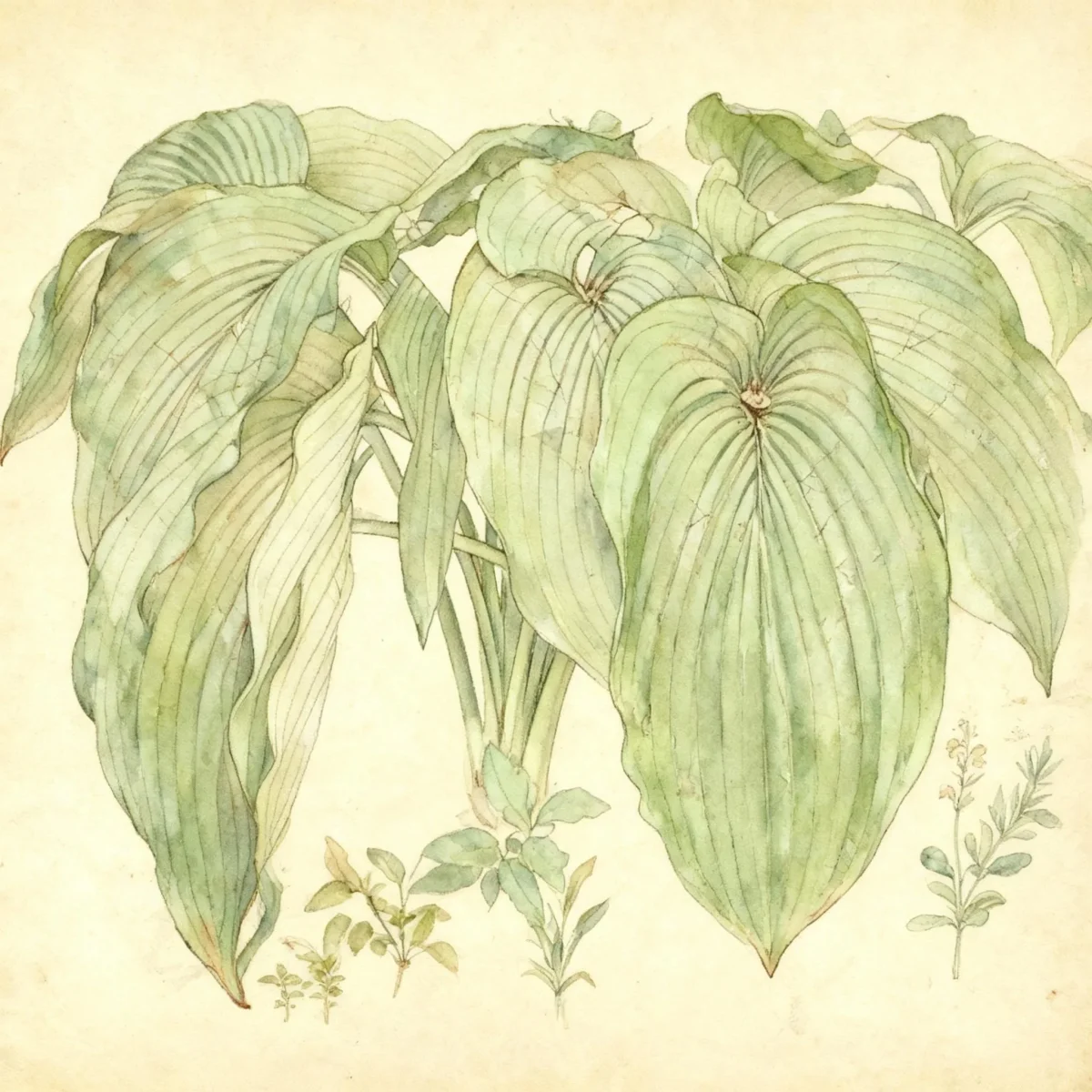
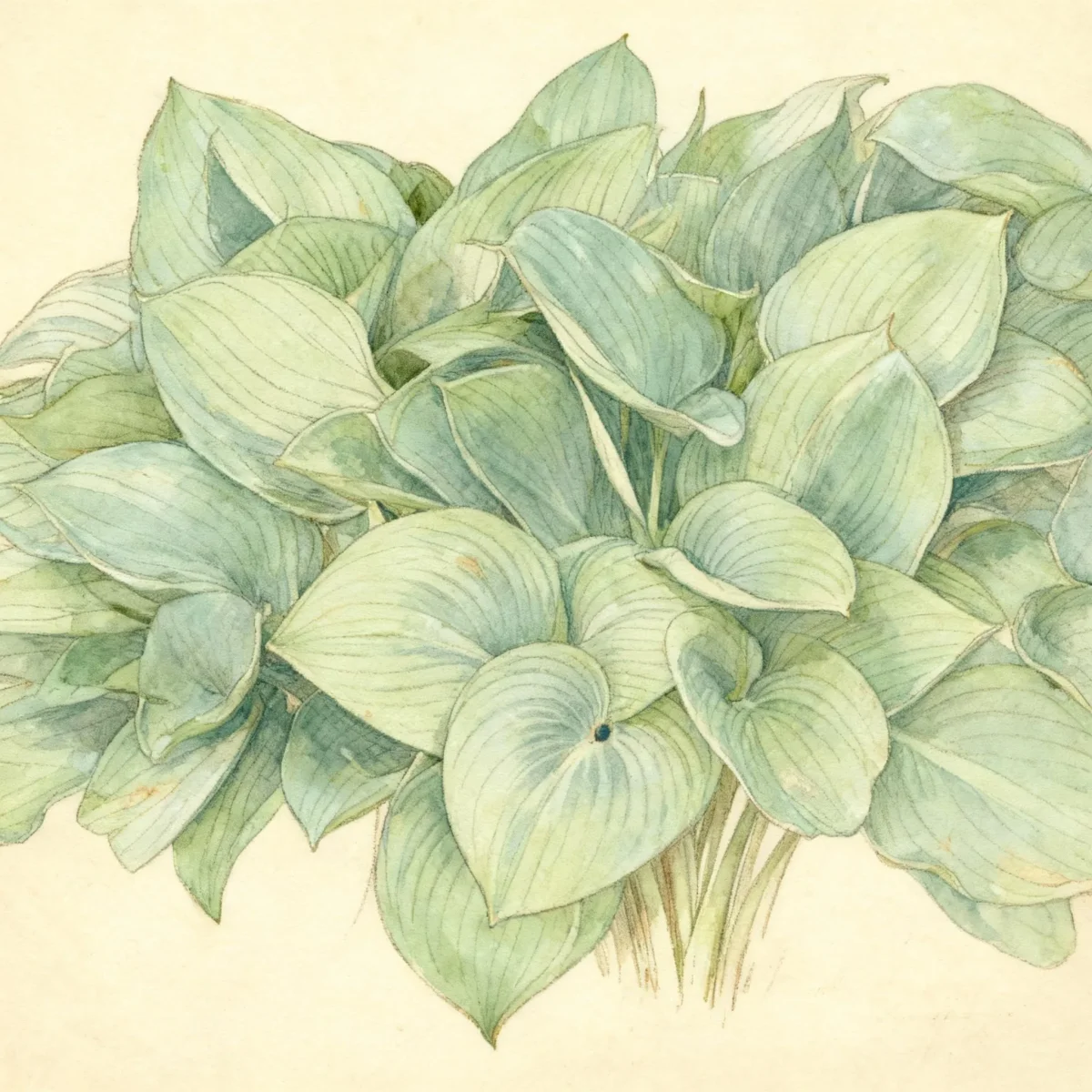
Hosta (Hosta sieboldiana)
Hosta sieboldiana, a large, low-maintenance perennial, offers thick, puckered green leaves and white summer blooms, ideal for deep shade.
Scroll down to discover growing tips, care requirements, companion plants, and more
Complete Plant Information
Overview
Hosta sieboldiana is a classic choice for gardeners seeking substantial foliage impact in deeply shaded areas. This species is renowned for its large, thick leaves, which provide excellent texture and structure throughout the growing season, making it a cornerstone of woodland and shade gardens. Experienced gardeners value this Hosta for its reliable performance and surprisingly low maintenance requirements across a wide range of conditions.
Native to Japan and Korea, the Hosta excels as a clump-forming perennial. It naturally spreads to form a robust mound, often reaching up to five feet wide, and its leaves frequently emerge with a beautiful smoky-blue cast before settling into deep green. Its resilience, particularly its tolerance for heavy shade and less-than-ideal soil situations, secures the status of Hosta sieboldiana as a gardener’s favorite.
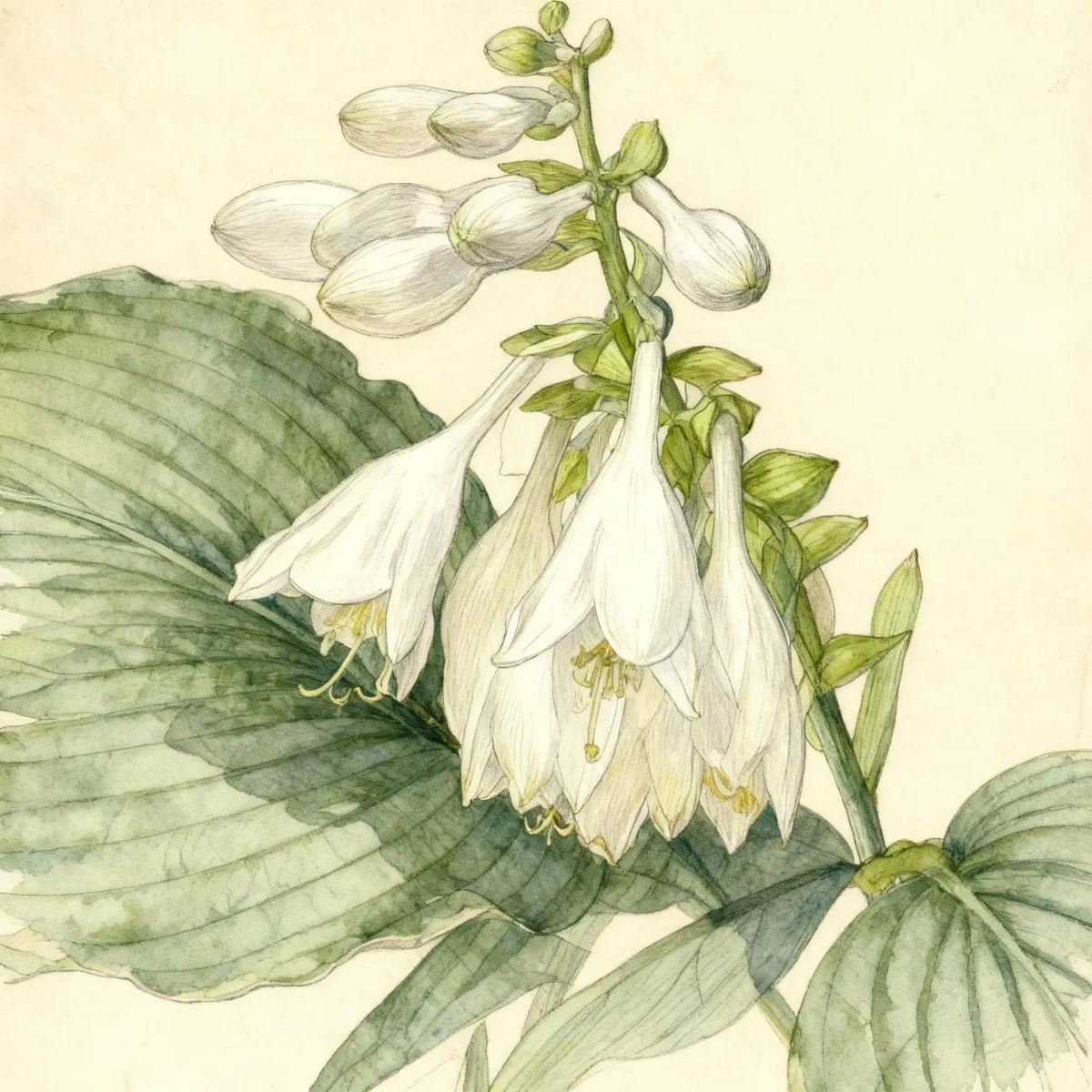
When it flowers, Hosta sieboldiana produces attractive, funnel-shaped white blooms in mid-summer, rising slightly above the dense foliage mound. This combination of durable green leaves and delicate summer flowers offers dual aesthetic benefits, providing consistent visual weight and seasonal interest. This particular Hosta variety is exceptionally suited for mass plantings where a broad, textural foundation is desired.
Fast Facts
- Plant Family: Asparagaceae
- Plant Type: Herbaceous perennial
- Native Range: Korea, Japan
- Hardiness Zones: USDA Zones 3-8
- Size at Maturity:
- Height: 1.5-2 ft
- Spread: 4-5 ft
- Bloom Time: June to July
- Bloom Description: White
- Sun Exposure: Part shade to full shade
- Water Needs: Medium
- Maintenance Level: Low
How to Grow
Planting Hosta sieboldiana is best done in spring or fall when temperatures are mild, ensuring the perennial has time to establish a strong root system before summer heat or winter freeze. These plants perform well in average, well-drained soils but thrive when provided with rich, moist, organic matter. While they tolerate adverse conditions, they perform best in light shade with gentle morning sun exposure; avoid harsh, direct afternoon sun which can scorch the substantial leaves.
Watering requirements are medium, but consistency is key. Perform deep watering directly to the soil beneath the leaves, especially during the growing season, as consistent moisture maximizes leaf size and vigor. While young plants require regular attention, established Hosta tolerate some dry shade once settled. Little to no fertilization is usually required if the soil is rich in compost.
Maintenance for this large Hosta is generally low. Deadheading spent flower scapes is optional, often done for aesthetic reasons rather than plant health. If overcrowding occurs, division can be performed either in early spring before the leaves unfurl—which is the easiest time—or in autumn. Minimal cleanup is needed after dormancy, though removing old foliage in early spring keeps the patch looking tidy.
Landscape Uses
Hostas, including the magnificent Hosta sieboldiana, are the undisputed backbone of any shade garden design. Their commanding presence, driven by large, cupped leaves, makes them highly effective when grouped together or massed under deciduous trees where turfgrass won’t thrive. The impressive size of this specific cultivar allows it to anchor borders or serve as a dramatic groundcover in woodland settings.
For complementary planting, pair Hosta sieboldiana with fine-textured perennials that contrast nicely with its thick, puckered foliage. Consider using white-blooming Astilbes, Japanese Forest Grass (Hakonechloa), or ferns like Athyrium ‘Ghost’ to enhance the cool, textural qualities of the Hosta. Because of its tolerance for Black Walnut roots and heavy shade, it’s an excellent structural plant for difficult, dry-shade locations beneath large trees.
This Hosta also functions beautifully as a bold edging plant along shaded walkways or patio areas where its robust structure can be appreciated up close. Use it to create repeating horizontal bands of green texture, layering taller, finer-textured shade lovers behind it to achieve maximum depth in your shady borders.
Standout Features
Flower Qualities
- Showy
Noteworthy Characteristics
Hosta sieboldiana is a large hosta native primarily to Japan, recognized as a clump-forming perennial that matures into a vast spreading mound, often exceeding four feet in width. Its significant appeal lies in the thick, puckered, cupped, wide-oval green leaves, which can reach up to 14 inches long and feature distinctive veining. The species produces funnel-shaped, mostly white flowers in early to mid-summer atop upright scapes rising near the foliage height, although plants sold commercially may often be the closely related H. sieboldiana ‘Elegans’.
Tolerances
- Heavy Shade
- Black Walnut
Potential Problems
The primary concern for nearly all Hosta varieties, including Hosta sieboldiana, is damage from slugs and snails. These pests are attracted to the lush foliage, chewing distinctive jagged holes that can quickly mar the appearance of the leaves, especially during wet periods. Management starts proactively; apply slug bait strategically around the perimeter of the planting twice in spring, or use physical barriers like copper tape encircling individual plants or beds.
While less common, fungal issues like leaf spots or crown rot can occur, often linked to poor air circulation or overly saturated, poorly draining soil. Ensure adequate spacing when planting to allow air movement and avoid overhead watering if possible. Furthermore, be aware that sharp environmental events, such as hail storms, can severely damage exposed leaves, though this is temporary damage rather than a systemic disease.
Frequently Asked Questions
What hardiness zones is Hosta suitable for?
This versatile Hosta is suitable for USDA Hardiness Zones 3 through 8, providing dependable perennial structure across a broad range of climates.
How large does Hosta grow?
Hosta sieboldiana typically reaches a height between 1.5 and 2 feet, spreading significantly wider, generally between 4 and 5 feet at maturity.
When does Hosta bloom?
This species offers its visual rewards throughout June to July, displaying attractive white flowers above the dense foliage mound.
What sun exposure does Hosta need?
For best results, ensure Hosta sieboldiana receives part shade to full shade; too much intense afternoon light will certainly scorch the leaves.
Conclusion
Hosta sieboldiana remains an essential plant for adding scale, texture, and resilience to shady landscapes. Its low maintenance needs, combined with its impressive mature size and tolerance for challenging conditions like heavy shade, solidify its value in any garden design. Before planting, confirm your local USDA Hardiness Zone compatibility and plan to amend your soil with organic matter to give this magnificent Hosta the best start.
Companion Planting
When designing a shade garden around Hosta sieboldiana, focus on materials that offer contrasting textures and colors to highlight the Hosta’s broad, cupped leaves. Shade-tolerant bulbs, like Snowdrops or Camassia, offer early spring interest before the Hosta unfurls completely. Later in the season, consider pairing it with Brunnera ‘Jack Frost’ for silver leaf contrast or Japanese Painted Ferns (Athyrium niponicum) for lacy, variegated texture.
Heuchera (Coral Bells) planted nearby can offer contrasting foliage colors, ranging from deep purple to lime green, providing year-round variety near the base of the Hosta. Ensure companion plants share similar medium water needs; plants that require intense dryness will struggle alongside this moisture-loving perennial, especially while it is establishing its large root system.
Propagation Tips
The most straightforward and reliable method for increasing your supply of healthy Hosta sieboldiana is crown division. This technique should ideally be performed in early spring just as the new shoots (eyes) are beginning to emerge from the soil, or sometimes in the fall once the plant has stopped actively growing. Use a sharp, clean spade or garden fork to carefully dig up the entire clump.
Once excavated, gently tease or slice the root ball into sections, ensuring each section retains a healthy mass of roots and at least two or three growth buds (eyes) attached to a piece of crown tissue. Replant the new divisions immediately into prepared, rich soil at the same depth they were previously growing, ensuring they are well-watered in to minimize transplant shock. Division is often easiest on this large, mature Hosta species but should only be done every four or five years to maintain the clump’s vigor.