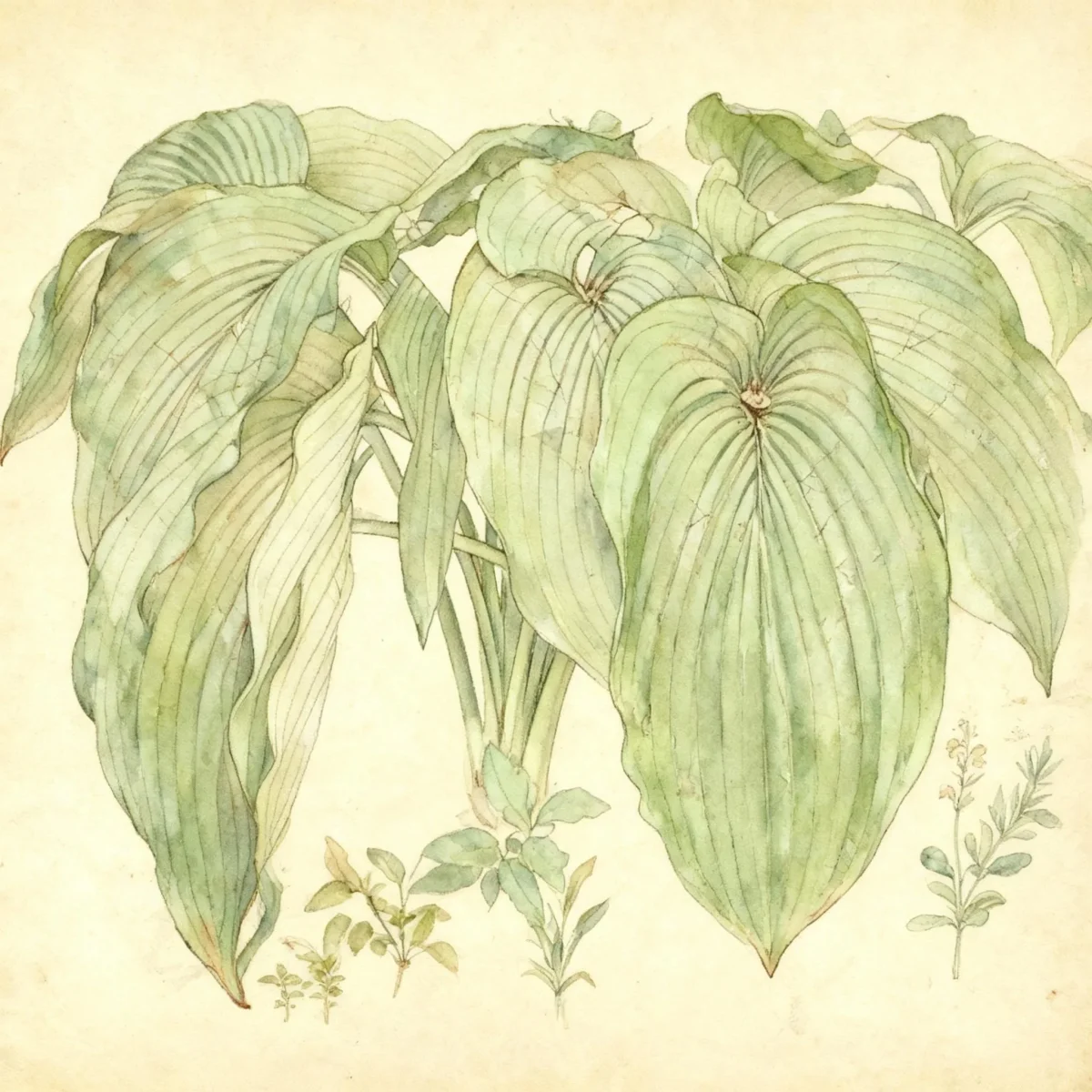
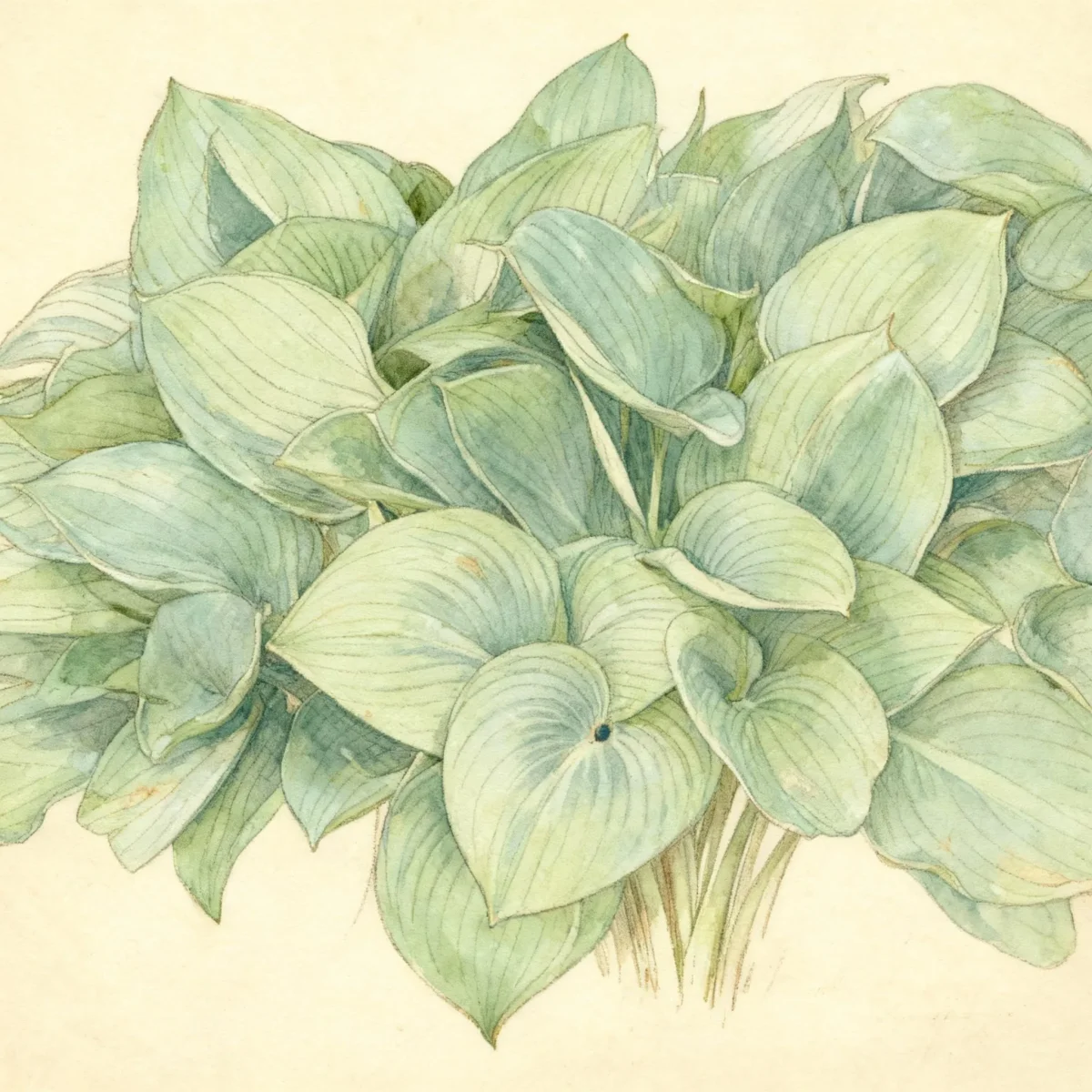
Hosta (Hosta sieboldiana 'Frances Williams')
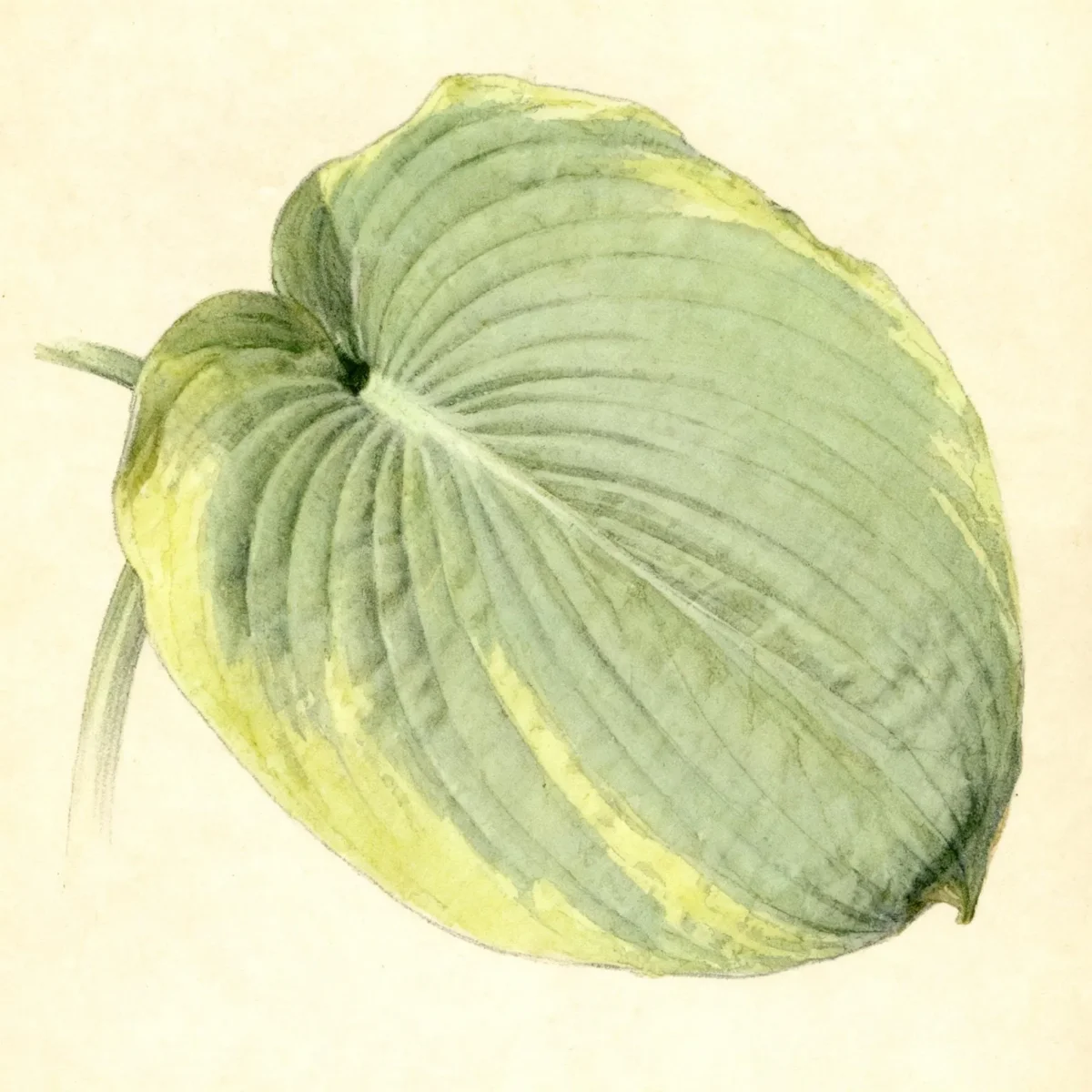
Hosta sieboldiana 'Frances Williams' offers huge, blue-green leaves with striking greenish-yellow margins. Low maintenance perennial for deep shade gardens.
Scroll down to discover growing tips, care requirements, companion plants, and more
Complete Plant Information
Overview
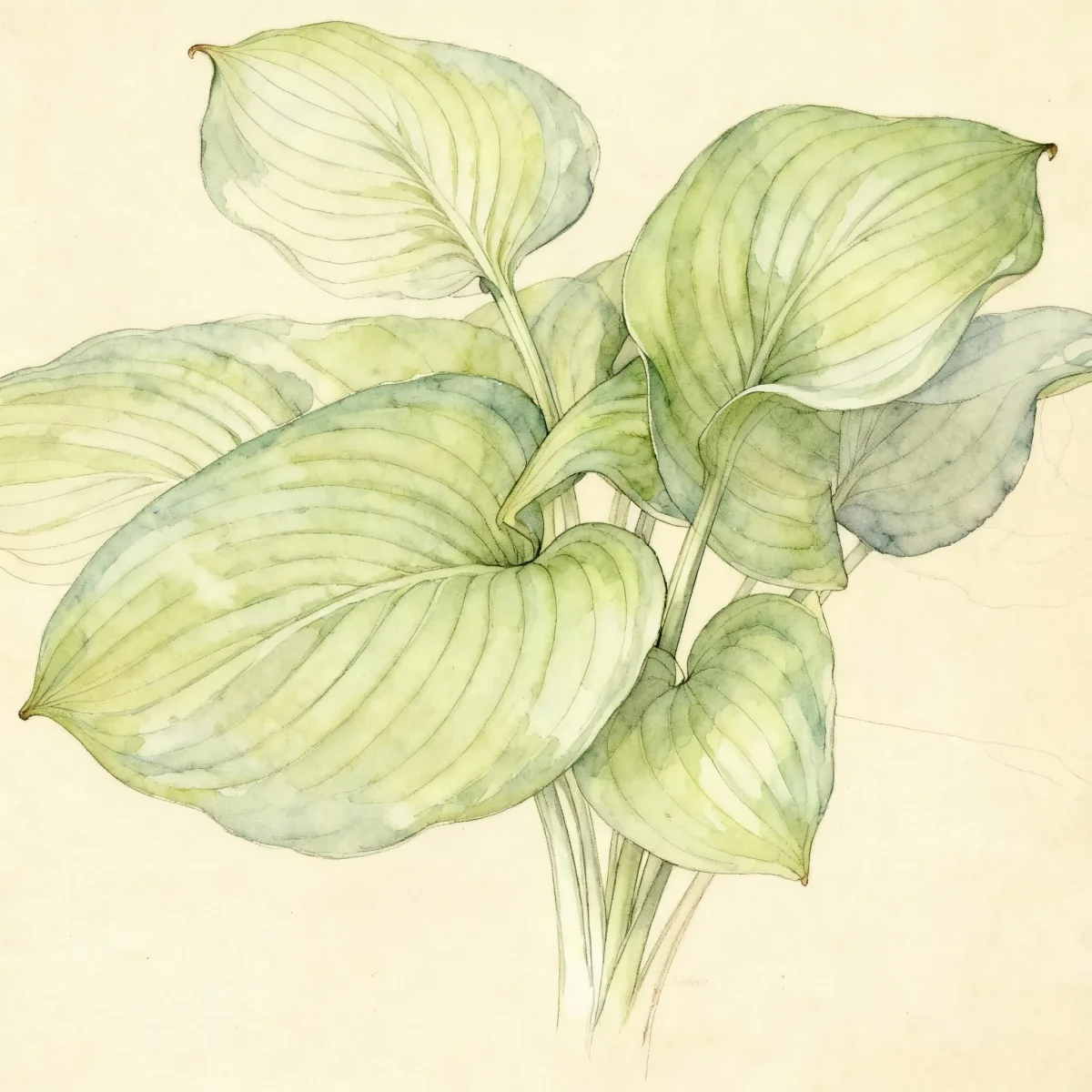
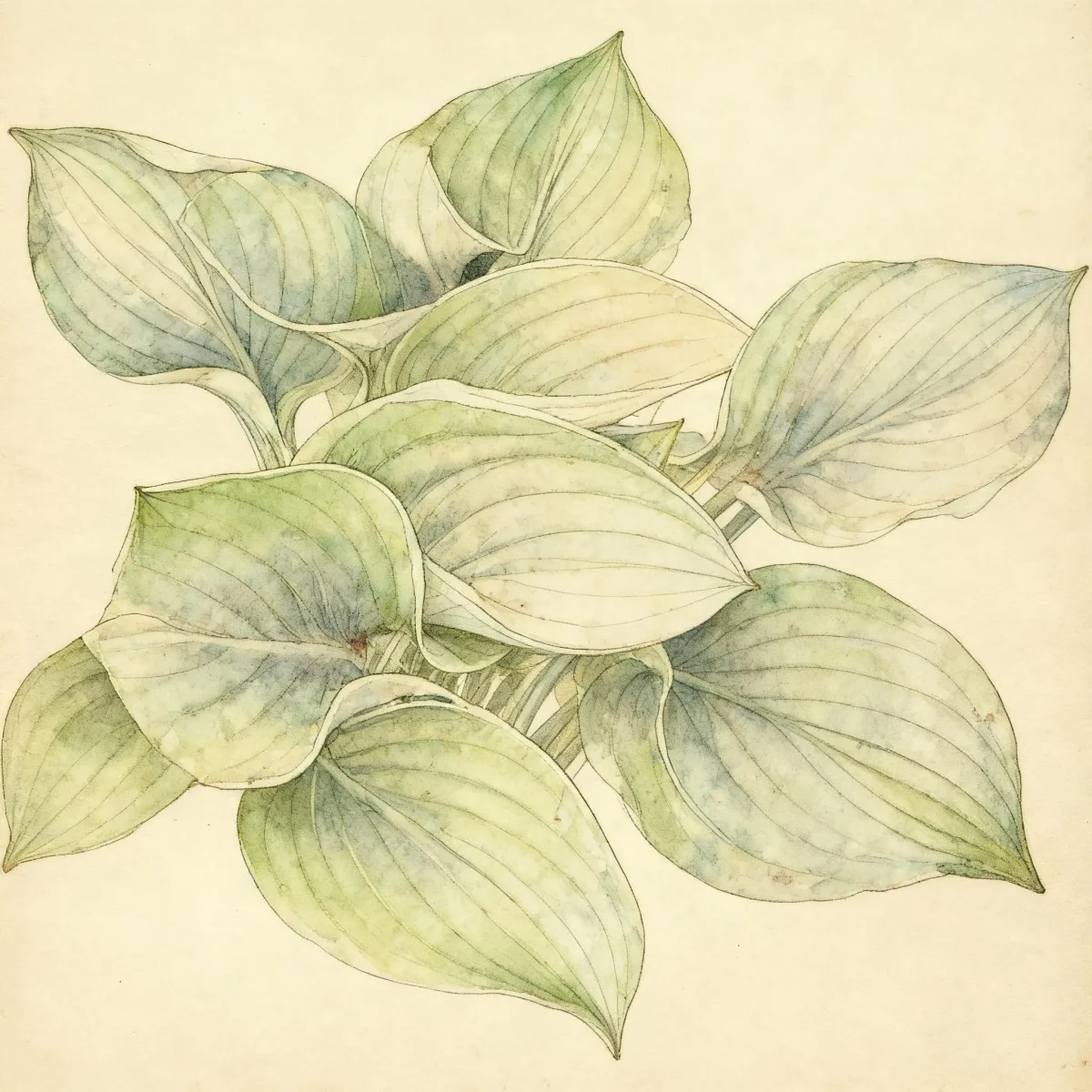
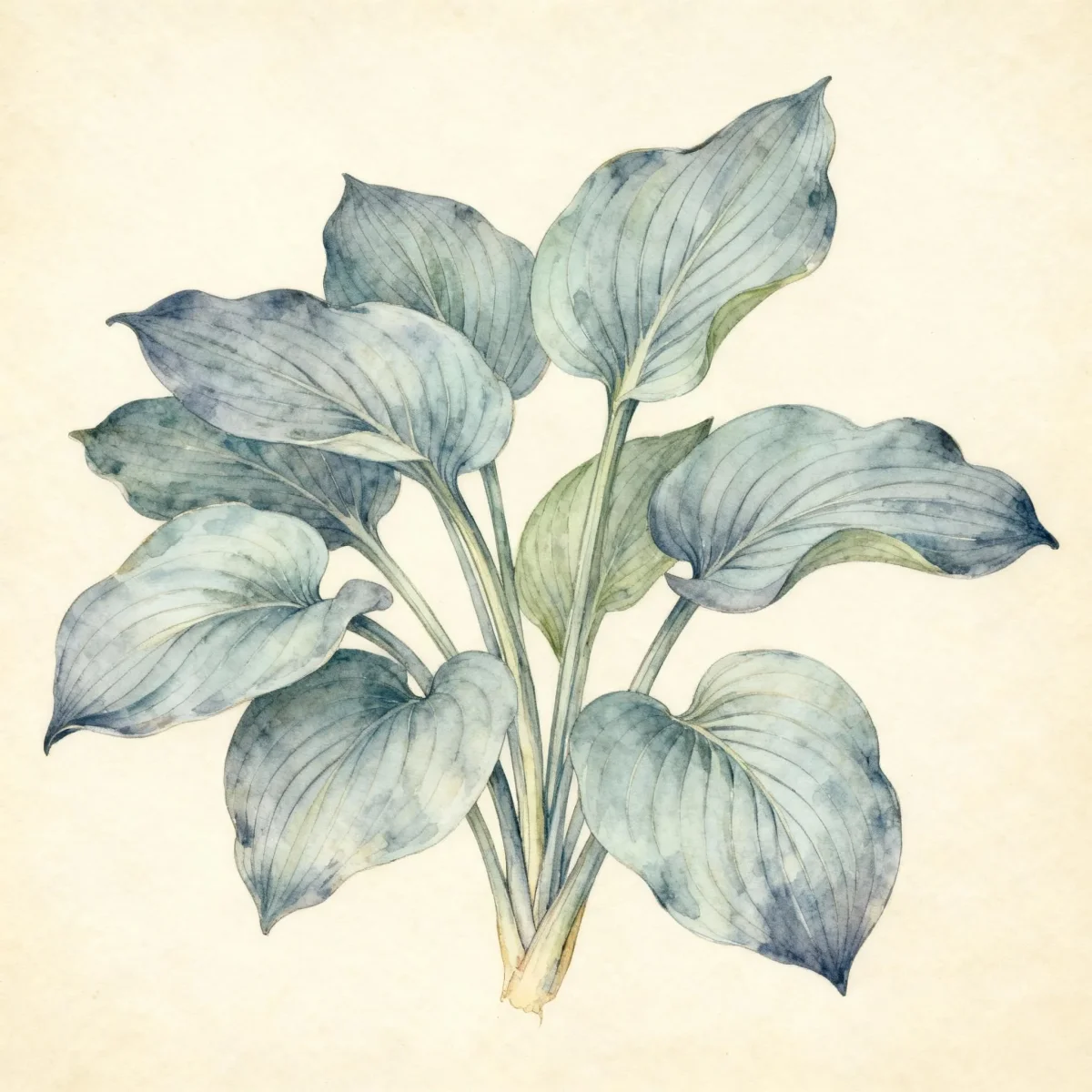
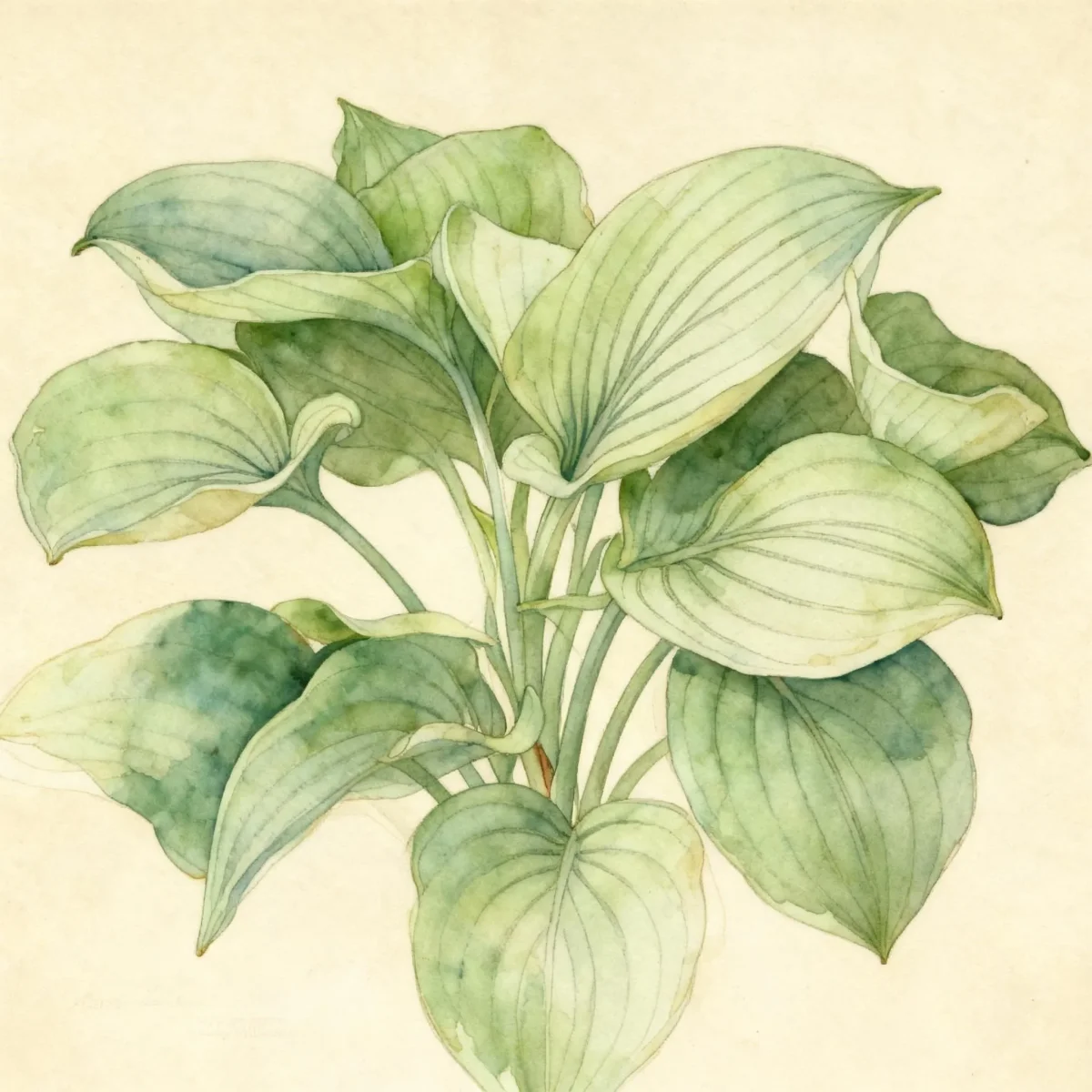
Hosta sieboldiana ‘Frances Williams’ is a magnificent, large-leaved Hosta cultivar prized for its substantial blue-green foliage dramatically edged in irregular, greenish-yellow margins. Originating from the large Japanese species Hosta sieboldiana, this perennial creates a bold, spreading mound perfectly suited for anchoring shaded garden areas. Its impressive size and distinctive variegation provide texture and brightness where little else thrives.
This extremely popular Hosta variety is valued for being exceptionally easy to grow and requiring relatively low maintenance once established. It thrives in woodland settings or beneath taller trees, offering consistent performance throughout the growing season until its showy, white blooms appear in mid-summer.
Gardeners rely on Hosta sieboldiana ‘Frances Williams’ to provide architectural presence in deep shade perennial borders. Properly sited, this Hosta offers a long season of reliable color and form, making it an indispensable element in shaded landscape designs.
Fast Facts
- Plant Family: Asparagaceae
- Plant Type: Herbaceous perennial
- Hardiness Zones: USDA Zones 3-8
- Size at Maturity:
- Height: 1.5-2 ft
- Spread: 4-5 ft
- Bloom Time: June to July
- Bloom Description: White
- Sun Exposure: Part shade to full shade
- Water Needs: Medium
- Maintenance Level: Low
How to Grow
The best time to establish Hosta sieboldiana ‘Frances Williams’ is either spring or early autumn, allowing the root system time to settle before extreme weather. These plants flourish in average, well-drained soils that retain medium moisture, though they tolerate a wide range of soil types. For optimal color and leaf quality, site the Hosta where it receives light shade, ideally with consistent morning sun exposure.
Consistent watering is crucial, especially during the growing season, as this Hosta prefers rich, moist, organic soils. While plants can tolerate some dry shade established, avoiding midday, intense sun prevents scorching of the greenish-yellow margins. Apply water directly to the soil below the foliage to minimize humidity which can encourage leaf spot issues.
Maintenance for this variety is generally low. Foliage remains attractive until frost, requiring no deadheading of spent flowers. Plants should be divided every few years to maintain vigor, ideally performed in early spring just before the leaves unfurl, or alternatively in the fall.
Landscape Uses
Hostas are foundational plants for any shade garden, and the substantial size of Hosta sieboldiana ‘Frances Williams’ allows it to function as an effective specimen plant, drawing attention through its bicolored foliage. Use this cultivar in mass plantings or large groups to create dramatic drifts beneath mature trees or along shaded walkways.
Due to its large, spreading habit, it serves excellently as an informal edging plant along paths where a strong, low border is desired, softening the transition between hardscape and woodland plantings. When mixing companions, choose plants that appreciate similar shade and moisture conditions, such as ferns, Astilbe, or bleeding hearts, ensuring the striking margins of the Hosta are not obscured by shorter fillers.
Standout Features
Flower Qualities
- Showy
Noteworthy Characteristics
Hosta sieboldiana is a large hosta native to Japan. ‘Frances Williams’ is a popular cultivar featuring very large blue-green leaves variegated with irregular greenish-yellow margins, discovered in the mid-1930s. It forms a sizable, clump-forming mound, boasting thick, cupped, wide-oval leaves accented by distinctive veining. Funnel-shaped, mostly white flowers with occasional lilac hues appear on upright scapes rising above the impressive foliage in early to mid-summer.
Tolerances
- Heavy Shade
- Black Walnut
Potential Problems
The primary garden antagonists for Hosta sieboldiana ‘Frances Williams’ remain slugs and snails, which are highly attracted to the moisture-rich foliage. These pests chew jagged holes in the leaves; proactive measures are necessary to prevent serious cosmetic damage early in the season. Less frequently, gardeners may contend with leaf spot diseases or crown rot, often linked to overly wet or poorly draining conditions. Furthermore, if exposed to harsh weather, leaves can suffer severe damage from hail storms.
Frequently Asked Questions
What hardiness zones is Hosta suitable for?
Hosta sieboldiana ‘Frances Williams’ is reliably hardy across USDA Zones 3 through 8, offering reliability in a wide range of temperate climates.
How large does Hosta sieboldiana ‘Frances Williams’ grow?
This large cultivar typically reaches 1.5 to 2 feet in height, but it expands significantly to a spread of 4 to 5 feet over time, forming a broad, spreading mound.
What sun exposure does Hosta need?
This variety thrives best in part shade to full shade conditions. While it can tolerate deep shade, allowing it some morning sun often enhances its growth, provided midday heat is avoided.
When does Hosta bloom?
Blooms usually occur from June to July, featuring attractive, funnel-shaped flowers that are predominantly white, sometimes showing slight lilac tinges.
Conclusion
For gardeners seeking reliable, large-scale structure in shadowed landscapes, Hosta sieboldiana ‘Frances Williams’ is an unparalleled choice due to its robust size and striking, two-toned foliage. This low-maintenance Hosta variety proves its worth season after season with minimal fuss, provided it receives adequate moisture in its shaded spot. Before planting, confirm your garden falls within USDA Zones 3-8 and plan your division schedule for early spring success.
Companion Planting for Shady Borders
Since Hosta sieboldiana ‘Frances Williams’ excels in consistent moisture and shade, pairing it with other woodland favorites enhances the overall aesthetic of the border. Consider using plants with contrasting foliage textures, such as delicate ferns (like Japanese Painted Ferns) or plants with upright, architectural forms to offset the Hosta’s mounding habit. Groundcovers that tolerate root competition, like Pachysandra or Vinca minor, can help suppress weeds around the base of this large Hosta.
Seasonal Care Calendar
Spring is the most critical time for establishing care routines, focusing on division if necessary, immediately after the new shoots emerge. Throughout the summer, monitor moisture levels, which is key to keeping the margins of the Hosta leaves pristine and avoiding scorch. In autumn, while the foliage naturally dies back, it is best practice to clean up the dead leaves once they collapse fully; this removes potential overwintering sites for slugs and snails, preparing the garden for the next growing season.