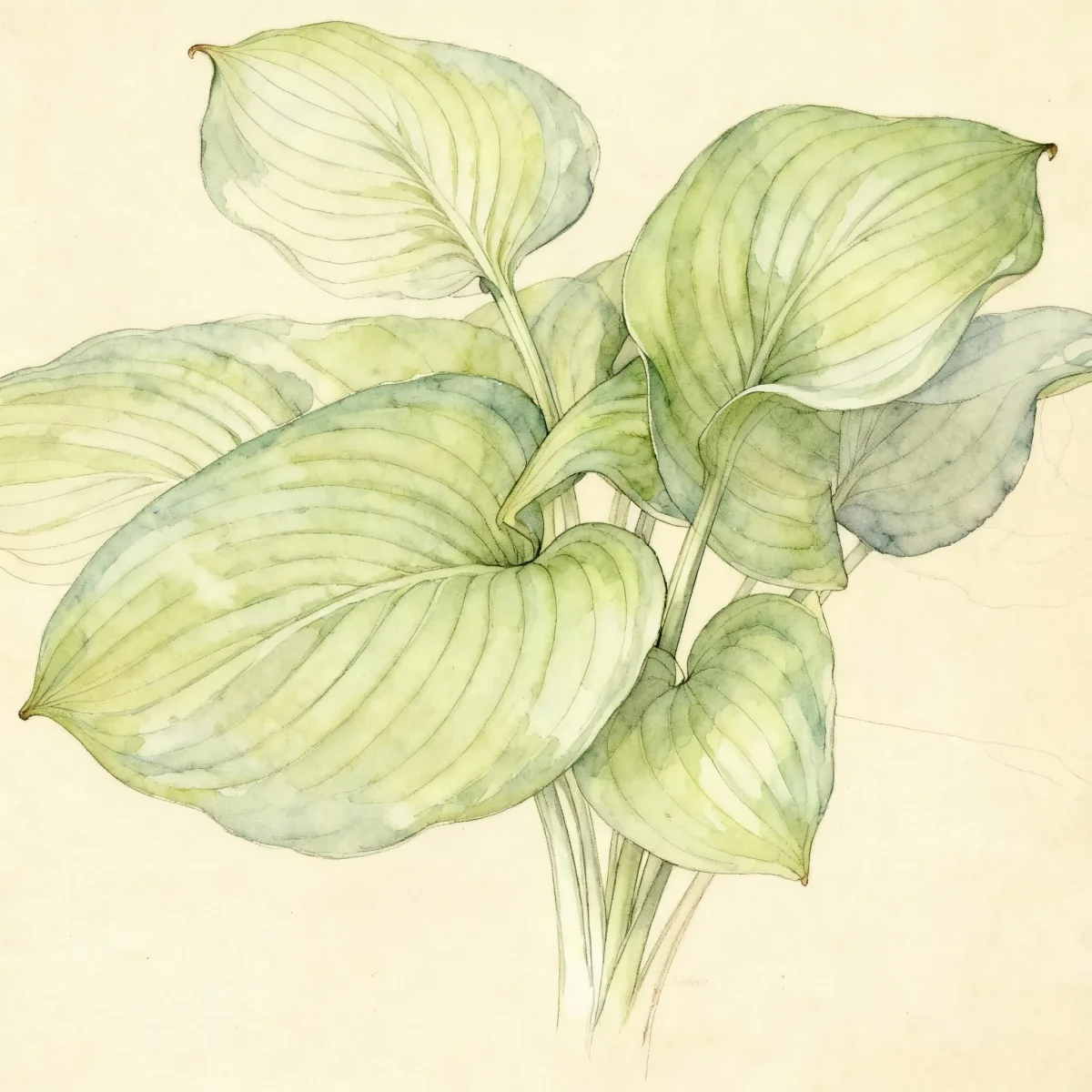
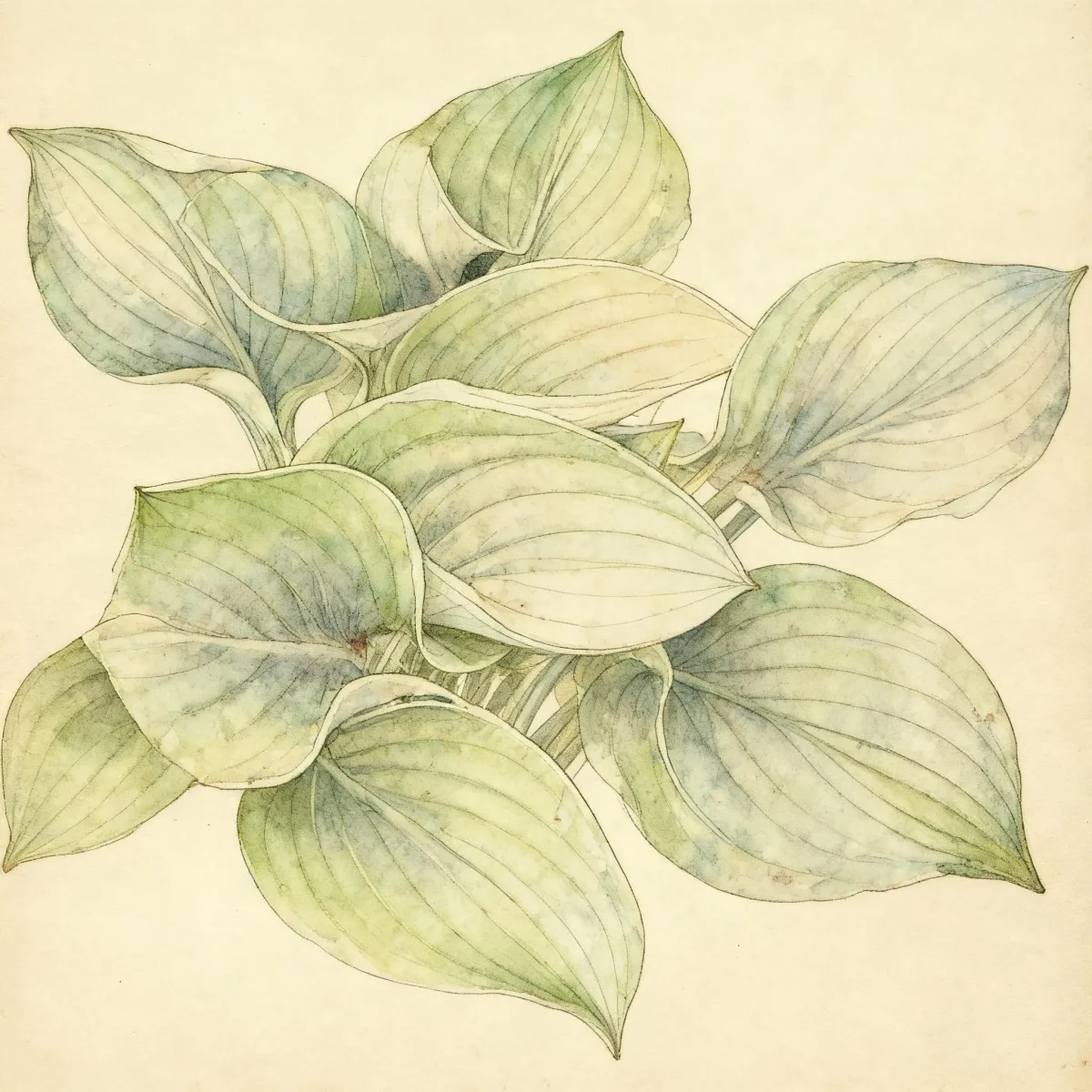
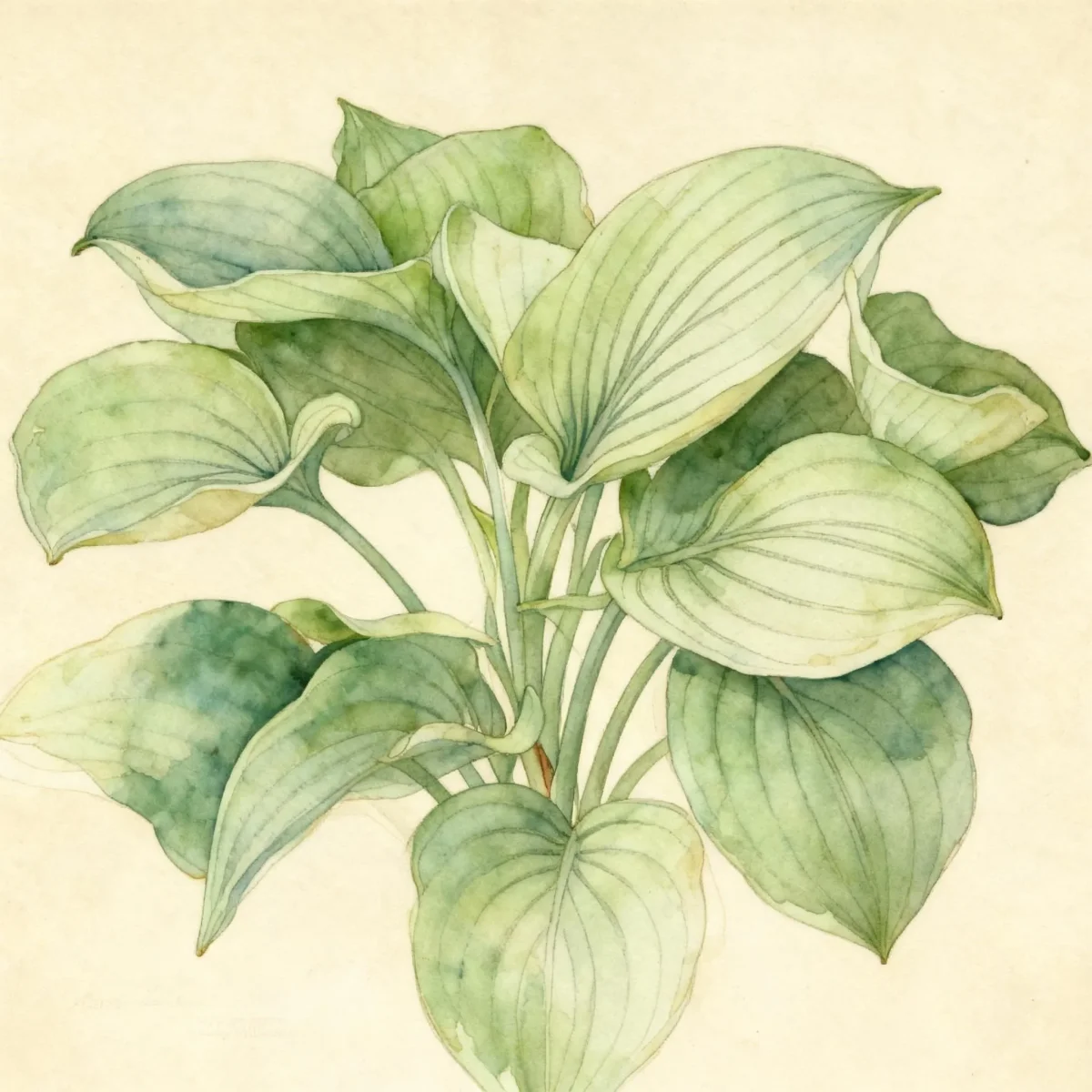
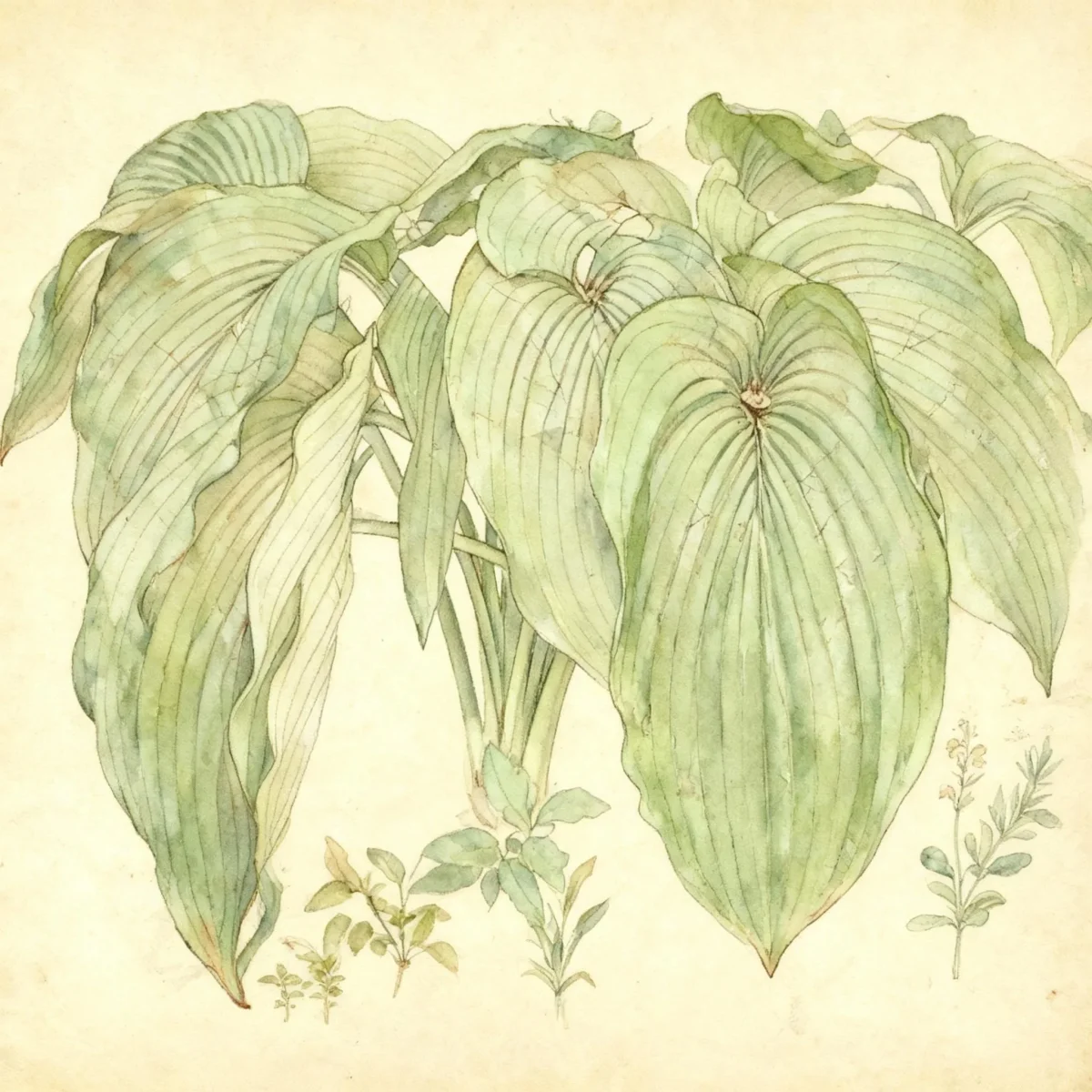
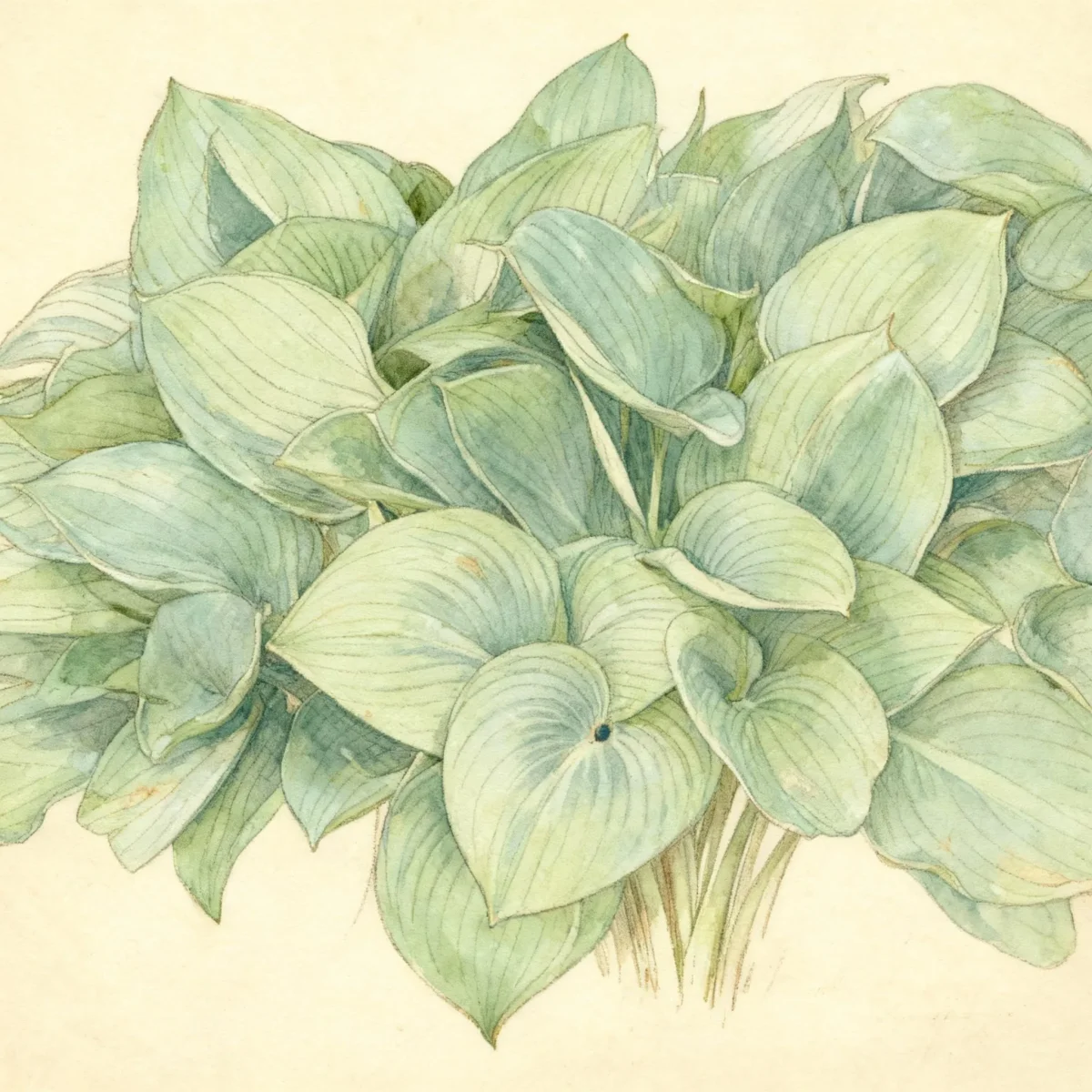
Hosta (Hosta sieboldiana 'Elegans')
Hosta sieboldiana 'Elegans' is a large, blue-green perennial known for its thick, puckered foliage and low maintenance needs.
Scroll down to discover growing tips, care requirements, companion plants, and more
Complete Plant Information
Overview
Hosta sieboldiana ‘Elegans’ stands out in the shade garden due to its massive size and strikingly textured blue-green foliage. This cultivar develops a spreading mound of thick, heavily corrugated, wide-oval leaves, offering significant architectural presence even when not in bloom. As a large Hosta, it provides excellent coverage and structure in perennial beds.
Ideal for gardeners seeking low-effort, high-impact specimens, this Hosta possesses a low maintenance level and wide adaptability. It thrives where many other perennials struggle, specifically tolerating deep shade and the challenging root zone competition from established Black Walnut trees.
The beauty of Hosta sieboldiana ‘Elegans’ lies primarily in its foliage, which emerges slightly smoky-blue in the spring before settling into its signature cool green-blue hue. Coupled with its reliable hardiness across multiple zones, this plant is an indispensable foundation for creating lush, cool woodland or shade borders.
Fast Facts
- Plant Family: Asparagaceae
- Plant Type: Herbaceous perennial
- Hardiness Zones: USDA Zones 4-9
- Size at Maturity:
- Height: 2-3 ft
- Spread: 3-4 ft
- Bloom Time: May to July
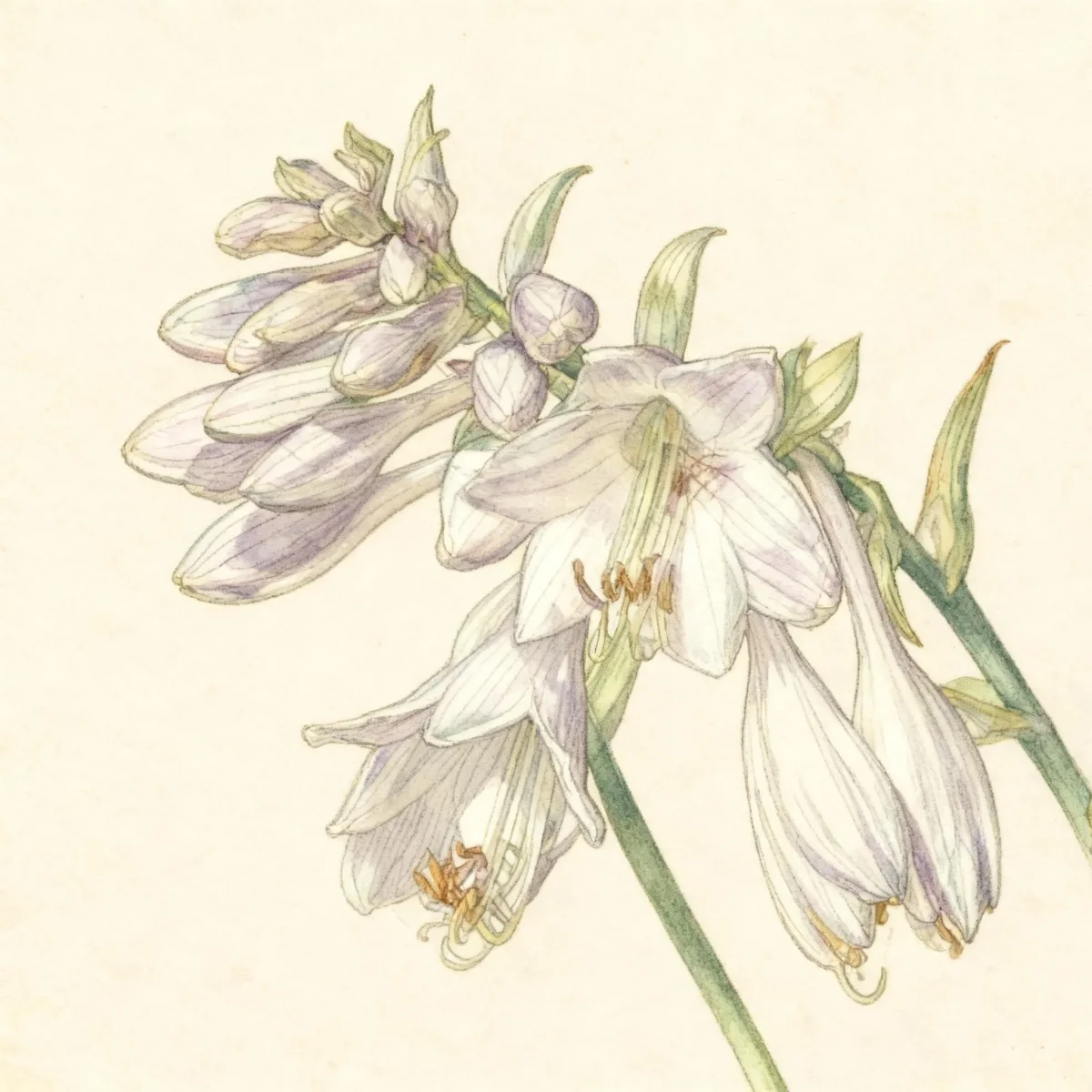
- Bloom Description: Mostly white with a lavender tinge
- Sun Exposure: Part shade to full shade
- Water Needs: Medium
- Maintenance Level: Low
How to Grow
The best time to plant Hosta sieboldiana ‘Elegans’ is typically early spring or early autumn, allowing time for root establishment before temperature extremes. This Hosta requires average, medium moisture, well-drained soils, though it is quite tolerant of various soil conditions. For peak performance, aim for light shade featuring some gentle morning sun; excessive afternoon sun will scorch these magnificent leaves.
Consistent moisture is crucial, especially throughout the primary growing season, as this variety performs best in rich, moist, organic soils. While established plants can manage some dry shade, ensure regular watering when the plant is young or during drought periods, applying water directly to the soil beneath the canopy. Fertilization is generally unnecessary if the soil is rich, fitting its low-maintenance profile.
Maintenance for this perennial is minimal. Divide plants if they become too crowded or if flowering diminishes, which is usually best done in early spring before the large emerging leaves fully unfurl. Protect desirable foliage, particularly early in the season, from common pests like slugs and snails to ensure the leaves mature perfectly.
Landscape Uses
Hostas are the bedrock of shade gardening, and Hosta sieboldiana ‘Elegans’ serves as an exceptional anchor plant within these spaces. Because this is a very large hosta, it is best utilized as a specimen planting where its substantial form can be appreciated, or massed together to create a broad river of blue-green texture. It excels when mixed with fine-textured shade lovers, such as ferns or Astilbe, providing essential textural contrast.
This cultivar functions admirably as a bold edging plant along woodland pathways or large borders in shady areas. Its upright, substantial clumping habit also makes it effective for defining spaces within a larger woodland garden design. Avoid placing it where it might be overshadowed, as its size demands adequate room to spread its 3-4 foot-wide foliage mound.
Standout Features
Flower Qualities
- Showy
- Good Cut
Noteworthy Characteristics
Hosta sieboldiana is a large hosta native to Japan. It is a clump-forming perennial that typically matures in a spreading foliage mound to 24” tall and to 48-60” wide. Thick, puckered, cupped, wide-oval, green leaves (to 14” long and 12” wide) have distinctive veining, cuspidate tips and cordate lobes. Leaves often emerge smoky-blue in spring. Funnel-shaped, mostly white (sometimes lilac tinged at the base) flowers appear in early to mid summer in racemes located slightly below to slightly above the foliage atop upright leafy scapes rising to 25” tall. Plants sold in commerce today under this species name may in reality be forms of the popular H. Sieboldiana ‘Elegans’.Genus name honors Austrian botanist Nicholas Thomas Host (1761-1834) and was first established in 1812. The genus was subsequently renamed in 1817 as Funkia in honor of botanist Heinrich Christian Funk under the belief at that time that Hosta was an invalid name. Hosta was finally reinstated as the genus name in 1905 by the International Botanical Congress.Specific epithet honors German doctor Philipp Franz van Siebold (1796-1866) who introduced many Japanese plants into European gardens.‘Elegans’ grows to 30” tall and 48” in diameter. It features large (13” x 10”), heart-shaped, thick-textured, heavily corrugated, surface-cupped, blue-green leaves and racemes of funnel-shaped, mostly white flowers with a violet tinge on scapes up to 36”. This species is a slow grower and will take several years to reach mature shape. May also be listed as Hosta sieboldiana var. Elegans
Tolerances
- Heavy Shade
- Black Walnut
Potential Problems
The primary threat to the aesthetic appeal of Hosta sieboldiana ‘Elegans’ involves mollusks. Slugs and snails are heavily attracted to the foliage, creating jagged holes that can quickly mar the appearance of the leaves if pest populations are not managed. Apply appropriate molluscicides or barriers early in the season to prevent leaf damage.
While less frequent, gardeners should watch for signs of leaf spots or crown rot, often caused by overly wet conditions or poor drainage. Beyond these few issues, this Hosta is generally resilient. Be aware that hail storms can severely damage exposed leaves, making placement under tree canopy protection advisable.
Frequently Asked Questions
What hardiness zones is Hosta suitable for?
This reliable perennial, Hosta sieboldiana ‘Elegans’, is hardy and adaptable, thriving across USDA Zones 4 through 9.
How large does Hosta sieboldiana ‘Elegans’ grow?
This is a substantial cultivar, typically reaching heights between 2 and 3 feet, with a broad spread ranging from 3 to 4 feet when fully mature.
What sun exposure does Hosta need?
It prefers part shade to full shade conditions. To maintain the best blue color and avoid leaf scorch, ensure it is protected from intense afternoon sun.
When does Hosta bloom?
Blooms generally appear from May into July, presenting funnel-shaped flowers that are mostly white with a slight lavender tinge.
Conclusion
Hosta sieboldiana ‘Elegans’ remains a cornerstone plant for shaded landscapes due to its immense, rugged, blue-green leaves and dependable, low-maintenance nature. If you are developing a deep shade border or need a robust specimen plant, this Hosta provides unmatched structural beauty. Before planting, verify that your site falls within USDA Zones 4-9 and plan to incorporate plenty of rich, organic matter into the soil for this slow-growing giant.
Companion Planting
Selecting companions that share the moisture and light needs of Hosta sieboldiana ‘Elegans’ ensures a cohesive, thriving shade garden. Consider pairing this large Hosta with plants that offer fine textures to offset its heavy, corrugated leaves. Tiarella (Foamflower) or various native ferns, such as the Japanese Painted Fern or Wood Ferns, make excellent neighbors, complementing the blue tones of the Hosta foliage.
Because this plant tolerates heavy shade, ensure your companion plants also perform well without direct sun exposure for most of the day. Astilbe provides contrasting color and feathery plumes throughout the summer, bridging the gap when the Hosta flowers are finished. Avoid dense groundcovers immediately around the crown of the Hosta, as good air circulation aids in pest and disease management.
Propagation Tips
The ‘Elegans’ cultivar is most easily and commonly propagated through division, which is an excellent way to increase your stock of this slow-growing perennial. Division should generally be performed in the early spring just as the new eyes are beginning to emerge from the soil, before the large leaves expend significant energy unfurling.
Carefully dig around the clump and use a sharp spade or knife to cut off sections containing 3 to 5 healthy eyes and an adequate root system. Replant the divided sections immediately into suitably prepared soil in their new locations, watering well to help settle the soil around the severed roots. This process revitalizes older clumps and results in new, healthy specimens of Hosta sieboldiana ‘Elegans’.