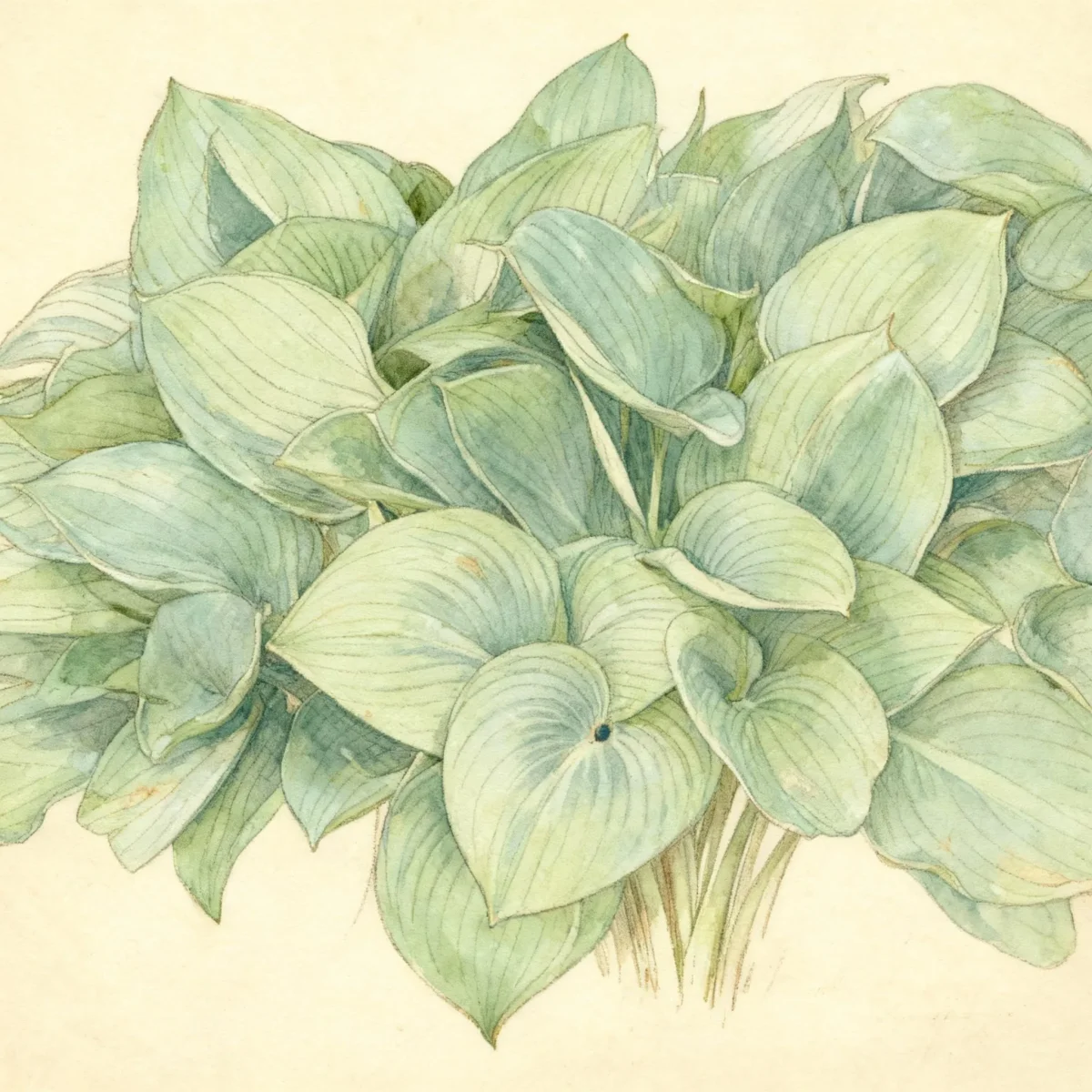
Hosta (Hosta 'Undulata Erromena')
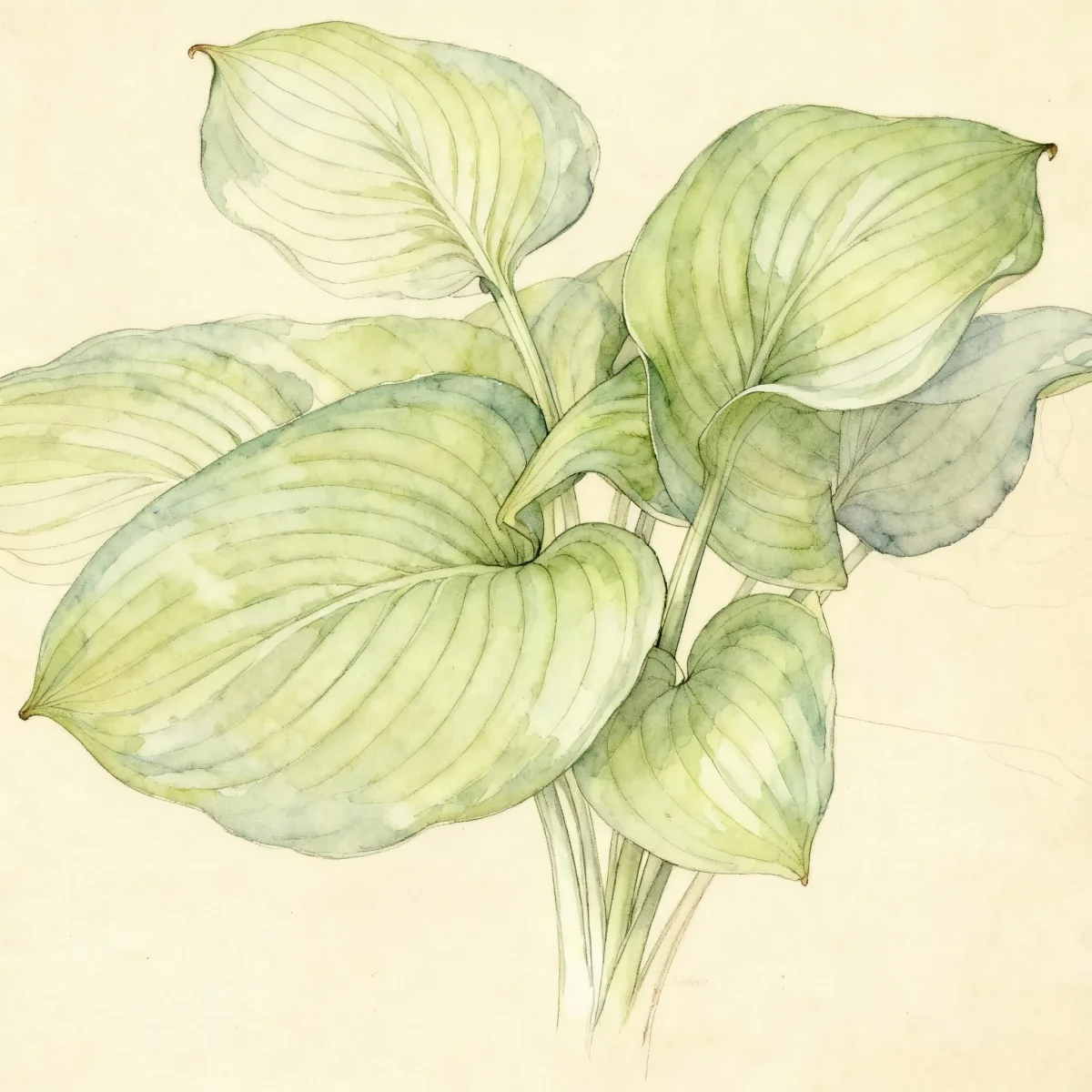
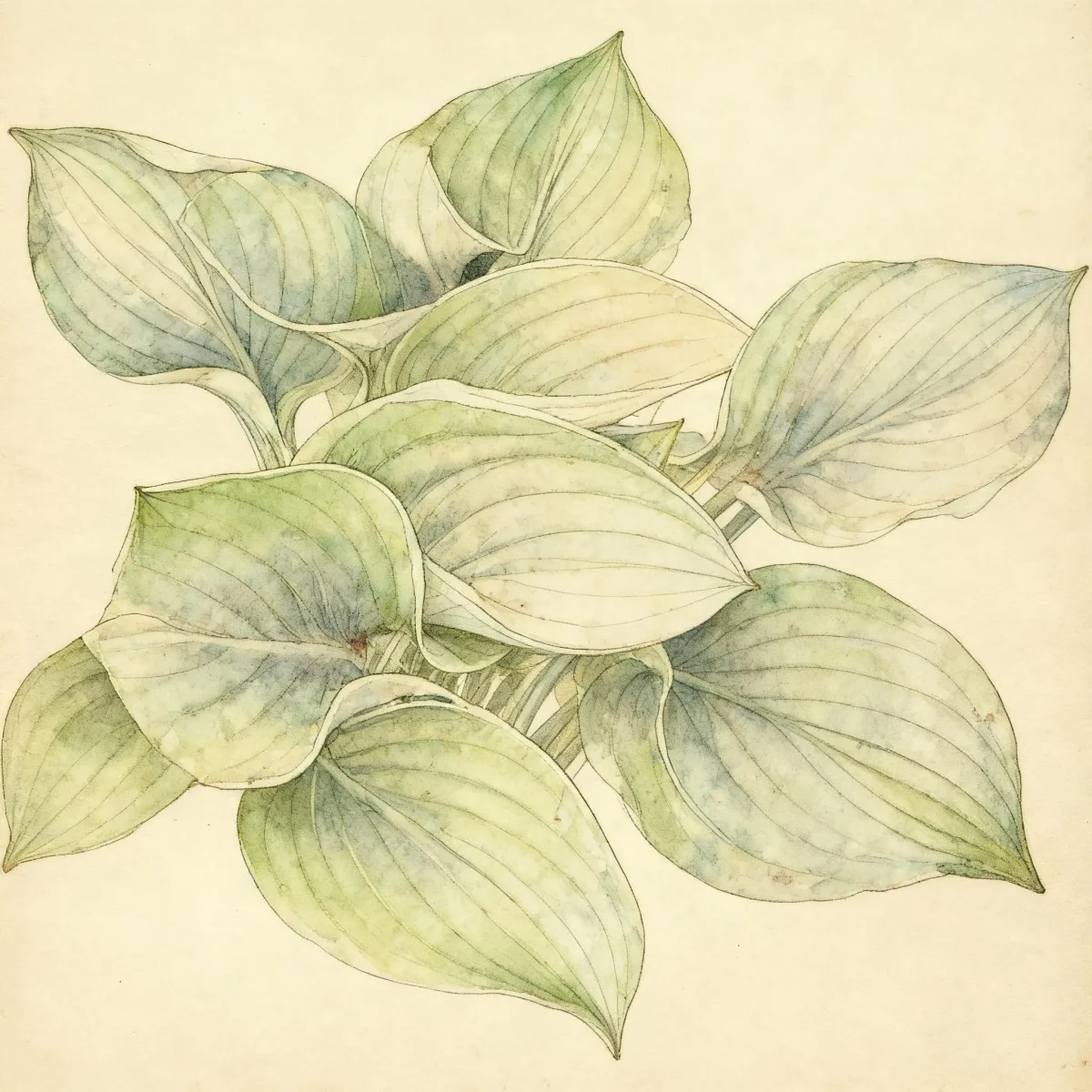
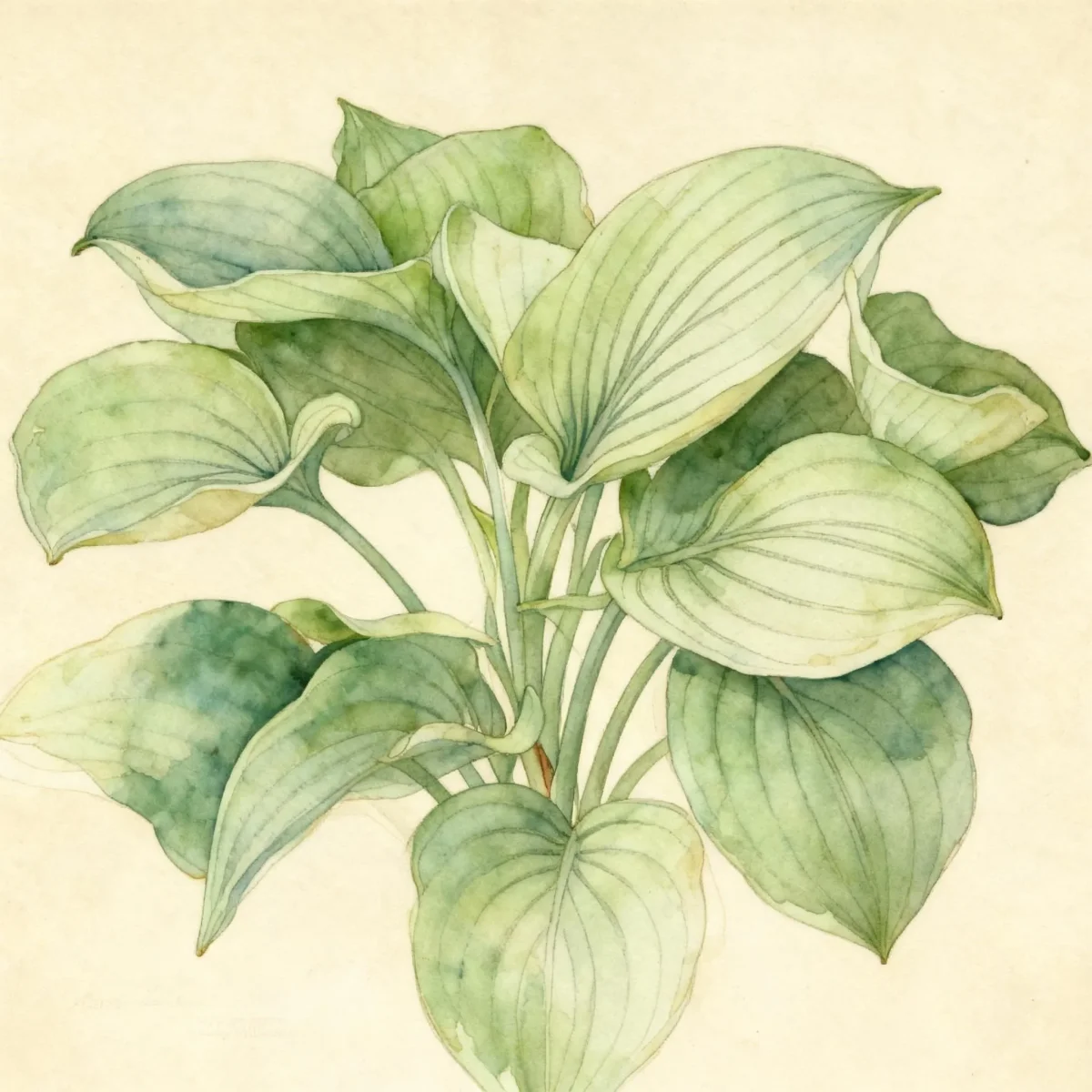
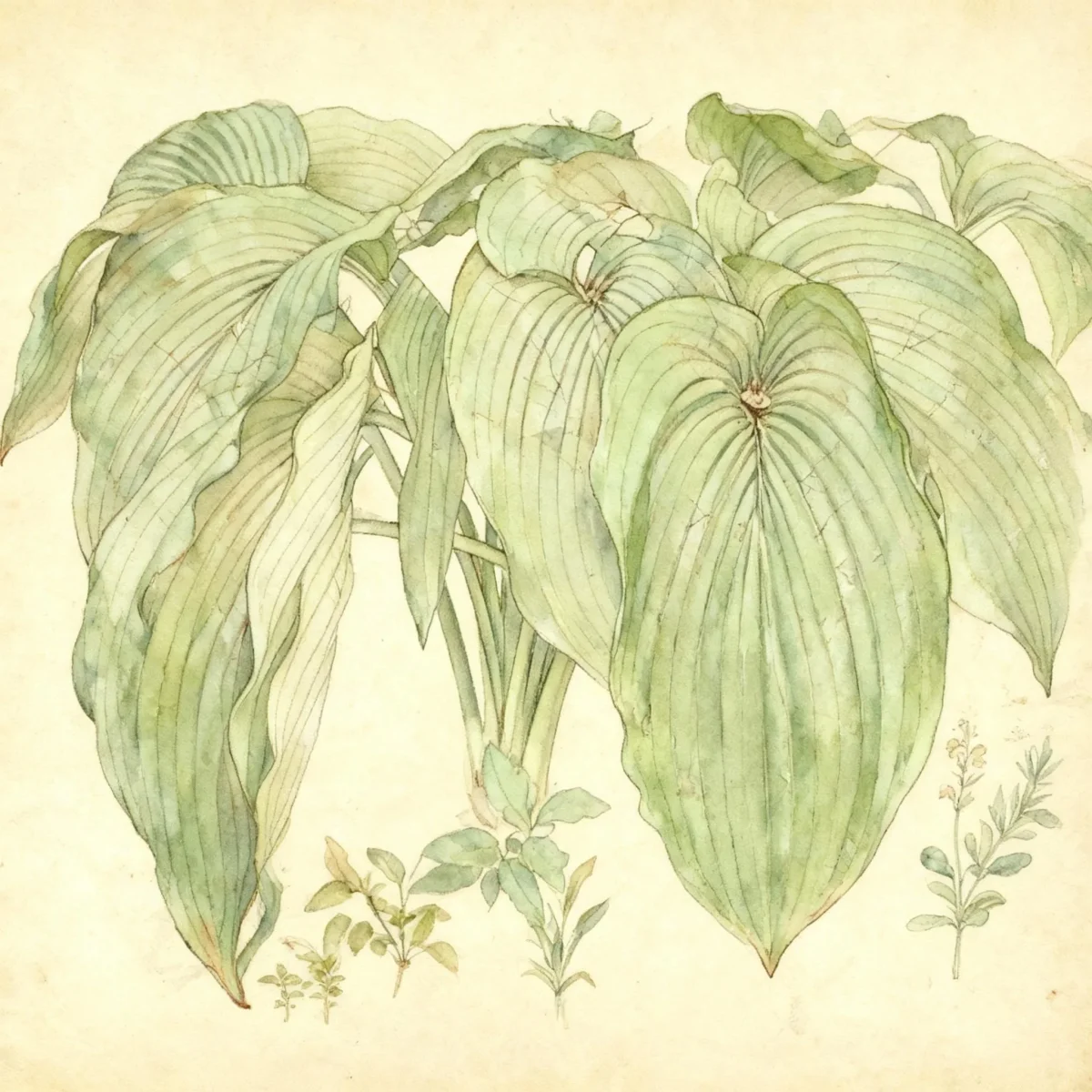
Hosta 'Undulata Erromena' is a low-maintenance perennial prized for its medium green, prominently veined foliage and pale lavender summer blooms.
Scroll down to discover growing tips, care requirements, companion plants, and more
Complete Plant Information
Overview
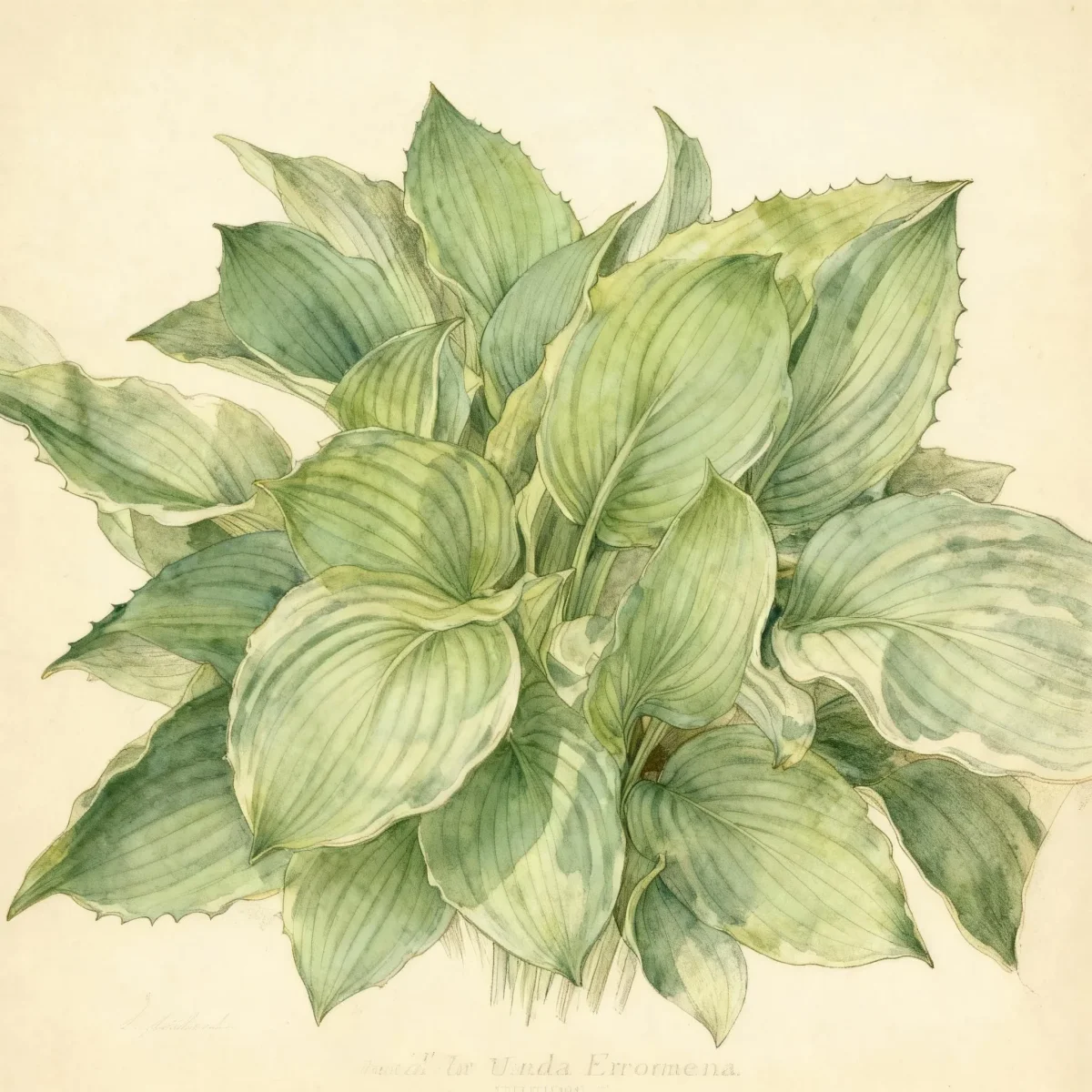
Hosta ‘Undulata Erromena’ is a robust, shade-loving herbaceous perennial widely appreciated across the gardening world primarily for its impressive, ornamental foliage. This specific Hosta cultivar forms a dense mound of medium green leaves that are oval, slightly undulated, and prominently veined, offering excellent texture throughout the growing season. While foliage is the main attraction, Hosta ‘Undulata Erromena’ also produces appealing funnel-shaped, pale lavender flowers in mid to late summer atop tall scapes.
Valued for its low maintenance requirements and adaptability, this Hosta thrives where many other decorative plants struggle—in shadier conditions. It brings structure and reliable color variation to woodland gardens and deeply shaded borders, thriving best with consistent moisture.
Gardeners choose Hosta for their ability to create calming, lush foundational plantings. ‘Undulata Erromena’ is notably tough and is one of the Hosta types that tolerates wet soil conditions better than average, making it versatile for various partially shaded environments.
Fast Facts
- Plant Family: Asparagaceae
- Plant Type: Herbaceous perennial
- Hardiness Zones: USDA Zones 3-8
- Size at Maturity:
- Height: 1.5-4 ft
- Spread: 2-4 ft
- Bloom Time: July to August
- Bloom Description: Pale lavender
- Sun Exposure: Part shade to full shade
- Water Needs: Medium
- Maintenance Level: Low
How to Grow
Plant Hosta ‘Undulata Erromena’ during the spring or fall in locations protected from strong winds. These plants require evenly moist, organically rich, well-drained soils for optimal performance. The best light exposure is part shade, meaning they benefit from morning sun or dappled light conditions, though they tolerate heavy shade well.
Maintaining consistent soil moisture is crucial for this Hosta variety to achieve its full size and best foliage quality. Water should always be applied directly to the soil beneath the leaves to discourage fungal issues on the foliage. While established Hosta plants offer some drought tolerance in shade, especially those with thicker leaves, do not let the soil completely dry out.
As a low-maintenance perennial, fertilizing is rarely necessary if the soil is rich in organic matter. Divide clumps as needed, typically in early spring before the leaves emerge, or in autumn, making division easiest before the new growth fully expands.
Landscape Uses
Hostas are the backbone of any successful shade garden, and Hosta ‘Undulata Erromena’ excels in these roles due to its robust green texture. They are incredibly effective when massed together or planted in large groups to create a continuous sea of foliage that suppresses weeds. Use them as a wonderful background element to punctuate brighter, smaller shade perennials.
Consider planting Hosta ‘Undulata Erromena’ along shady borders or in woodland settings where they can mimic the lush, layered look of a natural glade. Their substantial size (up to 4 feet wide) quickly fills space, providing excellent coverage that highlights finer textured plants like ferns or drifts of bleeding hearts planted nearby.
Standout Features
Flower Qualities
- Showy
Noteworthy Characteristics
Hosta is a rhizomatous, clump-forming, herbaceous perennial primarily grown for its dense, basal, conspicuously-veined ornamental foliage that forms a rounded mound. H. ‘Undulata Erromena’ is recognized by its medium green leaves with slightly rippled edges that tolerate wet soil conditions better than many other Hosta cultivars. This variety sends up upright leafy scapes topped with funnel-shaped, pale lavender flowers in the peak of summer.
Tolerances
- Heavy Shade
- Black Walnut
Potential Problems
Slugs and snails pose the most significant threat to the foliage of Hosta, chewing jagged holes that rapidly degrade appearance if not managed. Regularly inspect the undersides of leaves and surrounding area, applying bait or implementing physical barriers to control these pests. Other concerns include foliar nematodes causing interveinal browning and, less frequently, crown rot in saturated soils. Be vigilant for signs of viruses like HVX; infected Hosta plants must be immediately removed and destroyed to prevent spread.
Frequently Asked Questions
What hardiness zones is Hosta ‘Undulata Erromena’ suitable for?
Hosta ‘Undulata Erromena’ is suitable for USDA Zones 3 through 8.
How large does Hosta grow?
This variety typically reaches a height between 1.5 and 4 feet tall, spreading to occupy an area between 2 and 4 feet wide.
What sun exposure does Hosta need?
Hosta requires part shade to full shade conditions to flourish best in the garden environment.
When does Hosta bloom?
Hosta ‘Undulata Erromena’ generally produces its pale lavender, funnel-shaped flowers from July into August.
Conclusion
Hosta ‘Undulata Erromena’ remains an indispensable choice for gardeners seeking reliable, lush texture in shady areas, offering low maintenance coupled with its vigorous green foliage display. Ensure you site your Hosta where moisture is consistent and plan divisions in the cooler parts of the growing season for best results.
Companion Planting Ideas
When selecting companions for Hosta ‘Undulata Erromena’, focus on plants that share similar cultural needs regarding moisture and light. Shade-loving ferns, such as Japanese Painted Ferns, provide a contrasting, finer texture that makes the broad leaves of the Hosta pop. Astilbes, which prefer moist, rich soil and bloom slightly earlier or later than the Hosta, are excellent partners for creating layered interest in a woodland border.
Another great pairing involves woodland groundcovers or plants like Coral Bells (Heuchera), especially those with contrasting chartreuse or burgundy foliage, to enhance the overall visual complexity of the shade garden bed featuring Hosta.
Seasonal Care Calendar
Spring is the ideal time for division if your clumps have become overgrown, allowing you to rejuvenate existing Hosta ‘Undulata Erromena’ or create new plants. As summer progresses, focus diligently on consistent watering to maintain foliage quality and scout for slug and snail damage, treating infestations immediately. Once the first hard frost descends, the foliage of this herbaceous perennial will die back; cut the dead leaves down to the ground in late fall or early spring before new growth starts.