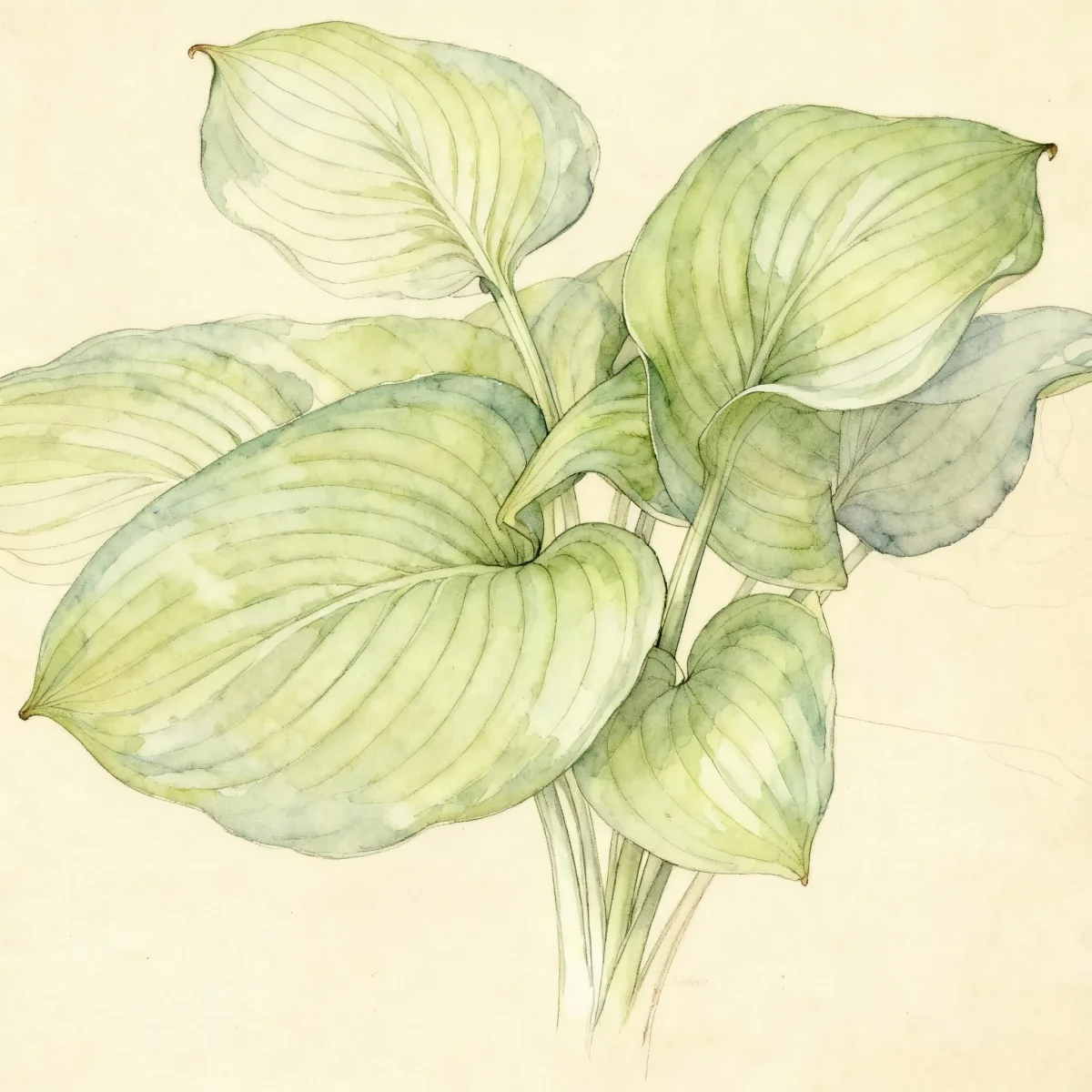
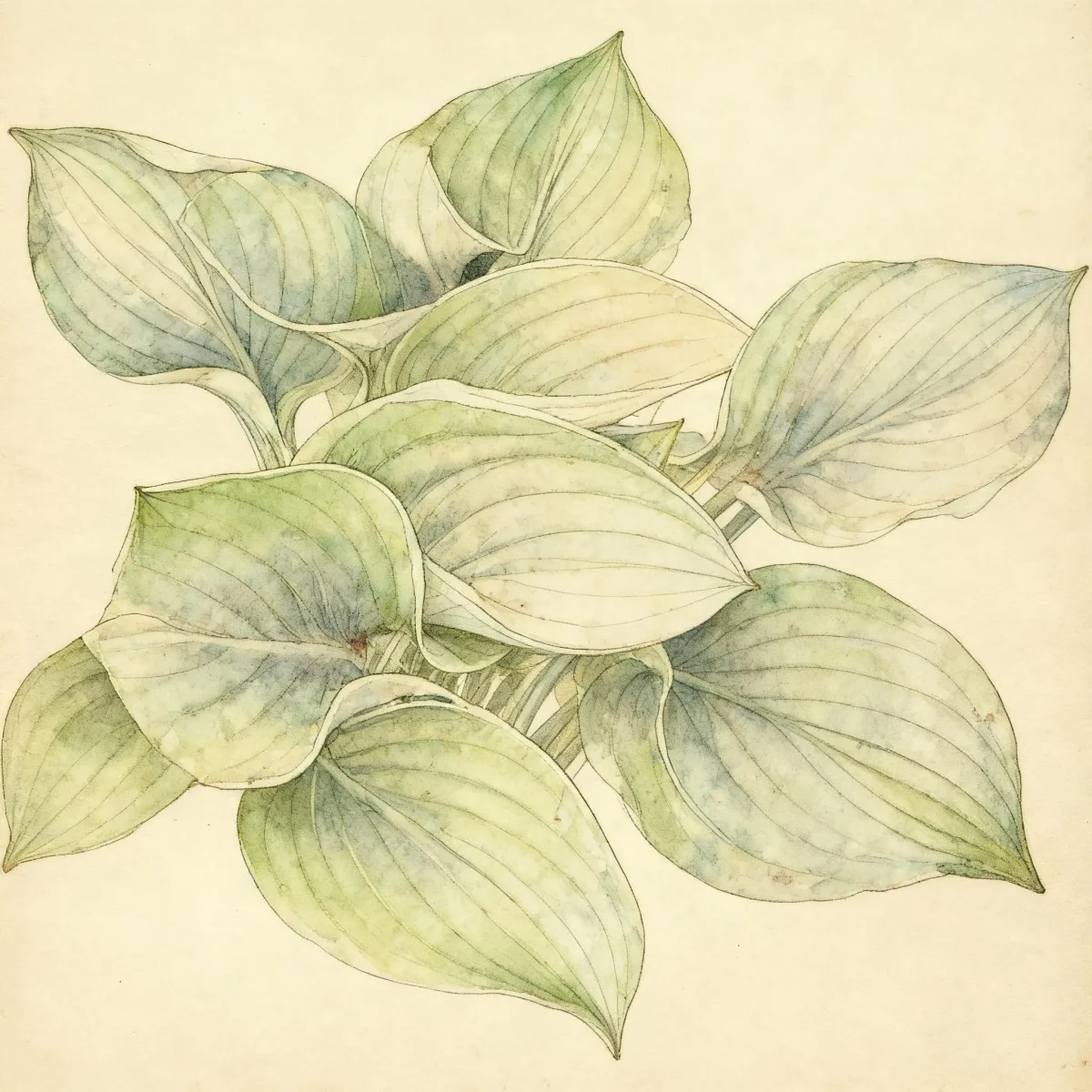
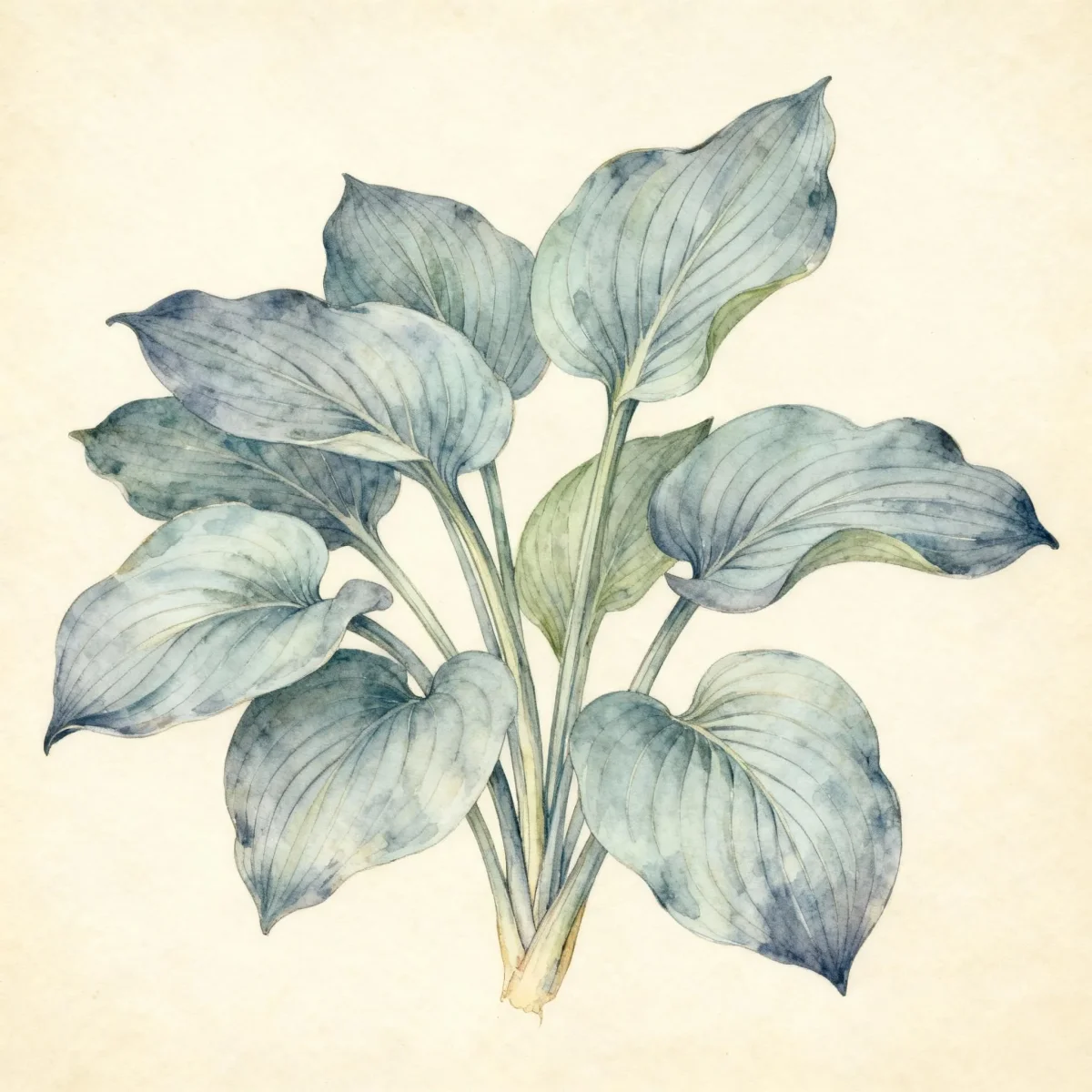
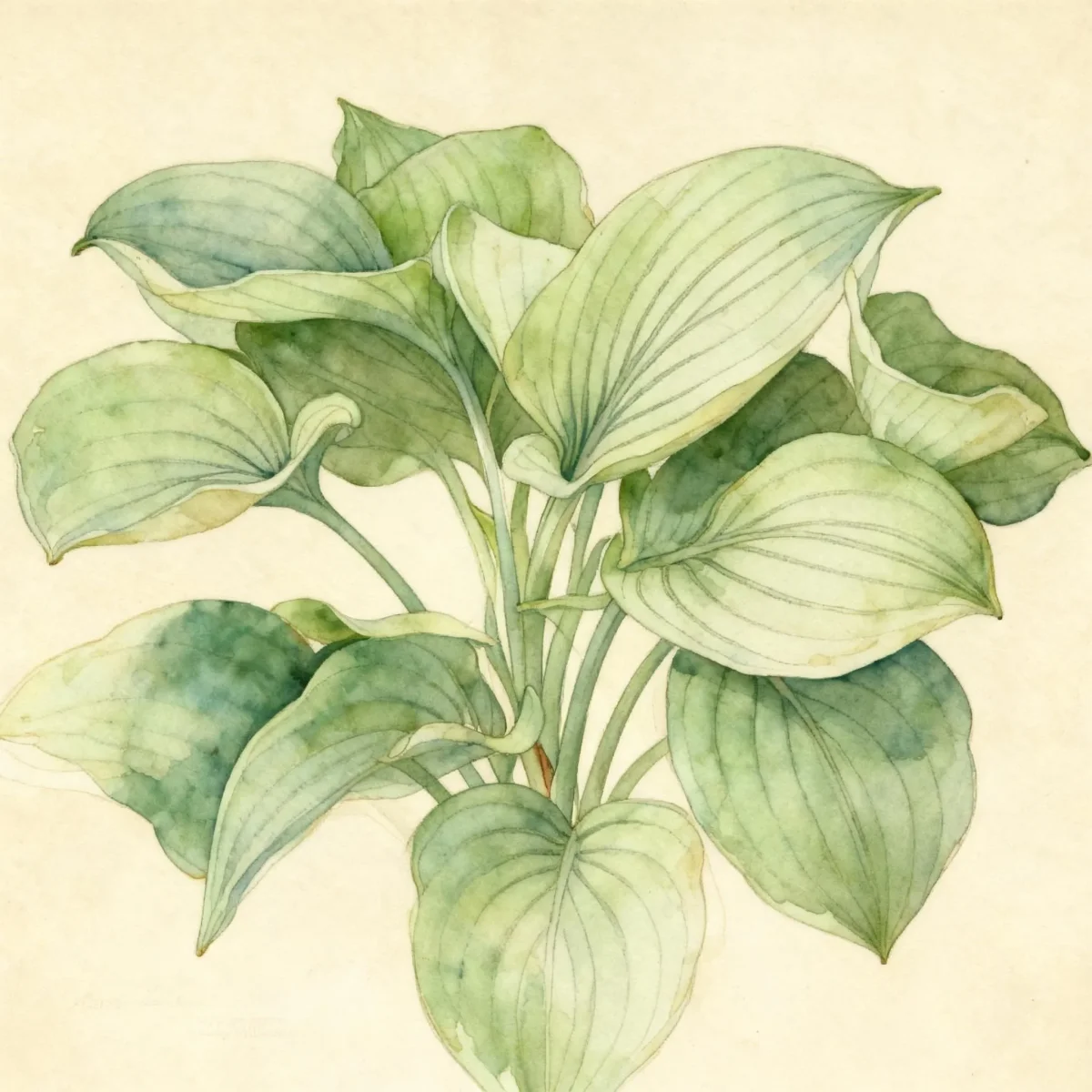
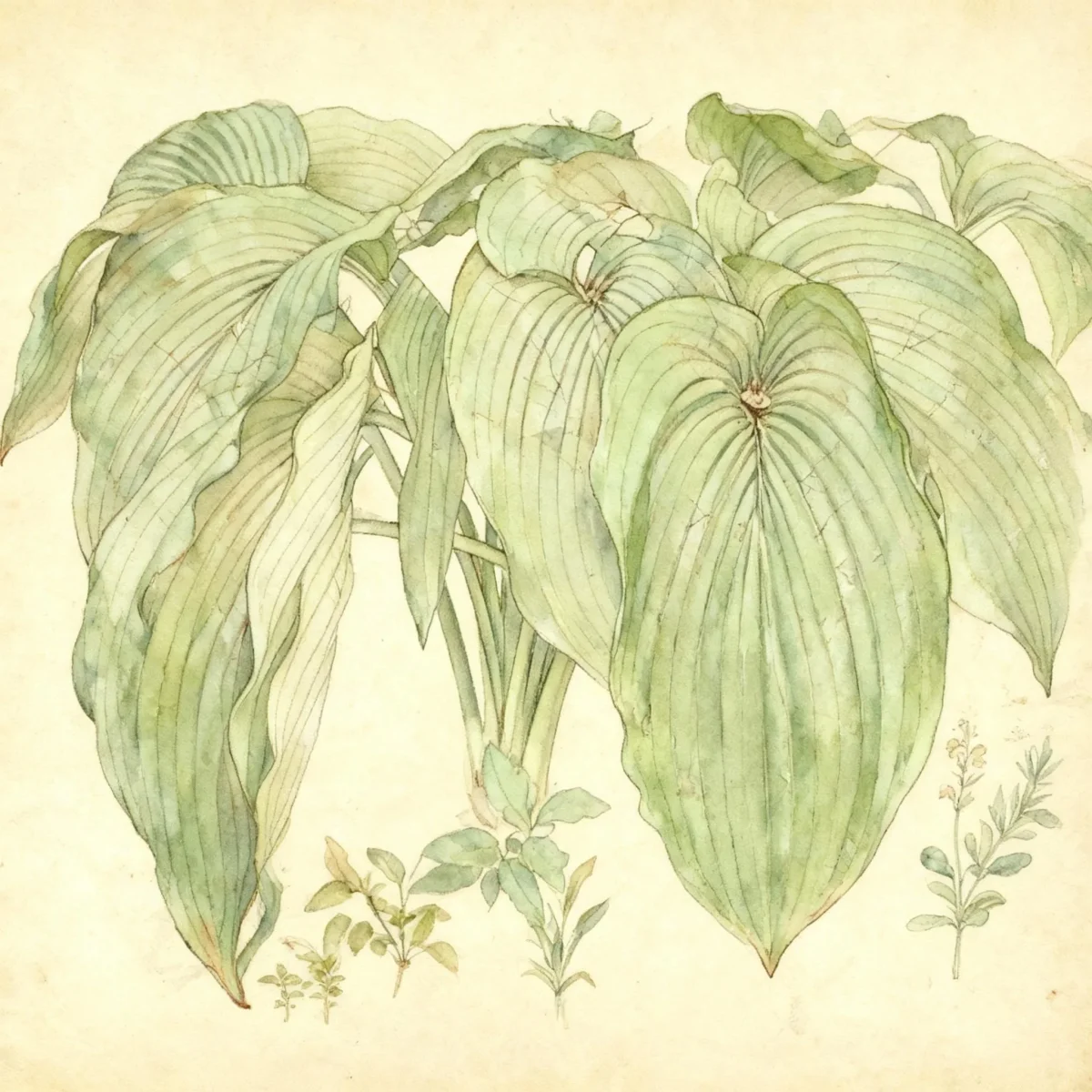
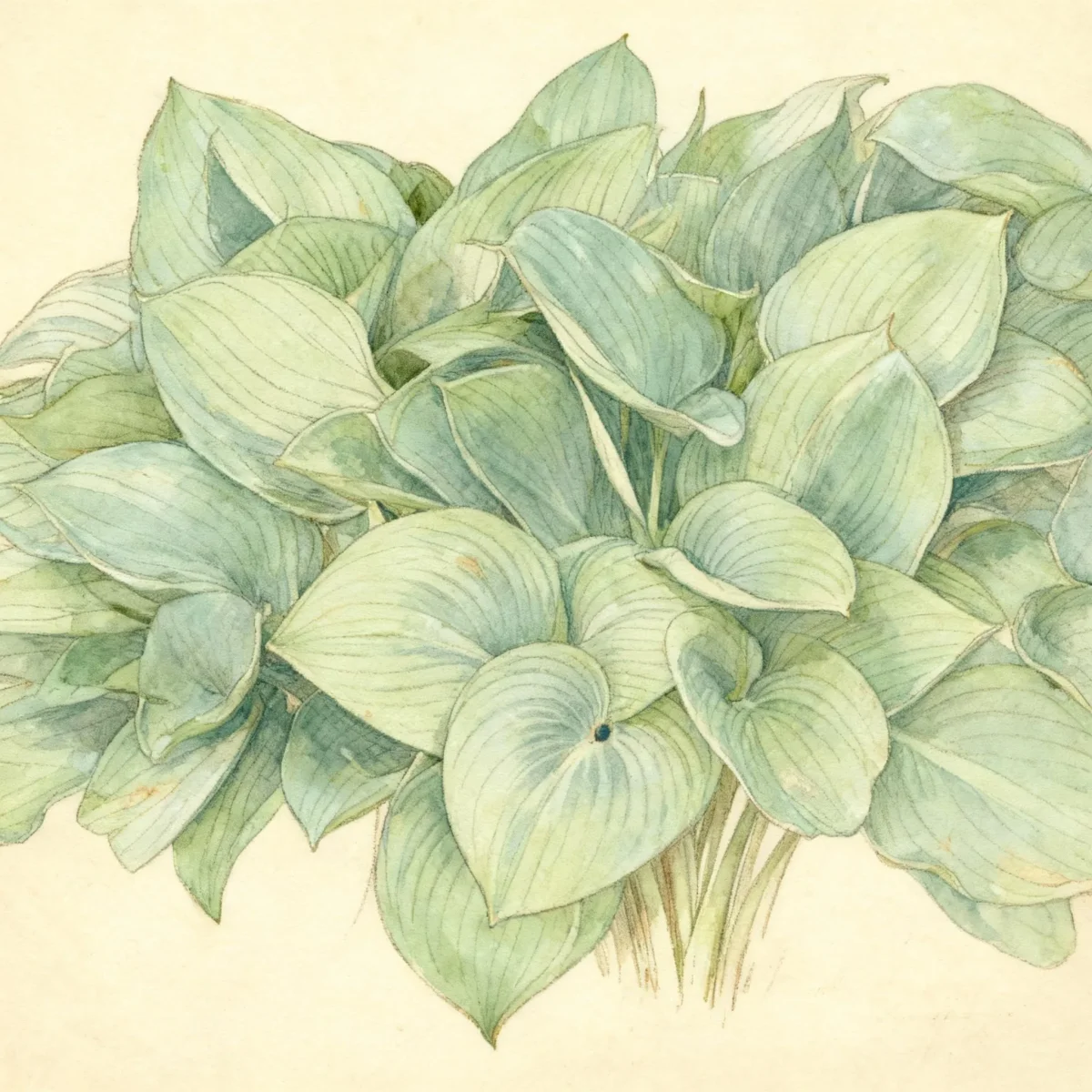
Hosta (Hosta plantaginea var. japonica)
Discover Hosta plantaginea var. japonica, a low-maintenance, fragrant perennial ideal for deep shade, offering large foliage and white blooms.
Scroll down to discover growing tips, care requirements, companion plants, and more
Complete Plant Information
Overview
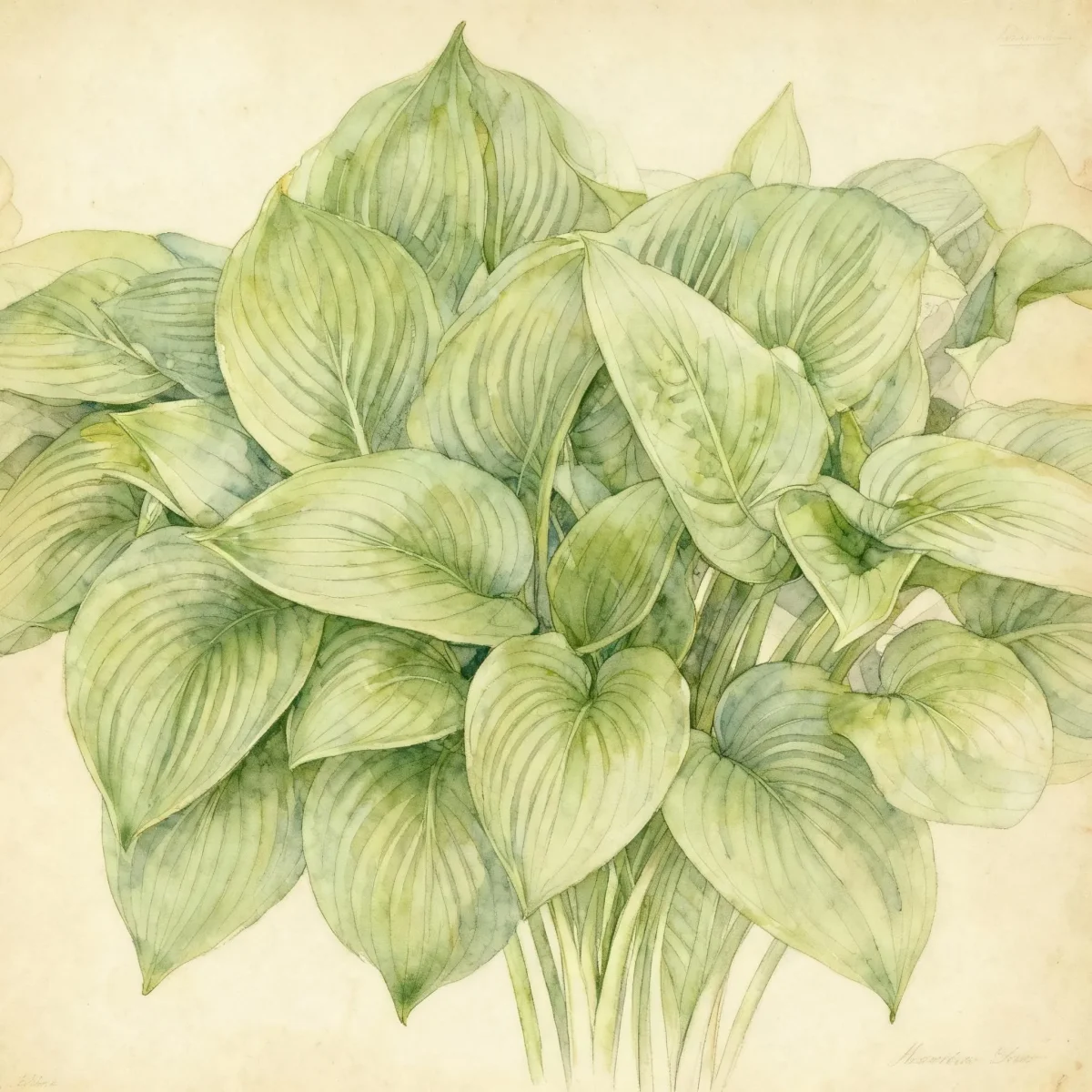
The Hosta plantaginea var. japonica, commonly known simply as Hosta, is a distinguished herbaceous perennial highly valued for bringing structure and life to shaded garden areas. This variety is particularly appreciated for its large, flat, light green leaves which offer excellent contrast and texture where few other plants thrive. Furthermore, the Hosta plantaginea var. Japonica provides the bonus of late-season, bell-shaped, fragrant white flowers, making it a multi-sensory addition to moist, shaded landscapes.
As a vigorous grower, this large Hosta easily reaches formidable size, helping to suppress weeds with its dense canopy. Its reputation as a dependable, low-maintenance perennial ensures gardeners can enjoy its foliage display from spring until frost with minimal intervention. Whether massed in the woodland garden or serving as a stately specimen, the resilience of Hosta varieties like this one secures their place as shade garden staples.
Fast Facts
- Plant Family: Asparagaceae
- Plant Type: Herbaceous perennial
- Native Range: China
- Hardiness Zones: USDA Zones 3-9
- Size at Maturity:
- Height: 1.5-2 ft
- Spread: 2.5-4 ft
- Bloom Time: August to September
- Bloom Description: White
- Sun Exposure: Part shade to full shade
- Water Needs: Medium
- Maintenance Level: Low
How to Grow
Planting Hosta should ideally occur in spring or autumn when the soil is workable. Locate this Hosta in average, well-drained soil, though it is tolerant of many conditions. For optimal performance, aim for rich, moist, organic soil, ensuring the plant receives consistent moisture throughout the growing season, especially during dry spells.
Watering is critical; apply water directly to the soil beneath the leaves rather than wetting the foliage, which can sometimes encourage fungal issues. Maintenance levels are generally low, requiring little more than ensuring adequate moisture supply. Dividing established clumps is easy and should be done as needed, preferably in early spring just before the leaves emerge, or in the autumn.
This robust variety handles deep shade exceptionally well, thriving where many flowering plants struggle. As a relatively low-maintenance garden perennial, the primary concern is managing slugs and snails, which can severely damage the attractive foliage if left unchecked. Proactive monitoring and traditional pest control methods are recommended to keep the leaves pristine.
Landscape Uses
The substantial size and deep shade tolerance of Hosta plantaginea var. japonica mark it as a cornerstone plant for shaded retreats. This large Hosta excels when used as a commanding specimen plant, providing a focal point in darkly shaded corners of the yard. It also works beautifully when planted in large clumps to define edges within the woodland garden or along the perimeter of perennial borders.
Due to its dense foliage structure, consider utilizing this Hosta to naturalize areas or to create cooling, textured masses beneath mature trees. Pair it with plants that appreciate similar moisture and shade conditions, such as ferns, hellebores, or bleeding hearts, to create lush, layered understory effects. The broad, light green leaves of the Hosta plantaginea var. Japonica contrast wonderfully against finer-textured companion plantings.
Standout Features
Flower Qualities
- Showy
- Fragrant
- Good Cut
Noteworthy Characteristics
Hosta plantaginea var. Japonica is an erect, large, vigorously growing hosta to 26” tall and 46” in diameter featuring large (11” x 8”), flat, heart-shaped, light green leaves and racemes of bell-shaped, fragrant, white flowers on scapes up to 60”. A dependable and versatile perennial requiring little care, it is grown primarily for its beautiful foliage which provides color, contrast and texture to the landscape, while its dense foliage crowds out garden weeds. The genus name Hosta was reinstated in 1905, honoring botanist Nicholas Thomas Host.
Tolerances
- Heavy Shade
- Black Walnut
Potential Problems
While hostas are largely disease-free, gardeners must stay vigilant for pests like slugs and snails; these mollusks thrive in the damp environments hostas love and can quickly skeletonize leaves. Lesser but possible issues include fungal leaf spot or crown rot, often resulting from excessive moisture or poor air circulation. To manage snails and slugs, apply appropriate baits or barriers early in the season, and ensure water is directed only to the soil surface to minimize wet foliage exposure.
Frequently Asked Questions
What hardiness zones is Hosta suitable for?
This Hosta variety is highly adaptable, thriving across USDA Zones 3 through 9.
How large does Hosta plantaginea var. japonica grow?
It is considered a large variety, typically reaching heights between 1.5 and 2 feet tall, with a spread ranging from 2.5 to 4 feet in diameter.
When does Hosta bloom?
The fragrant blooms of the Hosta plantaginea var. japonica appear later in the season, typically from August into September, producing showy white flowers.
What sun exposure does Hosta need?
This perennial performs best in part shade but is exceptionally tolerant, flourishing even in full shade conditions, making it perfect for deep wooded areas.
Conclusion
The combination of large, lush foliage and wonderfully fragrant, late-blooming white flowers makes Hosta plantaginea var. japonica an indispensable plant for shaded borders and woodland settings. Its low maintenance requirements and excellent shade tolerance assure vibrant texture throughout the growing season. Before planting, confirm your location falls within USDA Zones 3-9 and prepare soil rich in organic matter to ensure this magnificent Hosta establishes successfully.
Companion Planting
Selecting companions that share the same cultural needs—namely shade and consistent moisture—will result in cohesive garden design. Ferns are classic partners for Hosta, offering feathery texture that beautifully contrasts with the broad leaves of the Hosta plantaginea var. Japonica. Consider planting lower-growing woodland ephemerals like Trillium or spring-blooming bulbs such as Daffodils around the base; these will flower and fade before the Hosta reaches its full summer size, ensuring year-round visual interest.
Propagation Tips
The primary and easiest method for increasing your stock of Hosta is through division. This process should be undertaken when the plant is dormant or just breaking dormancy in early spring when the divisions are easiest to handle before the leaves fully expand. Gently dig up established clumps of Hosta plantaginea var. Japonica and use a clean, sharp spade or knife to separate the crowns, ensuring each new division has a healthy root system attached. Replant immediately into prepared, moist soil at the same depth as they were previously growing.