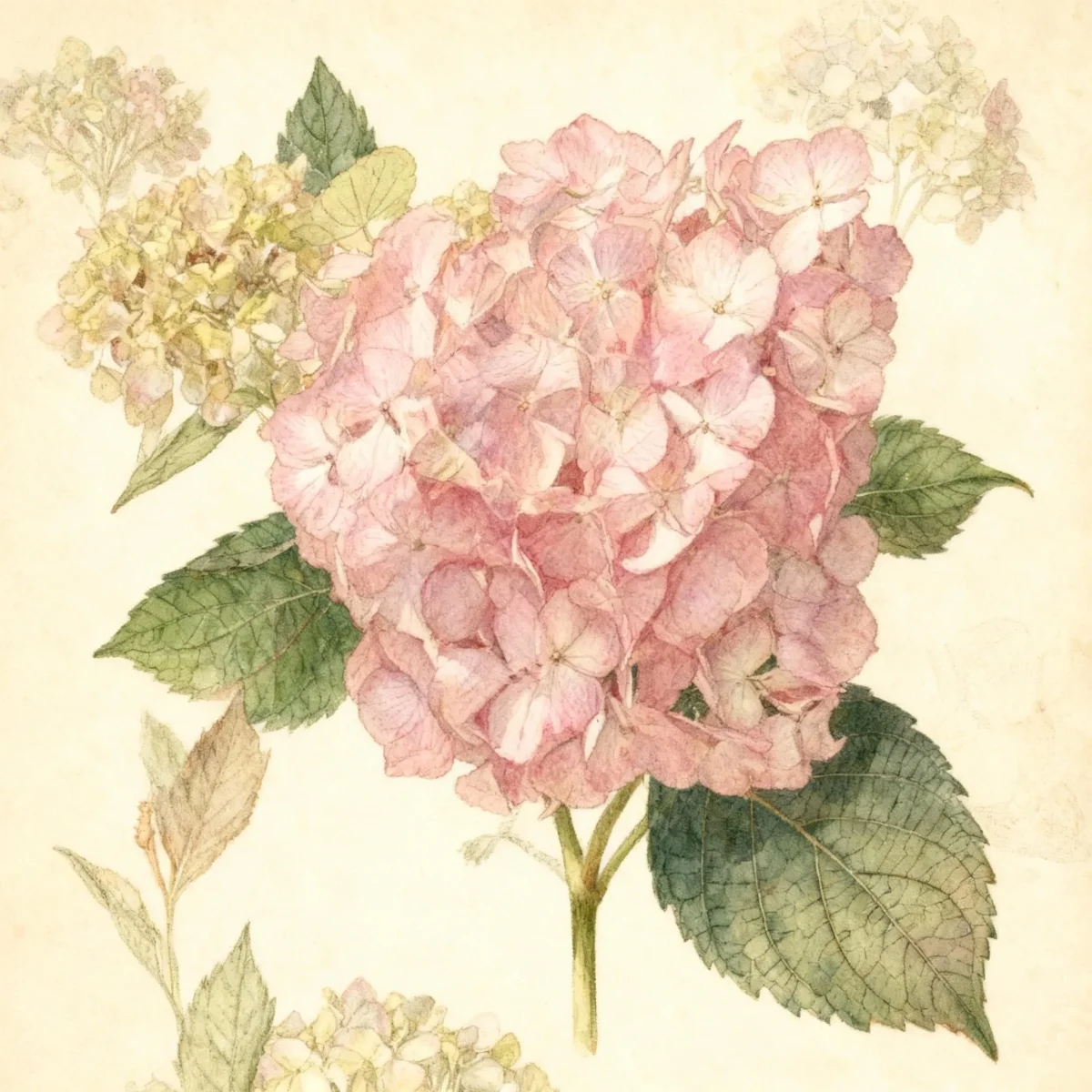
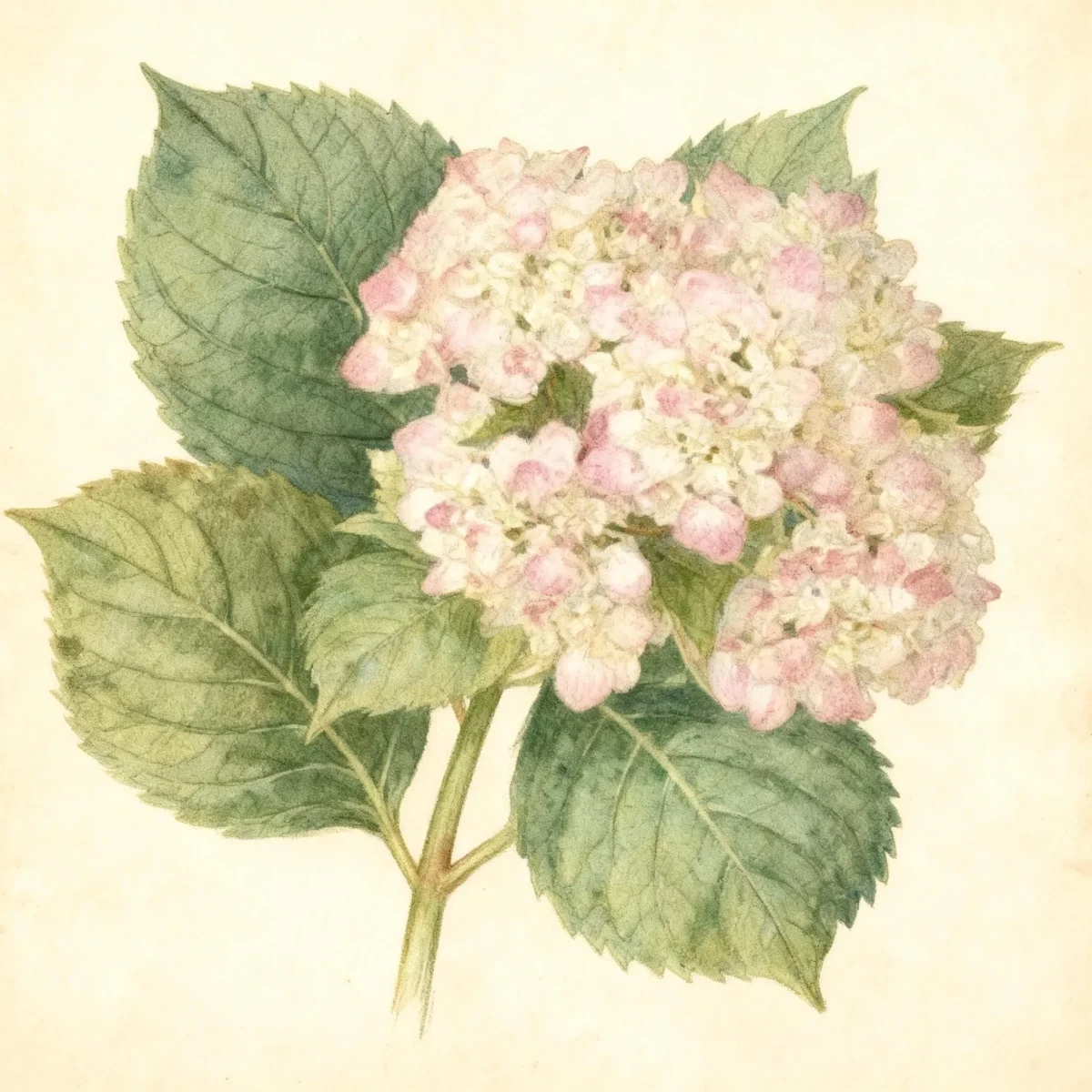
Bigleaf hydrangea (Hydrangea macrophylla 'Otaksa')
Hydrangea macrophylla 'Otaksa' is a compact, showy deciduous shrub known for its mophead blooms that shift color based on soil pH.
Scroll down to discover growing tips, care requirements, companion plants, and more
Complete Plant Information
Overview
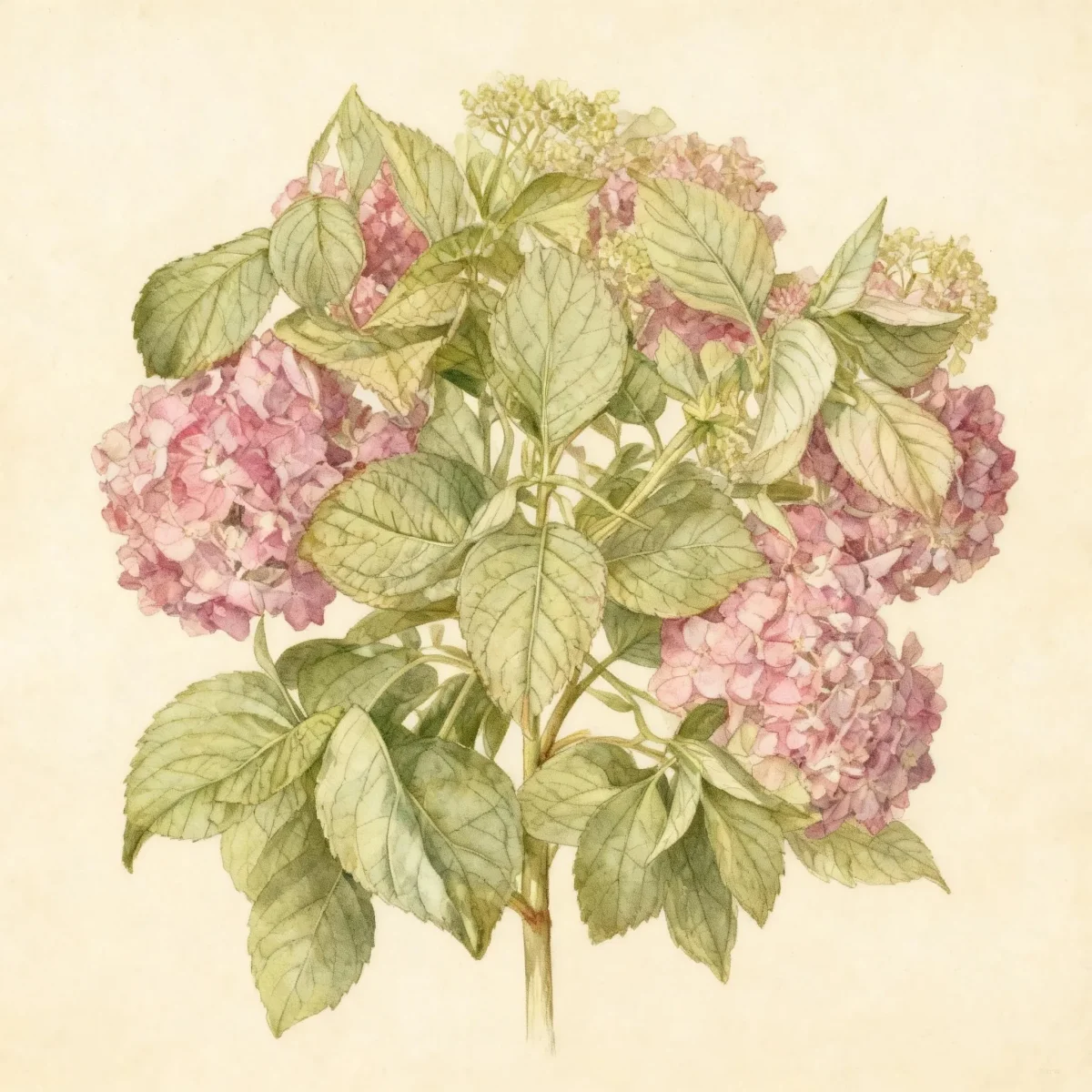
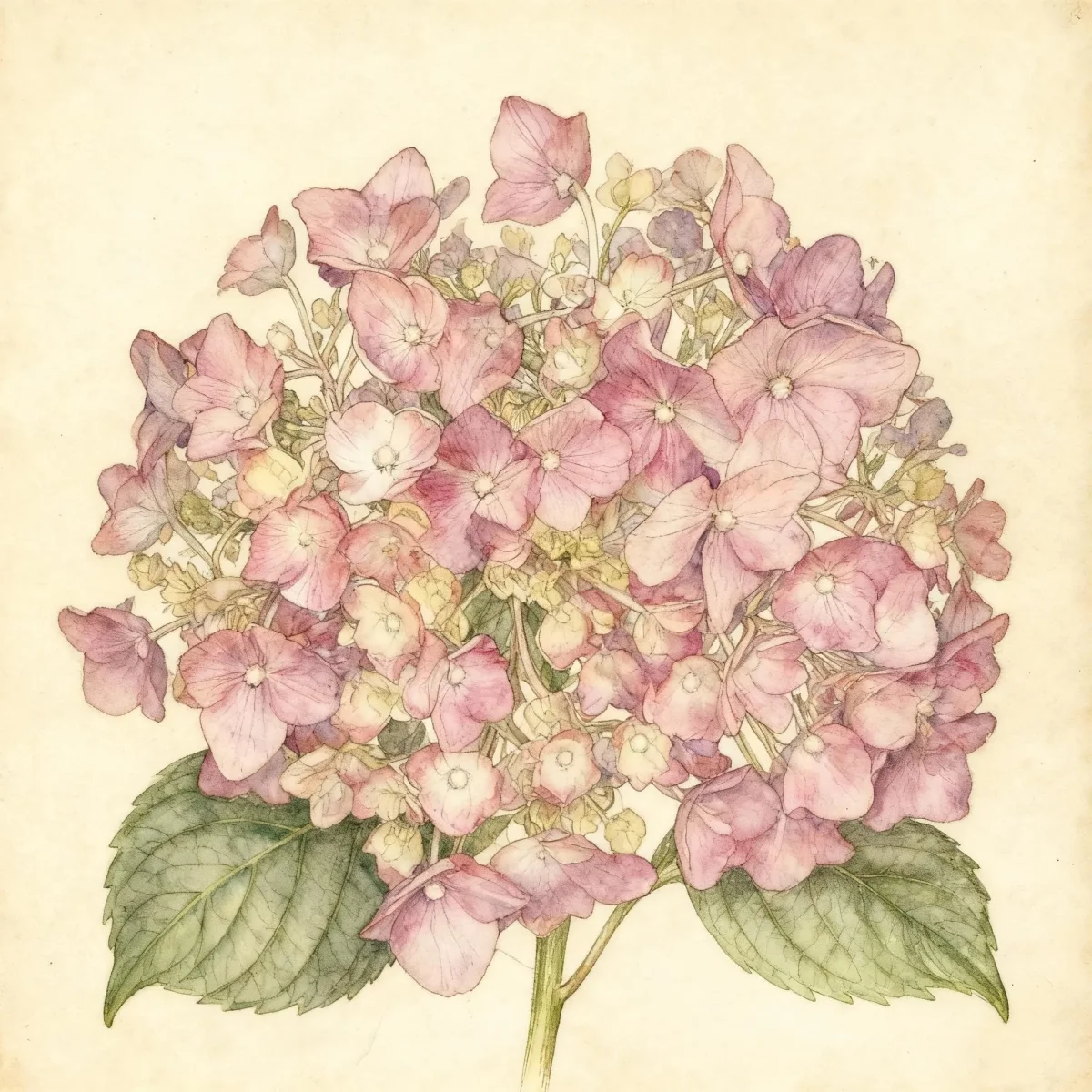
Hydrangea macrophylla ‘Otaksa’, commonly known as the Bigleaf hydrangea, is a prized compact deciduous shrub celebrated for its substantial, rounded mophead flower clusters that dominate the mid-summer landscape. This cultivar offers gardeners the ability to influence bloom color, providing vibrant blue or pink flowers depending on soil acidity, making it a highly interactive addition to borders. As a relatively low-growing specimen, Hydrangea macrophylla ‘Otaksa’ fits well into smaller garden spaces where its medium-green foliage provides an excellent backdrop for its showy blooms.
This versatile shrub thrives best when protected from the harshest afternoon sun, preferring part shade conditions for optimal health and flower quality. Proper management of soil pH is key to achieving the desired coloration, as the Bigleaf hydrangea requires highly acidic soil for true blue flowers and neutral to alkaline soil for pink hues. Due to its need for consistent moisture and specific cultural cues, this plant is rated as medium maintenance, rewarding attentive gardeners with reliable summer color well into August.
Fast Facts
- Plant Family: Hydrangeaceae
- Plant Type: Deciduous shrub
- Hardiness Zones: USDA Zones 6-9
- Size at Maturity:
- Height: 2-3 ft
- Spread: 2-4 ft
- Bloom Time: July to August
- Bloom Description: Blue to pink
- Sun Exposure: Part shade
- Water Needs: Medium
- Maintenance Level: Medium
How to Grow
Planting this Hydrangea macrophylla ‘Otaksa’ should occur in rich, well-drained soil that retains medium moisture. While it tolerates full sun, consistent moisture throughout the growing season is mandatory if planting in brighter locations. For best results, sites offering morning sun and afternoon shade are ideal, protecting those large leaves from scorch.
Ongoing care centers around consistent watering; do not allow the soil to dry out completely, especially during flowering periods. Soil pH treatments to manipulate flower color—adding aluminum sulfate for blue or lime for pink—should be initiated well before the growing season starts, ideally in late autumn or very early spring. Pruning is minimal; only trim immediately following the bloom period by cutting stems back to a pair of healthy buds to avoid removing next year’s flower potential.
Protecting your Bigleaf hydrangea is crucial, particularly in Zone 6 or colder areas. Apply a generous 3-inch layer of mulch, such as shredded bark or compost, around the base annually to help stabilize soil temperatures and retain moisture. While winter protection like wrapping can be attempted in Zone 5, be aware that harsh winter fluctuations often destroy flower buds regardless of external wrapping efforts.
Landscape Uses
Bigleaf hydrangea is extremely versatile in landscape design, performing beautifully when massed together in shrub borders to create a solid band of color. Due to the manageable size of Hydrangea macrophylla ‘Otaksa’ (up to 3 feet tall), it serves perfectly as a formal or informal hedge line where lower blocking height is desired. It also functions excellently as a specimen plant near patios or foundations, providing structure and focal points near gathering spaces.
The large leaf structure and mophead blooms pair well visually with fine-textured, shade-loving perennials like Hostas and Astilbes. Consider underplanting around the base with low-growing groundcovers to help keep the roots cool and the soil consistently moist, which directly supports the plant’s water needs. Whether used in containers flanking an entryway or integrated into a mixed border, this cultivar brings reliable summer presence.
Standout Features
Flower Qualities
- Showy
- Good Cut
- Good Dried
Noteworthy Characteristics
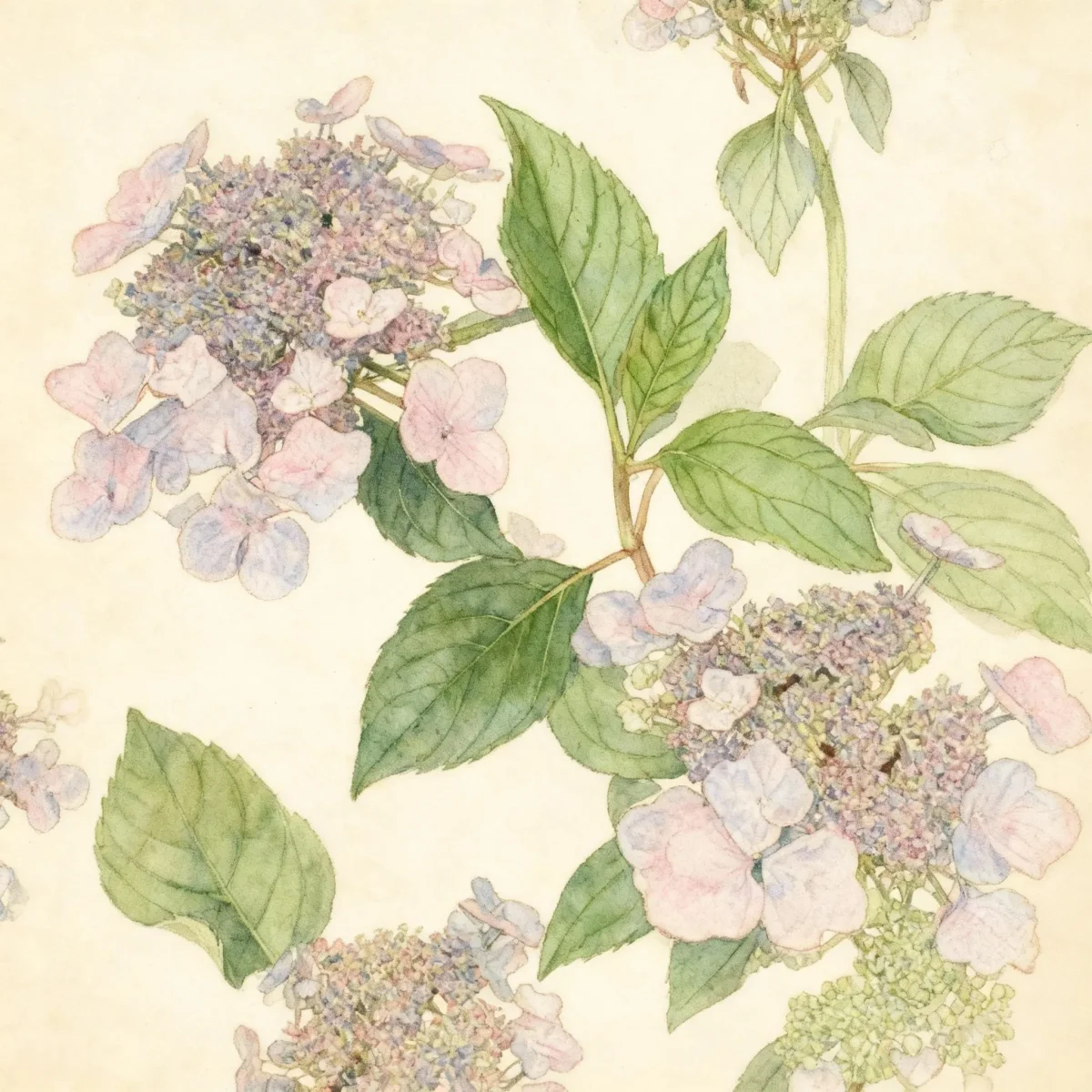
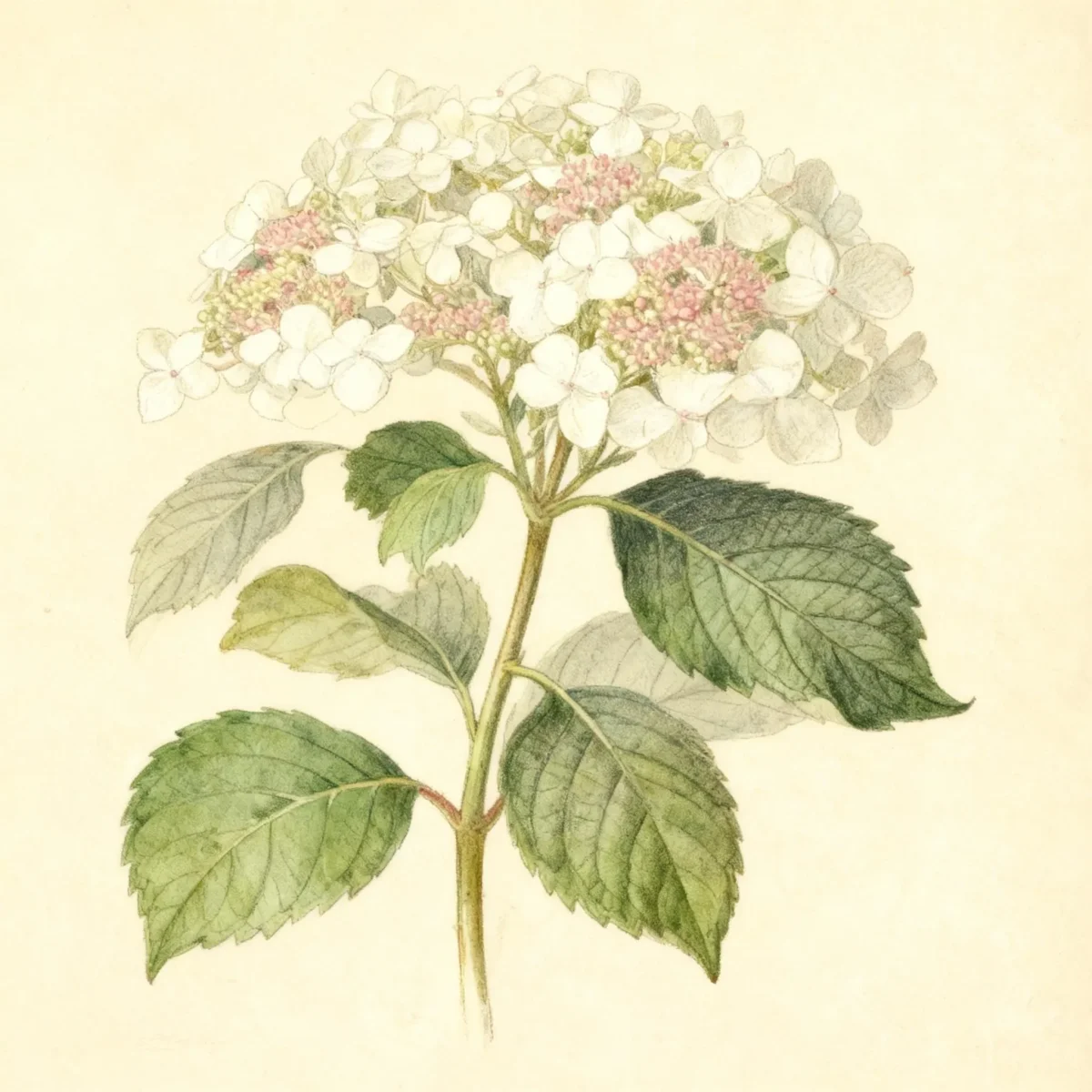
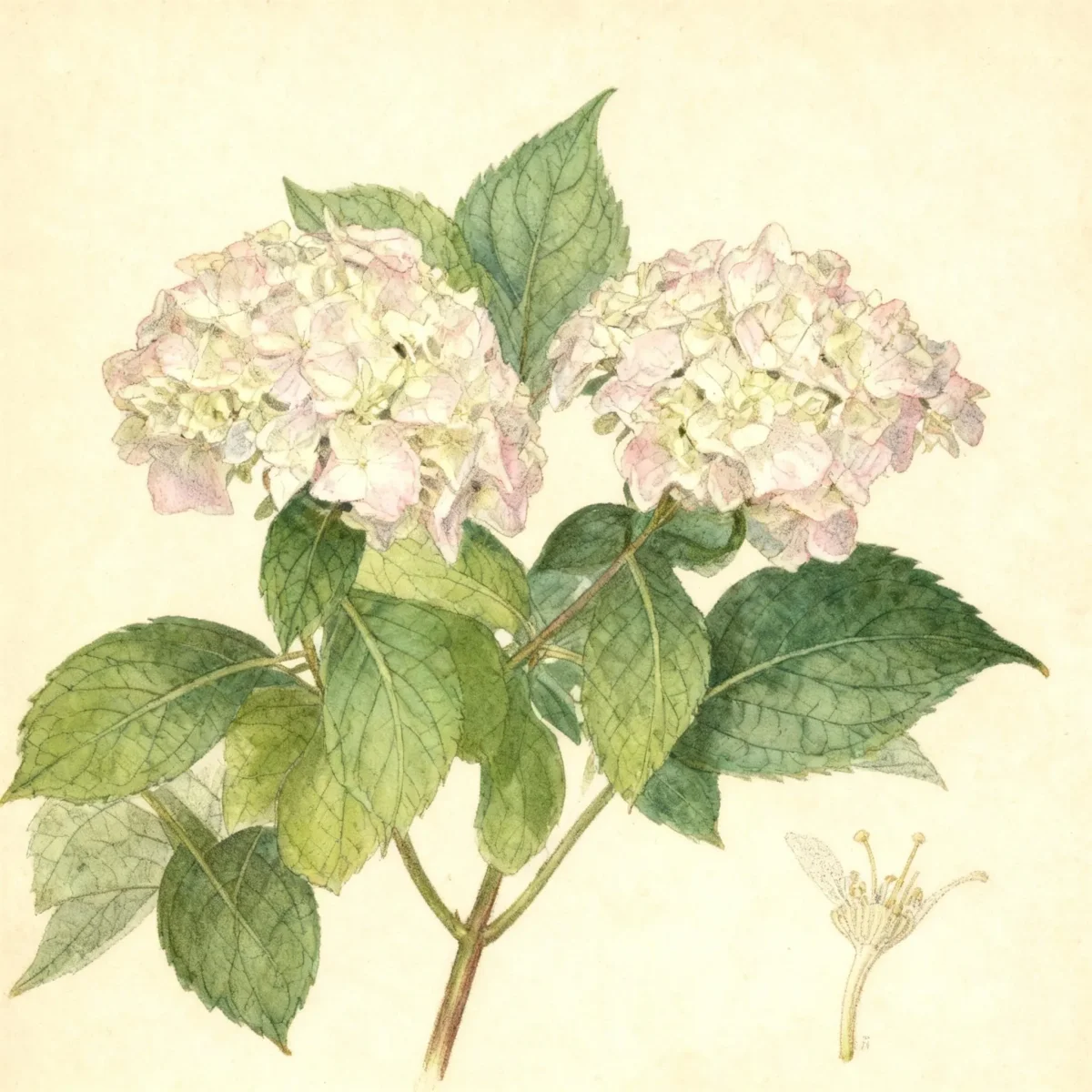
Hydrangea macrophylla, commonly called big leaf hydrangea, is a deciduous shrub with a rounded habit that, in the St. Louis area, typically grows 3-6’ tall and as wide unless damaged by harsh winters or pruned smaller. The cultivar ‘Otaksa’ is part of the hortensia or mop-head group, featuring large sterile florets arranged in heavy, globular panicles displaying pink or blue florets. Its large, serrate leaves, which are 4-8 inches long, provide dense summer foliage, giving rise to its common name, Bigleaf hydrangea.
Tolerances
No specific tolerances listed in the data provided.
Potential Problems
Gardeners should remain aware of some susceptibility to common issues like bud blight, bacterial wilt, and leaf spot disease. Mildew is another potential fungal issue, usually occurring when air circulation is poor or foliage remains wet overnight. Aphids can occasionally visit the new growth, but infestations are usually minor. Good horticultural practice, including ensuring good air flow and avoiding overhead watering late in the day, will significantly mitigate these potential problems affecting your Hydrangea macrophylla ‘Otaksa’.
Frequently Asked Questions
What hardiness zones is Bigleaf hydrangea suitable for?
Hydrangea macrophylla ‘Otaksa’ is reliably hardy in USDA Zones 6 through 9.
How large does Bigleaf hydrangea grow?
Hydrangea macrophylla ‘Otaksa’ typically reaches a mature height between 2 and 3 feet, with a spread ranging from 2 to 4 feet wide.
What sun exposure does Hydrangea macrophylla ‘Otaksa’ need?
This plant performs best when provided with afternoon shade, thriving in part shade conditions.
When does Bigleaf hydrangea bloom?
The mophead blooms appear from July all the way through August, typically presenting as blue to pink blossoms.
Conclusion
The Hydrangea macrophylla ‘Otaksa’ offers gardeners a compact, high-impact shrub valued for its long bloom time and unique ability to manipulate flower color through simple soil amendments. For a lush, colorful display in moist, partly shaded garden spaces, this Bigleaf hydrangea is an excellent choice. Before planting, confirm your location falls within USDA Zones 6-9 and plan your soil preparation early to ensure you achieve the perfect blue or pink spectacular this season.
Companion Planting
Selecting appropriate partners for your Hydrangea macrophylla ‘Otaksa’ helps create a cohesive, healthy microclimate. Since this Bigleaf hydrangea requires consistent moisture and appreciates protection from intense afternoon sun, choose companion plants with similar needs. Consider pairing it with moisture-loving ferns, Japanese Forest Grass (Hakonechloa macra), or broadleaf shade perennials like Astilbe or Hosta cultivars that offer contrasting leaf textures.
Grouping plants with similar water needs simplifies your maintenance routine, ensuring that when you water your hydrangeas, the surrounding foliage also benefits. Avoid planting Mediterranean or drought-tolerant species nearby, as their needs clash directly with the medium water demands of this Hydrangea.
Seasonal Care Calendar
Spring is the critical time for assessing winter damage and preparing the soil for color customization. Prune out any obviously dead or damaged wood in late winter or early spring before new growth starts, focusing pruning efforts only on removing trash wood, as most pruning should occur after the fact. If blue flowers are desired, apply aluminum sulfate early in the season, ensuring the dissolved product reaches the root zone.
Summer is primarily focused on hydration, especially during July and August when the mophead flowers are at their peak. Ensure the medium water needs of your Hydrangea macrophylla ‘Otaksa’ are met daily during heat waves, using deep, infrequent watering techniques to encourage deep root growth. Deadheading spent blooms can tidy the appearance, but remember that the final pruning cut should be light and done immediately after flowering ceases.