Hydrangea (Hydrangea 'Preziosa')
Discover Hydrangea 'Preziosa', a compact mophead Hydrangea from USDA Zones 6-9, valued for its white to reddish-purple blooms.
Scroll down to discover growing tips, care requirements, companion plants, and more
Complete Plant Information
Overview
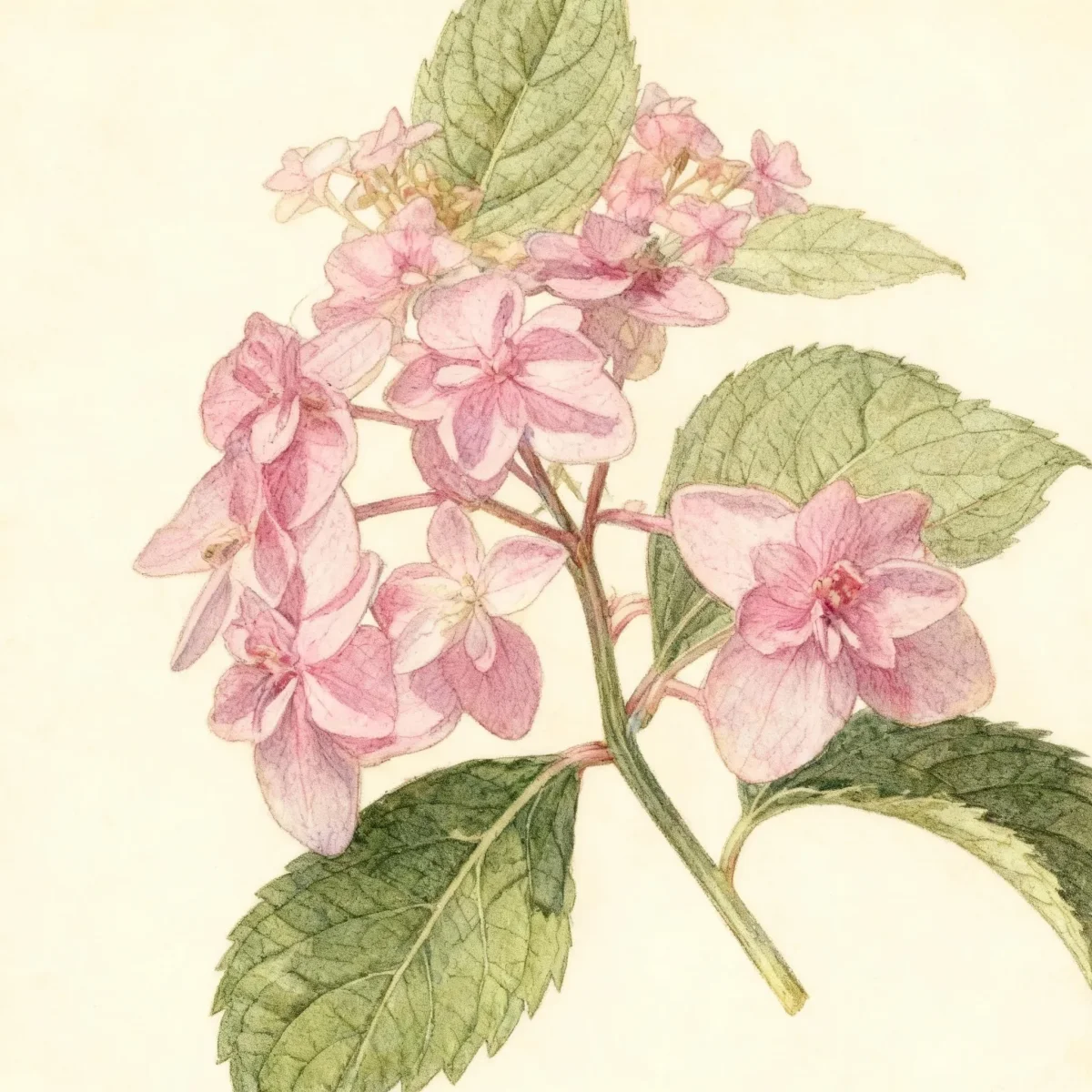
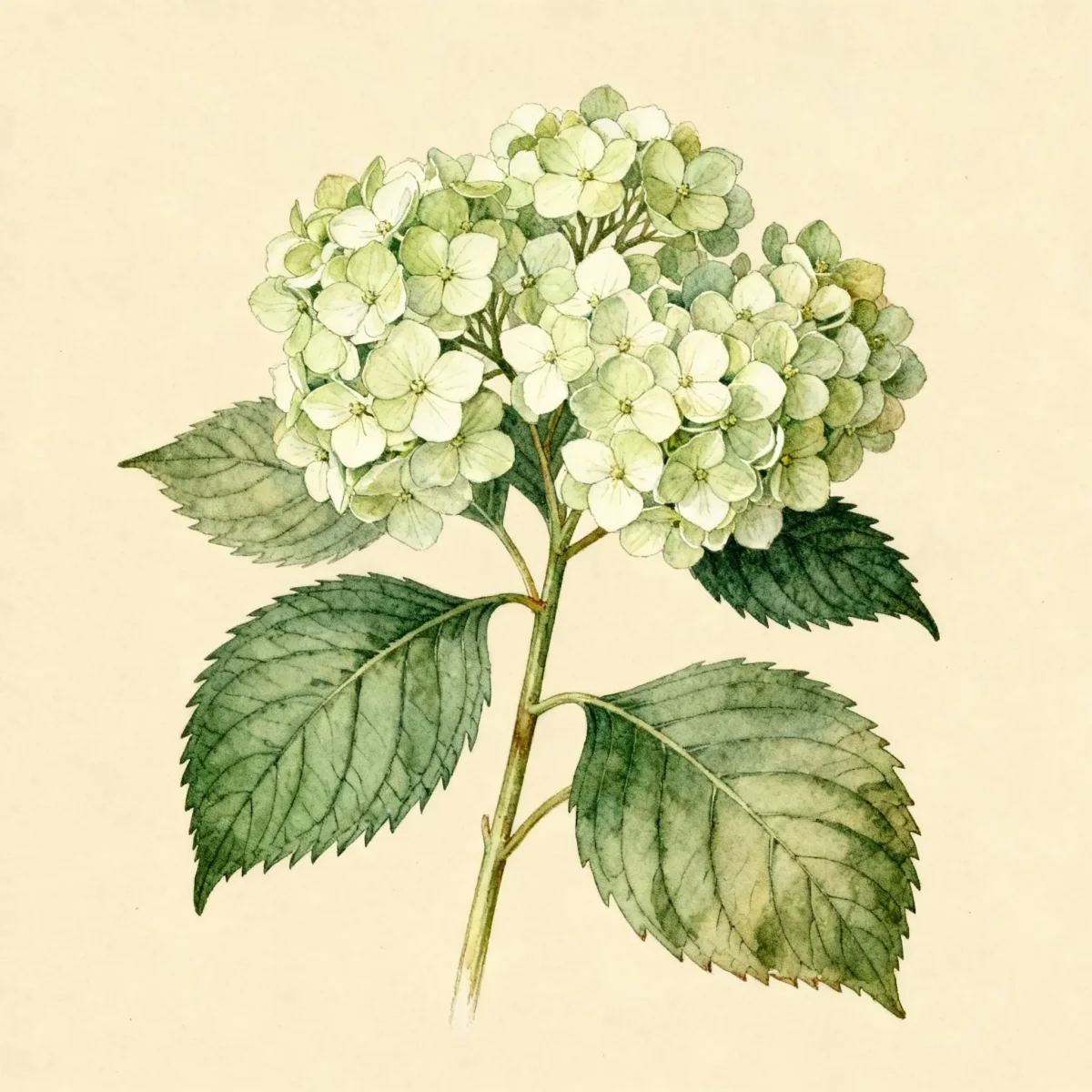
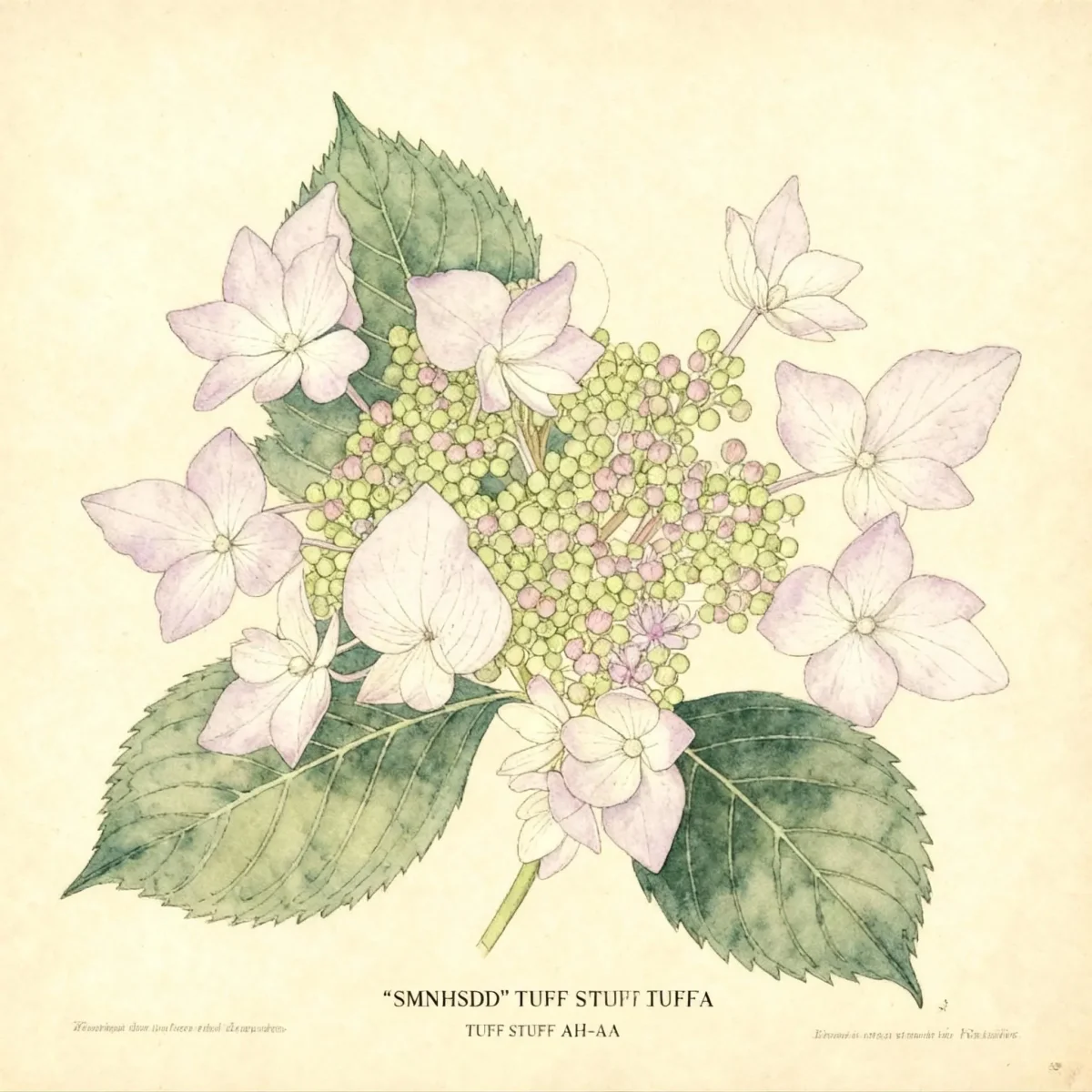
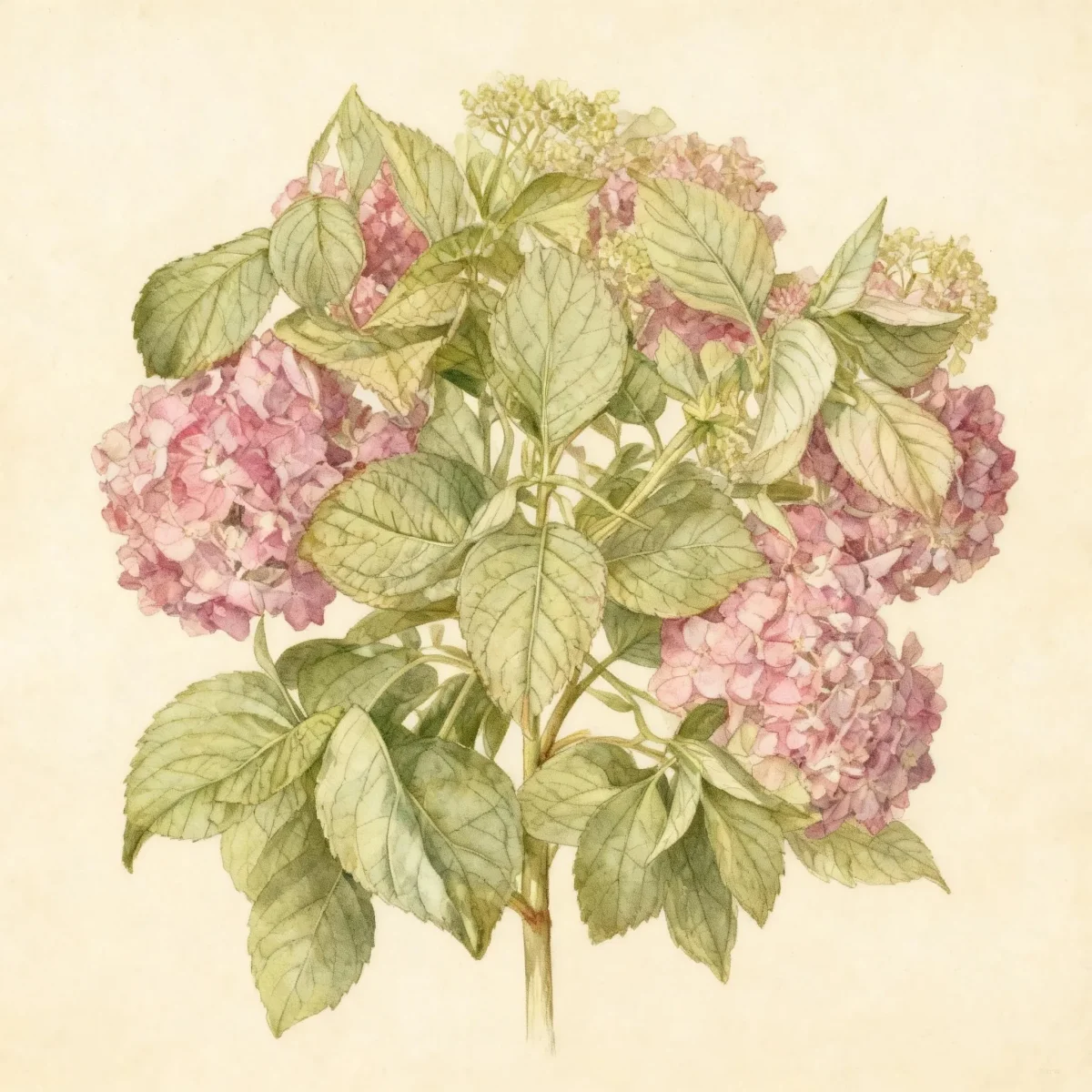
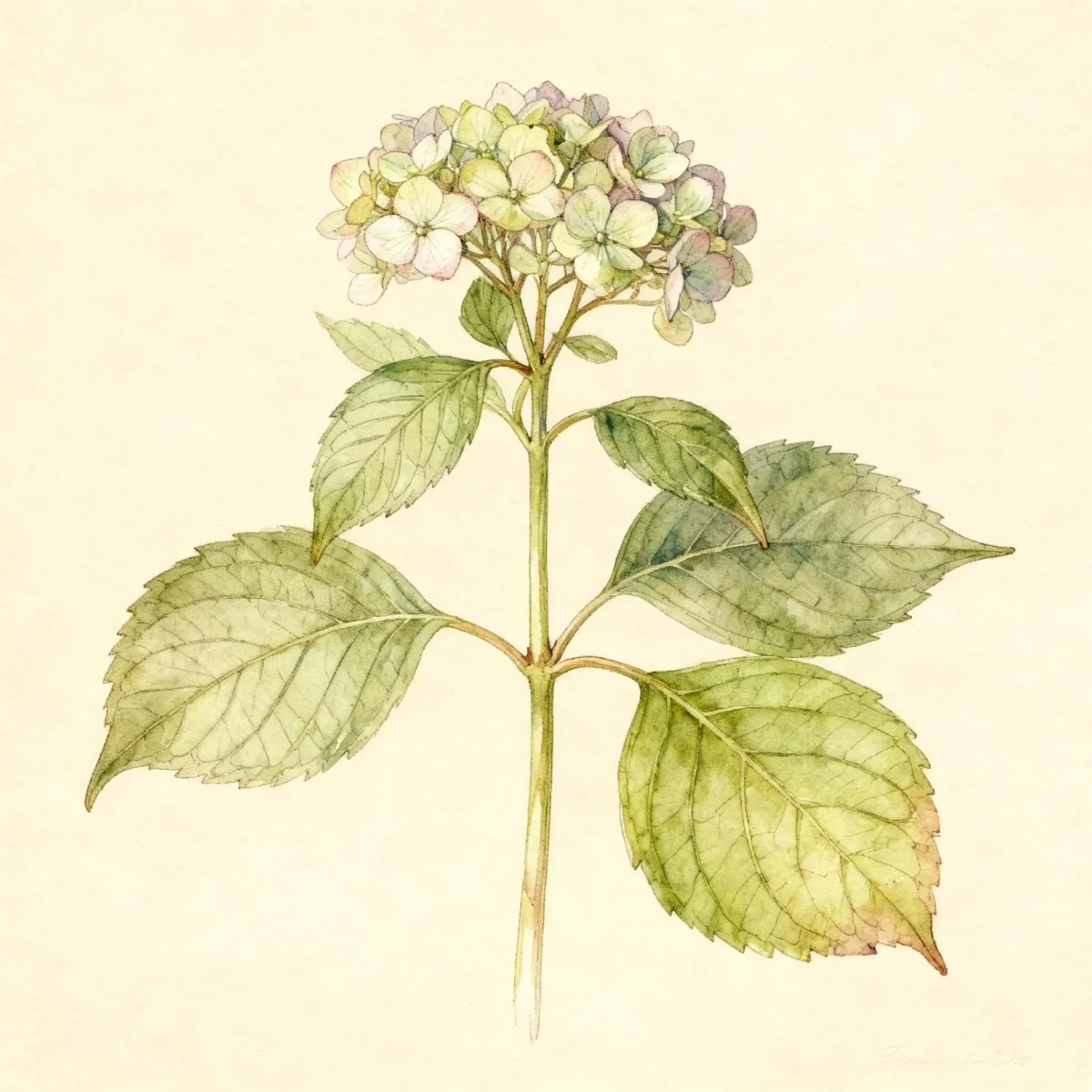
Hydrangea ‘Preziosa’ offers exceptional color transition throughout the summer and into fall, making it a standout addition to any garden. This specific variety of Hydrangea is appreciated for its manageable size, typically staying between three and four feet tall and wide when healthy. Gardeners value this compact deciduous shrub for its long-lasting display, as its mophead-like blooms evolve from white through pink shades to deep reddish-purple.
As a member of the Hydrangeaceae family, Hydrangea ‘Preziosa’ thrives best when provided with protection from the harshest afternoon sun. It requires consistently moist, rich, well-drained soil to perform optimally throughout its blooming season. While known for its showy flowers, this Hydrangea also boasts attractive foliage that turns red or purple tints in autumn, extending its visual interest past the main flowering period.
Pruning and winter preparation are key aspects of successfully growing Hydrangea ‘Preziosa’. Since blooms appear on old wood, timing your cuts correctly is essential to ensure a robust floral display the following year. For gardeners in marginal zones, providing winter protection is strongly recommended to safeguard the flower buds from harsh freeze events.
Fast Facts
- Plant Family: Hydrangeaceae
- Plant Type: Deciduous shrub
- Hardiness Zones: USDA Zones 6-9
- Size at Maturity:
- Height: 3-4 ft
- Spread: 3-4 ft
- Bloom Time: July to September
- Bloom Description: White changing to pink and reddish-purple
- Sun Exposure: Part shade
- Water Needs: Medium
- Maintenance Level: Medium
How to Grow
For optimal establishment, plant Hydrangea ‘Preziosa’ during the cooler months of early spring or fall. Select a location that provides rich, medium-moisture, well-drained soil. While this Hydrangea prefers part shade, it can technically tolerate full sun, but only if the soil moisture is maintained consistently throughout hot periods—otherwise, scorching or wilting will occur.
Maintenance centers around consistent watering and appropriate pruning. Ensure the soil remains evenly moist, especially during dry spells, as inadequate water can stress the plant quickly, particularly if planted in sunnier spots. Pruning should be performed immediately after flowering concludes, focusing on cutting back the spent flowering stems to a pair of healthy, outward-facing buds. In early spring, you can remove any stems that appear weak or were damaged by winter weather.
Winter preparation requires special attention, especially in USDA Zones 5 through 6A. Although Hydrangea ‘Preziosa’ possesses better inherent winter hardiness than some other Hydrangeas, deep mulch or wrapping the plant with burlap offers crucial protection to the flowering wood. This proactive step prevents bud loss caused by harsh winter cold, ensuring you enjoy the full effect of the white to reddish-purple flowers the following season.
Landscape Uses
Hydrangea ‘Preziosa’ serves wonderfully as a versatile structural plant in sheltered garden locations. Its rounded habit and predictable size make it perfect for grouping or mass planting within a larger shrub border, creating blocks of continuous summer color. Consider planting a row to define a partially shaded walkway or foundation planting where its late-season color can be appreciated up close.
This Hydrangea is also ideal utilized as a specimen or accent plant near patios or protected home entrances. When used as an accent, its dark maroon stems and evolving flower heads provide architectural interest even when not in full bloom. To enhance the planting, pair Hydrangea ‘Preziosa’ with shade-tolerant perennials like Hostas or Astilbes, whose foliage textures contrast nicely with the shrub’s large, serrated leaves.
Because of its moderate size, this variety fits well into protected areas of the landscape where more delicate shrubs might struggle. Its visual impact comes from the prolonged color shift of the blooms, offering high performance for a medium-maintenance requirement.
Flower Qualities
- Showy
Noteworthy Characteristics
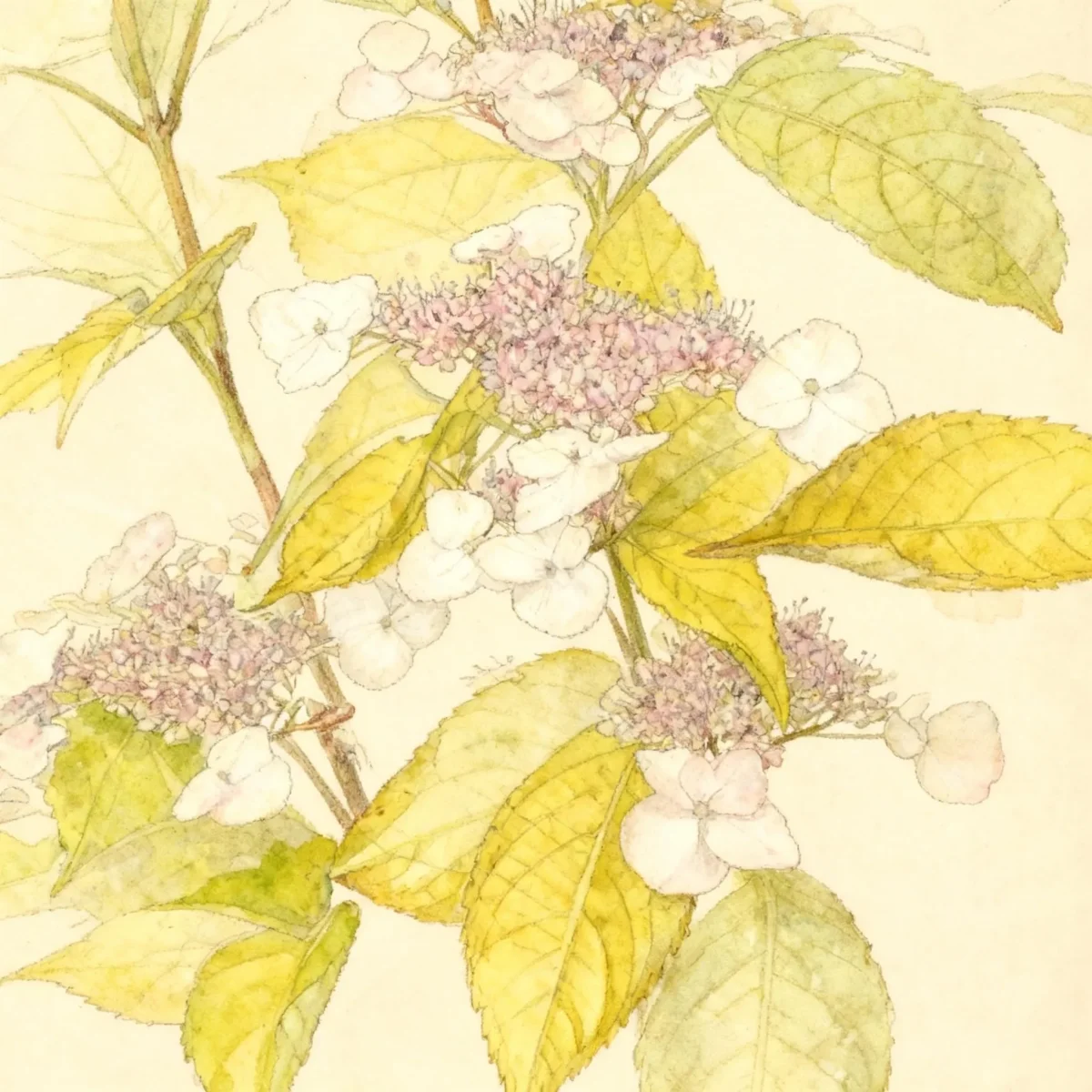
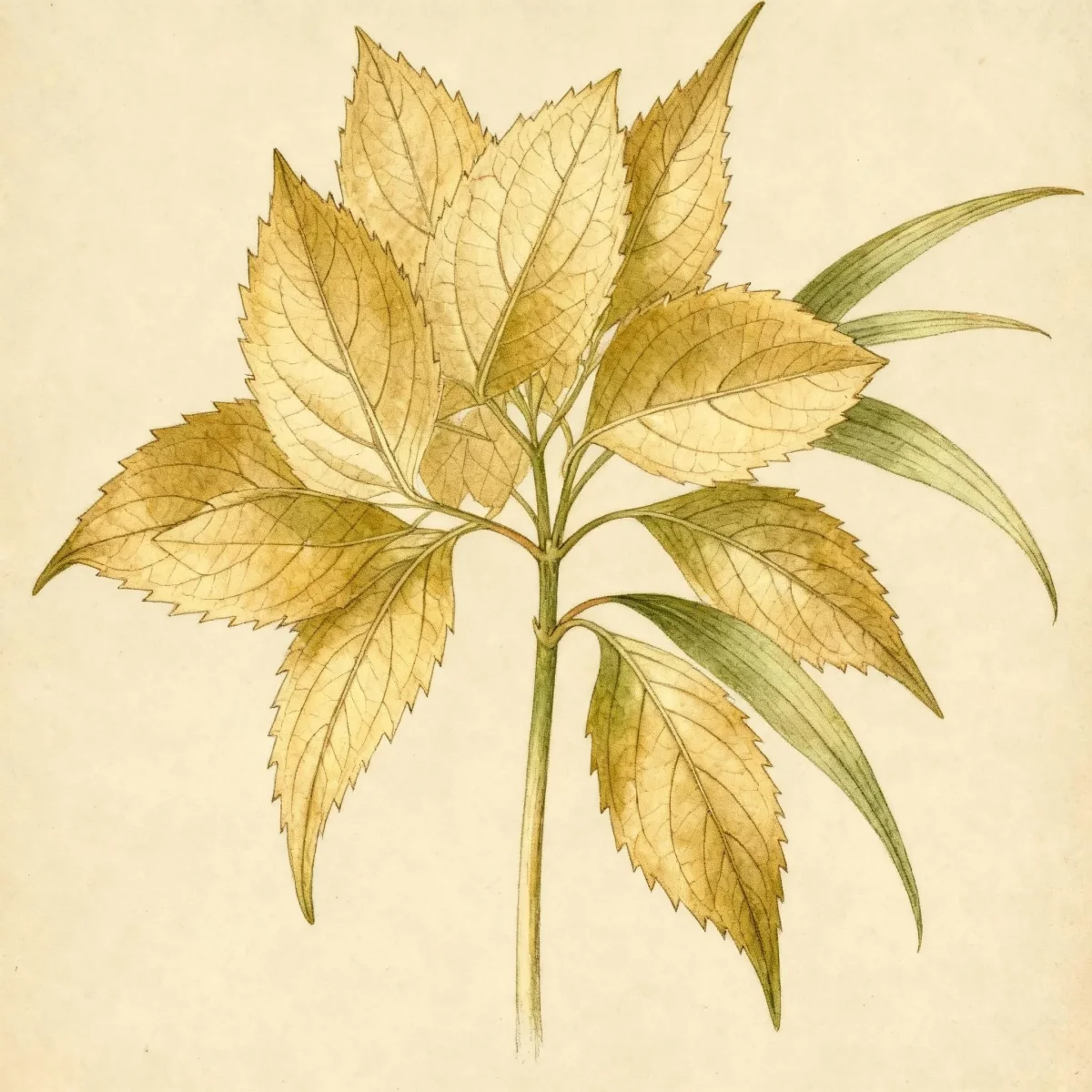
Hydrangea is a genus of 80 or more species of deciduous and evergreen shrubs, climbers and rarely trees from East Asia and North and South America. Many have very showy flowers.The genus name Hydrangea comes from hydor meaning “water” and aggeion meaning “vessel”, in reference to the cup-like capsular fruit. ‘Preziosa’ is a mophead-type hydrangea which is varyingly listed as a cultivar of H. Serrata or as a cultivar of H. Macrophylla or as a hybrid between the two. It is a compact deciduous shrub with a rounded habit which typically grows to 3-4’ tall and as wide unless damaged by harsh winters or pruned smaller. Features small mophead-like panicles (3-4”) in which the showy sterile florets progress through several different color changes (white to pink to reddish-purple) over a long summer to fall period. Serrate leaves emerge purple-tinted, mature to green and again acquire red to purple tints in fall. Dark maroon stems
Potential Problems
While generally robust, gardeners should monitor Hydrangea ‘Preziosa’ for a few common issues, though it fortunately avoids many serious long-term threats. Susceptibility exists for common fungal issues like leaf spot and mildew, which can be managed by ensuring good air circulation around the shrub and avoiding overhead irrigation late in the day.
Insect pests are usually minor; aphids occasionally appear but rarely pose a significant threat to the overall health of the mature Hydrangea. The most critical potential problem relates to winter bud damage, particularly in colder regions within its range. If temperatures dip sharply after the plant begins to break dormancy, or during severe winter freezes, buds can be destroyed, resulting in a season with few or no flowers. Proper site selection and winter mulching are the best preventative measures against bloom failure.
Frequently Asked Questions
What hardiness zones is Hydrangea ‘Preziosa’ suitable for?
This deciduous shrub is generally suited for USDA Zones 6 through 9, though extra protection is advisable in Zones 5, 6, and 6A.
How large does Hydrangea grow?
Hydrangea ‘Preziosa’ typically matures to a height and spread of 3 to 4 feet, maintaining a compact, rounded habit suitable for borders.
What sun exposure does Hydrangea ‘Preziosa’ need?
This Hydrangea thrives best in part shade. It tolerates more sun, but only if the soil remains consistently moist throughout the day.
When does Hydrangea ‘Preziosa’ bloom?
Blooms appear from July through September. The flowers are striking because they change color, starting white, shifting to pink, and finishing as a rich reddish-purple.
Conclusion
The Hydrangea ‘Preziosa’ is a valuable, colorful addition to the landscape, prized for its longevity of bloom and compact structure. Its ability to shift flower color from white to reddish-purple ensures extended visual appeal right into the fall season. Before planting, confirm that your location falls within USDA Zones 6-9, and plan your pruning strategy now to maximize the blooming potential of your beautiful Hydrangea ‘Preziosa’ next year.
Companion Planting
Choosing suitable companions for Hydrangea ‘Preziosa’ helps maintain the consistent moisture and dappled light conditions it prefers. Plants that naturally inhabit woodland edges or the understory provide excellent textural and height contrast without competing aggressively for resources. Consider using ferns, such as Japanese Painted Ferns, whose delicate fronds juxtapose well against the coarse foliage of the Hydrangea.
Another excellent pairing involves low-growing, shade-tolerant groundcovers, such as Hakonechloa (Japanese Forest Grass) or perennial Geraniums. These companions help shade the soil, keeping the medium moisture levels stable near the root zone, which is crucial for preventing stress, especially during hot summer afternoons. Always ensure adequate spacing so the air can circulate properly around your Hydrangea, reducing humidity buildup that can encourage fungal issues.
Seasonal Care Calendar
Spring is the crucial time for structural maintenance when growing Hydrangea ‘Preziosa’. Focus on pruning out any dead or weak stems before new leaf growth fully emerges; remember that the main flowering wood is set the previous year. After the threat of hard frost has passed, apply a fresh layer of organic mulch around the base, taking care to keep the mulch away from the immediate crown of the shrub.
Summer care for this Hydrangea centers almost entirely on water management. Check soil moisture regularly; if the top inch or two feels dry, provide a deep, slow watering to saturate the root zone. Avoid light, frequent sprinkling, which encourages shallow roots. If the plant shows signs of wilting during afternoon heat, increase watering frequency slightly until temperatures moderate.
As autumn approaches, halt any heavy fertilization to encourage the shrub to prepare for dormancy. The fading foliage of the Hydrangea ‘Preziosa’ will display attractive secondary coloring. If you are in Zones 6 or lower, apply a heavy layer of protective mulch around the root zone once the ground is fully chilled but before the harshest winter weather sets in to protect the overwintering buds.