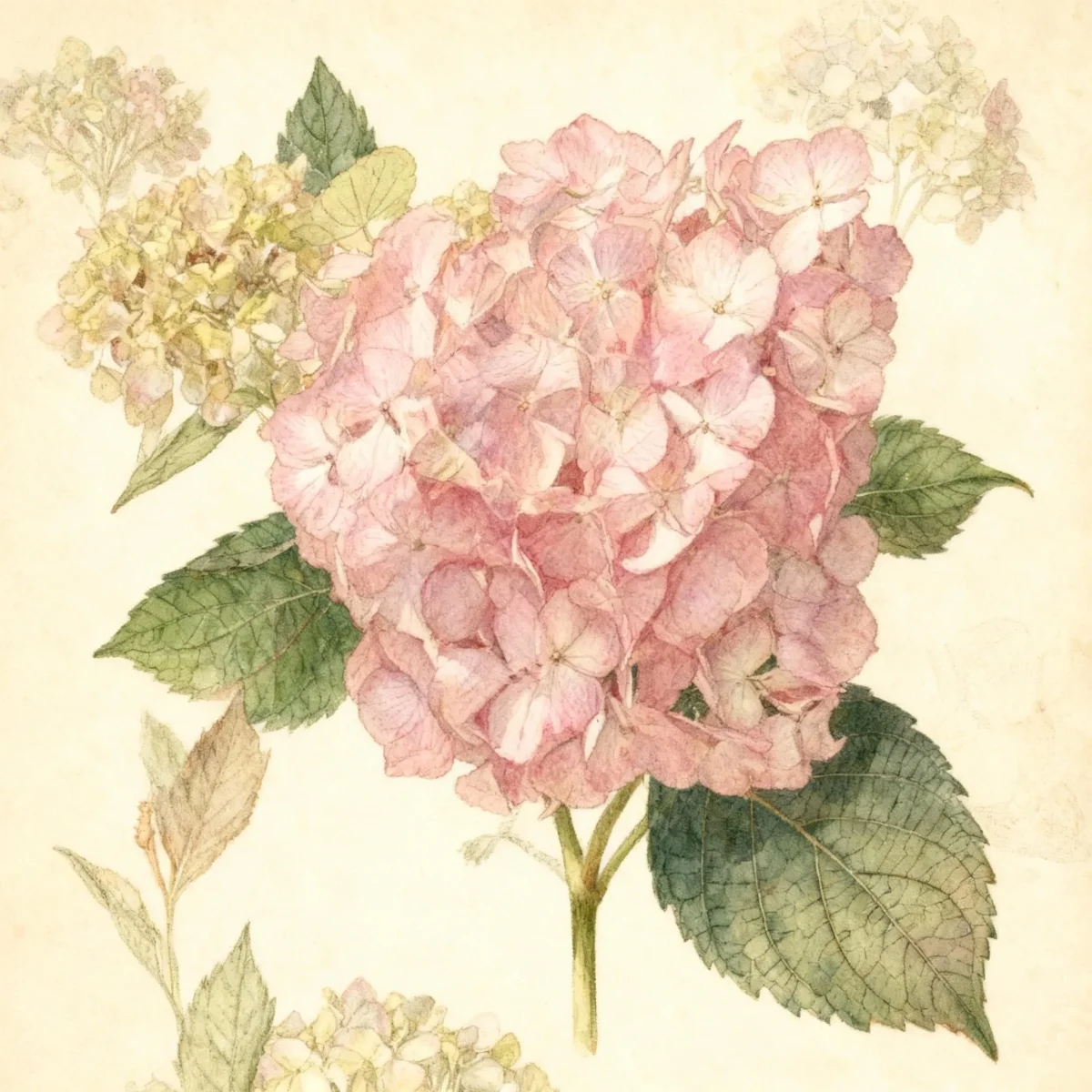
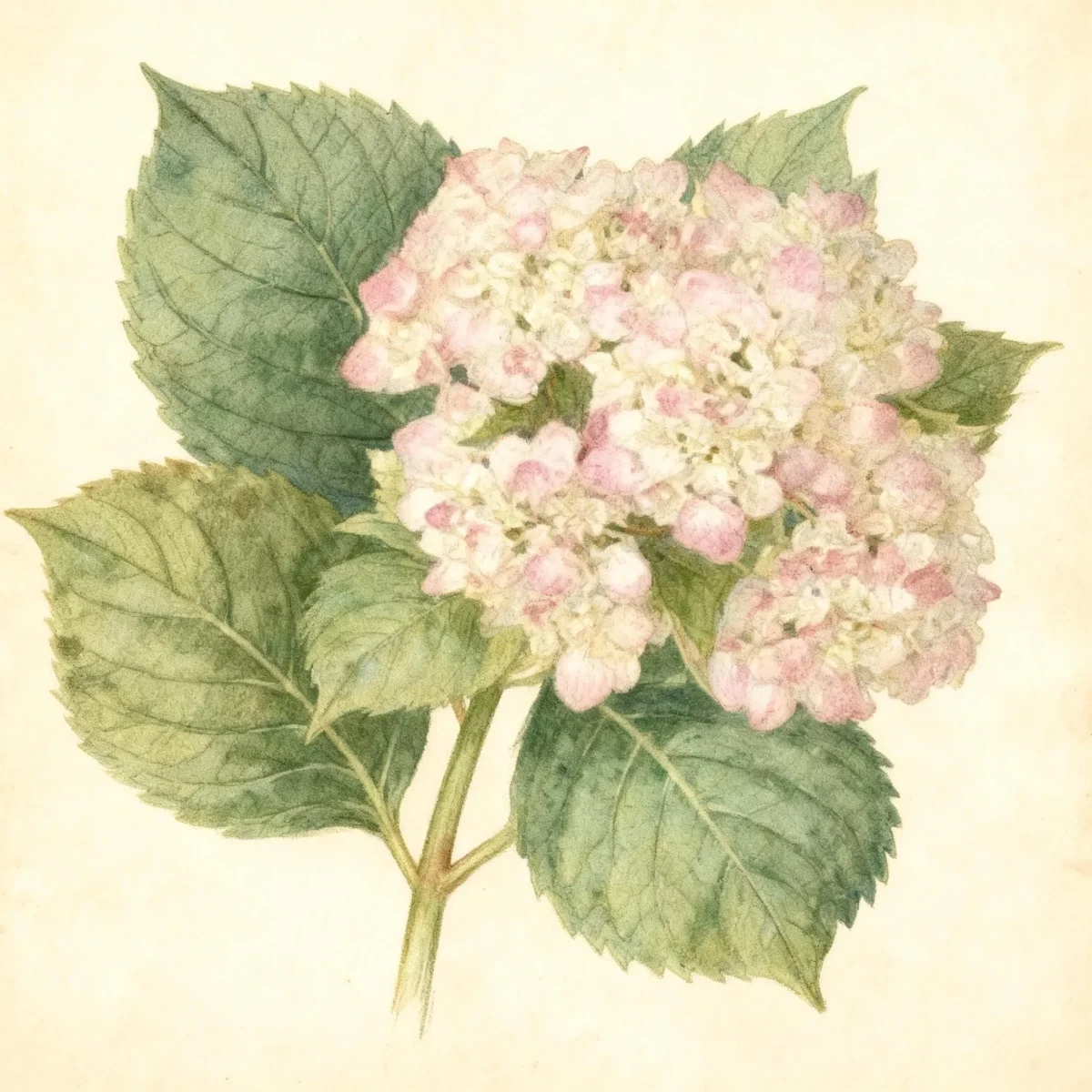
Bigleaf hydrangea (Hydrangea macrophylla 'Maculata')
Compact Hydrangea macrophylla 'Maculata' offers lustrous variegated foliage and long-blooming lacecap flowers. This Bigleaf hydrangea requires part shade care.
Scroll down to discover growing tips, care requirements, companion plants, and more
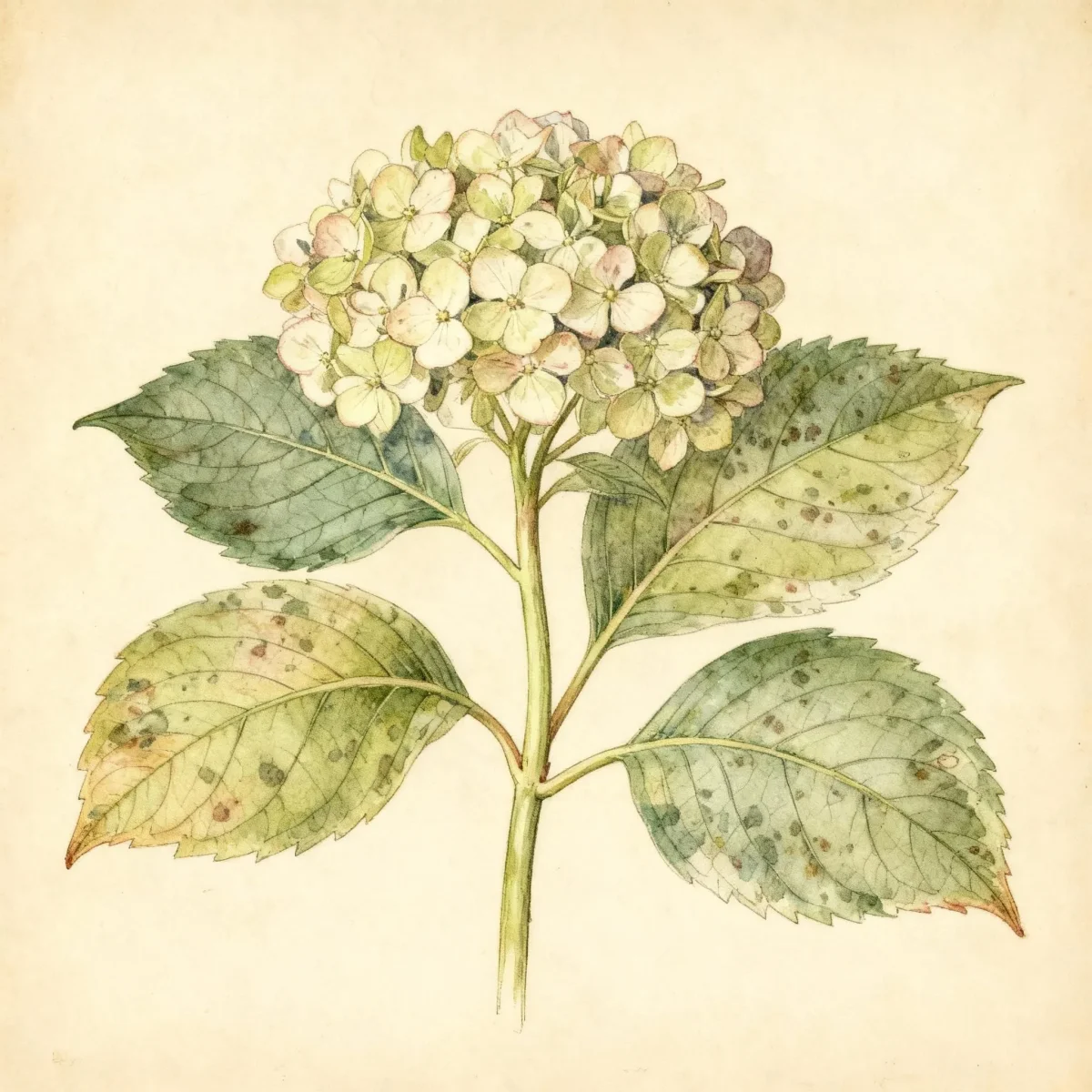
Complete Plant Information
Overview
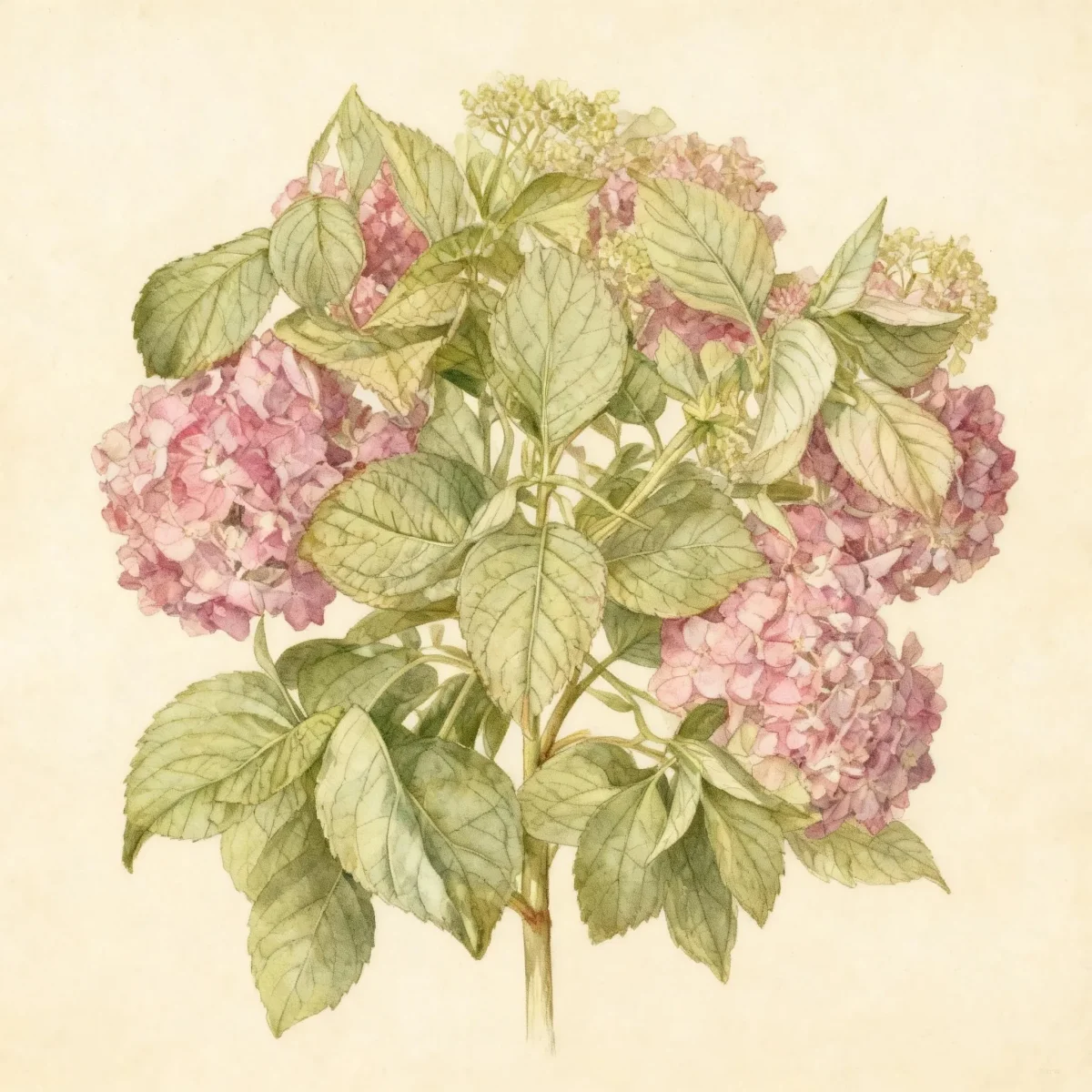
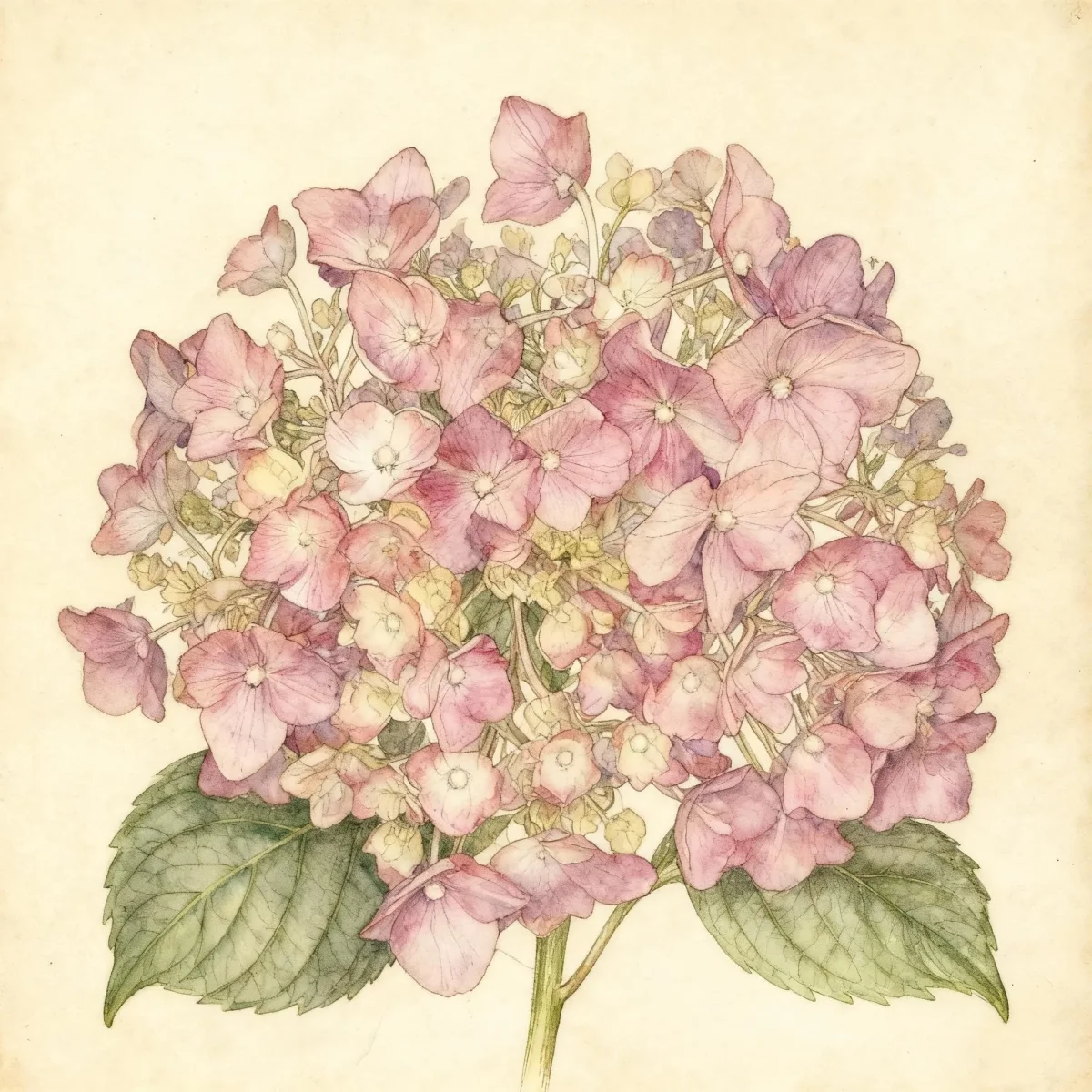
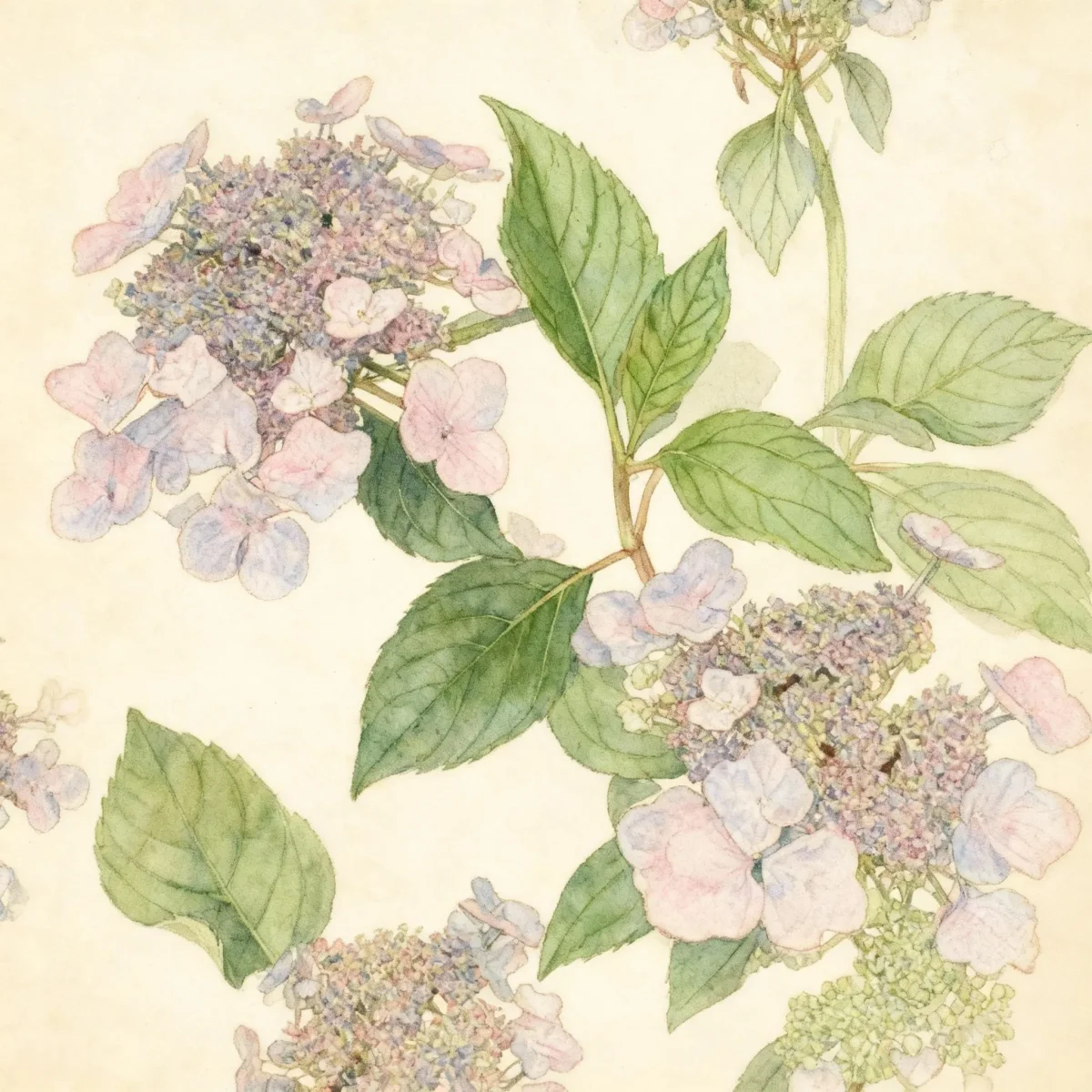
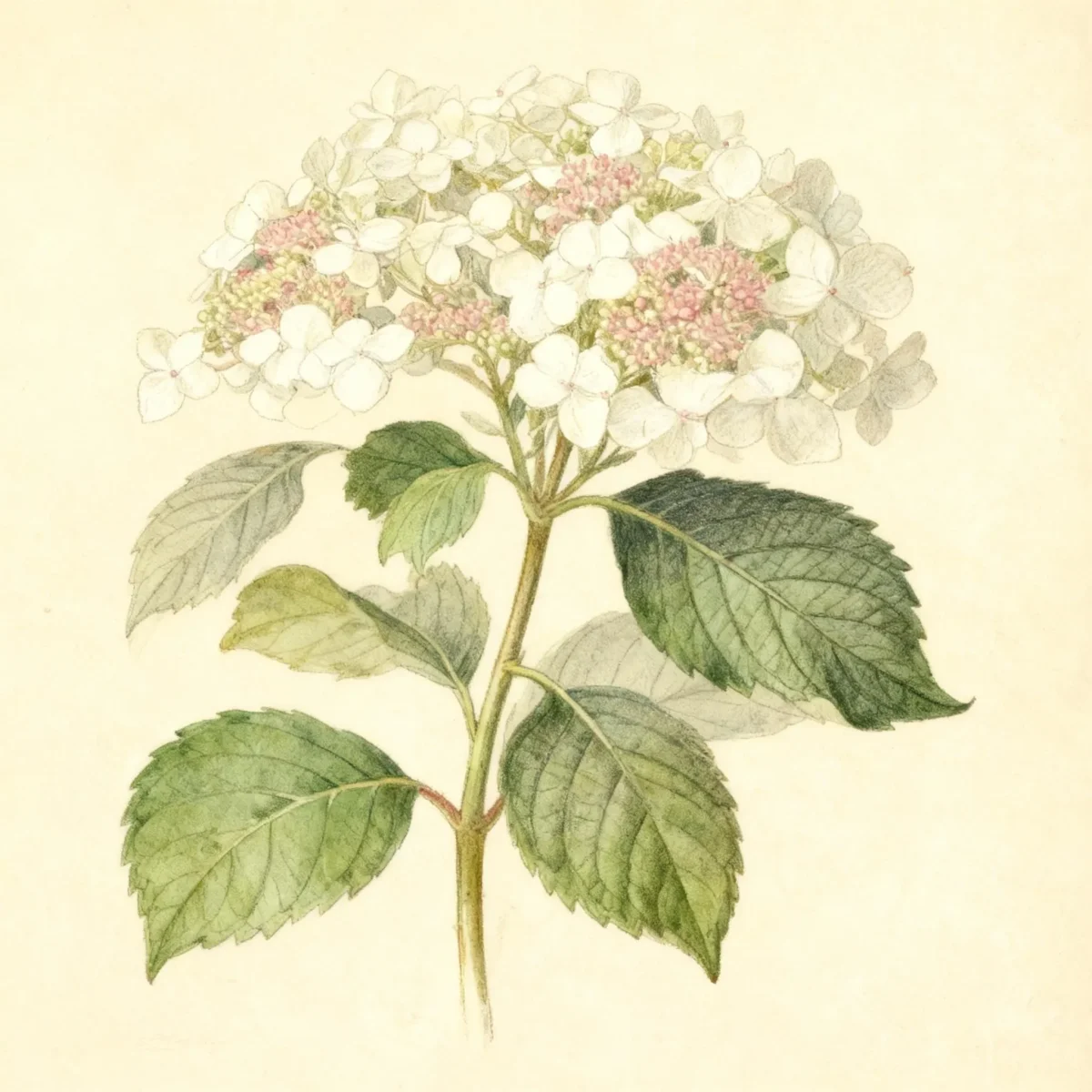
The striking Hydrangea macrophylla ‘Maculata’, a specific cultivar often referred to as Bigleaf hydrangea, brings unique texture to the garden with its lustrous, medium green foliage beautifully edged in white variegation. This compact shrub offers flattened clusters of pink or blue florets—a classic lacecap form—that provide color contrast against the patterned leaves throughout early summer. Its manageable size makes the Hydrangea macrophylla ‘Maculata’ exceptionally versatile for smaller spaces or defined garden beds.
As a reliable deciduous shrub, it thrives best when shielded from intense afternoon sun, preferring the dappled light of a part shade location. Gardeners cultivating this specific Bigleaf hydrangea must remain aware that its signature flower color shifts dramatically based on soil pH levels, offering a rewarding challenge in color manipulation.
Valuable for its aesthetic diversity—combining variegated leaves with beautiful bloom heads—Hydrangea macrophylla ‘Maculata’ remains a distinguished choice for those seeking structure and color interest in shaded perennial borders or foundation plantings.
Fast Facts
- Plant Family: Hydrangeaceae
- Plant Type: Deciduous shrub
- Hardiness Zones: USDA Zones 6-9
- Size at Maturity:
- Height: 2-3 ft
- Spread: 2-3 ft
- Bloom Time: July to August
- Bloom Description: Blue in acid soil; Pink in alkaline soil
- Sun Exposure: Part shade
- Water Needs: Medium
- Maintenance Level: Medium
How to Grow
For optimal performance, plant Hydrangea macrophylla ‘Maculata’ in rich, well-drained soil that maintains medium moisture content. While this Bigleaf hydrangea tolerates full sun, it absolutely requires consistent moisture if exposed to more than just morning light. Early autumn or early spring are ideal times for planting to allow root establishment before the demands of summer heat or deep winter cold arrive.
Routine care involves maintaining even soil moisture; do not allow the soil to dry out completely, especially during dry spells. A yearly application of mulch, about 3 inches deep using compost or shredded bark, helps conserve moisture and moderate soil temperature. Remember that soil pH radically influences flower color; amend heavily acidic soil with aluminum sulfate for blue blooms or add lime for pinker hues, beginning treatments well before the next blooming season.
Pruning needs are generally minimal for this compact type. If necessary, prune only immediately after flowering concludes, cutting stems back only to a set of healthy buds. In late winter or early spring, focus only on removing any stems damaged by winter weather or those that appear weak. Gardeners in Zone 6, and particularly Zone 5, should site the plant in sheltered spots and consider providing extra winter protection if harsh freezes are anticipated, as cold snaps can damage the wood that holds next year’s flower buds.
Landscape Uses
The compact nature of Hydrangea macrophylla ‘Maculata’, reaching only 2 to 3 feet tall and wide, lends itself perfectly to defined borders where its variegated foliage can be showcased without overwhelming neighboring plants. It serves excellently as a foundational accent near patios or entryways, providing light reflection due to its lighter leaf edges.
Consider massing several Bigleaf hydrangea units together for a striking recurring hedge effect, though gardeners should ensure the hedge remains mid-sized. The lacecap blossoms and textured leaves pair beautifully with solid green hostas or fine-textured ferns that also appreciate part shade and consistent moisture conditions. This cultivar is also an excellent candidate for large containers where its soil environment—and thus its flower color—can be meticulously controlled.
Standout Features
Flower Qualities
- Showy
Noteworthy Characteristics
‘Maculata’ is part of the lacecap group, featuring flattened flower clusters primarily composed of small fertile florets, often outlined by a ring of scattered, showy, sterile ones. It is a compact, deciduous shrub, typically growing only 2-3’ tall and wide, perfect for defined spaces. This Bigleaf hydrangea features large, serrate, obovate leaves that are lustrous medium green with distinctive variegated white edges. The clusters display pink or blue florets in large, flattened corymbs measuring 4–5 inches wide, blooming vibrantly for up to two months in early summer.
Tolerances
Potential Problems
Hydrangea macrophylla ‘Maculata’ exhibits some susceptibility to common hydrangeas ailments. Gardeners should watch for signs of bud blight, leaf spot, and mildew, which are often exacerbated by poor air circulation or overly wet foliage. Bacterial wilt is another concern that requires prompt sanitation to prevent spread.
Aphids occasionally target the new growth, though serious infestations are rare. Management often involves monitoring during spring growth spurts. Improving air flow through careful pruning decisions, coupled with watering the soil directly rather than overhead, are key preventative measures against fungal issues affecting this handsome Hydrangea macrophylla ‘Maculata’.
Frequently Asked Questions
What hardiness zones is Bigleaf hydrangea suitable for?
This Bigleaf hydrangea cultivar, Hydrangea macrophylla ‘Maculata’, is best suited for USDA Hardiness Zones 6 through 9.
How large does Hydrangea macrophylla ‘Maculata’ grow?
This compact variety typically matures to a height between 2 and 3 feet, with an equal spread of 2 to 3 feet when grown under optimal conditions.
What sun exposure does Hydrangea macrophylla ‘Maculata’ need?
It performs best in part shade, although it can handle full sun if the gardener ensures the soil remains consistently and adequately moist throughout the growing season.
When does Bigleaf hydrangea bloom?
The flowers appear from July into August, with the specific color determined by soil chemistry—blue in acidic conditions and pink in alkaline soils.
Conclusion
The variegated foliage and reliable lacecap blooms make Hydrangea macrophylla ‘Maculata’ a garden highlight, particularly for shady borders where its compact stature is an asset. Mastering the cultural needs, especially regarding moisture and pH control, ensures the best display from this desirable form of Bigleaf hydrangea. Before planting, confirm USDA Zone compatibility and plan your site location with its preference for dappled light in mind.
Companion Planting
When selecting companions for Hydrangea macrophylla ‘Maculata’, prioritize other shade-loving perennials that share its preference for rich, well-drained soil and medium moisture. Consider pairing its variegated leaves with the solid green textures of Brunnera ‘Jack Frost’ or various Hosta cultivars, as their complementary forms enhance the visual appeal of the lacecap flowers. For year-round interest in the understory, low-growing evergreen groundcovers like Japanese Pachysandra or Ajuga reptans provide a beautiful, low-maintenance nestling area around the base of the shrub.
Seasonal Care Calendar
Spring preparation is crucial for achieving the desired flower color in your Bigleaf hydrangea. Perform any necessary pruning of winter-damaged wood in early spring and begin soil amendments (lime or aluminum sulfate) at this time. Summer care centers entirely on irrigation; water deeply and regularly to support the medium water needs, especially if the plant receives any direct afternoon sun. Once summer flowering ends, immediately prune any spent stems lightly; avoid heavy late-season pruning, as this removes next year’s potential blooms. Apply a fresh layer of mulch in the autumn to insulate roots before winter sets in.