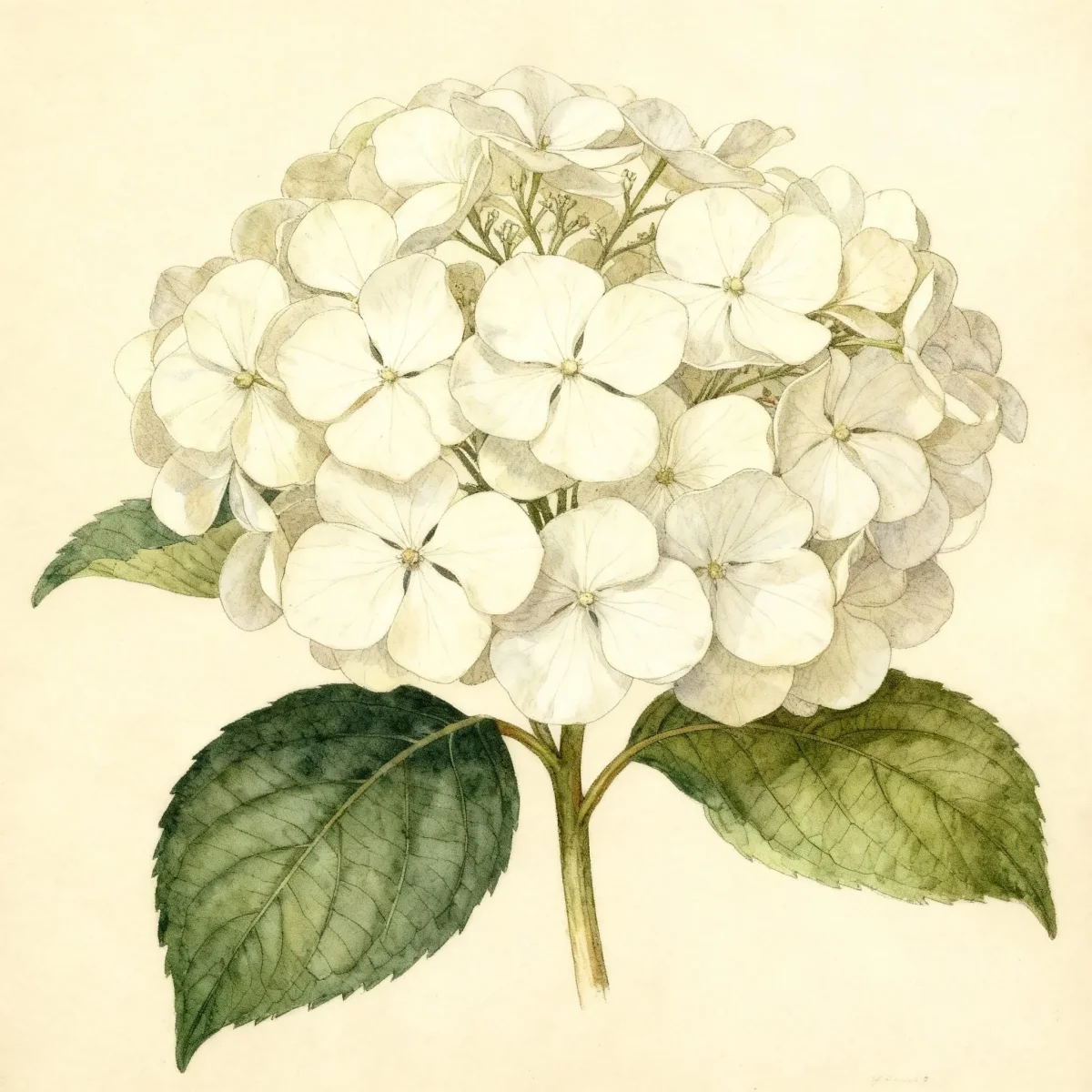
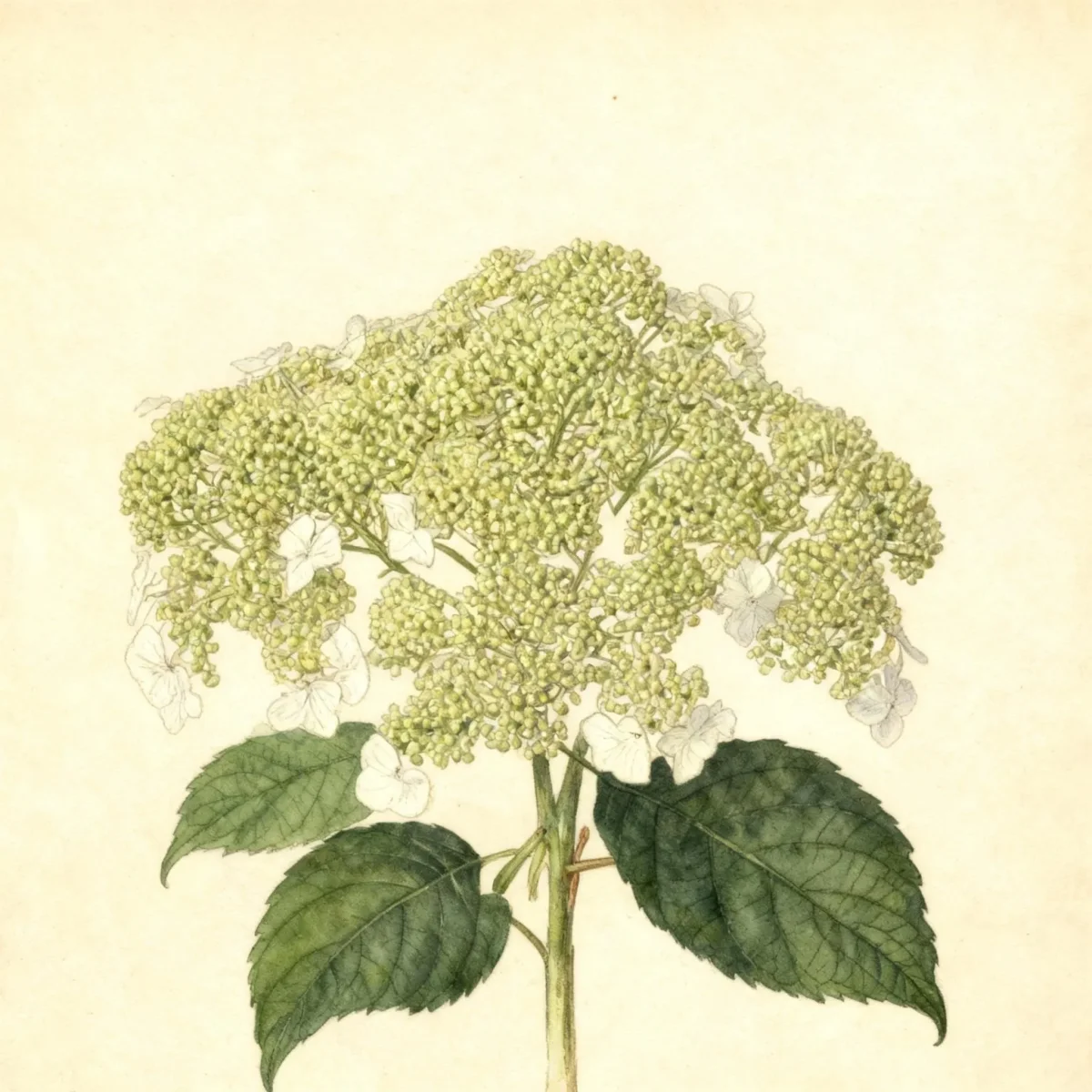
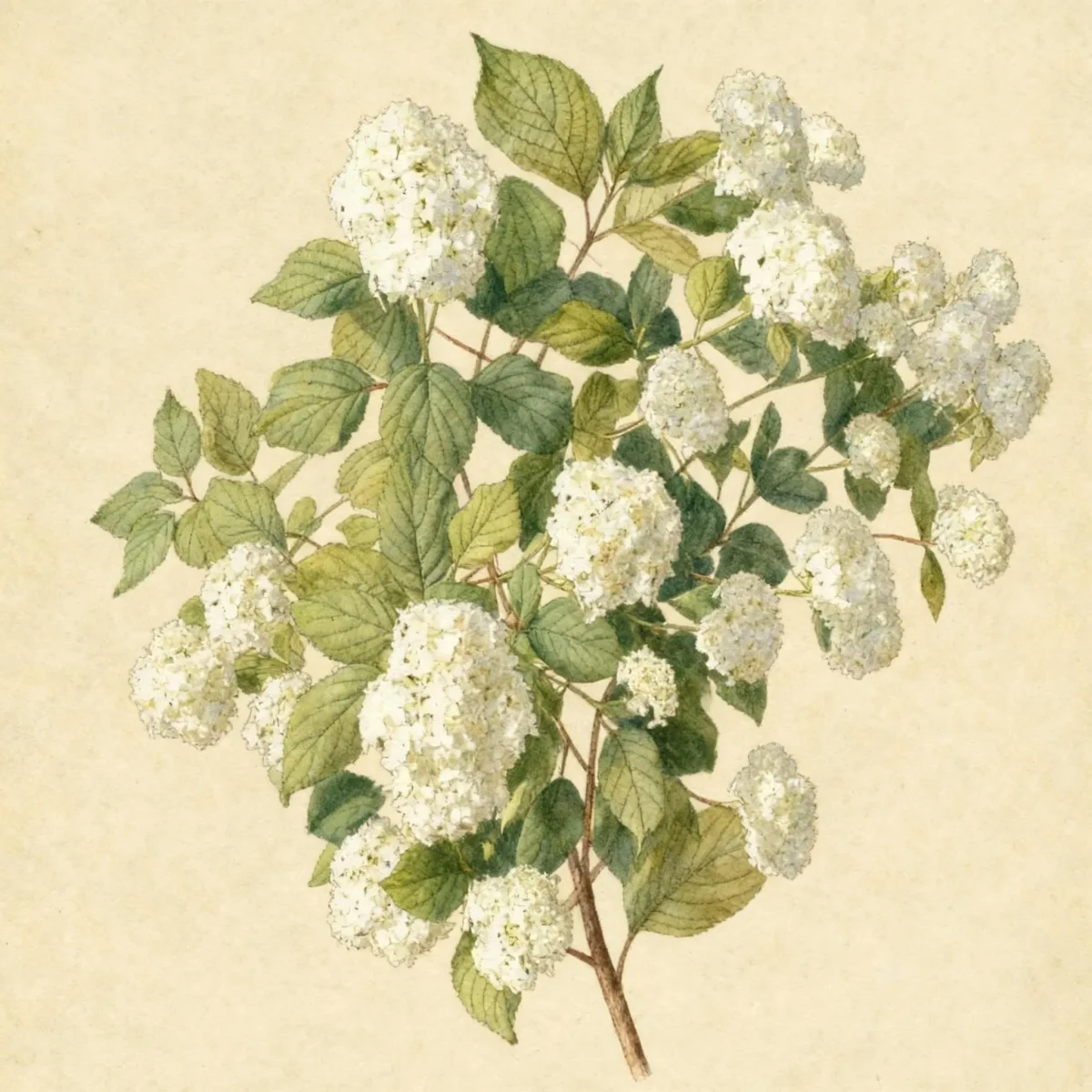
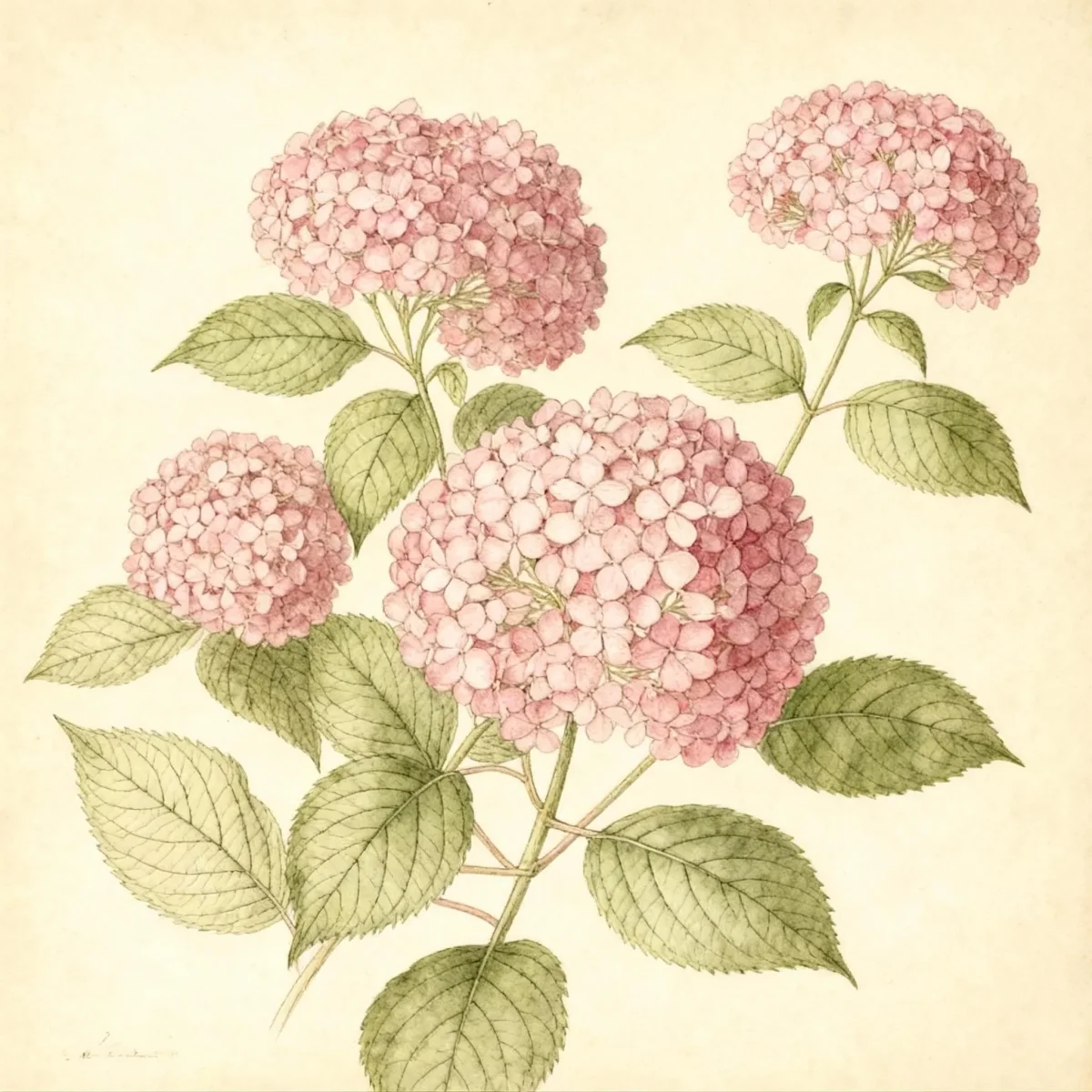
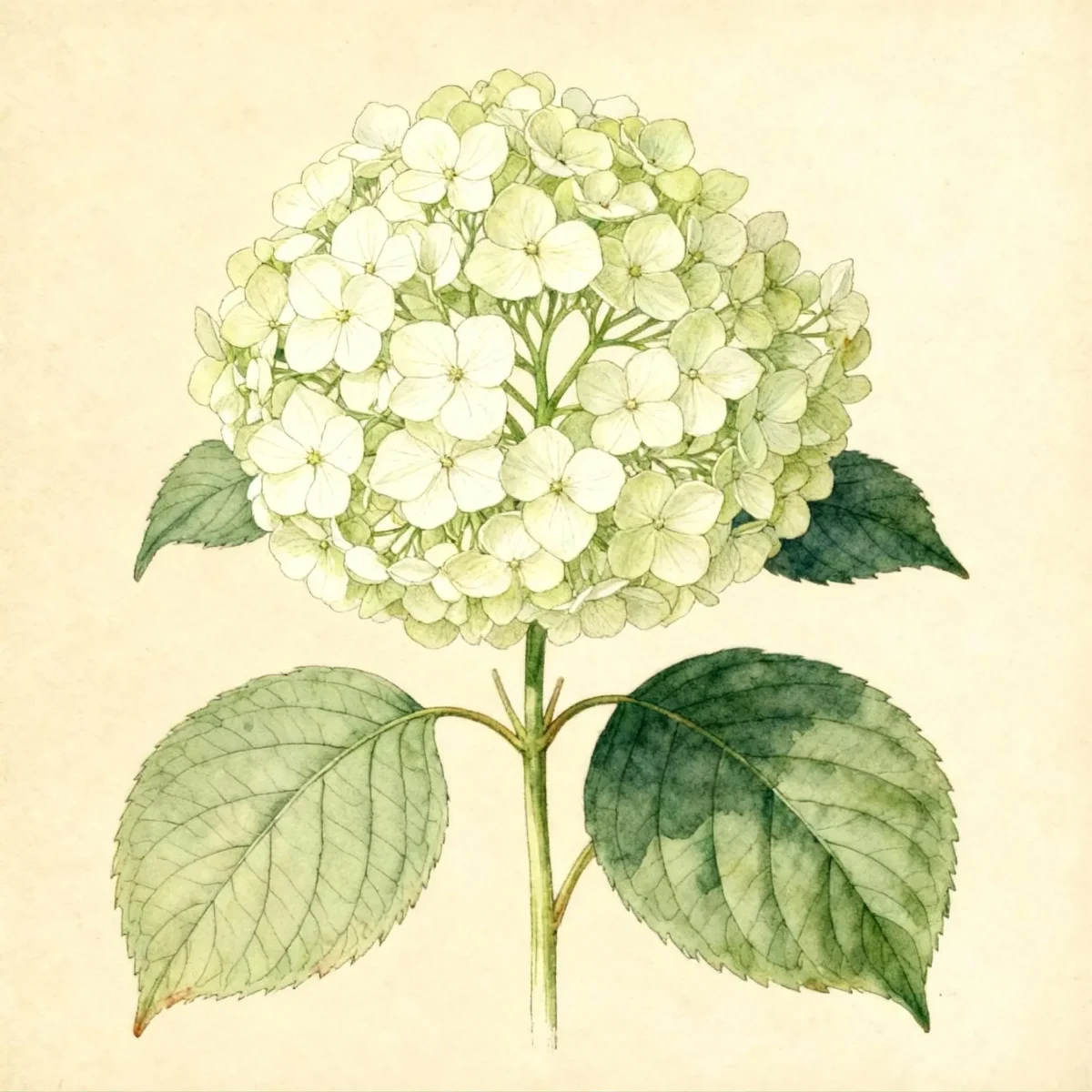
Smooth hydrangea (Hydrangea arborescens 'Annabelle')
Hydrangea arborescens 'Annabelle' is a low-maintenance Smooth hydrangea beloved for its huge, showy white flower heads blooming summer through fall.
Scroll down to discover growing tips, care requirements, companion plants, and more
Complete Plant Information
Overview
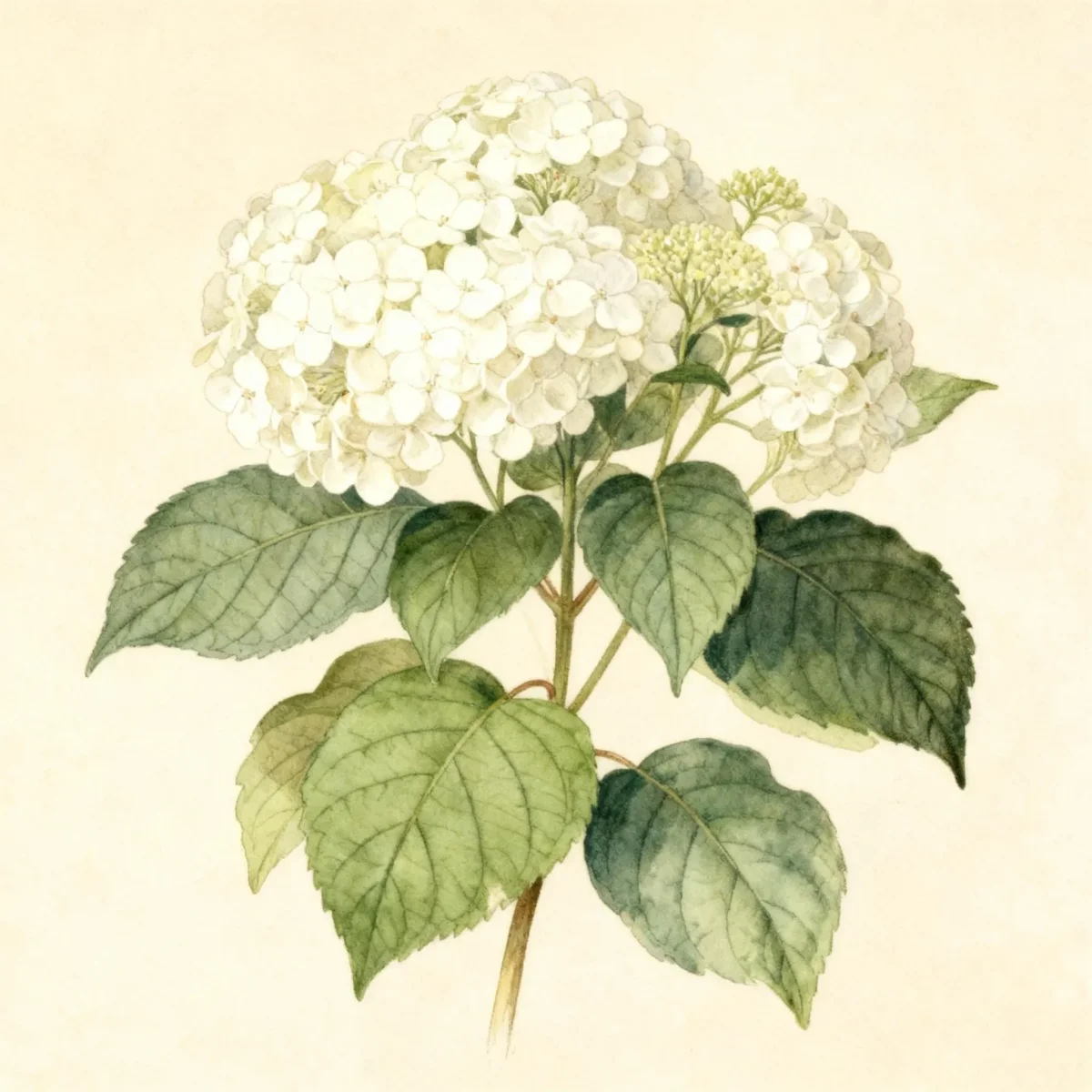
The Hydrangea arborescens ‘Annabelle’, commonly known as Smooth hydrangea, stands out in the landscape due to its spectacular flowering display. This deciduous shrub produces massive, round clusters of white sterile flowers, often reaching 8 to 12 inches across, offering sustained summer color. Its vigorous, rounded habit makes the ‘Annabelle’ cultivar a reliable focal point in mixed borders or as a standalone specimen.
As a tough, adaptable plant, the Smooth hydrangea thrives across a wide range of climates, tolerating various soil types once established. While it prefers consistent moisture, its overall low maintenance level appeals to gardeners looking for high impact with minimal fuss. The foliage provides a rich green backdrop for the monumental blooms that define the summer garden scene.
This popular cultivar is valued not only for its aesthetics but also for its adaptability, handling conditions from shallow-rocky soil to clay. Gardeners appreciate that the Hydrangea arborescens ‘Annabelle’ blooms on new wood, ensuring reliable flower production even after harsh winters, making it an indispensable feature for reliable summer structure.
Fast Facts
- Plant Family: Hydrangeaceae
- Plant Type: Deciduous shrub
- Hardiness Zones: USDA Zones 3-9
- Size at Maturity:
- Height: 3-5 ft
- Spread: 4-6 ft
- Bloom Time: June to September
- Bloom Description: White
- Sun Exposure: Part shade
- Water Needs: Medium
- Maintenance Level: Low
How to Grow
For best results, plant your Hydrangea arborescens ‘Annabelle’ in average, medium-moisture, well-drained soils. While it prefers part shade, the Smooth hydrangea can handle full sun exposure provided the soil moisture is kept perfectly consistent throughout the growing season. Planting during the cooler seasons allows the root system to establish before the stress of summer heat arrives.
Water needs are medium, and while this plant tolerates drought better than some hydrangeas, consistent moisture is crucial, especially for plants grown in sunnier locations. Consistent deep watering encourages the vigorous vegetative growth necessary to support the enormous bloom heads. Fertilization is rarely required if the soil is reasonably fertile.
Pruning is where the ‘Annabelle’ shows off its versatility. Since bloom occurs reliably on new wood, gardeners have the option to prune established plants back close to the ground in late winter. This hard pruning encourages strong, upright stems, which helps prevent stem flop that can occur late in the season. If you skip the hard prune, ensure you still remove any weakened or damaged stems early in the spring.
Landscape Uses
The remarkable floral impact of Hydrangea arborescens ‘Annabelle’ makes it perfectly suited for mass plantings to create dramatic sweeps of white color in transitional light conditions. Use this dependable Smooth hydrangea as a background element for perennial borders, taking advantage of its height (3-5 ft) to layer the garden visually. It also performs beautifully in woodland gardens or naturalized settings where it mimics its native habitat along streambanks.
Because it adapts well to moisture fluctuations and soil types, the ‘Annabelle’ is an excellent component in a functional Rain Garden design. Consider pairing the large white globes with darker foliage shrubs or contrasting late-season bloomers like tall asters or Joe Pye Weed to amplify the visual contrast when the hydrangea is at its peak in mid-summer.
As a naturally occurring cultivar, this specimen holds its own as a showy focal point, though designers often incorporate it into mixed shrub borders for year-round structure. Its ability to tolerate clay soil broadens its utility in many challenging garden locations where other flowering shrubs might struggle.
Standout Features
Flower Qualities
- Showy
- Good Cut
- Good Dried
Noteworthy Characteristics
The species, Hydrangea arborescens, is native to moist slopes and streambanks across the eastern US, characterized by gray-brown stems and broad, dark green, sharply toothed leaves that turn yellow in the fall. The cultivar ‘Annabelle’ is highly prized because it produces exceptionally large, symmetrical, rounded heads of sterile white flowers, significantly larger than the species, providing blooms for up to two months beginning in June. This robust, naturally occurring selection provides reliable, low-maintenance beauty, often repeating a smaller bloom cycle into September.
Tolerances
- Rabbit
- Erosion
- Clay Soil
- Dry Soil
- Wet Soil
- Shallow-Rocky Soil
- Black Walnut
Potential Problems
While generally robust, the Smooth hydrangea is susceptible to common fungal issues like leaf spots, rust, and powdery mildew, especially in humid, crowded conditions. Monitor for pests such as aphids and scale; however, the most effective cultural control for overall vigor, which indirectly helps ward off stress-related problems, is proper pruning. Pruning stems back near the ground in late winter helps promote fresh, robust growth better able to support the heavy flower heads and maintain good air circulation, deterring many leaf diseases. Rabbits tend to avoid this particular shrub.
Frequently Asked Questions
What hardiness zones is Smooth hydrangea suitable for?
This adaptable plant is reliably hardy across USDA Zones 3 through 9, offering widespread usability across diverse climates.
How large does Hydrangea arborescens ‘Annabelle’ grow?
The Hydrangea arborescens ‘Annabelle’ typically reaches a mature height between 3 to 5 feet tall, spreading to 4 to 6 feet wide, forming a densely rounded habit.
What sun exposure does Smooth hydrangea need?
The ideal location for this shrub is part shade. Consistent moisture is crucial if you attempt cultivation in areas receiving more direct sun.
When does Hydrangea arborescens ‘Annabelle’ bloom?
Blooms appear from June straight through September, presenting as large, showy white flower heads.
Conclusion
The Hydrangea arborescens ‘Annabelle’ remains a cornerstone of contemporary landscape design due to its massive white blooms and low input requirements. This Smooth hydrangea delivers consistent performance across zones 3-9, making it a versatile choice for nearly any gardener seeking abundant summer color. Before planting, confirm your site conditions align with its preference for medium moisture and part shade to ensure the best possible display this season.
Companion Planting
Choosing suitable companions enhances the visual appeal and cultural success of your Hydrangea arborescens ‘Annabelle’. Since this shrub prefers dappled light and moist soil, good partners include shade-tolerant perennials like Hosta, Astilbe, and woodland phlox (Phlox divaricata). For structural contrast, consider pairing it with evergreens that offer fine texture, such as certain dwarf conifers or Japanese forest grass (Hakonechloa macra), whose mounding habit complements the rounded form of the Smooth hydrangea.
Design Ideas
The sheer scale of the flower heads on the ‘Annabelle’ cultivar dictates its placement in the garden design. Use them strategically as a bold anchor in the woodland garden or along a partially shaded walkway where their massive white globes can be easily appreciated up close. For a modern, monochromatic look, mass several plants together, allowing their uniformity to create a powerful, airy hedge. Ensure you allow enough space (4-6 ft spread) between plants to promote air circulation, which is vital for foliage health.