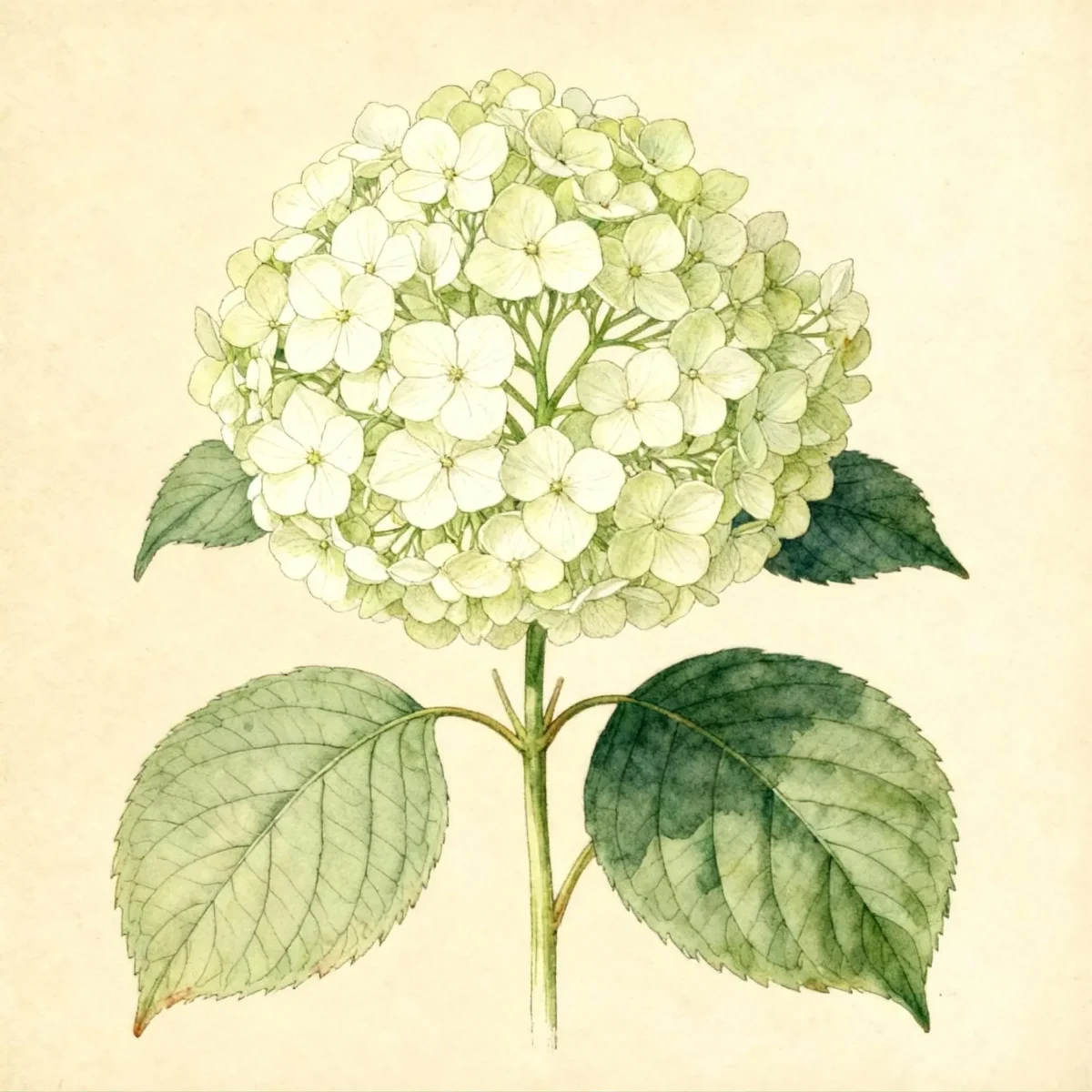
Smooth hydrangea (Hydrangea arborescens 'Grandiflora')
Hydrangea arborescens 'Grandiflora' (Smooth hydrangea) offers massive white blooms, low maintenance, and excellent shrub border utility in Zones 3-9.
Scroll down to discover growing tips, care requirements, companion plants, and more
Complete Plant Information
Overview
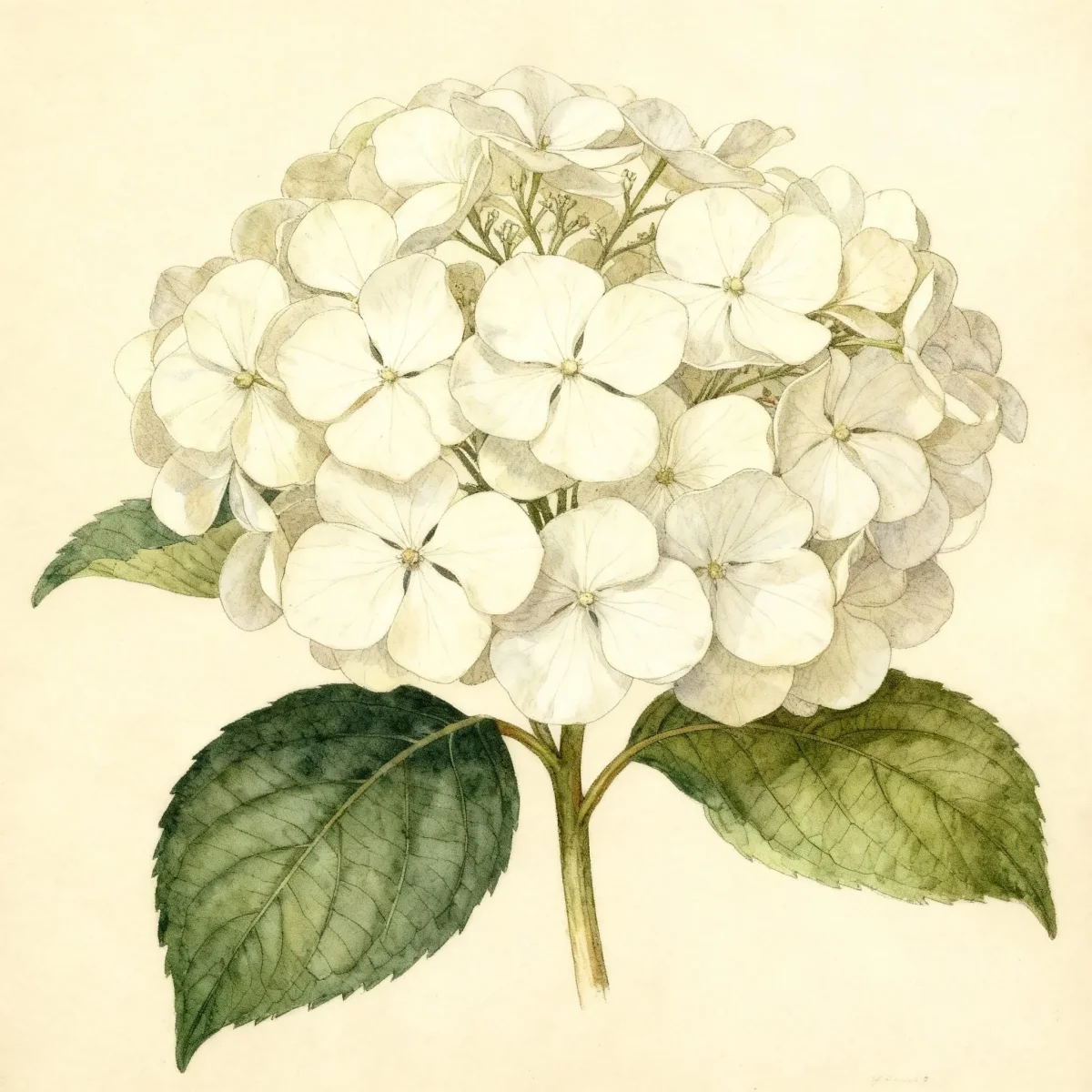
The Hydrangea arborescens ‘Grandiflora’, known commonly as Smooth hydrangea, is a celebrated cultivar prized for its vigorous growth and spectacular summer floral display. This deciduous shrub develops large, rounded flowerheads, primarily composed of showy sterile white florets, which provide brilliant impact from June through August. Unlike some older varieties, the blooming habit of Hydrangea arborescens ‘Grandiflora’ ensures reliable flowering since it blooms successfully on new wood each season.
Valued by gardeners for its adaptability and relatively low maintenance requirements, the Smooth hydrangea fits well into diverse landscape settings. It is quite hardy, surviving cold winters down to Zone 3, and possesses notable soil flexibility, tolerating everything from clay to shallow rocky conditions. This makes the Hydrangea arborescens ‘Grandiflora’ a dependable choice for mass plantings, rain gardens, or as a substantial specimen accent.
Functionally, this shrub often reaches heights between three and five feet, creating dense structure without becoming overly cumbersome if managed properly. The lush green foliage contrasts beautifully with the bright white blooms, making the Smooth hydrangea a foundational plant for mixed borders and woodland garden designs seeking reliable summer color.
Fast Facts
- Plant Family: Hydrangeaceae
- Plant Type: Deciduous shrub
- Hardiness Zones: USDA Zones 3-9
- Size at Maturity:
- Height: 3-5 ft
- Spread: 3-5 ft
- Bloom Time: June to August
- Bloom Description: White
- Sun Exposure: Part shade
- Water Needs: Medium
- Maintenance Level: Low
How to Grow
The ideal planting time for Hydrangea arborescens ‘Grandiflora’ is usually in the spring after the last hard frost, or in the fall to allow root establishment before winter stress. These shrubs thrive best in average, well-drained soils, though they exhibit remarkable adaptability to varied conditions, including heavy clay. While they prefer part shade, they can handle full sun if you commit to consistent moisture, as this variety is unfortunately intolerant of drought.
Watering should be consistent, maintaining medium soil moisture levels throughout the growing season, especially for plants sited in sunnier locations. Fertilization is rarely necessary if the native soil is adequate, but a balanced, slow-release fertilizer applied in early spring can promote vigorous new growth; excessive feeding may prioritize foliage over flowers.
Pruning is a major consideration for this smooth hydrangea. Because the bloom occurs exclusively on new wood, late winter or very early spring is the ideal time to cut the plants back drastically, often shearing them down close to the ground. This revitalizes the shrub, encourages robust stem growth, and ensures the largest flower heads for the season ahead. If you choose not to prune heavily, ensure you remove any weakened or damaged stems in early spring.
Landscape Uses
The structural nature and consistent flowering of Hydrangea arborescens ‘Grandiflora’ make it indispensable in foundation plantings and mixed shrub borders. Consider grouping several Smooth hydrangea plants together to create a stunning, continuous hedge effect, or use them toward the middle or rear of a perennial border where their height (3–5 feet) can provide a solid green backdrop for shorter sun-loving perennials. They are particularly effective when naturalized within woodland settings or native plant gardens, mirroring their wild origins.
For formal designs, placing them near a structure that receives afternoon shade prevents leaf scorch while highlighting their impressive white blooms against stone or painted siding. In less formal areas, they pair wonderfully with ferns, hostas, and other shade-tolerant woodland natives. Their ability to form a substantial screen also lends itself to use as informal hedging where year-round obscuring is not the primary goal.
Standout Features
Flower Qualities
- Showy
- Good Cut
- Good Dried
Noteworthy Characteristics
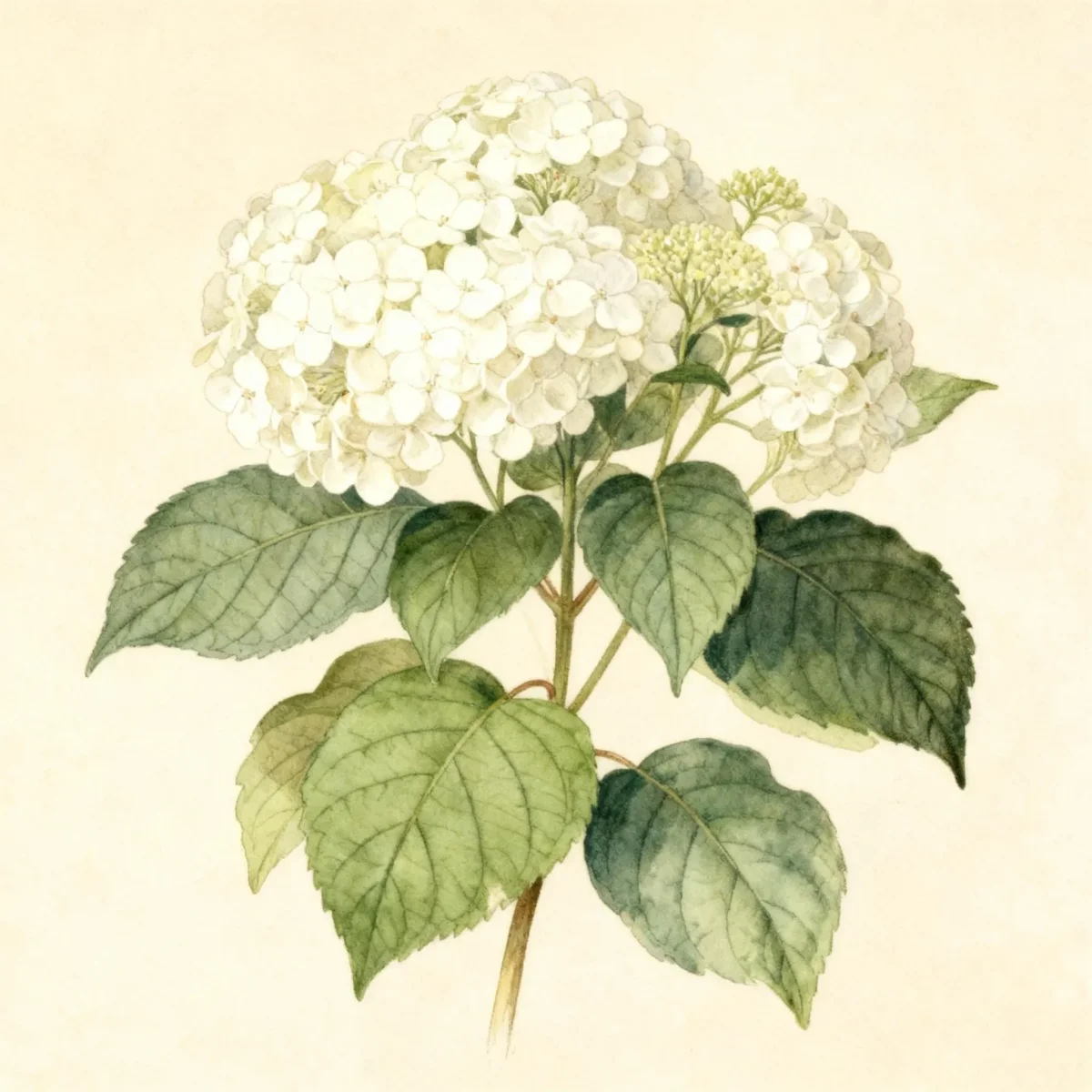
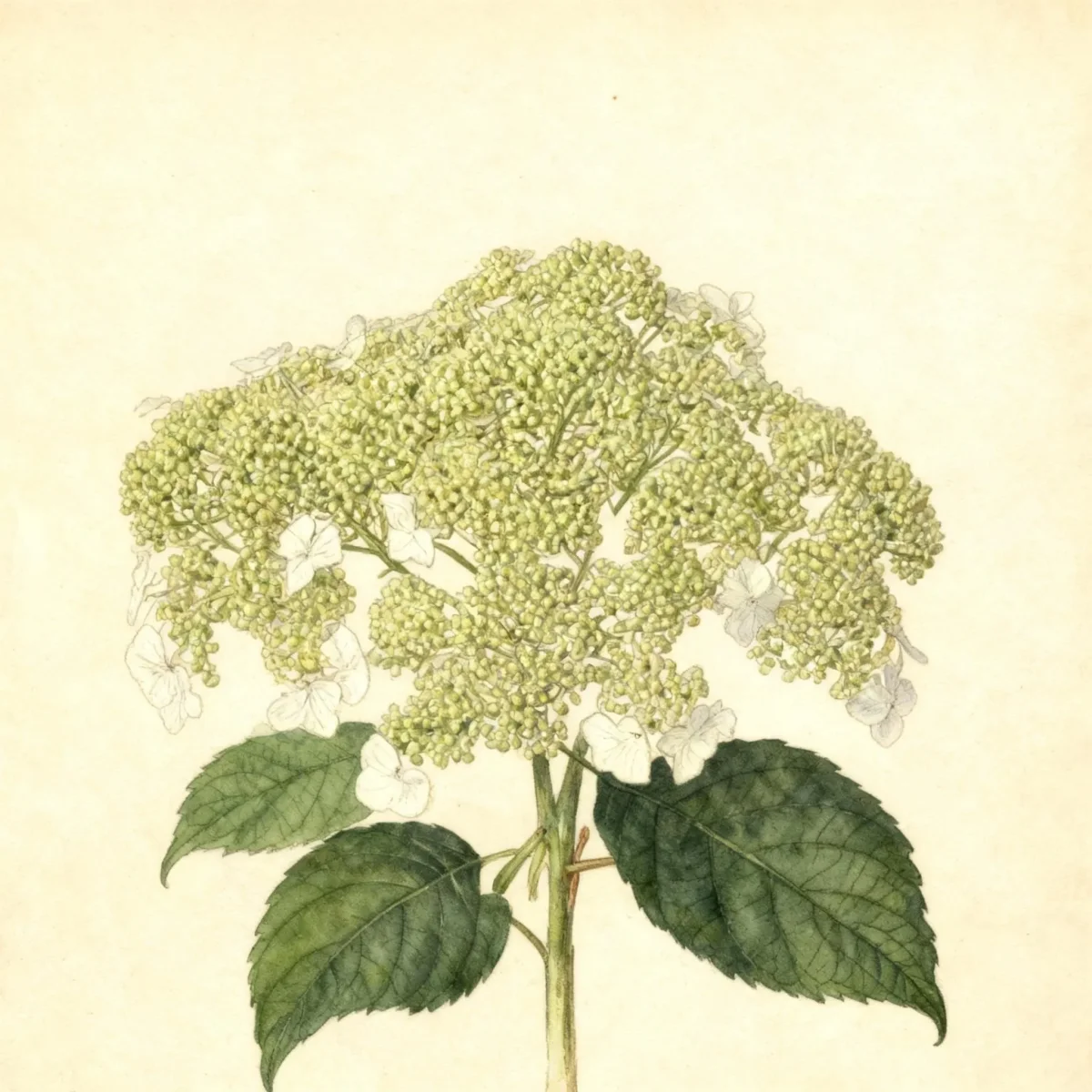
‘Grandiflora’ is a highly recognizable cultivar of the smooth hydrangea, distinguished by flowerheads that measure up to 8 inches across and consist mainly of large, showy white sterile flowers blooming robustly from late May into June. The foliage consists of dark green, serrated leaves measuring between 3 and 8 inches long. This specific cultivar was discovered growing wild in Ohio around 1900, marking it as a superior-flowering selection of our native Hydrangea arborescens.
Tolerances
- Rabbit
- Erosion
- Clay Soil
- Dry Soil
- Wet Soil
- Shallow-Rocky Soil
- Black Walnut
Potential Problems
Many Hyrdrangea species, including the Smooth hydrangea, can be targeted by various fungal issues like leaf spots, rust, and powdery mildew, especially in humid conditions with poor air circulation. To combat these, ensure proper spacing during planting, and maintain the recommended pruning schedule; cutting stems back hard in winter helps reduce overwintering fungal spores. Inspect foliage regularly for common pests such as aphids or scale, treating promptly with horticultural oils if infestations become severe.
This shrub is remarkably resilient regarding animal pests, as rabbits tend to avoid it completely. However, the plant’s foliage will look significantly stressed and decline if subjected to prolonged dry spells due to its intolerance for drought. Consistent monitoring of soil moisture is the best defense against both pests and physiological stress for your Hydrangea arborescens ‘Grandiflora’.
Frequently Asked Questions
What hardiness zones is Smooth hydrangea suitable for?
The Hydrangea arborescens ‘Grandiflora’ is highly adaptable and suitable for USDA Hardiness Zones 3 through 9.
How large does Hydrangea arborescens ‘Grandiflora’ grow?
This shrub typically matures to a height and spread between 3 and 5 feet across, though individual stems can occasionally reach slightly higher.
What sun exposure does Smooth hydrangea need?
The general requirement for Hydrangea arborescens ‘Grandiflora’ is part shade; however, it can tolerate full sun if consistent, medium moisture is provided throughout the summer months.
When does Hydrangea arborescens ‘Grandiflora’ bloom?
The primary bloom time for this variety is June to August, presenting large, showy white flower heads.
Conclusion
The Hydrangea arborescens ‘Grandiflora’ remains a steadfast choice for gardeners seeking reliable summer color with minimal fuss. Its big white blooms, low maintenance, and impressive adaptability, especially its tolerance for challenging soils, cement its status as a garden favorite. Before planting, confirm that your location falls within USDA Zones 3–9 and plan for its aggressive annual pruning schedule to ensure the best performance from your Smooth hydrangea.
Companion Planting
When designing a border around Hydrangea arborescens ‘Grandiflora’, select perennials that share its preference for part shade and medium moisture. Hostas provide excellent textural contrast with their broad leaves against the hydrangea’s structure, and Astilbe offers feathery, contrasting blooms during the summer. For spring interest before the shrub leafs out fully, consider planting spring bulbs like Snowdrops or large clumps of Daffodils beneath the shrub canopy.
For a woodland feel, pair the white blooms of the Smooth hydrangea with the dark green foliage of evergreen groundcovers like Pachysandra or native shade-loving ferns. If you wish to extend the flowering season into the slightly darker parts of the year, Japanese Anemones can emerge later in the season, providing color as the hydrangea begins to fade.
Seasonal Care Calendar
Early spring, just as buds begin to swell, is the critical time for pruning this smooth hydrangea. This is when you should decide whether to cut stems back to a foot or shear them back to the ground for hard revitalization; this practice promotes strong new wood that will bear the large white blooms. Clean up any dead or twiggy growth that may have resulted from harsh winter dieback at this time.
Summer care centers entirely on moisture management for Hydrangea arborescens ‘Grandiflora’. While it thrives in medium water, excessive heat requires vigilant checking, as foliage decline in drought is common. Deadheading spent flowers is usually unnecessary, as most gardeners leave the spent blooms for structural interest or harvest them for dried arrangements, waiting instead for that hard annual pruning in the late winter/early spring.