Oakleaf hydrangea (Hydrangea quercifolia 'Brido' SNOW FLAKE)
The Hydrangea quercifolia 'Brido' SNOW FLAKE Oakleaf hydrangea offers spectacular double white blooms and excellent autumn color. A low-maintenance shrub for zones 5-9.
Scroll down to discover growing tips, care requirements, companion plants, and more
Complete Plant Information
Overview
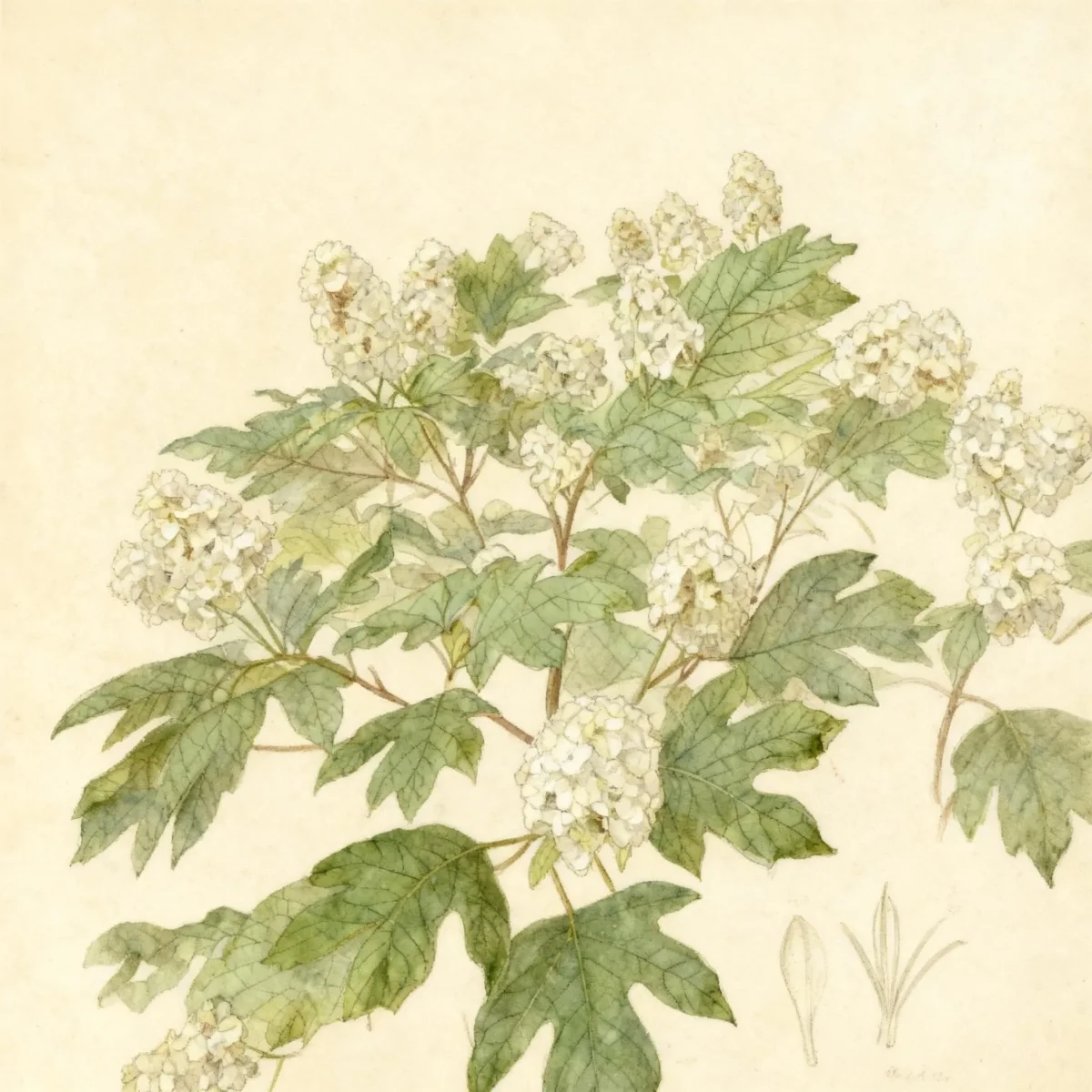
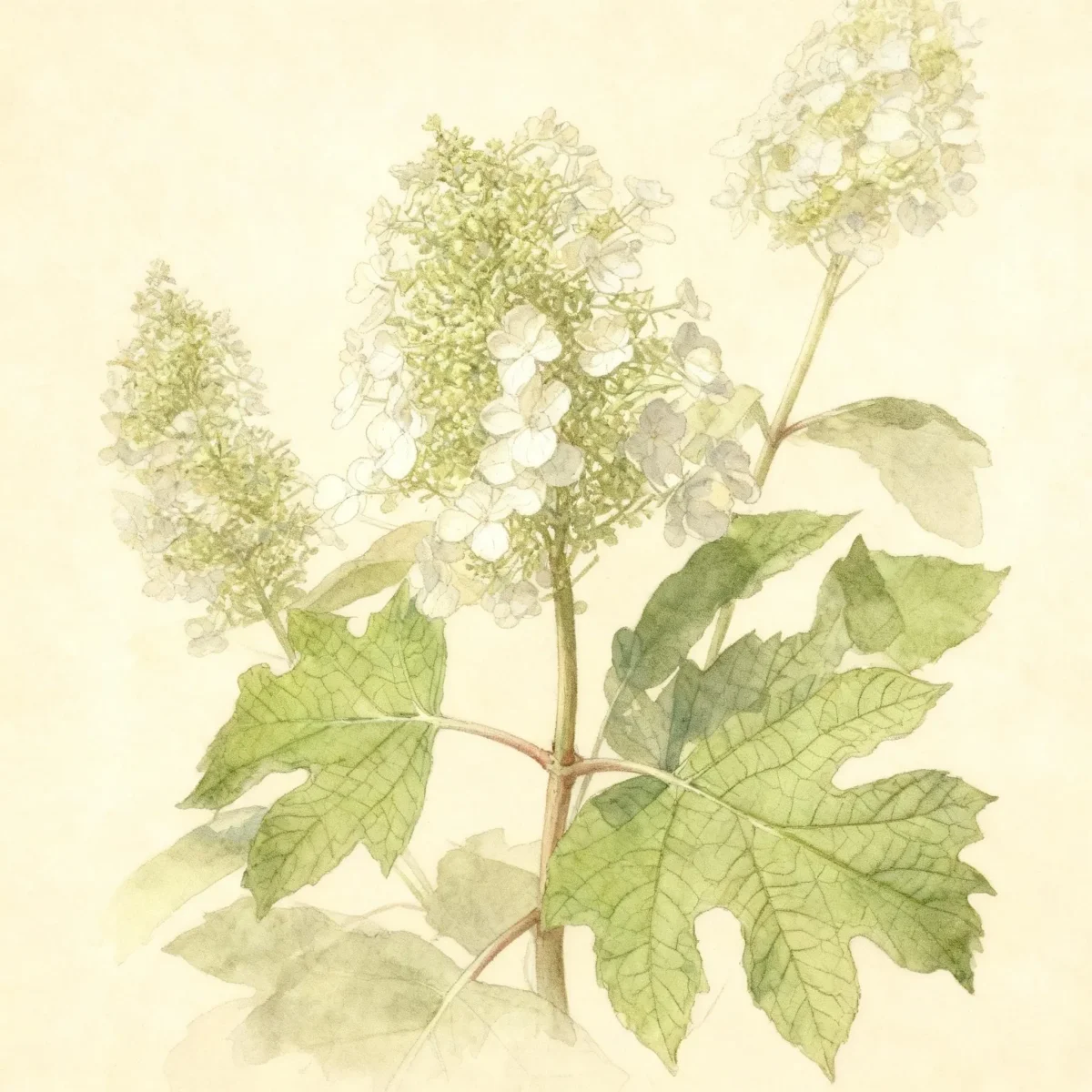
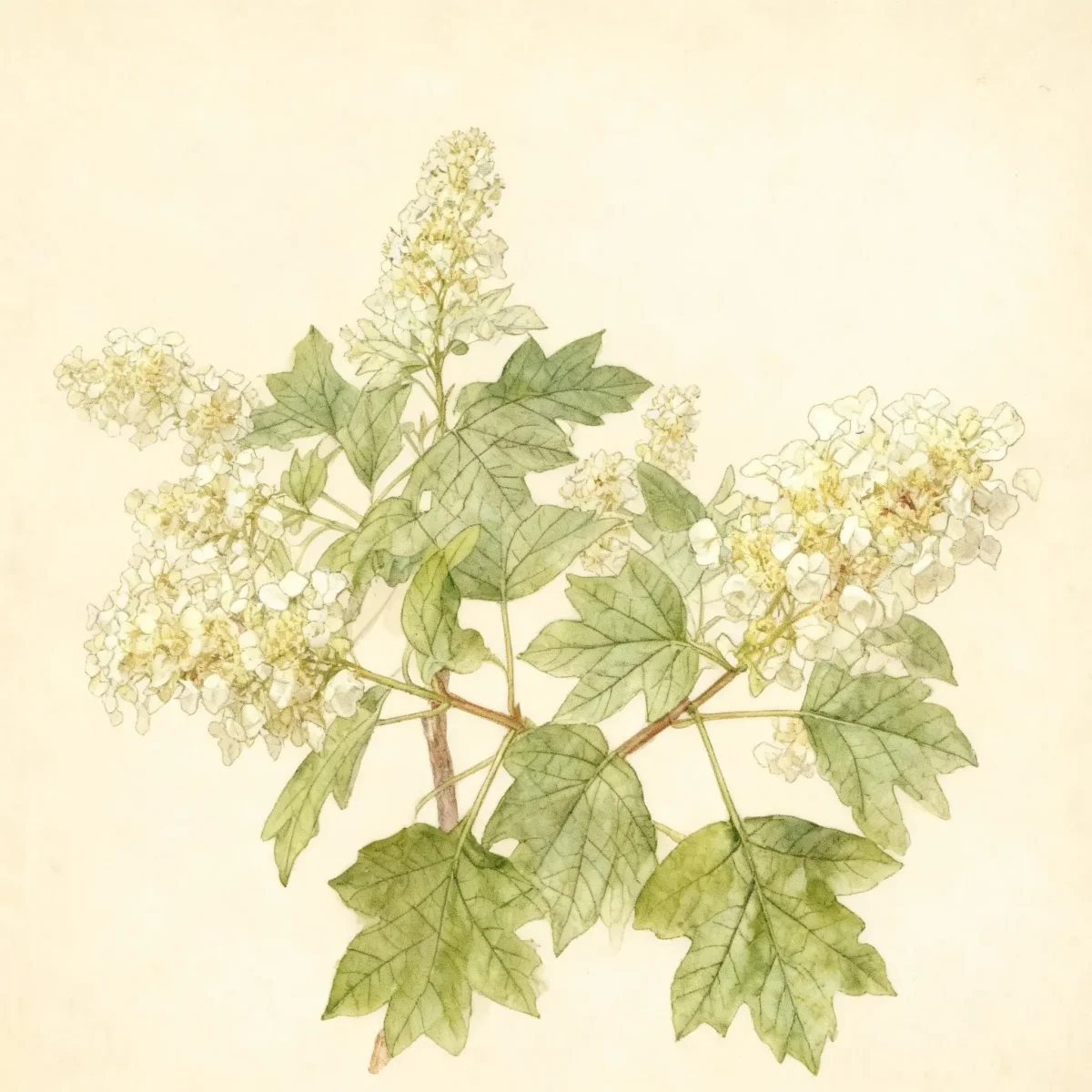
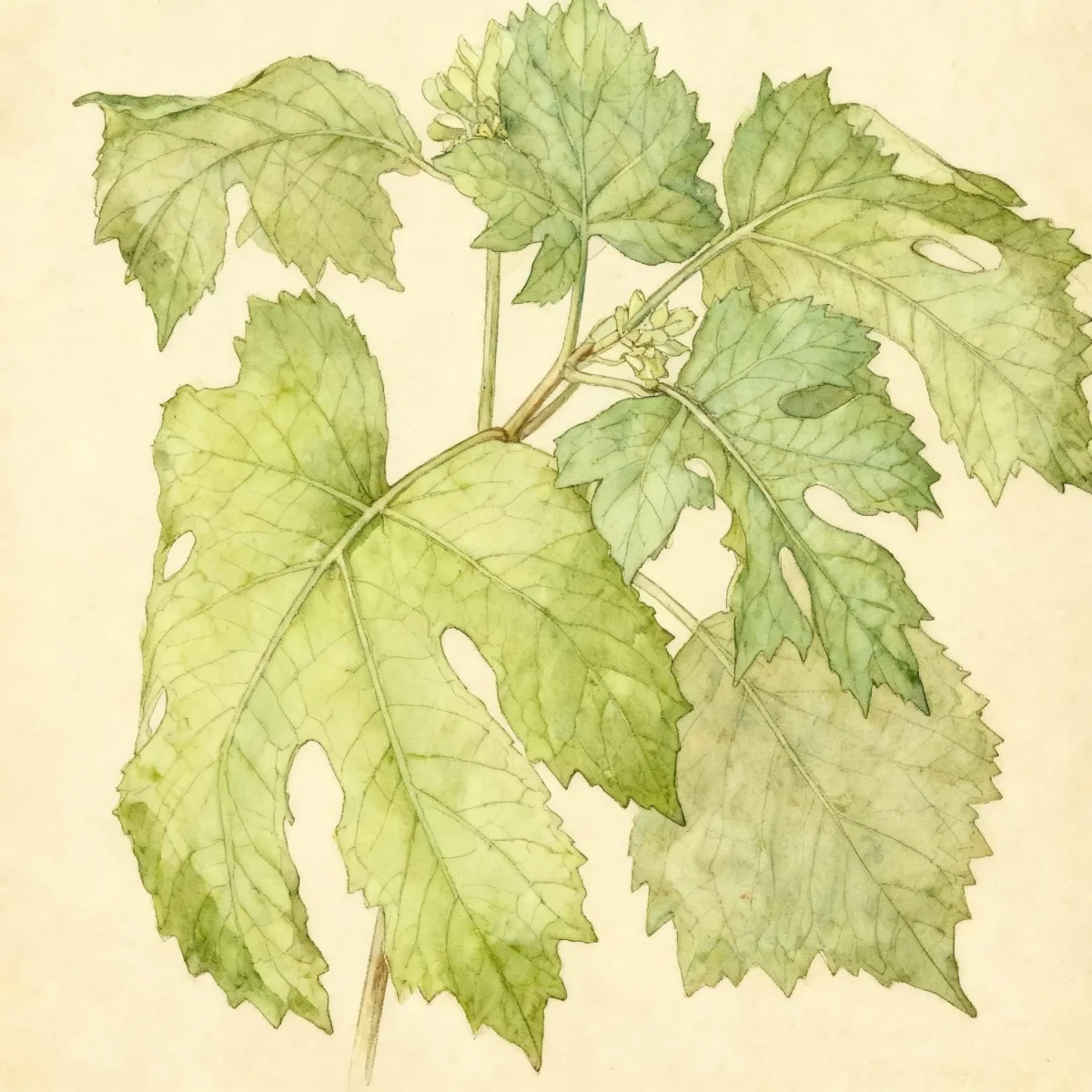
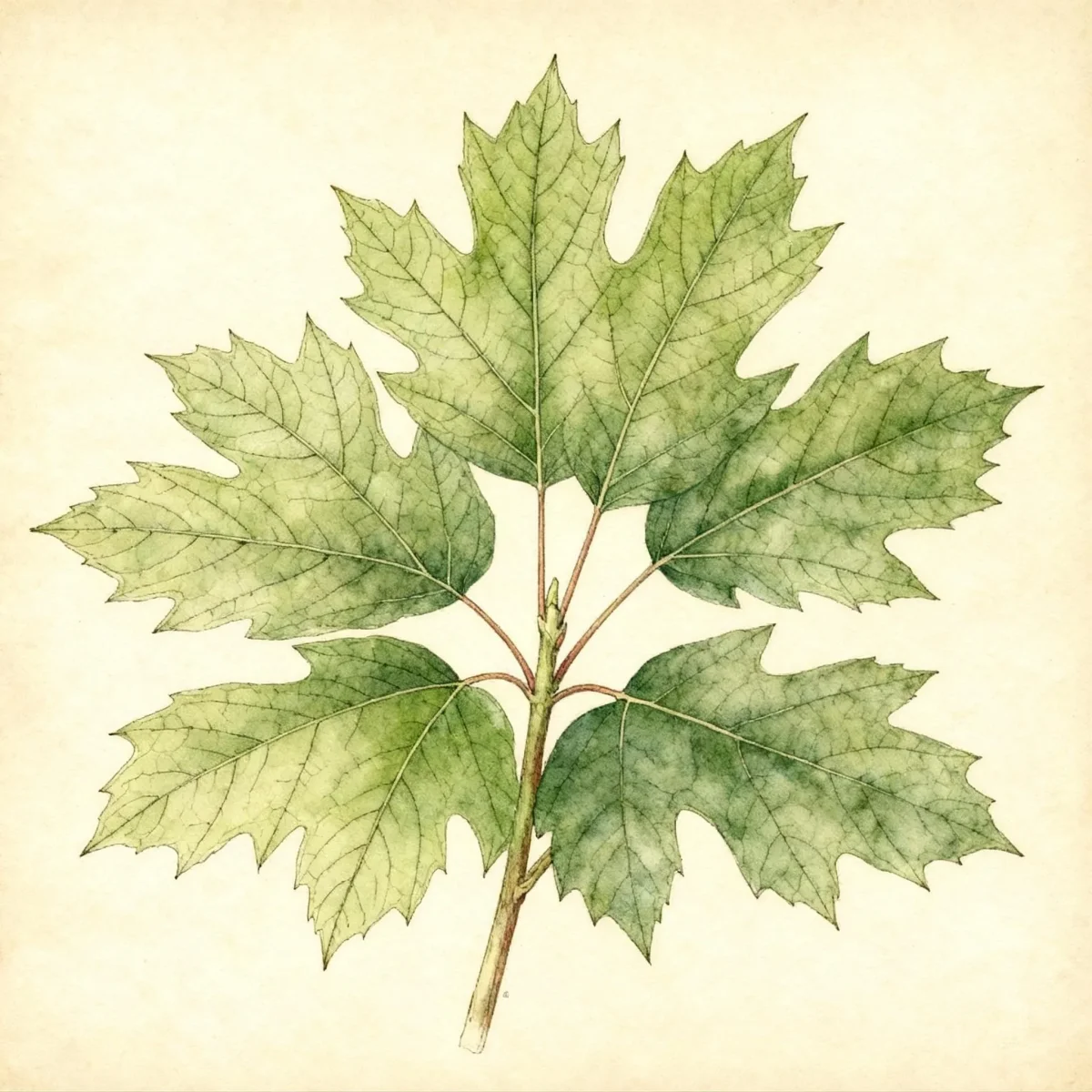
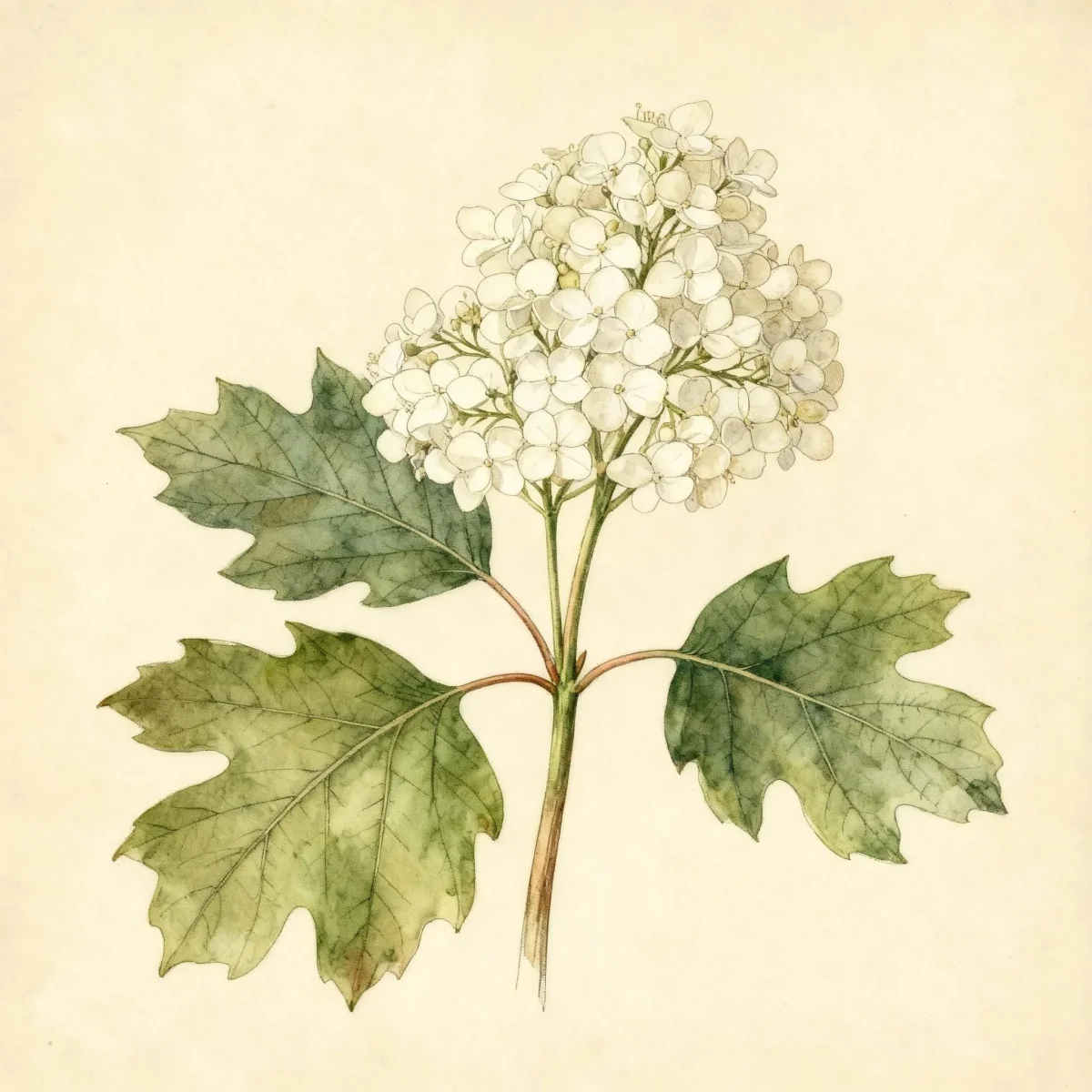
The Hydrangea quercifolia ‘Brido’ SNOW FLAKE, commonly known as the Oakleaf hydrangea, is a highly valued specimen prized for its multi-season interest. This deciduous shrub distinguishes itself with large, pyramidal panicles composed almost entirely of showy, double white flowers, making Hydrangea quercifolia ‘Brido’ SNOW FLAKE a standout in the summer garden. Beyond its bloom, the deeply lobed, oak-like foliage transforms into rich maroon and purple hues in the fall, followed by attractive exfoliating bark that provides winter structure.
Developed for its superior flowering habit, the SNOW FLAKE cultivar exhibits reliable growth in USDA Zones 5 through 9. As an upright, multi-stemmed shrub, it provides excellent texture and form when sited correctly. Gardeners appreciate the relative ease of care associated with this Oakleaf hydrangea, which thrives with minimal intervention once established, offering high ornamental reward for low maintenance input.
Fast Facts
- Plant Family: Hydrangeaceae
- Plant Type: Deciduous shrub
- Hardiness Zones: USDA Zones 5-9
- Size at Maturity:
- Height: 5-8 ft
- Spread: 5-10 ft
- Bloom Time: June to July
- Bloom Description: White (double)
- Sun Exposure: Full sun to part shade
- Water Needs: Medium
- Maintenance Level: Low
How to Grow
Planting the Hydrangea quercifolia ‘Brido’ SNOW FLAKE is best done in spring or early fall to allow root establishment before temperature extremes. Ensure planting occurs in organically rich, well-drained soil. This Oakleaf hydrangea performs well in locations receiving full sun, though part shade is tolerated, especially in hotter afternoon climates. Soil drainage is paramount; soggy conditions must be avoided to promote general health.
Ongoing care centers on maintaining consistent moisture. The plant thrives in moist soil conditions, thus appreciating a regular watering schedule, especially during summer heat. Applying a summer mulch will significantly help retain soil moisture, crucial for this medium-water-need shrub. Pruning should be minimal, as bloom occurs only on old wood. If shaping is necessary, complete it immediately after the flowers fade in mid-summer.
Gardeners in colder reaches (Zone 5) should provide extra attention. Winter protection, such as applying a thick layer of mulch around the base or wrapping younger plants with burlap, is recommended, particularly before the plant is fully established. In harsh winters, temperatures below -10 degrees F can cause significant bud damage or dieback, meaning any pruning of injured stems should wait until early spring when new growth signals viability.
Landscape Uses
The Hydrangea quercifolia ‘Brido’ SNOW FLAKE serves multiple roles in landscape design. Its substantial size and four-season interest make it effective as a specimen plant accenting foundations or patios where its unique texture can be appreciated up close. Grouping or massing these shrubs creates a dramatic effect along open woodland borders or within mixed shrub borders.
Furthermore, the dense growth habit of the Oakleaf hydrangea lends itself perfectly to use as a good informal hedge, providing a softer alternative to formal sheared evergreen barriers. The combination of late spring blooms, dependable fall foliage color, and attractive winter bark texture means this plant provides continuous structure throughout the year.
Standout Features
Flower Qualities
- Showy
Noteworthy Characteristics
The Hydrangea quercifolia, commonly called oakleaf hydrangea, is an upright, broad-rounded, suckering, multi-stemmed, deciduous shrub that typically grows 4-6’ (less frequently to 8’) tall. The specific cultivar SNOW FLAKE is renowned for its prolific double white flowers, which appear in large pyramidal panicles and mature over 6-8 weeks before fading to pink. The deeply-lobed, oak-like leaves turn attractive shades of maroon and purple in autumn, complementing the rich brown, exfoliating bark that stands out in winter.
Tolerances
(No data provided)
Potential Problems
Fortunately, few major pest or disease issues plague the Hydrangea quercifolia ‘Brido’ SNOW FLAKE. Gardeners should remain vigilant for occasional low-level problems such as aphids or spider mites. More persistent, though generally manageable, issues include susceptibility to leaf blight or powdery mildew. Maintaining good air circulation and avoiding overhead watering in the humid late summer can help mitigate fungal issues like powdery mildew.
Frequently Asked Questions
What hardiness zones is Oakleaf hydrangea suitable for?
This specific cultivar, Hydrangea quercifolia ‘Brido’ SNOW FLAKE, is hardy and reliably grown in USDA Zones 5 through 9.
How large does Hydrangea quercifolia ‘Brido’ SNOW FLAKE grow?
This broad-rounded shrub typically reaches a height between 5 and 8 feet, with a spread ranging from 5 to 10 feet at maturity.
When does Oakleaf hydrangea bloom?
The impressive bloom time for this variety is typically from June into July, featuring masses of white, double flowers.
What sun exposure does Hydrangea quercifolia ‘Brido’ SNOW FLAKE need?
This Oakleaf hydrangea prefers a site offering full sun, but it also performs well when situated in an area that receives partial shade, especially during the intense afternoon hours.
Conclusion
The Hydrangea quercifolia ‘Brido’ SNOW FLAKE remains a cornerstone selection for landscapes needing dependable, multi-season color and unique texture. Its strong structure, remarkable double flowers, and vibrant fall display truly set this Oakleaf hydrangea apart. Before planting, confirm your location falls within USDA Zones 5-9 and plan for a spot that offers well-drained soil to ensure this low-maintenance beauty thrives for years to come.
Companion Planting
Selecting suitable companions enhances the overall garden aesthetic surrounding your Hydrangea quercifolia ‘Brido’ SNOW FLAKE. Since this shrub thrives in medium moisture and appreciates organic matter-rich soil, pair it with other woodland edge plants that share similar cultural needs. Consider planting it near native ferns, Hostas (for shady spots), or other shade-tolerant perennials like Astilbe, which offer contrasting textures without competing aggressively for resources.
For areas receiving filtered sun where the Oakleaf hydrangea is sited towards the sunniest end of its range, consider using late-blooming perennials that can fill in visually after the hydrangea finishes flowering in July. Plants like Japanese Anemones or late-season Sedums provide color contrast to the fading pinkish tones of the maturing hydrangea blooms, ensuring continuous visual interest through early autumn.
Seasonal Care Calendar
Spring provides the best opportunity to assess winter damage before active growth begins; prune any stems that died back to the ground in harsh winters back to healthy wood. As temperatures warm, apply a protective layer of mulch to conserve the consistent soil moisture required by the Oakleaf hydrangea. During the summer, monitor moisture levels, ensuring plants receive medium water, especially if planted in full sun exposures.
Late summer and early fall signal the beginning of the foliage display. This is the time to appreciate the shift in leaf color towards maroon and purple. Since bloom occurs on old wood, avoid any late-season pruning that could accidentally remove next year’s flower buds. Winter preparation for Zone 5 gardens involves ensuring a deep layer of mulch is applied before the ground freezes hard, protecting the root system and reducing the chance of stem dieback.