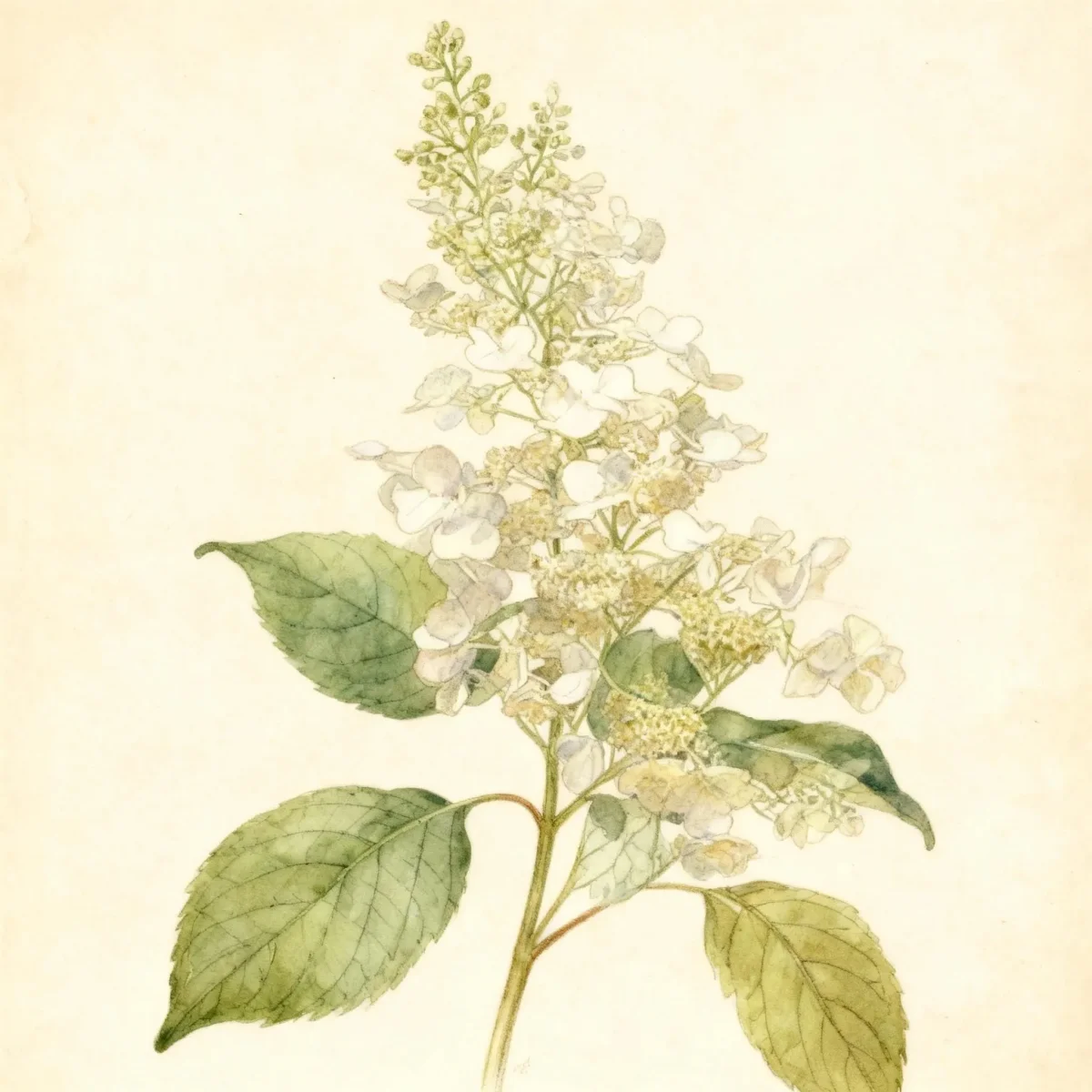
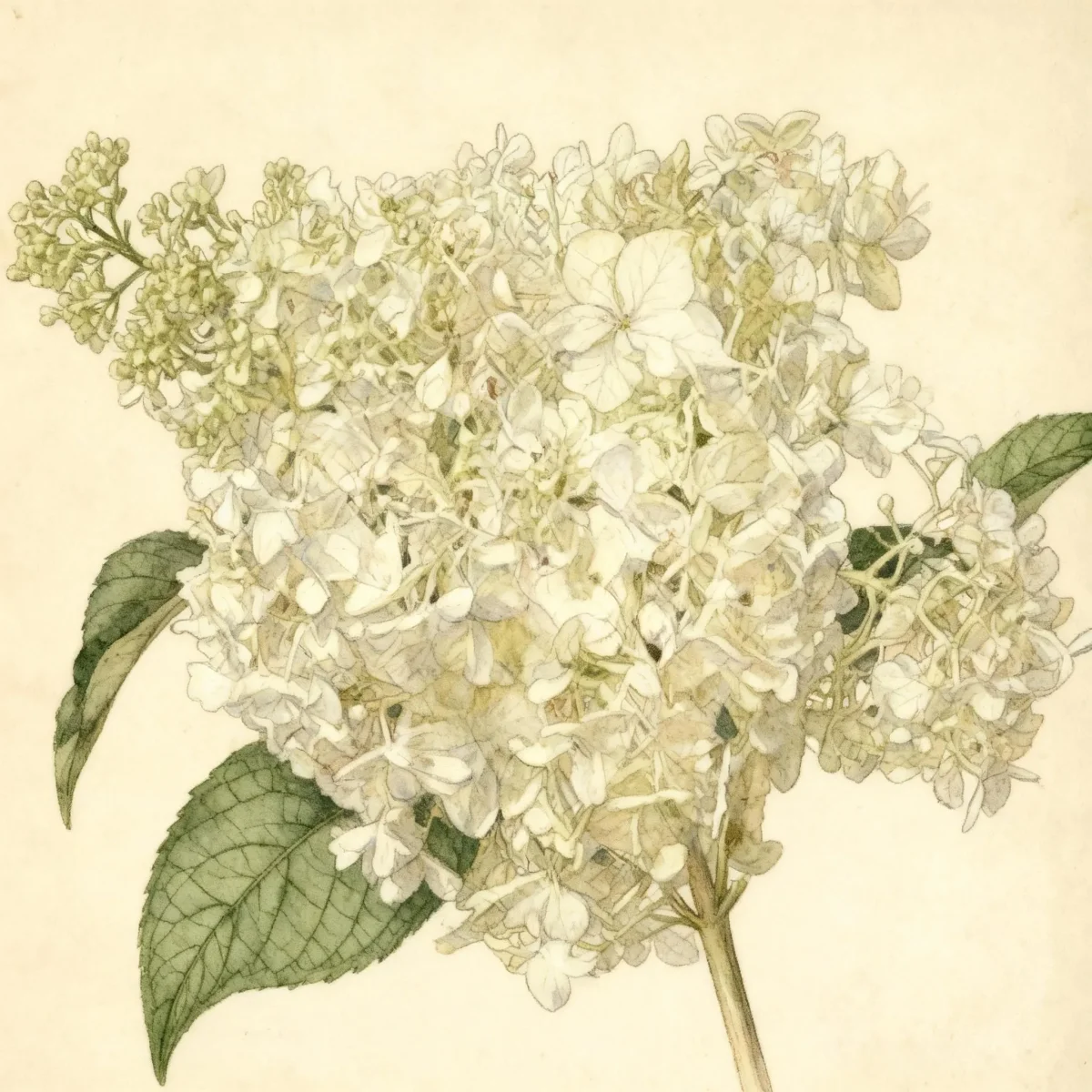
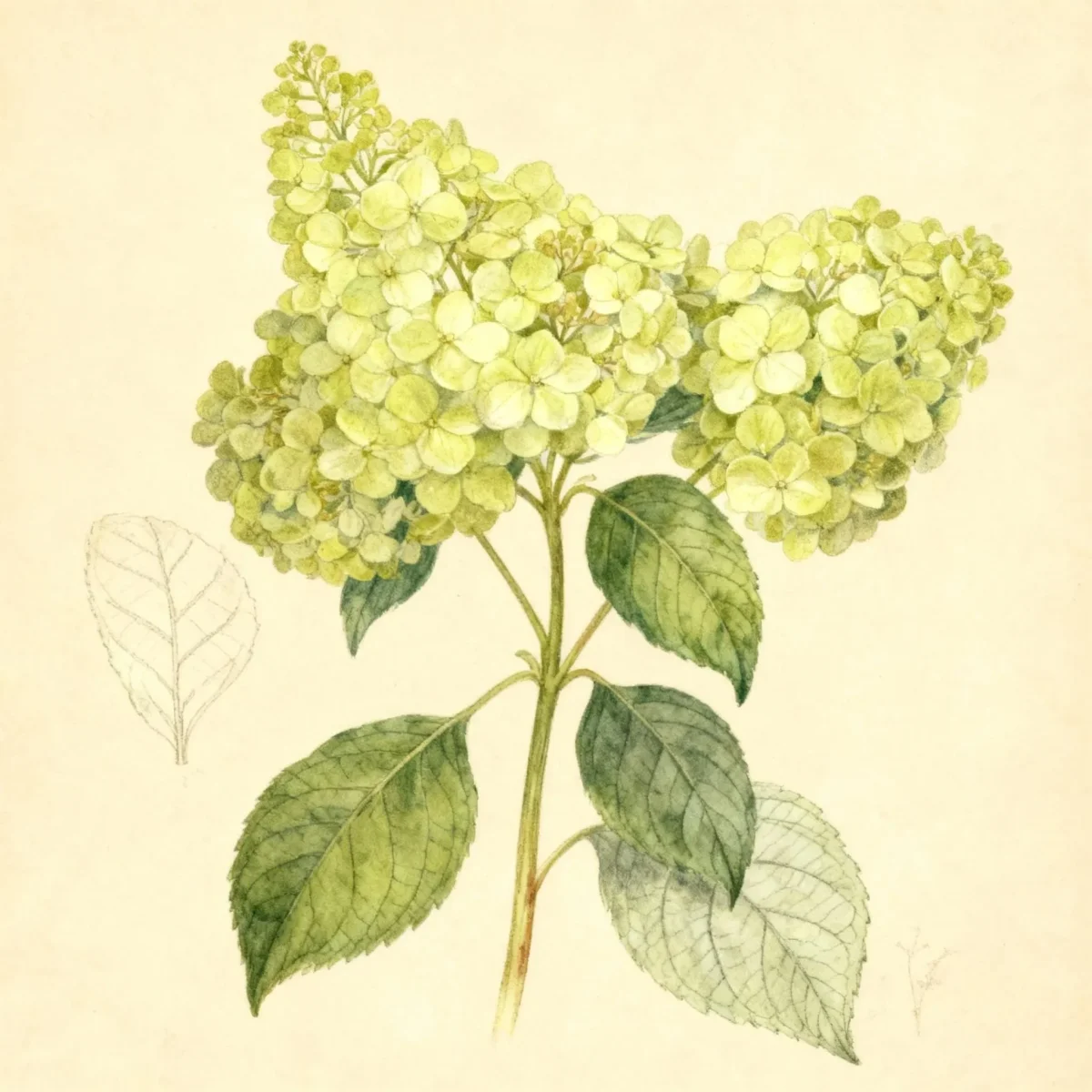
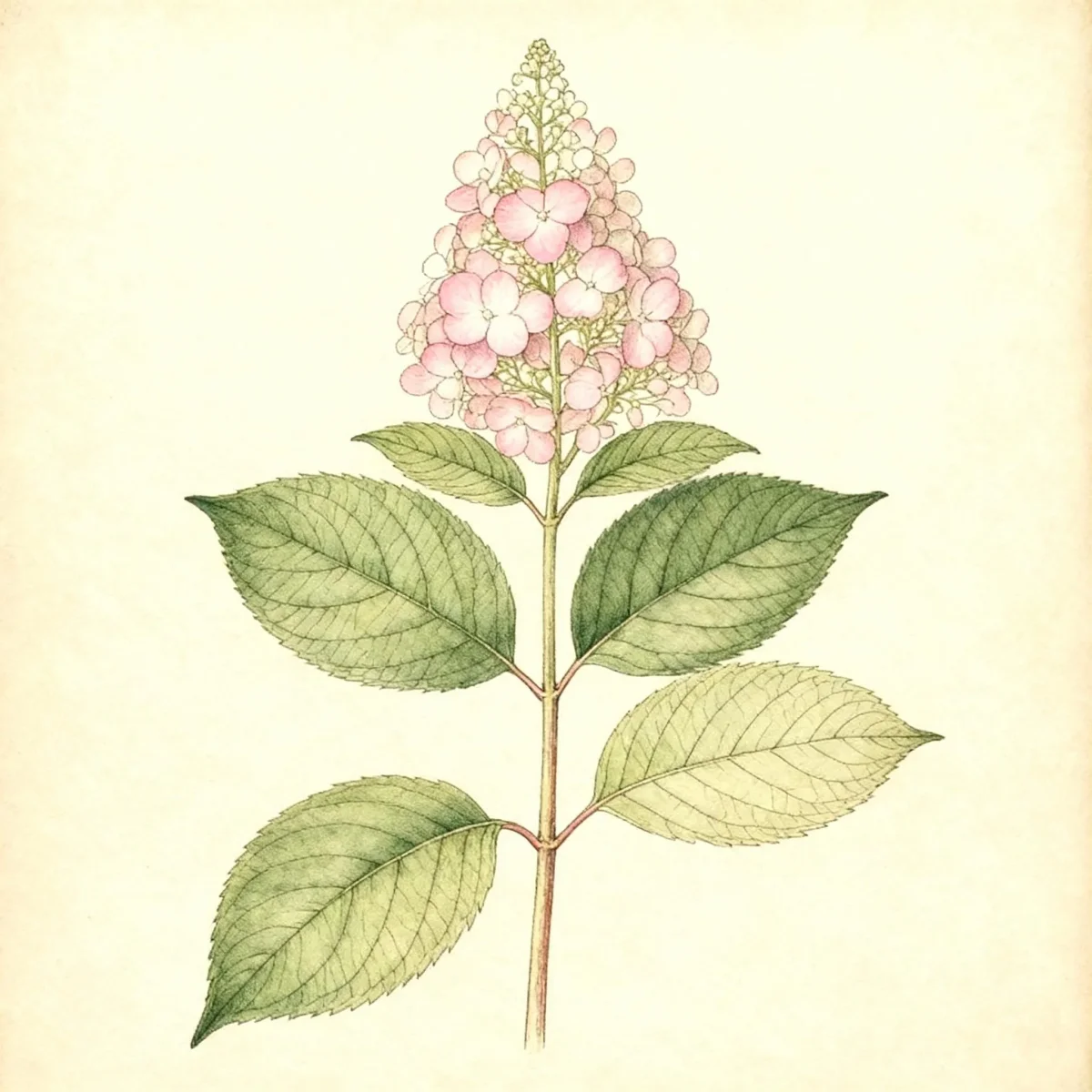
Panicle hydrangea (Hydrangea paniculata 'Grandiflora')
Hydrangea paniculata 'Grandiflora' is a vigorous, winter-hardy Panicle hydrangea offering huge white flowers that turn pink, perfect for hedges and specimen planting.
Scroll down to discover growing tips, care requirements, companion plants, and more
Complete Plant Information
Overview
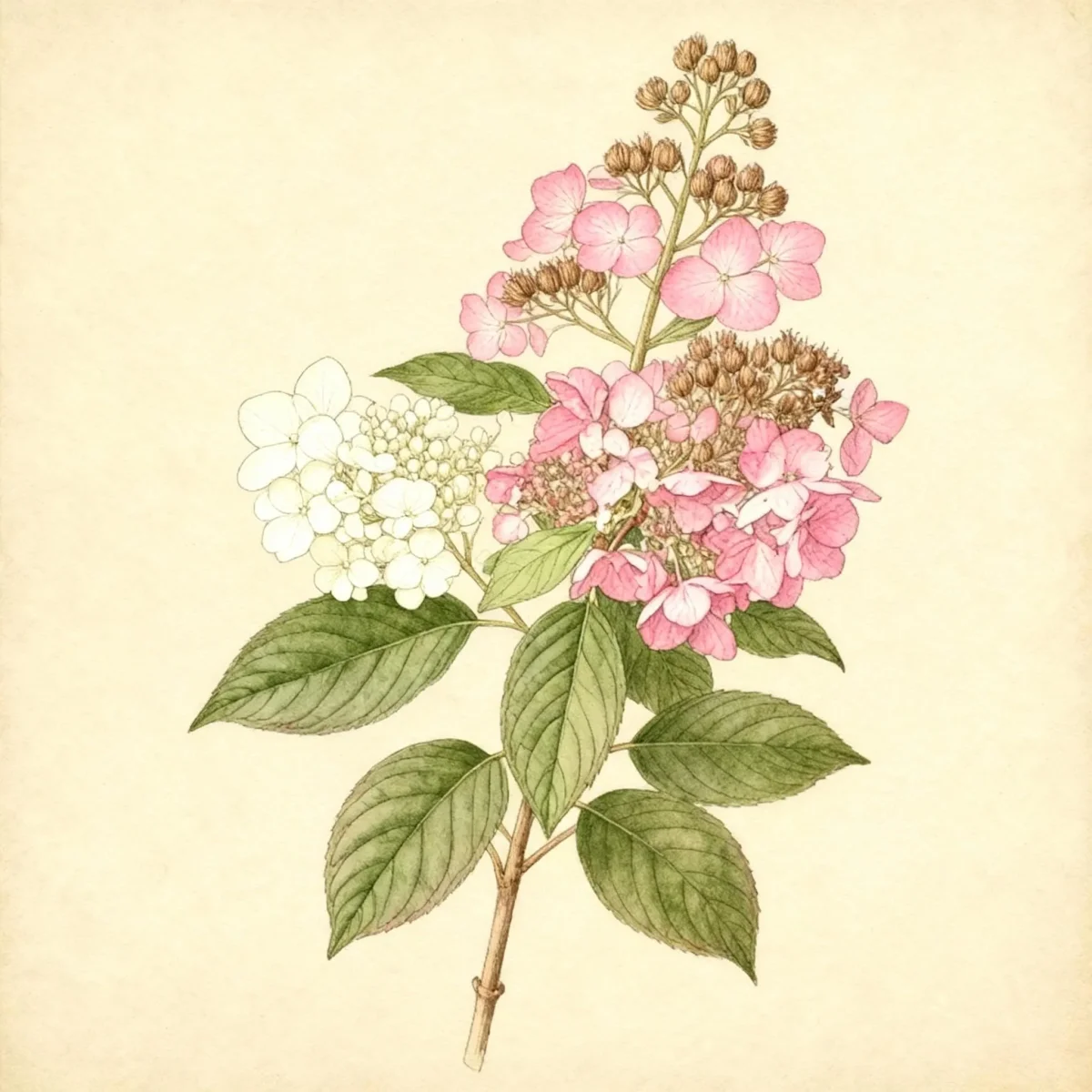
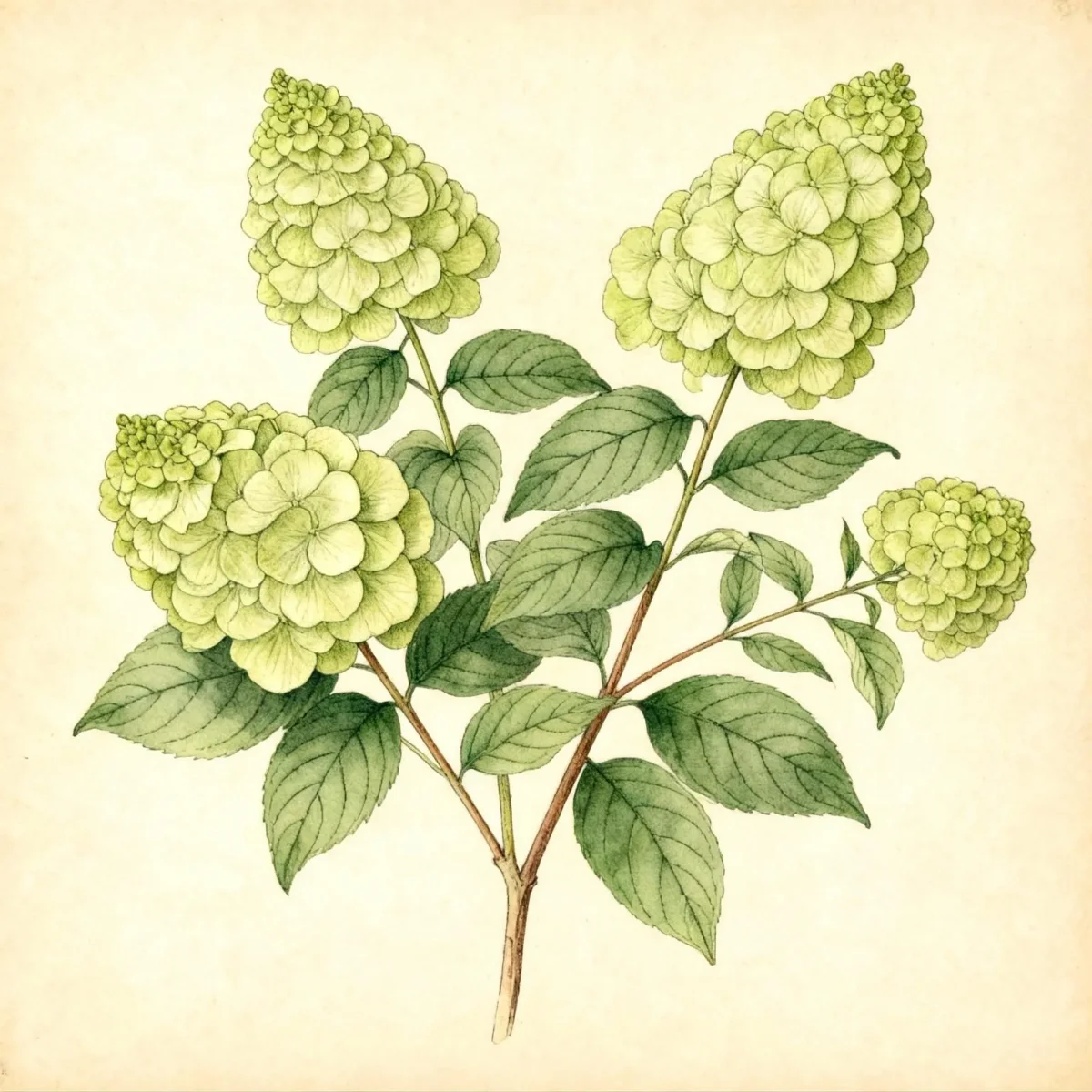
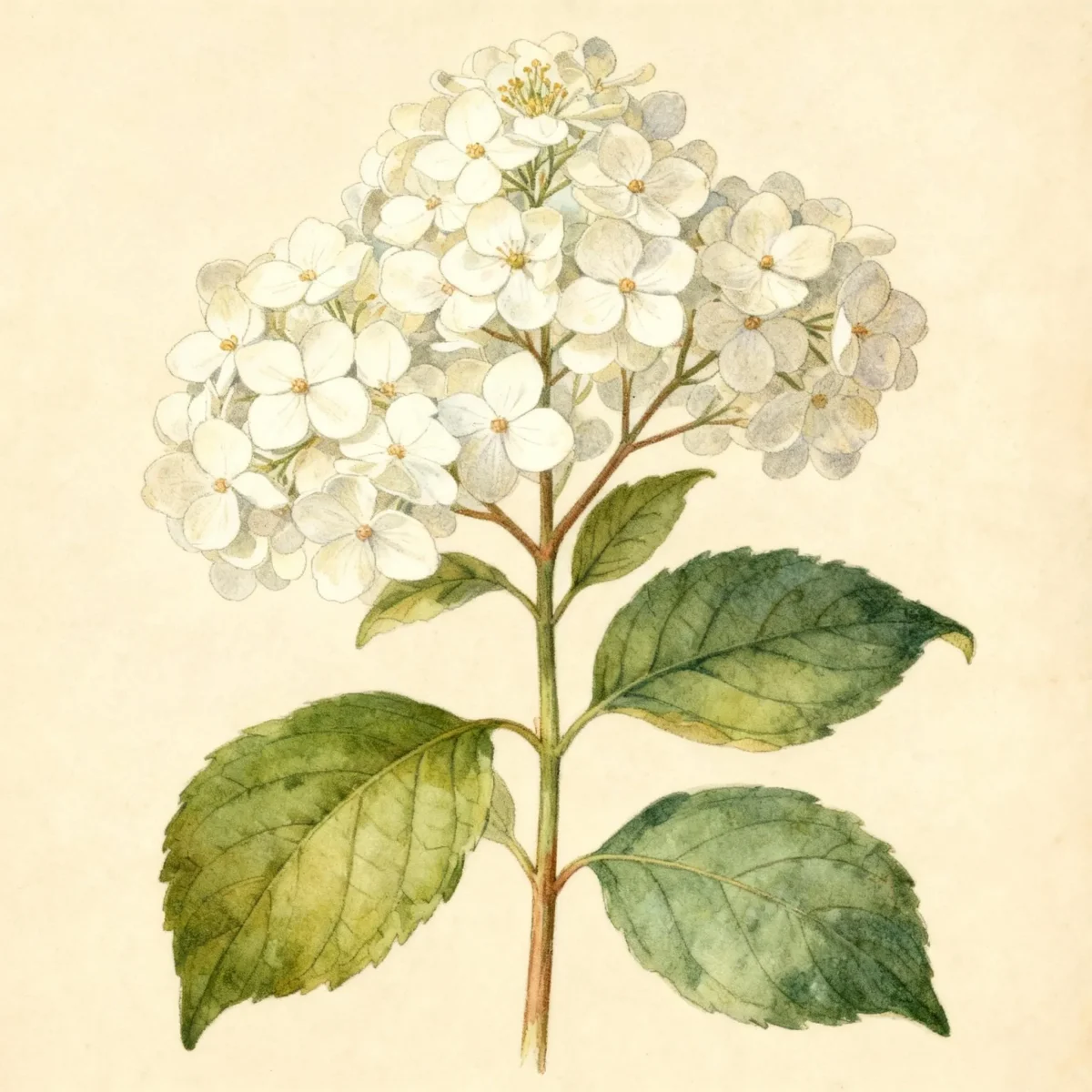
The Panicle hydrangea, scientifically known as Hydrangea paniculata ‘Grandiflora’, is a highly valued, vigorous landscape shrub celebrated for its spectacular late-season flower display. This cultivar, often called Peegee hydrangea, is renowned for being one of the most winter-hardy hydrangeas available, thriving across a wide range of colder climates. It reliably produces large, conical flower panicles that start white and gracefully mature to shades of pink as summer progresses into fall.
This deciduous shrub is noted for its rapid growth and ability to form a substantial, somewhat coarsely textured presence in the garden. Whether maintained as a multi-stemmed shrub or trained into a small tree form, Hydrangea paniculata ‘Grandiflora’ offers significant four-season interest, peaking when many other shrubs have finished blooming. Its hardiness and tolerance for urban conditions make it a practical choice for challenging sites, providing reliable color and structure.
Fast Facts
- Plant Family: Hydrangeaceae
- Plant Type: Deciduous shrub
- Hardiness Zones: USDA Zones 3-8
- Size at Maturity:
- Height: 10-25 ft
- Spread: 8-16 ft
- Bloom Time: July to September
- Bloom Description: White, aging to pink
- Sun Exposure: Full sun to part shade
- Water Needs: Medium
- Maintenance Level: Medium
How to Grow
Planting Hydrangea paniculata ‘Grandiflora’ is best executed in spring or fall when temperatures are moderate. Select a location that receives full sun or partial afternoon shade, ensuring the soil is organically rich, well-drained, and moderately moist. These plants thrive when soil structure supports consistent moisture without becoming waterlogged.
Maintenance for this Panicle hydrangea centers on pruning and water management. Provide medium water, especially during extended dry spells, as consistent moisture fuels those impressive flower heads. Since blooming occurs on current season’s growth, pruning should be done in late winter or early spring before new growth begins.
To encourage the largest possible flower panicles, thin the shrub down to 5 to 10 strong primary shoots during the late winter pruning window. Regular pruning to a height of 6 to 10 feet helps maintain an ideal shrub form, preventing the branches from arching too severely under the weight of the blooms. This cultivar establishes well even in urban environments.
Landscape Uses
The robust nature of Hydrangea paniculata ‘Grandiflora’ makes it exceptionally versatile in landscape design. It excels when used as an impressive, tall hedge, offering significant privacy and a reliable late-summer screen covered in blooms. Alternatively, it serves wonderfully as a large lawn specimen, providing significant focal interest as an accent.
This Panicle hydrangea fits well into mass plantings or mixed shrub borders, where its size and structure can anchor the design. It naturally complements woodland garden settings, though it performs best with consistent moisture management outside of native woodland areas. Because it blooms late in the season, it fills a crucial gap in continuous garden color.
Standout Features
Flower Qualities
- Showy
- Good Cut
- Good Dried
Noteworthy Characteristics
Hydrangea paniculata, commonly called panicle hydrangea, is a vigorous, upright, rapid-growing, somewhat coarsely textured, deciduous shrub that is native to China and Japan. ‘Grandiflora’, commonly called peegee hydrangea, is a vigorous, upright, rapidly growing cultivar featuring conical flower panicles that can reach 18 inches long when pruned correctly. These showy, creamy white sterile flowers age to pink and persist well into the fall, although heavy blooms often cause branch arching.
Tolerances
- Air Pollution
Potential Problems
While generally tough, Hydrangea paniculata ‘Grandiflora’ can occasionally fall prey to several fungal issues, including leaf spot, rust, and mildew. Prevention involves ensuring good air circulation through proper pruning, as noted in cultural guidelines. Watering at the base of the plant rather than overhead also reduces the incidence of leaf fungus development.
Infestations by common garden pests, such as mites and aphids, are sometimes observed but are generally not severe enough to warrant heavy chemical intervention. Monitoring the new growth regularly allows for early management using targeted horticultural oils if necessary. Overall, this reliable Panicle hydrangea requires medium maintenance but remains resilient against many common stresses.
Frequently Asked Questions
What hardiness zones is Panicle hydrangea suitable for?
This hardy variety, Hydrangea paniculata ‘Grandiflora’, is suitable for USDA Zones 3 through 8.
How large does Hydrangea paniculata ‘Grandiflora’ grow?
This plant matures into a substantial size, typically reaching heights between 10 and 25 feet, with a spread ranging from 8 to 16 feet wide.
When does Panicle hydrangea bloom?
The spectacular flowering period for Hydrangea paniculata ‘Grandiflora’ generally runs from July through September, displaying flowers that transition from white to pink.
What sun exposure does Hydrangea paniculata ‘Grandiflora’ need?
For the best bloom potential and shrub health, this plant prefers exposure ranging from full sun to partial shade.
Conclusion
The vigorous nature and spectacular, late-summer color provided by Hydrangea paniculata ‘Grandiflora’ make it an indispensable element in many garden designs. As one of the most reliably cold-hardy Panicle hydrangeas, it offers extended season interest and tolerates urban conditions well when provided medium water and adequate space to mature. Before planting, confirm your location falls within USDA Zones 3-8 to ensure this classic shrub thrives for years to come.
Companion Planting
Due to its requirement for medium moisture and partial shade tolerance, this Hydrangea variety pairs well with other woodland-edge plants that appreciate similar conditions. Consider underplanting shorter ferns or hostas around the base, which can help shade the shallow roots and retain soil humidity. For height contrast in a mixed border, pair the arching habit of the Panicle hydrangea with upright evergreens that provide winter contrast.
Design Ideas
Using Hydrangea paniculata ‘Grandiflora’ near pathways or patios maximizes its aesthetic impact during its long bloom season. Because the stems arch gracefully under the weight of the blossoms, planting it slightly recessed from a path allows visitors to admire the cascading flower heads without obstruction. For a traditional look, plant them in repeating groups along a property line to create a stunning, uniform flowering hedge.