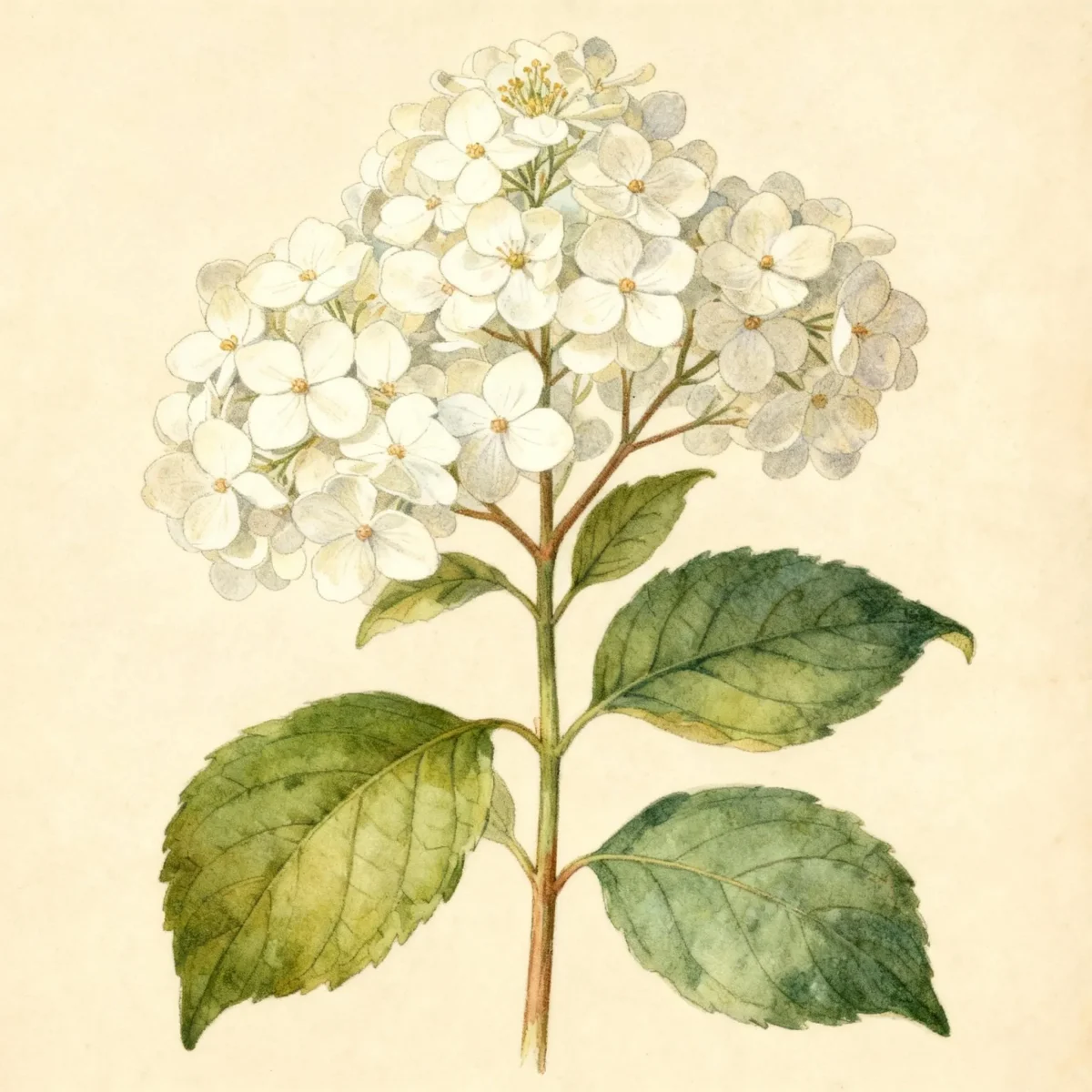
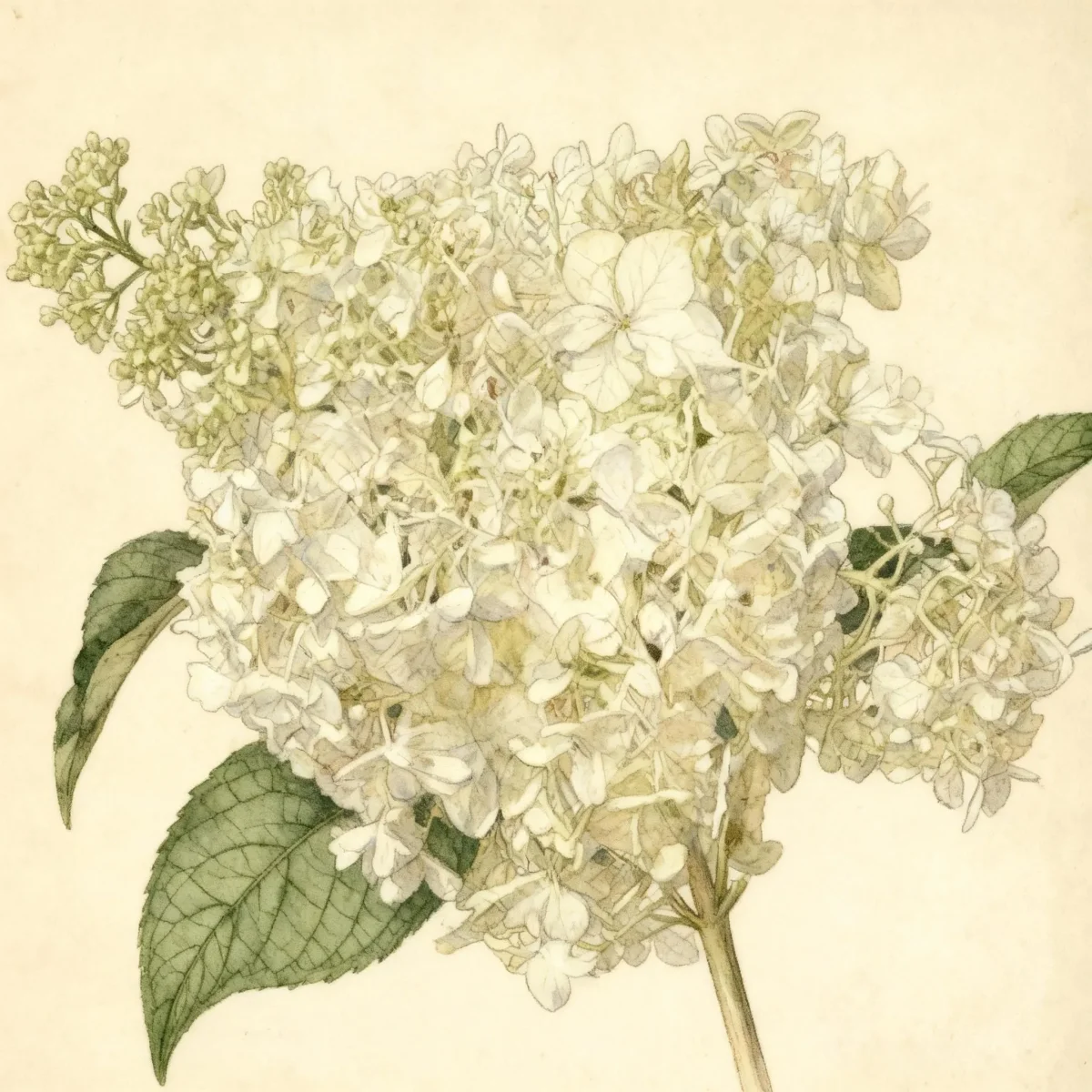
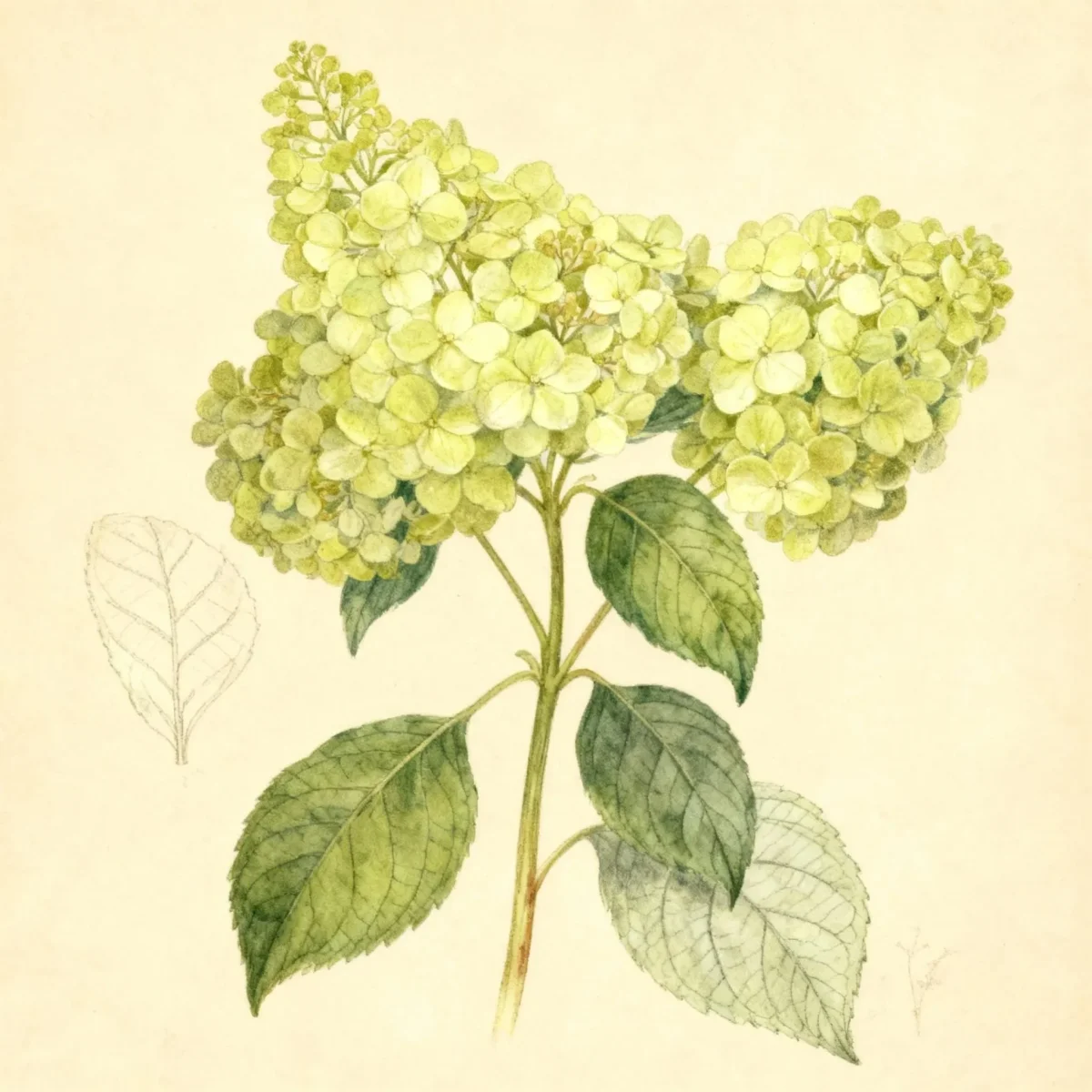
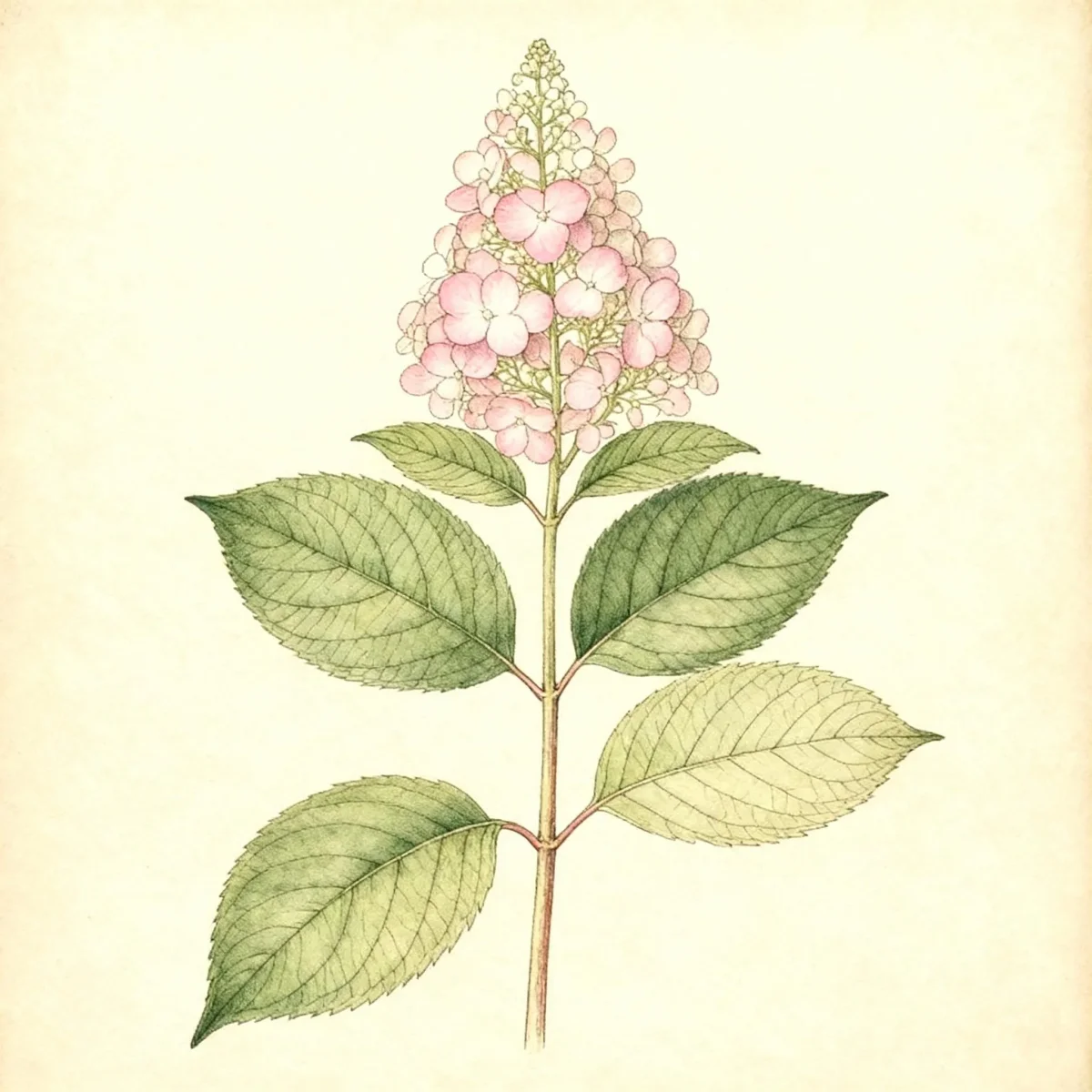
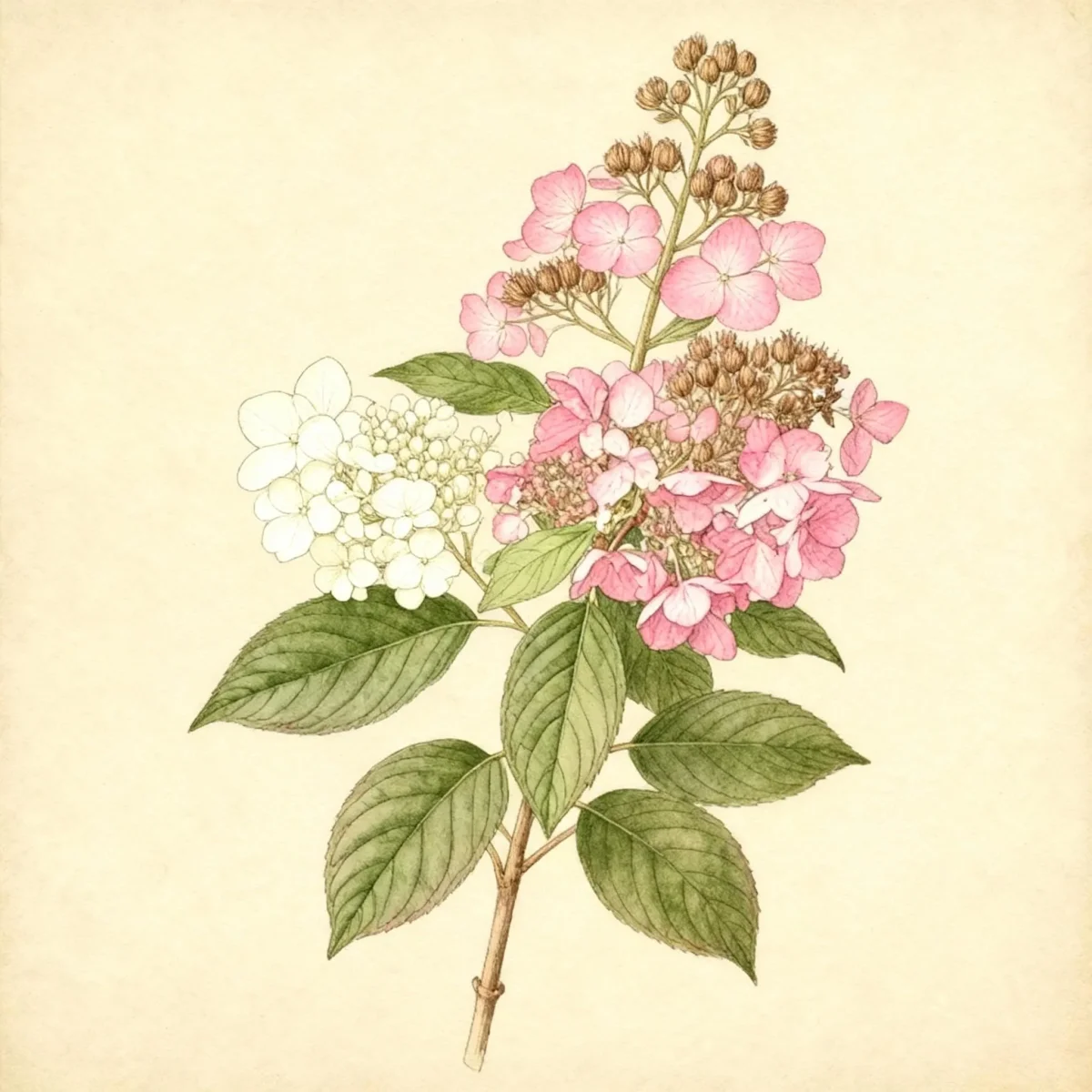
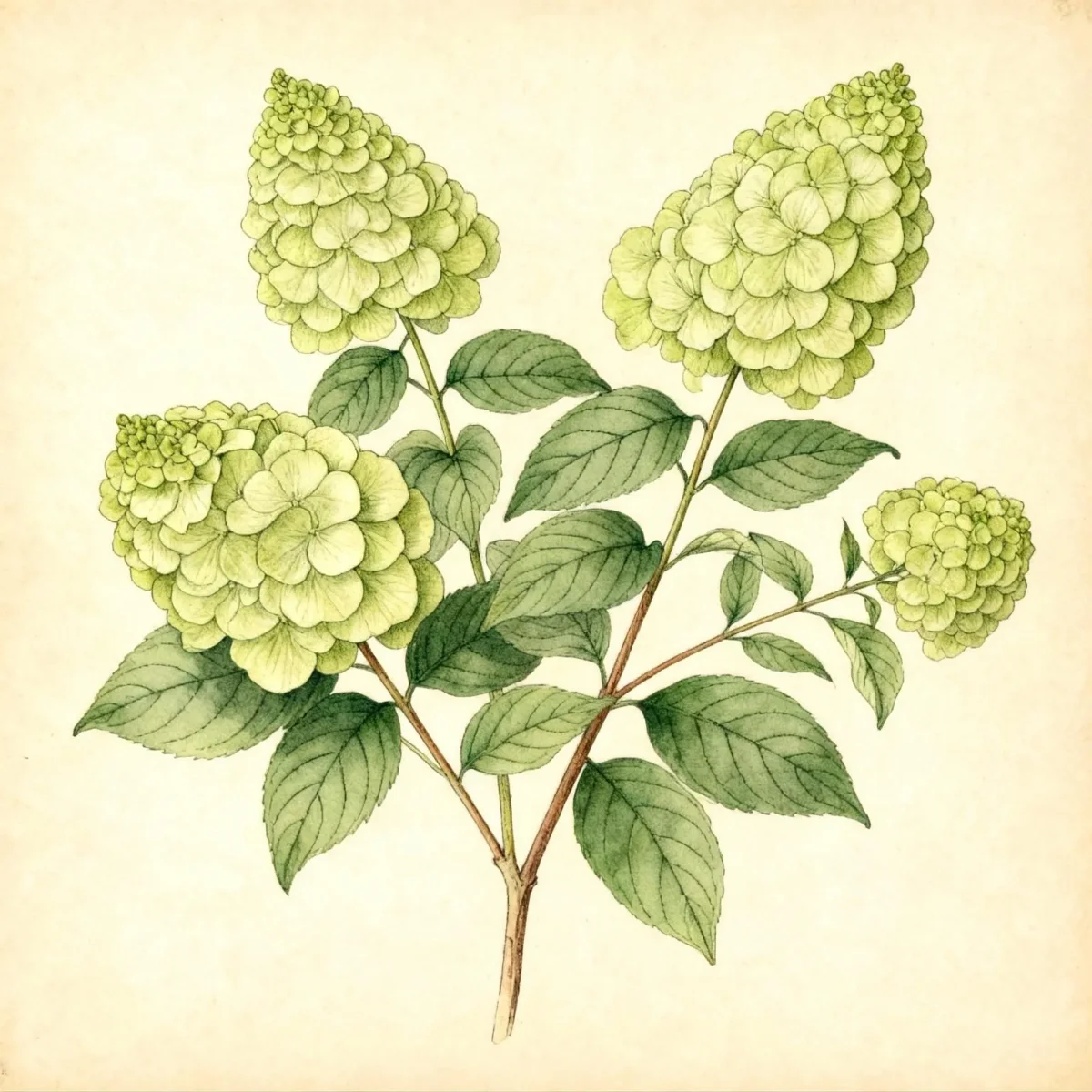
Panicle hydrangea (Hydrangea paniculata 'Tardiva')
Hydrangea paniculata 'Tardiva' is a vigorous Panicle hydrangea, blooming late from July to September with showy white blooms, hardy in zones 3-8.
Scroll down to discover growing tips, care requirements, companion plants, and more
Complete Plant Information
Overview
The Hydrangea paniculata ‘Tardiva’, commonly known as Panicle hydrangea, is celebrated for its reliability and exceptionally late flowering period, extending garden color well into the autumn. This vigorous, upright, deciduous shrub offers large, sharply pointed, conical flower panicles, making it a standout specimen in the late summer landscape. As one of the most winter-hardy hydrangeas available, Hydrangea paniculata ‘Tardiva’ thrives across a wide range of climates.
This cultivar develops into a substantial shrub, typically reaching 8 to 12 feet tall and spreading 7 to 10 feet wide, though it can be judiciously pruned to maintain a smaller stature. Its structure is somewhat coarsely textured, and the weight of the abundant bloom clusters often causes graceful arching of the branches when in full display.
Gardeners value the Panicle hydrangea not only for its aesthetic appeal but also for its adaptability. It handles urban conditions well and provides reliable performance when many other flowering shrubs have finished. Whether used as a hedge, specimen, or cut flower source, Hydrangea paniculata ‘Tardiva’ remains a dependable, late-season performer.
Fast Facts
- Plant Family: Hydrangeaceae
- Plant Type: Deciduous shrub
- Hardiness Zones: USDA Zones 3-8
- Size at Maturity:
- Height: 8-12 ft
- Spread: 7-10 ft
- Bloom Time: July to September
- Bloom Description: White
- Sun Exposure: Full sun to part shade
- Water Needs: Medium
- Maintenance Level: Medium
How to Grow
Best results for Hydrangea paniculata ‘Tardiva’ are achieved when planted in organically rich, medium moisture, well-drained soils. While it performs excellently in full sun, providing protection from the harshest afternoon rays in hot climates benefits the foliage, making partial shade an acceptable alternative. Planting should occur in spring or fall, ensuring the root system has time to establish before extreme weather hits.
Care requires medium watering, meaning the soil should remain consistently moist but not waterlogged throughout the growing season, especially during dry spells. While Hydrangea paniculata ‘Tardiva’ is vigorous, pruning is key to maintaining desirable form. This Panicle hydrangea blooms on current season’s growth, so prune as needed in late winter to early spring before new buds swell.
To encourage robust flowering and limit excessive size, regularly prune stems back to a height of 6 to 10 feet. Achieving larger flower panicles is possible by thinning the plant to only 5 to 10 primary shoots during the late winter pruning session. This hardy shrub thrives easily, even tolerating mild urban conditions without excessive coddling once established.
Landscape Uses
The robust structure and late-season impact of Hydrangea paniculata ‘Tardiva’ make it suitable for numerous landscape roles. It functions exceptionally well when massed or grouped within a mixed shrub border, creating a substantial backdrop of texture and late summer flowers. For a grander statement, the Panicle hydrangea serves effectively as a lawn specimen or striking accent plant.
Its vigorous, upright habit makes this cultivar an excellent choice when a substantial, natural-looking hedge is desired. Planting Hydrangea paniculata ‘Tardiva’ provides vital color and structure late in the season when many other spring and early summer bloomers have faded. Consider pairing it with early-season shrubs or late-blooming perennials to ensure continuous interest throughout the garden.
Standout Features
Flower Qualities
- Showy
- Good Cut
- Good Dried
Noteworthy Characteristics
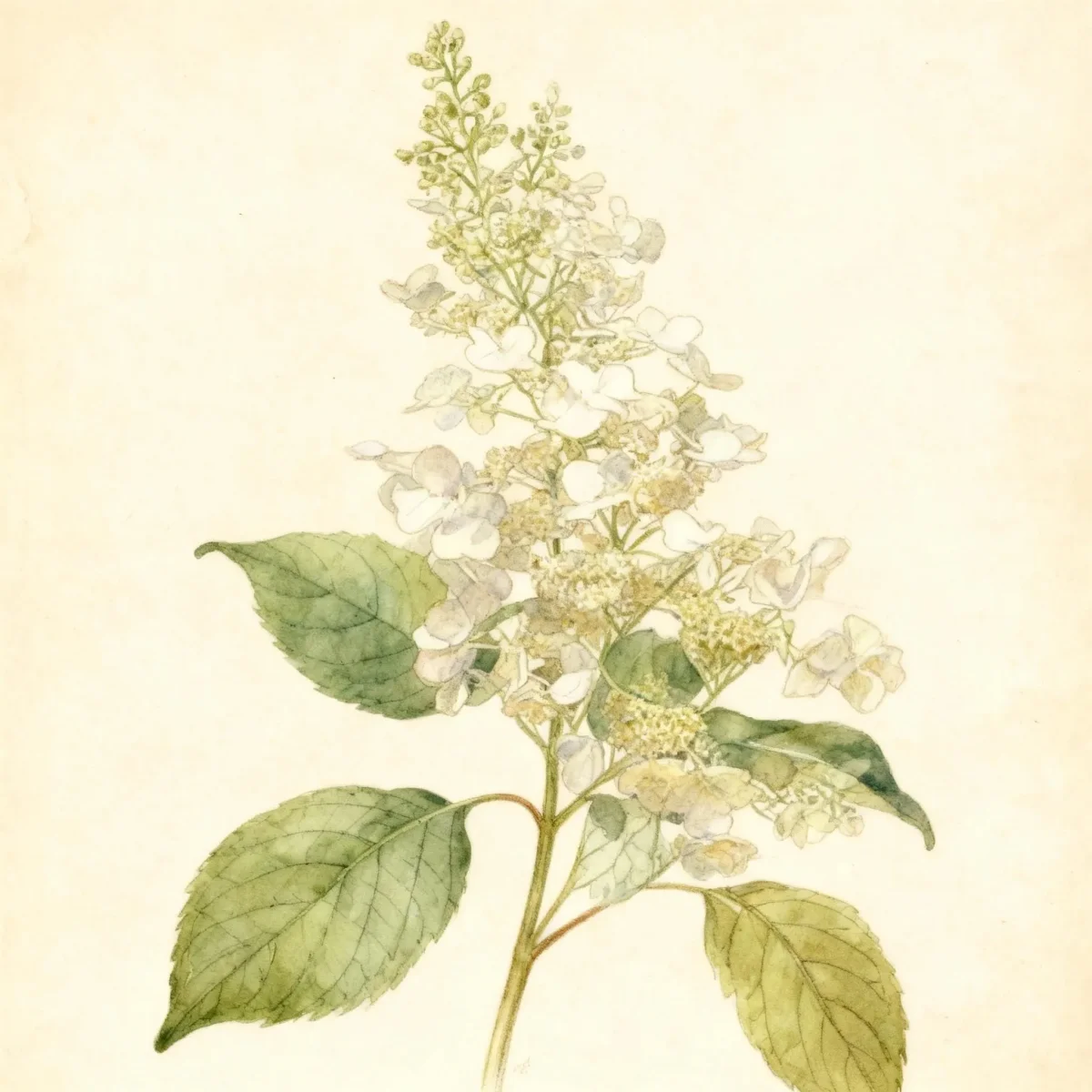
Hydrangea paniculata, commonly called panicle hydrangea, is a vigorous, upright, rapid-growing, somewhat coarsely textured, deciduous shrub that is native to China and Japan. When grown as Hydrangea paniculata ‘Tardiva’, it features upright, pyramidal flower panicles to 8 inches long, which start white and slowly age to purplish pink. Blooms occur late, extending well into September, making this one of the latest shrubs to flower.
Tolerances
- Air Pollution
Potential Problems
Hydrangea paniculata ‘Tardiva’ is generally robust, demonstrating strong winter hardiness. Gardeners should remain watchful for occasional issues common to the genus. This includes some susceptibility to fungal diseases such as leaf spot, rust, and powdery mildew, which can often be managed through proper air circulation via timely pruning.
Pest-wise, watch for sporadic outbreaks of aphids or mites, particularly during prolonged hot, dry periods. Maintaining optimal moisture levels prevents plant stress, which in turn reduces susceptibility to these minor pests and diseases. Addressing any identified bacterial wilt promptly is crucial for overall plant health.
Frequently Asked Questions
What hardiness zones is Panicle hydrangea suitable for?
Hydrangea paniculata ‘Tardiva’ is suitable for USDA Hardiness Zones 3 through 8, demonstrating excellent cold tolerance.
How large does Hydrangea paniculata ‘Tardiva’ grow?
This Panicle hydrangea typically reaches a mature height between 8 and 12 feet, with a corresponding spread of 7 to 10 feet wide.
When does Panicle hydrangea bloom?
Hydrangea paniculata ‘Tardiva’ blooms reliably from July all the way through September, offering white flowers late in the season.
What sun exposure does Hydrangea paniculata ‘Tardiva’ need?
This shrub performs best in locations receiving full sun to partial shade.
Conclusion
The Hydrangea paniculata ‘Tardiva’ offers unmatched reliability for late-season garden impact, delivering abundant white flowers when few alternatives exist. Its vigor, cold hardiness, and adaptability to pruning make the Panicle hydrangea a superb choice for backbone structure in any planting scheme. Check your local USDA zone compatibility and plan your late-winter pruning schedule to ensure spectacular flowering next season.
Design Ideas for Hydrangea paniculata ‘Tardiva’
The upright and pyramidal habit of Hydrangea paniculata ‘Tardiva’ lends itself perfectly to formal mixed borders where vertical accents are needed without the height of a true tree. Plant them in odd-numbered groupings of three or five to create a continuous, seasonal screen that defines property lines or hides utilitarian areas. Their coarse texture contrasts beautifully with fine-textured ornamental grasses or delicate perennials.
For a stunning visual effect in autumn, plant ‘Tardiva’ near plants with strong, contrasting fall color, such as burning bush (if zones align) or certain Japanese maples. As the Panicle hydrangea fades from white to rosy pink, the structure remains strong, serving as an excellent “everlasting” element even after the color begins to decline.
Companion Planting for Late Season Interest
Due to the medium water and sun, Hydrangea paniculata ‘Tardiva’ pairs well with other robust, adaptable shrubs that share similar cultural needs. Consider interplanting with late-summer blooming native asters or hardy sedum varieties near the base to provide ground cover and mid-season color. These companions help keep the root zone cool while complementing the large bloom heads of the hydrangea.
For a classic cottage feel, plant the Panicle hydrangea near robust perennials like Joe Pye Weed, tall cone flowers (Echinacea), or Rudbeckia varieties that can handle the occasional branch arch caused by heavy blooms. Ensure adequate spacing, as this shrub is vigorous and requires room to achieve its impressive 10-foot spread.